News
Speaking Up About Mental Health
Play audio version
Meet DJP Fellow Esther Suubi
June 27, 2021
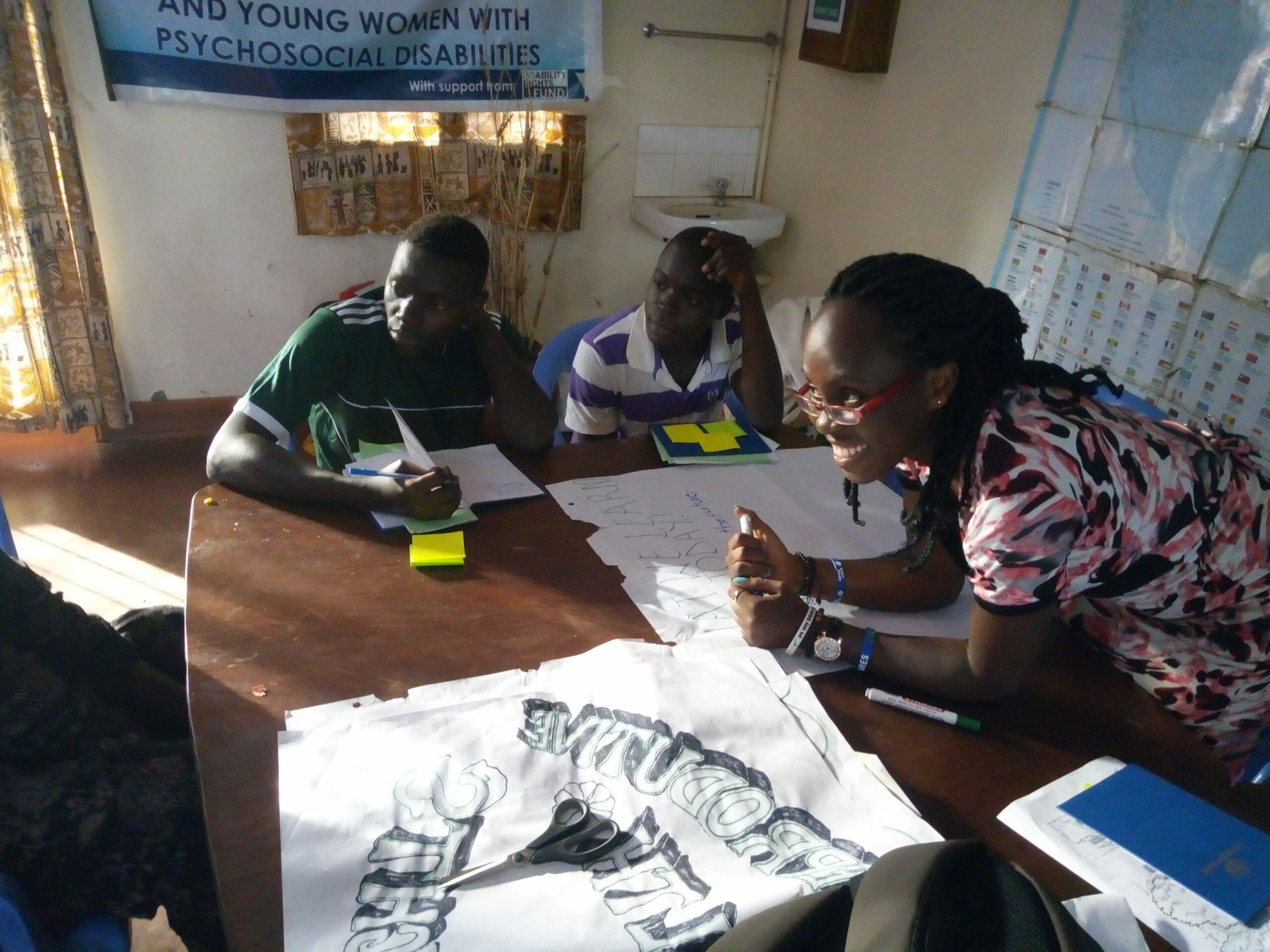
Esther Suubi is an educator and advocate for those with psychosocial disabilities, especially in her home country of Uganda. Born in a small town near Kampala, she found herself battling depression in her adolescence in a country where those with psychosocial disabilities are often considered incapable and unable to amount to anything in society. Undeterred by Uganda’s views, Suubi’s family provided her with all the care they could, which led her to Triumph Uganda Mental Health Support and Recovery Program (TRIUMPH) in Jinja. TRIUMPH’s mission is to “contribute to the process of enhancing recovery, building resilience and investing in social networks for inclusion of persons with psychosocial disabilities.” At TRIUMPH, Suubi was welcomed with open arms, receiving the support she needed.
Now, as a graduate of Uganda Christian University Mukono with a Bachelor of Arts in mass communication, she has continued pushing to destigmatize psychosocial disabilities with her work at TRIUMPH, where she serves as a self-advocate in peer education and communications, focusing on young women and adolescent girls. When Suubi is not leading sessions and training others, she is writing and proposing policies about mental health and sexual reproductive rights to key stakeholders in Uganda. Most recently, last November she presented a policy paper on access to sexual and reproductive health rights and services for adolescent girls and young women with psychosocial disabilities.
I decided to stand up and fight for my fellow girls and young women by speaking up so that we are heard.
Esther Suubi
With a strong interest in journalism, digital media, and social change, Suubi eagerly applied to participate in the Disability Justice Project’s fellowship program to gain one-on-one mentorship focused on enhancing her storytelling skills to benefit her work at TRIUMPH and beyond. Her goal is to build a personal social media following and campaign to raise awareness of the mental health disparities in Uganda and around the world. “I decided to stand up and fight for my fellow girls and young women by speaking up so that we are heard,” she says. “Many girls and young women are out there suffering and can’t speak up, but it won’t keep me silent.” Suubi continues, “As a mental health advocate…I want to see how I can use my social media handles…to be a representative out there.” The fellowship program will give her access to resources and mentorship that she has not had before, and Suubi is hoping she will be able to utilize social media and documentary-style videos to get her message out.
Suubi has deep love and passion for the work she is doing and will take on with the fellowship. With her expanded social media presence and the knowledge she gains from the Disability Justice Project, she is hoping to one day be the founder and director of her own organization, where she can connect with companies and other organizations about psychosocial disabilities and reiterate to them what she already knows to be true: persons with disabilities are able to do the work and enact change when given the chance.
News From the Global Frontlines of Disability Justice

The Cost of Surviving
After years of failed treatments for complex PTSD, Marian Siljeholm followed an unlikely lead into the underground world of MDMA-assisted therapy. What began as a search for healing became a journey through the science of trauma, the politics of prohibition, and the hidden global network of people risking their freedom to help others reclaim their lives. Their stories would change her own. As Marian writes, “The next morning, I woke with a thought as real as the bed: This is the first day of my life.”
‘Deaf People Are Finally Seen as Equal Citizens’
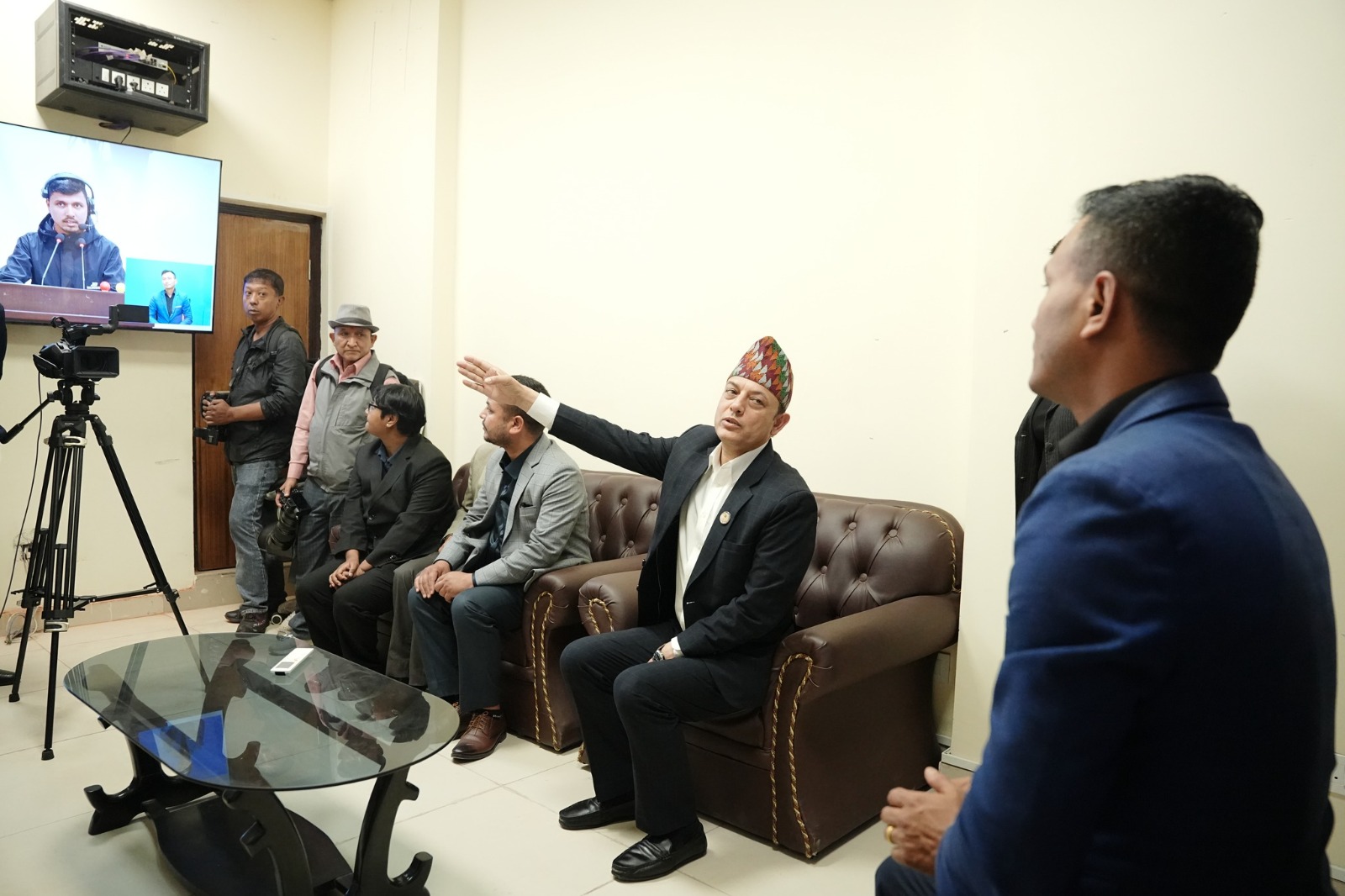
After decades of advocacy, Nepal’s Deaf community is gaining access to information in its own language. Interpreted national news broadcasts now air twice daily, and sign language interpretation has recently been introduced in parliament. Advocates say the changes mark a major step toward inclusion, recognition, and equal participation in public life for Deaf Nepalis who have long been excluded from critical information and decision-making.
Read more about ‘Deaf People Are Finally Seen as Equal Citizens’
The Politics of Waiting, Wanting, and Hoping
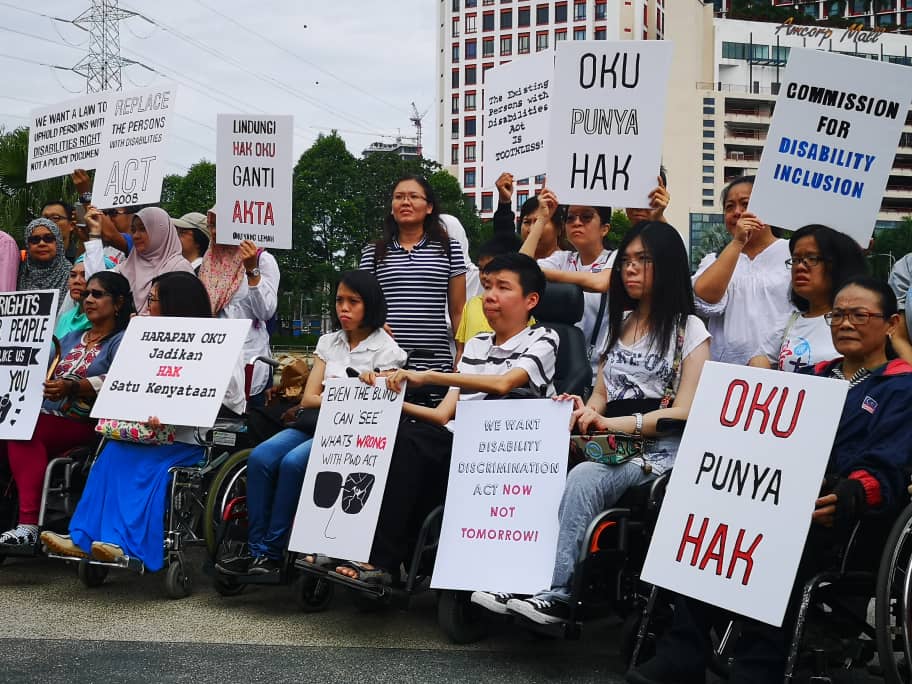
In Malaysia, disability exclusion is rarely one dramatic denial. More often, writes Beatrice Leong, it is “a series of ordinary delays” — inaccessible schools, symbolic consultations, policies without enforcement, and a system that asks disabled people to wait patiently for dignity and belonging. Blending personal reflection with political analysis, Leong examines what happens when inclusion is promised repeatedly, but justice never fully arrives.
Read more about The Politics of Waiting, Wanting, and Hoping
A ‘Direct Threat’ to Democracy
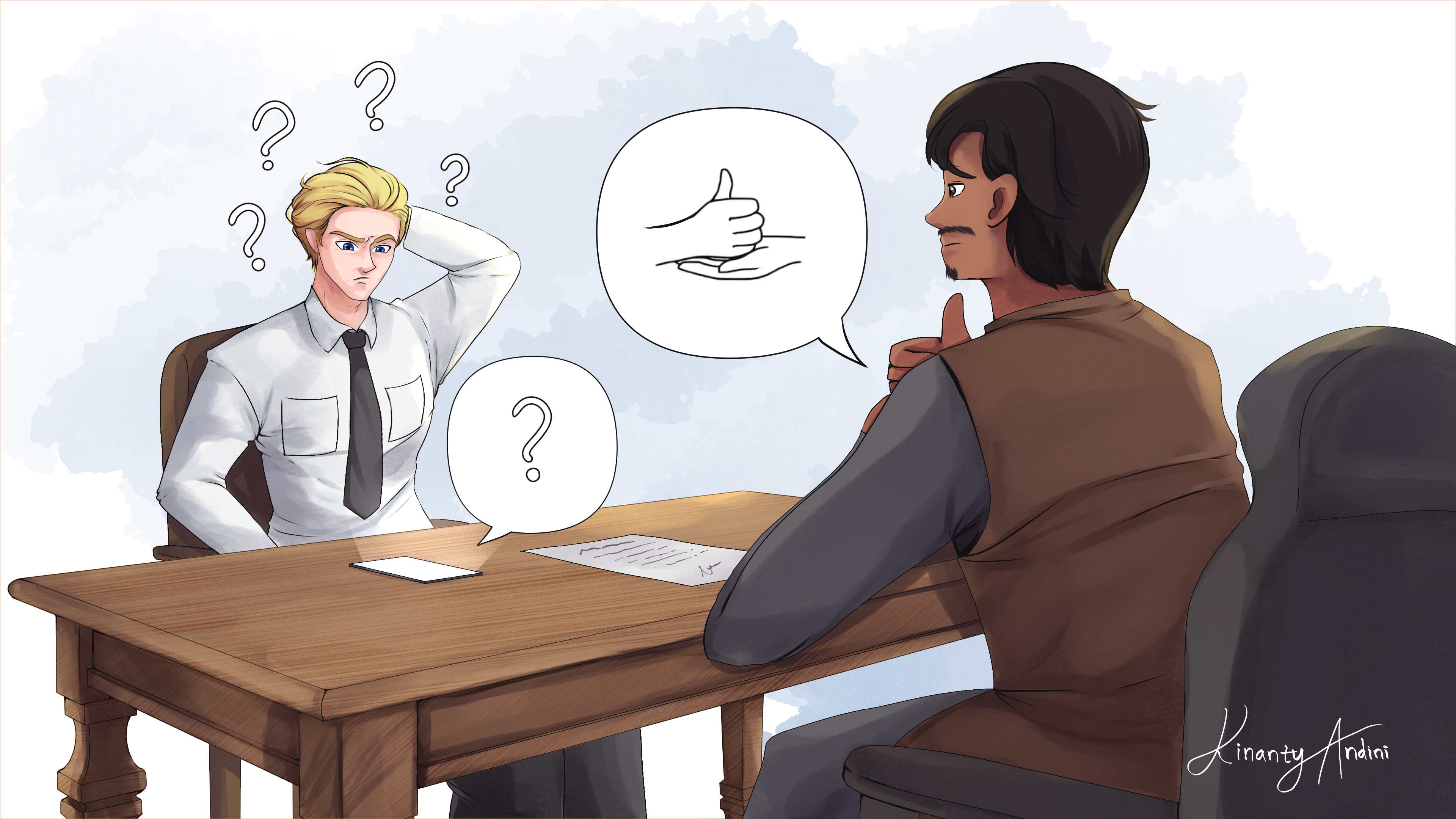
A Deaf asylum seeker from Mongolia spent five months in U.S. immigration detention without access to a sign language interpreter, leaving him unable to communicate with officers or explain his fear of persecution. His case raises questions about whether disability rights laws are being followed inside ICE facilities, where access to communication can determine the outcome of an asylum claim. Lawyer and advocate Qudsiya Naqui says the “absolute disregard” for disability rights under the Trump administration is a “direct threat” to democracy and rule of law.
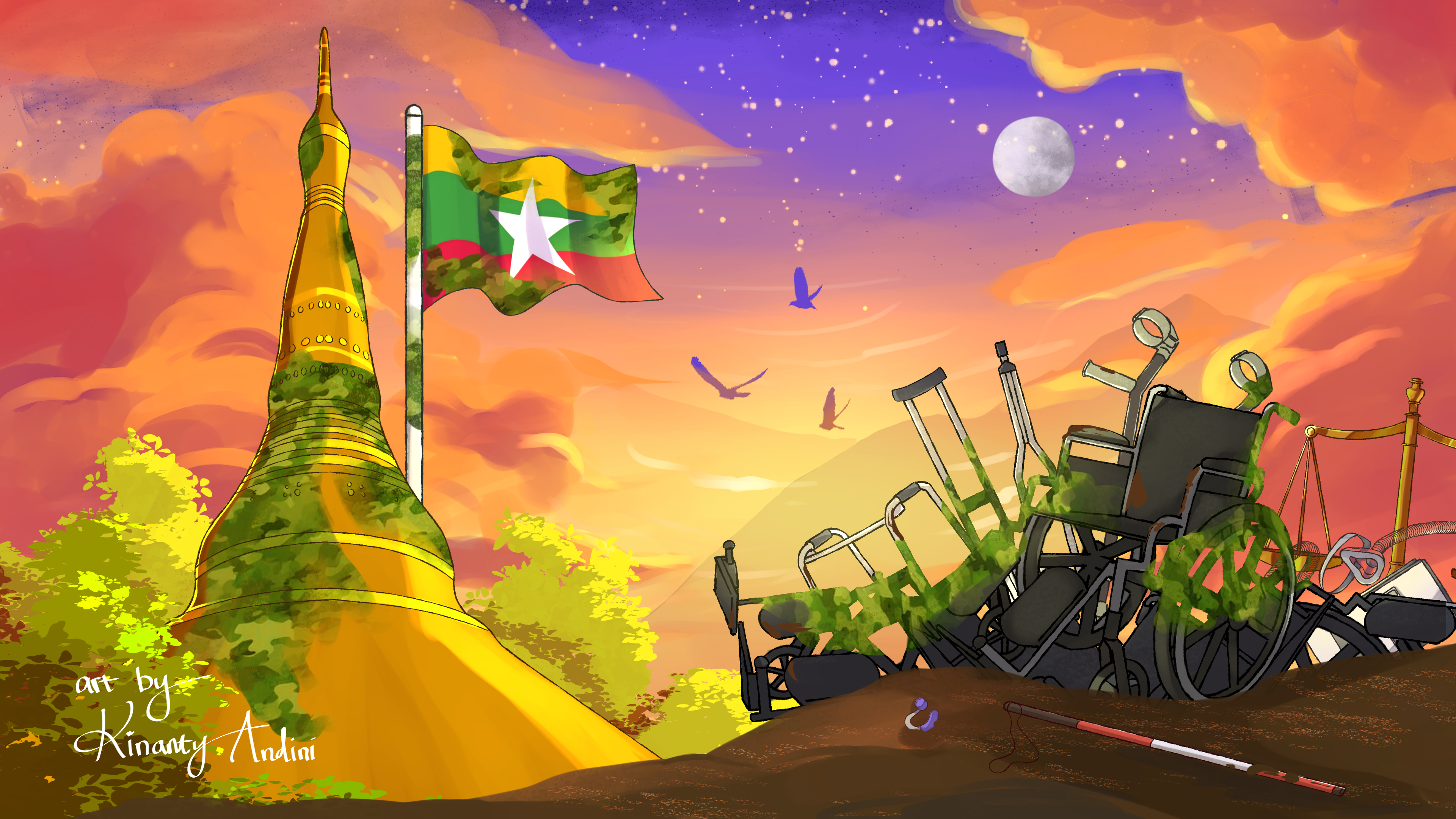
‘Everything Has Gone Back’
Before Myanmar’s 2021 military coup, disability advocates were helping shape national policy for the first time in decades. Laws expanded access to education, transportation, and public life. Today, much of that progress has collapsed. A new UN report describes a “hidden crisis,” documenting targeted violence, deadly attacks, and the exclusion of people with disabilities from warnings, aid, and services. As conflict creates new disabilities and organizations are forced underground, advocates work quietly to preserve rights that once seemed within reach.
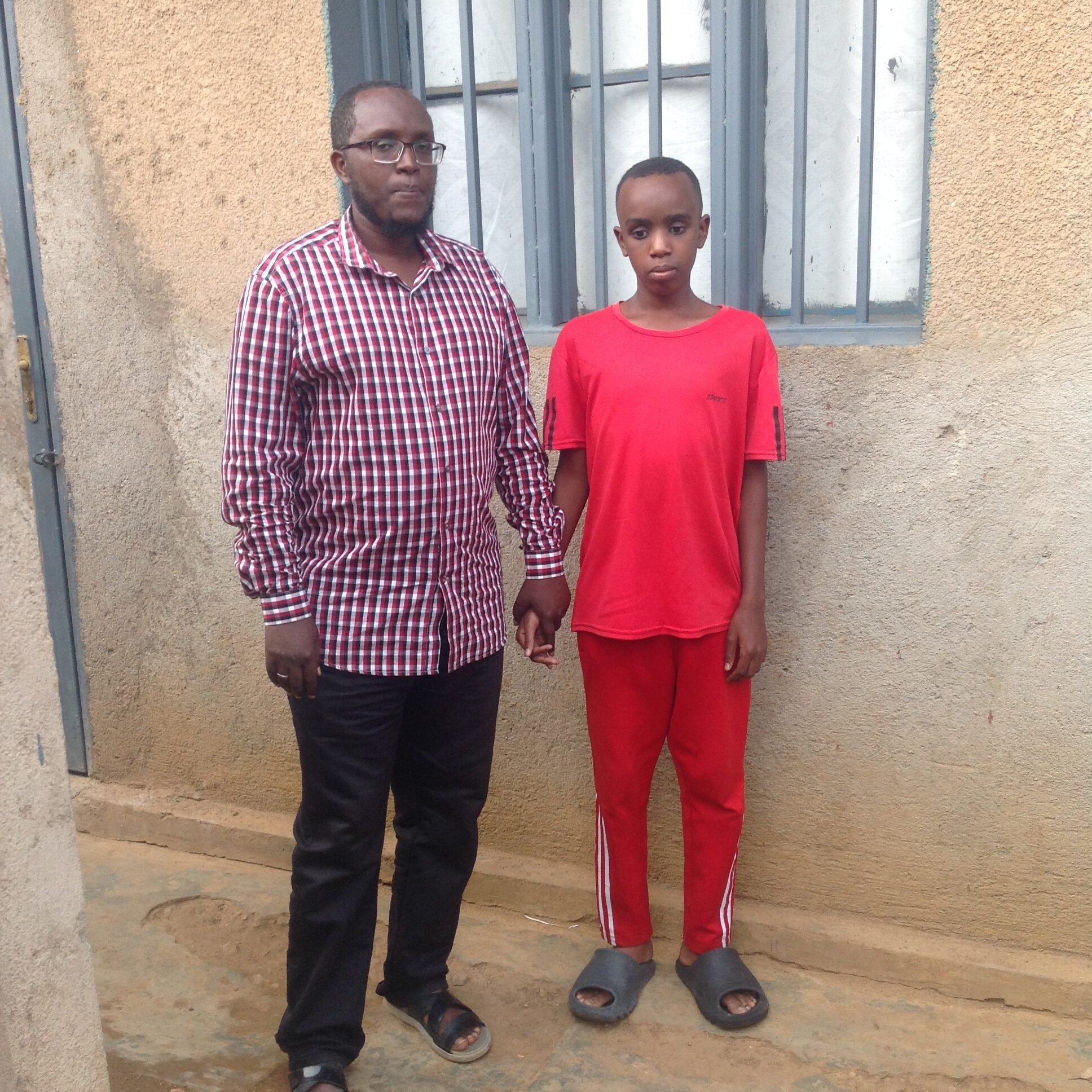
‘I Just Want to Walk Alone’
Fourteen-year-old Saifi Qudra relies on others to move safely through his day. Like many blind children in Rwanda, he has never had a white cane. His father, Mussah Habineza, escorts him everywhere. “He wants to walk like other children,” Habineza says, “He wants to be free.” Across Rwanda, the absence of white canes limits children’s mobility, confidence, and opportunity. For families, it also shapes daily routines, futures, and the boundaries of independence.