News
Raising Awareness of Chronic Illnesses
Play audio version
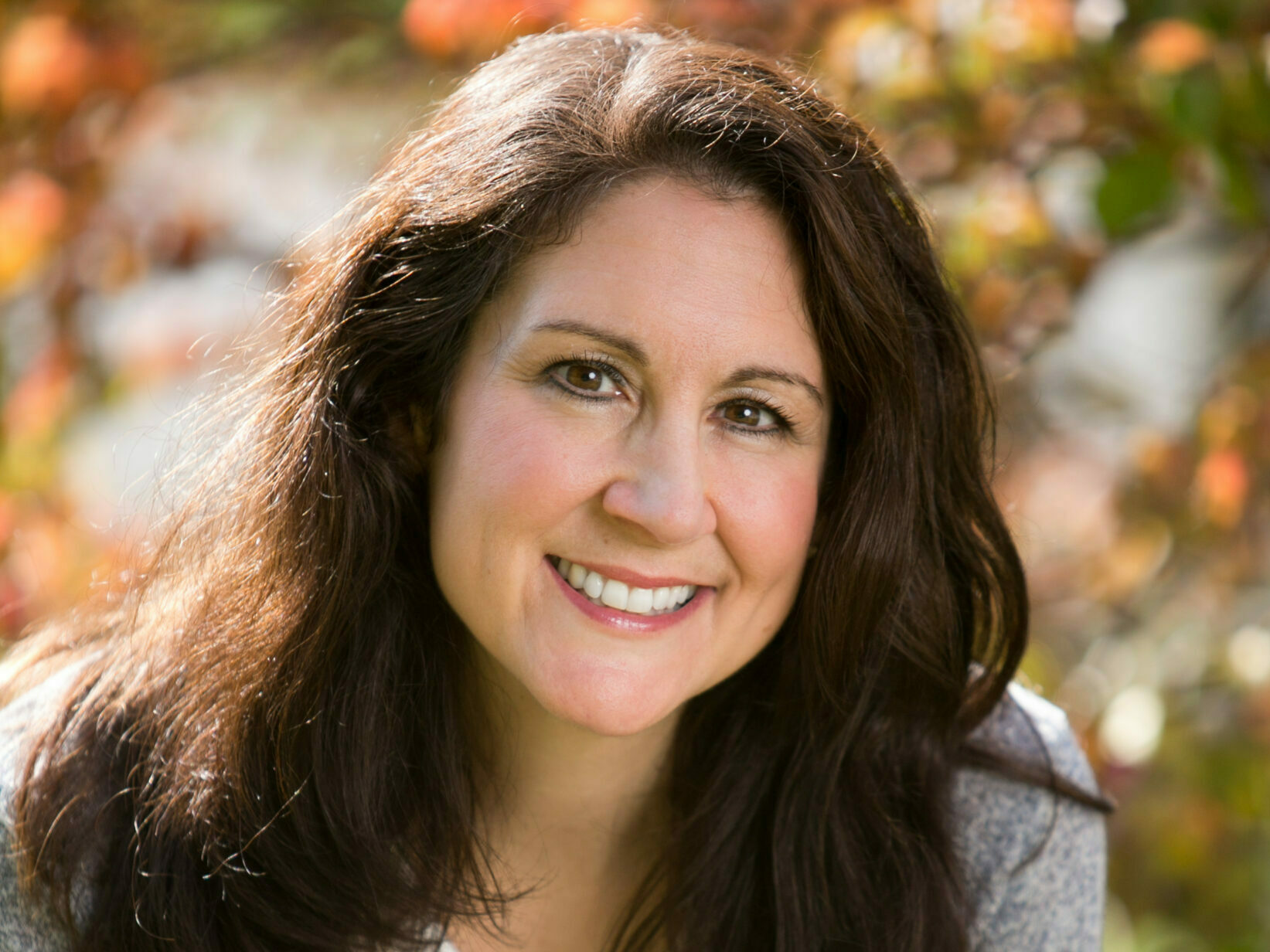
Meet DJP Mentor Meredith O’Brien
October 5, 2021
Disability Justice Project mentor Meredith O’Brien has always loved reading and writing. “As a kid, I was often reading and trying my hand at writing little stories,” she says. “I’d find notebooks around the house and just start writing stories in them.”
Today, O’Brien is a 52-year-old author of four books and has been a School of Journalism instructor at Northeastern University for the last six years. She previously taught journalism at the University of Massachusetts Amherst and Framingham State University, and she has written for multiple publications, including The Union-News (now called The Republican) in Springfield, Massachusetts, and The Boston Herald. Additionally, she’s worked for the Center for Public Integrity, a nonprofit news organization dedicated to inspiring change through investigative reporting.
O’Brien is a Massachusetts native. She grew up in West Springfield and is the oldest of two children. Though she’s had an affinity for literature since childhood, a pivotal pop quiz in an AP history class during her high school senior year partially prompted her interest in journalism.
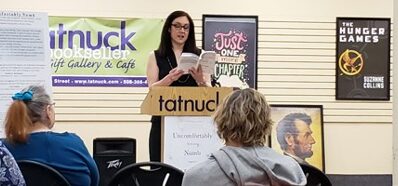
Her AP history teacher made her realize how little she knew about domestic and international news. “… As soon as I was a freshman at UMass Amherst, I decided to take a journalism class and got involved with the student newspaper there … and from then on … it just whet my appetite,” she says. O’Brien ultimately received her undergraduate degree in journalism and political science. In 1994, she pursued a master’s degree in political science from American University to gain a deeper understanding of politics and to enhance her reporting on the topic.
O’Brien likes to write on social media too. She is a news and Twitter enthusiast; her commentary includes pop culture, news analysis, sports, and literature. When she’s not tweeting in her spare time, she’s reading books, watching films, or spending time with her two dogs. She is also married and a mother of three.
To make [disability] part of life, that’s what I would love for it to be – part of life that everybody’s respectful of and aware of and understanding.
Meredith O’Brien
In recent years, O’Brien has shifted her focus mainly to teaching and book-writing. Last year, she published Uncomfortably Numb, a memoir about her experience with multiple sclerosis since her diagnosis in July 2014. The book was originally a thesis for her master’s degree in creative non-fiction at Bay Path University from 2016. “Writing a memoir was very scary,” she says. “It was natural when I started it for my MFA program but to actually launch it out to the world was scarier than any … of the other pieces of work I had written.”
O’Brien believes educating people about chronic illnesses and invisible symptoms is important. She herself has experienced harassment due to a lack of widespread awareness of chronic illnesses. Her involvement with the Disability Justice Project, however, is an avenue to prompt awareness of disability via journalism. She wants to see fellows of the DJP write about disabilities in a fearless and thoughtful way. “For the world to be able to come to terms with everybody’s different abilities … to make [disability] part of life, that’s what I would love for it to be, part of life that everybody’s respectful of and aware of and understanding.”
News From the Global Frontlines of Disability Justice
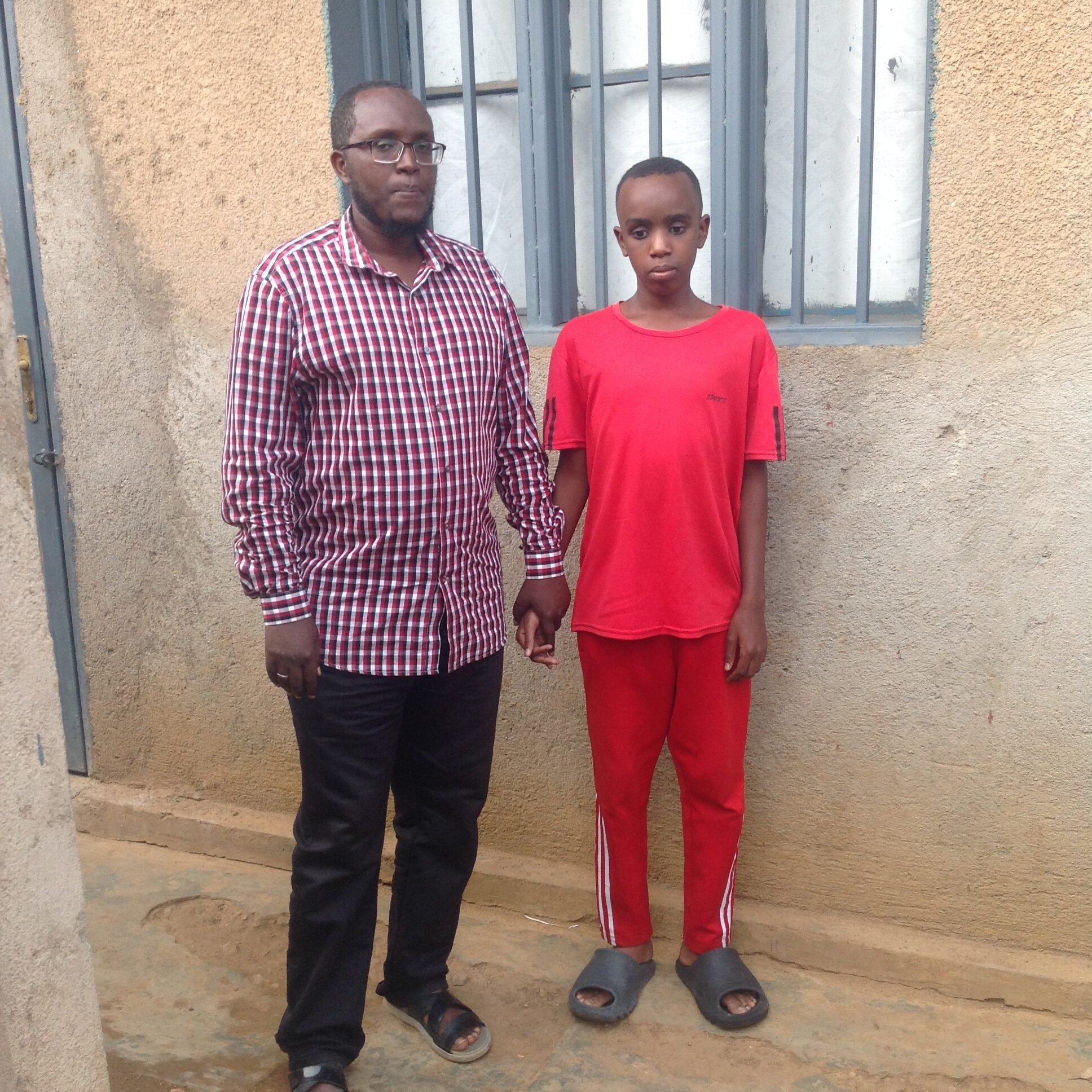
‘I Just Want to Walk Alone’
Fourteen-year-old Saifi Qudra relies on others to move safely through his day. Like many blind children in Rwanda, he has never had a white cane. His father, Mussah Habineza, escorts him everywhere. “He wants to walk like other children,” Habineza says, “He wants to be free.” Across Rwanda, the absence of white canes limits children’s mobility, confidence, and opportunity. For families, it also shapes daily routines, futures, and the boundaries of independence.
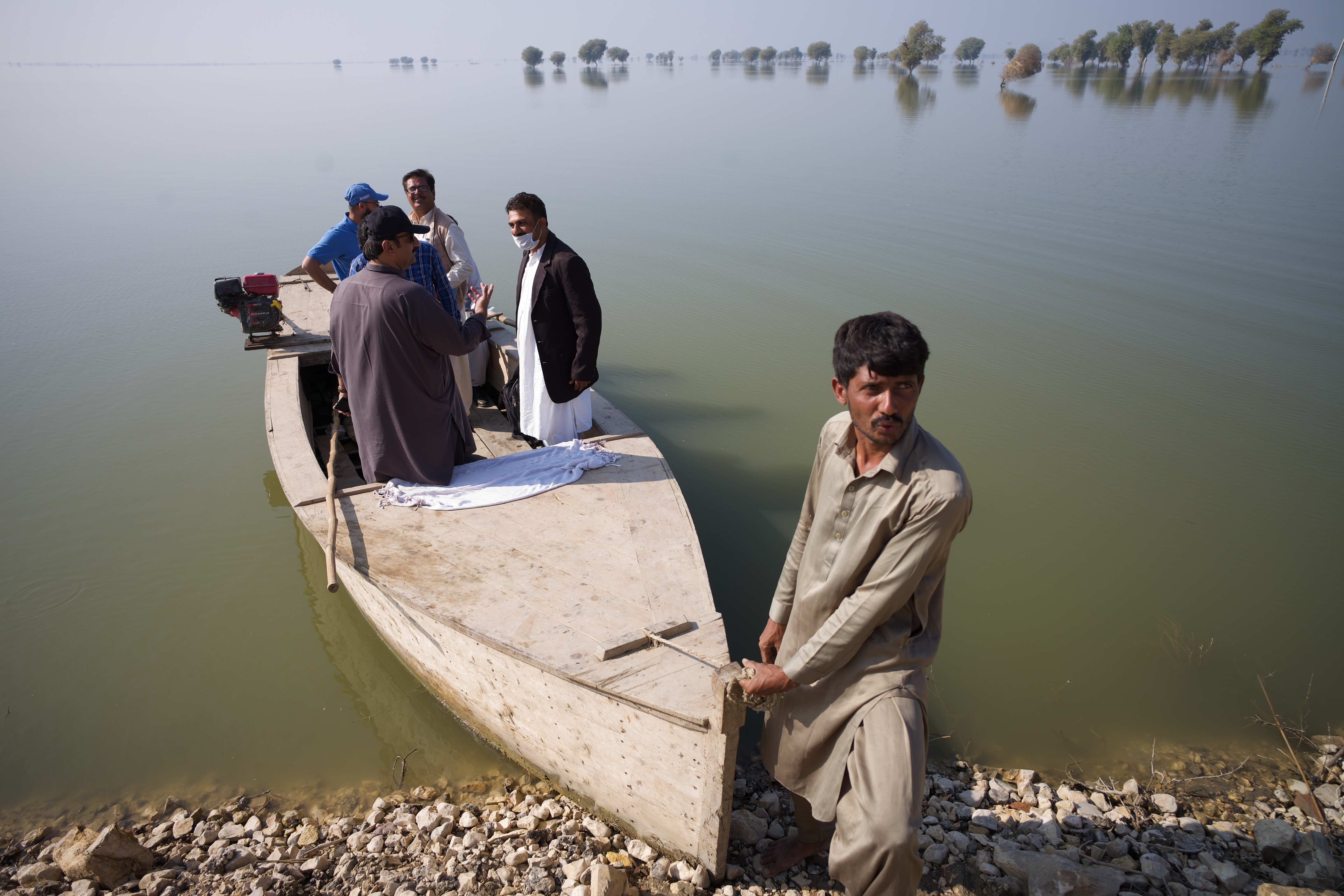
‘Evacuation Routes Are Meant for People Who Can Run’
As climate change and conflict intensify across Pakistan, emergency systems continue to exclude people with disabilities. Warning messages, evacuation routes, and shelters are often inaccessible, leaving many without critical information when floods or violence erupt. “Evacuation routes are built for people who can run,” Deaf author and policy advocate Kashaf Alvi says, “and information is broadcast in ways that a significant population cannot access.”
Read more about ‘Evacuation Routes Are Meant for People Who Can Run’
Autism, Reframed
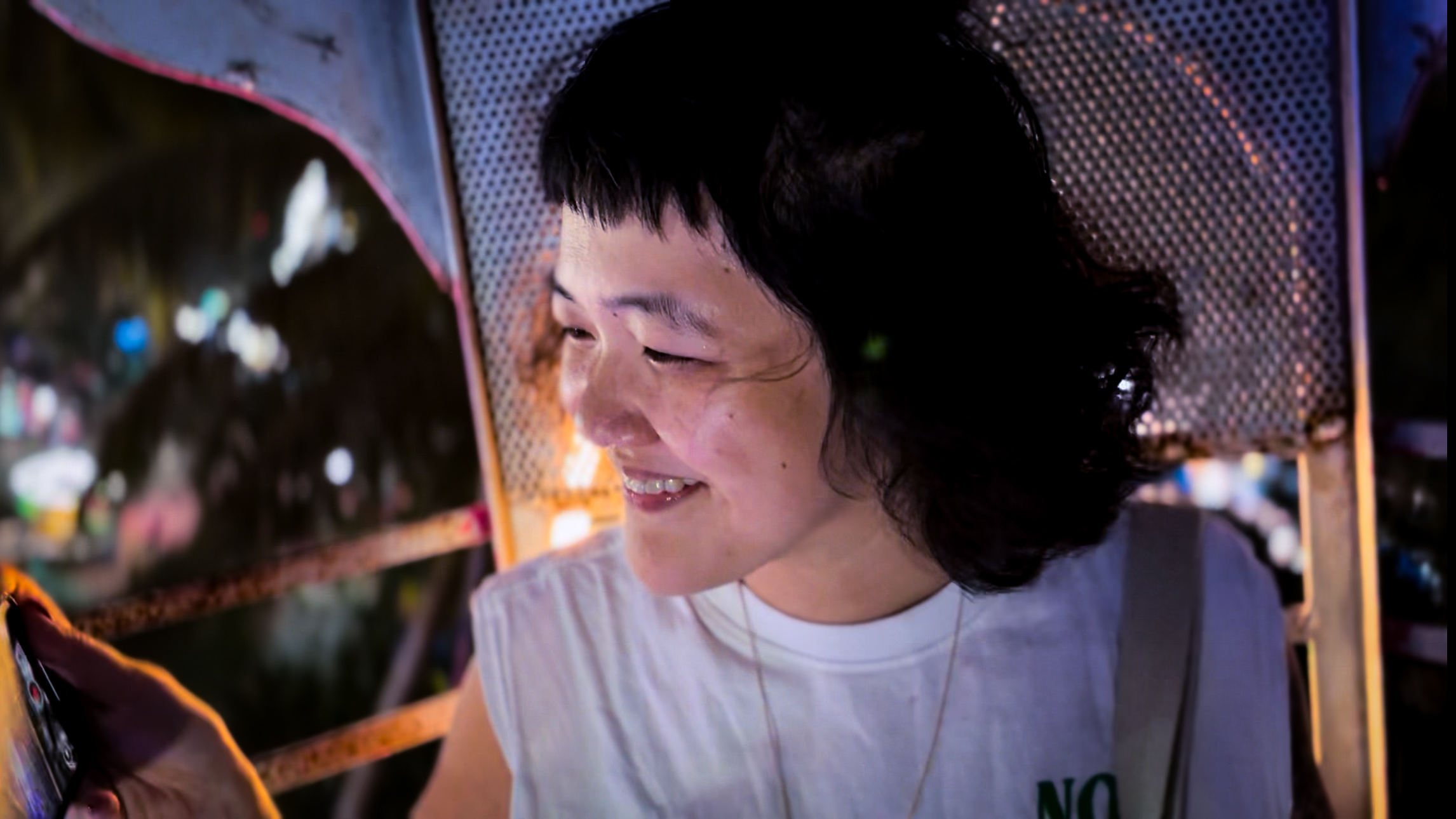
Late in life, Malaysian filmmaker Beatrice Leong learned she was autistic and began reckoning with decades of misdiagnosis, harm, and erasure. What started as interviews with other late-diagnosed women became a decision to tell her own story, on her own terms. In The Myth of Monsters, Leong reframes autism through lived experience, using filmmaking as an act of self-definition and political refusal.

Disability and Due Process
As Indonesia overhauls its criminal code, disability rights advocates say long-standing barriers are being reinforced rather than removed. Nena Hutahaean, a lawyer and activist, warns the new code treats disability through a charitable lens rather than as a matter of rights. “Persons with disabilities aren’t supported to be independent and empowered,” she says. “… They’re considered incapable.”
Disability in a Time of War
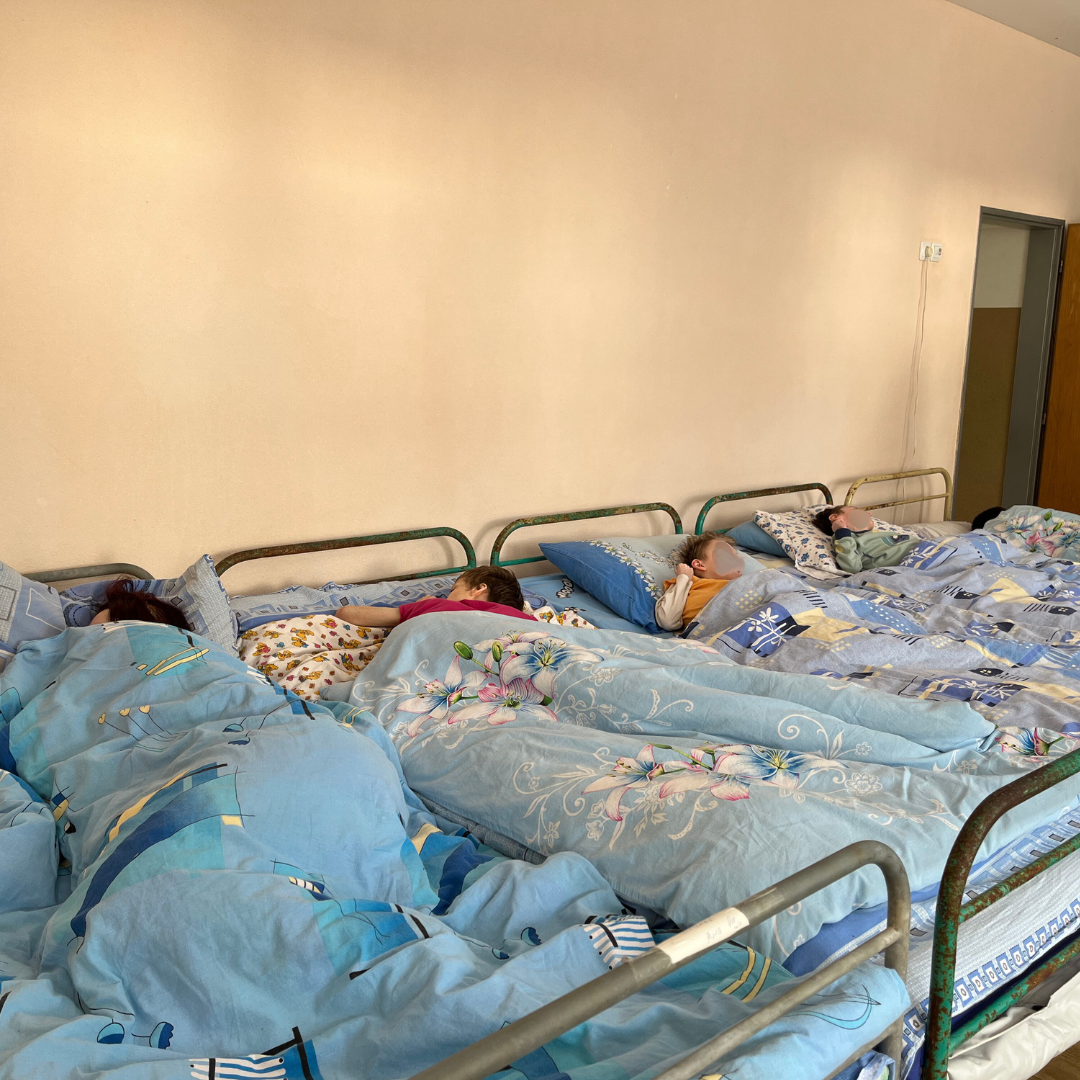
Ukraine’s long-standing system of institutionalizing children with disabilities has only worsened under the pressures of war. While some facilities received funding to rebuild, children with the highest support needs were left in overcrowded, understaffed institutions where neglect deepened as the conflict escalated. “The war brought incredibly immediate, visceral dangers for this population,” says DRI’s Eric Rosenthal. “Once the war hit, they were immediately left behind.”
The Language Gap
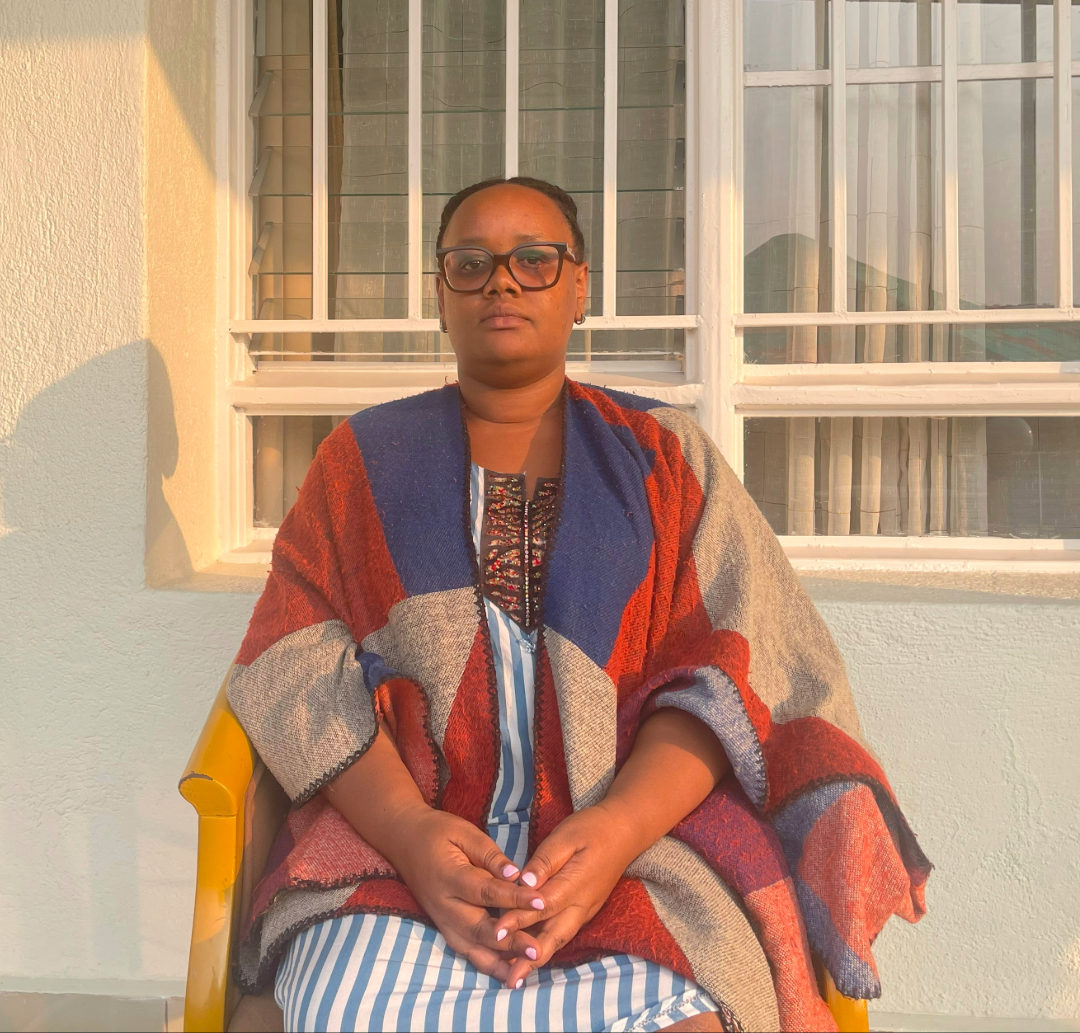
More than a year after the launch of Rwanda’s Sign Language Dictionary, Deaf communities are still waiting for the government to make it official. Without Cabinet recognition, communication in classrooms, hospitals, and courts remains inconsistent. “In the hospital, we still write down symptoms or point to pictures,” says Jannat Umuhoza. “If doctors used sign language from the dictionary, I would feel safe and understood.”