News
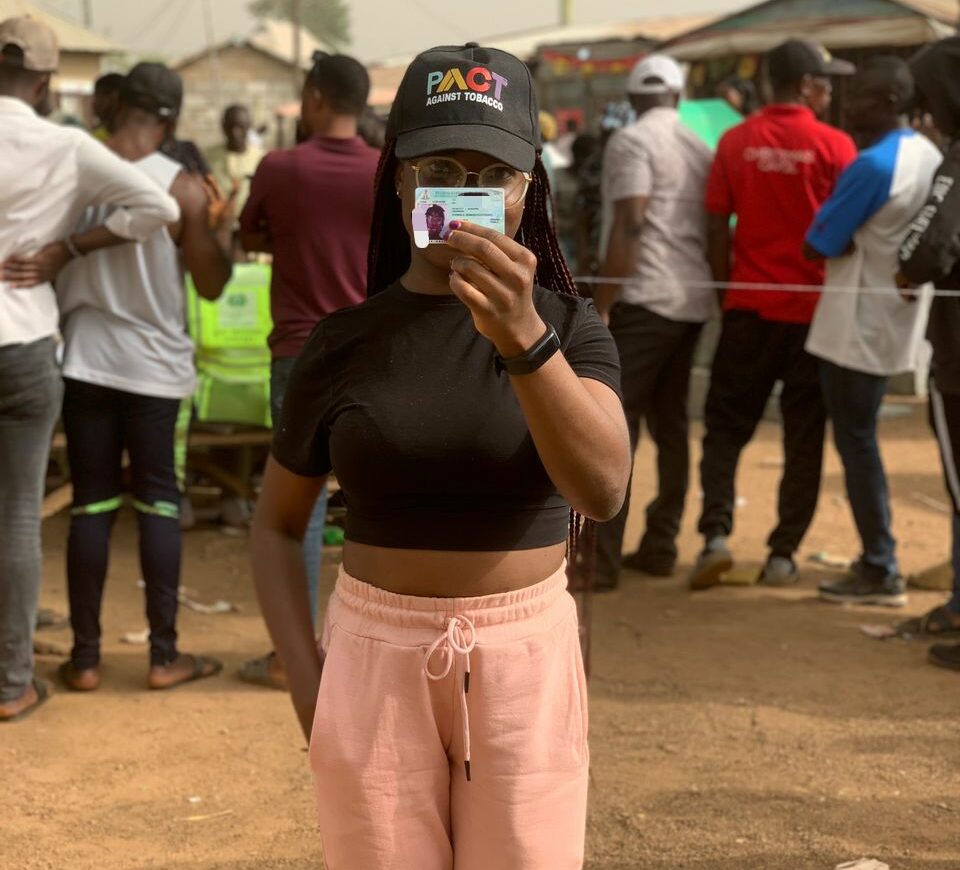
I Voted
Play audio version
DJP Fellow Benedicta Oyèdayọ̀ Oyèwọlé Documents the Challenges Nigerians with Disabilities Faced Voting in February’s Elections
March 5, 2023
ABUJA, Nigeria — During the 2015 elections in Nigeria, I was in my last year of secondary school and not old enough yet to vote. But that was the year my electoral participation was unleashed. Many people in my hometown exhibited great political apathy, asking themselves, “What would my one vote do?” This mindset was washed away from me by my economics teacher, Mr. Adedokun. He used half an hour of every class to discuss politics, argumentatively and factually. I grew enthusiastic about taking part in the elections. I questioned if people with disabilities were prohibited from performing their civic duty or if the civic obligation only applied to people who were not disabled because I did not see any people with disabilities at the polls or even running for office.
In a cramped waiting room of my principal’s office, students watched the Independent National Electoral Commission (INEC) collate and announce the results of the general election, with a sign language interpreter in a boxed corner of the television. I was somewhat convinced that the election was for everyone, including persons with disabilities.
The Deprioritzation of Voters with Disabilties
A few years later, close to the 2019 general elections, I celebrated my 18th birthday and was now of voting age. My sister and I went to INEC’s local government early on a Wednesday morning in 2018 to register for a permanent voters card (PVC). To our astonishment, we were numbers 315 and 316 on the list, respectively, while there were only about 30 other people around. We had to leave that day and keep returning. The deprioritization of persons with disabilities caught my attention throughout this process. The PVC form did not include any information about requirements for reasonable accommodations for people with disabilities in their polling units.
In 2019, I participated in the #VoteYourFuture campaign organized by the ONE Campaign at my institution because I was excited about the upcoming elections. During the panel discussion, I emphasized the significance of giving young people with disabilities priority in conversations about an inclusive future. Unfortunately, because I was studying in Ilorin, Kwara State, and my polling place was in Ibadan, Oyo State, I was unable to vote in those elections either.
Despite this, I followed with interest Lois Auta, an unstoppable force and a woman with a disability who ran for a seat in the House of Representatives. She faced significant pushback and discrimination but persisted with her campaign. Although she lost, it geared me up to know that women with disabilities, when given the proper access, support, and platform, can vie for political positions in Nigeria.
I relocated to Abuja in 2022, which required me to file for a voter transfer so I could cast my ballot in my new state. Abuja is the Federal Capital Territory of Nigeria. Surprisingly, I was able to relocate easily to a polling location close to my home using INEC’s website.
Once I received my permanent voter card with my new state and voting place, I was prepared to cast my ballot. My excitement as a first-time voter changed when I learned that I had been transferred to a less congested polling location. This newer location was not close to my home, and it would be difficult to find transportation there on election day. Additionally, because of the country’s cash crisis, I had no money to use for transportation until my neighbor, another young excited voter, gave me ₦500.
Election Day
On February 25, my mother called me early on the morning of the much-anticipated presidential, Senate, and House of Representatives elections to get me ready to vote. I walked a short distance before getting on a bike to get to my polling place, which I was able to find using Google Maps on INEC’s website. After I waited for almost two hours, the electoral officials arrived. Although there was some incorporation of preferences for people with disabilities in my polling unit, people with disabilities still had a difficult time navigating the demanding voting process. Without my friend, I wouldn’t have been able to get around independently as a person with cerebral palsy with limited mobility. The accreditation process was rigorous, and without the physical strength needed to pull through, I had to lean on my friend for support throughout the process. The voting structure and location were not ones I could navigate independently either. I can say, without my friend, I would not have been able to vote. A disability-friendly election framework was absent.
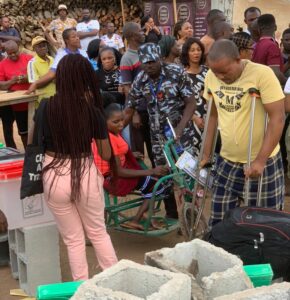
Voter turnout in Nigeria has fallen for years, from 65 percent in 2003 to 34 percent in 2019. Ignoring the fact that persons with disabilities are not able to vote because of a lack of access and inclusivity in Africa’s largest democracy, politicians and analysts frequently attribute the drop solely to violent elections and voter apathy. In 2022 Nigeria did pass the Electoral Act Amendment Bill into law, and it requires INEC to take “reasonable steps” to support persons with disabilities before, during, and after the voting process. The commission said it would provide people with disabilities with assistive materials, such as magnifying glasses, Braille ballots, and pictorial election instructions, but in my polling unit, none of these was available from the time I registered to vote until I cast my ballot. Election observers noted a similar trend across the country. It’s no wonder, then, that out of the approximately 9,518,000 validly registered Nigerian voters, only 85,362 are people with disabilities, according to INEC.
The engagement of persons with disabilities in the democratic process lays the groundwork for mainstreaming people with disabilities into all areas of society.
Benedicta Oyèdayọ̀ Oyèwọlé
For me, the election served as a reflection of how Nigerians view people with disabilities, and this marginalization extends to other spheres of society. While I was able to vote with the help of a friend, less the 1 percent of people with disabilities who registered for PVCs were able to complete the voting process. I was not given an INEC-designated feedback form for persons with disabilities, and when I asked INEC officials at my polling unit, they did not know it existed.
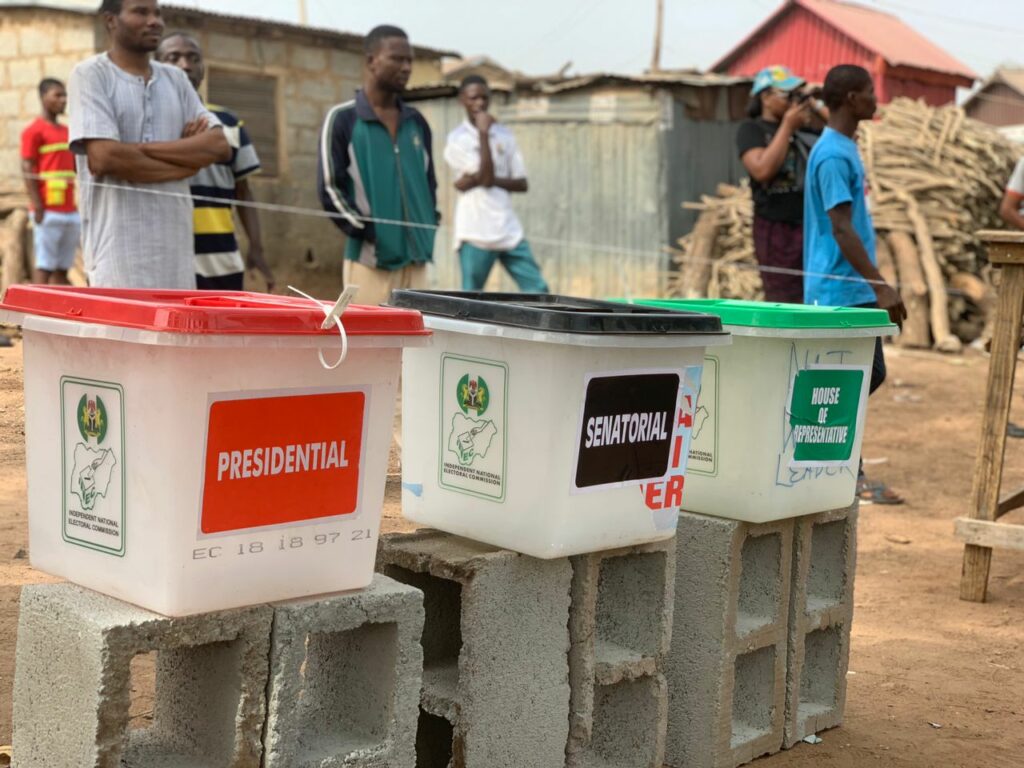
As stated in Article 29 of the Convention on the Rights of Persons with Disabilities, which Nigeria ratified in 2007, persons with disabilities should be able to participate effectively and fully in political life on an equal basis with others. But this was not entirely the case with the general elections on February 25. The engagement of persons with disabilities in the democratic process lays the groundwork for mainstreaming people with disabilities into all areas of society. People with disabilities should be able to safely participate in civic and political life on an equal basis. I hope that more people with disabilities will be able to participate in the voting process without obstacles in the upcoming gubernatorial and House of Assembly elections on March 18.
DJP Fellow Benedicta Oyèdayọ̀ Oyèwọlé is an intersectional feminist passionate about disability and women’s rights. She currently works as a program officer of diversity and inclusion at the Women’s Health and Equal Rights (WHER) Initiative, a nonprofit focused on promoting the rights and well-being of lesbian, bisexual, and queer (LBQ) women in Nigeria.
@2022 WHER. All rights reserved.
News From the Global Frontlines of Disability Justice
A ‘Direct Threat’ to Democracy
A Deaf asylum seeker from Mongolia spent five months in U.S. immigration detention without access to a sign language interpreter, leaving him unable to communicate with officers or explain his fear of persecution. His case raises questions about whether disability rights laws are being followed inside ICE facilities, where access to communication can determine the outcome of an asylum claim. Lawyer and advocate Qudsiya Naqui says the “absolute disregard” for disability rights under the Trump administration is a “direct threat” to democracy and rule of law.
‘Everything Has Gone Back’
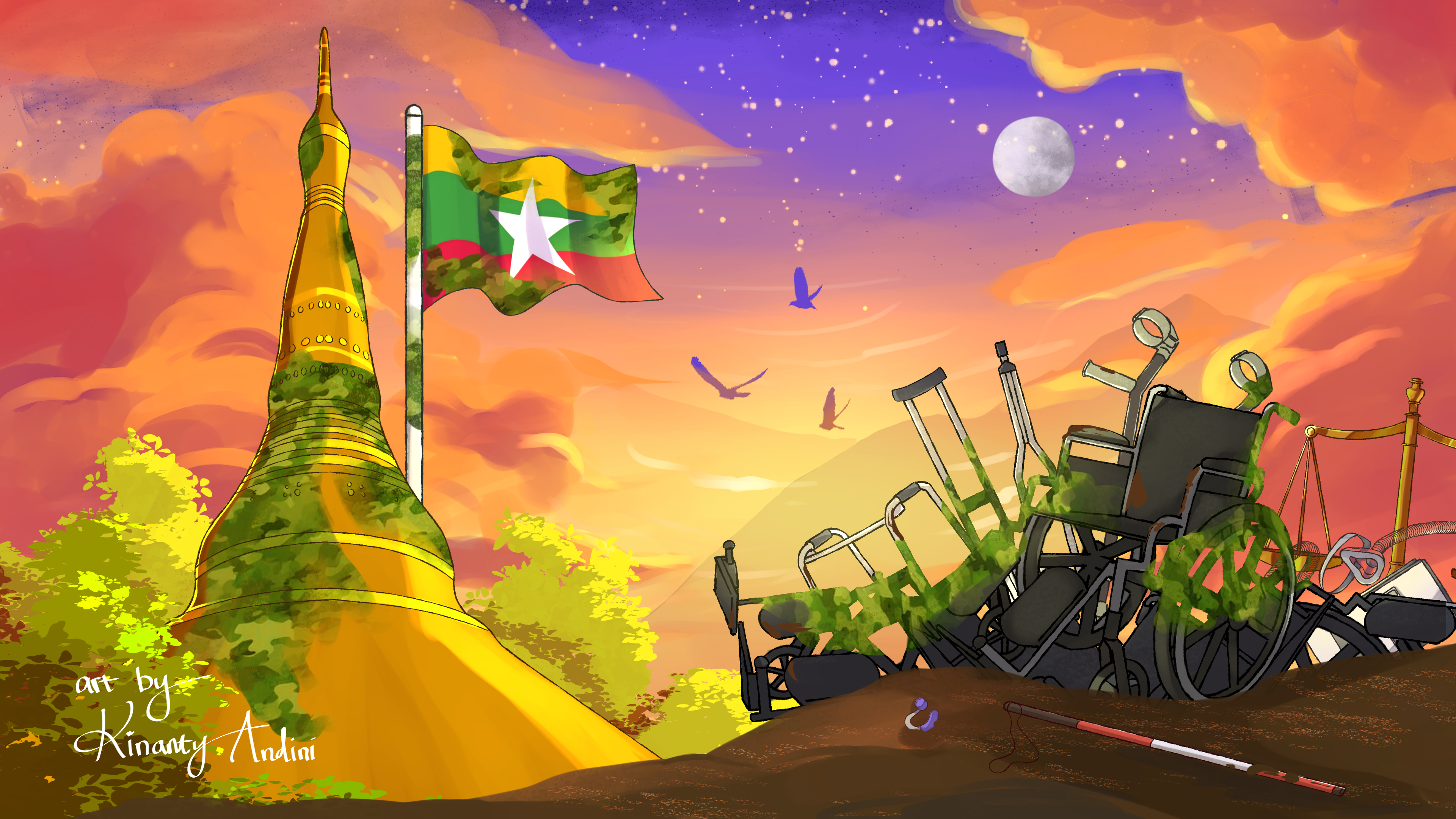
Before Myanmar’s 2021 military coup, disability advocates were helping shape national policy for the first time in decades. Laws expanded access to education, transportation, and public life. Today, much of that progress has collapsed. A new UN report describes a “hidden crisis,” documenting targeted violence, deadly attacks, and the exclusion of people with disabilities from warnings, aid, and services. As conflict creates new disabilities and organizations are forced underground, advocates work quietly to preserve rights that once seemed within reach.
‘I Just Want to Walk Alone’
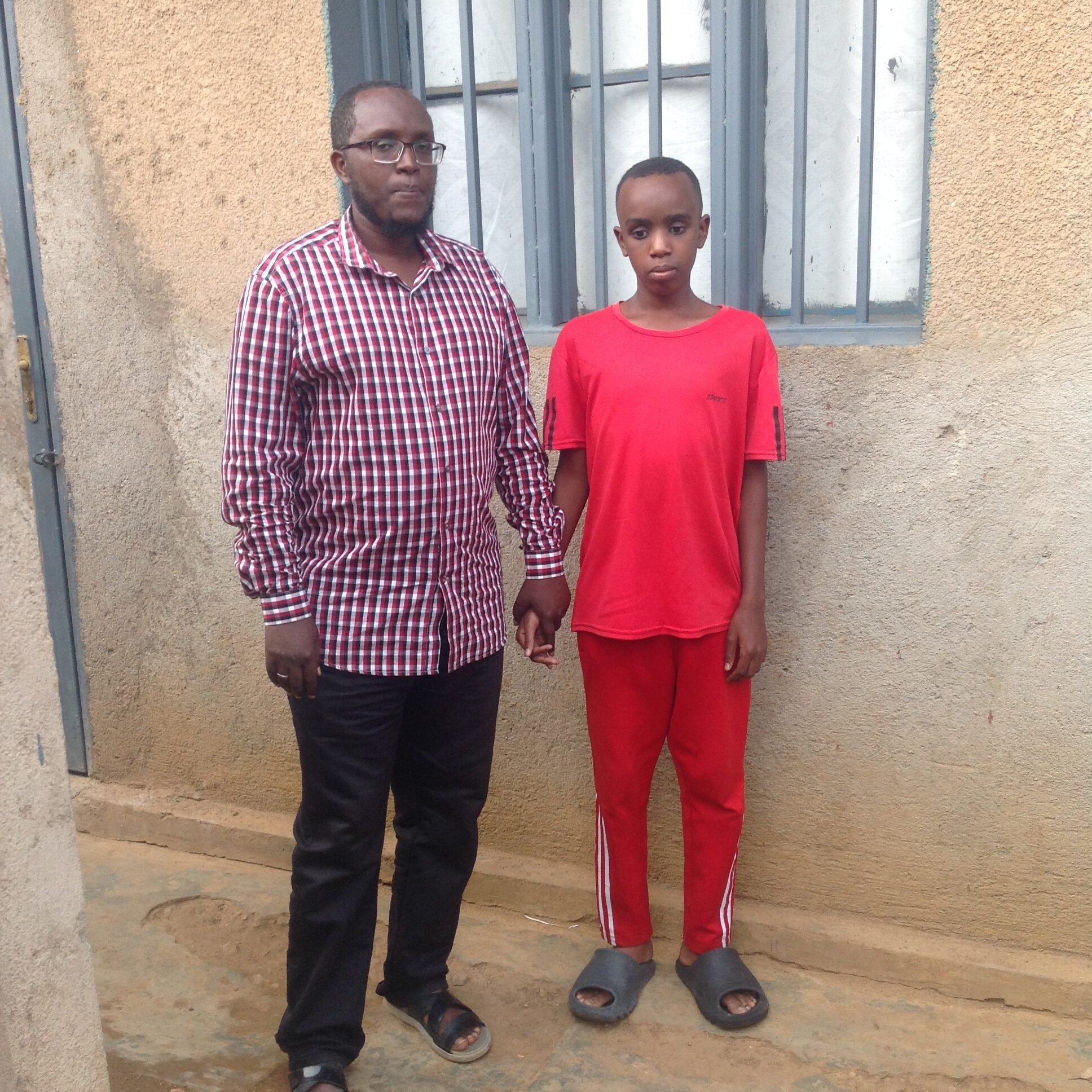
Fourteen-year-old Saifi Qudra relies on others to move safely through his day. Like many blind children in Rwanda, he has never had a white cane. His father, Mussah Habineza, escorts him everywhere. “He wants to walk like other children,” Habineza says, “He wants to be free.” Across Rwanda, the absence of white canes limits children’s mobility, confidence, and opportunity. For families, it also shapes daily routines, futures, and the boundaries of independence.
‘Evacuation Routes Are Meant for People Who Can Run’
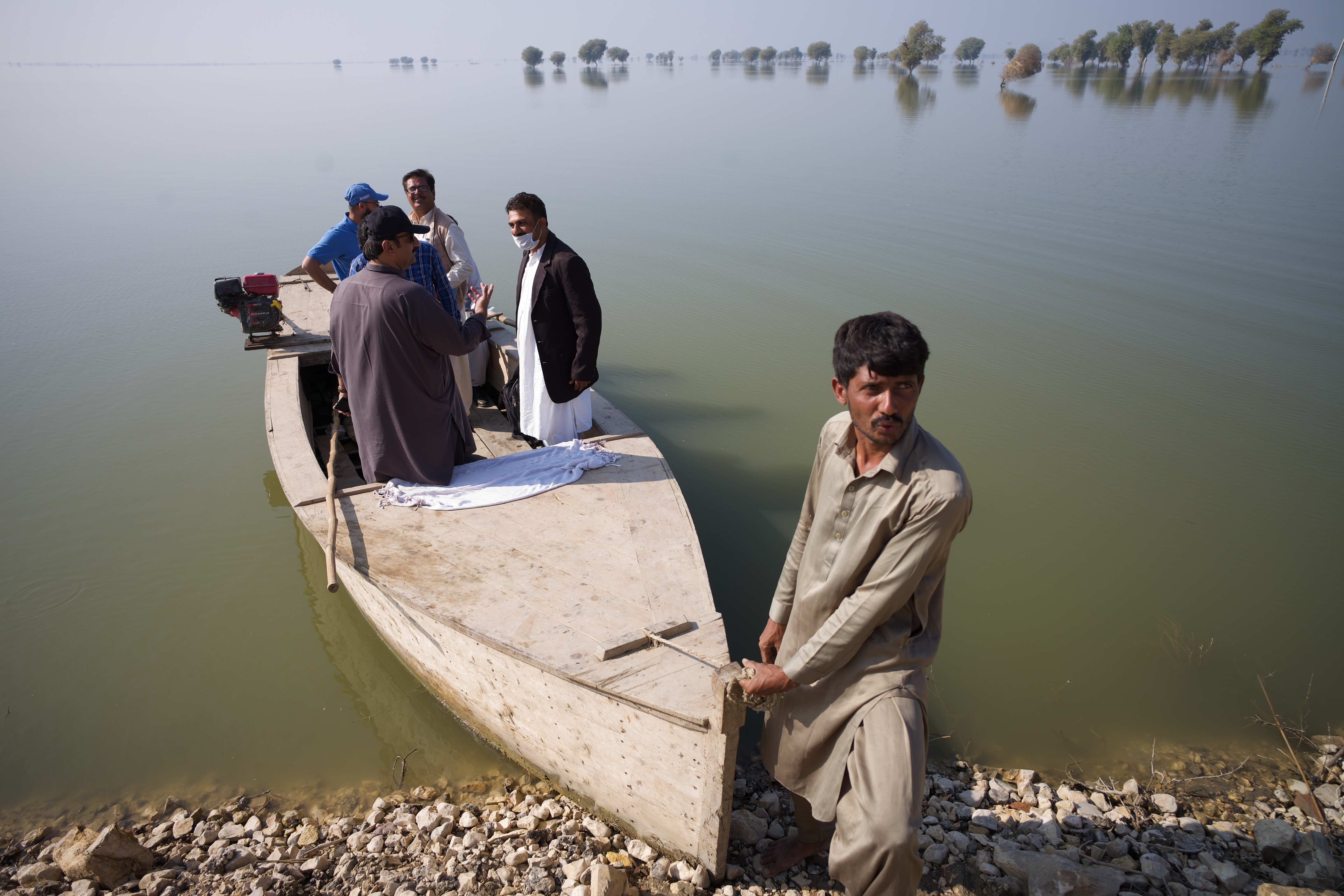
As climate change and conflict intensify across Pakistan, emergency systems continue to exclude people with disabilities. Warning messages, evacuation routes, and shelters are often inaccessible, leaving many without critical information when floods or violence erupt. “Evacuation routes are built for people who can run,” Deaf author and policy advocate Kashaf Alvi says, “and information is broadcast in ways that a significant population cannot access.”
Read more about ‘Evacuation Routes Are Meant for People Who Can Run’
Autism, Reframed
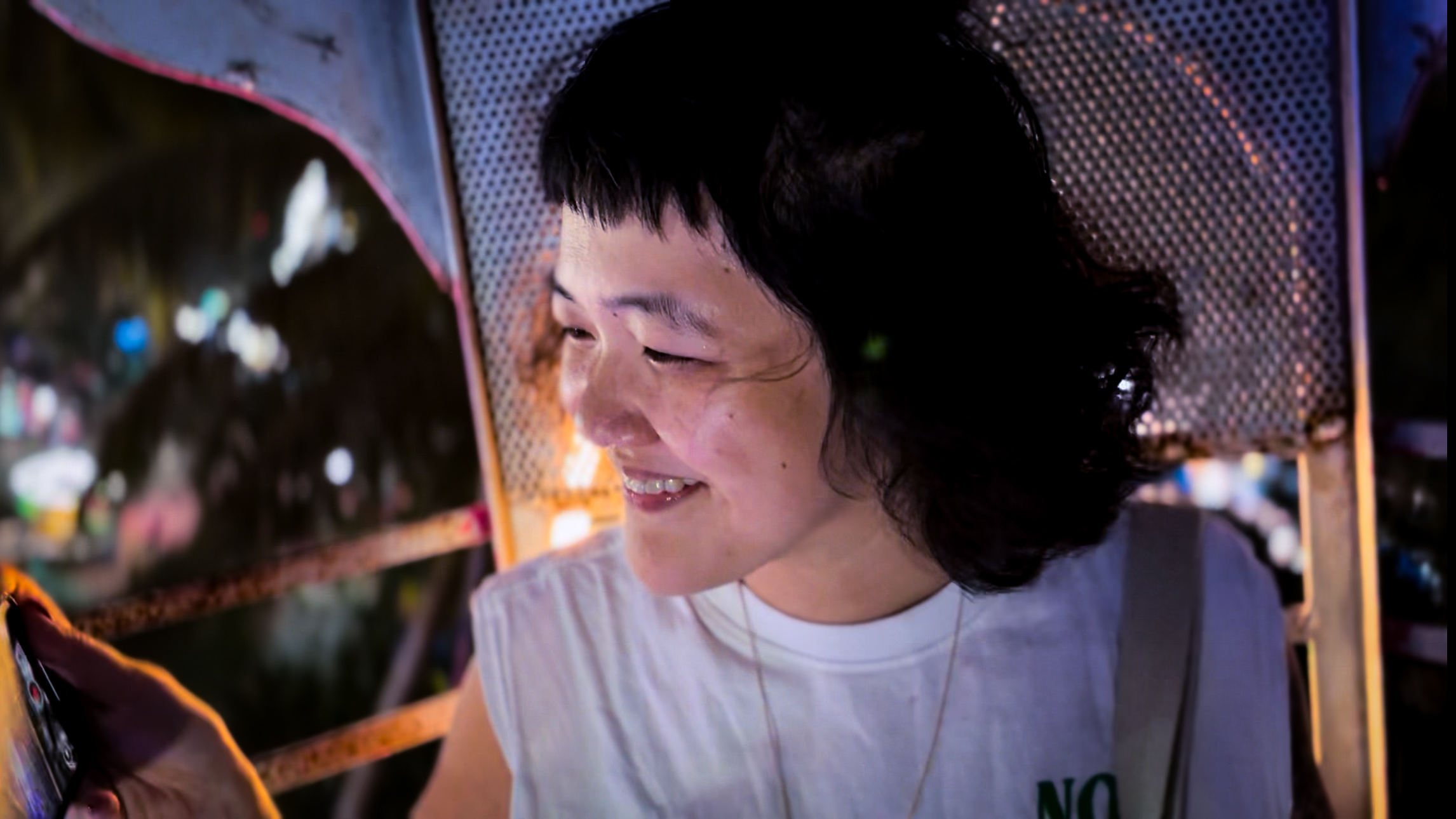
Late in life, Malaysian filmmaker Beatrice Leong learned she was autistic and began reckoning with decades of misdiagnosis, harm, and erasure. What started as interviews with other late-diagnosed women became a decision to tell her own story, on her own terms. In The Myth of Monsters, Leong reframes autism through lived experience, using filmmaking as an act of self-definition and political refusal.
Disability and Due Process
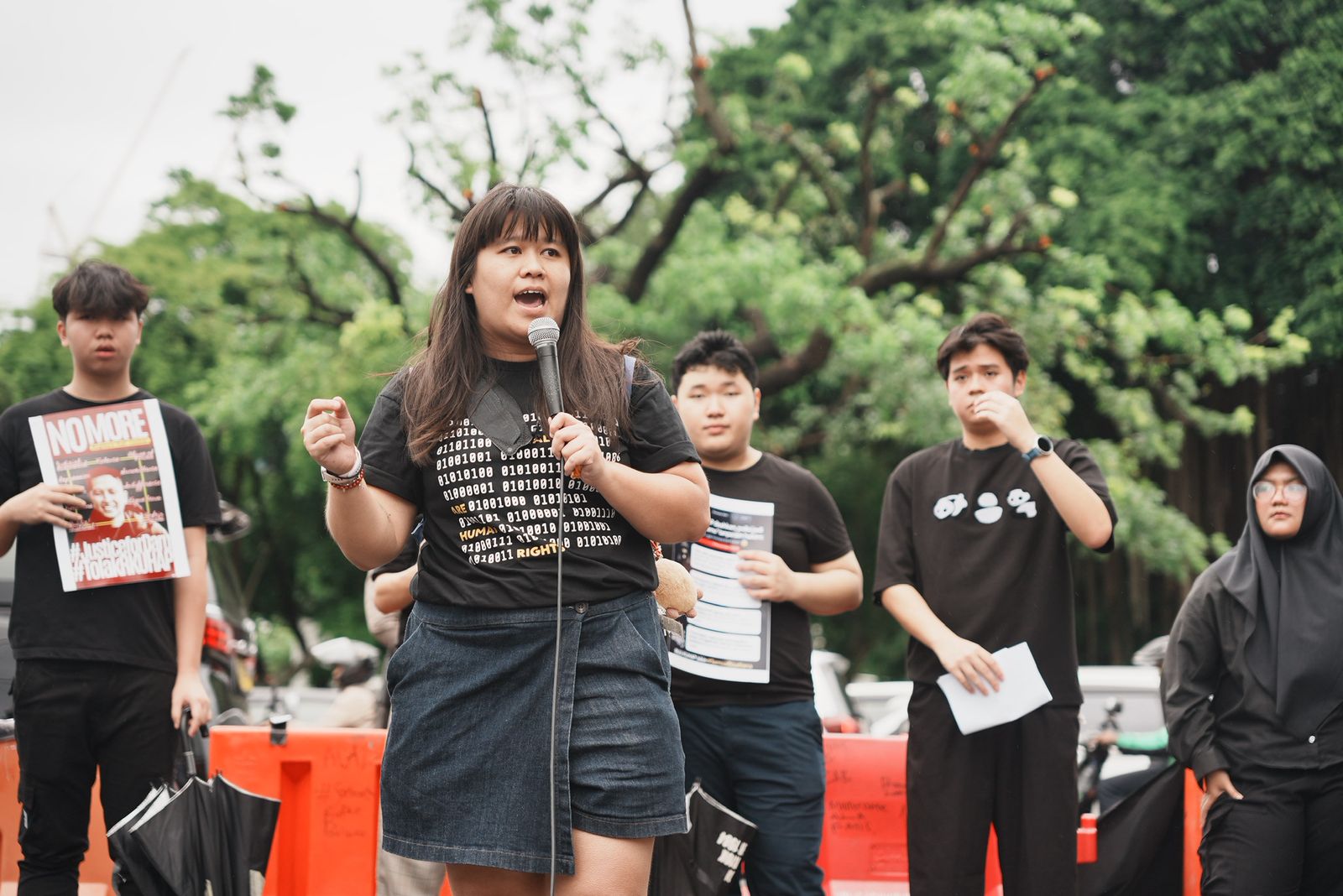
As Indonesia overhauls its criminal code, disability rights advocates say long-standing barriers are being reinforced rather than removed. Nena Hutahaean, a lawyer and activist, warns the new code treats disability through a charitable lens rather than as a matter of rights. “Persons with disabilities aren’t supported to be independent and empowered,” she says. “… They’re considered incapable.”