News
Advocacy Ascends
Advocating for Disability Rights in Nepal’s Remotest Mountains
December 15, 2023
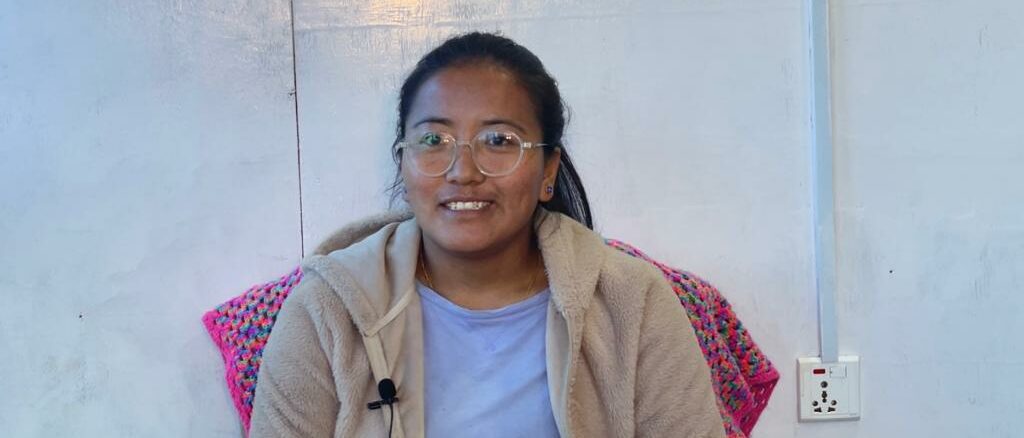
KARNALI REGION, Nepal – Himalayan Education and Development (HEAD Nepal) is a nonpartisan nonprofit that has been working on disability rights in the remote mountains of the Karnali region of Nepal since 2011. Tsering Palmu Lama is a disability rights and women’s rights advocate and a project coordinator at HEAD Nepal. At HEAD, Lama leads the “Our Voice for Our Rights – disability rights advocacy project in the Himalayas,” funded by the Disability Rights Fund (DRF) since 2022. In this edited interview, Lama talks with DJP Fellow Chhitup Lama about the challenges people with disabilities encounter in the Himalayan region of Nepal and how her project addresses those challenges.
Question: Can you tell us about some of the challenges of people with disabilities in Nepal?
Answer: It is really tough [for people with disabilities] in the remote mountains like Karnali regions. The problem which is faced by them in the region is that there is inaccessibility in the public area or even in the working area. And due to the remote mountains and tough geography, there is inaccessibility on the roads also. The families of people with disabilities are [unaware of] the rights of people with disabilities. In the local government, there are a lot of policies for the rights of people with disabilities and the inclusion [of] people with disabilities. But they’re not [being implemented].
Question: What are the goals and objectives of the project “Our Voice for Our Rights – disability rights advocacy project in the Himalayas”?
Answer: The main goal is to raise a voice for disability rights and there are four objectives of our project. Objective one is to increase our OPDs’ (Organizations for Persons with Disabilities) and relevant CSOs’ (Civil Society Organizations) capacity to participate in advocating and decision-making regarding development and rights. Another objective is promoting the inclusion of persons with disabilities in government programs like health education, justice, and budget planning and implementation. The third one is advocacy to ensure the inclusion of a disability perspective in governmental implementations and monitoring of UNCRPD (United Nations Convention on the Rights of Persons with Disabilities) and Nepal’s Disability Rights Act of 2017. Building the institutional capacity of HEAD is our fourth objective.
Question: What are the key strategies you use to ensure these objectives are achieved?
Answer: Under those four objectives, we have many strategies. Under the first objective, we have capacity-building training for the OPD and CSO representatives and advocacy skill development for them. Under the second objective, we have training for people with disabilities about their rights like in education and the health budget, training on UNCRPD, the Nepali Disability Rights Act 2017, and SDGs. Under the third objective, we have meetings with the local governments and authorities. We also do UNCRPD, SDGs and Nepali Disability Rights Act training for local governments and authorities. We have developed policies and a 5-year strategy plan for HEAD under the fourth objective.
Questions: What are the major achievements of this project so far?
Answer: Implementing a project is very hard in this region. But, we have achieved many outcomes. Before implementing the project, even the local government representatives were [unaware] of the rights of people with disabilities. [Now they] are a bit sensitized and more responsive towards disability-inclusive development. We have a vision that people with disabilities [should be able to] actively participate in society with a high position and respect. [Persons with disabilities] are [now] happy to [have a place] in society because their families are more positive than before. The community people are also positive [about] people with disabilities because they are able to claim their rights. The CSOs are also becoming active in responding to the needs of PWDs.
Question: What are the challenges you have experienced while implementing these projects?
Answer: There are a lot of challenges. [Initially], the families of people with disabilities did not understand the rights of people with disabilities. There are still challenges in the local government [because of] the newly elected representatives. They have little knowledge [of] the rights of people with disabilities. [Some] families of people with disabilities are still [unaware of] the rights of people with disabilities. They are [unaware of] the services and inclusion policy of the local governments. There is also inaccessibility in public areas.
Question: What are the plans to continue the outcomes of the project?
Answer: We have formulated 26 self-help advocacy groups of persons with disabilities who will further develop their capacity to advocate for their rights. HEAD Nepal is collaborating with the CSOs who will be further trained for disability-inclusive development. Our close coordination with local government will be continued for the formulation of new policies and implementation of the existing policies including UNCRPD and SDGs (Sustainable Development Goals). The second phase of the project is planned to sustain the outcome of the project.
Chhitup Lama is the founding executive director of HEAD Nepal. He spearheads overall management, institutional development, strategic direction and the vision and mission of the organization.
News From the Global Frontlines of Disability Justice

The Cost of Surviving
After years of failed treatments for complex PTSD, Marian Siljeholm followed an unlikely lead into the underground world of MDMA-assisted therapy. What began as a search for healing became a journey through the science of trauma, the politics of prohibition, and the hidden global network of people risking their freedom to help others reclaim their lives. Their stories would change her own. As Marian writes, “The next morning, I woke with a thought as real as the bed: This is the first day of my life.”
‘Deaf People Are Finally Seen as Equal Citizens’
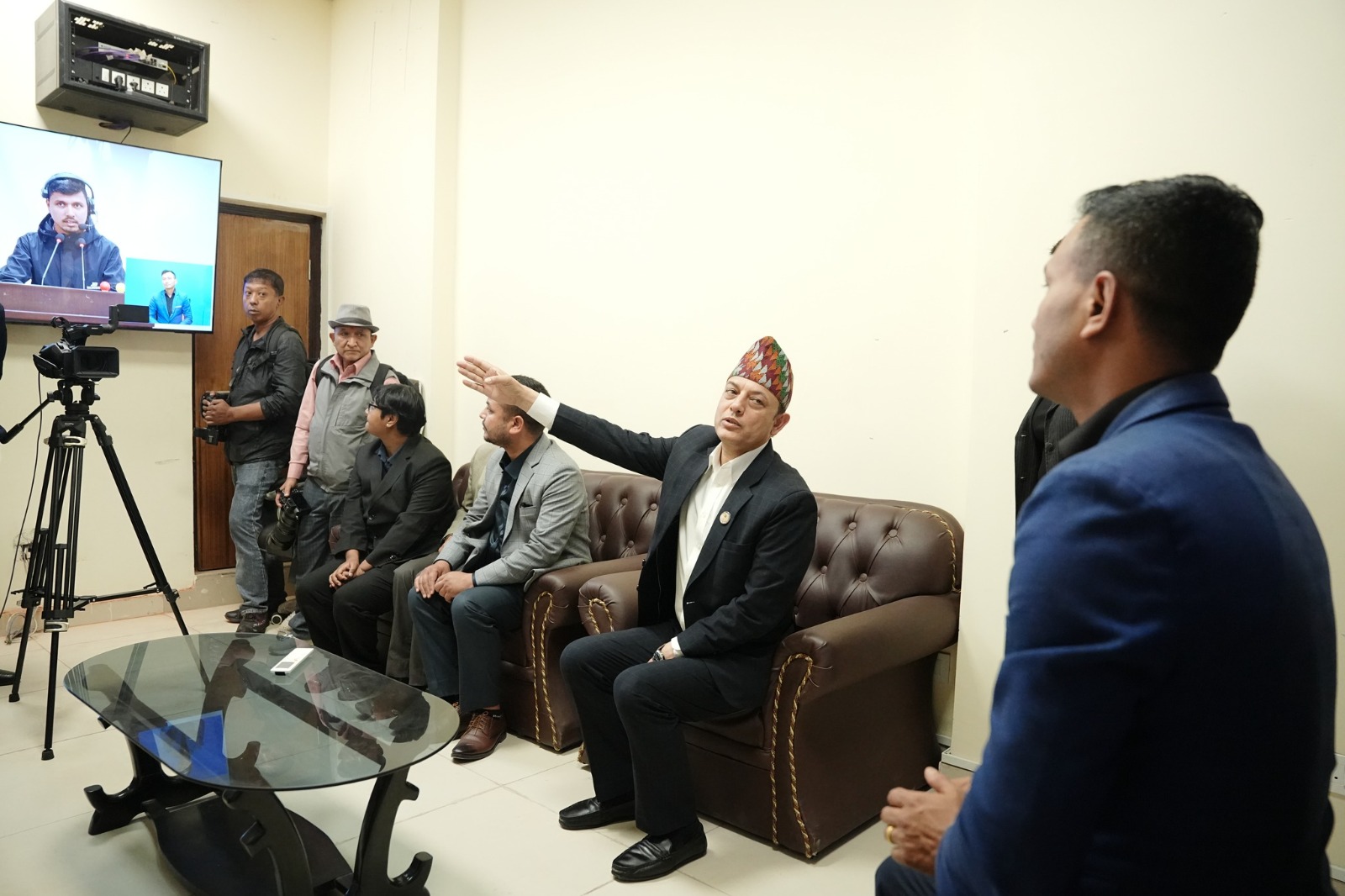
After decades of advocacy, Nepal’s Deaf community is gaining access to information in its own language. Interpreted national news broadcasts now air twice daily, and sign language interpretation has recently been introduced in parliament. Advocates say the changes mark a major step toward inclusion, recognition, and equal participation in public life for Deaf Nepalis who have long been excluded from critical information and decision-making.
Read more about ‘Deaf People Are Finally Seen as Equal Citizens’
The Politics of Waiting, Wanting, and Hoping
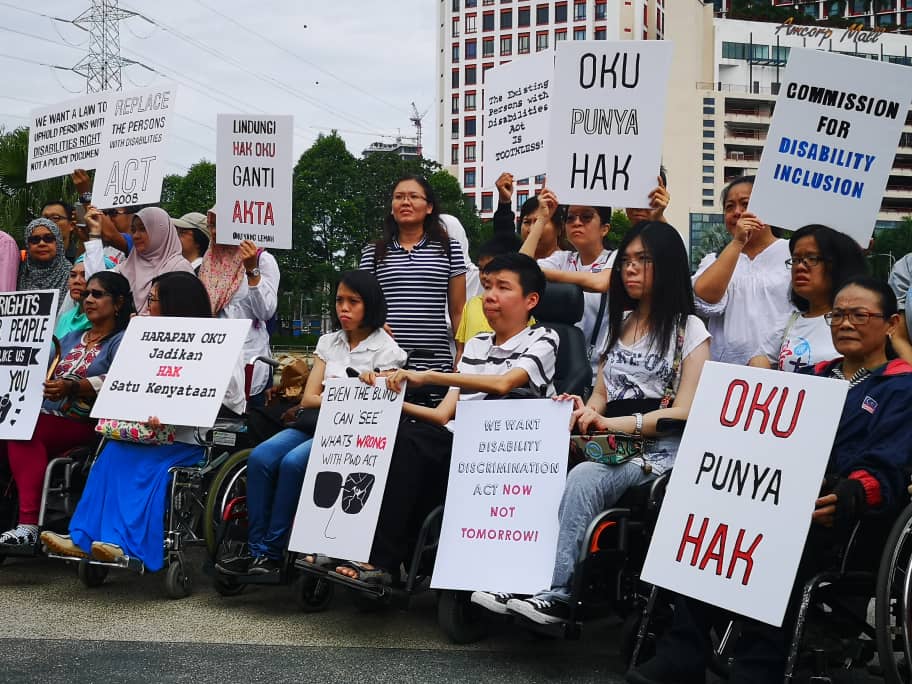
In Malaysia, disability exclusion is rarely one dramatic denial. More often, writes Beatrice Leong, it is “a series of ordinary delays” — inaccessible schools, symbolic consultations, policies without enforcement, and a system that asks disabled people to wait patiently for dignity and belonging. Blending personal reflection with political analysis, Leong examines what happens when inclusion is promised repeatedly, but justice never fully arrives.
Read more about The Politics of Waiting, Wanting, and Hoping
A ‘Direct Threat’ to Democracy
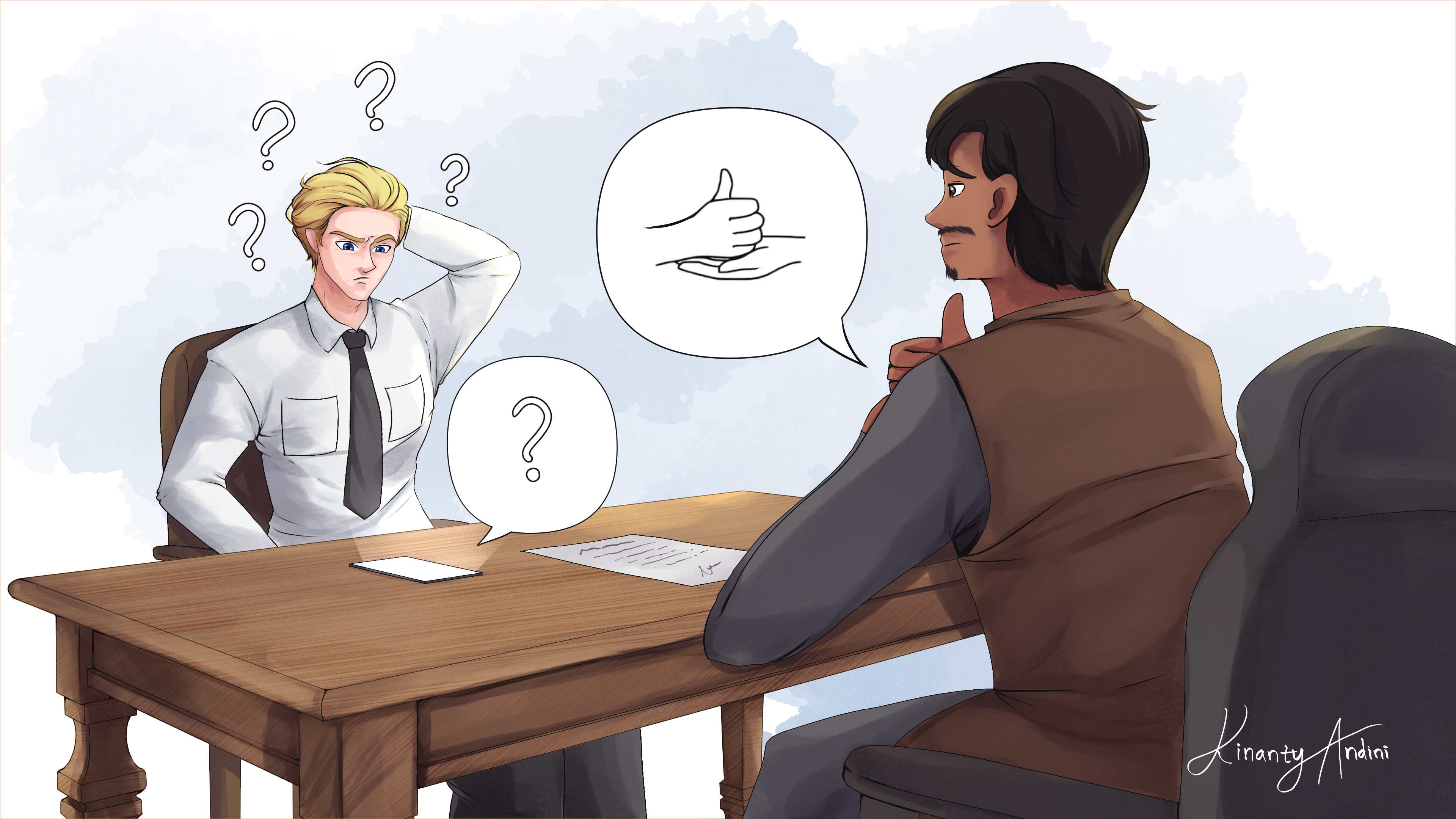
A Deaf asylum seeker from Mongolia spent five months in U.S. immigration detention without access to a sign language interpreter, leaving him unable to communicate with officers or explain his fear of persecution. His case raises questions about whether disability rights laws are being followed inside ICE facilities, where access to communication can determine the outcome of an asylum claim. Lawyer and advocate Qudsiya Naqui says the “absolute disregard” for disability rights under the Trump administration is a “direct threat” to democracy and rule of law.
‘Everything Has Gone Back’
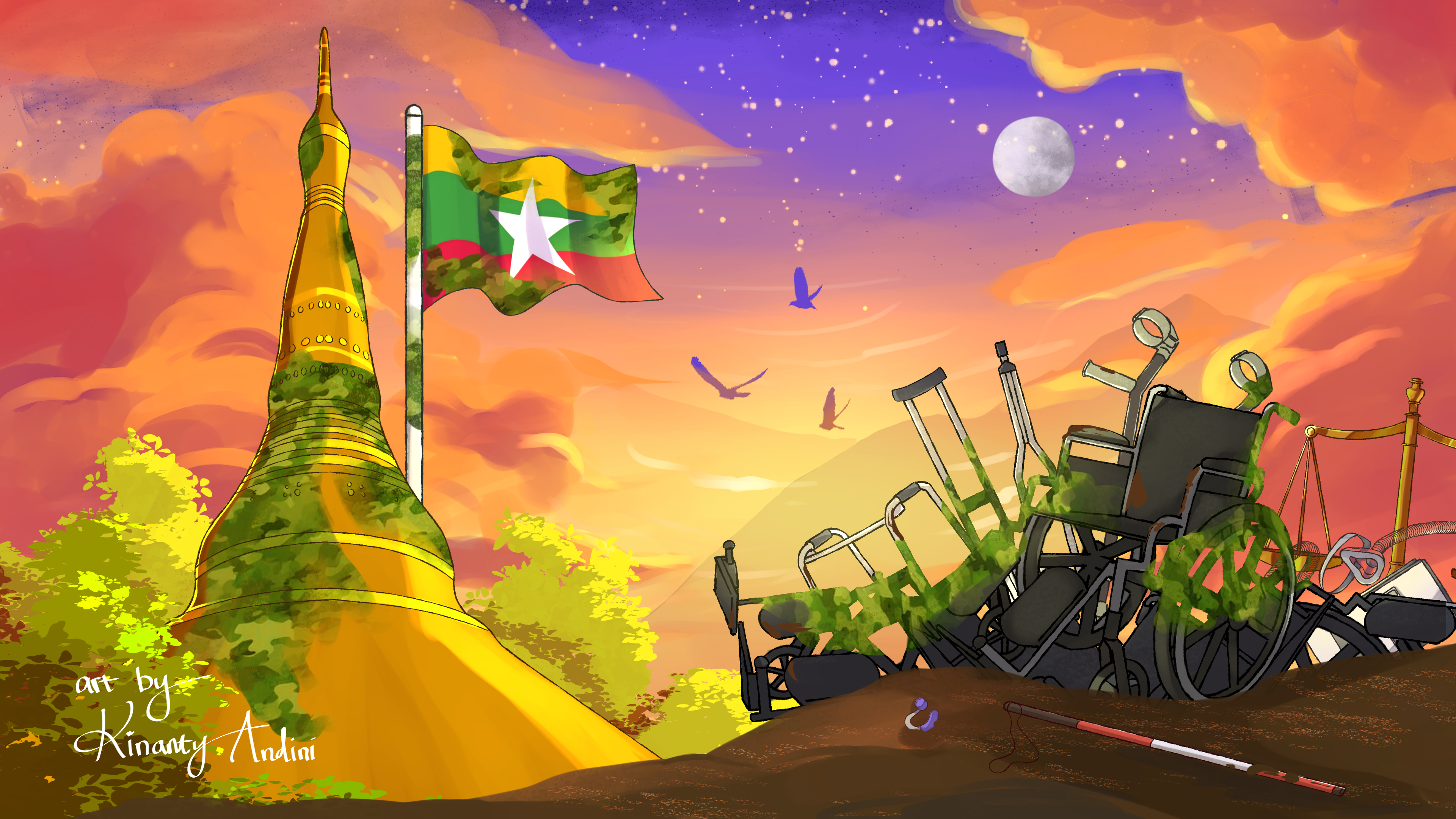
Before Myanmar’s 2021 military coup, disability advocates were helping shape national policy for the first time in decades. Laws expanded access to education, transportation, and public life. Today, much of that progress has collapsed. A new UN report describes a “hidden crisis,” documenting targeted violence, deadly attacks, and the exclusion of people with disabilities from warnings, aid, and services. As conflict creates new disabilities and organizations are forced underground, advocates work quietly to preserve rights that once seemed within reach.
‘I Just Want to Walk Alone’
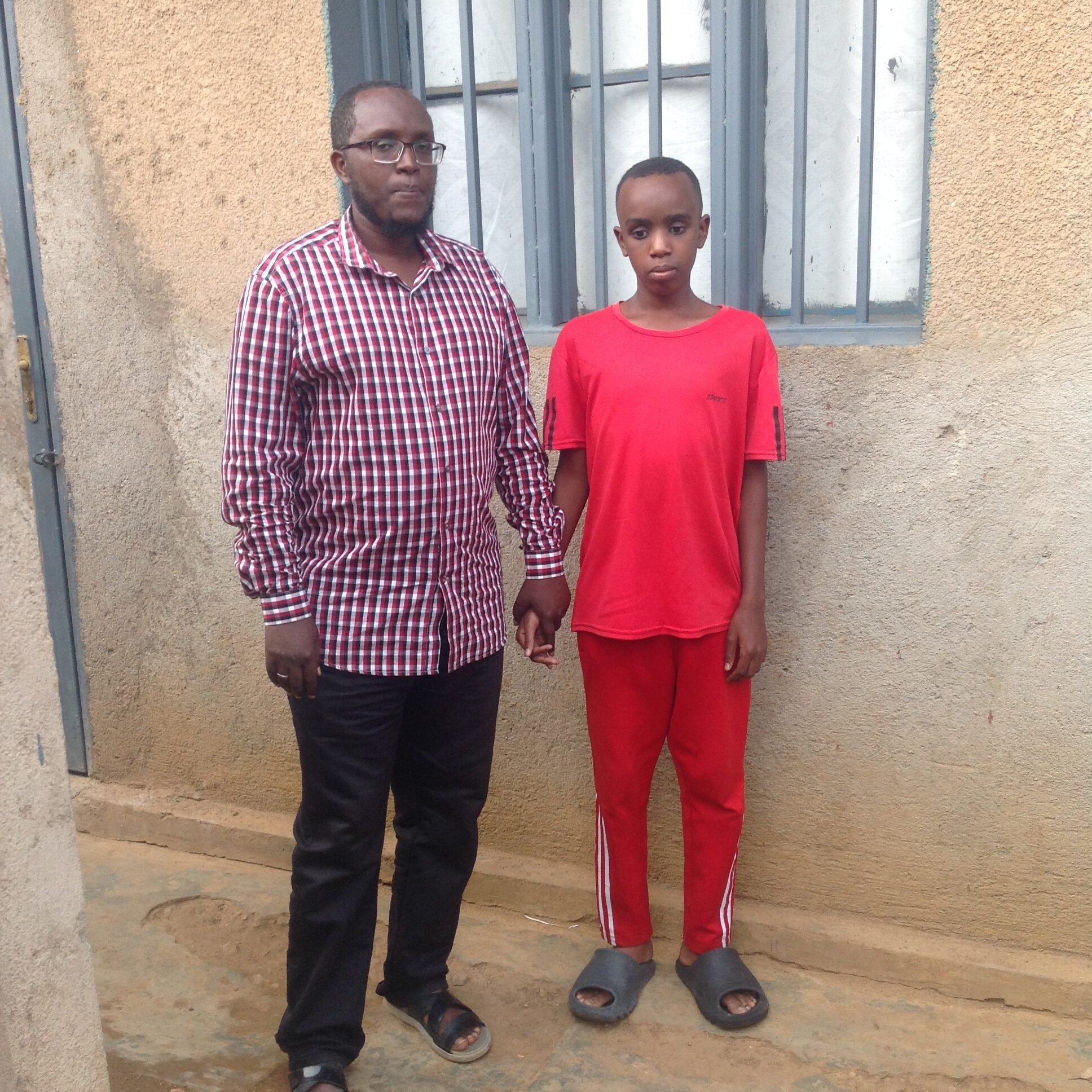
Fourteen-year-old Saifi Qudra relies on others to move safely through his day. Like many blind children in Rwanda, he has never had a white cane. His father, Mussah Habineza, escorts him everywhere. “He wants to walk like other children,” Habineza says, “He wants to be free.” Across Rwanda, the absence of white canes limits children’s mobility, confidence, and opportunity. For families, it also shapes daily routines, futures, and the boundaries of independence.