
News
The Cost of Surviving
Play audio version
Trauma, Hope, and the Underground Movement Redefining Healing
June 26 2026
Content note: This story contains discussions of trauma, violence, and suicide. Because MDMA-assisted therapy remains illegal in many places, some sources are identified by pseudonyms or first names only.
It was 3 p.m. on a rainy Monday last March. I was sitting across from another specialist in another office when he handed me a phone number that changed my life.
I’d been given so many referrals by then that I might not have used it, except, as he handed it, he said, “I didn’t give you this.”
I could tell you the exact shade of gray the sky wore that day, but not the doctor’s name. My world had narrowed to symptoms, side effects, and everything I was missing while trying to manage both.
Like many with complex post-traumatic stress disorder (C-PTSD), my body gave out before my brain admitted why. The cracks started early: infections, pain, and diagnoses that made no sense at my age. Then, at 31, while working, going to school, and salvaging another relationship, came the crash: insomnia.
Sleep was the last pillar supporting the illusion that I was fine. Without it, my reality collapsed with a speed that felt both excessive and overdue.
I tried therapists, medications, diets, yoga, hypnosis, massage. I no longer wanted to live, but ending it wasn’t an option. I withdrew, stopped caring what happened, and faded from existence.
I swore it came out of nowhere, but the road to that office began 21 years ago, under the kind of blue skies Mom called “9/11 weather.” She was in Manhattan when strangers shattered a generation’s peace. A few years later, a train shattered ours.

That time exists only in fragments, jagged fragments: my brother’s bicycle, broken on the tracks like his body. The girls I’d called friends taking me aside to inform me, matter-of-factly, that it should have been me. Dad’s fists colliding with Mom’s face, our television, and what remained of my peace. The promises of people who no longer made eye contact: “Everything happens for a reason.” “What doesn’t kill you makes you stronger.”
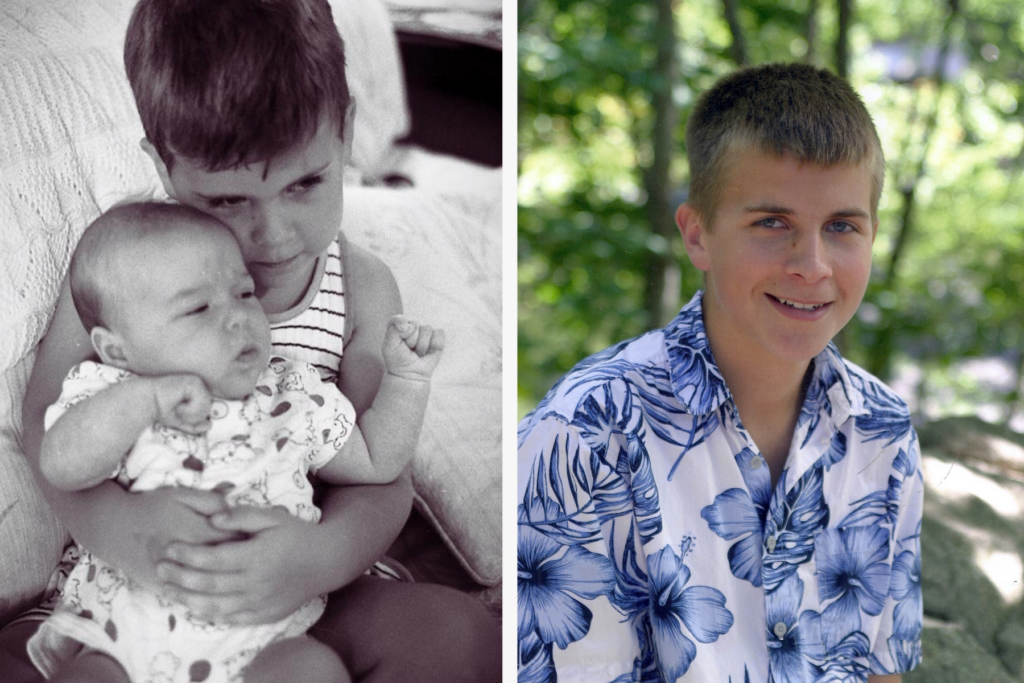
Sitting in that doctor’s office, I finally understood who those words were meant to comfort, and the cost of believing them.
As rain drifted across the window, the doctor explained what happens when terror becomes a child’s baseline. Instead of love and safety, my brain spent its formative years learning one lesson: I am not safe.
Suddenly, everything made sense: the fatigue, osteoporosis, migraines, infections, and pain. My body was trapped in a fight-or-flight response designed to save my life, not sustain it.
I stared out the office window, seeing nothing. Grateful for answers, but furious. What didn’t kill me hadn’t made me stronger. It stole my childhood, hijacked my adulthood, and was killing me now — just slowly and quietly enough to be invisible to everyone but me.
“I can’t help you,” he said, yanking me back to reality as he stood to leave, “but I might know someone who can.”
That number led me to a woman’s gentle voice. “I’m a psychedelic-assisted therapy facilitator,” she said. I was so tired I thought I misheard. “I help people heal when nothing else has.”
That was the beginning.
The drug known as MDMA is one of a few psychedelic-assisted therapies, but the stories from people who’d tried it convinced me that this was the one. “The love drug,” they called it. The name sounded silly, but the results were not.
Love and I had a complicated history. When I thought of love, I thought of my parents standing by the train tracks.
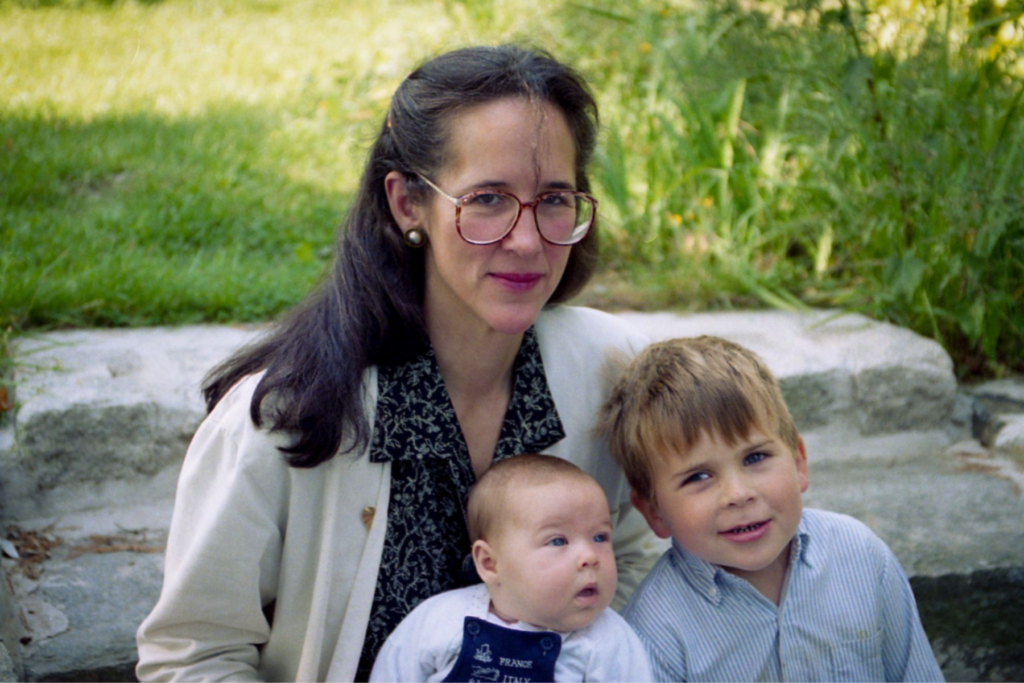
In my ten years of life, I’d never heard Mom scream. I mostly begged her to speak up, too young then to understand that she didn’t believe she was worth hearing. Even through the din that day, I heard nothing. What I did hear, and can never unhear, was dad’s response: “Shut up.”
The words hit like another train, but they were familiar. I learned early that love didn’t mean comfort. It meant living between eggshells.
Standing there, watching my world collapse, something hardened: If I never loved again, I would never have to feel this again.
By the time I sat in that office, my relationship history was a graveyard of lies and divided friend groups. I said, “This is different” so many times that I eventually believed it. It never was. My body never knew love, yet I expected it to give it. Every breakup dropped me into a new, colder rock bottom.
Standing there, watching my world collapse, something hardened: If I never loved again, I would never have to feel this again.
The idea that this therapy could clean some of the pollution my past had dumped into the river of me seemed impossible. I read everything I could find. The deeper I dug, the less sense it made. The therapy worked, but in the U.S., MDMA was a Schedule I drug, more restricted than fentanyl. Why?
The answer had little to do with science.
First synthesized by Merck in the early 1900s, MDMA remained obscure until the 1970s, when chemist Alexander “Sasha” Shulgin introduced it to therapists, who reported remarkable results, particularly for severe PTSD.
But just as interest in the drug was growing, the political climate shifted. The War on Drugs cast a widening net over psychoactive substances, and MDMA became one of its targets.
In 1985, the U.S. Drug Enforcement Administration (DEA) classified MDMA as Schedule I. Public campaigns ignored its therapeutic potential, warning of brain damage based on exaggerated, later-discredited research. Ironically, prohibition helped create some of the dangers it claimed to prevent. Forced underground, users faced adulterated drugs, uncertain dosages, and unsafe environments.
As Steve Rolles of the Transform Drug Policy Foundation argues in Rachel Nuwer’s book, I Feel Love: MDMA and the Quest for Connection in a Fractured World, many drug-related harms stem from prohibition itself. Yet the number of MDMA-related deaths remains difficult to determine: the United States does not separately track MDMA-related fatalities, even as highly publicized cases of fatal recreational use helped fuel public hysteria and calls for tougher drug laws.
The same paradox shaped underground therapy. Denied legal access, vulnerable people turned to an unregulated system. “There are really good facilitators, and some I wouldn’t recommend,” says Raymond Turpin, clinical director for The Pearl Psychedelic Institute, based in North Carolina. For those seeking help, telling the difference can be impossible.
Despite the risks, advocates persisted, and clinical trials delivered remarkable results. Still, the FDA rejected it. The deeper I dug, the less faith I had in our system and the more I found in the people it had failed. The woman on the phone, whom I’ll call Aya, connected me to a global network of healers, many of them former C-PTSD patients.
“I live two different lives,” an underground facilitator known as Kai told me. Kai turned to MDMA-assisted therapy after his brother’s death compounded his untreated childhood trauma. The treatment helped transform his relationship with grief. Anxiety eased. His chronic illness symptoms became more manageable. A stockbroker by day, he now spends weekends helping others “get their lives back.” As he explains, “People arrive shut down, hypervigilant, and defined by trauma. They leave feeling safe, able to imagine a different future.”
The double life Kai leads is common. As Johnny, a facilitator based in Asia, says, “Seems to be everyone’s story.”
Johnny once attended medical school but left after becoming disillusioned with an education that he felt treated symptoms rather than causes. Following MDMA-assisted therapy, he was able to work through years of fear and anger; chronic pain that once left him suicidal eased. What began as a search for relief became a calling. Today, he helps others heal.
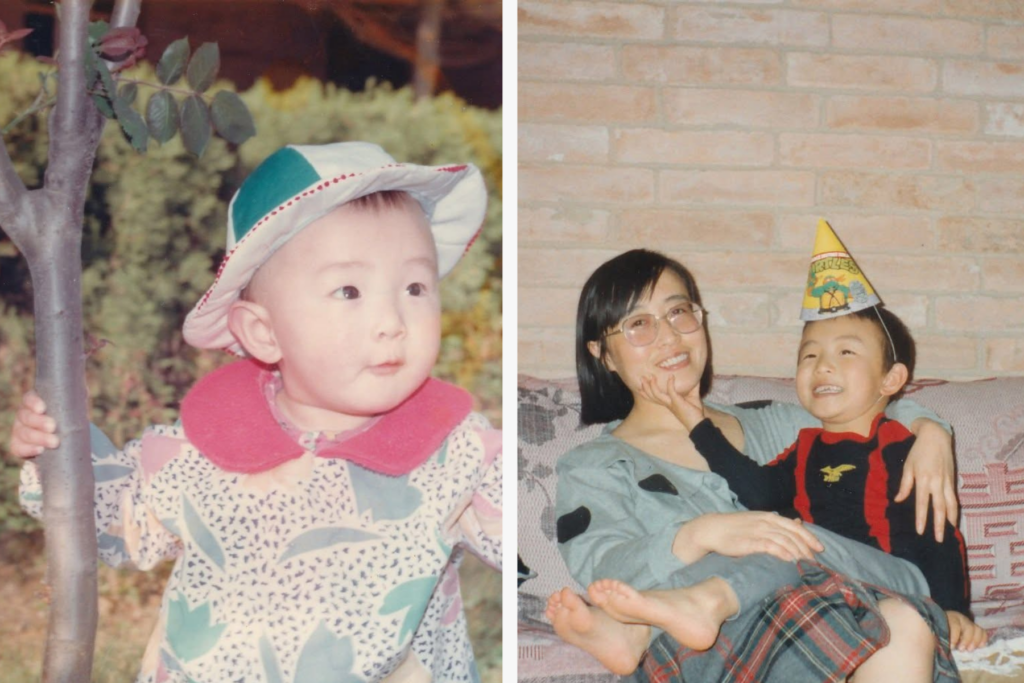
In the Netherlands, Jordan’s path looked different, but the motivation was the same. After losing a friend to suicide following years of failed talk therapies, he couldn’t ignore what might have saved her: “People need other options. Hope.” Today, he spends his nights building open-source software to help people safely access MDMA-assisted therapy. Designed to become an app if the therapy is legalized, it guides users through the therapeutic process, incorporates evidence-based safety protocols, and can automatically alert emergency contacts or services if certain risk thresholds are detected.
Since MDMA was criminalized in 1985, a quiet global network has emerged, helping people access a potentially lifesaving treatment when the law will not. No one drifts into this work. Again and again, I heard the same echo: once you’ve seen what’s possible, it’s impossible to ignore those still suffering without it.
Across continents, the details differed, but the wounds didn’t: childhood trauma, broken relationships, illness, addiction, failed treatments, and inherited pain.
One story in particular stayed with me. Lotus Ubax fled the Somali Civil War as a child and spent years in a refugee camp before finding sanctuary in Canada. Her physical safety in Canada, however, did not bring peace. “I didn’t have a childhood,” she says. “War took that.”
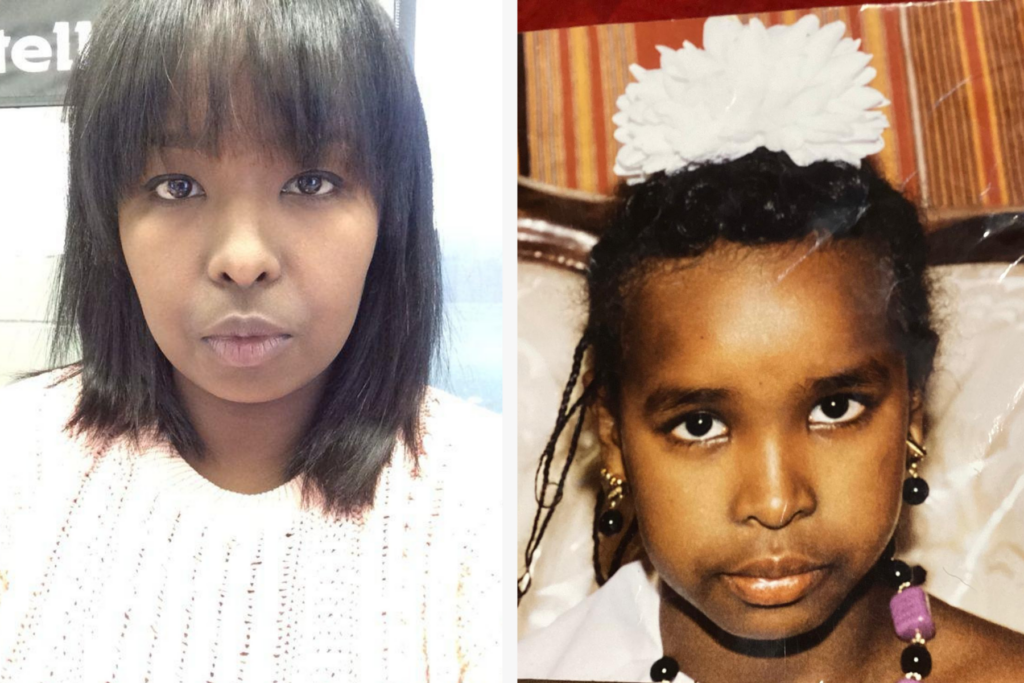
For her, the body carried the war long after it had ended. Trauma shaped her career, relationships, and especially her relationship with her body. Fear became so ingrained that being seen felt threatening. Her writing career crumbled.
Through MDMA therapy, she revisited painful memories without being consumed by them. “Instead of shutting down, I was curious,” she says. For the first time, she could witness her past without reliving it: “You’re not trapped in fear. You’re processing it.” The body she spent years surviving in no longer felt like an enemy. Today, she writes about her life and the role psychedelic-assisted therapy played in helping her reclaim it.
The more people I spoke to, the more hopeful — and angry — I became. Clinical trials echoed their stories, producing results outperforming existing treatments, yet regulators still said no. To many users, this reflected a deeper problem: “We treat trauma like pollution downstream while ignoring its source,” says Johnny. “But this is different: a chance to heal the wound, not just manage its symptoms.”
Caution about new treatments is understandable. But when trauma has become arguably the greatest threat to our national well-being, allowing caution to become paralysis is not. Psychiatrist and trauma researcher Bessel van der Kolk calls trauma the defining public health crisis of our time. In a 2016 essay for The Guardian, psychologist Richard Bentall argues its link to mental illness is as strong as smoking’s link to lung cancer.
My childhood had already cost me enough. I refused to let it cost me my future, let alone my children’s. If legal options offered no path, I would make one myself.
After decades working with survivors of domestic violence, psychiatrist Judith Herman concluded that the prevailing understanding of trauma was incomplete. In 1992, she proposed Complex PTSD (C-PTSD) to describe the effects of prolonged, repeated trauma — what she called “coercive control.” Unlike PTSD, which is often associated with a single traumatic event, C-PTSD describes trauma that is woven into everyday life, reshaping emotional regulation, identity, relationships, and a person’s sense of safety long after the danger ends.
Yet more than three decades later, C-PTSD remains absent from the DSM, which guides most psychiatric diagnosis and treatment in the United States, despite being recognized by the World Health Organization’s International Classification of Diseases (ICD-11).
Trauma remains poorly understood because we treat it as a disorder of the mind. But trauma does not live only in memory. In his 2014 book The Body Keeps the Score, van der Kolk argues — through decades of research and patient stories — that terror, hypervigilance, and threat become embedded in the body itself. I learned that firsthand. A stress response designed to save us in moments of danger can become destructive when activated for years, contributing to inflammation, heart disease, autoimmune disease, chronic pain, and countless other illnesses.
Perhaps the most disturbing thing I discovered was that trauma doesn’t always end with you. Not only can it be passed down through the actions of those who never healed, like my father, but research suggests its effects may also be inherited, altering gene expression. My childhood had already cost me enough. I refused to let it cost me my future, let alone my children’s. If legal options offered no path, I would make one myself.
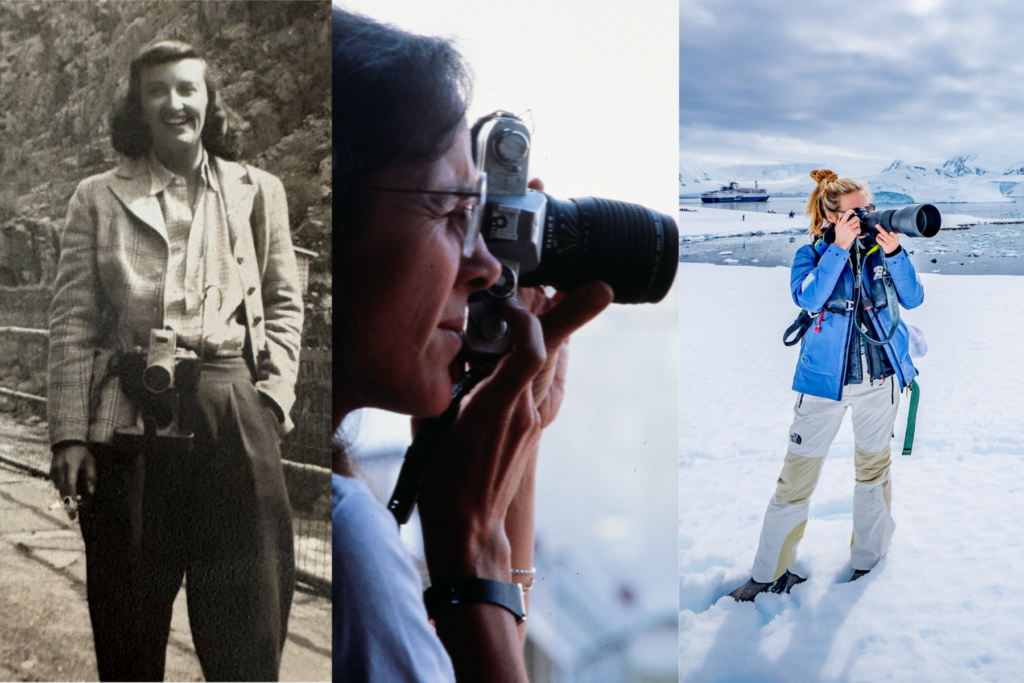
Through Aya’s underground network, I found June, a facilitator near me. Thoughtful and meticulous, she asked endless questions: my trauma, support, schedule, home life. At the time, it felt excessive. I would later learn those details are as important as the drug itself.
The difference between taking Molly, a street name for MDMA, at a rave and undergoing MDMA-assisted therapy lies in what practitioners call the “therapeutic container,” or “set and setting.” As Turpin explains, “The drug alone is not enough.” MDMA opens the door, but healing comes from preparation, support, and integration.
That container matters because MDMA may temporarily reopen a critical period of what’s known as neuroplasticity — the brain’s ability to form new connections and adapt, leaving people unusually receptive to new experiences, perspectives, and emotional learning for days or weeks. During that window, deeply ingrained fear responses and beliefs formed during trauma may be updated rather than simply relived, creating a rare opportunity to heal, but only if handled with care.
I knew none of this when June and I scheduled our first session: a Sunday afternoon last November. Like many in this world, June had a day job. MDMA was her calling, not her career. By five that morning of our session, I had already given up on sleep and gone to the gym. June had told me to be gentle with myself, but I had no idea what that meant. Despite everything supporting MDMA’s safety when used responsibly, I was terrified that I would somehow be the exception, the person who died trying to save herself.
As I passed the woman scanning IDs, I remember thinking, “What if this is the last time she sees me?”
In a way, it would be.
Imagine the person you love most. The safety, acceptance, admiration, and protectiveness you feel in their presence. Now imagine that person is you.
In the weeks after my first session with June, explaining those hours with her was like trying to describe daylight to someone who had spent their life in darkness. I could describe the sun, but I couldn’t make them feel its warmth.
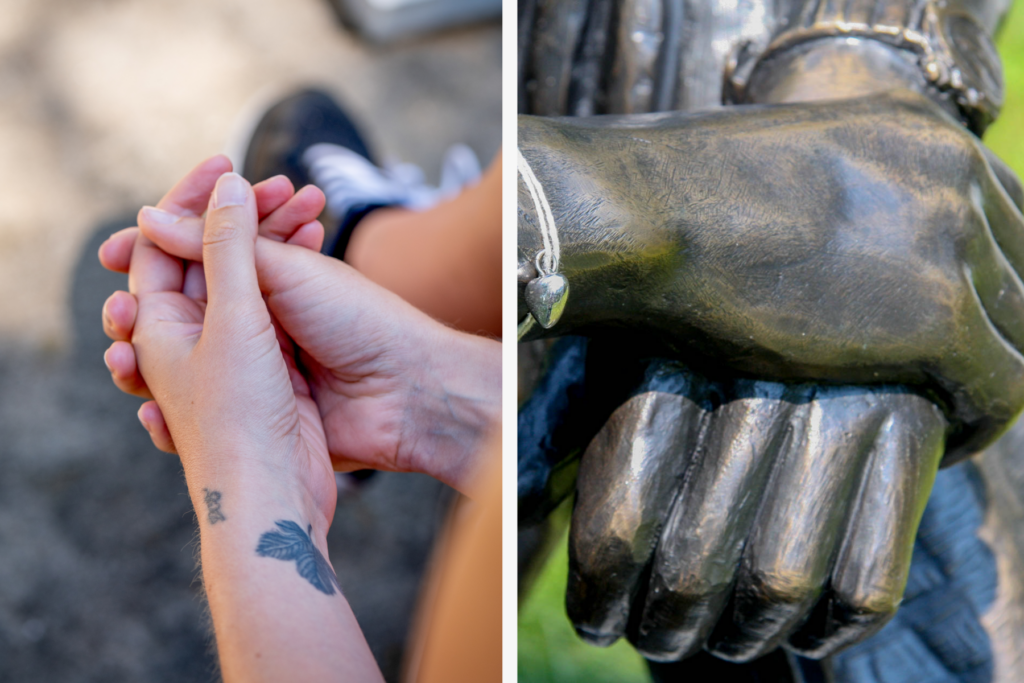
What happened during my session with June returns in fragments, but I will never forget what came after: standing in the bathroom, staring into the mirror at a stranger. I touched my face — one of many parts I had spent decades detesting — and felt awe. After everything I’d put my body through, what a miracle that it still worked. The next morning, I woke with a thought as real as the bed: This is the first day of my life.
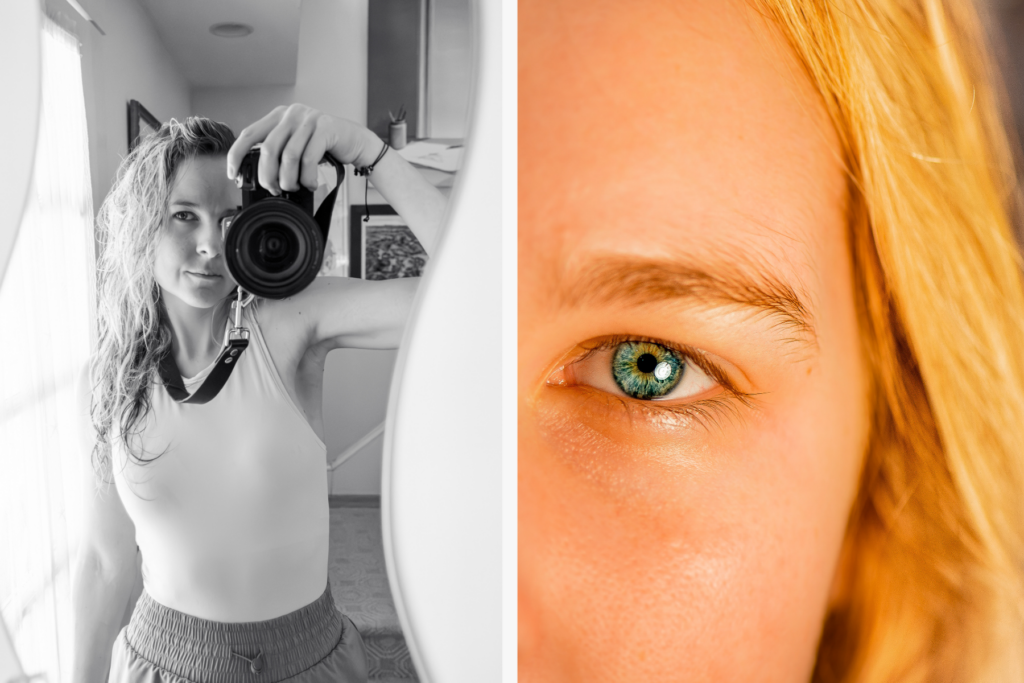
Nothing is a miracle cure, but this therapy gave me a new baseline. Experiencing what it was to love myself changed how I moved through the world. I protected my time, ate when I was hungry, and stopped feeling guilty for walking away from what drained me. Without fear and anxiety, I could finally see that the walls I’d built to protect myself had become my prison.
I still have hard days, and holding that baseline can feel like trying to hold water. But it opened a door to a version of myself I’d never known, one capable of presence, gratitude, and choice: How to live, listen, and love.
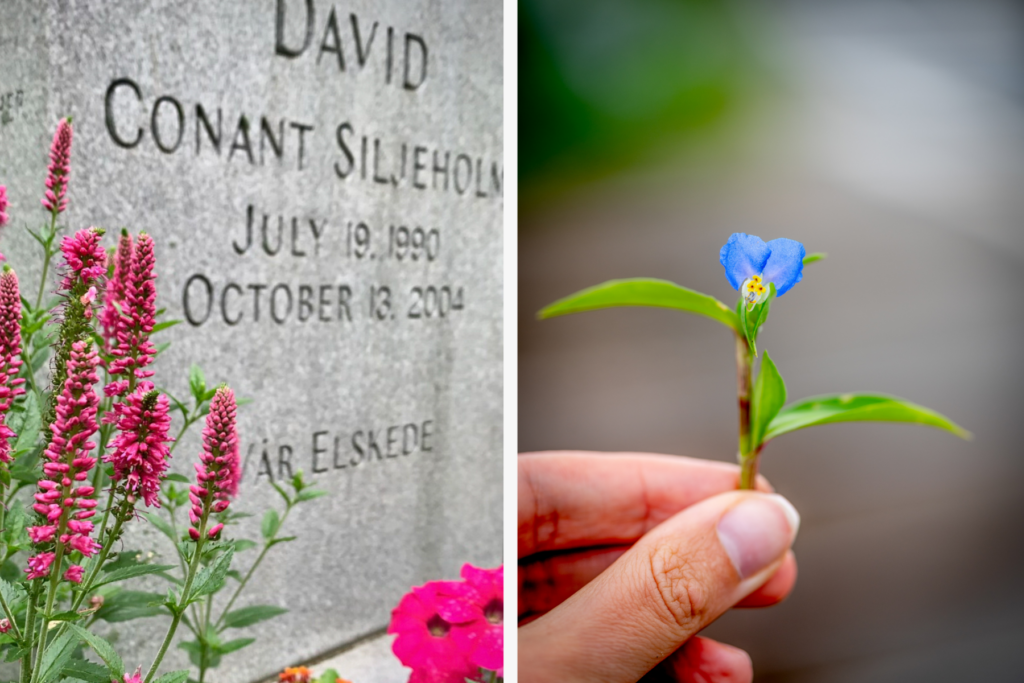
In the weeks after, I met the man I wanted to marry after years of saying marriage was a trap. It wasn’t the first time I’d met him, only the first time I let him in. Loving myself made it possible to finally believe someone else when they said they did, too.
I call him the love of my life, and I will choose him every day in the way my parents, trapped by fear, never could. But I finally understand that the most important choice we make is choosing ourselves, becoming the love of our own lives. Only then is any other kind possible.
The magic of MDMA lies not in what it adds, but in what it takes away: fear. When fear loosens its grip, the impossible becomes imaginable.
In a world that, as clinical psychologist Brian Pilecki told me, is “hyperconnected, yet deeply isolated and disconnected,” this may be MDMA’s real promise. Not a cure, but the opening of a door. A chance to remember what fear makes us forget: safety is possible, connection is possible, and our past does not have to be our future. Whether we step through that door, and what we build on the other side, is up to us.

Marian Siljeholm is a multimedia journalist, photographer, and communications strategist whose career has focused on humanitarian issues, public health, social justice, and human-centered storytelling. She recently completed an M.S. in Media Innovation & Data Communication at Northeastern University, where she served as editor-in-chief of Storybench, Northeastern’s digital storytelling publication. Her work spans journalism, international development communications, and commercial multimedia projects, samples of which can be seen on her website and social media.
News From the Global Frontlines of Disability Justice
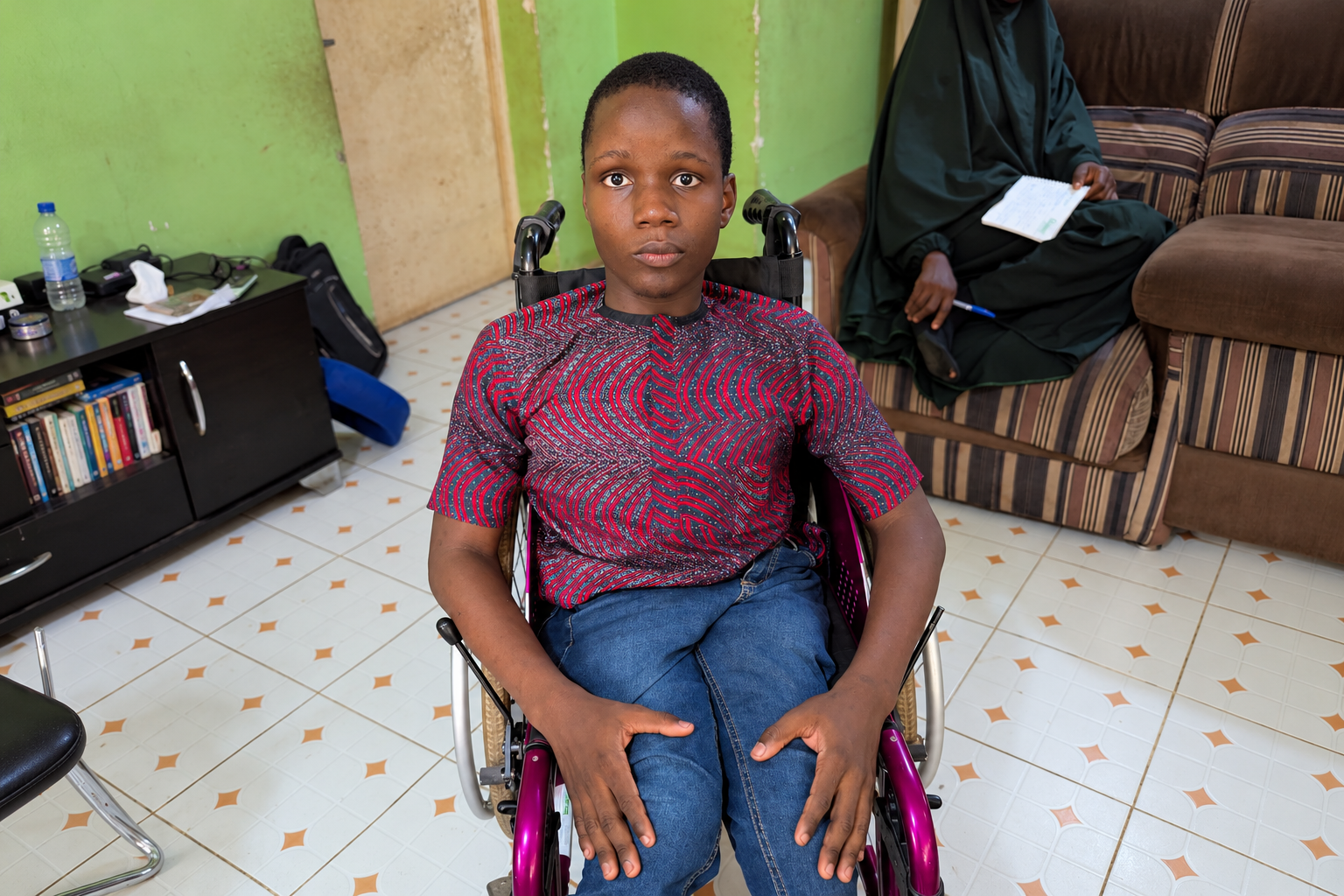
Not Accessible For Me
In Nigeria, children and adults with spina bifida and hydrocephalus continue to face discrimination, inaccessible schools, unaffordable healthcare and barriers to public transportation. Despite legal protections, many are still denied basic rights, leaving families to shoulder the financial and emotional costs. More than two years after a deadline for public institutions to become accessible, the gap between what the law promises and what disabled Nigerians experience remains wide.
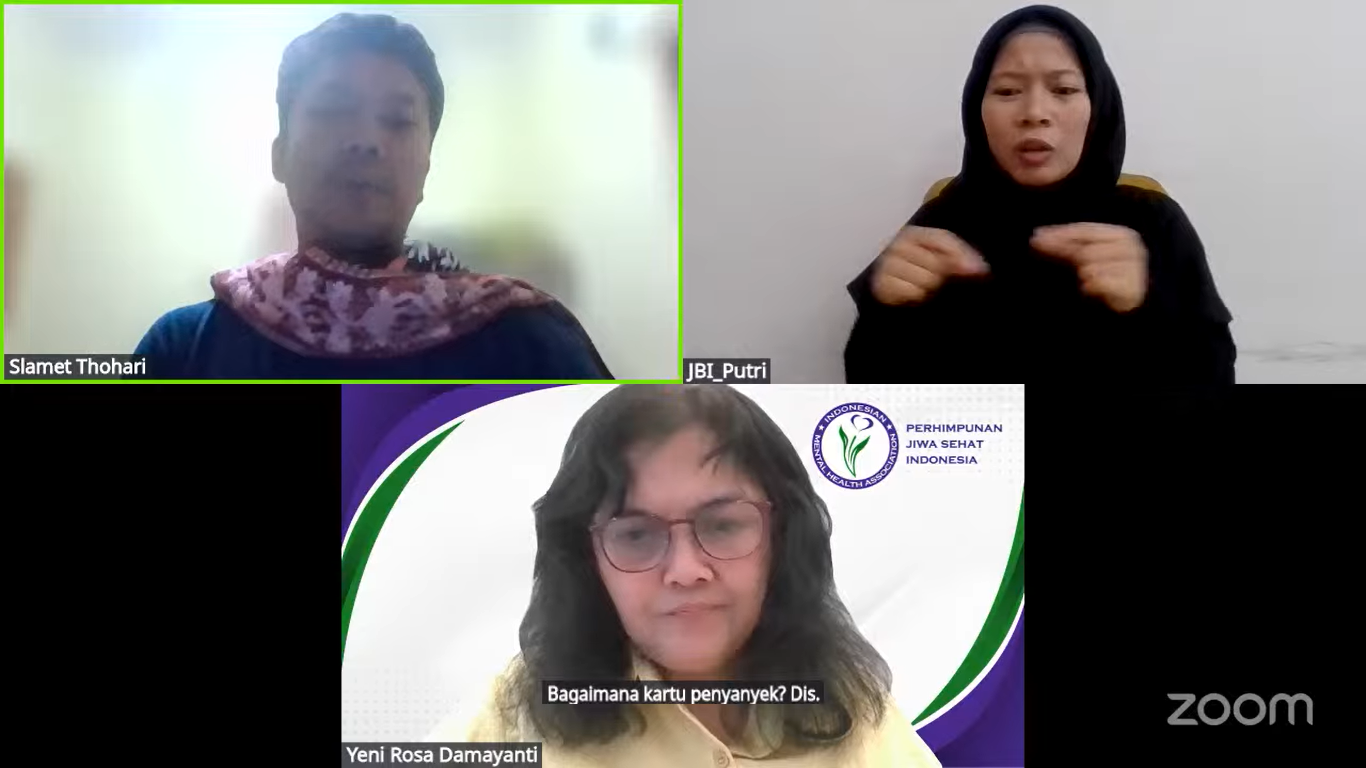
Reducing the Disability Tax
Indonesia has adopted a new regulation aimed at reducing the extra costs disabled people face, guaranteeing discounts across nine sectors, including health care, transportation and assistive devices. But disabled Indonesians say fees and administrative hurdles involved in obtaining the documents needed to access those rights could leave some people behind. As the government begins implementing the policy, advocates are calling for disability assessments to be free and accessible.
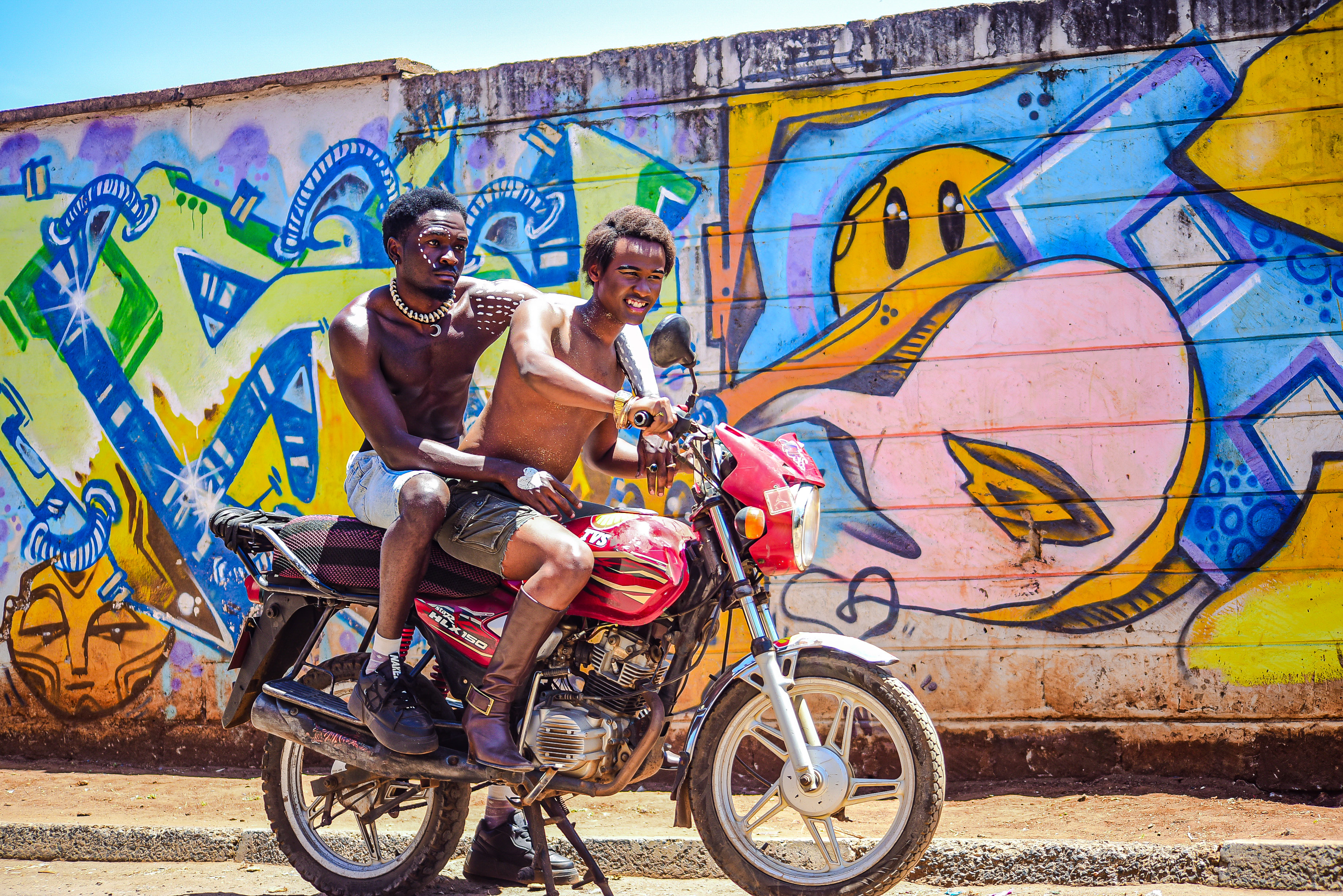
Joy As Resistance
In Kenya, queer and disabled people are finding common ground around questions of identity, access, family, and belonging. Ahead of a Nairobi event exploring where disability and queerness intersect, organizers and participants talk about the communities they have found and the spaces they are trying to create. “Queer people and disabled people share way more than they think they do,” says one organizer. The event will use storytelling, art, performance, and what its organizers call “queer joy” to start a conversation they say is long overdue.
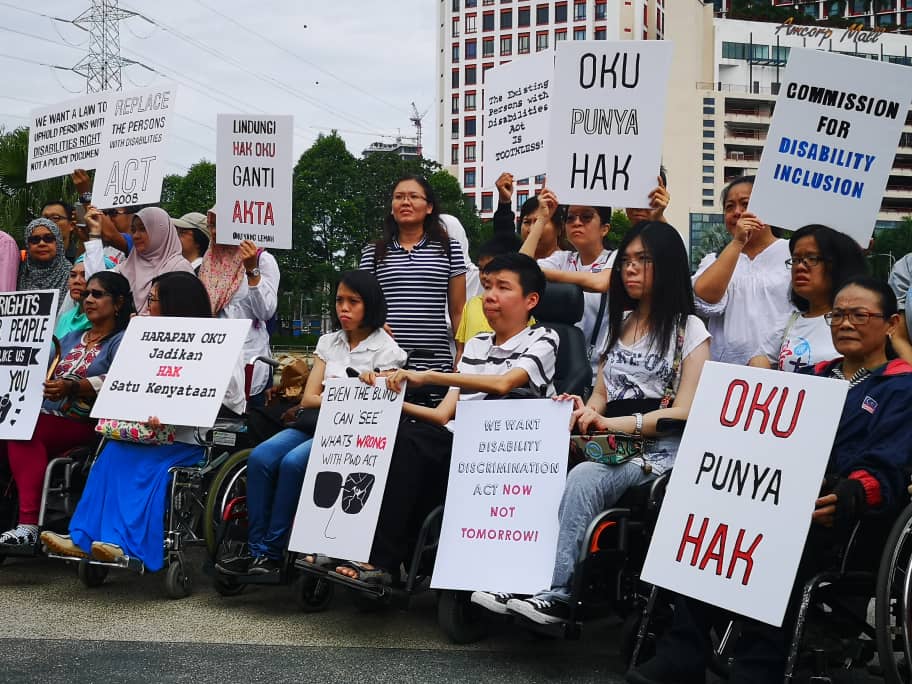
The Politics of Waiting, Wanting, and Hoping
In Malaysia, disability exclusion is rarely one dramatic denial. More often, writes Beatrice Leong, it is “a series of ordinary delays” — inaccessible schools, symbolic consultations, policies without enforcement, and a system that asks disabled people to wait patiently for dignity and belonging. Blending personal reflection with political analysis, Leong examines what happens when inclusion is promised repeatedly, but justice never fully arrives.
Read more about The Politics of Waiting, Wanting, and Hoping
Beyond the ADA
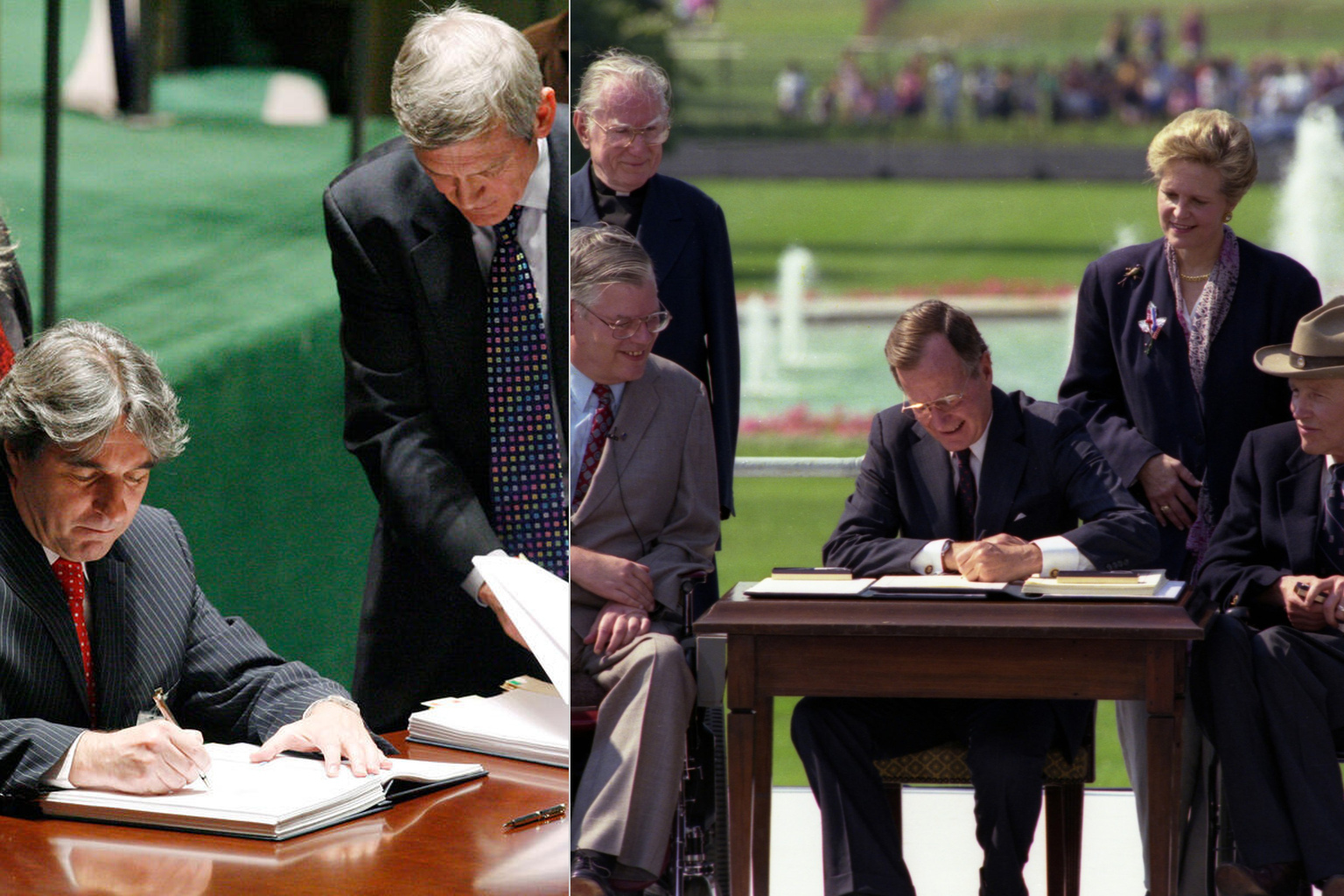
The ADA’s influence extends far beyond the United States. It helped shape a growing international approach to disability rights that eventually contributed to the development of the CRPD. But global disability movements have also expanded on ideas that U.S. law has yet to fully embrace. “I think many U.S. disability rights activists were surprised to find out how much we could learn from the international community,” says Eric Rosenthal, founder and executive director of Disability Rights International.
Forgotten People
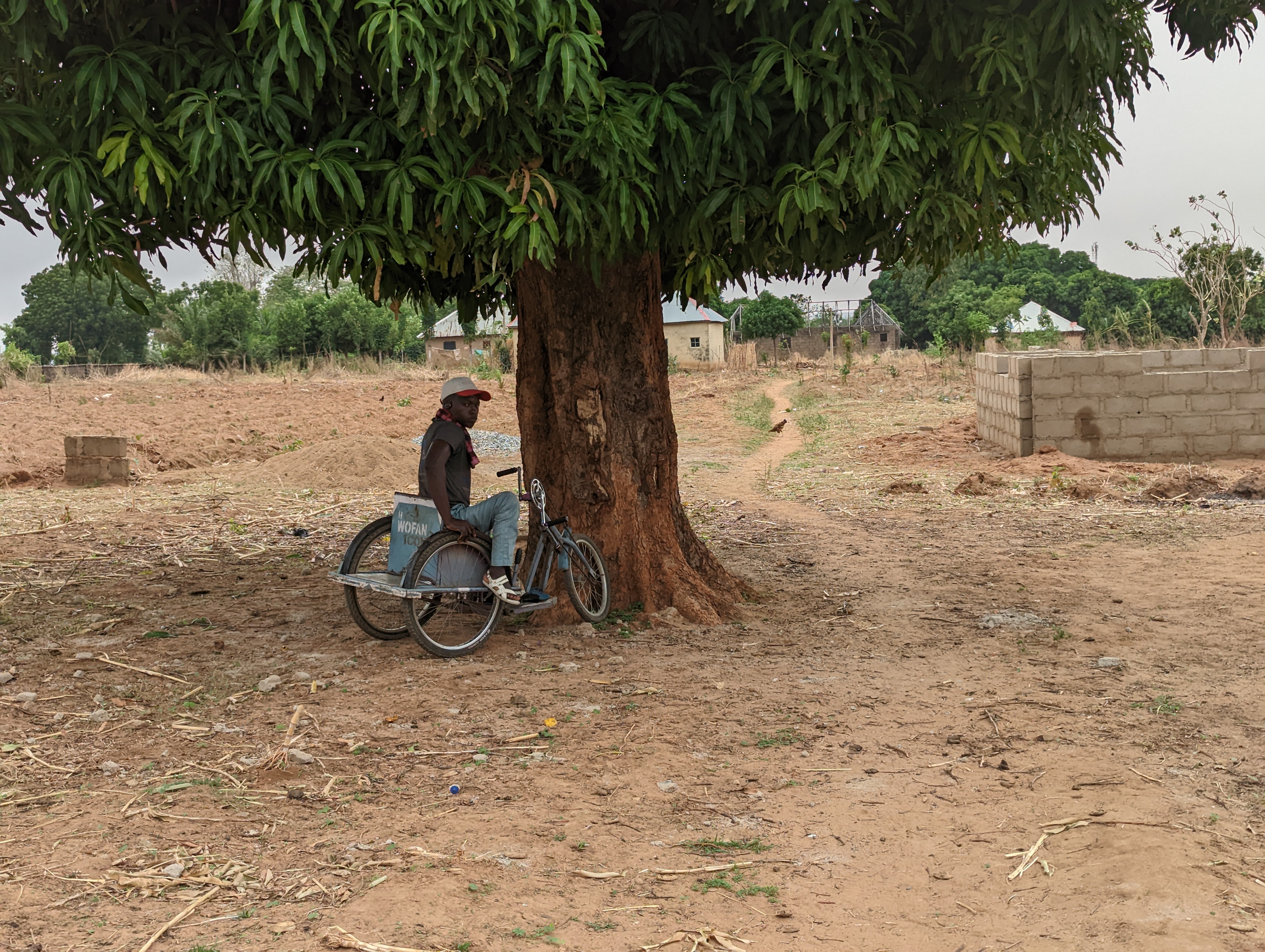
As Nigeria’s growing insecurity crisis spreads, disabled people face barriers that can make escaping violence far more difficult. Across the country, they describe inaccessible emergency warnings, challenges reaching safety, disrupted livelihoods, and limited access to assistance during times of crisis. Their stories reveal how conflict is experienced differently when mobility, communication, and support cannot be taken for granted and how disability is too often overlooked in emergency planning and response.