News
Not Accessible For Me
For Nigerians with Spina Bifida, the Struggle for Guaranteed Rights Continues
October 24, 20026
All videography and photography by Alexander Ogheneruemu
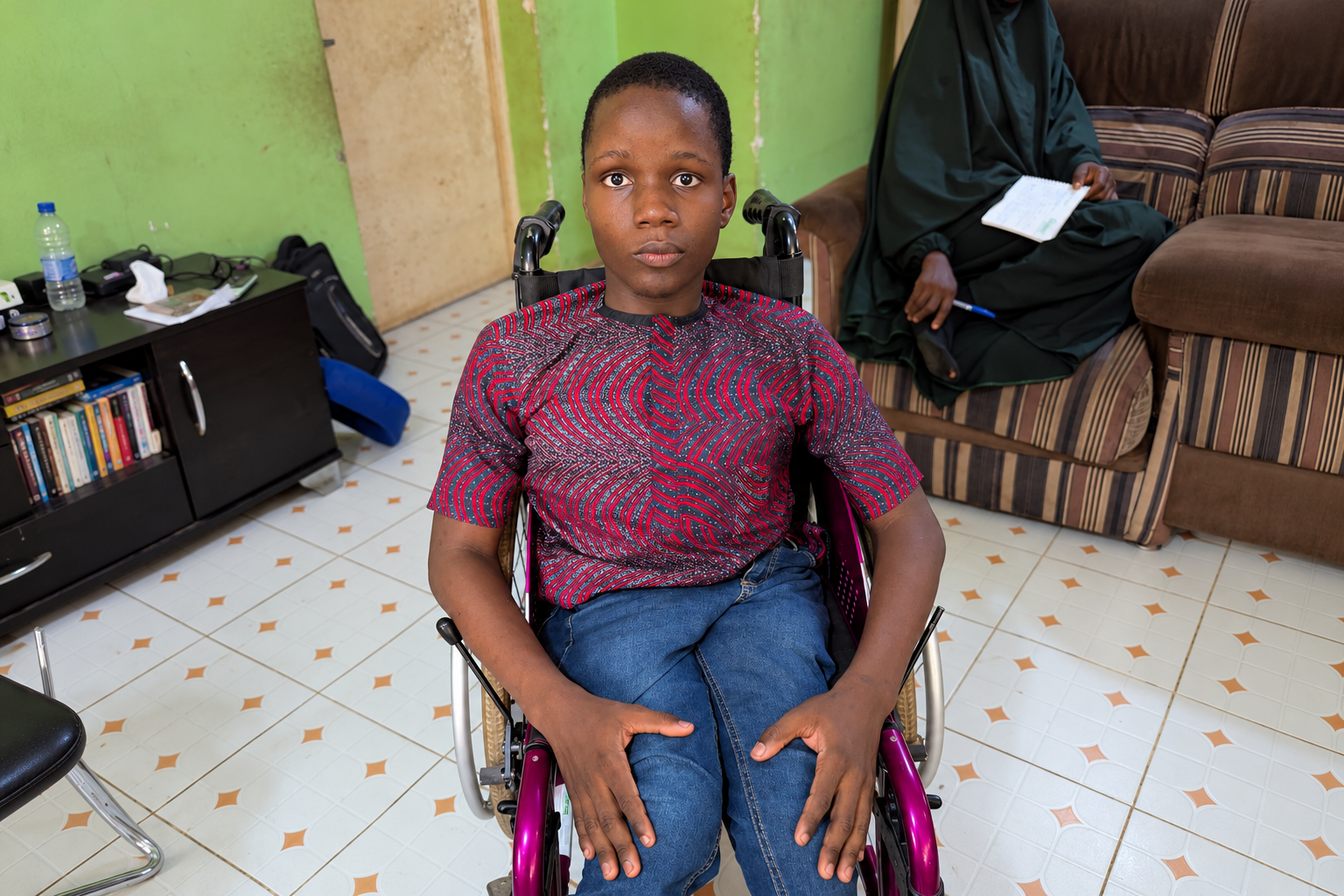
NIGERIA — Securing admission into a college or university in Nigeria is no small deal, especially for students from low-income families. The excitement reaches a peak upon getting the Joint Admissions and Matriculation Board’s (JAMB) acceptance letter to one’s choice institution. But for Aliya Yusuf, who has spina bifida and uses a wheelchair, that excitement was cut short when she arrived at her chosen institution. There were no accessible on-campus housing options for her, and she had to forfeit her admission.
Recalling the experience during an interview from her home in the Ikorodu suburbs of Lagos, the young woman who’d wanted to study accountancy said, “To forfeit my admission when I did was a very difficult decision. It was not what I thought. … It was not accessible for me. … I cried, I prayed, I almost gave up.”
Her mum, Balikis Yusuf, appeared visibly pained as she narrated how the incident affected her. “I felt sick during that period and was deeply hurt because she should never have to forfeit her admission because of inaccessibility. We had to painfully accept that reality,” she said.
Yusuf’s experience is just one of many barriers faced by individuals with spina bifida in a country that promises so much for persons with disabilities on paper, but does too little of walking the talk. Nigeria’s Discrimination Against Persons with Disabilities (Prohibition) Act, 2018 guarantees access to public buildings and establishes procedures for addressing accessibility barriers. But in a system where the law is often more bark than bite, Yusuf was left with little choice but to give up her place at the technical college.
A Congenital Disability
Spina bifida is a condition that happens before birth in which the spine and spinal cord don’t form properly. It is a neural tube defect (NTD), affecting the structure that develops into the brain and spinal cord. Myelomeningocele is the most common type of severe spina bifida, with about 80 percent of cases also developing hydrocephalus, a complication where cerebrospinal fluid builds up in the brain. Both cases occurring together are known as spina bifida and hydrocephalus (SBH). Early intervention and ongoing care remain critical.
The Nigerian Situation
In Nigeria, the awareness level of SBH is still relatively low, even within the disability community. For example, it’s only recently that SBH was recognized as a distinct disability by the Joint National Association of Persons With Disabilities (JONAPWD), the umbrella body of organizations of persons with disabilities (OPDs) in Nigeria. The body had wanted to place SBH under spinal cord injuries. Compounding the problem, there’s no reliable national data on the prevalence of spina bifida and hydrocephalus in Nigeria. Individual studies and reviews are available, but they do not capture a nationwide figure.
Edward Komolafe, a consulting neurosurgeon with the Obafemi Awolowo University Teaching Hospital (OAUTH), Ile-Ife, says one reason for this absence of a reliable national number is that most births in Nigeria occur at home, while babies and children with SBH often don’t receive hospital care.
Poor Awareness and Myths
Limited awareness of spina bifida and hydrocephalus (SBH), along with cultural beliefs, can lead families to seek traditional or spiritual treatments, potentially delaying medical care and causing serious complications. Stigma is another significant challenge. In one case covered by the Nigerian digital news outlet Prime Progress, the in-laws of one woman who gave birth to a child with SBH accused the mother of bringing a curse and bad luck on the family.
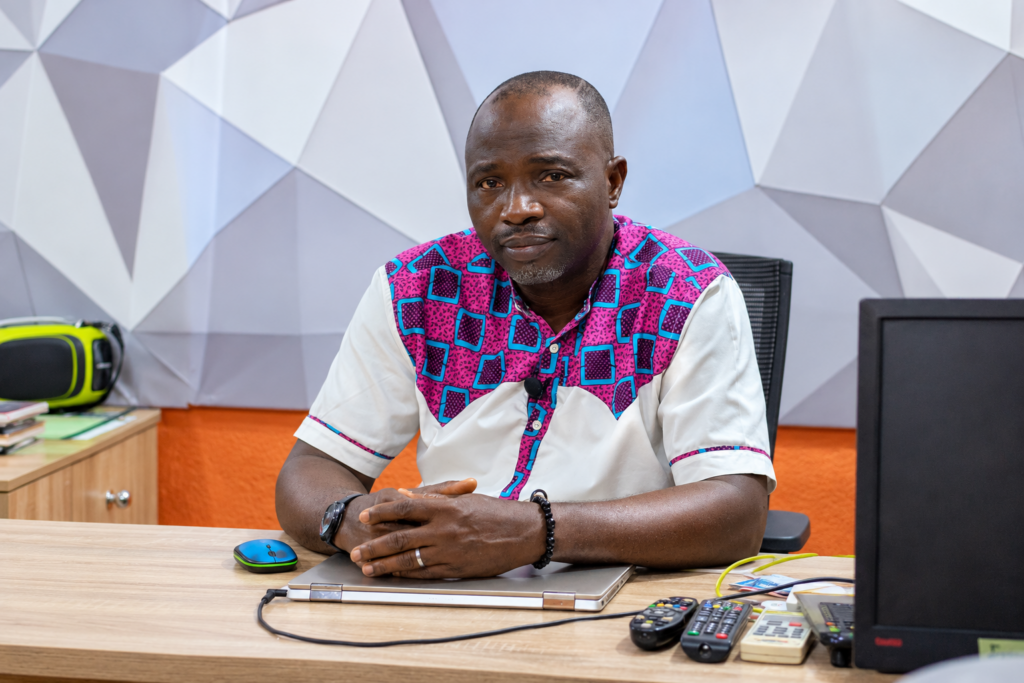
Afolabi Fajemilo, co-founder of Festus Fajemilo Foundation (FFF), looks back on how a lack of information affected his family’s ability to get timely care for their son with SBH. “My wife and I realized that if we had the right information [back then], we would have averted some delayed development milestones by giving him [their son Festus] the right treatment on time.”
The Fajemilos’ experience inspired them to found FFF in 2006. Since then, the organization has grown to become part of the backbone of SBH care and advocacy in Nigeria. Over the years, various initiatives around SBH, led by FFF and the Spina Bifida and Hydrocephalus Association of Nigeria (SBHAN), have made significant inroads in the areas of awareness/advocacy, support, and caregiving.
Beyond Poor Awareness and Symptoms
But beyond the question of awareness are weightier concerns around discrimination and systemic failings that make access to education and employment, buildings, transport, quality healthcare, and more an ongoing struggle for children and adults with SBH and their parents. Although Nigeria’s Discrimination against Persons with Disabilities (Prohibition) Act, 2018 holds strong promise of rights and access for persons with disabilities in theory, in practice it’s a different tale. The law gave public institutions five years to make buildings and services accessible to disabled people. That deadline passed in January 2024. While some progress has been made, full access is still a long haul, and disabled Nigerians continue to bear much of the burden of fighting for rights already guaranteed under the law.
Stigma and Discrimination Play Out in Education
According to the people interviewed for this article, stigma and discrimination are most significant in educational spaces, impacting both individuals with SBH and their parents or caregivers. These children and young adults with SBH face challenges getting into and staying in school, and they often have humiliating stories to tell. Yet, turning back a learner on grounds of disability violates Nigeria’s disability law, which prohibits discrimination in education and requires schools to be accessible to disabled students.
“My first experience of discrimination that I was fully aware of was in primary [elementary] school,” recalls Opeyemi Samuel, who has spina bifida and is currently doing the mandatory one-year national service, during which university and technical college graduates work in communities across the country. “I wanted to change schools, and the schools I got admitted into would initially accept me, but after a few days would decline, saying they lacked facilities for my care.” This happened at three different elementary schools, and Samuel spent over a year at home before he was accepted into a boarding school far from home.
Samuel also has incontinence, a common complication of SBH that can affect bladder and bowel control. The condition carries considerable stigma, especially for adults. At school, friends made fun of him when he had a bladder accident. “My friends would make jest of me in the most sarcastic way. … It was a very tough experience, and I remember wanting to run away from school,” he says, “but my friends and some teachers were able to help me through that period.”
Hassan Funmilayo, president of SBHAN, says infringement on the right to education is about the most pronounced discrimination he has had to confront as a parent of a child with SBH. Describing the ordeal of finding a school for his daughter, Samara, some years ago, Funmilayo says several schools outright refused to accept Samara, who was three or four years old at the time. “As a parent, I was taken aback. … It was heartbreaking for us,” he says. It took a lot of pushing before they finally found a school that would accept her.
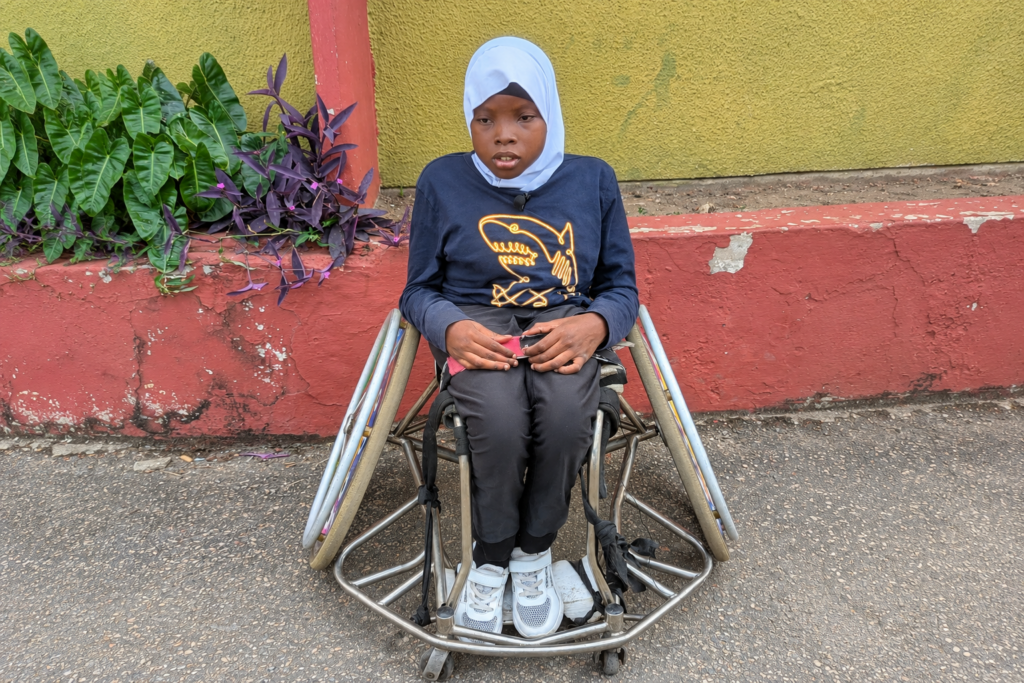
Incontinence can also put stress on parents and caregivers. Shakirat Odaranile, a teacher and mother of 17-year-old Abdurahman, who has SBH, recalls how she used to get frustrated with her son’s incontinence. “I used to scold and sometimes beat him,” she says. Now she understands better but admits that coping still isn’t easy, especially when the accidents are public.
Olakunle Fayiga, 36, has hydrocephalus, which can affect fine motor skills, including handwriting. He says he has frequently faced criticism because of his handwriting. “My handwriting is not the finest till date, and I get constantly criticized for it,” he says. Fayiga recalls that the discrimination and abuse were most pronounced when he was in school. Now, as an adult, he still struggles with poor self-esteem and anxiety in social situations where he has to write.
Access Doesn’t Mean Affordability
Section 21 of the disability law mandates the government guarantee access to health care for persons with disabilities, and there have been some improvements for SBH in teaching hospitals across the country, says Femi Bankole, head of neurosurgery at the Lagos State University Teaching Hospital (LUTH). But he notes that access does not necessarily mean affordability. “A lot of patients are from the lower socio-economic class … and poverty … is a driver for poor health matrix,” he says. The cost of critical initial surgeries like shunt placement alone can run into millions of naira, particularly in private hospitals. This is besides ongoing care, purchase of orthotics, and therapy sessions.
A 2026 review of studies from hospitals across Nigeria warns that despite the advances in healthcare, financial hardship, inadequate facilities, and unequal access to specialist services continue to be major obstacles for children with hydrocephalus.
Giving Up Is Not an Option
Despite the challenges, Festus Fajemilo Foundation, working with partners and sponsors, continues to provide leadership and direction for the SBH community in Nigeria. It does this through advocacy and critical interventions like offering support groups for parents and caregivers, collaborating with health institutions, sponsoring surgeries, and more.
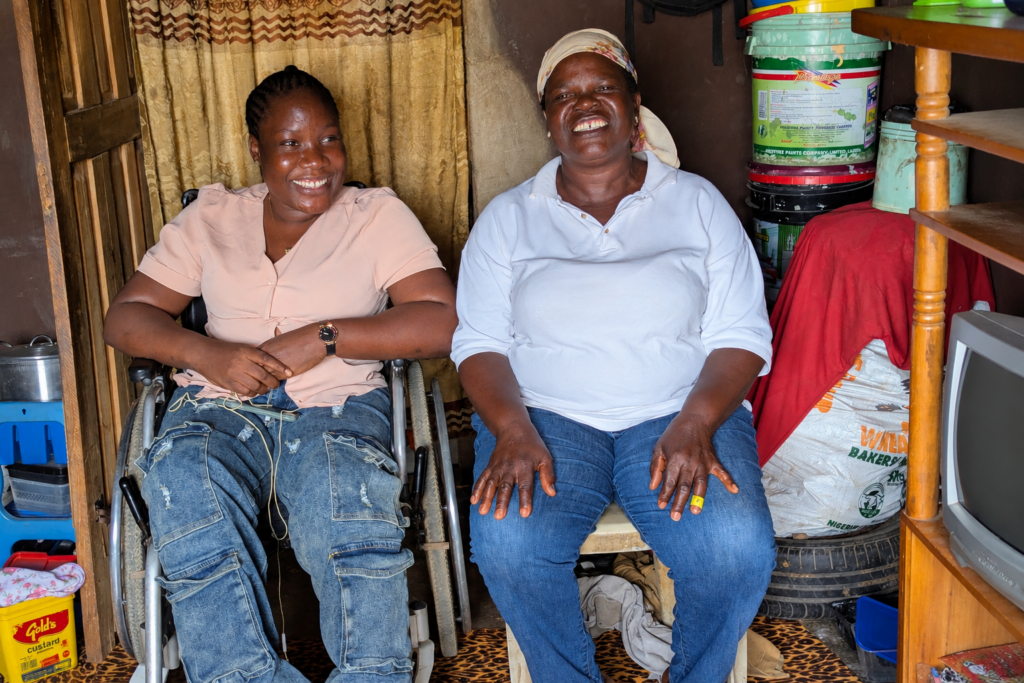
Opeyemi Samuel, who had a running battle with the system before he could participate in the mandatory one-year national service, says discrimination doesn’t stop one from fighting for rights. And Aliya Yusuf, who is taking another shot at admission to university, agrees: “Giving up is not an option.”
Alexander Ogheneruemu is a Deaf writer, special educator, and disability advocate. A team member with the Voice for the Deaf Foundation (VDF), a Deaf-centric non-profit, his works are driven by a passion for changes that lead to better conditions for disabled and marginalized people.
Kunle Fayiga contributed to this report.
Editing assistance by Jody Santos
Special thanks to FFF and SBHAN for generously sharing information that helped inform this article.
News From the Global Frontlines of Disability Justice
Not Accessible For Me
In Nigeria, children and adults with spina bifida and hydrocephalus continue to face discrimination, inaccessible schools, unaffordable healthcare and barriers to public transportation. Despite legal protections, many are still denied basic rights, leaving families to shoulder the financial and emotional costs. More than two years after a deadline for public institutions to become accessible, the gap between what the law promises and what disabled Nigerians experience remains wide.
Reducing the Disability Tax
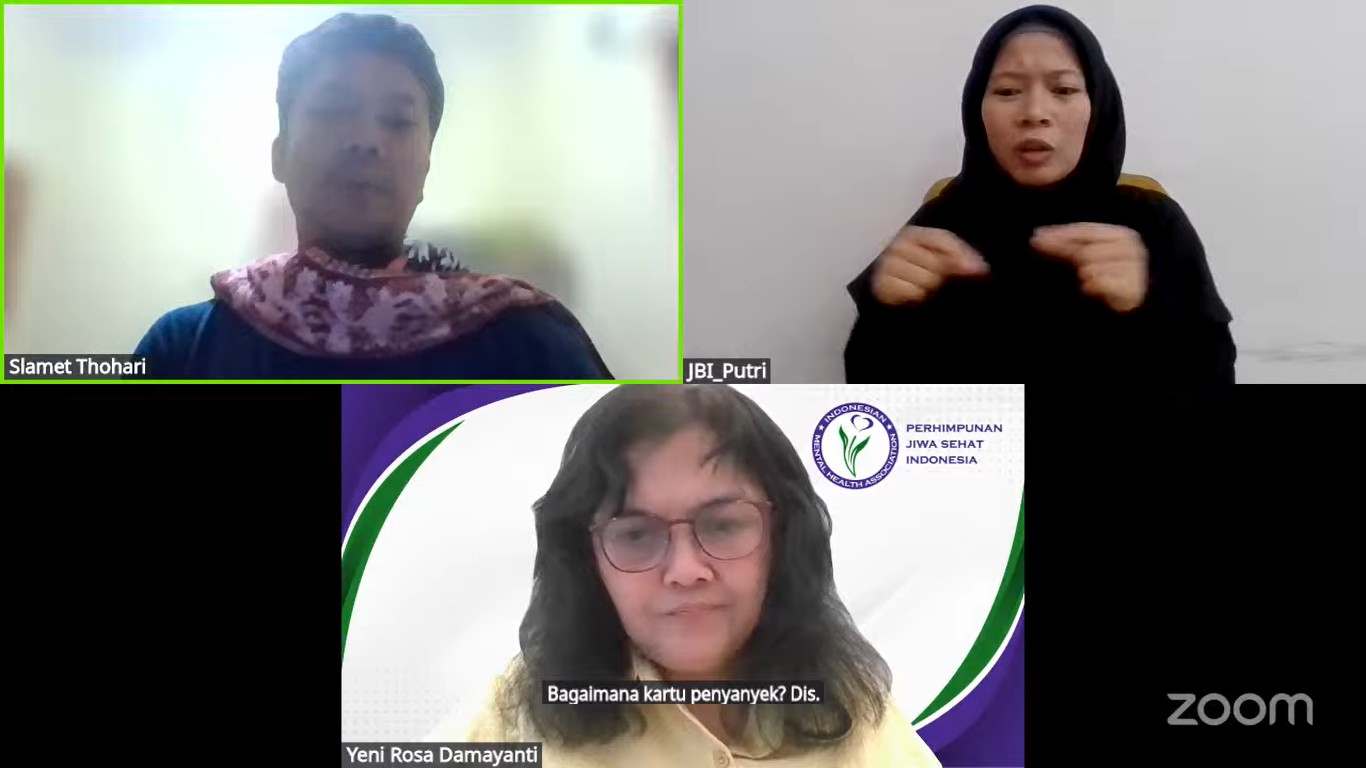
Indonesia has adopted a new regulation aimed at reducing the extra costs disabled people face, guaranteeing discounts across nine sectors, including health care, transportation and assistive devices. But disabled Indonesians say fees and administrative hurdles involved in obtaining the documents needed to access those rights could leave some people behind. As the government begins implementing the policy, advocates are calling for disability assessments to be free and accessible.
Joy As Resistance
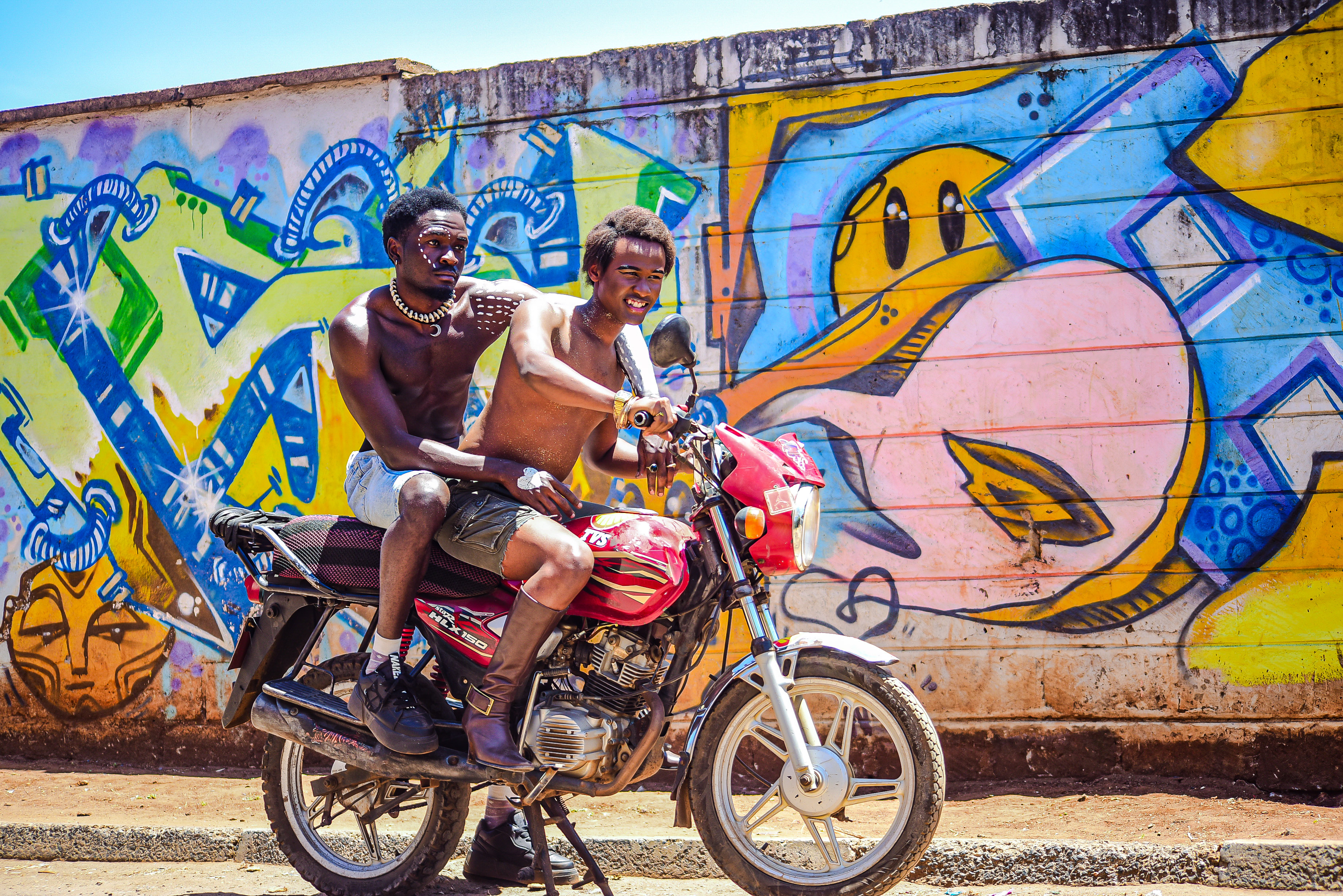
In Kenya, queer and disabled people are finding common ground around questions of identity, access, family, and belonging. Ahead of a Nairobi event exploring where disability and queerness intersect, organizers and participants talk about the communities they have found and the spaces they are trying to create. “Queer people and disabled people share way more than they think they do,” says one organizer. The event will use storytelling, art, performance, and what its organizers call “queer joy” to start a conversation they say is long overdue.
The Politics of Waiting, Wanting, and Hoping
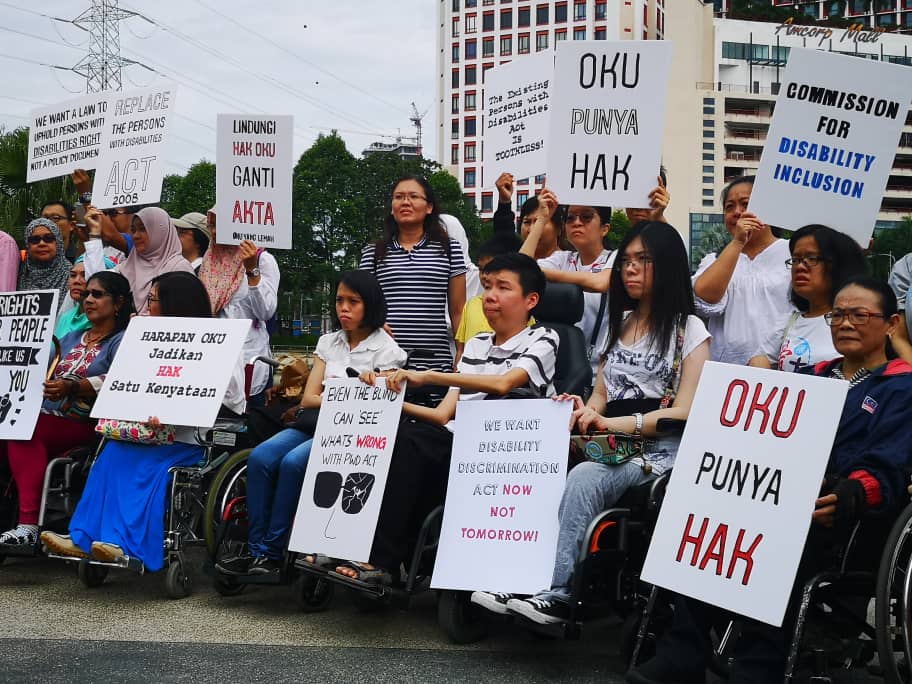
In Malaysia, disability exclusion is rarely one dramatic denial. More often, writes Beatrice Leong, it is “a series of ordinary delays” — inaccessible schools, symbolic consultations, policies without enforcement, and a system that asks disabled people to wait patiently for dignity and belonging. Blending personal reflection with political analysis, Leong examines what happens when inclusion is promised repeatedly, but justice never fully arrives.
Read more about The Politics of Waiting, Wanting, and Hoping

Beyond the ADA
The ADA’s influence extends far beyond the United States. It helped shape a growing international approach to disability rights that eventually contributed to the development of the CRPD. But global disability movements have also expanded on ideas that U.S. law has yet to fully embrace. “I think many U.S. disability rights activists were surprised to find out how much we could learn from the international community,” says Eric Rosenthal, founder and executive director of Disability Rights International.
Forgotten People
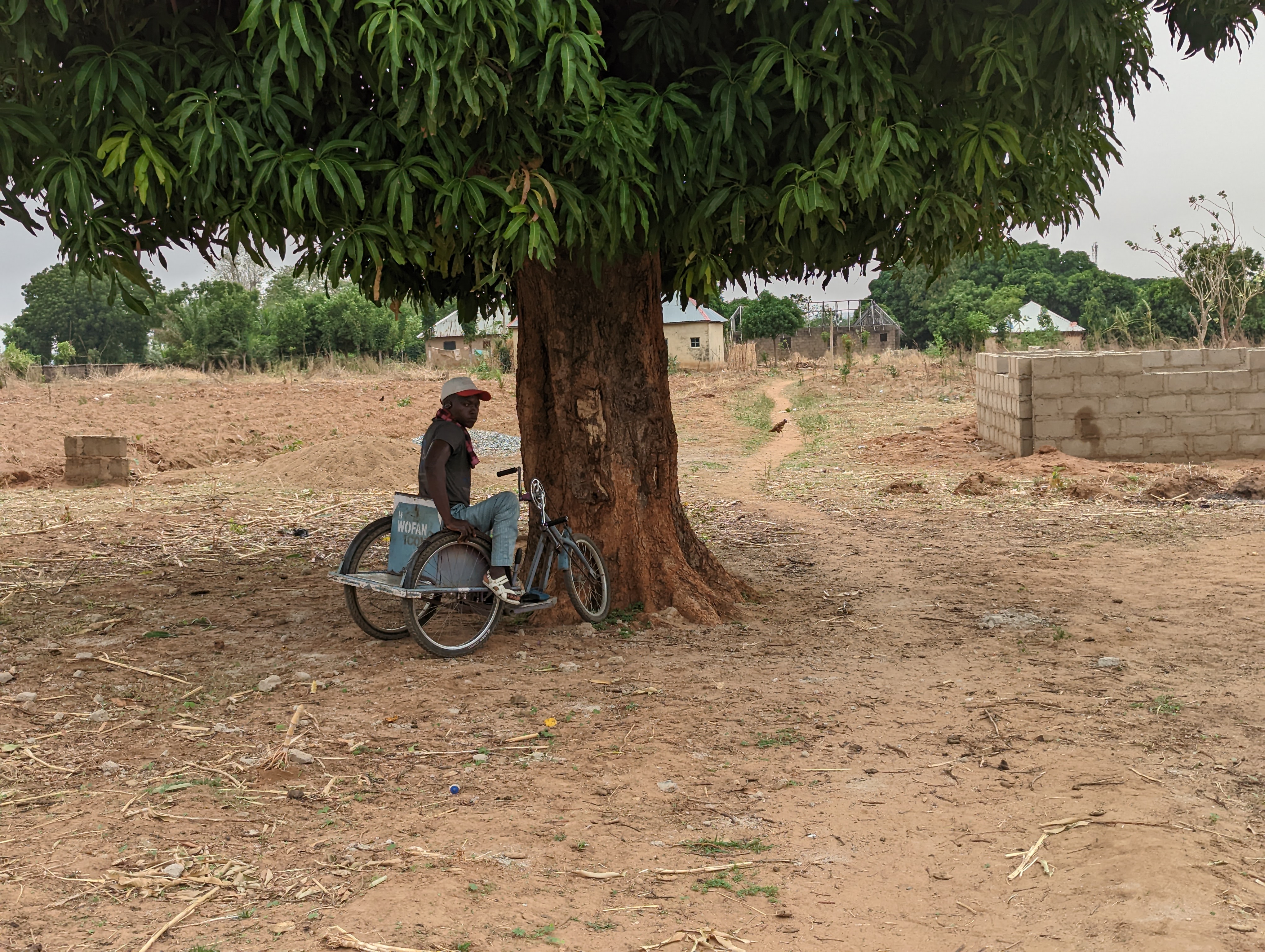
As Nigeria’s growing insecurity crisis spreads, disabled people face barriers that can make escaping violence far more difficult. Across the country, they describe inaccessible emergency warnings, challenges reaching safety, disrupted livelihoods, and limited access to assistance during times of crisis. Their stories reveal how conflict is experienced differently when mobility, communication, and support cannot be taken for granted and how disability is too often overlooked in emergency planning and response.