Film
‘Blind Persons Can Do Massage Therapy’
Seeing Hands Rwanda Bridges the Employment Gap For Persons with Disabilities
Click here for instructions on how to watch the video on Able Player.
Beth Gatonye founded Seeing Hands Rwanda after noticing the high unemployment rate among Rwandans with disabilities. According to the National Union of Disabilities’ Organizations of Rwanda, the number of persons with disabilities engaged in economic activities in the country is 56 percent – almost 20 percent less than those without disabilities. “Ablism is very challenging toward persons with disabilities,” says Ruth Iradukunda Fifi, a trainee with Seeing Hands Rwanda. “I think the reason why they call it ‘Seeing Hands’ – mostly in the society where we live, people with disabilities are discriminated or treated as if they are not able. They are treated as if they need a favor.” Gatonye says Seeing Hands is trying to bridge the labor gap – not only providing training but working with participants to transition from training to employment.
Editing assistance by Ziyu Peng
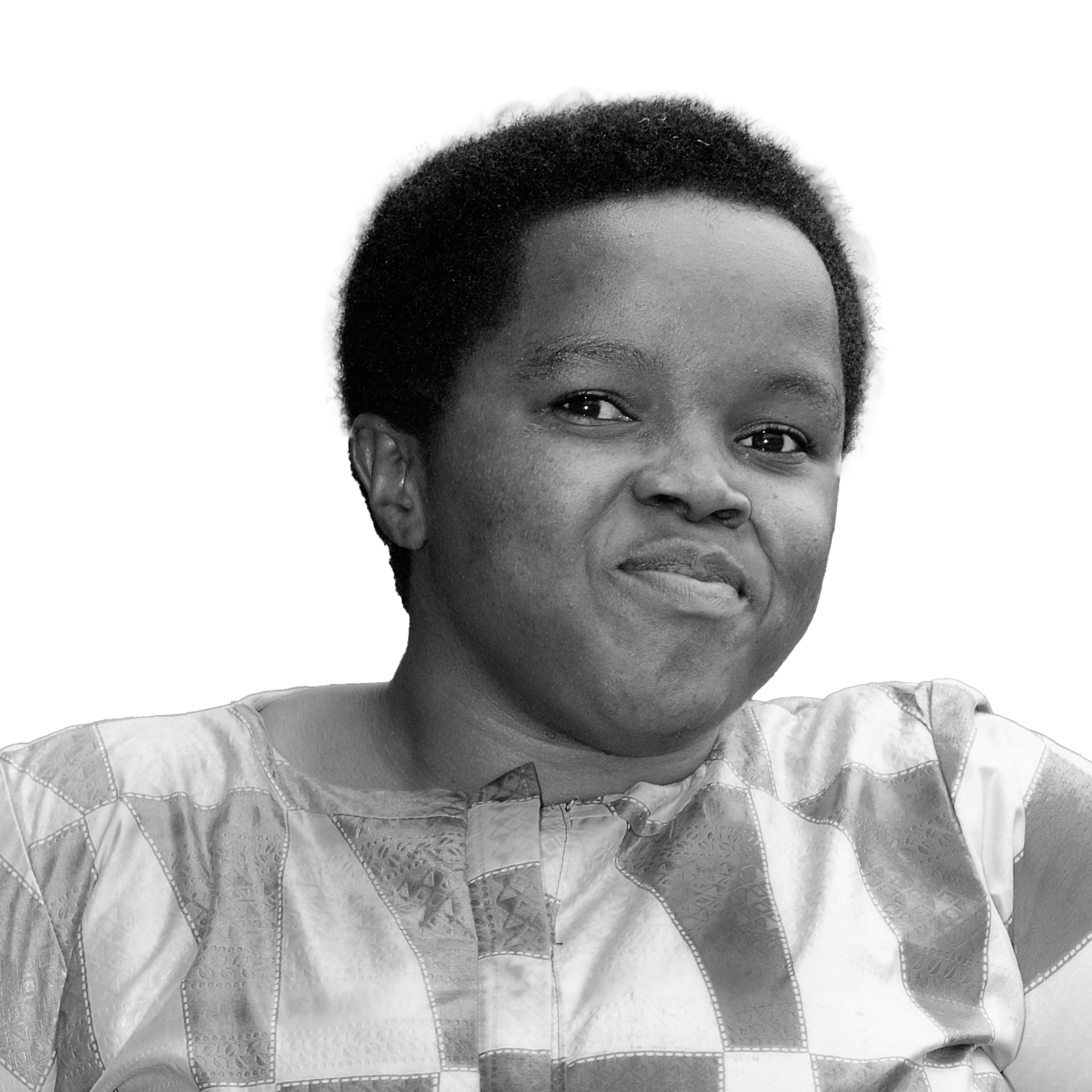
Filmmaker: Esther Mukampogazi
Esther Mukampogazi, a woman with dwarfism, is a project manager and advocacy coordinator at the Organization of Women with Disabilities for Health Promotion and Development in Rwanda (OWDHD). She holds a bachelor's degree in communication and journalism from the University of Rwanda. Mukampogazi has been working in the disability community, participating in training, meetings, and events focused on social inclusion and making a more disability-friendly world. As a youth advocate, she has worked to make positive changes in government, schools, communities, and families. Her dream is to continue being a strong disability and gender activist.
More videos
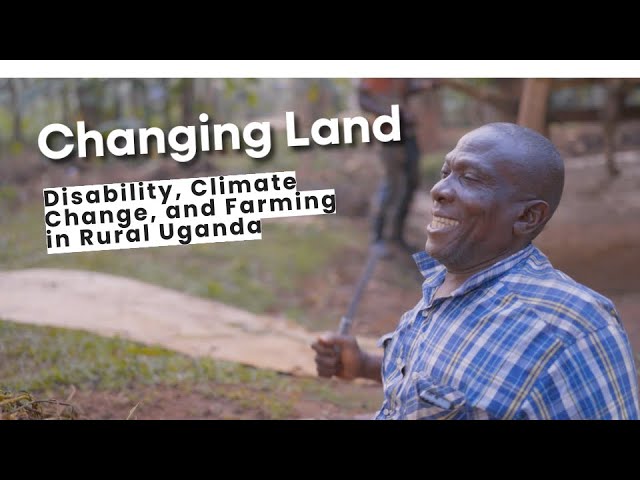
Changing Land
About this video: UGANDA: Once green and dependable, the land Steven Bukaya farms has been reshaped by deforestation and unpredictable rain.
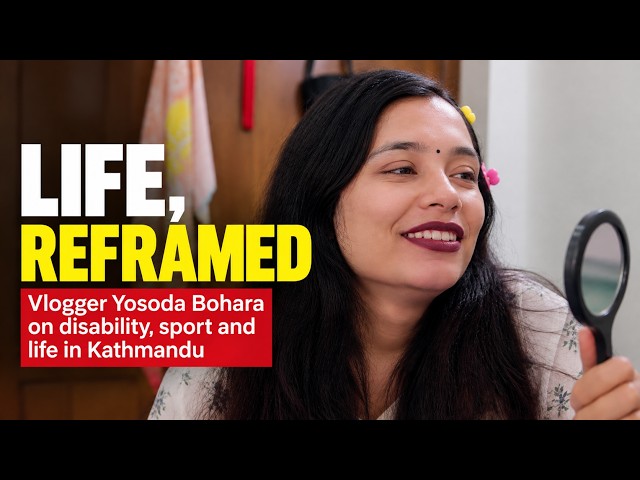
Life, Reframed
About this video: NEPAL: After an injury ended Yosoda Bohara’s rugby and football career, she returned to competitive sports in a wheelchair and hopes to represent Nepal in boccia.
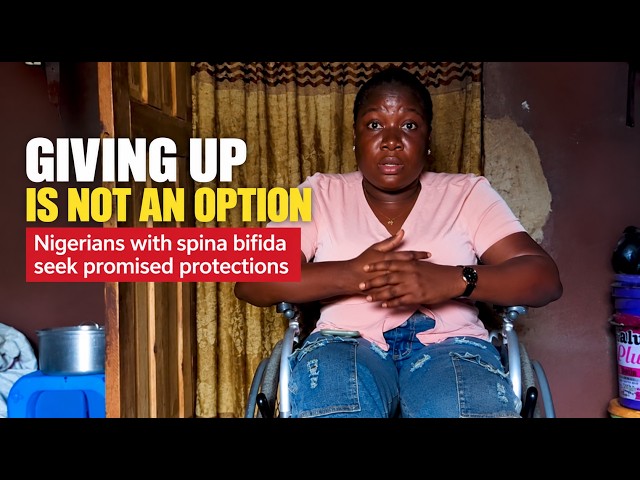
‘Giving Up Is Not an Option’
About this video: NEW RELEASE: Nigeria promises equal rights for disabled people. For those with spina bifida and hydrocephalus, the fight to make those promises a reality continues.
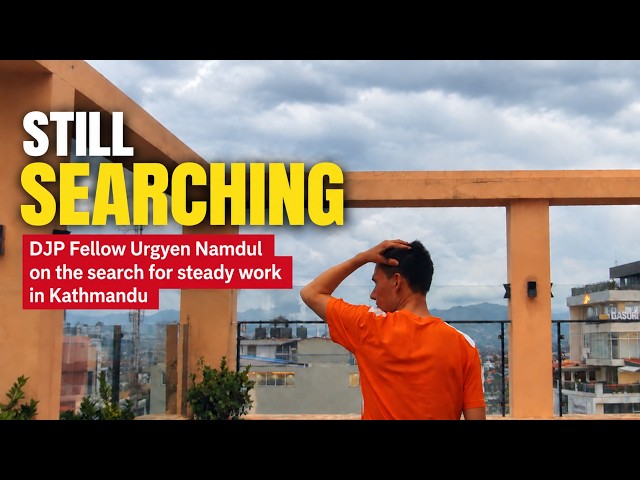
Still Searching
About this video: NEPAL: After a city job for Deaf workers ended after 100 days, DJP Fellow Urgyen Namdul documents his search for steady work in Kathmandu.
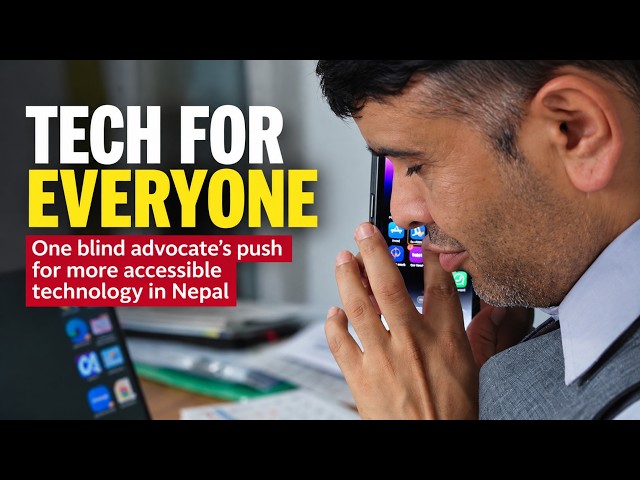
Tech for Everyone
About this video: NEW STORYTELLER: Technology can open doors for blind people or create new barriers. DJP Fellow Bam Bahadur B.K. follows advocate Khom Raj Sharma as he pushes for greater digital access.
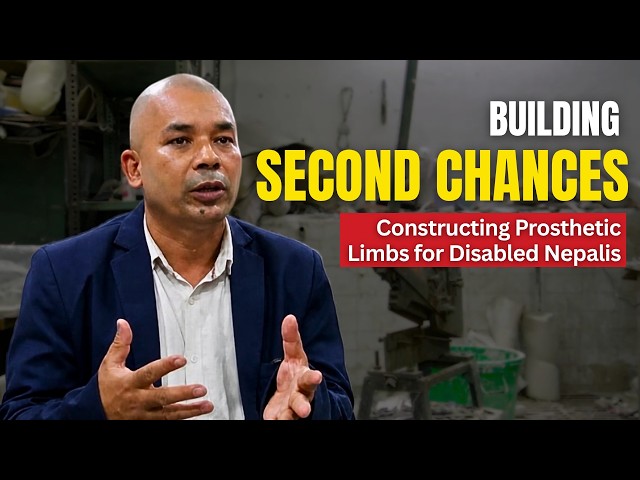
Building Second Chances
About this video: NEW STORYTELLER: After losing his leg as a boy, Ram Bahadur Thapa now builds prosthetic limbs for others in Nepal, giving them the second chance he found.