Film
Cultural Survival
Indigenous Women with Disabilities Fight to Preserve Livelihoods Amid Government Restrictions in Nepal
In rural communities, where gas stoves are scarce, Indigenous women with disabilities rely on traditional practices like firewood collection, agriculture, and liquor-making to sustain their livelihoods. However, state policies that restrict access to community forests and criminalize Indigenous practices are pushing these women into deeper economic hardship. “These days, most of the Indigenous people’s land and forests are encroached by the state and turned into community forest,” says Rashmi Gurung. “We are not allowed to collect firewood from the community forest. We have to buy it, which is expensive so, it impacts our economic condition.” With limited opportunities and persistent challenges, they call on the government to recognize and support their traditional knowledge and skills, ensuring a more accessible and dignified life for all.
Editing assistance by Ziyu Peng and Jody Santos. English voiceovers by Bhawana Majhi.
Read our instructions on how to watch the video on Able Player.
Watch a version of this video without English voiceovers.
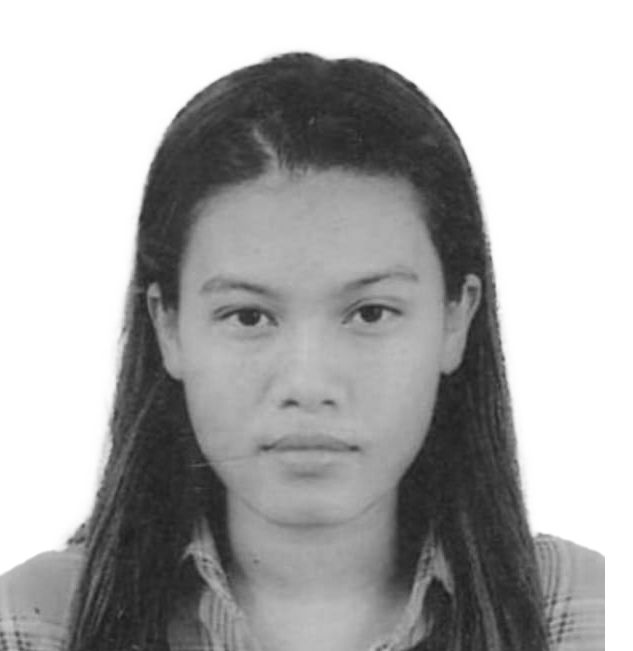
Filmmaker: Bhawana Majhi
Bhawana Majhi is an Indigenous woman with a physical disability (double amputee using prosthetic legs) from the Majhi community, one of the highly marginalized Indigenous communities of Nepal. She is an advocacy and communication officer at the National Indigenous Disabled Women Association - Nepal (NIDWAN), contributing to national-level meetings, workshops, and training sessions on behalf of the organization. Her involvement has given her a deep understanding of human rights, issues related to Indigenous persons with disabilities, and relevant national and international provisions, including the United Nations Convention on the Elimination of All Forms of Discrimination Against Women (CEDAW), the United Nations Declaration on the Rights of Indigenous Peoples (UNDRIP), the United Nations Convention on the Rights of Persons with Disabilities (CRPD), and the Nepal Disability Act of 2017.
She is the proud recipient of a fellowship with the Asia Indigenous Peoples Pact (AIPP) and was selected as an Advocacy Institute (AAI) Cohort II Fellow for climate change and sexual health and reproductive rights under the Asian-Pacific Resource & Research Centre for Women (ARROW). During the AAI fellowship, she visited different communities and engaged in research and documentation that developed her understanding of disability, gender, and Indigenous issues. Today she leads a group of young Indigenous women with disabilities under NIDWAN, facilitating their understanding of sexual and reproductive health rights and climate change.
More videos
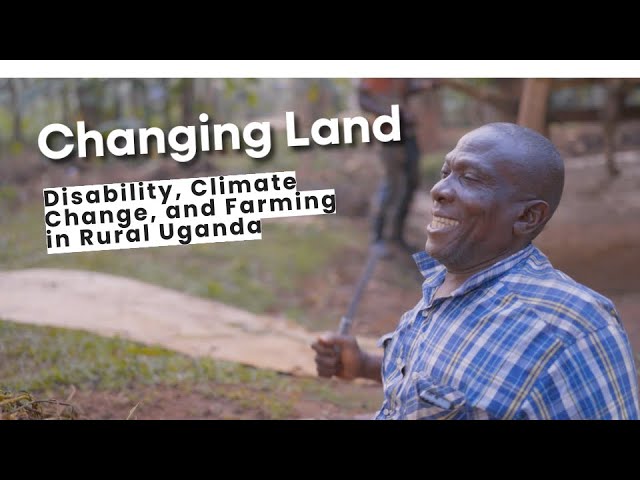
Changing Land
About this video: UGANDA: Once green and dependable, the land Steven Bukaya farms has been reshaped by deforestation and unpredictable rain.
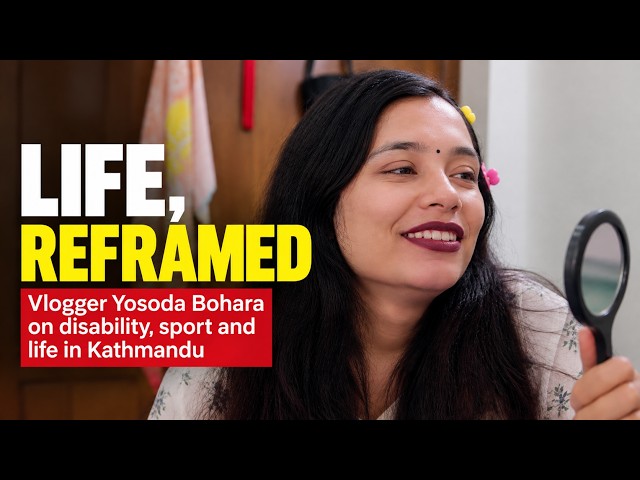
Life, Reframed
About this video: NEW STORYTELLER: After an injury ended Yosoda Bohara’s rugby and football career, she returned to competitive sports in a wheelchair and hopes to represent Nepal in boccia.
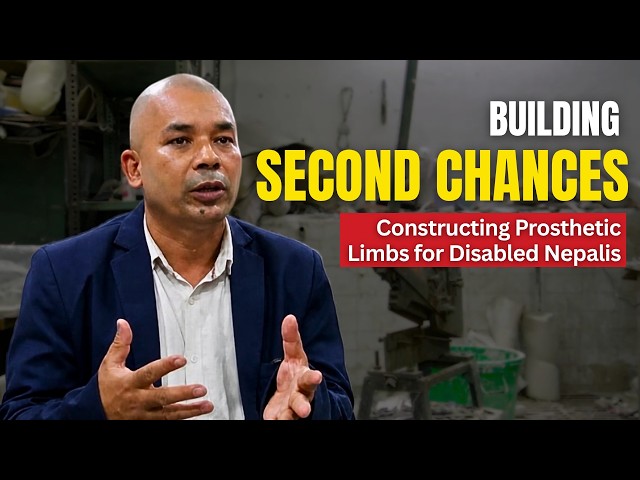
Building Second Chances
About this video: NEPAL: After losing his leg as a boy, Ram Bahadur Thapa now builds prosthetic limbs for others in Nepal, giving them the second chance he found.
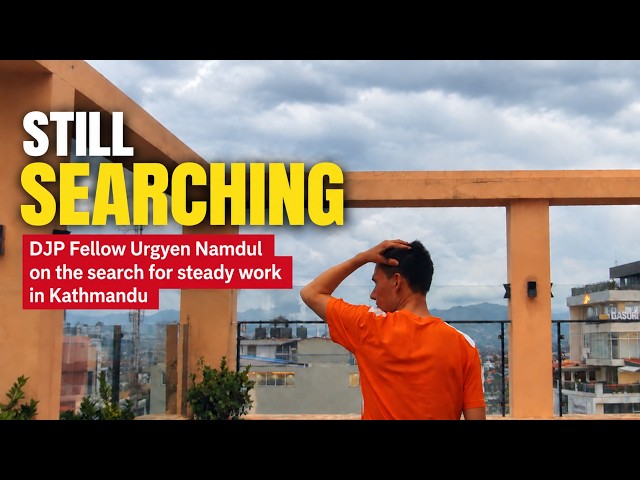
Still Searching
About this video: NEW STORYTELLER: After a city job for Deaf workers ended after 100 days, DJP Fellow Urgyen Namdul documents his search for steady work in Kathmandu.

Tech for Everyone
About this video: NEW STORYTELLER: Technology can open doors for blind people or create new barriers. DJP Fellow Bam Bahadur B.K. follows advocate Khom Raj Sharma as he pushes for greater digital access.
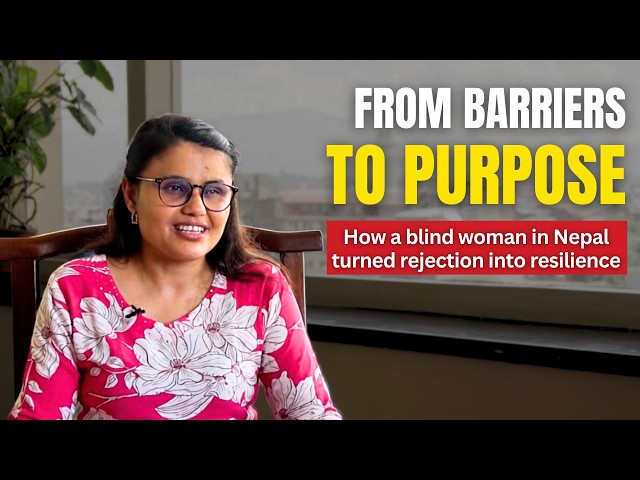
From Barriers to Purpose
About this video: NEPAL: A blind woman turns rejection into purpose, building Gratitude Nepal to encourage others to feel thankful for life.