News
A Life’s Work
Play audio version
Two Rwandan Men Redefine Disability Through Sports and Art
February 12, 2025
KIGALI, Rwanda — Deaf since childhood, Jean Marie Furaha loved playing sports and helping with tasks around the house. When he was in his late 30s, his eyesight began to falter. Blindness came on slowly, and by age 40, he had lost his sight entirely, isolating Furaha and leaving him uncertain about his future. Though he could no longer see or hear, his body remembered the joy of running, jumping, and playing on the field.
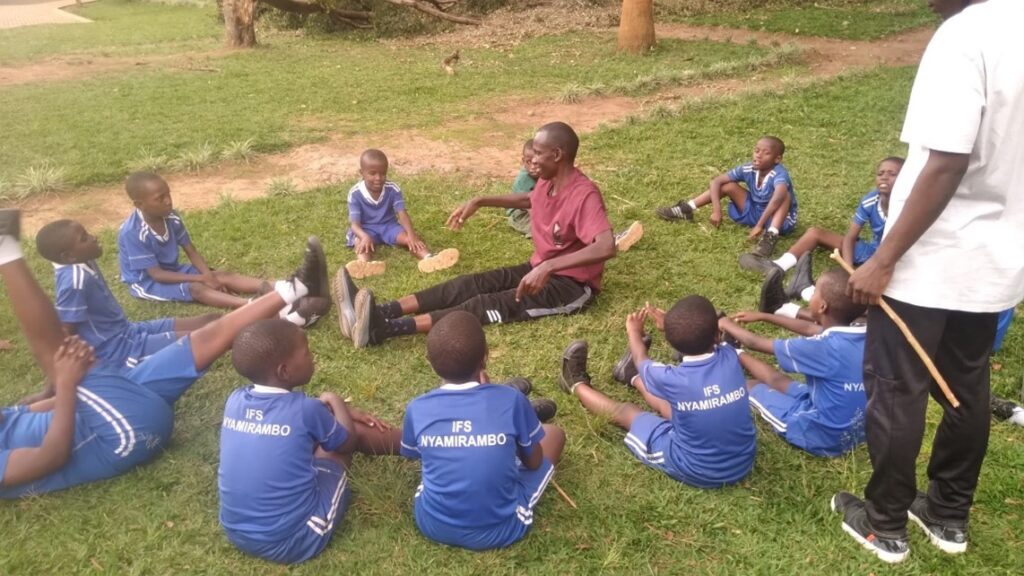
“With the unwavering support of my family, I began to rebuild my life,” says Furaha, who was born in Burundi before arriving in Rwanda after the genocide against the Tutsi. He began to learn Braille and tactile sign language, which uses touch to communicate, so he could navigate his new world. A Catholic-run school for Deaf students in Kigali invited him to assist with their physical education program, and he developed creative coaching methods like using touch signals and guided movements to train students.
“I am a full-time sports coach at the school, mentoring students with and without disabilities,” Furaha explains. “My unique approach to coaching not only improves their physical skills but also teaches them valuable lessons in perseverance and teamwork.”
Pressing clothes and stitching buttons became Furaha’s second profession, one that he approached with the same dedication as coaching. “Many thought that I [could not] do such a job, but I continue to break barriers,” he says.
According to a 2023 report from the United Nations Development Programme, more than 446,000 people in Rwanda – about 3 percent of the country – live with disabilities. A 2019 report funded by the UK government found that working-age persons with disabilities in Rwanda face significant barriers to employment. While 52 percent of people with disabilities were employed, the employment rate among non-disabled adults was 71 percent.
Even within the most economically active age groups, the labor force participation rate for people with disabilities is just over 70 percent, compared to 90 percent for those without disabilities. These disparities make stories like Furaha’s – and those of other disabled Rwandans who find employment – all the more rare.
His Imagination Knows No Limits
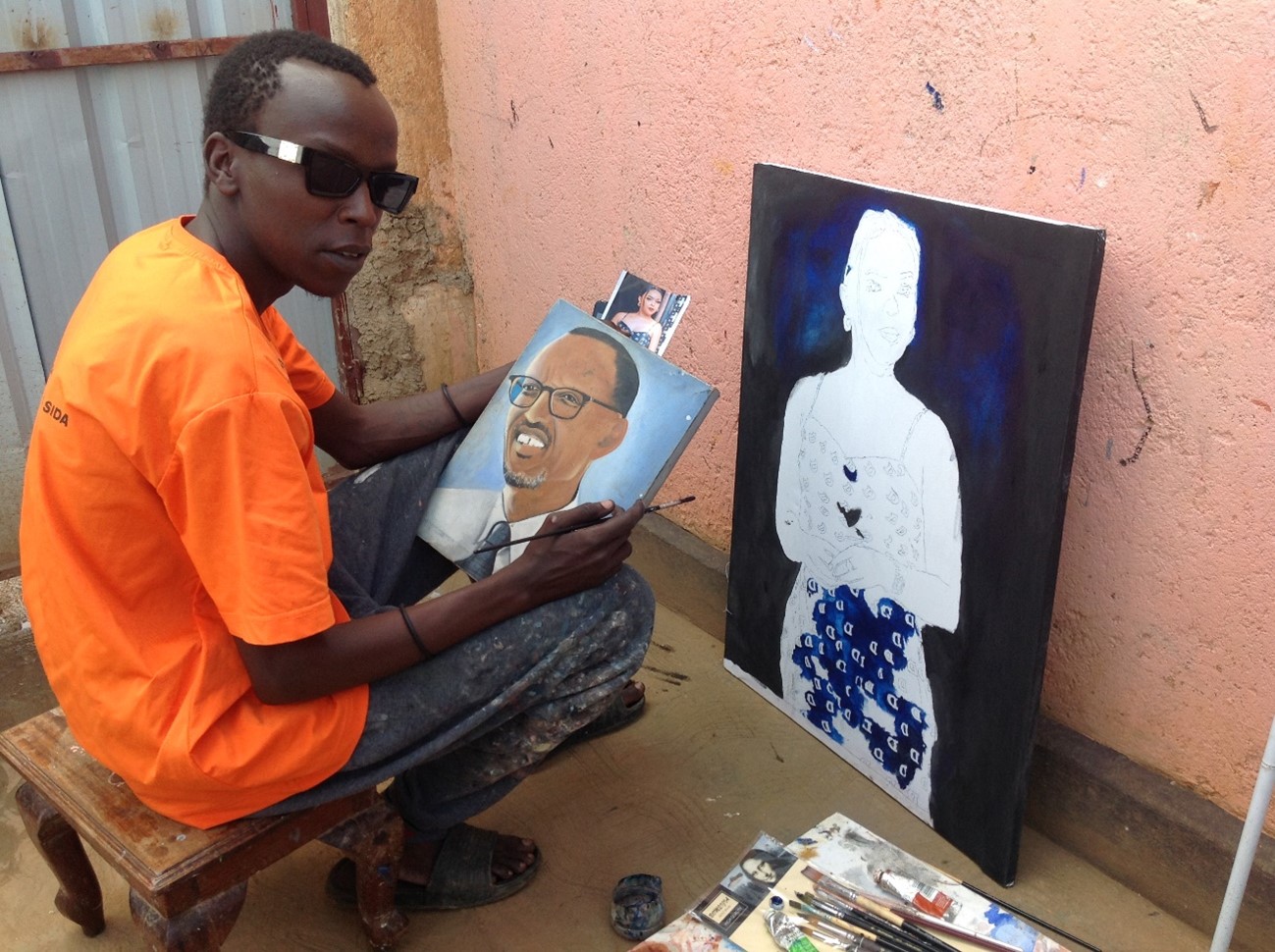
Born in Kigali, Jean de Dieu Uwikunda grew up with a deep love of art. He built a family and found work at a car dealer in Kigali, where he would paint and repair vehicles. But when he lost his sight following a stroke, Uwikunda struggled to imagine how he could keep working. He contemplated ending his life, but after visiting a resource center for the blind, he found a way forward. “They empowered me to continue doing art regardless of the impairment,” he says.
Uwikunda began exploring art in ways he had never considered before. “Today, I use my right eye during the night by taking a torch [and] pointing it at the object I want to draw like a photo,” he says. “As I cannot see the colors I differentiate them by their smells. I know every color’s smell.”
Drawing is not just a job for Uwikunda, although selling his art is his primary source of income. It is his passion and a source of immense pleasure. Every time he sits down to draw, he enters a world where his imagination knows no limits. He finds fulfillment not only in creating but in the positive feedback he receives, knowing his art resonates with others. This recognition motivates him to continue, showing that blindness is not a barrier to creativity.
Francine Uwayisaba is a field officer at the Rwanda Union of Little People (RULP), in charge of the organization’s communications. She writes grants, manages RULP’s social media, and composes articles and weekly updates for its website.
Editing assistance by Ryan Di Corpo and Jody Santos
News From the Global Frontlines of Disability Justice
‘Everything Has Gone Back’
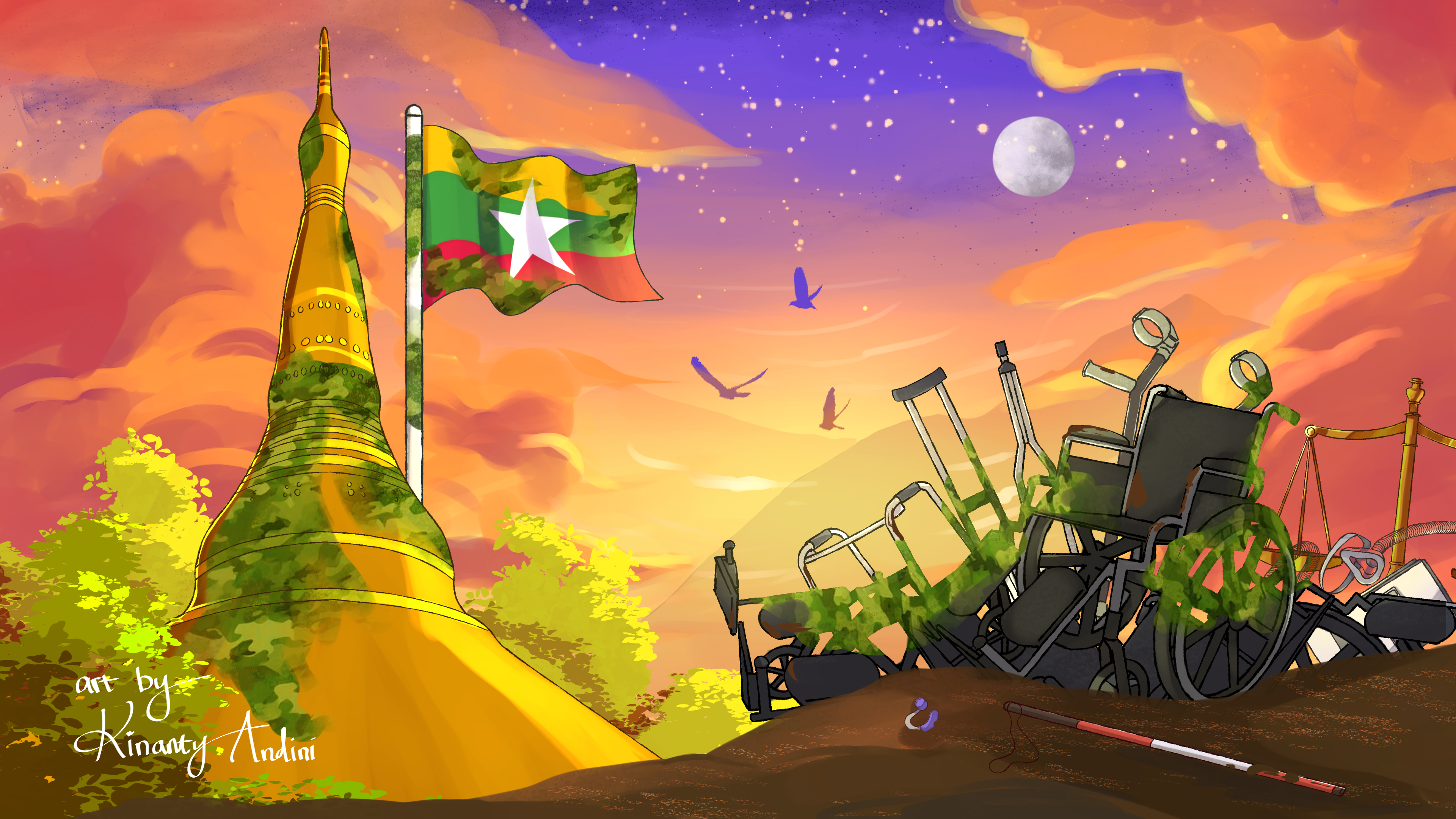
Before Myanmar’s 2021 military coup, disability advocates were helping shape national policy for the first time in decades. Laws expanded access to education, transportation, and public life. Today, much of that progress has collapsed. A new UN report describes a “hidden crisis,” documenting targeted violence, deadly attacks, and the exclusion of people with disabilities from warnings, aid, and services. As conflict creates new disabilities and organizations are forced underground, advocates work quietly to preserve rights that once seemed within reach.
‘I Just Want to Walk Alone’
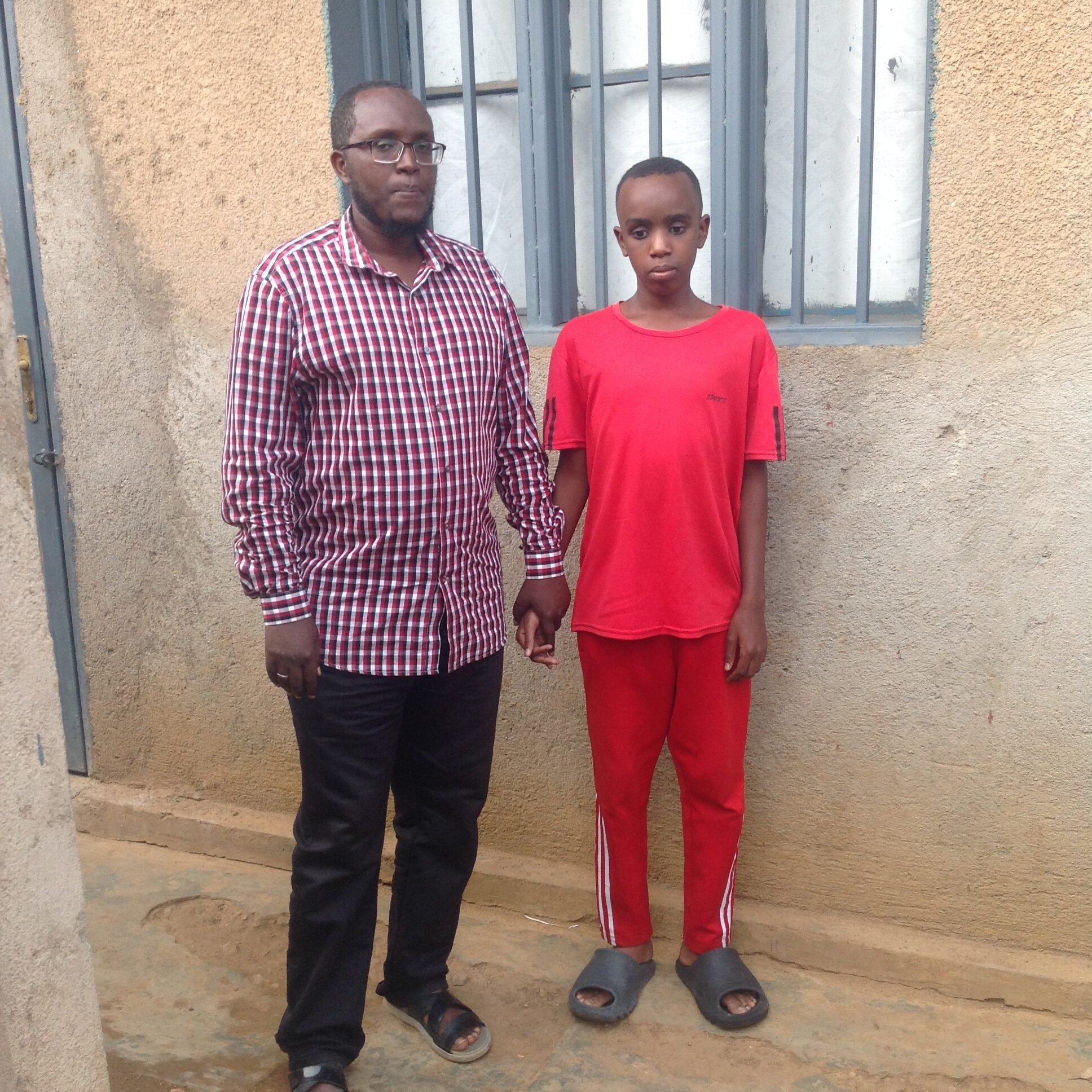
Fourteen-year-old Saifi Qudra relies on others to move safely through his day. Like many blind children in Rwanda, he has never had a white cane. His father, Mussah Habineza, escorts him everywhere. “He wants to walk like other children,” Habineza says, “He wants to be free.” Across Rwanda, the absence of white canes limits children’s mobility, confidence, and opportunity. For families, it also shapes daily routines, futures, and the boundaries of independence.
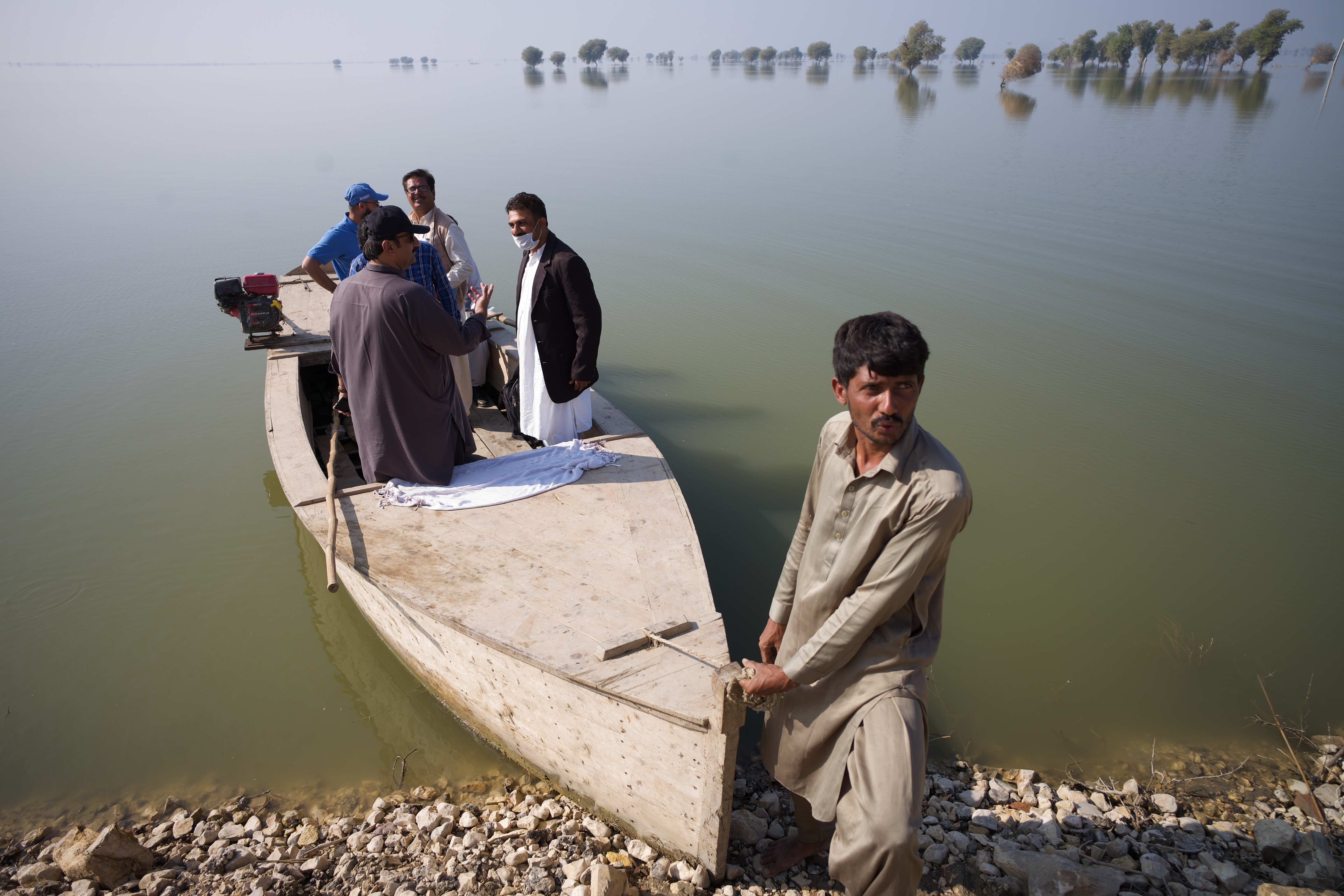
‘Evacuation Routes Are Meant for People Who Can Run’
As climate change and conflict intensify across Pakistan, emergency systems continue to exclude people with disabilities. Warning messages, evacuation routes, and shelters are often inaccessible, leaving many without critical information when floods or violence erupt. “Evacuation routes are built for people who can run,” Deaf author and policy advocate Kashaf Alvi says, “and information is broadcast in ways that a significant population cannot access.”
Read more about ‘Evacuation Routes Are Meant for People Who Can Run’
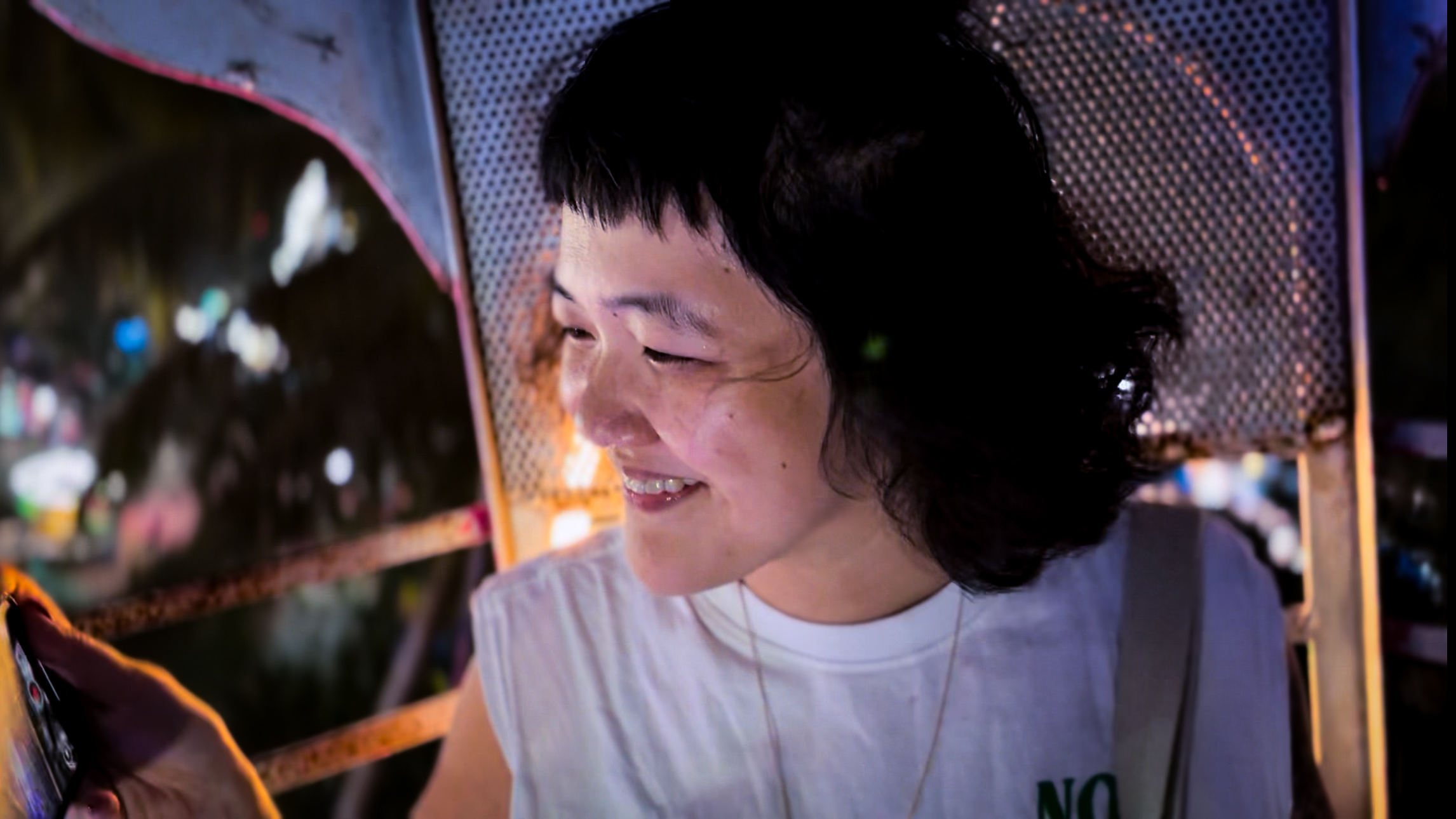
Autism, Reframed
Late in life, Malaysian filmmaker Beatrice Leong learned she was autistic and began reckoning with decades of misdiagnosis, harm, and erasure. What started as interviews with other late-diagnosed women became a decision to tell her own story, on her own terms. In The Myth of Monsters, Leong reframes autism through lived experience, using filmmaking as an act of self-definition and political refusal.
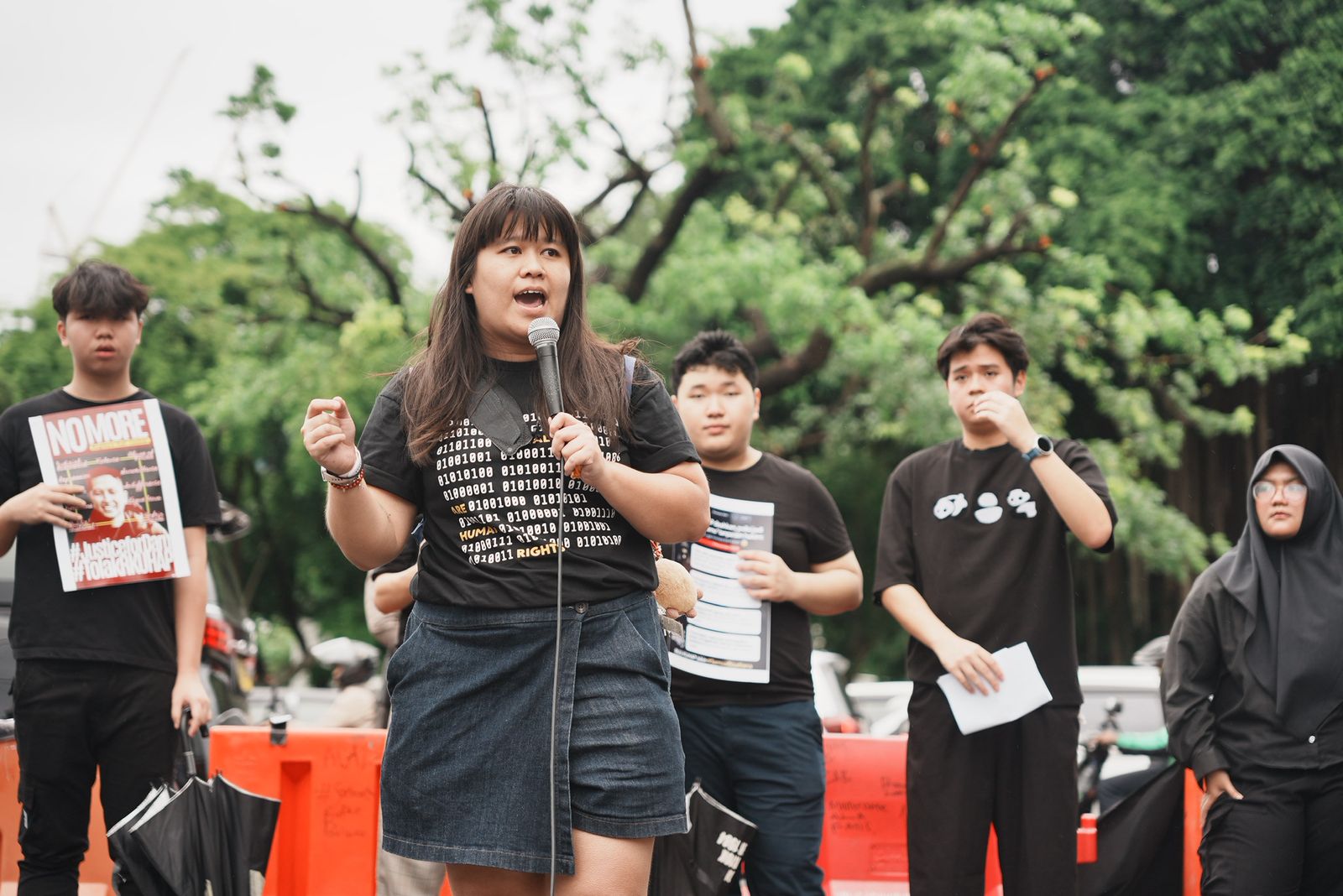
Disability and Due Process
As Indonesia overhauls its criminal code, disability rights advocates say long-standing barriers are being reinforced rather than removed. Nena Hutahaean, a lawyer and activist, warns the new code treats disability through a charitable lens rather than as a matter of rights. “Persons with disabilities aren’t supported to be independent and empowered,” she says. “… They’re considered incapable.”
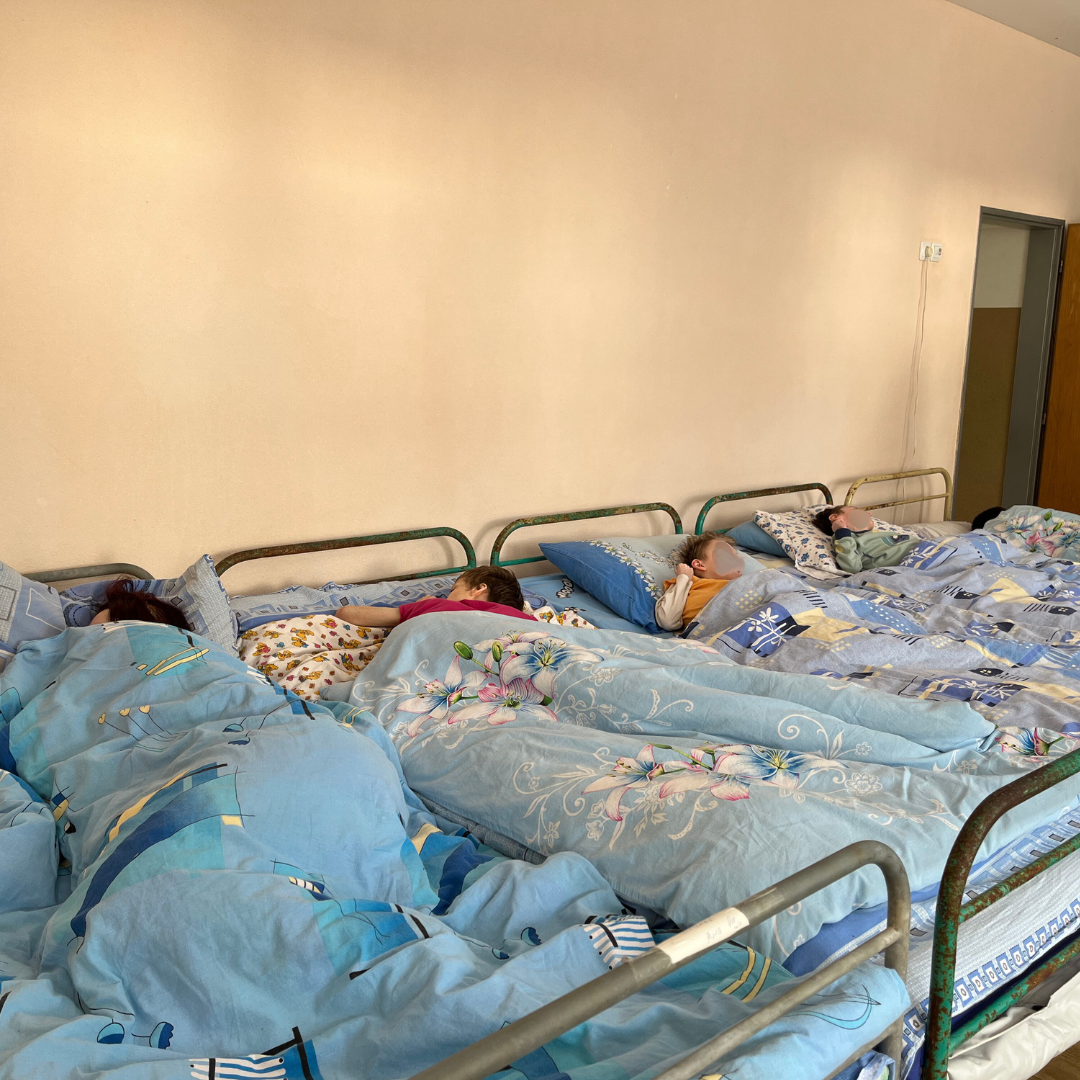
Disability in a Time of War
Ukraine’s long-standing system of institutionalizing children with disabilities has only worsened under the pressures of war. While some facilities received funding to rebuild, children with the highest support needs were left in overcrowded, understaffed institutions where neglect deepened as the conflict escalated. “The war brought incredibly immediate, visceral dangers for this population,” says DRI’s Eric Rosenthal. “Once the war hit, they were immediately left behind.”