News
Accessible Instruction
Advocating for Education Inclusive of Deaf Individuals in Nepal
January 2, 2024
Translated from Nepali Sign Language.
KATHMANDU, Nepal – Nepal has between 250,000 and one million Deaf people, but most do not attend school. In many schools for Deaf individuals, education ends at 10th grade, and higher education is rarely available and often inadequate.
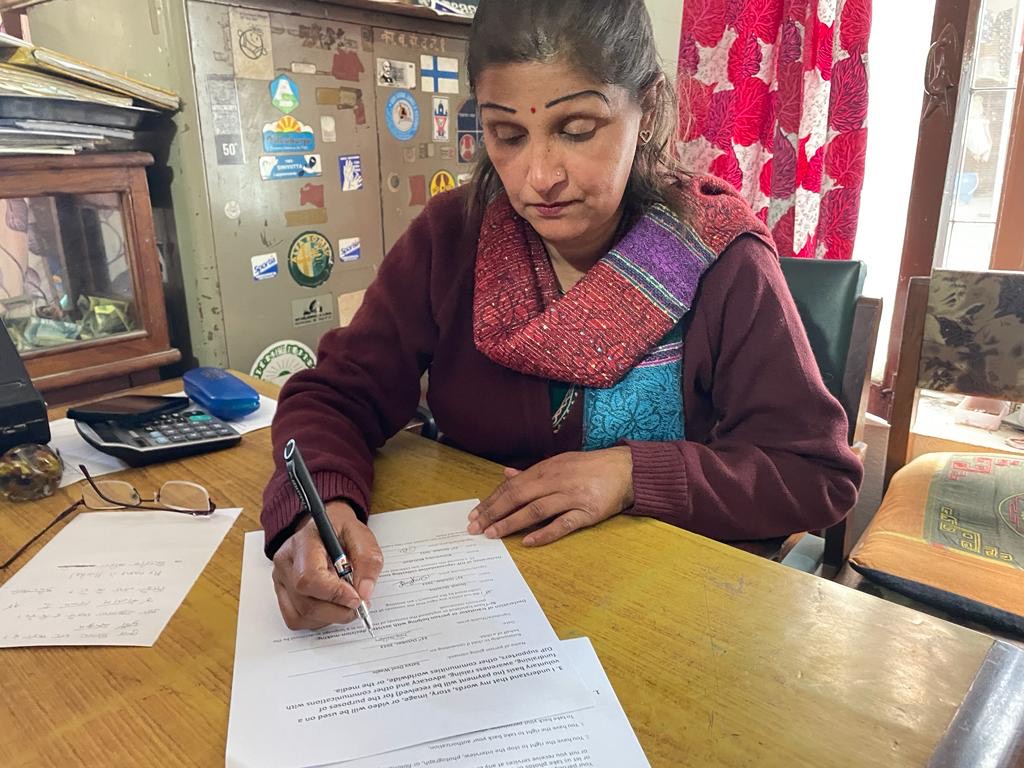
Satya Devi Wagle is a renowned Deaf rights advocate in Nepal, known for her unwavering dedication to inclusion. She serves as the vice president of the National Federation of the Deaf Nepal (NDFN) and the president of the Kathmandu Association of the Deaf. Through her initiatives, she has successfully reduced communication barriers and paved the way for better employment and education opportunities for Deaf individuals. Her efforts focus on fostering an inclusive atmosphere where every individual’s voice is heard and potential realized.
DJP Fellow Bishwamitra Bhitrakoti interviews Wagle about the strategies, challenges and successes of her work on inclusive education for Deaf individuals.
Question: What are some of the biggest problems with inclusive Deaf education in Nepal?
Answer: There isn’t enough infrastructure, qualified teachers or educational supplies to enable inclusive education for Deaf students in Nepal. Hearing students need oral methods and Deaf students need sign language to study together. Until now, the infrastructure and human resources to achieve this haven’t been developed.
Question: Can you describe your organization’s approach to achieving your vision for inclusive education for Deaf people in Nepal?
Answer: We at NDFN are lobbying for high-quality education for children with hearing disabilities in Nepal with the Ministry of Education, Science and Technology, as well as the Centre for Education and Human Resource Development (CEHRD). We are in discussions with the Curriculum Development Centre (CDC) and CEHRD on how we can create a Deaf-friendly curriculum.
Question: What do you expect from the Nepal government in this regard?
Answer: The government’s national policies, such as the education policy, should include a program and budget for Deaf education. Enough budget should be allocated for the schools where children with disabilities study. We don’t see that provision. But, we can see there is a huge budget allocated by the government to mainstream schools. [Once] when we translated 60 school lessons chosen from different disciplines into the Nepali Sign Language, we saw very effective results in the learning outcomes of children with hearing disabilities.
Question: What specific initiatives or technologies for access to communication has your organization sponsored for Deaf people in Nepali educational institutions?
Answer: NDFN launched the MERO SIKAI and MERO SANKET mobile apps for Deaf children [to support] their learning. (MERO SIKAI is an inclusive app with Nepali Sign Language accessibility that supports children in improving their reading skills. MERO SANKET is an app that teaches Nepali Sign Language.) We are encouraging the use of these two apps to Deaf schools along with TVs, monitors, and smartboards instead of whiteboards. It would be very beneficial for children with hearing disabilities to use new technology.
Question: Does your organization promote awareness of Deaf culture and the needs of the Deaf community among the general public?
Answer: The hearing community in Nepal is unaware of the Deaf community and their needs. There are a lot of Deaf people who are uneducated. Many elderly Deaf people never got an education. NDFN advocates with the stakeholders of 53 affiliated district Deaf associations. The districts are raising awareness about Deaf culture in their regions. We also organize awareness programs on TV occasionally.
Question: To encourage inclusion and facilitate integration, what alliances or partnerships have you established with mainstream educational institutions? How do you work with them?
Answer: Because hearing teachers are not competent in sign language, there is no quality instruction in a resource class in Nepal. We (NDFN) are working with the CEHRD (Centre for Education and Human Resource Development) to create a Deaf-friendly curriculum. Sign language instruction tools for Deaf pupils are scarce. We need to work on it, and we are also developing some instructional materials with support from the donor. Open communication, a common vision, and a commitment to establishing an inclusive and supportive educational environment for all students are required for successful partnerships.
Question: Could you tell us about your future plans with respect to inclusive Deaf education in Nepal?
Answer: Our future plans include establishing a good structure, developing human resources, researching and developing a new sign language and establishing a training center. We also want to develop a close relationship with the Ministry of Education, Science and Technology, and the Centre for Education and Human Resource Development. We can’t do it all by ourselves. We need to collaborate with the Nepal government and other stakeholders for inclusive education.
Bishwamitra Bhitrakoti is a Deaf youth from Annapurna Rural Municipality, Kaski, Nepal. Born into a Dalit community, he has challenged casteism as part of his advocacy work. As a communications officer at the National Federation of the Deaf, Nepal, Bhitrakoti focuses on strategic communication planning, fostering media relations, and creating universally designed content.
News From the Global Frontlines of Disability Justice
‘I Just Want to Walk Alone’
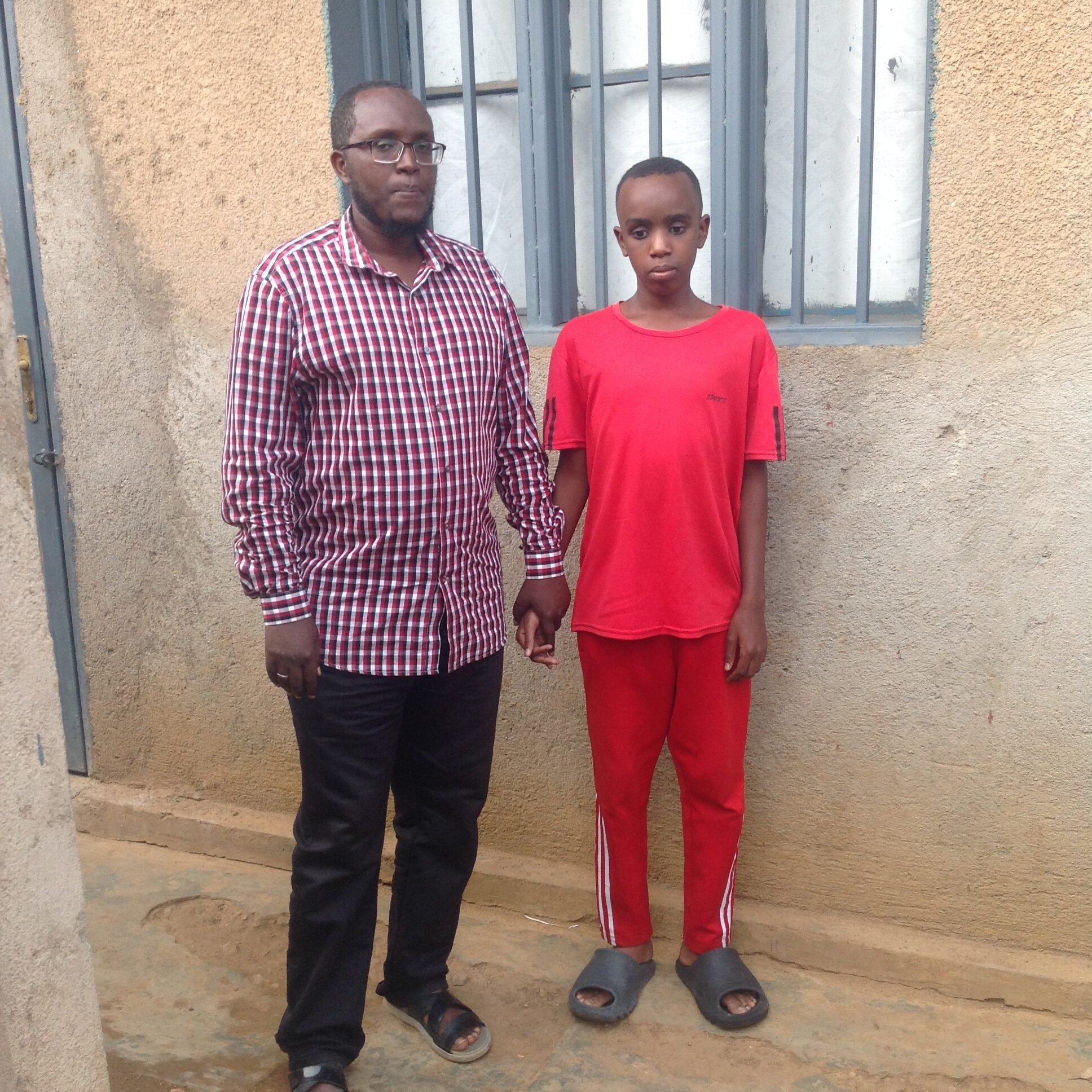
Fourteen-year-old Saifi Qudra relies on others to move safely through his day. Like many blind children in Rwanda, he has never had a white cane. His father, Mussah Habineza, escorts him everywhere. “He wants to walk like other children,” Habineza says, “He wants to be free.” Across Rwanda, the absence of white canes limits children’s mobility, confidence, and opportunity. For families, it also shapes daily routines, futures, and the boundaries of independence.
‘Evacuation Routes Are Meant for People Who Can Run’
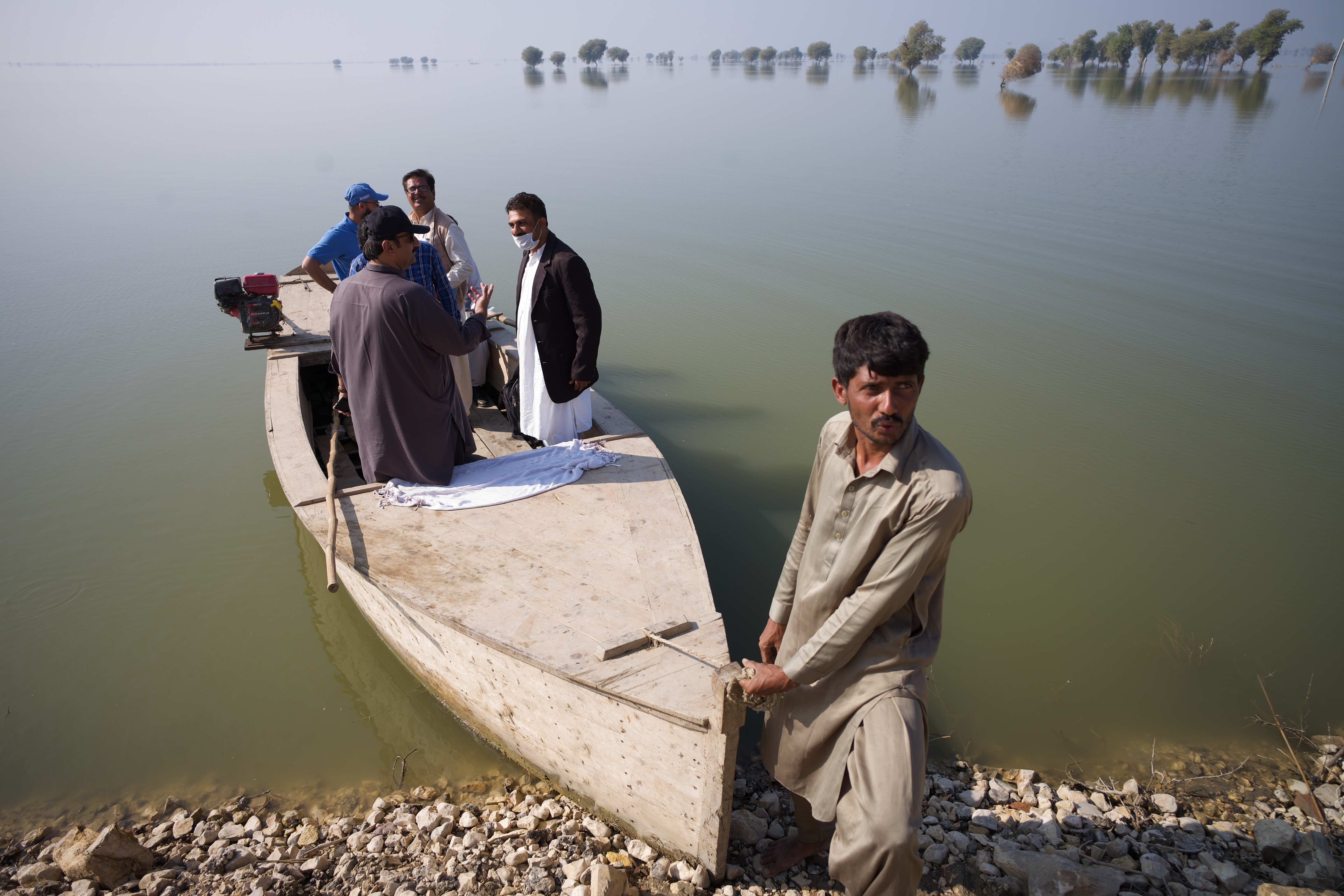
As climate change and conflict intensify across Pakistan, emergency systems continue to exclude people with disabilities. Warning messages, evacuation routes, and shelters are often inaccessible, leaving many without critical information when floods or violence erupt. “Evacuation routes are built for people who can run,” Deaf author and policy advocate Kashaf Alvi says, “and information is broadcast in ways that a significant population cannot access.”
Read more about ‘Evacuation Routes Are Meant for People Who Can Run’
Autism, Reframed
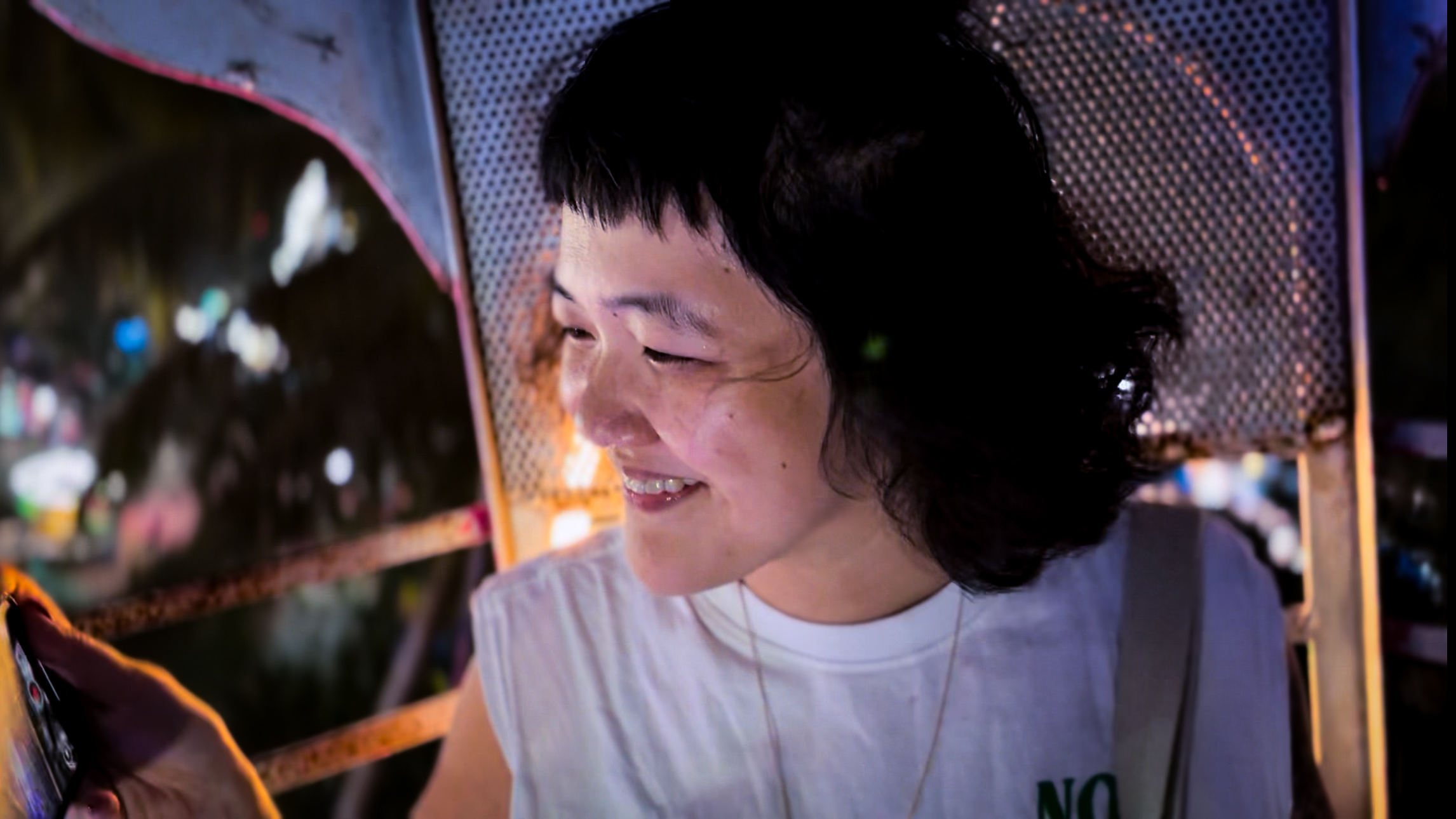
Late in life, Malaysian filmmaker Beatrice Leong learned she was autistic and began reckoning with decades of misdiagnosis, harm, and erasure. What started as interviews with other late-diagnosed women became a decision to tell her own story, on her own terms. In The Myth of Monsters, Leong reframes autism through lived experience, using filmmaking as an act of self-definition and political refusal.
Disability and Due Process
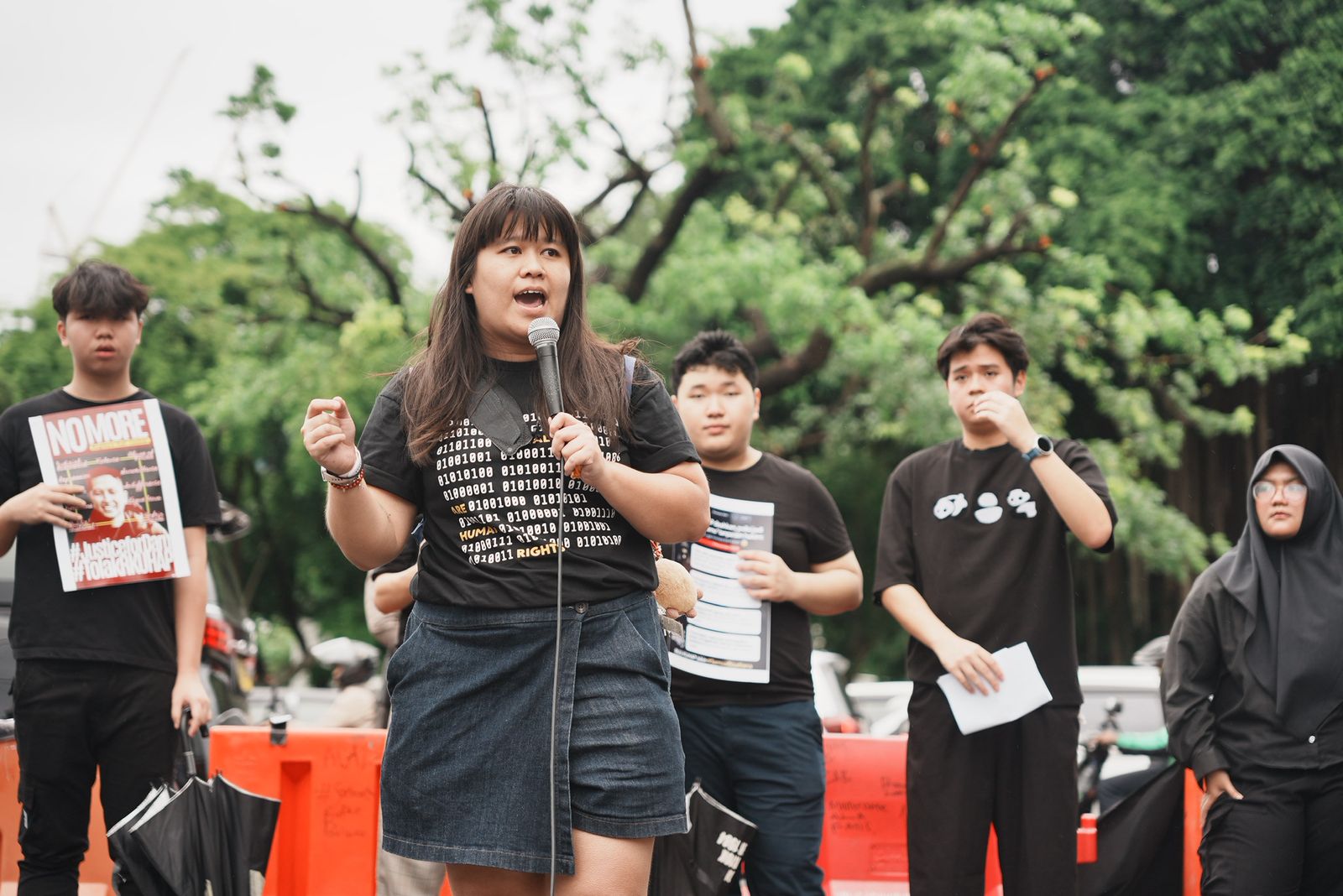
As Indonesia overhauls its criminal code, disability rights advocates say long-standing barriers are being reinforced rather than removed. Nena Hutahaean, a lawyer and activist, warns the new code treats disability through a charitable lens rather than as a matter of rights. “Persons with disabilities aren’t supported to be independent and empowered,” she says. “… They’re considered incapable.”
Disability in a Time of War
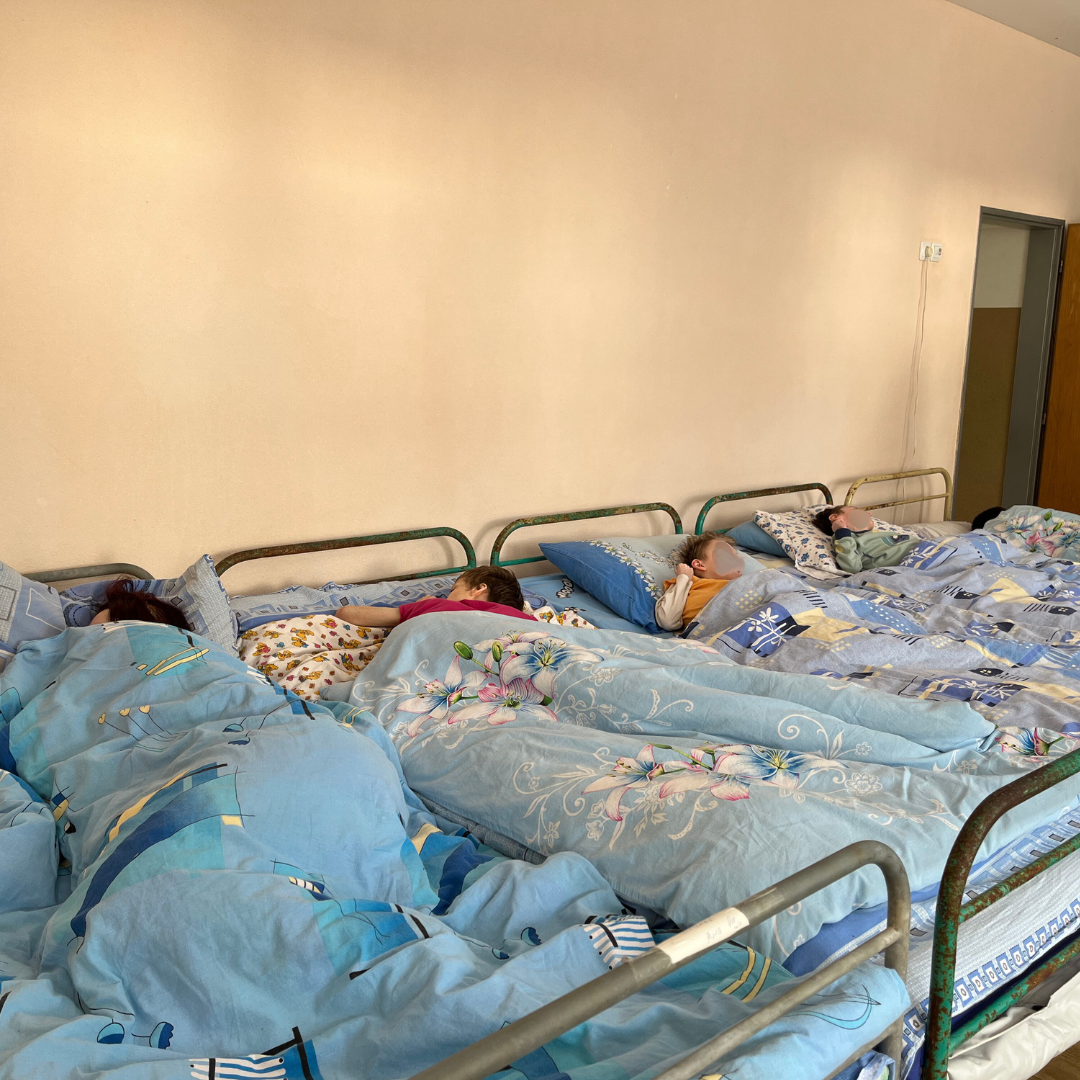
Ukraine’s long-standing system of institutionalizing children with disabilities has only worsened under the pressures of war. While some facilities received funding to rebuild, children with the highest support needs were left in overcrowded, understaffed institutions where neglect deepened as the conflict escalated. “The war brought incredibly immediate, visceral dangers for this population,” says DRI’s Eric Rosenthal. “Once the war hit, they were immediately left behind.”
The Language Gap
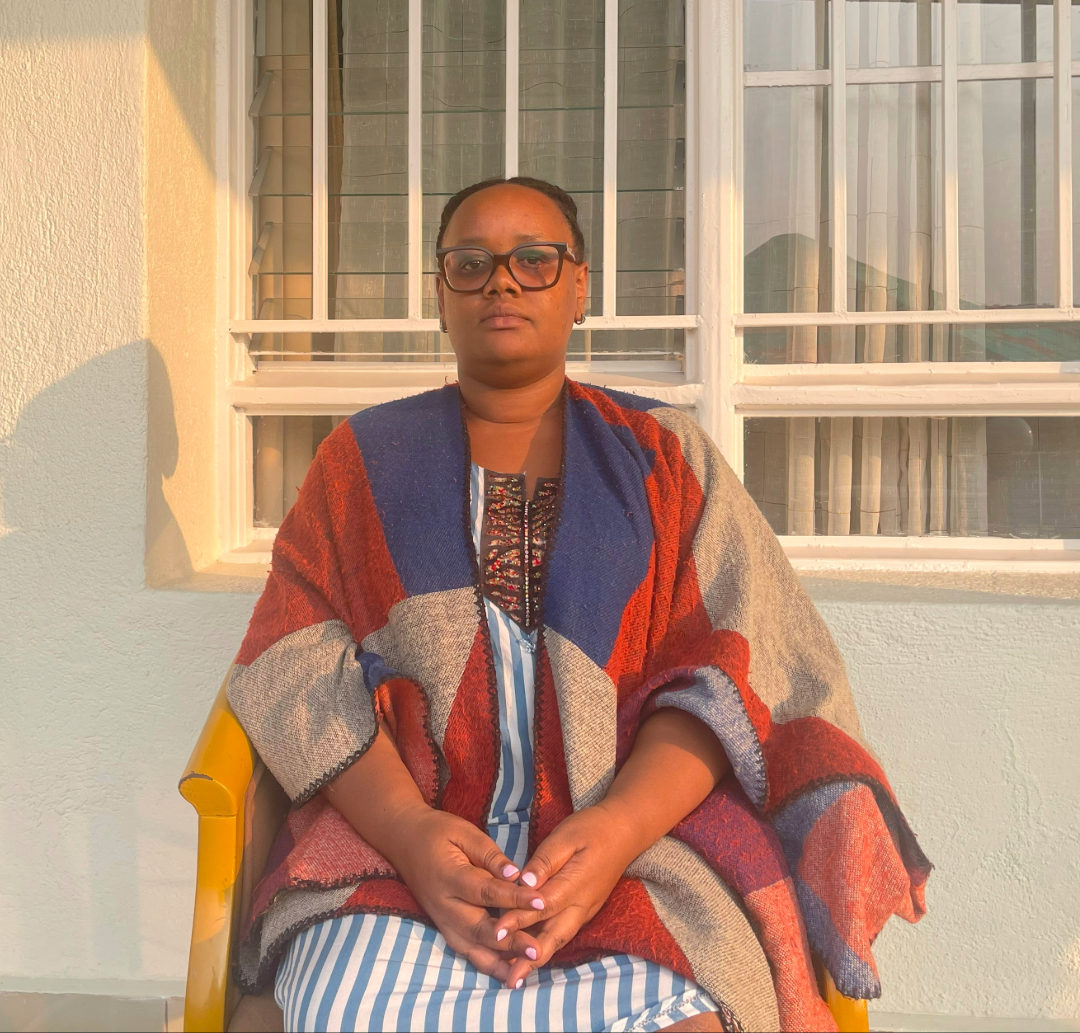
More than a year after the launch of Rwanda’s Sign Language Dictionary, Deaf communities are still waiting for the government to make it official. Without Cabinet recognition, communication in classrooms, hospitals, and courts remains inconsistent. “In the hospital, we still write down symptoms or point to pictures,” says Jannat Umuhoza. “If doctors used sign language from the dictionary, I would feel safe and understood.”