News
As Long as You Have a Story to Tell
DJP Fellow Retta Maha Says People Who are Blind or Low Vision Can Make Films. It All Begins with Having a Story to Tell.
September 10, 2022
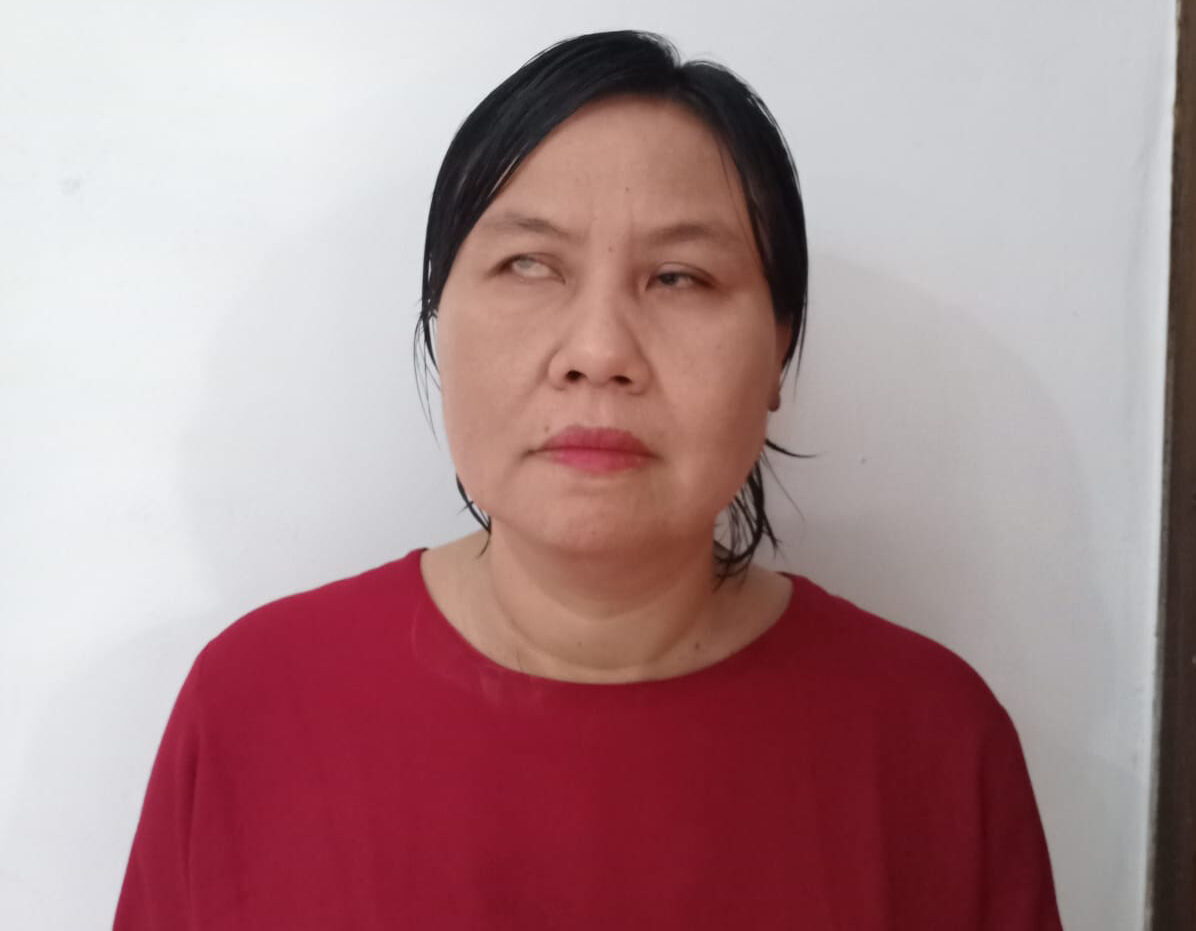
JAKARTA, Indonesia — When she first heard about the Disability Justice Project’s filmmaking fellowship, Retta Maha searched through the application guidelines to see if there were any restrictions for blind people. Maha was diagnosed with congenital cataracts when she was three months old, which caused her to permanently lose about 90 percent of her vision.
“I was interested in applying to the Disability Justice Project because they said that they will teach us how to make videos and film. And I just wondered how it’s possible for blind people to do that,” says Maha. “In their information, they put that people with disabilities are allowed to apply, and they didn’t mention restrictions for any type of disability. So I thought, ‘I can join this training.’”
As a 2022 fellow, Maha is the first blind filmmaker that the DJP has worked with, and she’s paved the way in showing how individuals who are blind or low vision can tell stories through video.
“I found that blind people also can be filmmakers, as long as they get support,” says Maha. “As long as you have the idea about what film you want to make or how the b-roll is supposed to be. So the blind have their own idea of how to make it and what is the story, and then the sighted people can help them to make it real.”
Since 2005, Maha has been an activist in the disability rights movement, fighting for the inclusion of people with disabilities at every level of Indonesian society. When she was young, Maha’s parents prioritized sending her to college over her siblings, anticipating that she would have a harder time getting access to a degree.
“In Indonesia, we still face a lack of knowledge and understanding about the rights of people with disabilities,” says Maha. “So, usually people with disabilities only get charity, like help and support, but rarely do people think that people with disabilities can also go to school and get a better education.”
Maha has made two films in partnership with the Disability Justice Project. Both have centered on the challenges people with disabilities face in Indonesia, whether they are running for political office or trying to make a professional living. Through her videos, she says, she wants to change the mindset of Indonesians who have limited beliefs about what people with disabilities can achieve.
Maha herself not only obtained her bachelor’s degree but went on to attend law school. She now works as a program officer for the Center for Election Access of Citizens with Disabilities (PPUA). She says her blindness has allowed her to care about and understand disability rights issues better and has motivated her to overcome barriers.
“I think no matter the disability that someone has, you give the opportunity to them to do something that they want to do,” says Maha. “What we can do as a society, as a friend or community, is we can give them the support that they need.”
Delainey LaHood-Burns is a digital content producer based in New Hampshire and a contributor to the Disability Justice Project. @2022 Disability Justice Project. All rights reserved.
News From the Global Frontlines of Disability Justice
‘I Just Want to Walk Alone’
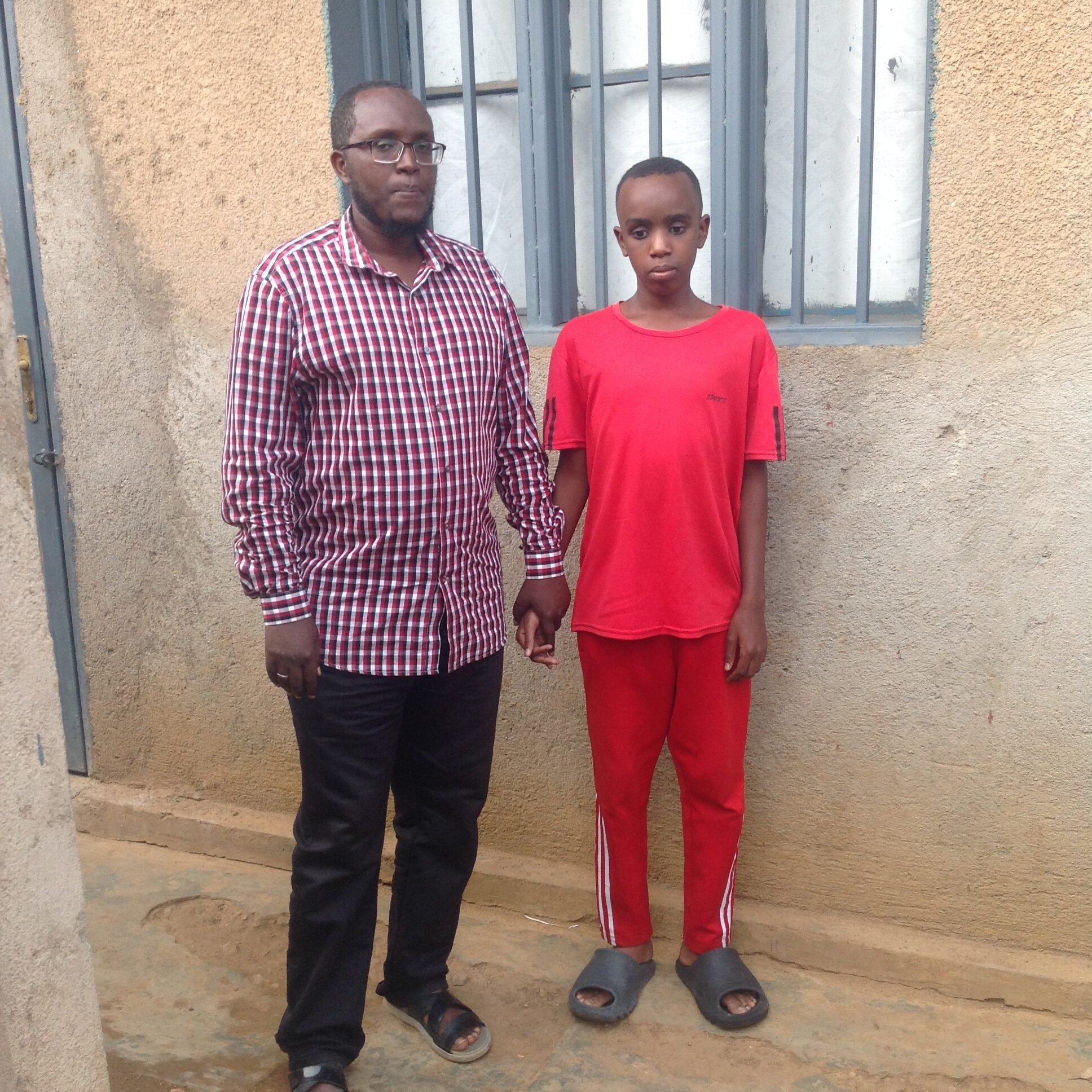
Fourteen-year-old Saifi Qudra relies on others to move safely through his day. Like many blind children in Rwanda, he has never had a white cane. His father, Mussah Habineza, escorts him everywhere. “He wants to walk like other children,” Habineza says, “He wants to be free.” Across Rwanda, the absence of white canes limits children’s mobility, confidence, and opportunity. For families, it also shapes daily routines, futures, and the boundaries of independence.
‘Evacuation Routes Are Meant for People Who Can Run’
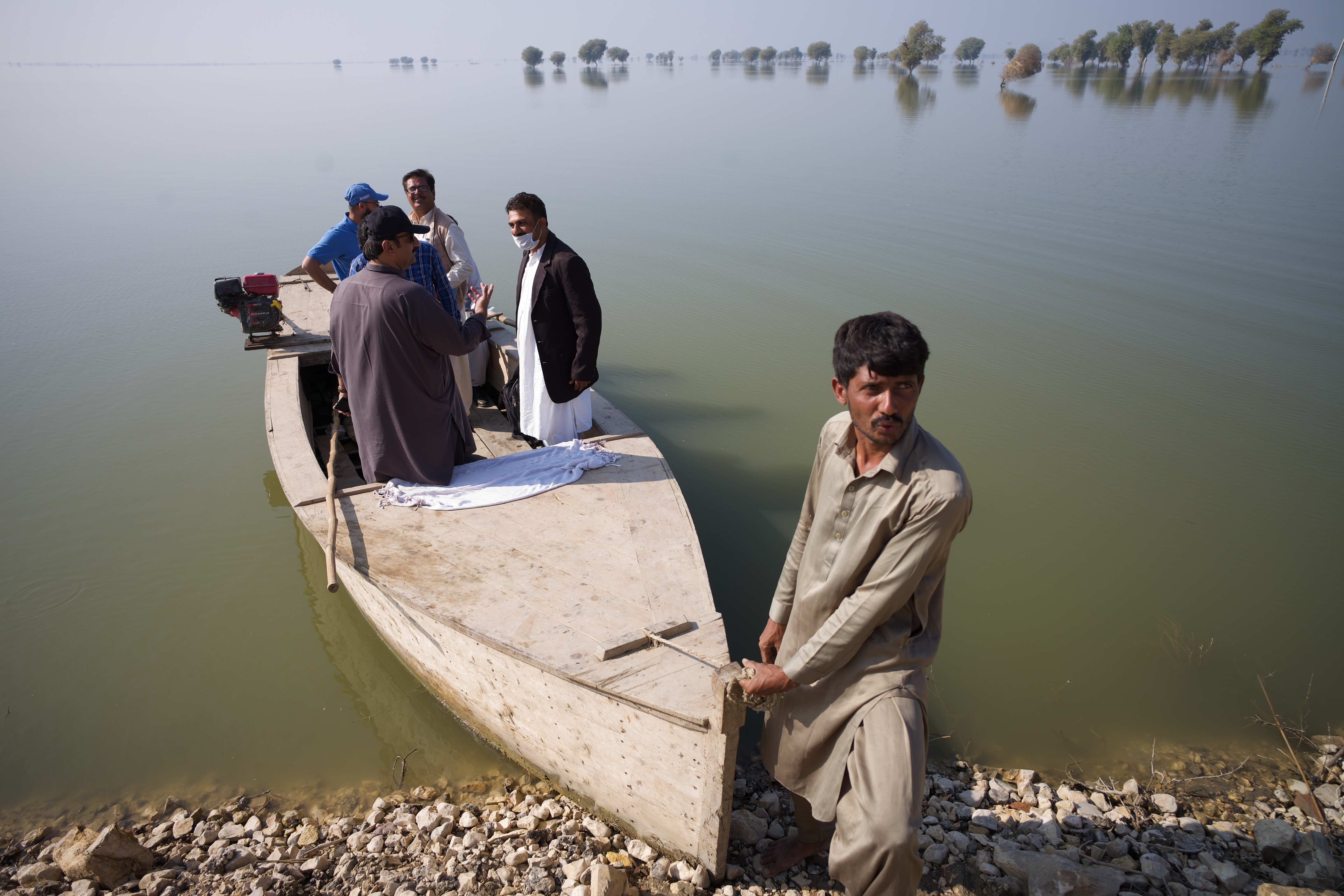
As climate change and conflict intensify across Pakistan, emergency systems continue to exclude people with disabilities. Warning messages, evacuation routes, and shelters are often inaccessible, leaving many without critical information when floods or violence erupt. “Evacuation routes are built for people who can run,” Deaf author and policy advocate Kashaf Alvi says, “and information is broadcast in ways that a significant population cannot access.”
Read more about ‘Evacuation Routes Are Meant for People Who Can Run’
Autism, Reframed
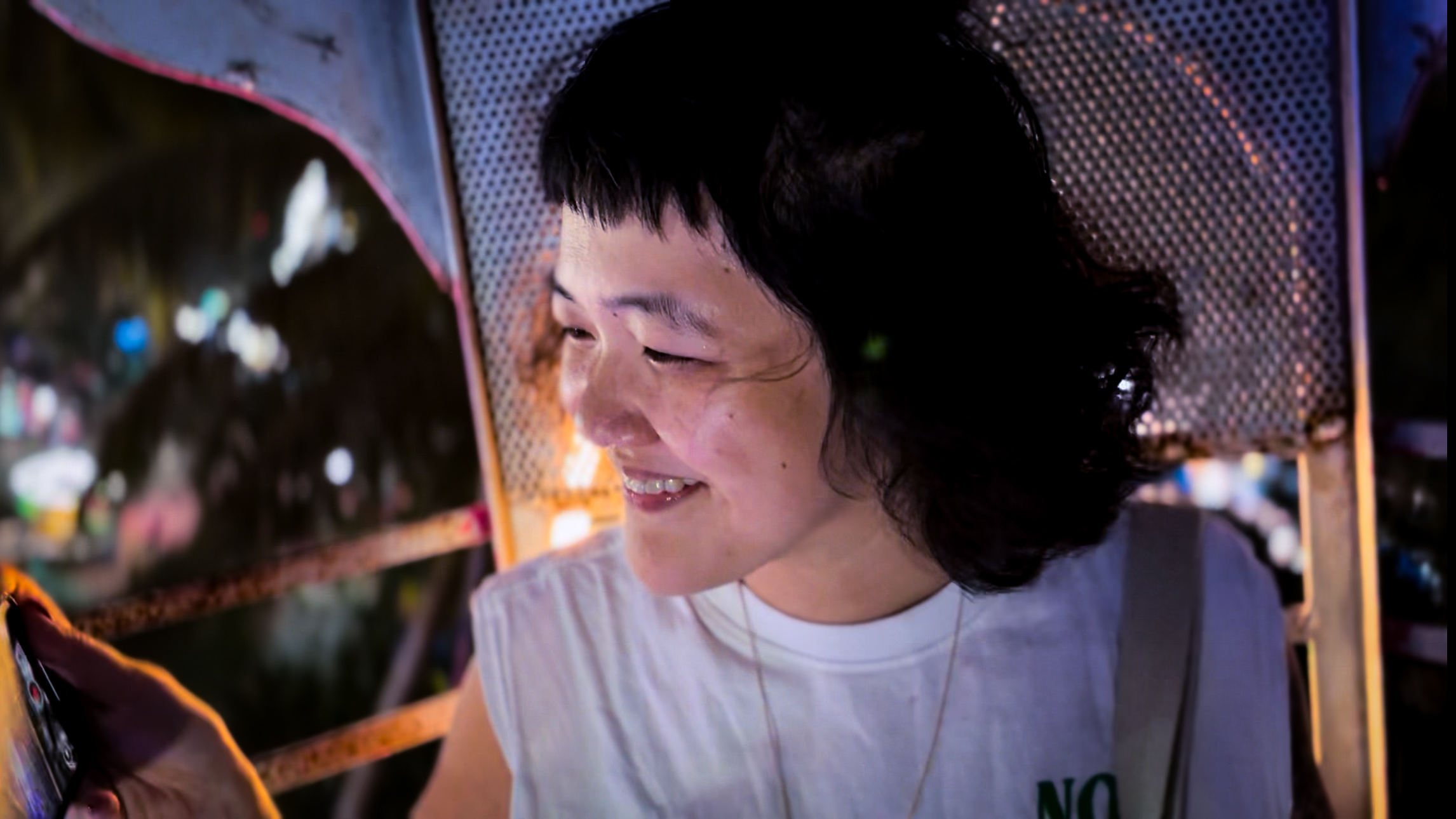
Late in life, Malaysian filmmaker Beatrice Leong learned she was autistic and began reckoning with decades of misdiagnosis, harm, and erasure. What started as interviews with other late-diagnosed women became a decision to tell her own story, on her own terms. In The Myth of Monsters, Leong reframes autism through lived experience, using filmmaking as an act of self-definition and political refusal.
Disability and Due Process
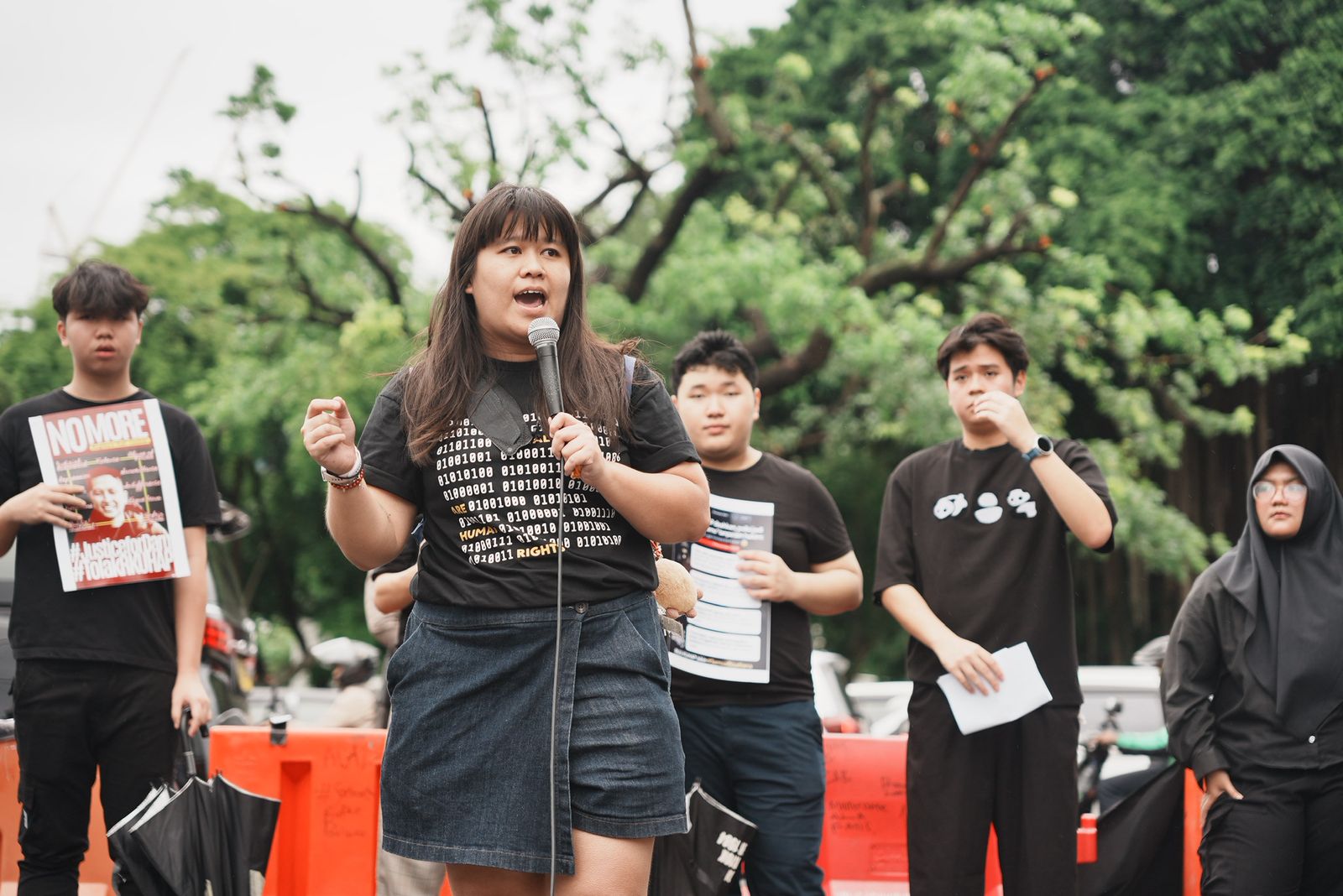
As Indonesia overhauls its criminal code, disability rights advocates say long-standing barriers are being reinforced rather than removed. Nena Hutahaean, a lawyer and activist, warns the new code treats disability through a charitable lens rather than as a matter of rights. “Persons with disabilities aren’t supported to be independent and empowered,” she says. “… They’re considered incapable.”
Disability in a Time of War
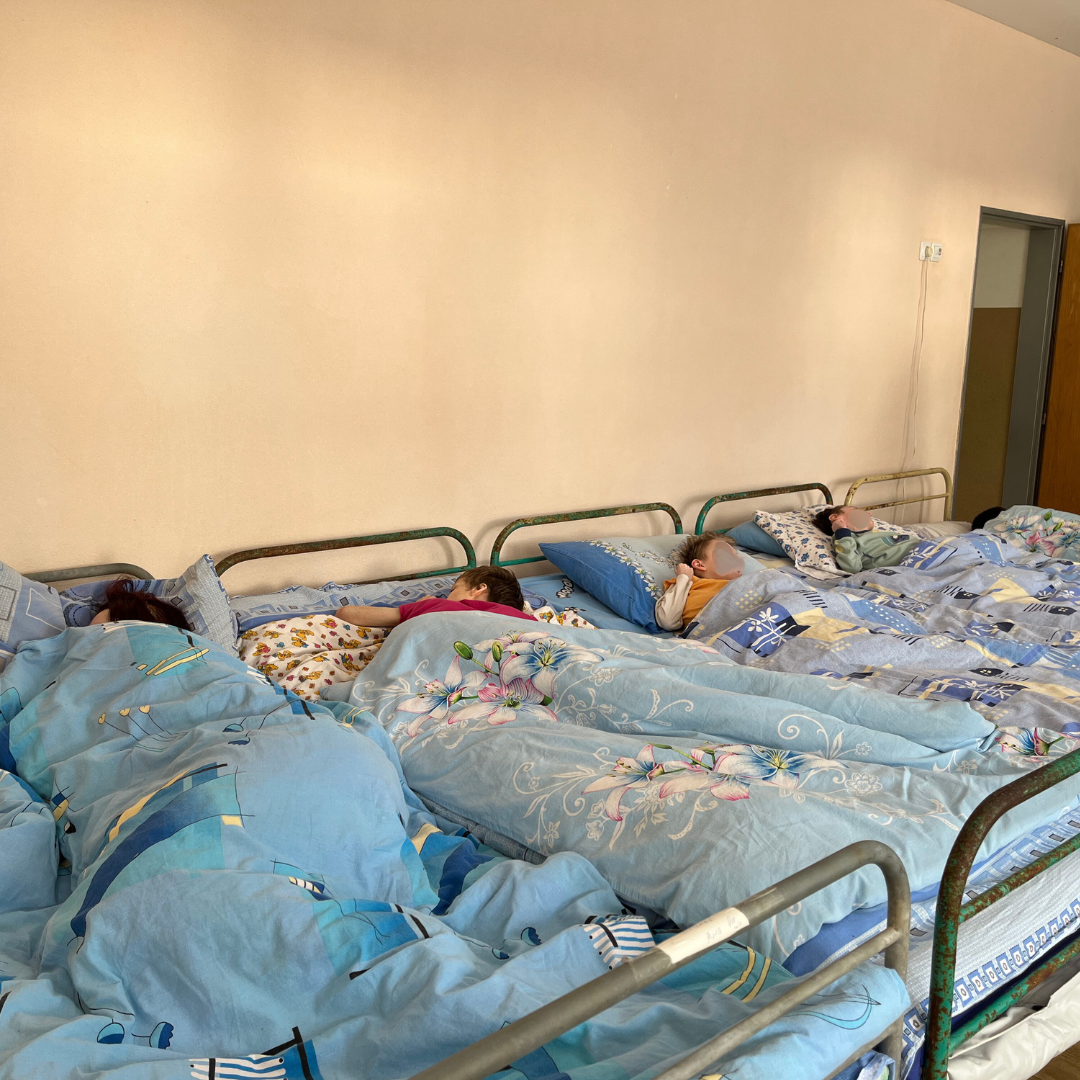
Ukraine’s long-standing system of institutionalizing children with disabilities has only worsened under the pressures of war. While some facilities received funding to rebuild, children with the highest support needs were left in overcrowded, understaffed institutions where neglect deepened as the conflict escalated. “The war brought incredibly immediate, visceral dangers for this population,” says DRI’s Eric Rosenthal. “Once the war hit, they were immediately left behind.”
The Language Gap
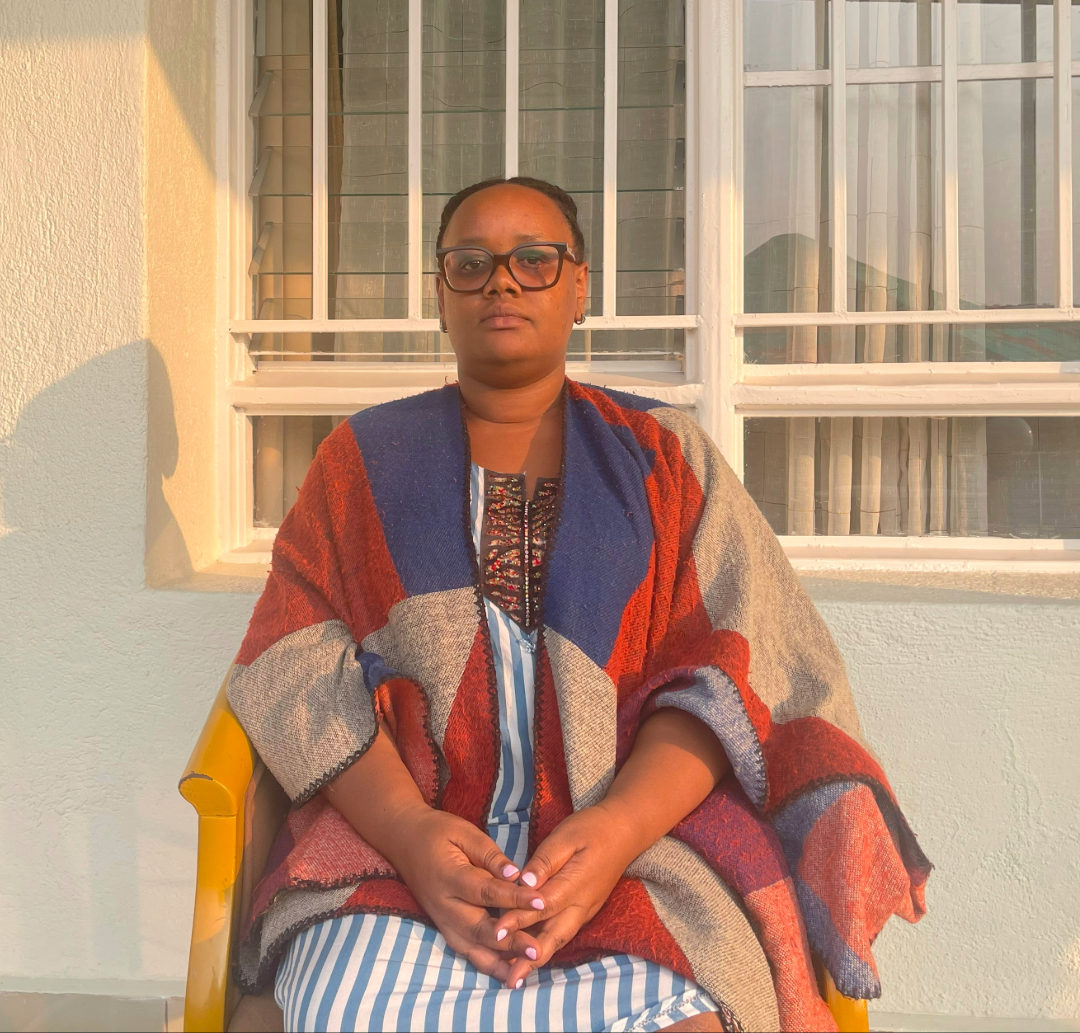
More than a year after the launch of Rwanda’s Sign Language Dictionary, Deaf communities are still waiting for the government to make it official. Without Cabinet recognition, communication in classrooms, hospitals, and courts remains inconsistent. “In the hospital, we still write down symptoms or point to pictures,” says Jannat Umuhoza. “If doctors used sign language from the dictionary, I would feel safe and understood.”