News
At the Intersection of Gender and Disability
Play audio version
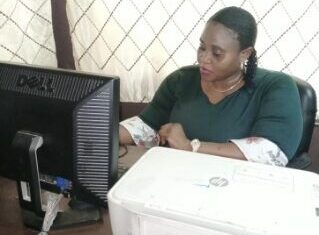
Meet DJP Fellow Oluwabukolami Omolara Badmus
June 26, 2021
Oluwabukolami Omolara Badmus is a 33-year-old disability rights activist and feminist based in Lagos, Nigeria. She is both the financial secretary and Lagos state coordinator for the Lionheart Ability Leaders International Foundation (LALIF).
LALIF’s mission is to generally “educate, enlighten, and empower the people on issues related to persons with disabilities, women and children, among others.” Badmus is also an educator, teaching at a government/public high school.
Since 2019, part of LALIF’s major organizational focus has been on people with Usher syndrome, a condition that causes DeafBlindness. After realizing how little Nigerian citizens know about the syndrome and those who live with it, Badmus is now actively involved in educating people, from government officials to educators, about it.
Badmus was born in Ibadan in 1988. She grew up in Ondo State, but her native home is located in Osun State. She is part of a large family with nine other siblings. She had some familial support even though growing up as a person with a disability in her family came with challenges. “My mom has been a supportive pillar since I was, ever since I was born,” says Badmus.
Growing up in Nigeria wasn’t easy: “There is no proper infrastructure put in place for people living with disability.” In her opinion, the government isn’t making enough of an effort to be more socially inclusive of people with disabilities. “Though they say they’re trying their best, but to me, their best has not been enough,” she says. Badmus remains hopeful that conditions will improve.
During her senior year in high school in 2001, Abike Dabiri (a known journalist) visited her school and sparked her interest in journalism. She originally planned to study journalism at a university, but she was unable to due to financial constraints at the time. Badmus attended a teacher’s college in the meantime.
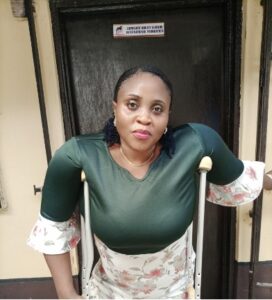
Her activism roots, on the other hand, stemmed from her later days at University of Ibadan, where she studied education and political science. She also helped form the “Special Persons Club,” an organization for students with disabilities. Badmus says, “My relationship with people, with other people living with disabilities has been … very very wonderful. Because, from … relating with them, I was able to know that, apart from the fact that … one word band[ed] us together, that this is the word ‘disability’ [brought] us together, we still have our individual differences.”
Her passion for disability rights activism has endured over time. She places a particular focus on women with disabilities in regard to her advocacy work. Women with disabilities in Nigeria face a myriad of “intersectional” hurdles. For example, “If you look at the percentage of the employment rate of people living with disability, the women are really really lacking behind,” says Badmus.
She is looking forward to honing her journalism skills and creating a documentary after her fellowship with the Disability Justice Project. She intends to share stories of people with DeafBlindness and women with disabilities – of both “their inclusion and exclusion.”
Her positive impact on others continues to motivate her work. “Passion. My passion, the love, the smiles I see on people’s faces, that is what has been inspiring me…”
News From the Global Frontlines of Disability Justice
Joy As Resistance
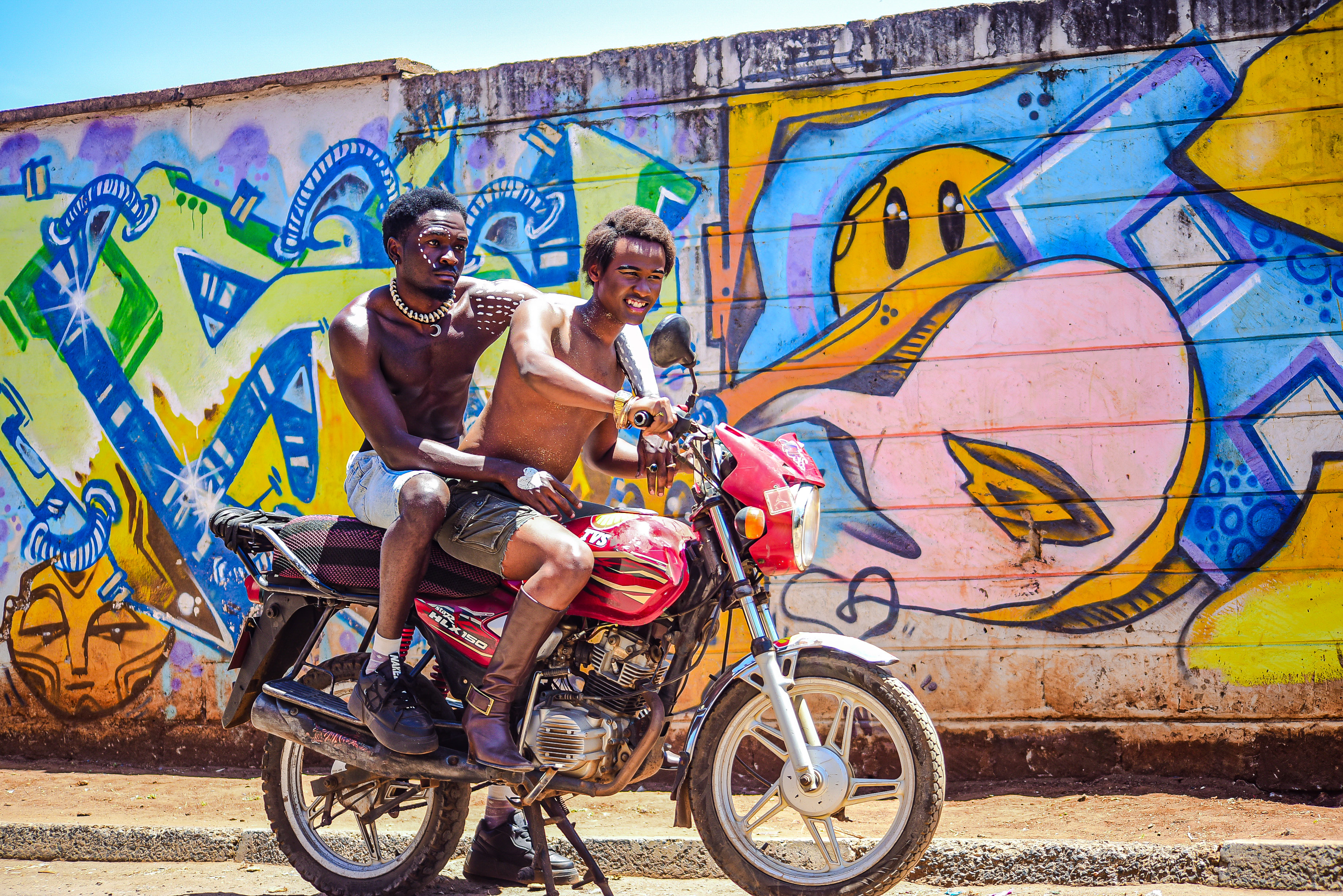
In Kenya, queer and disabled people are finding common ground around questions of identity, access, family, and belonging. Ahead of a Nairobi event exploring where disability and queerness intersect, organizers and participants talk about the communities they have found and the spaces they are trying to create. “Queer people and disabled people share way more than they think they do,” says one organizer. The event will use storytelling, art, performance, and what its organizers call “queer joy” to start a conversation they say is long overdue.
The Politics of Waiting, Wanting, and Hoping
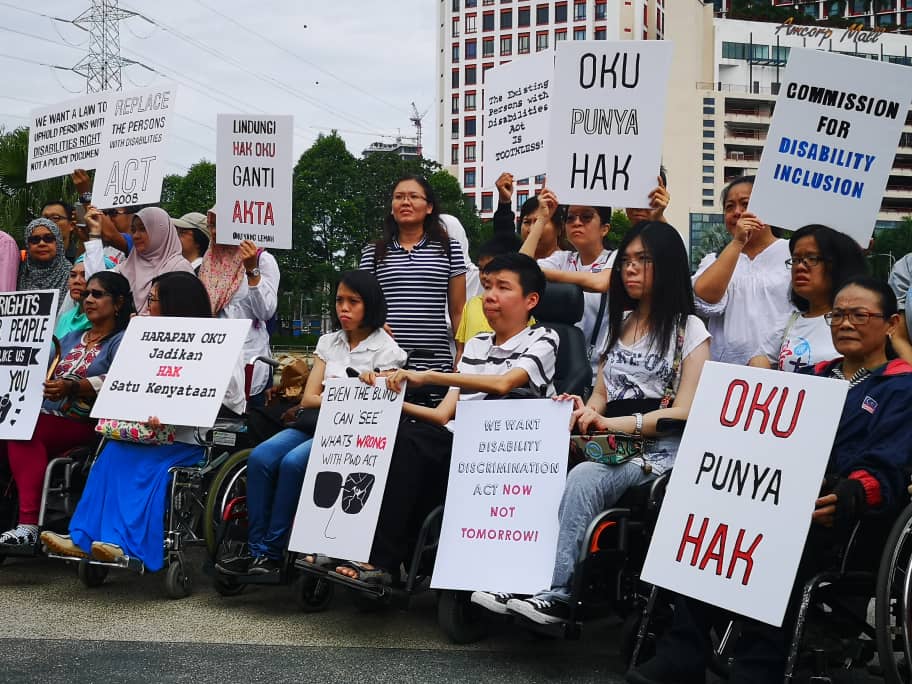
In Malaysia, disability exclusion is rarely one dramatic denial. More often, writes Beatrice Leong, it is “a series of ordinary delays” — inaccessible schools, symbolic consultations, policies without enforcement, and a system that asks disabled people to wait patiently for dignity and belonging. Blending personal reflection with political analysis, Leong examines what happens when inclusion is promised repeatedly, but justice never fully arrives.
Read more about The Politics of Waiting, Wanting, and Hoping
Beyond the ADA
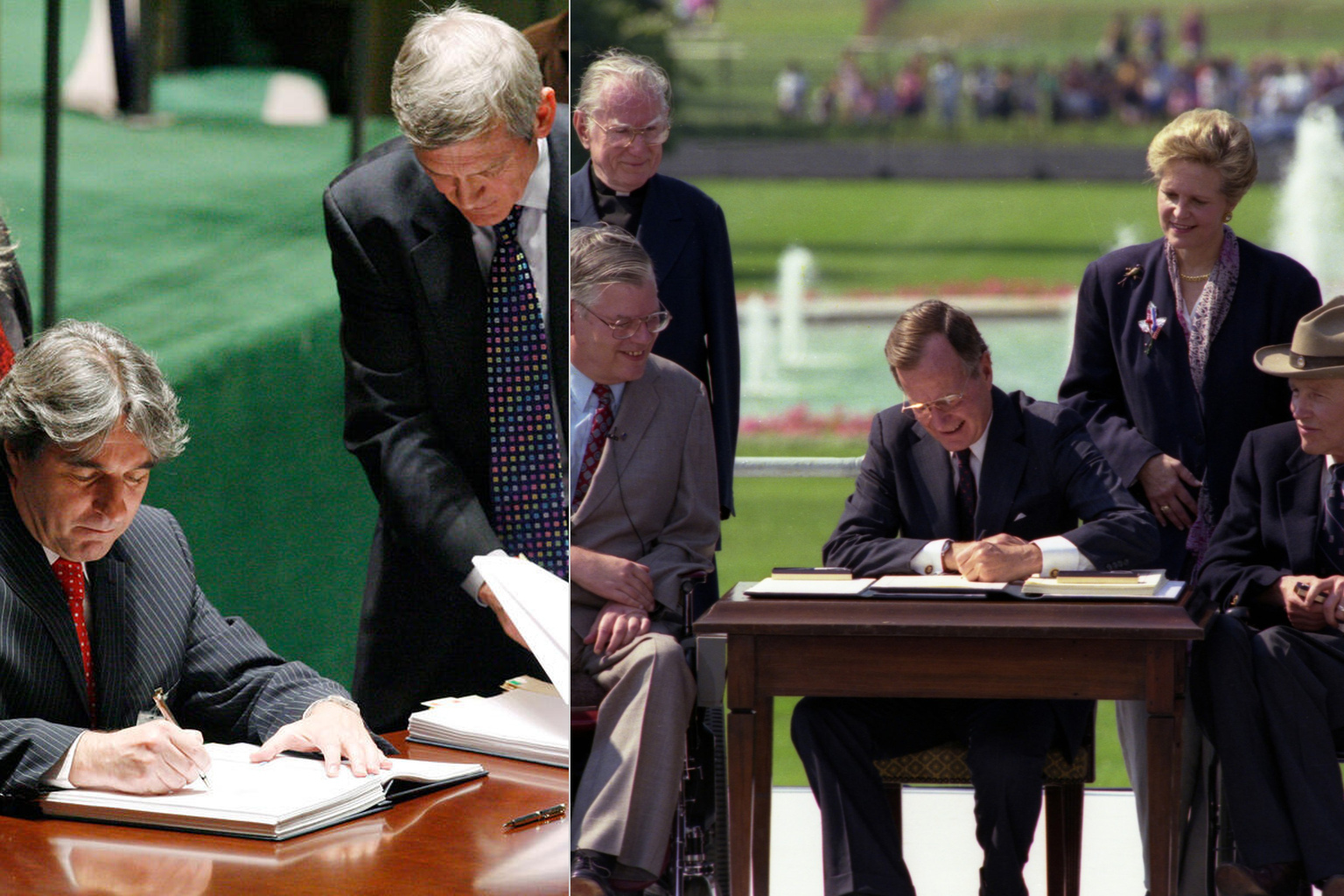
The ADA’s influence extends far beyond the United States. It helped shape a growing international approach to disability rights that eventually contributed to the development of the CRPD. But global disability movements have also expanded on ideas that U.S. law has yet to fully embrace. “I think many U.S. disability rights activists were surprised to find out how much we could learn from the international community,” says Eric Rosenthal, founder and executive director of Disability Rights International.
Forgotten People
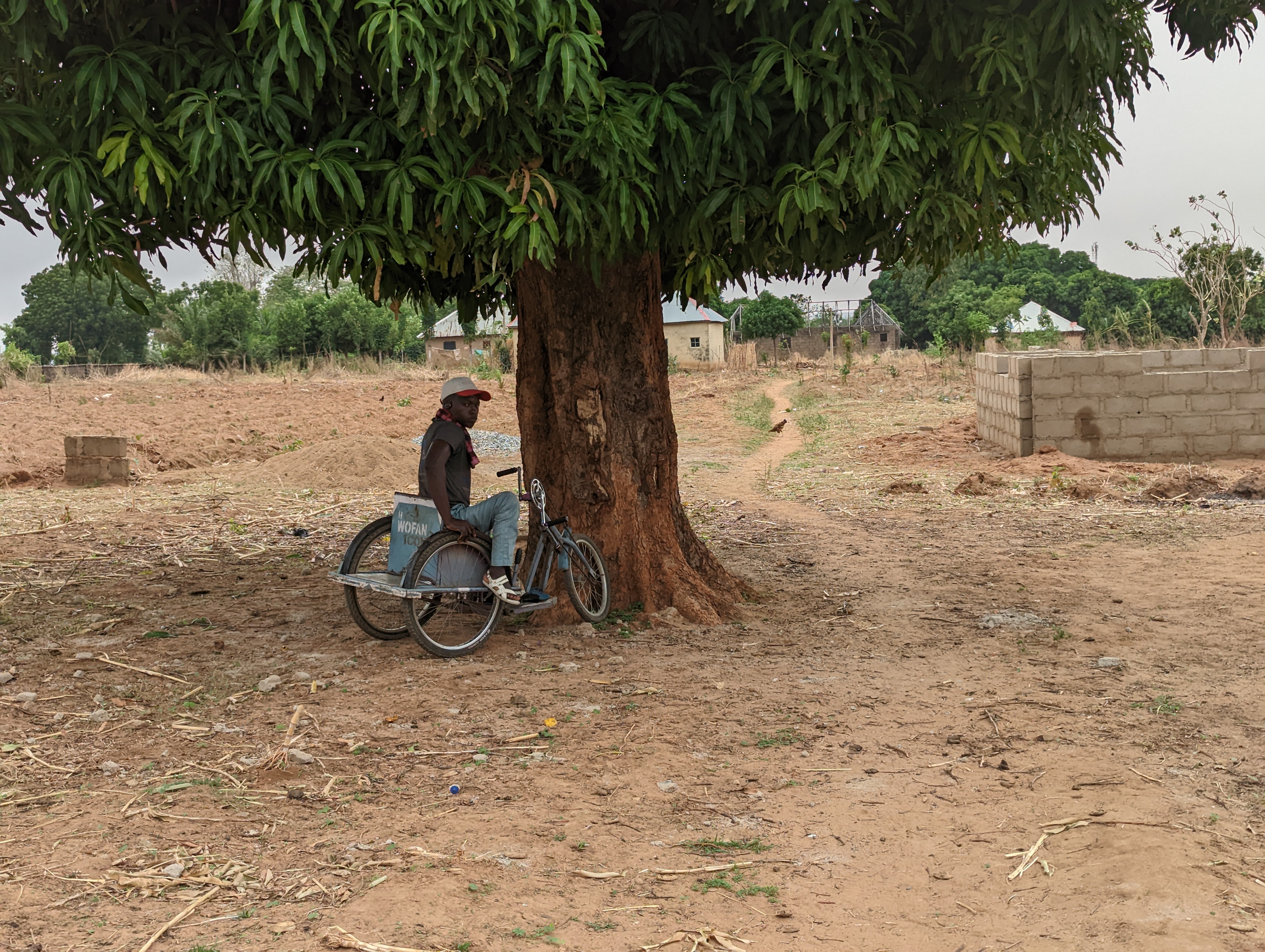
As Nigeria’s growing insecurity crisis spreads, disabled people face barriers that can make escaping violence far more difficult. Across the country, they describe inaccessible emergency warnings, challenges reaching safety, disrupted livelihoods, and limited access to assistance during times of crisis. Their stories reveal how conflict is experienced differently when mobility, communication, and support cannot be taken for granted and how disability is too often overlooked in emergency planning and response.

The Cost of Surviving
After years of failed treatments for complex PTSD, Marian Siljeholm followed an unlikely lead into the underground world of MDMA-assisted therapy. What began as a search for healing became a journey through the science of trauma, the politics of prohibition, and the hidden global network of people risking their freedom to help others reclaim their lives. Their stories would change her own. As Marian writes, “The next morning, I woke with a thought as real as the bed: This is the first day of my life.”
‘Deaf People Are Finally Seen as Equal Citizens’
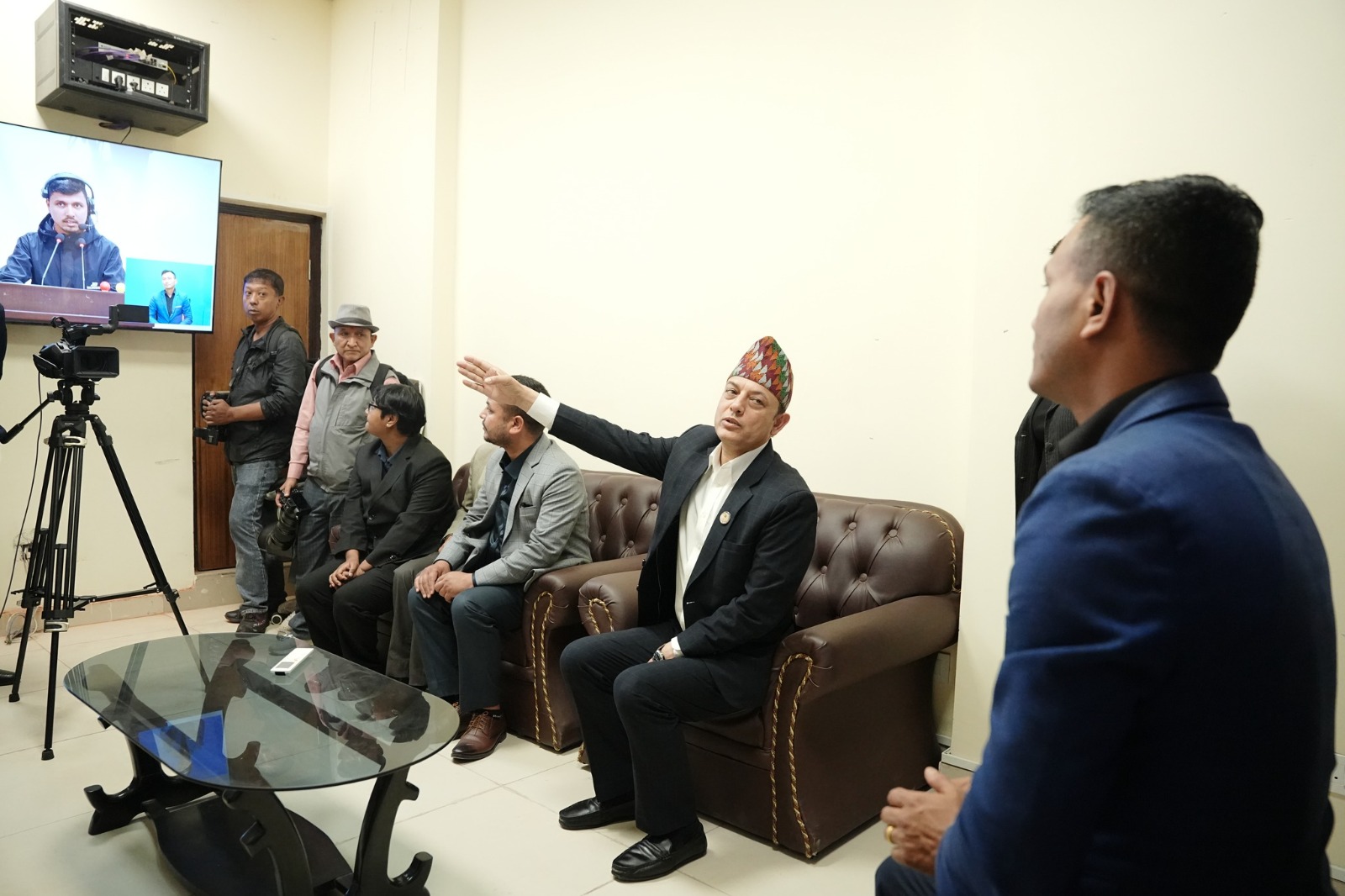
After decades of advocacy, Nepal’s Deaf community is gaining access to information in its own language. Interpreted national news broadcasts now air twice daily, and sign language interpretation has recently been introduced in parliament. Advocates say the changes mark a major step toward inclusion, recognition, and equal participation in public life for Deaf Nepalis who have long been excluded from critical information and decision-making.
Read more about ‘Deaf People Are Finally Seen as Equal Citizens’