News
‘I Am Left With Nothing’
Play audio version
Rwandans with Disabilities are Disproportionately Impacted by Flooding From Climate Change
January 7, 2024
RUBAVU DISTRICT, Rwanda – As climate change continues to intensify, studies project an increase in the frequency of floods and other extreme weather events. These disasters often disproportionately harm persons with disabilities, and the impacts have already begun to be felt in Rwanda.
Heavy rain in early May 2023 caused floods and landslides across the country, destroying both the homes and livelihoods of many persons with disabilities. As Rwandans with disabilities are underrepresented in the national workforce, less likely to be formally employed, and more often reliant on subsistence farming, they are particularly vulnerable to disasters and other impacts of climate change. Disasters that destroy crops and home businesses diminish the economic independence of persons with disabilities, and without strong financial and social support, persons with disabilities can be particularly susceptible to prolonged displacement and economic instability.
Additionally, reports show that persons with disabilities are often unaccounted for in emergency response plans, and evacuation shelters can be inaccessible and lack the resources to meet individual needs.
The flooding in Rwanda – which occurred May 2 and 3 across the Western, Northern, and Southern provinces – left 132 people dead and 110 injured and forced over 20,000 to evacuate their homes, according to an estimate by the Rwandan Ministry in charge of Emergency Management. The floodwater also did significant harm to property and crops, destroying over 5,000 houses and damaging critical infrastructure across the country.
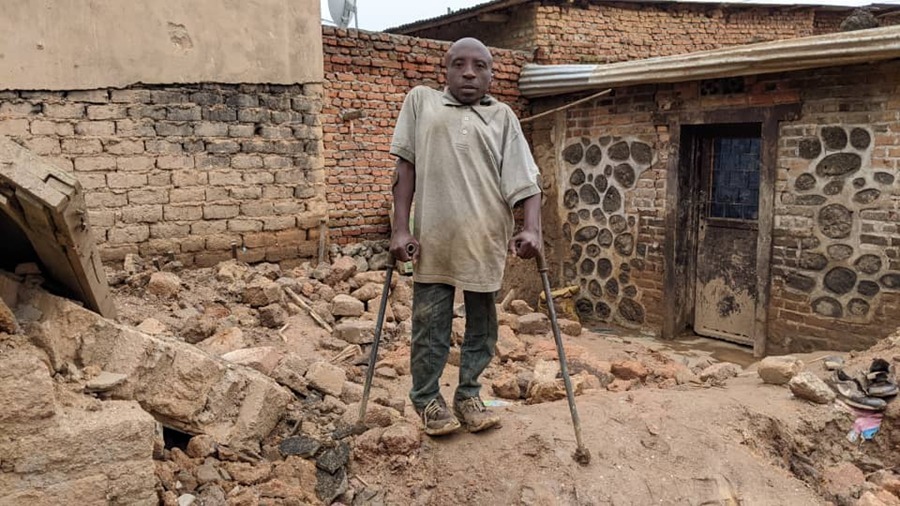
Thacien Nzigiyimana, a carpenter with multiple disabilities who uses a cane, says that it was not his first time surviving a disaster, but the heavy rain put him in significant danger.
“The rain started as usual and [I] went to sleep normally, but it took so long and increased heavily. [A] few hours later, water started to destroy my house and by chance, I went out immediately,” he says.
Nzigiyimana says that his carpentry tools were also lost and destroyed in the flood, leaving him without a home or a job.
“As a person with multiple disabilities who has no family to help me, who is jobless and camping, I live in meaningless life. I just wait for a person who are like good Samaritan to help me,” says Nzigiyimana. “Sincerely speaking, I [am] left with nothing.”
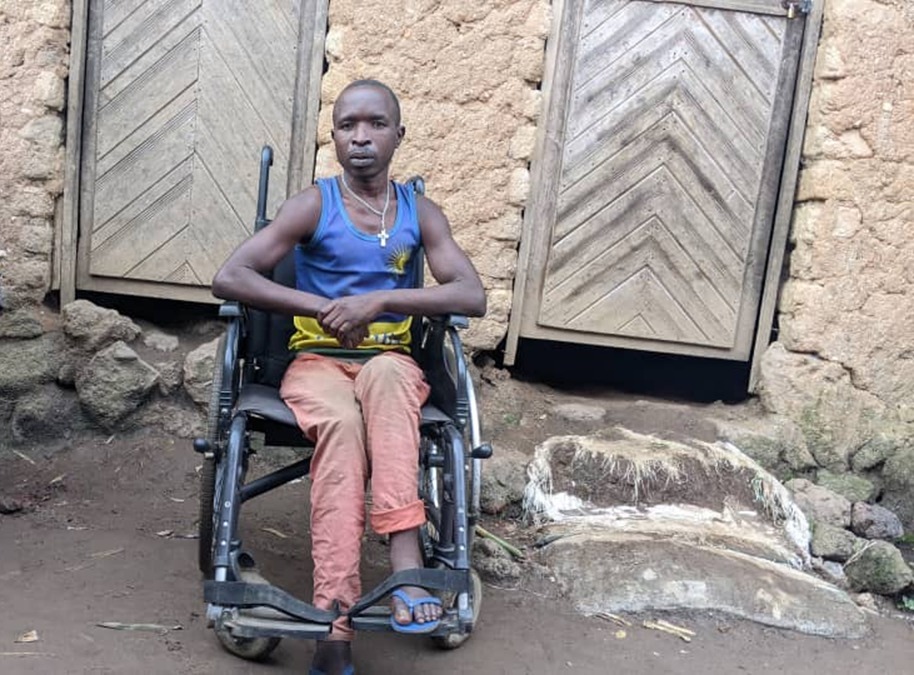
Theophile Nsengimana is a person with physical disabilities who uses a wheelchair. He says that the night of heavy rainfall and flooding was the worst he has experienced.
“No one can imagine the way I survived as a wheelchair user whose back is paralyzed for so long while some people without disabilities died that moment,” he says.
The young man who typically lives with Nsengimana to assist him was sick and staying at a different house at the time of the flooding, leaving Nsengimana alone that night. When he noticed water filling up the house, he was able to push himself outside, where one of his neighbors helped him move to safety.
Everyone affected by the flooding throughout Rwanda has since been evacuated from high-risk flooding zones, says Pacifique Ishimwe, vice mayor of Rubavu District in the Western Province of Rwanda, which was heavily impacted by the flooding. Some of the evacuated people are in temporary accommodations while others are renting as arrangements for permanent assistance are being made.
“Related to persons with disabilities, we are helping them in general, but if there is any special case, we are giving that special help. For example, there are people who need wheelchairs or white canes, we are trying to find them,” says Ishimwe. “In addition, we are giving them basic materials and we have clinics in the camp for health issues.”
According to Ishimwe, there are plans to build houses for people who were forced to evacuate. These new houses will be constructed outside of the high-risk flood zones.
“Generally, we are trying to help everyone regarding to their needs and we will continue to help those whom we used to support even before the disasters due to having disabilities,” she adds.
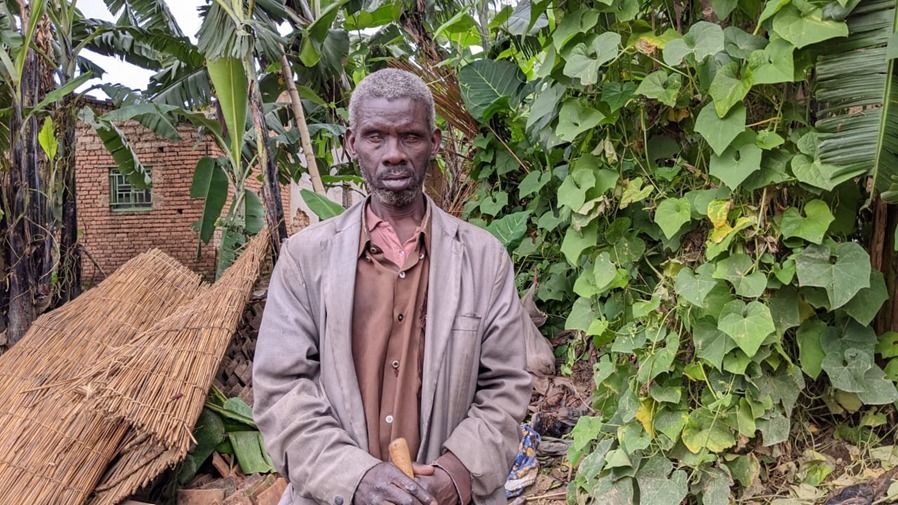
Bigirwanabagabo Kabagwera, who is blind, says he evacuated his home in 1994 to escape the genocide against the Tutsi ethnic group in Rwanda. Nearly 30 years later, he was forced to flee again after his house was flooded by the heavy rain.
“The rain of May 2-3 was the worst time to us and made things so tough,” he says. “I wish I find someone who may help me to find where to live and what to eat. I need home materials as [a] man but [I am] jobless.”
Francine Uwayisaba is a contributing writer with the Disability Justice Project and a field officer at Rwanda Union of Little People (RULP). At RULP, she is in charge of the organization’s communications. She writes grants, manages RULP’s social media, and composes articles and weekly updates for the website. @2023 DJP. All rights reserved.
News From the Global Frontlines of Disability Justice
Joy As Resistance
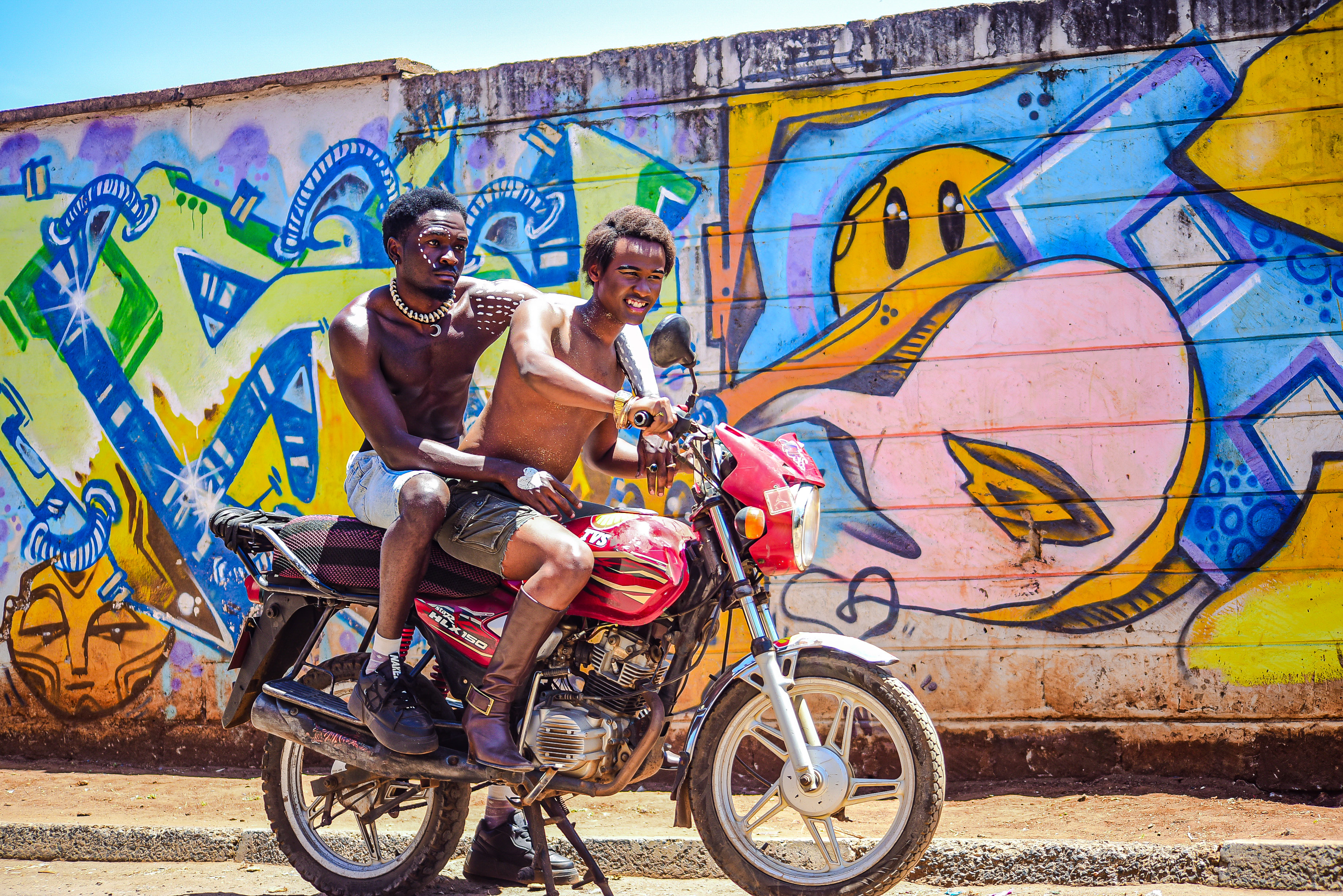
In Kenya, queer and disabled people are finding common ground around questions of identity, access, family, and belonging. Ahead of a Nairobi event exploring where disability and queerness intersect, organizers and participants talk about the communities they have found and the spaces they are trying to create. “Queer people and disabled people share way more than they think they do,” says one organizer. The event will use storytelling, art, performance, and what its organizers call “queer joy” to start a conversation they say is long overdue.
The Politics of Waiting, Wanting, and Hoping
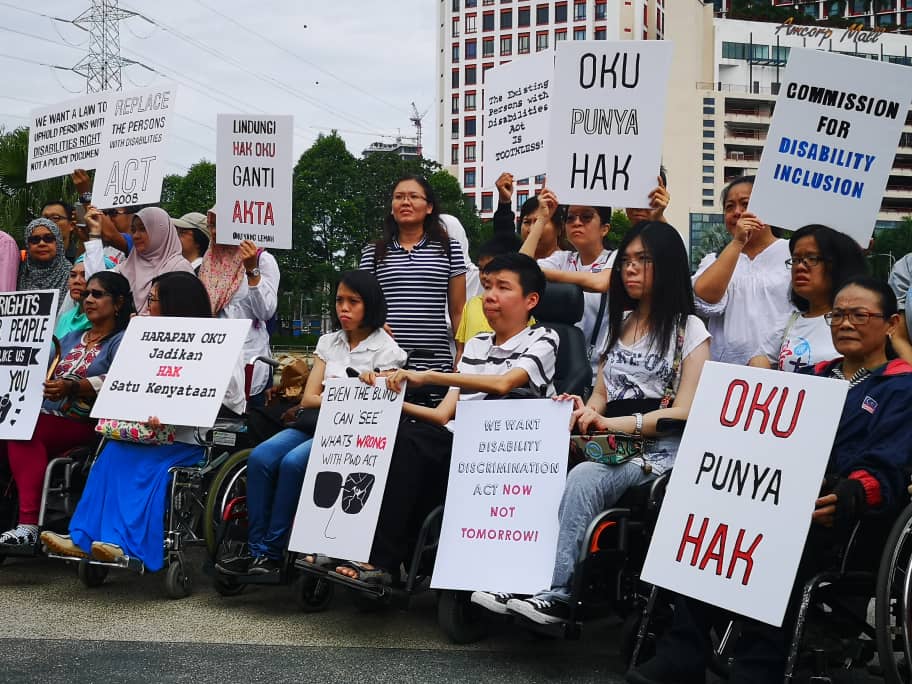
In Malaysia, disability exclusion is rarely one dramatic denial. More often, writes Beatrice Leong, it is “a series of ordinary delays” — inaccessible schools, symbolic consultations, policies without enforcement, and a system that asks disabled people to wait patiently for dignity and belonging. Blending personal reflection with political analysis, Leong examines what happens when inclusion is promised repeatedly, but justice never fully arrives.
Read more about The Politics of Waiting, Wanting, and Hoping
Beyond the ADA
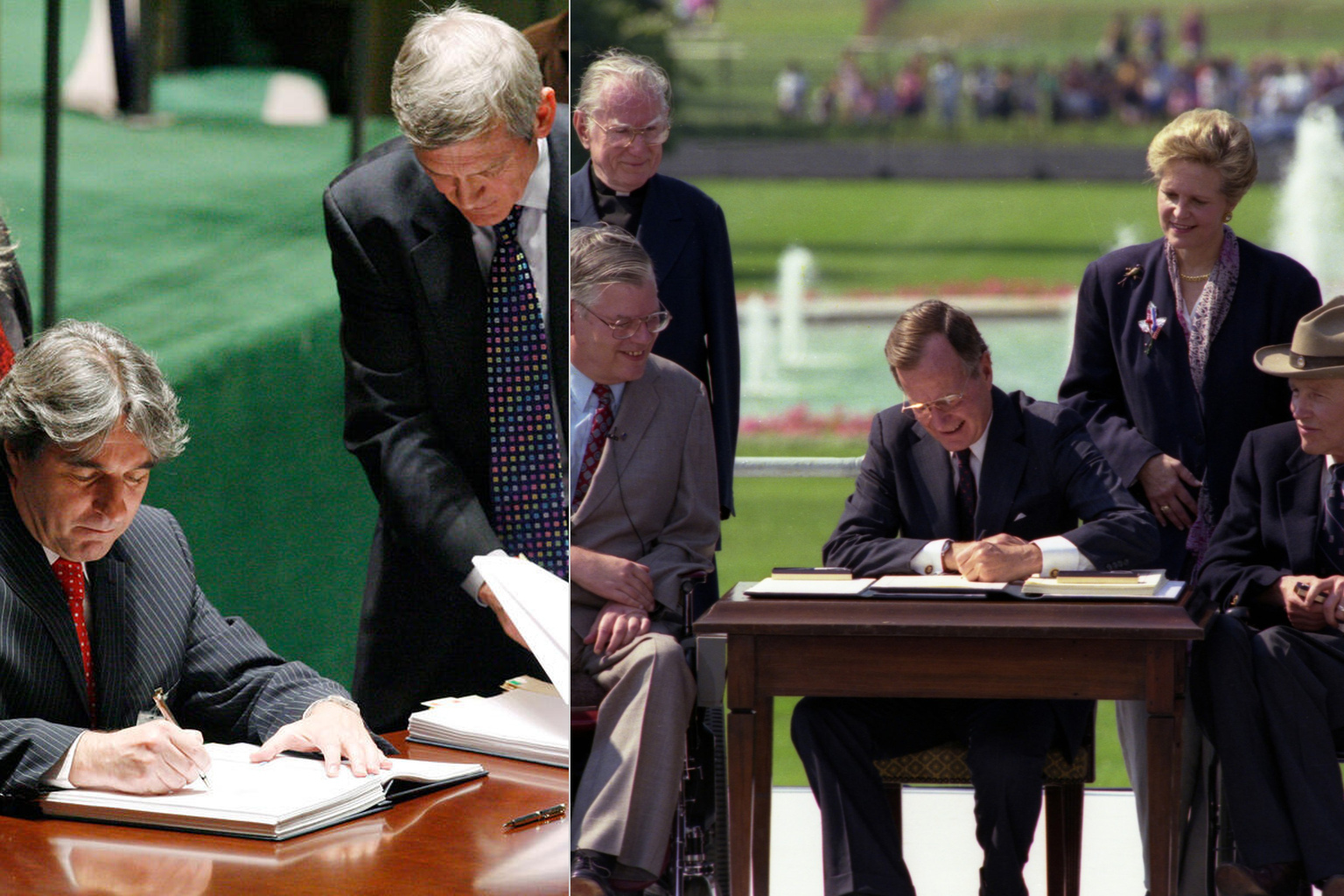
The ADA’s influence extends far beyond the United States. It helped shape a growing international approach to disability rights that eventually contributed to the development of the CRPD. But global disability movements have also expanded on ideas that U.S. law has yet to fully embrace. “I think many U.S. disability rights activists were surprised to find out how much we could learn from the international community,” says Eric Rosenthal, founder and executive director of Disability Rights International.
Forgotten People
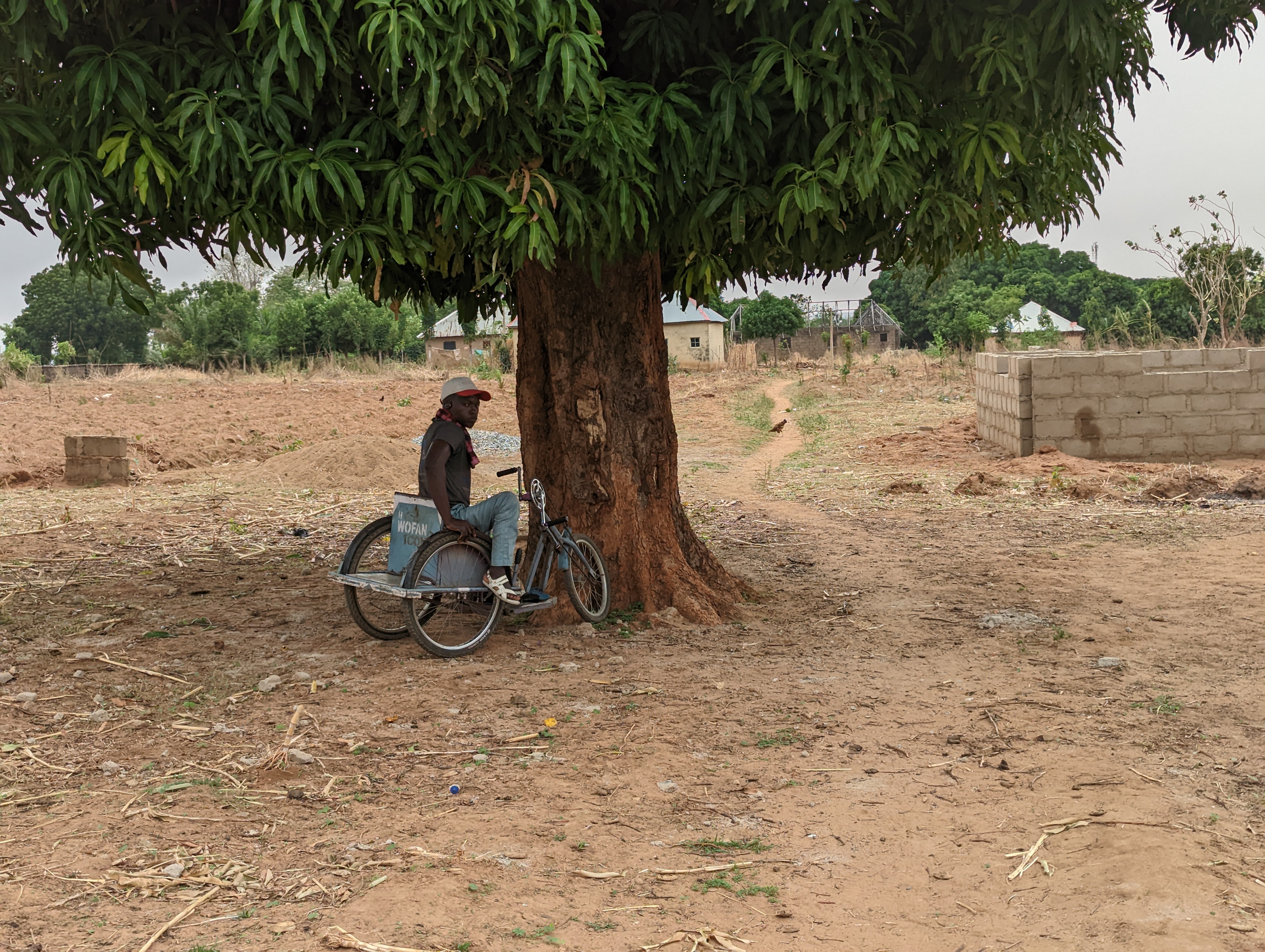
As Nigeria’s growing insecurity crisis spreads, disabled people face barriers that can make escaping violence far more difficult. Across the country, they describe inaccessible emergency warnings, challenges reaching safety, disrupted livelihoods, and limited access to assistance during times of crisis. Their stories reveal how conflict is experienced differently when mobility, communication, and support cannot be taken for granted and how disability is too often overlooked in emergency planning and response.

The Cost of Surviving
After years of failed treatments for complex PTSD, Marian Siljeholm followed an unlikely lead into the underground world of MDMA-assisted therapy. What began as a search for healing became a journey through the science of trauma, the politics of prohibition, and the hidden global network of people risking their freedom to help others reclaim their lives. Their stories would change her own. As Marian writes, “The next morning, I woke with a thought as real as the bed: This is the first day of my life.”
‘Deaf People Are Finally Seen as Equal Citizens’
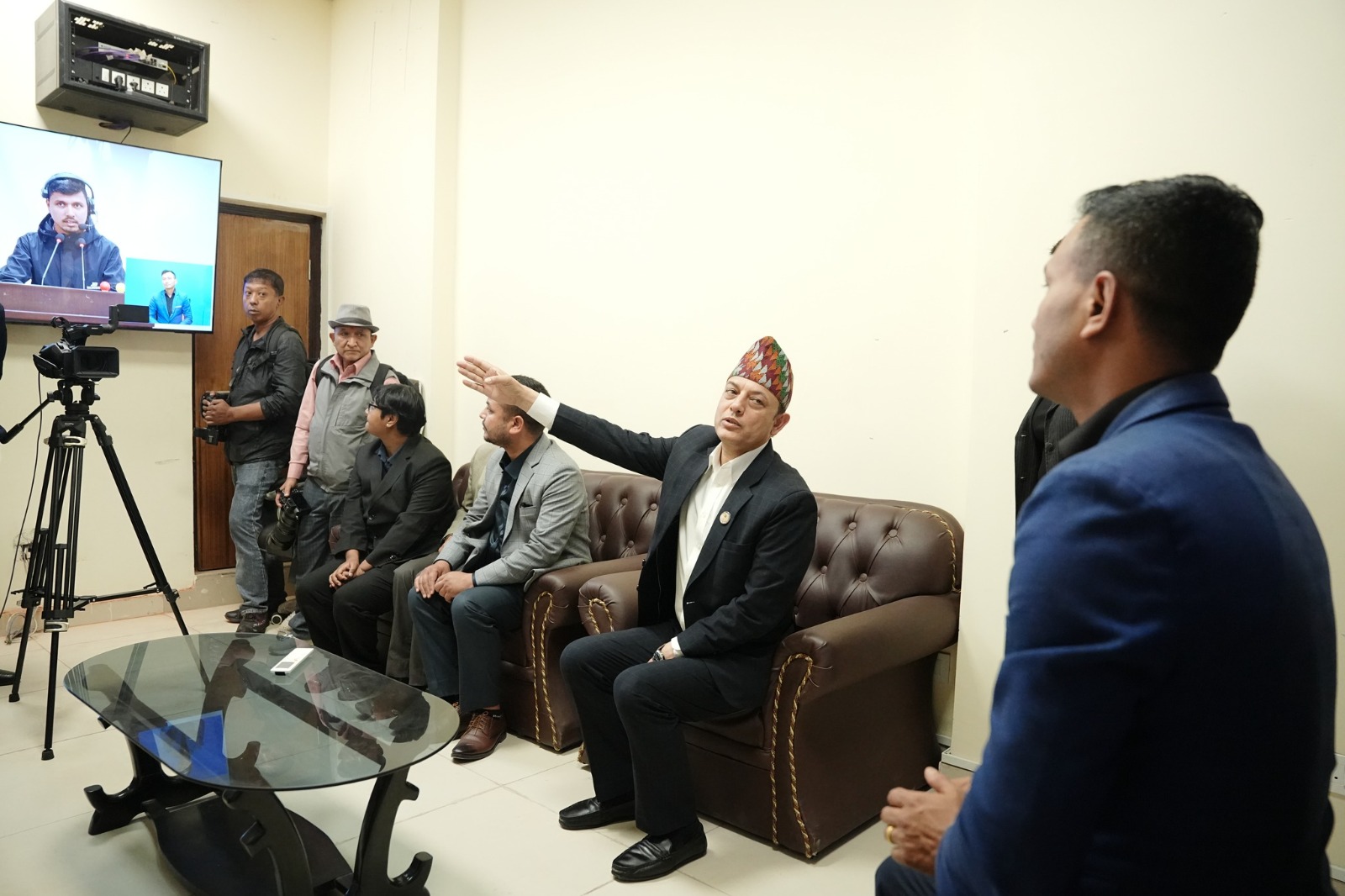
After decades of advocacy, Nepal’s Deaf community is gaining access to information in its own language. Interpreted national news broadcasts now air twice daily, and sign language interpretation has recently been introduced in parliament. Advocates say the changes mark a major step toward inclusion, recognition, and equal participation in public life for Deaf Nepalis who have long been excluded from critical information and decision-making.
Read more about ‘Deaf People Are Finally Seen as Equal Citizens’