News
Inclusive Care
Play audio version
Rwanda’s Bold Initiative to Transform Healthcare Accessibility for Persons with Disabilities
September 6, 2023
For decades, persons with disabilities in Rwanda faced significant challenges in accessing healthcare services. The country’s health centers often lacked the necessary accommodations. Physical, material and communication barriers, in addition to stigma against persons with disabilities and a lack of understanding among healthcare providers, were some of the obstacles. However, in 2017, the Rwanda Ministry of Health, in partnership with WaterAid and UPHLS (the Umbrella of Organizations of Persons with Disabilities in the fight against HIV/AIDS and for Health Promotion), initiated an ambitious plan to renovate outdated healthcare centers, prioritizing accessibility for persons with disabilities across the country.
The effort aligns with Rwanda’s 2021 National Policy on Disability and Inclusion, which outlines a specific objective of promoting access to health care and rehabilitation for persons with disabilities. The policy designates over 4.4 billion Rwandan francs (3.6 million US dollars) to the provision of disability-related healthcare services to persons with disabilities through 2024/2025.
Since 2017, the Ministry of Health and UPHLS have physically renovated dozens of health centers, targeting accessibility improvements for persons who are blind and/or persons who use canes and wheelchairs. The program will continue until all health centers in Rwanda are accessible to all persons with disabilities, with a goal of renovating six centers per year. As of August 2023, 30 of the 513 health centers in Rwanda have been renovated.
“Having access to health services to persons with disability in Rwanda is like dreams that we all wish to be true,” says Aimable Irihose, executive director of the Rwanda Organization of Persons with Physical Disabilities and Wheelchair Users. Widely held stigma against disability has contributed to the limited access to health services. “Persons with disability were hidden [so] that no one would know that a family has a person with disability,” he says.
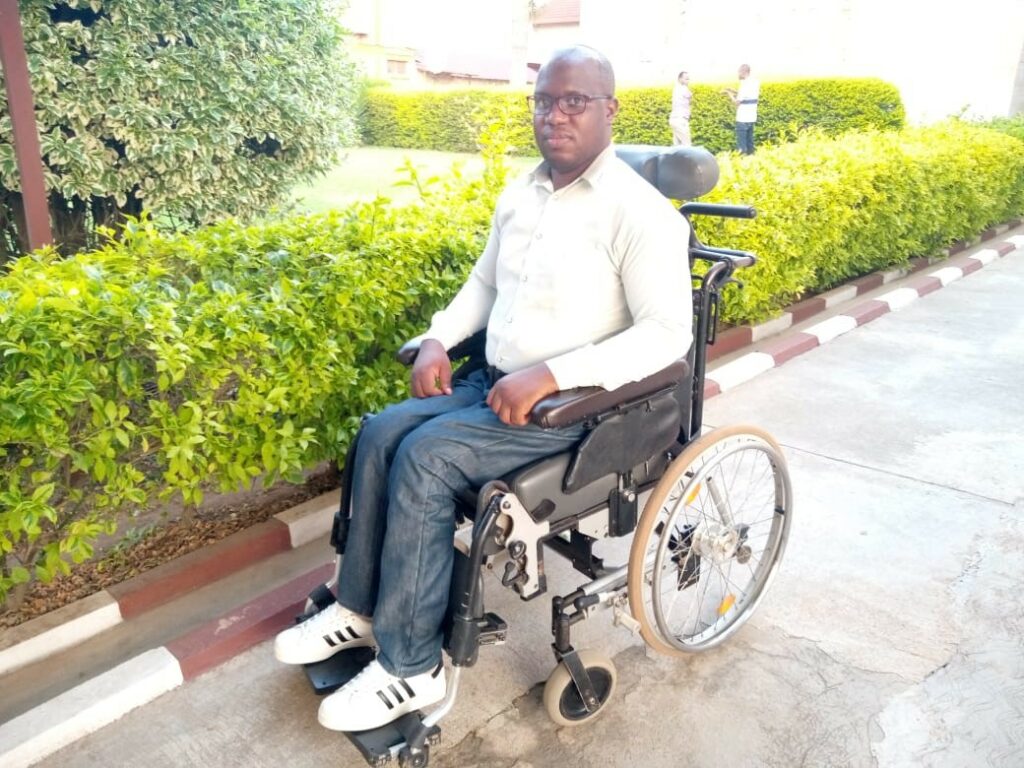
In general, persons with disabilities are poorly served at inaccessible health centers, often deterring them from seeking medical assistance, says Irihose. As a result, some Rwandans with disabilities opt to take medicine on their own – without medical consultation – with potentially fatal consequences.
Rwandans with disabilities have been waiting for accessible health care for a very long time, says Irihose: “We are going to enjoy services [at] the renovated [health centers], and I hope that it’s going to give a significant change in service delivery.”
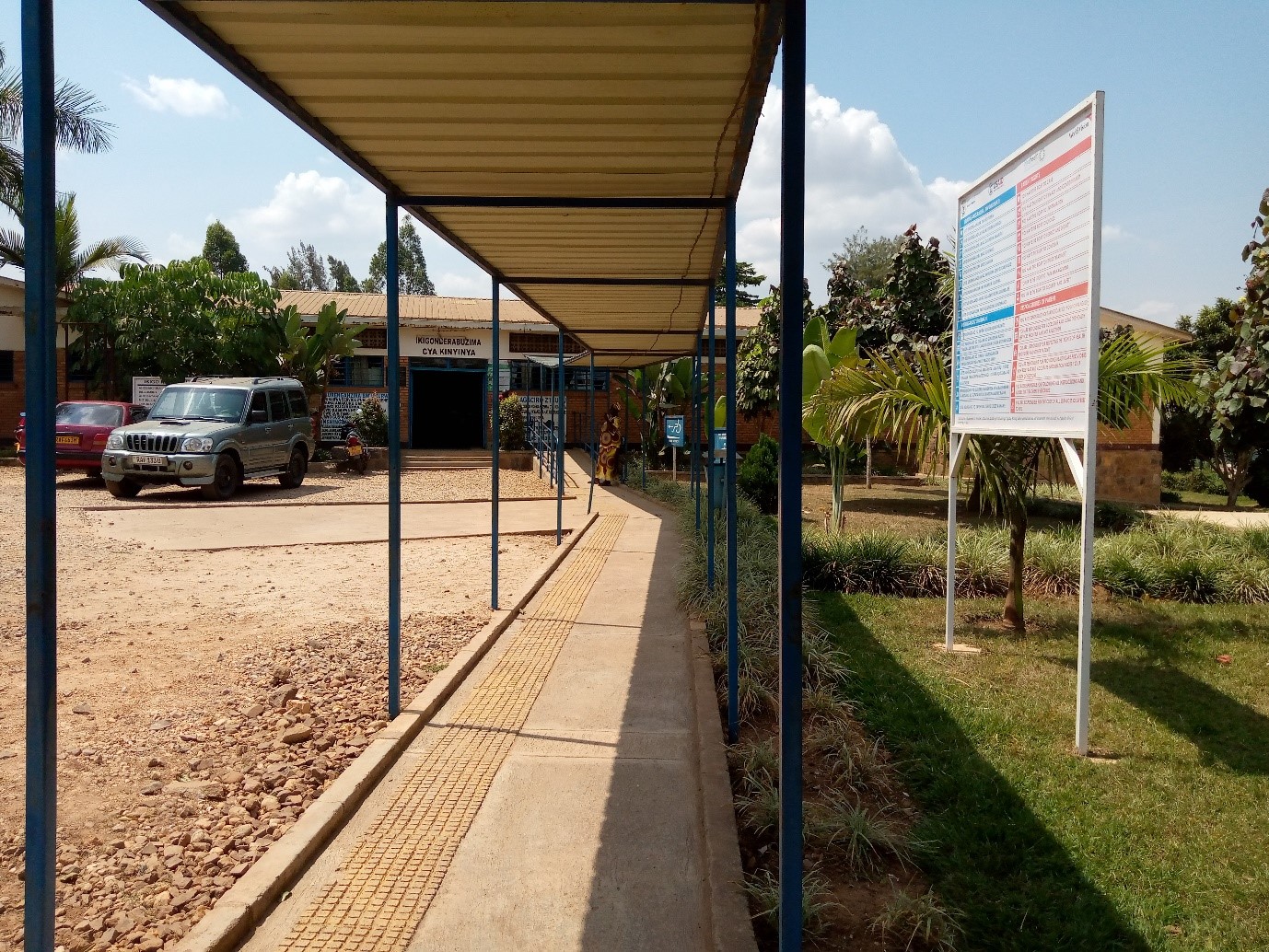
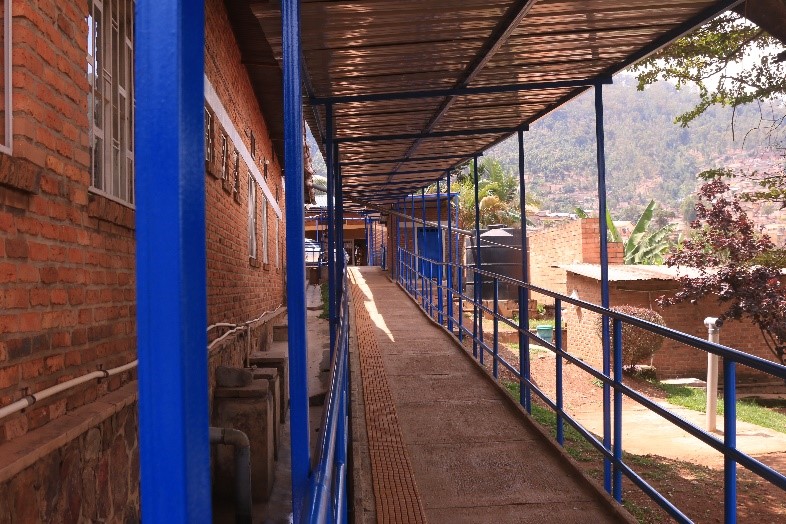
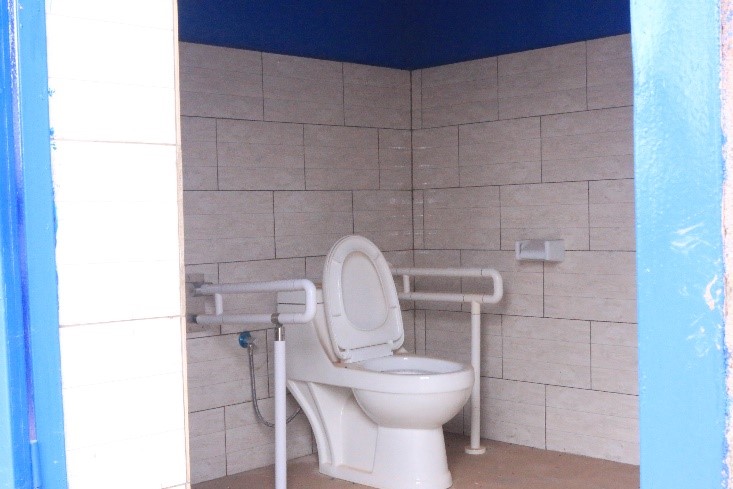
Donatien Bajyanama, health facility development specialist at Rwanda Ministry of Health and a point person for the promotion of inclusion and access to services for persons with disabilities, says that most Rwandan health centers and hospitals were built many years ago without the needs of persons with disabilities in mind. The project is now updating these facilities with accessibility as a priority, ensuring all surfaces are well-cemented, changing stairs into ramps, adding Braille signage and tactile indicators for blind persons, updating parking, and rebuilding bathrooms according to new building codes that include persons with disabilities. In accordance with the 2021 National Policy on Disability and Inclusion, advocates say the development of future building codes must involve the direct consultation of persons with disabilities.
All new health centers and hospitals will be built according to Rwandan building code, which was recently revised with accommodation requirements for persons with disabilities.
Typically, a health center is identified to be upgraded based on an assessment of its existing accessibility features and the number of persons with disabilities who use the facility, says Francois Xavier Karangwa, UPHLS executive director. Throughout the process, it is critical that health center leaders remain willing and flexible to work with UPHLS.
“We started with one upgraded health center in every province of Rwanda as exemplary of others, and we hope that persons with different physical disabilities and blind persons are enjoying services to the renovated centers,” says Bajyanama.
Christine Uwingabiye says the renovated health center she works at in Kigali-Gasabo has eliminated physical barriers to accessing care. They built a ramp at the entrance to the building, making services more accessible to persons with physical disabilities and to persons who are blind or have low vision. UPHLS also rebuilt the center’s bathrooms and parking to be accessible for wheelchair users, she says.
“It is really a good thing [for] the persons with disability, as they are entering every door without any barrier,” says Uwingabiye. “In addition, this renovation has eased our services, as we no longer lift up anyone; people with disabilities are accessing services without anyone’s help as [they required] before.”
Though the health center is now physically accessible, its signage and information still need to be more accessible to all persons with disabilities. Hospital staff should be trained in sign language, and prescriptions and other medical information should be made available in Braille, Uwingabiye says.
Karangwa says some of the challenges to renovating the health centers include insufficient funds for remodeling and limited participation from certain communities. Some local authorities and civilians are reluctant to support the project due to stigma against disability, believing the upgrades will only benefit persons with disabilities. Advocates working to make other spaces more accessible face similar challenges in Rwanda. Even some offices for some organizations of persons with disabilities (OPDs) are not accessible to all of their members.
Bajyanama stresses that widespread support and contribution are still needed to make health services fully accessible for Rwandans with disabilities. “This is a journey started to make accessible health services to [persons with disabilities] in our country,” he says. “If we remember that everyone is a candidate for disability, we should contribute and need more partners in this task.”
Francine Uwayisaba is a contributing writer with the Disability Justice Project and a field officer at Rwanda Union of Little People (RULP). At RULP, she is in charge of the organization’s communications. She writes grants, manages RULP’s social media, and composes articles and weekly updates for the website. @2023 DJP. All rights reserved.
News From the Global Frontlines of Disability Justice
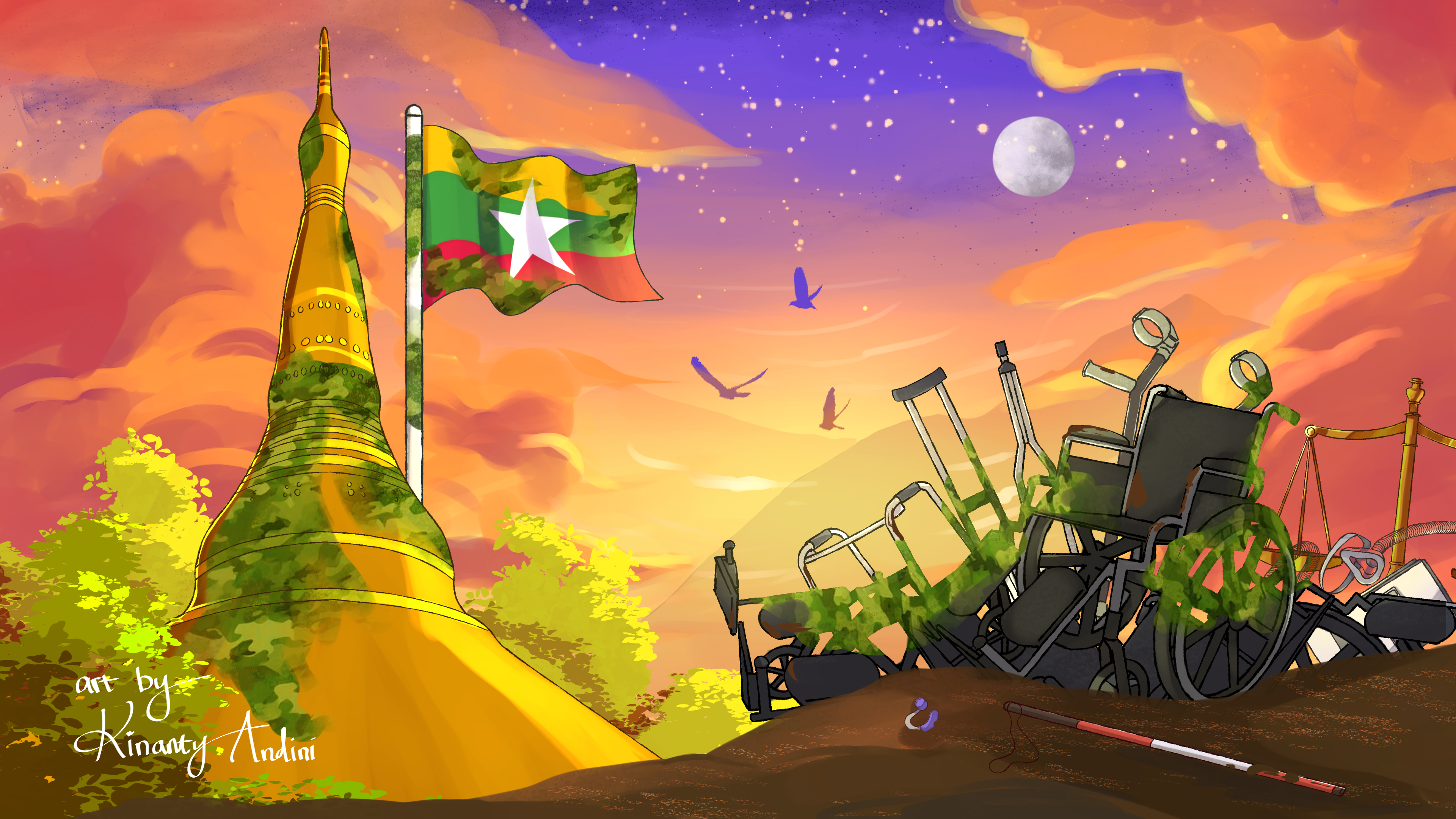
‘Everything Has Gone Back’
Before Myanmar’s 2021 military coup, disability advocates were helping shape national policy for the first time in decades. Laws expanded access to education, transportation, and public life. Today, much of that progress has collapsed. A new UN report describes a “hidden crisis,” documenting targeted violence, deadly attacks, and the exclusion of people with disabilities from warnings, aid, and services. As conflict creates new disabilities and organizations are forced underground, advocates work quietly to preserve rights that once seemed within reach.
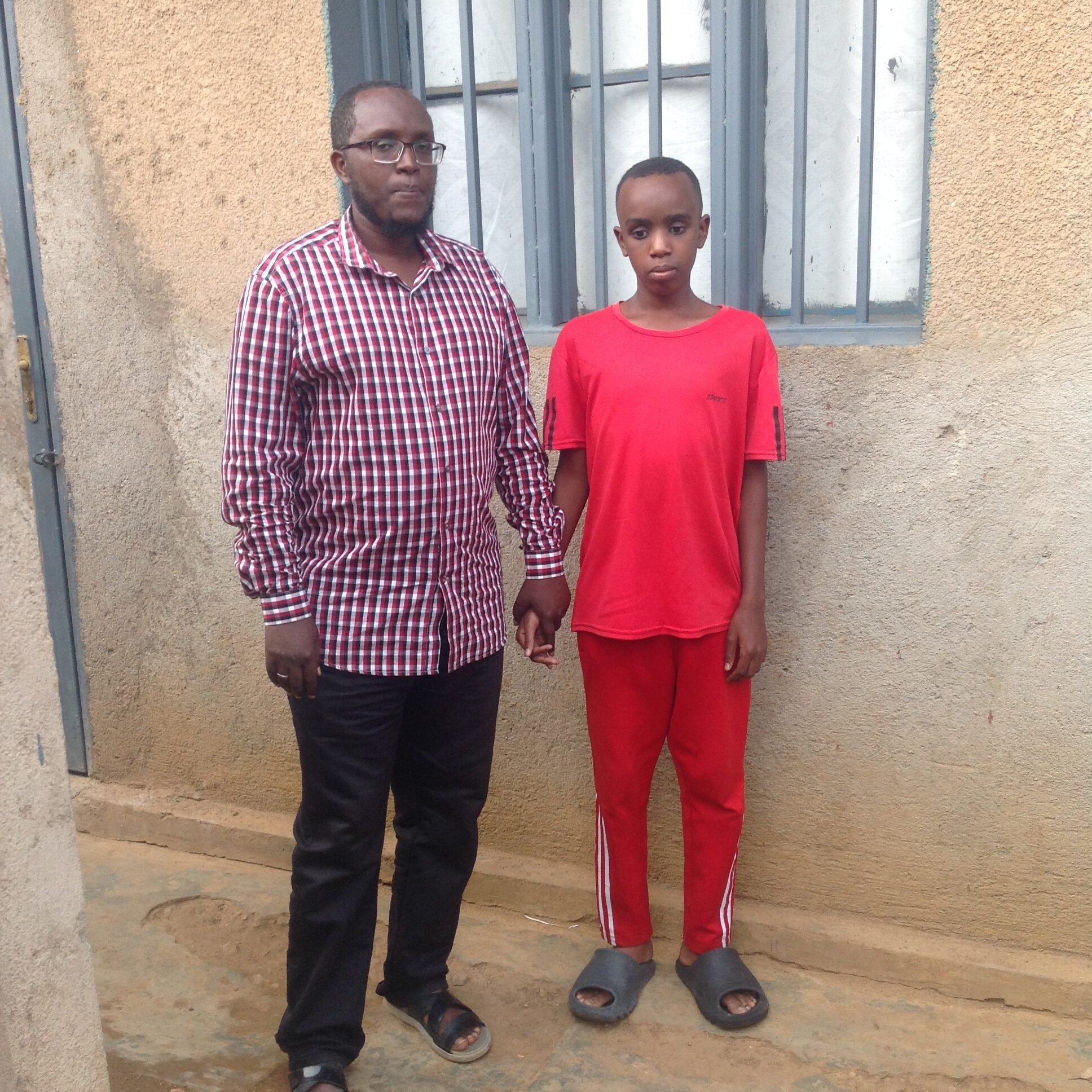
‘I Just Want to Walk Alone’
Fourteen-year-old Saifi Qudra relies on others to move safely through his day. Like many blind children in Rwanda, he has never had a white cane. His father, Mussah Habineza, escorts him everywhere. “He wants to walk like other children,” Habineza says, “He wants to be free.” Across Rwanda, the absence of white canes limits children’s mobility, confidence, and opportunity. For families, it also shapes daily routines, futures, and the boundaries of independence.
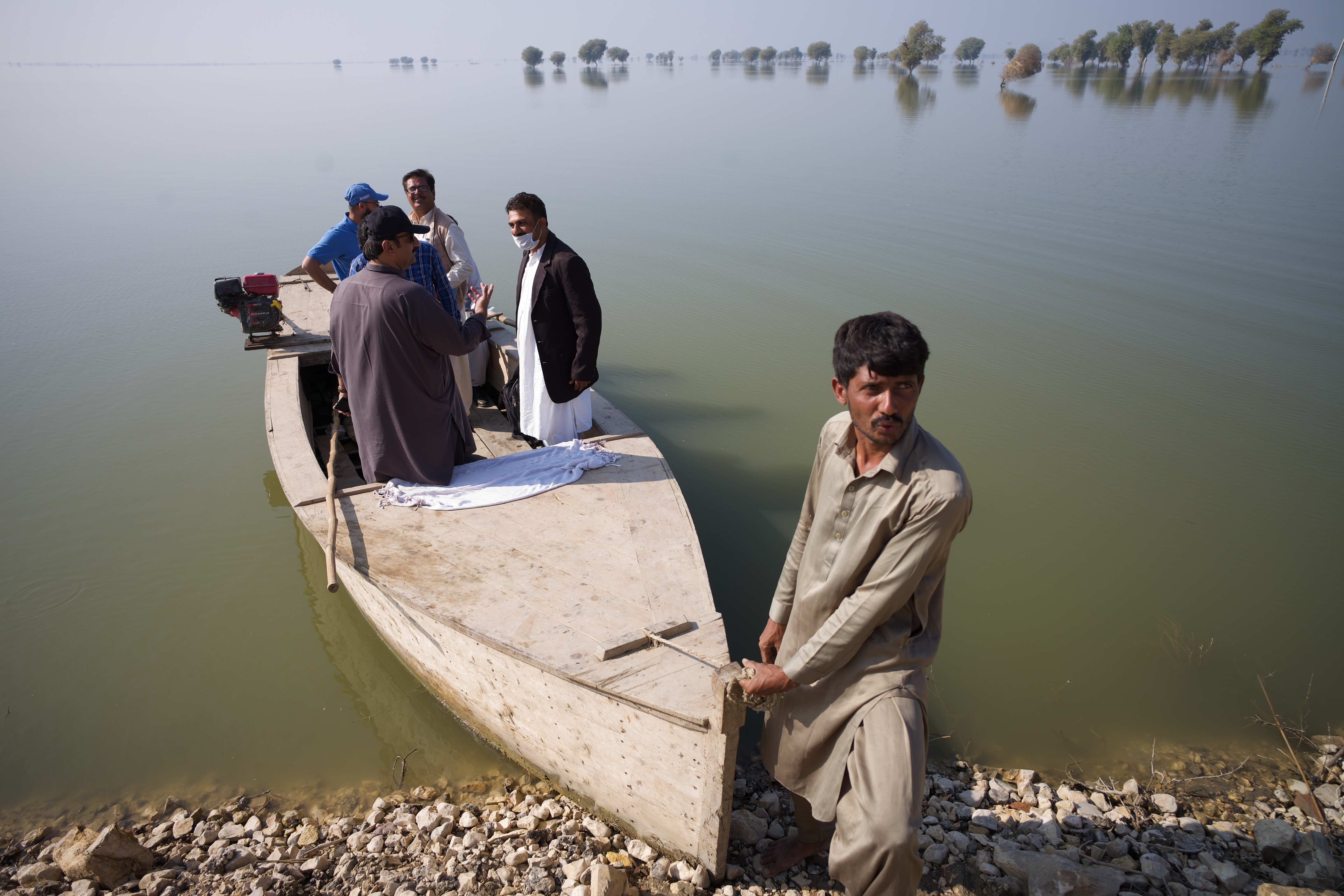
‘Evacuation Routes Are Meant for People Who Can Run’
As climate change and conflict intensify across Pakistan, emergency systems continue to exclude people with disabilities. Warning messages, evacuation routes, and shelters are often inaccessible, leaving many without critical information when floods or violence erupt. “Evacuation routes are built for people who can run,” Deaf author and policy advocate Kashaf Alvi says, “and information is broadcast in ways that a significant population cannot access.”
Read more about ‘Evacuation Routes Are Meant for People Who Can Run’
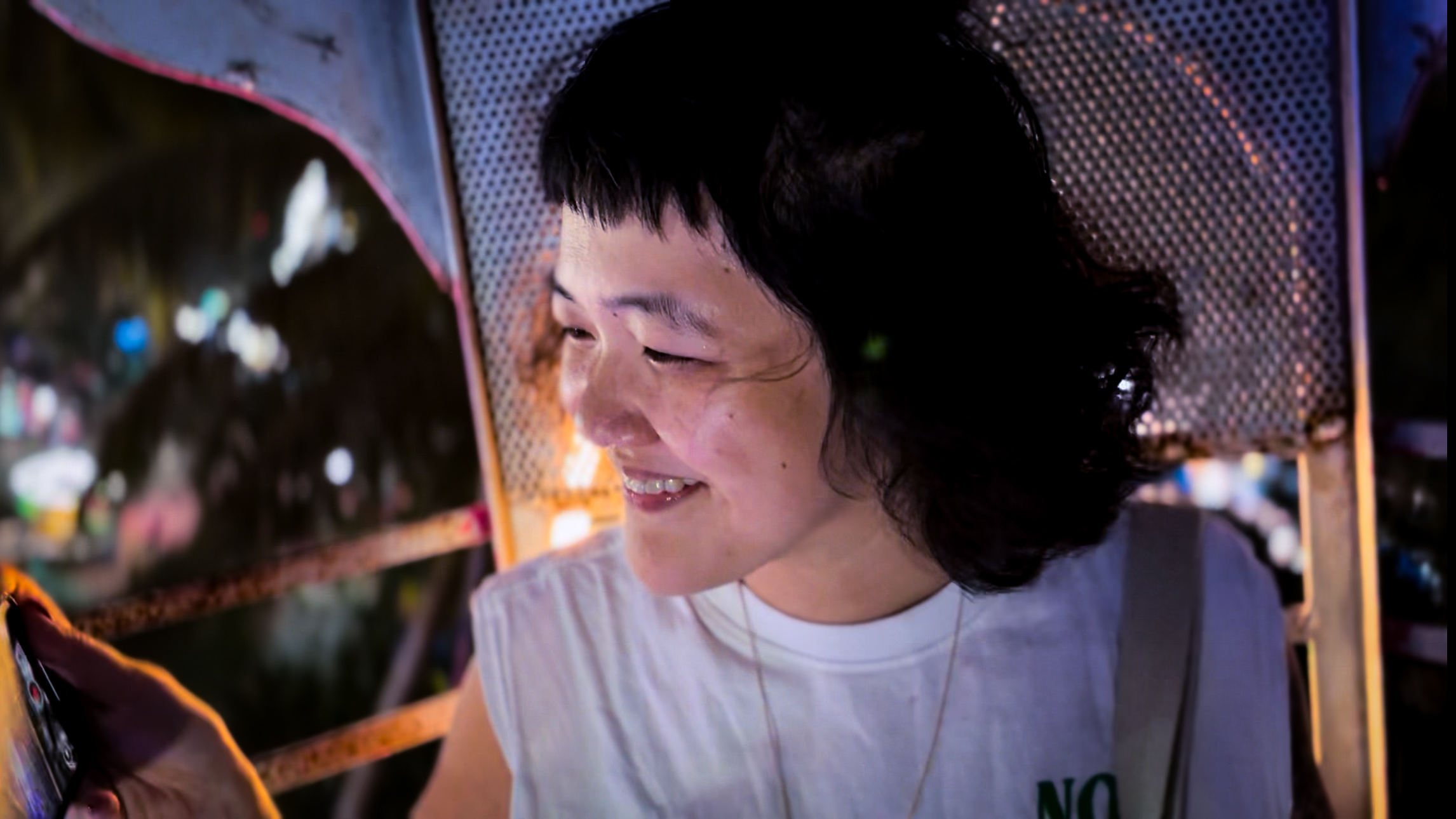
Autism, Reframed
Late in life, Malaysian filmmaker Beatrice Leong learned she was autistic and began reckoning with decades of misdiagnosis, harm, and erasure. What started as interviews with other late-diagnosed women became a decision to tell her own story, on her own terms. In The Myth of Monsters, Leong reframes autism through lived experience, using filmmaking as an act of self-definition and political refusal.
Disability and Due Process
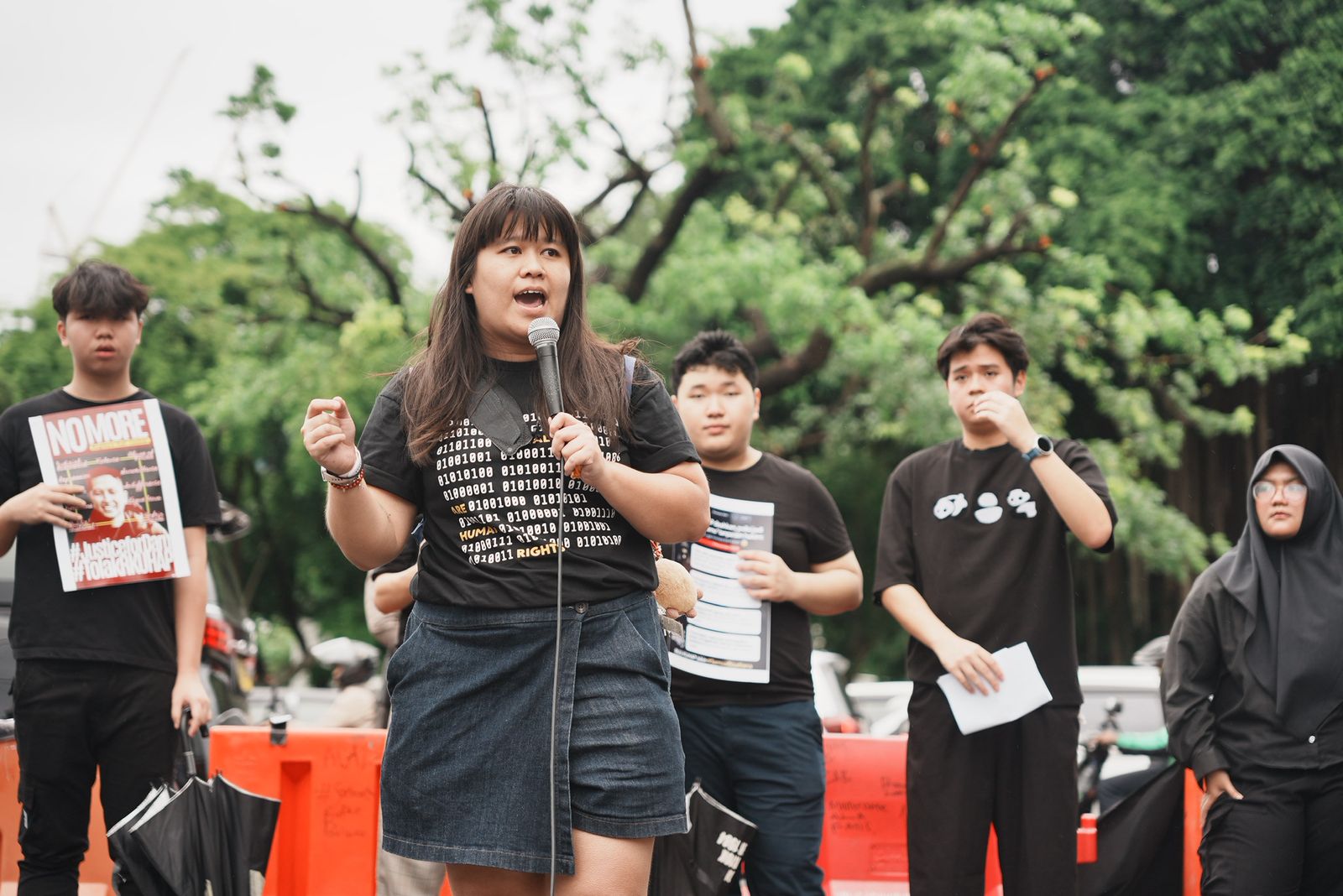
As Indonesia overhauls its criminal code, disability rights advocates say long-standing barriers are being reinforced rather than removed. Nena Hutahaean, a lawyer and activist, warns the new code treats disability through a charitable lens rather than as a matter of rights. “Persons with disabilities aren’t supported to be independent and empowered,” she says. “… They’re considered incapable.”
Disability in a Time of War
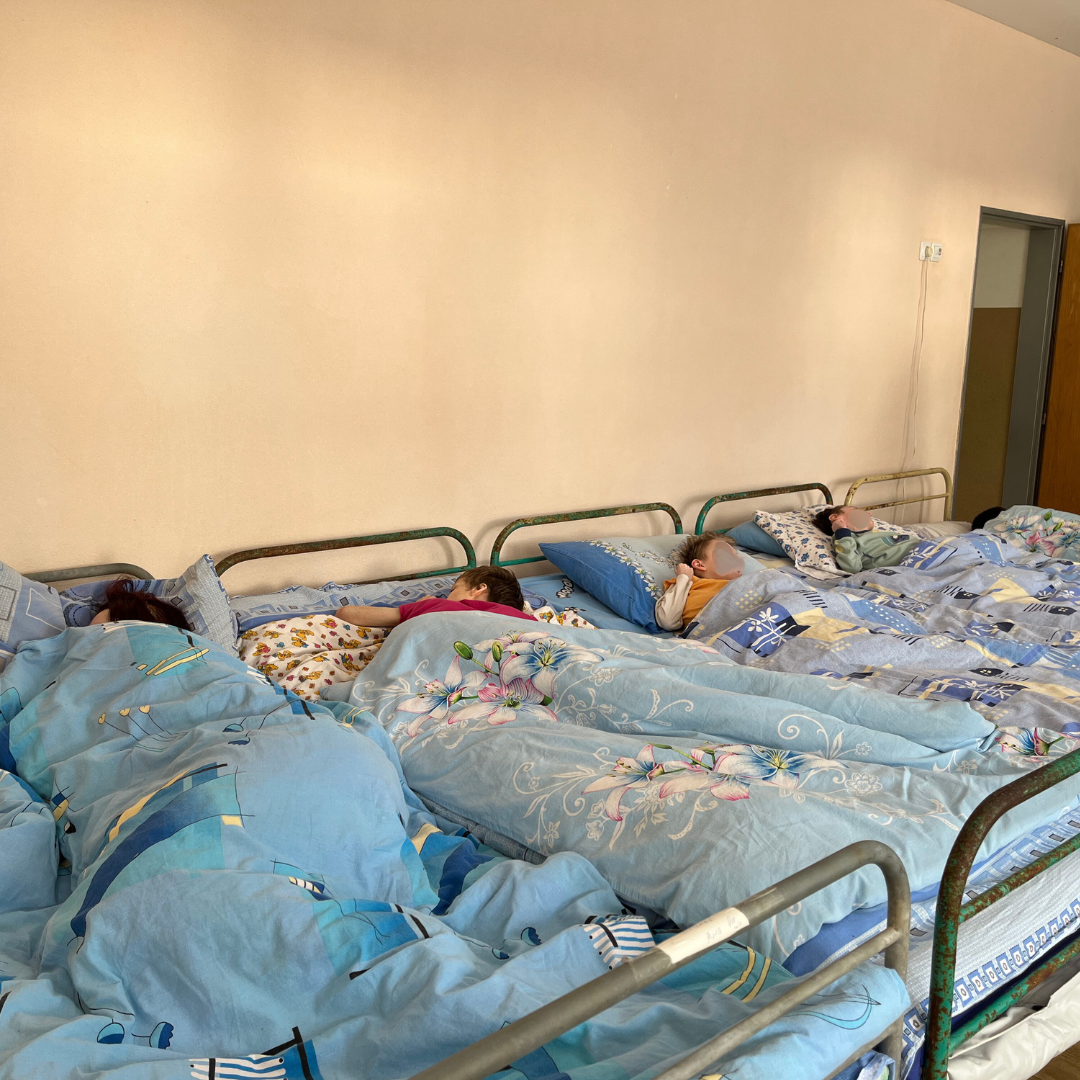
Ukraine’s long-standing system of institutionalizing children with disabilities has only worsened under the pressures of war. While some facilities received funding to rebuild, children with the highest support needs were left in overcrowded, understaffed institutions where neglect deepened as the conflict escalated. “The war brought incredibly immediate, visceral dangers for this population,” says DRI’s Eric Rosenthal. “Once the war hit, they were immediately left behind.”