News
Promoting Inclusion Through Storytelling
Play audio version
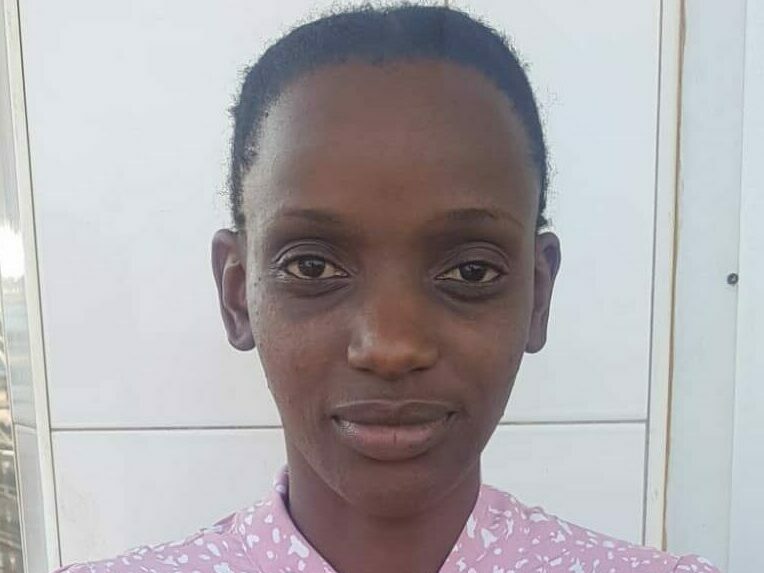
Meet DJP Fellow Nissy Namuyomba
October 13, 2021
Disability Justice Project Fellow Nissy Namuyomba was born in 1994 in rural Masaka, southwest Uganda. As a child, Namuyomba dreamed of owning a bank, often finding herself staring into bank windows imagining herself there. At boarding school from the age of five, Namuyomba faced stigmatization from some students as the only student with a physical disability among a thousand others. She learned to ignore the negativity and instead developed her strengths by interacting with other students and teachers to create opportunities for success. When the realities of living with a disability became clear, she found herself interested in becoming an advocate for people with disabilities. Namuyomba graduated with a degree in business administration and management from Uganda Martyrs University Nkozi in 2016.
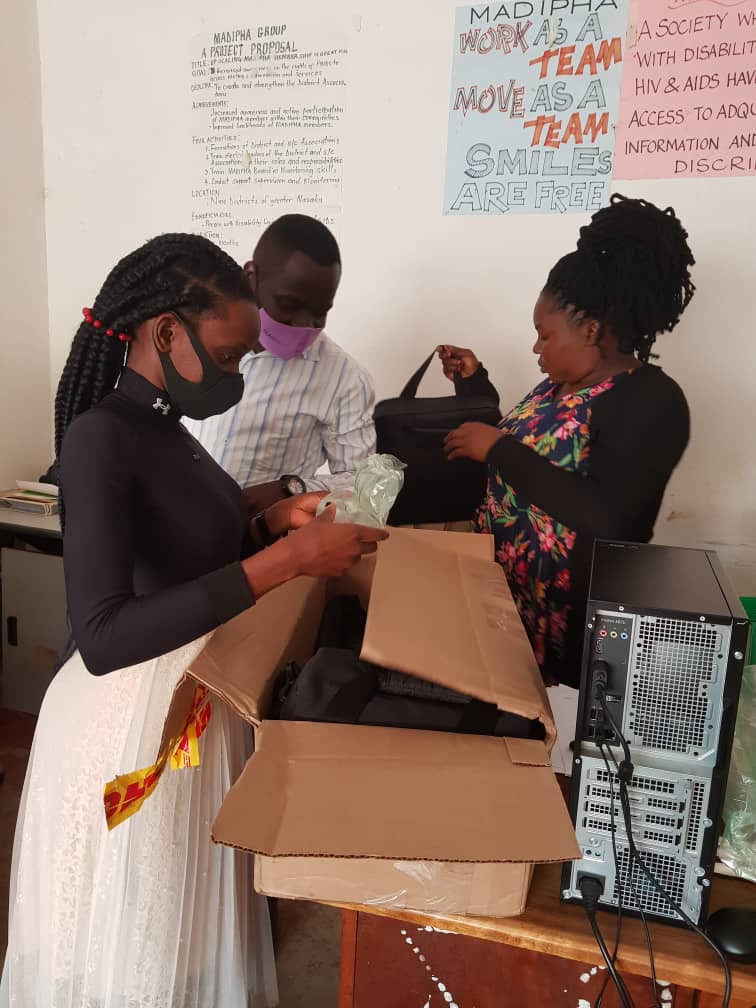
The opportunities available to Namuyomba after graduation were limited. The COVID-19 pandemic put an end to her internship with a logistics company, and she found herself back home without a plan. That changed when Namuyomba participated in a Masaka Association of Persons with Disabilities (MADIPHA) gender-based violence project. MADIPHA noticed her communication skills and asked her to volunteer with two organizations. She served in a crucial capacity, supporting the work of a colleague at the Greater Masaka Association of Persons with Cerebral Palsy who needed communication assistance. Namuyomba’s work was so well received that she was offered a paid position as an administrative assistant at MADIPHA. Namuyomba’s social and leadership skills continue to serve her organization well. She networks with local leaders, provides financial accountability, and facilitates disability inclusion. One of her greatest memories is presenting her poem about MADIPHA and its fight to stop the spread of HIV/AIDS among people with disabilities at the coronation of the king of Buganda on live television.
MADIPHA’s mission is to promote access to comprehensive HIV/AIDS services and sustainable livelihoods for all persons with disabilities. This mission is achieved through women’s empowerment, increased civic engagement, economic empowerment, collaboration, policy, and advocacy. Namuyomba is excited to learn the digital storytelling skills necessary to bring the positive stories of people with disabilities to light using traditional songs and dance and new creative works by people with disabilities. She will partner with local media through the South Buganda Journalists Association to share her skills and ideas. Namuyomba is excited to use accessible media technology to train and empower youth with disabilities, having served as chairperson of the Greater Masaka Association of Youth with Disabilities.
Namuyomba’s identity is formed not just as a person with disability but also as a Muganda woman of the Ngabi clan, speaker of the Bantu language Luganda, young community leader, and family member. She enjoys relaxing in her family home with reality-based adventure comics and movies. Namuyomba is passionate about helping other people achieve success and fulfillment. As a Disability Justice Project (DJP) fellow, she is inspired to create an inclusive society for people with disabilities through narrative storytelling.
News From the Global Frontlines of Disability Justice
A ‘Direct Threat’ to Democracy
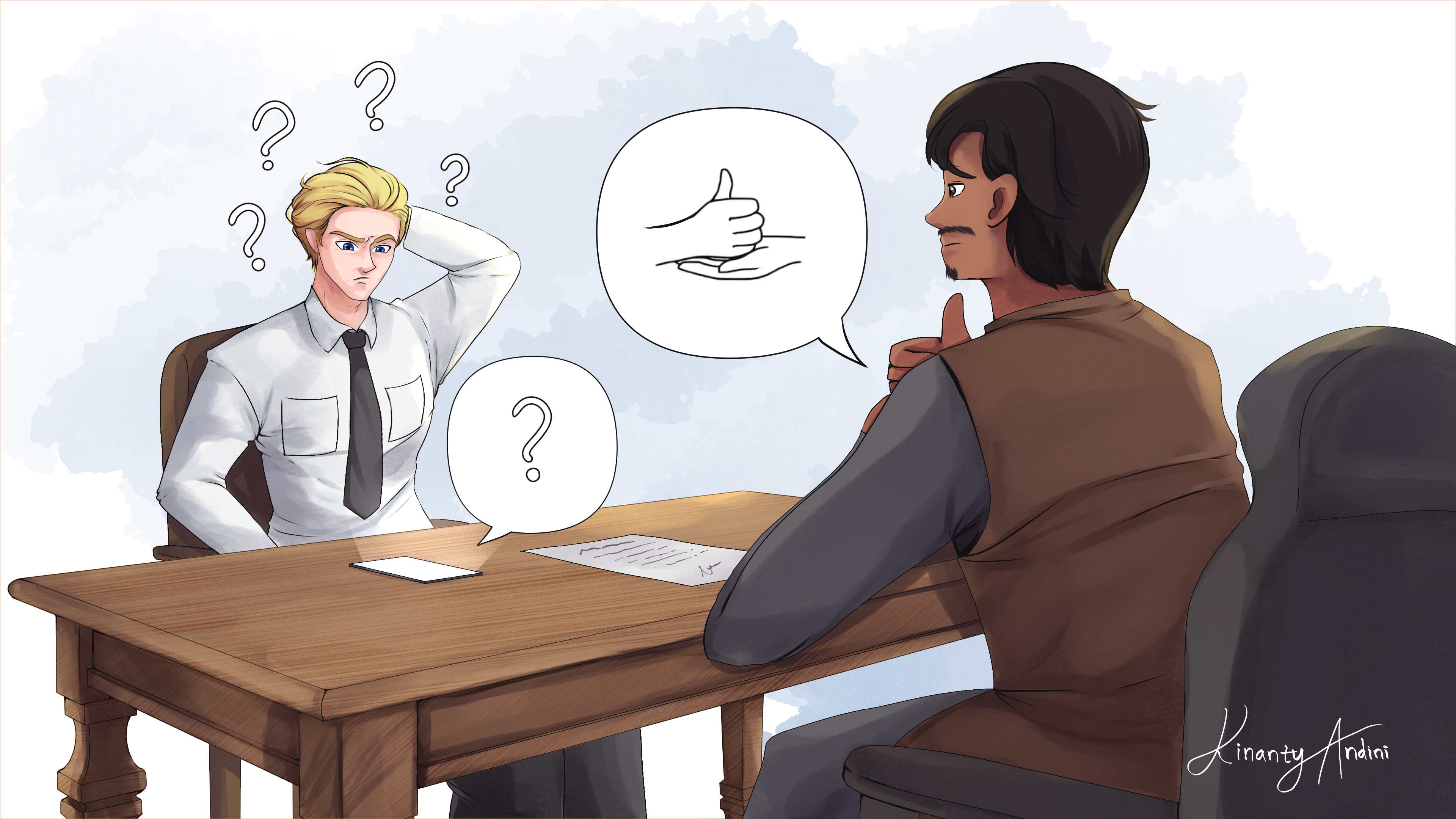
A Deaf asylum seeker from Mongolia spent five months in U.S. immigration detention without access to a sign language interpreter, leaving him unable to communicate with officers or explain his fear of persecution. His case raises questions about whether disability rights laws are being followed inside ICE facilities, where access to communication can determine the outcome of an asylum claim. Lawyer and advocate Qudsiya Naqui says the “absolute disregard” for disability rights under the Trump administration is a “direct threat” to democracy and rule of law.
‘Everything Has Gone Back’
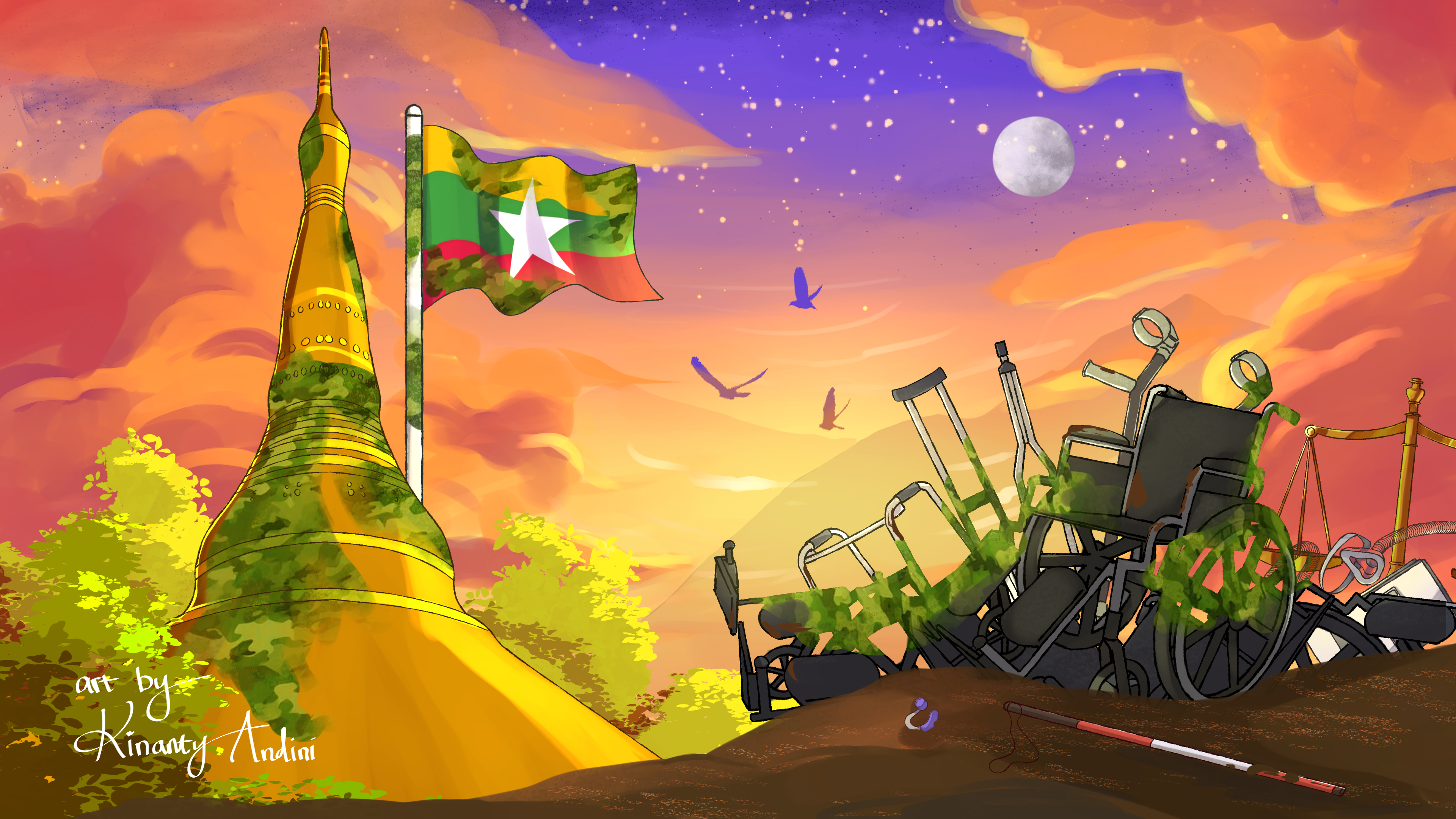
Before Myanmar’s 2021 military coup, disability advocates were helping shape national policy for the first time in decades. Laws expanded access to education, transportation, and public life. Today, much of that progress has collapsed. A new UN report describes a “hidden crisis,” documenting targeted violence, deadly attacks, and the exclusion of people with disabilities from warnings, aid, and services. As conflict creates new disabilities and organizations are forced underground, advocates work quietly to preserve rights that once seemed within reach.
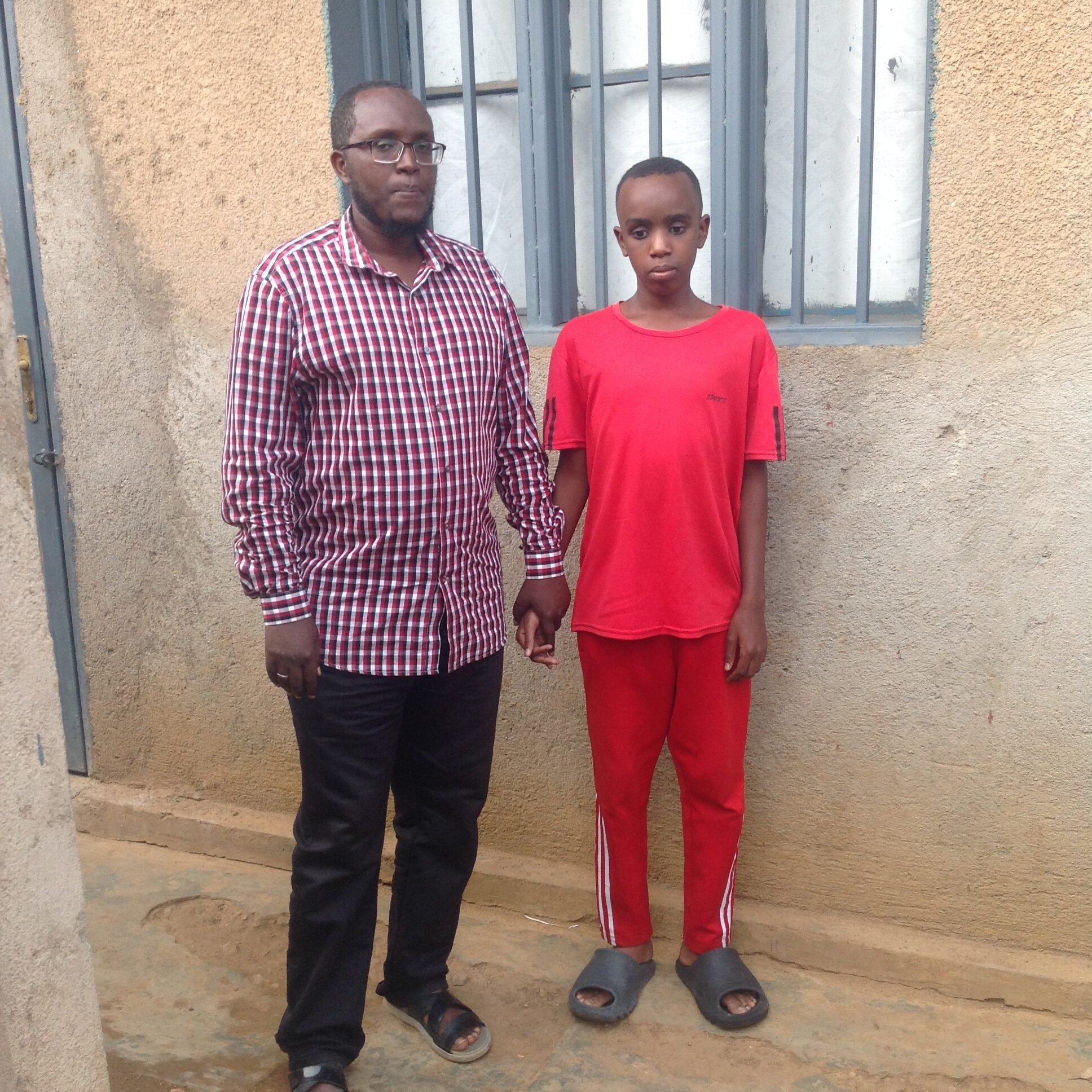
‘I Just Want to Walk Alone’
Fourteen-year-old Saifi Qudra relies on others to move safely through his day. Like many blind children in Rwanda, he has never had a white cane. His father, Mussah Habineza, escorts him everywhere. “He wants to walk like other children,” Habineza says, “He wants to be free.” Across Rwanda, the absence of white canes limits children’s mobility, confidence, and opportunity. For families, it also shapes daily routines, futures, and the boundaries of independence.
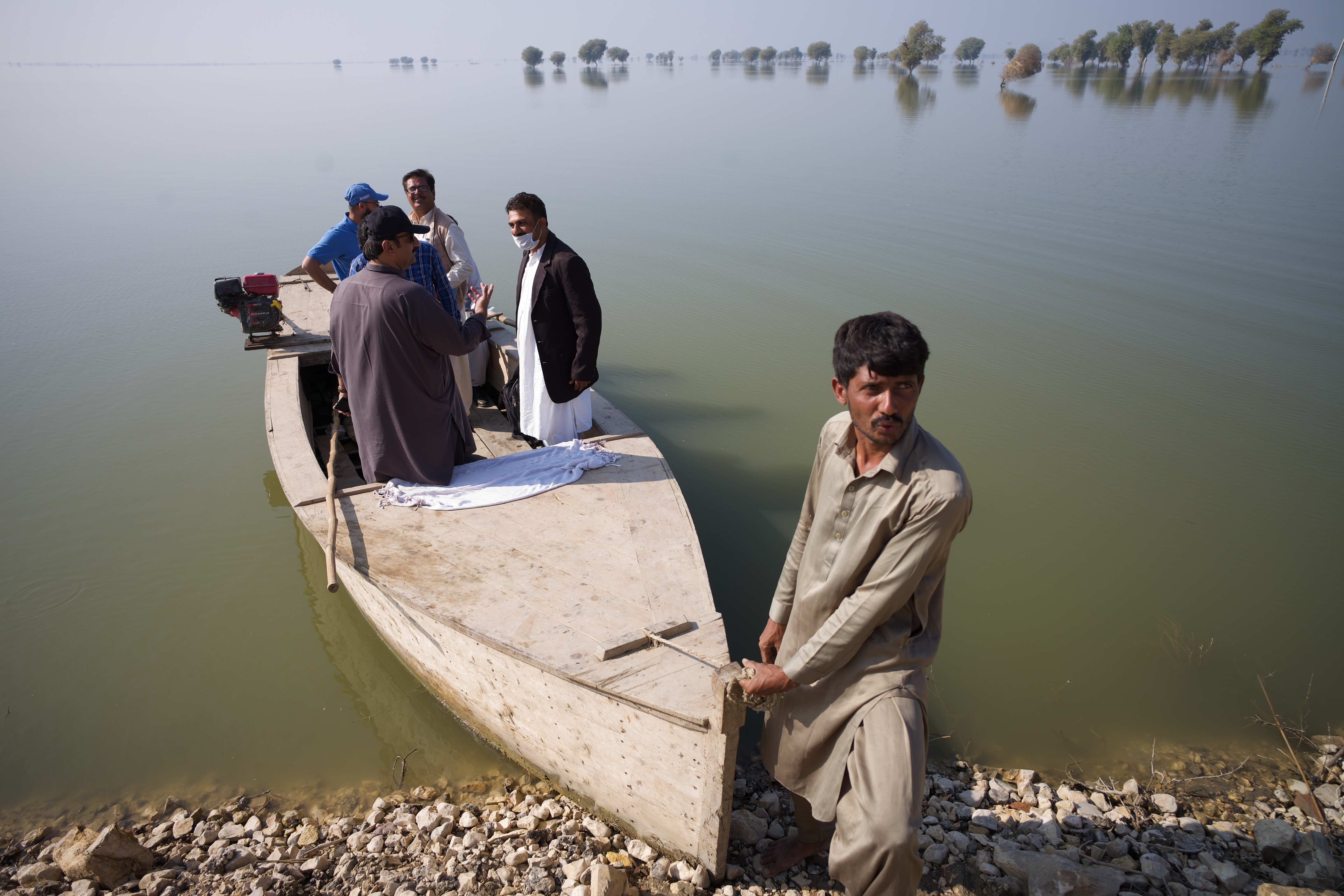
‘Evacuation Routes Are Meant for People Who Can Run’
As climate change and conflict intensify across Pakistan, emergency systems continue to exclude people with disabilities. Warning messages, evacuation routes, and shelters are often inaccessible, leaving many without critical information when floods or violence erupt. “Evacuation routes are built for people who can run,” Deaf author and policy advocate Kashaf Alvi says, “and information is broadcast in ways that a significant population cannot access.”
Read more about ‘Evacuation Routes Are Meant for People Who Can Run’
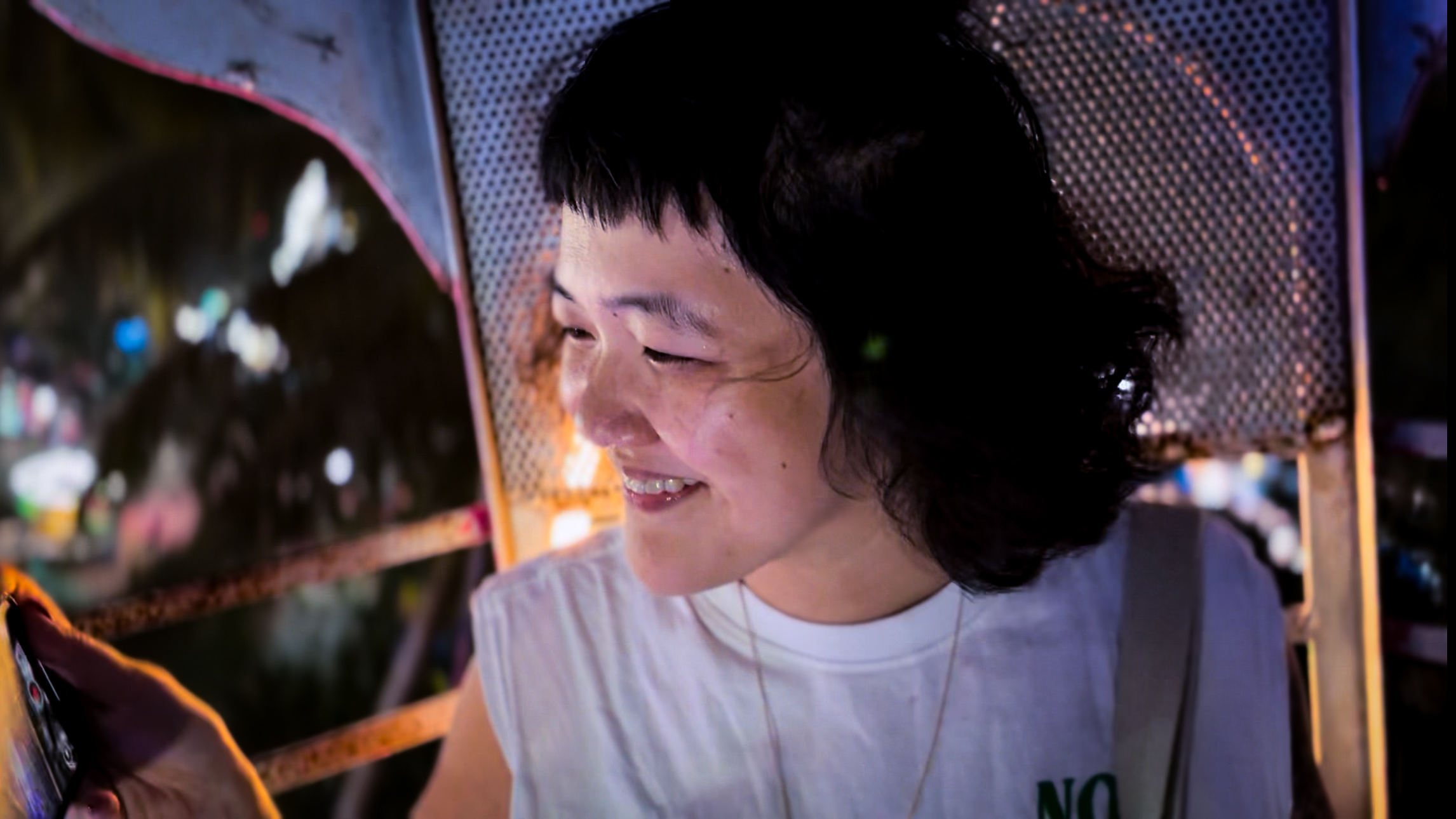
Autism, Reframed
Late in life, Malaysian filmmaker Beatrice Leong learned she was autistic and began reckoning with decades of misdiagnosis, harm, and erasure. What started as interviews with other late-diagnosed women became a decision to tell her own story, on her own terms. In The Myth of Monsters, Leong reframes autism through lived experience, using filmmaking as an act of self-definition and political refusal.
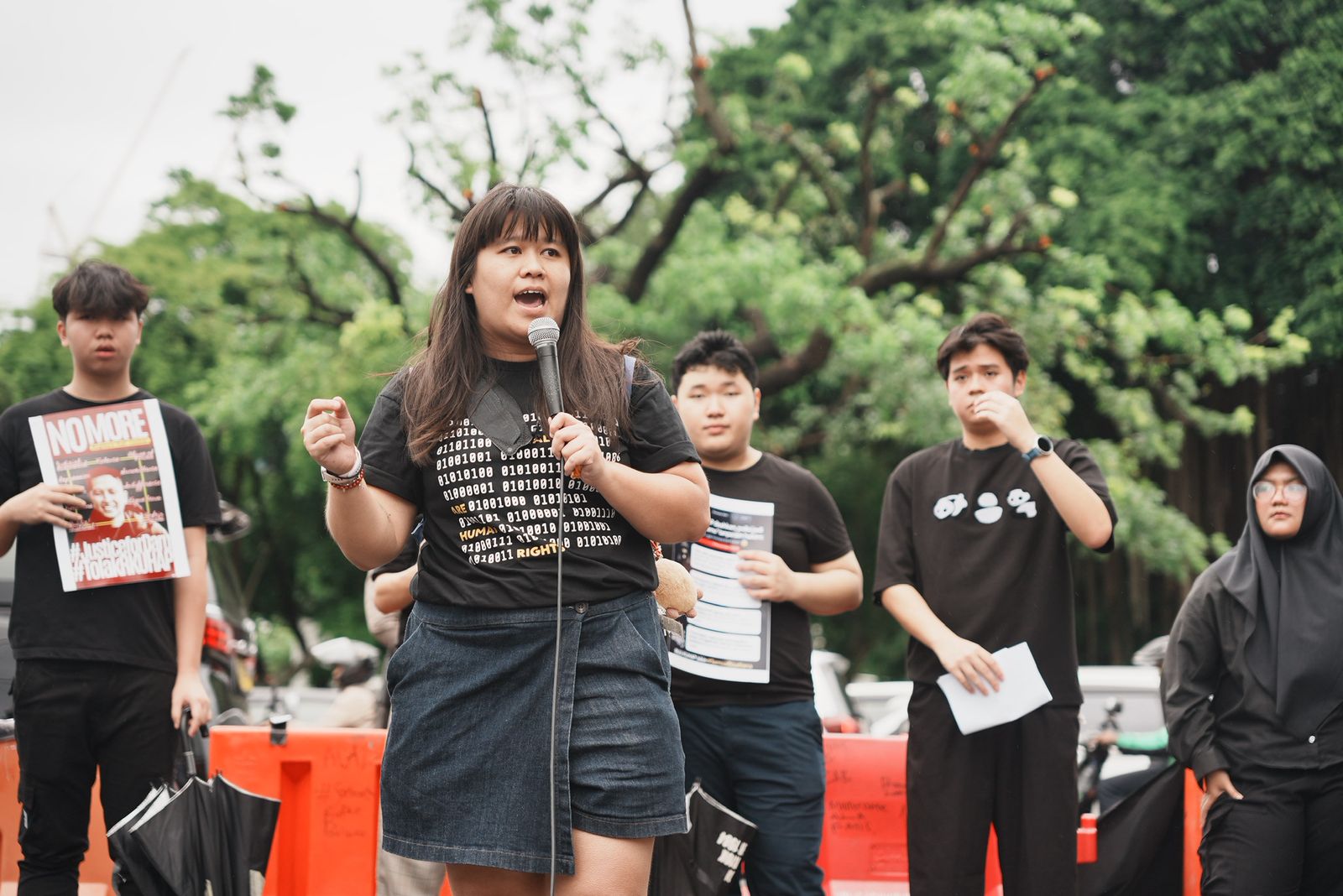
Disability and Due Process
As Indonesia overhauls its criminal code, disability rights advocates say long-standing barriers are being reinforced rather than removed. Nena Hutahaean, a lawyer and activist, warns the new code treats disability through a charitable lens rather than as a matter of rights. “Persons with disabilities aren’t supported to be independent and empowered,” she says. “… They’re considered incapable.”