News
‘Success and Failure Are Born in the Same Cradle’
Play audio version
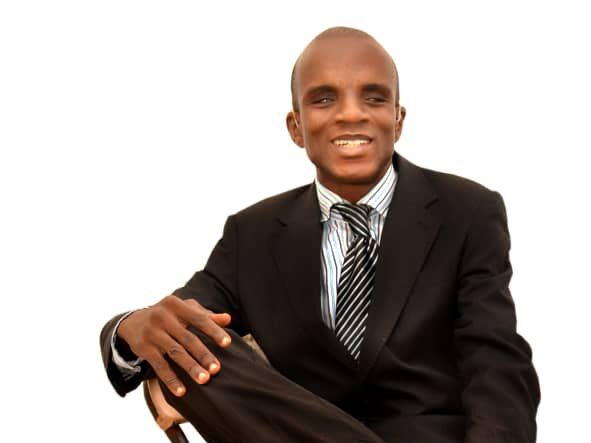
LALIF Executive Director Solomon Okelola Reflects on Living with DeafBlindness
October 31, 2021
LAGOS, Nigeria — Growing up hard of hearing and visually impaired, Solomon Okelola could not see what his teachers wrote on the board unless he stood up to get a closer look. Of course, this was difficult and time-consuming – walking up to the chalkboard, checking for the particular line of writing he was reading, returning to his notebook to write, then back to the chalkboard all over again. Plus, it was an inconvenience for his classmates, as he usually obstructed their view.
Lacking hearing aids back then, Okelola also couldn’t hear his teachers very well. “Anyone who wanted to talk to me had to stand close to me and talk right into my ears or raise his/her voice for me to hear,” he says. Of course, the teachers couldn’t stand beside a single student or raise their voices all the time, so Okelola grew up with reading as his main tutor. “I loved to source for more information and knowledge,” he says.
Today, Okelola is the executive director of Lionheart Ability Leaders International Foundation (LALIF), a non-governmental organization in Nigeria for people with disabilities. In this role, he has helped organize awareness campaigns to educate Nigerians about his type of disability. Okelola notes that people who are DeafBlind can face even more challenges communicating than those who are Deaf or blind. They can feel isolated, which is how he felt growing up. “Whenever there were more than two people around me, I found I was mostly on my own, with my own thoughts,” he says. Eventually, though, Okelola grew to appreciate his solitude, as it gave him an opportunity to observe and reflect upon life, people, their problems, and the ways they react to their problems. Sometimes, he would go somewhere by himself to reflect and ponder life.
It was from this habit that Solomon discovered his writing and advocacy skills. His reflections, decisions, counter-questions, and final resolutions began to influence his daily habits, his endeavors, and his responses to people and situations. He says, “They [his reflections and meditations] are the main reason why I have learnt, and I tell people the following:
- I don’t believe man is a product of his environment. Man is a product of his experiences and his reactions or responses to those experiences. You can always choose to be who and what you want to be.
- Only you can mold yourself, only you can destroy yourself and your chance to succeed in life.
- It matters little what goes on around you or where you find yourself. It is how you decide to take it all that matters.
- Success and failure are born in the same cradle – in your mind. You can conceive whichever you desire.
- It’s all about you to be the best you can!”
With a master’s degree in special education and rehabilitation science from the University of Ibadan, Oyo State, Nigeria, Okelola also advocates for early detection of Usher Syndrome, the world’s leading cause of DeafBlindness, and more training and awareness in the mainstream schools. Growing up, he had cataracts in both eyes due to retinitis pigmentosa, and the one in his left eye was so severe that he couldn’t see anything out of it throughout primary and secondary school. Twelve years ago, he started to lose the rest of his sight. It was a challenging time in his life, especially since his fiancée of almost two years had left him just three months prior because her family had objected to his not being part of their tribe. Describing his feelings over the breakup and the loss of his vision soon after, he says, “That started me wondering amidst my agony of all this issue of tribal loyalties and ethnic differences in Africa. I was still battling to get myself back together when the world started going black on July 7, 2009.”
Okelola resolved to try to forge ahead despite what he describes as the “extreme emotional turmoils” and “mental upheavals” he was experiencing at the time. Reflecting on his experiences and how he managed to surmount the challenges, he says, “Already, I had friends with visual impairment, and I loved to help them around school, in their recordings and all that. I started trying to imitate them, to do things the way I saw them do.”
When asked what he would like the world to know from his story and what he’s engaged in presently, he says, “In a nutshell, all I wish to share with like-minded individuals and all we need to make our people realize stems from what I have learnt in life: It’s all about you to be the best you can!”
Bukola Badmus is a 2021 Disability Justice Project Fellow and the financial secretary and Lagos state coordinator for LALIF. @2021 LALIF. All rights reserved.
.
News From the Global Frontlines of Disability Justice
‘Everything Has Gone Back’
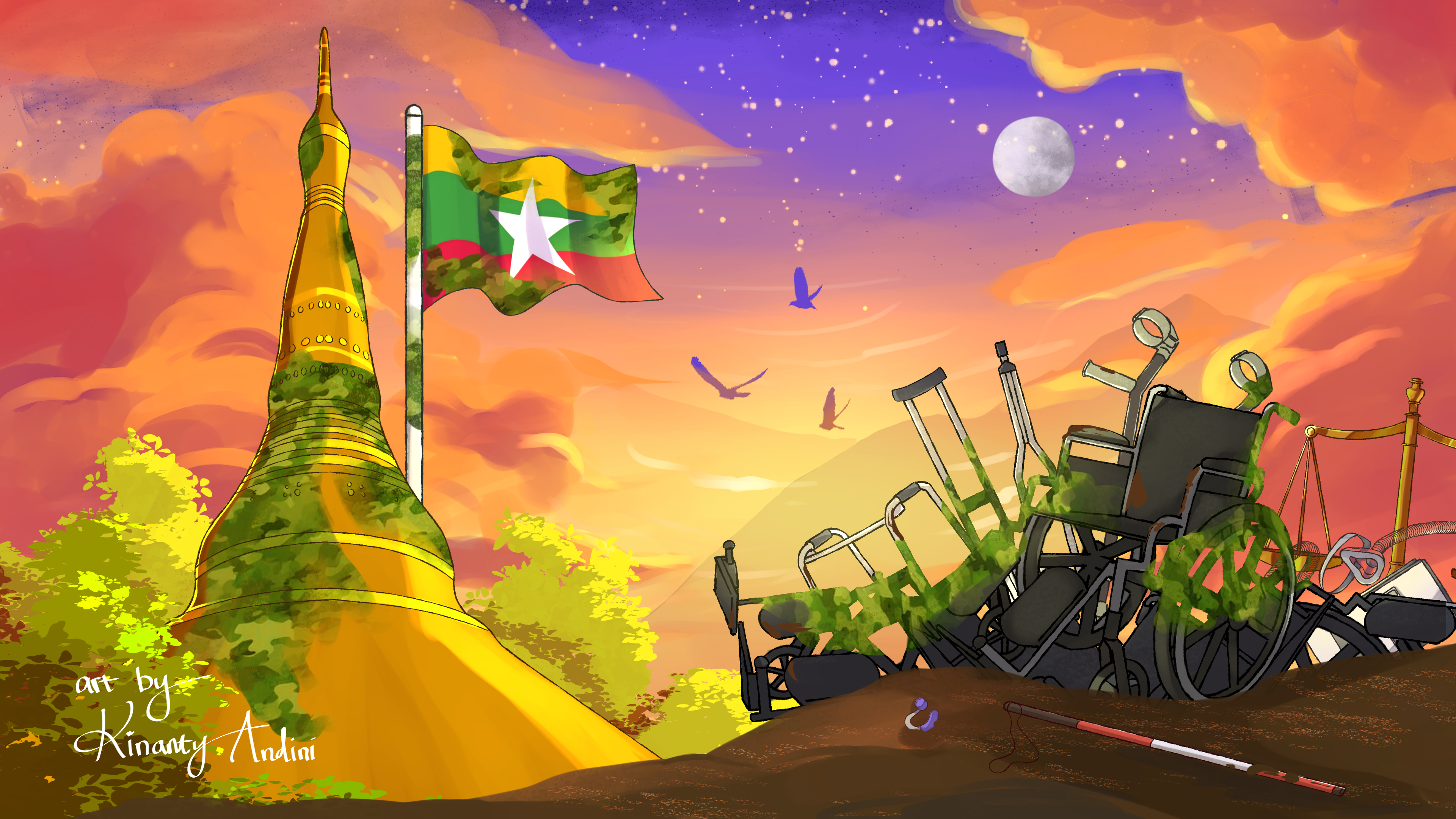
Before Myanmar’s 2021 military coup, disability advocates were helping shape national policy for the first time in decades. Laws expanded access to education, transportation, and public life. Today, much of that progress has collapsed. A new UN report describes a “hidden crisis,” documenting targeted violence, deadly attacks, and the exclusion of people with disabilities from warnings, aid, and services. As conflict creates new disabilities and organizations are forced underground, advocates work quietly to preserve rights that once seemed within reach.
‘I Just Want to Walk Alone’
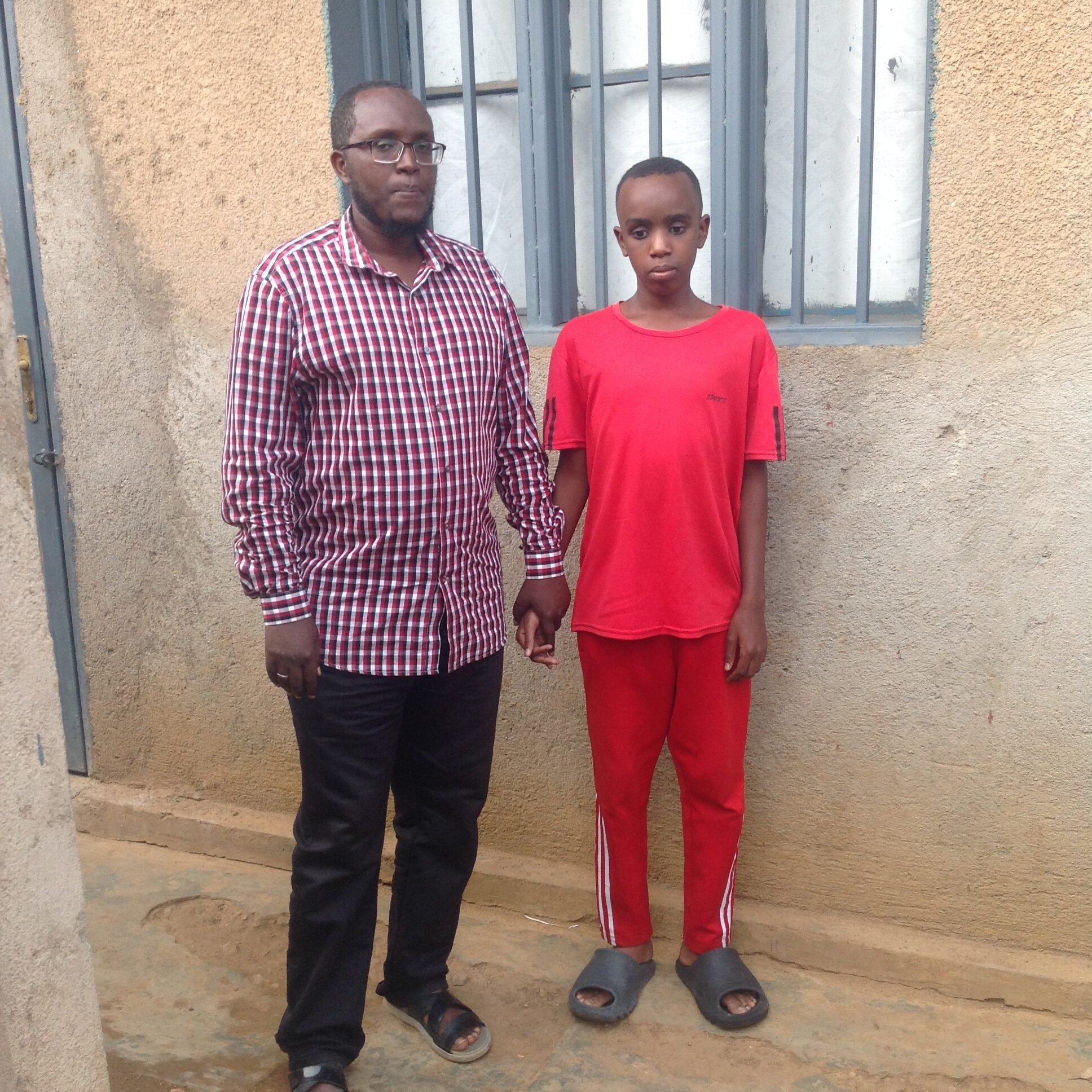
Fourteen-year-old Saifi Qudra relies on others to move safely through his day. Like many blind children in Rwanda, he has never had a white cane. His father, Mussah Habineza, escorts him everywhere. “He wants to walk like other children,” Habineza says, “He wants to be free.” Across Rwanda, the absence of white canes limits children’s mobility, confidence, and opportunity. For families, it also shapes daily routines, futures, and the boundaries of independence.
‘Evacuation Routes Are Meant for People Who Can Run’
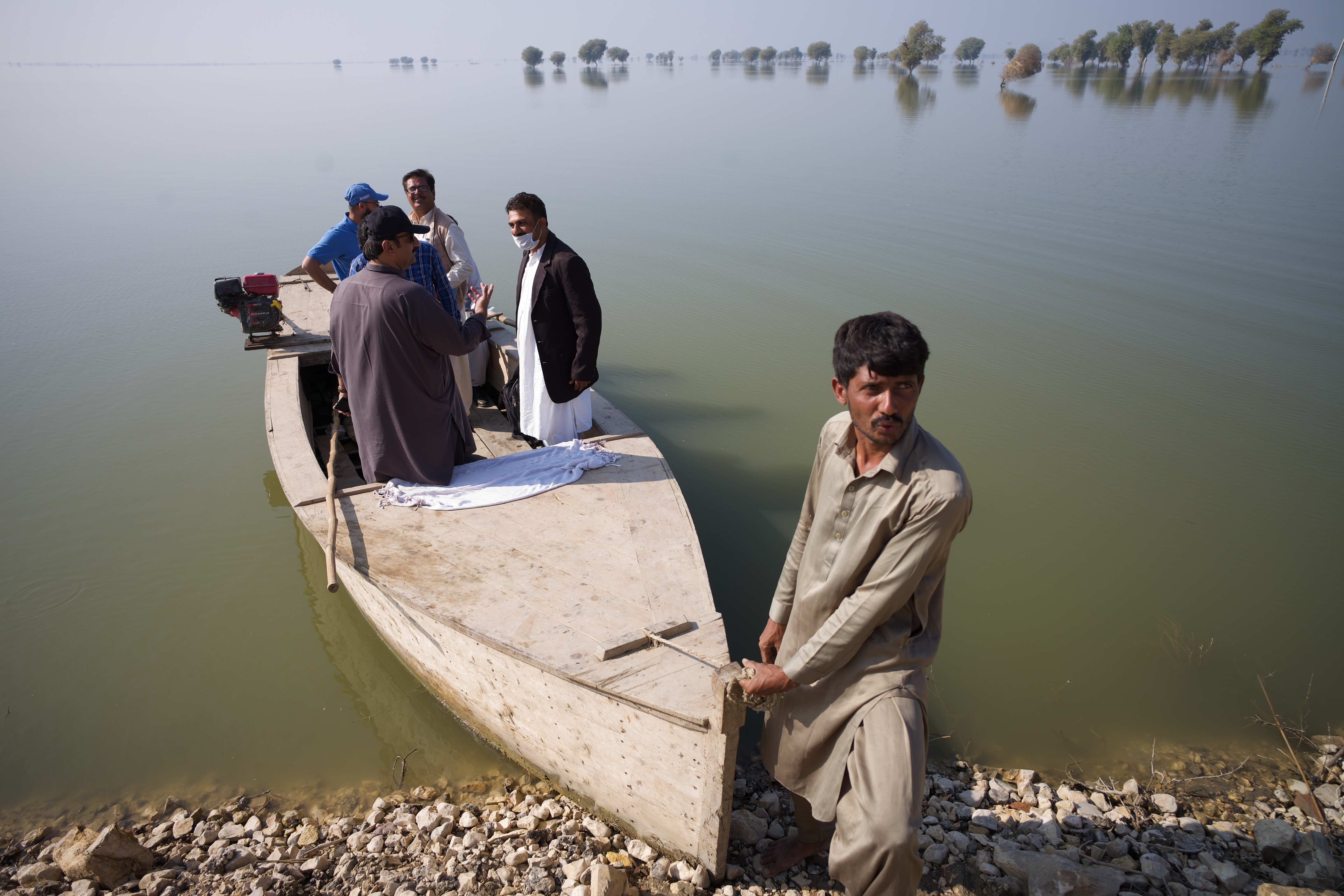
As climate change and conflict intensify across Pakistan, emergency systems continue to exclude people with disabilities. Warning messages, evacuation routes, and shelters are often inaccessible, leaving many without critical information when floods or violence erupt. “Evacuation routes are built for people who can run,” Deaf author and policy advocate Kashaf Alvi says, “and information is broadcast in ways that a significant population cannot access.”
Read more about ‘Evacuation Routes Are Meant for People Who Can Run’
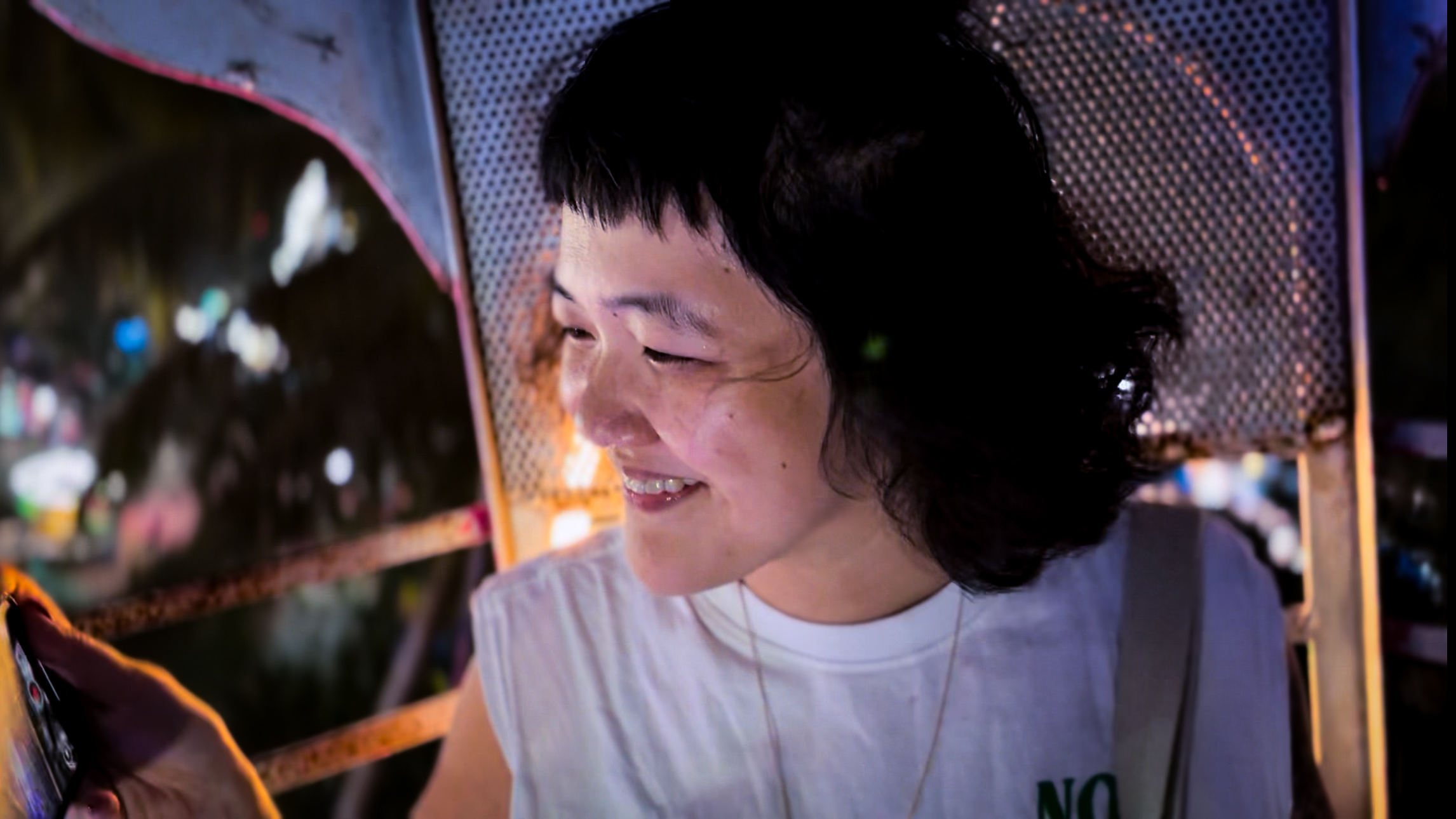
Autism, Reframed
Late in life, Malaysian filmmaker Beatrice Leong learned she was autistic and began reckoning with decades of misdiagnosis, harm, and erasure. What started as interviews with other late-diagnosed women became a decision to tell her own story, on her own terms. In The Myth of Monsters, Leong reframes autism through lived experience, using filmmaking as an act of self-definition and political refusal.
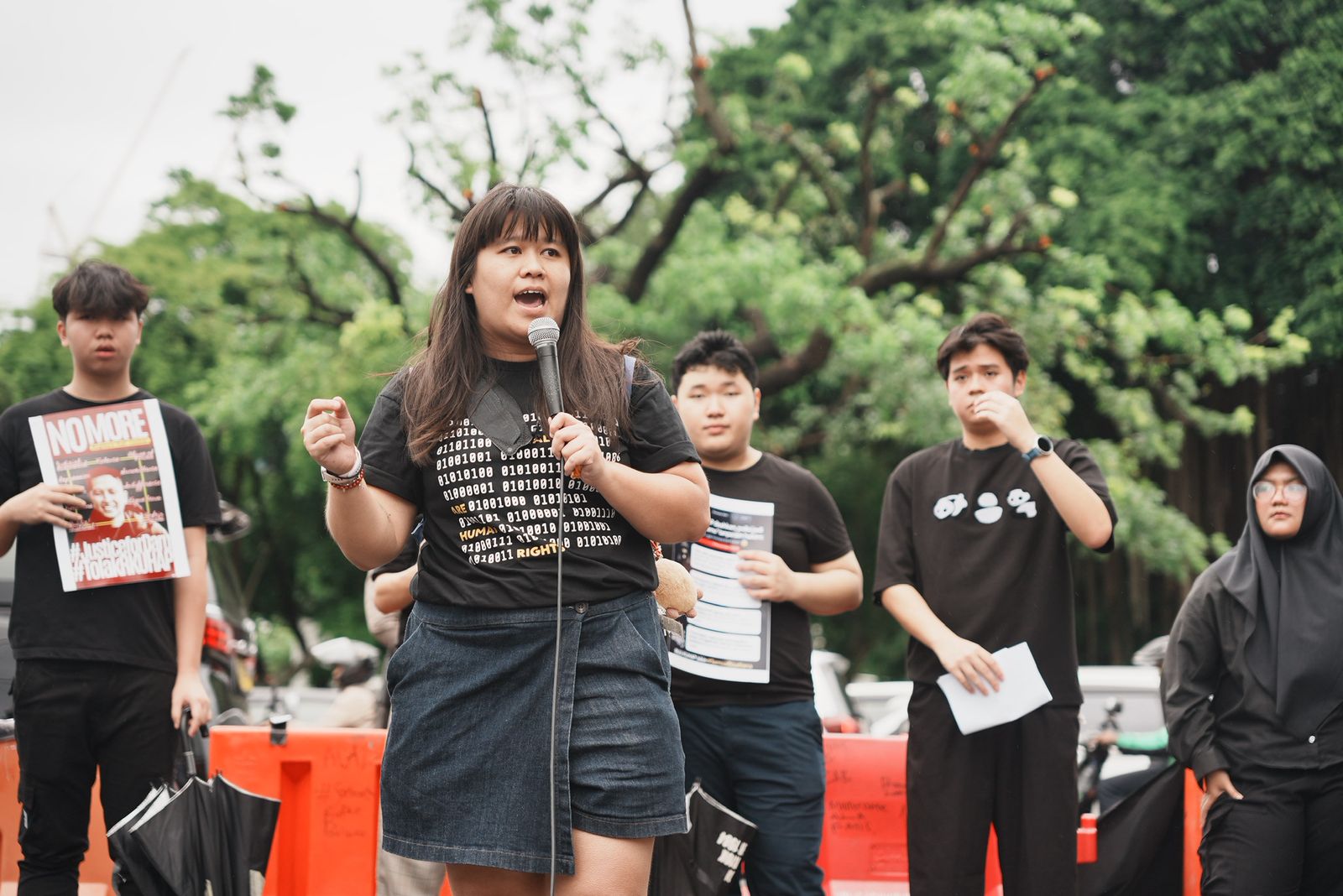
Disability and Due Process
As Indonesia overhauls its criminal code, disability rights advocates say long-standing barriers are being reinforced rather than removed. Nena Hutahaean, a lawyer and activist, warns the new code treats disability through a charitable lens rather than as a matter of rights. “Persons with disabilities aren’t supported to be independent and empowered,” she says. “… They’re considered incapable.”
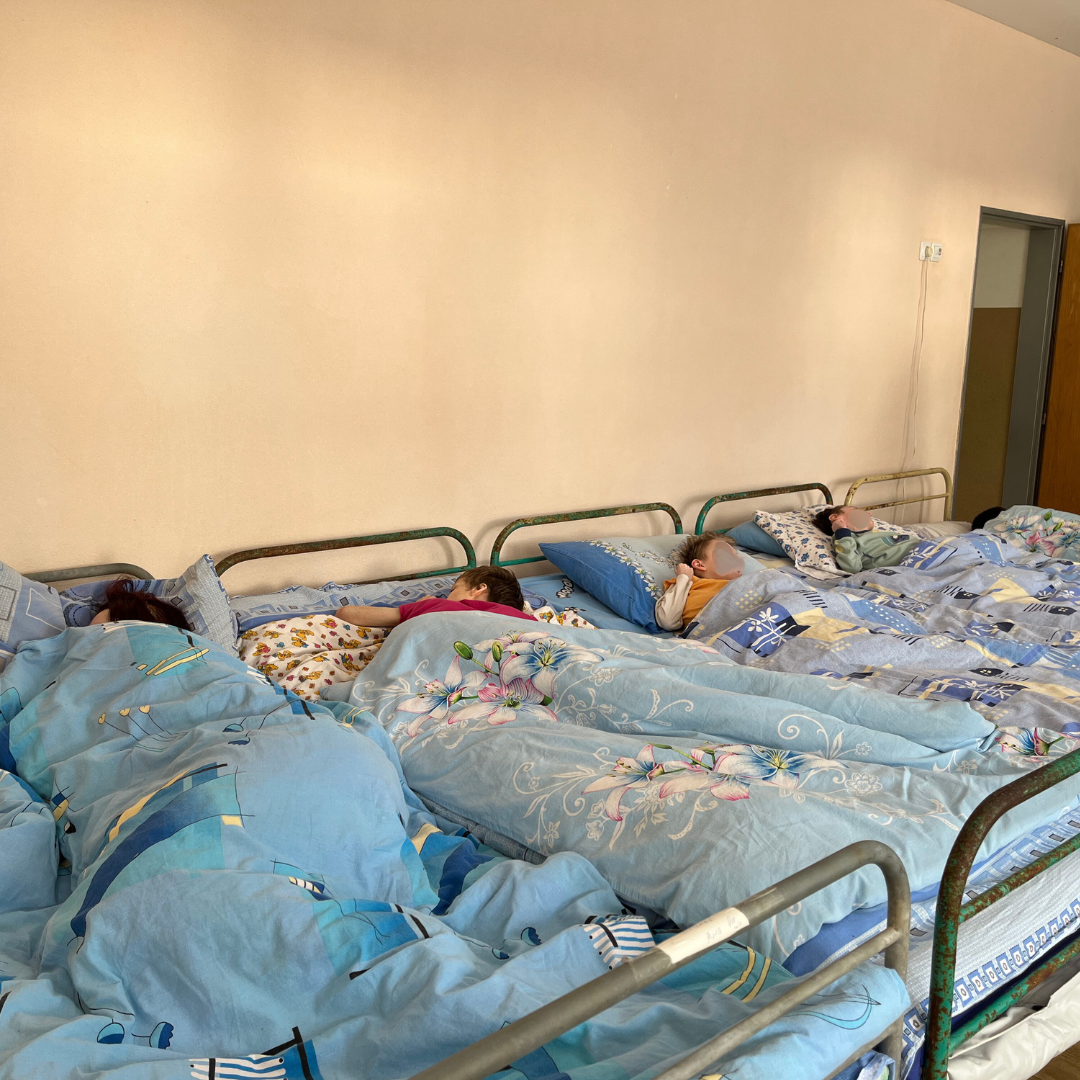
Disability in a Time of War
Ukraine’s long-standing system of institutionalizing children with disabilities has only worsened under the pressures of war. While some facilities received funding to rebuild, children with the highest support needs were left in overcrowded, understaffed institutions where neglect deepened as the conflict escalated. “The war brought incredibly immediate, visceral dangers for this population,” says DRI’s Eric Rosenthal. “Once the war hit, they were immediately left behind.”