News
Voices Unsilenced
Reclaiming the Inclusion of Persons with Psychosocial Disabilities in Nepal
February 14, 2024
LALITPUR, Nepal – People with disabilities form 2.2% of Nepal’s population. Nepal’s 2021 Census estimates the population of individuals with psychosocial disabilities to be approximately 27,500, or 4.2% of the total disabled population. Experts say that this data is underreported due to various factors, primarily stemming from a lack of awareness about psychosocial disabilities among individuals, their family members, and communities.
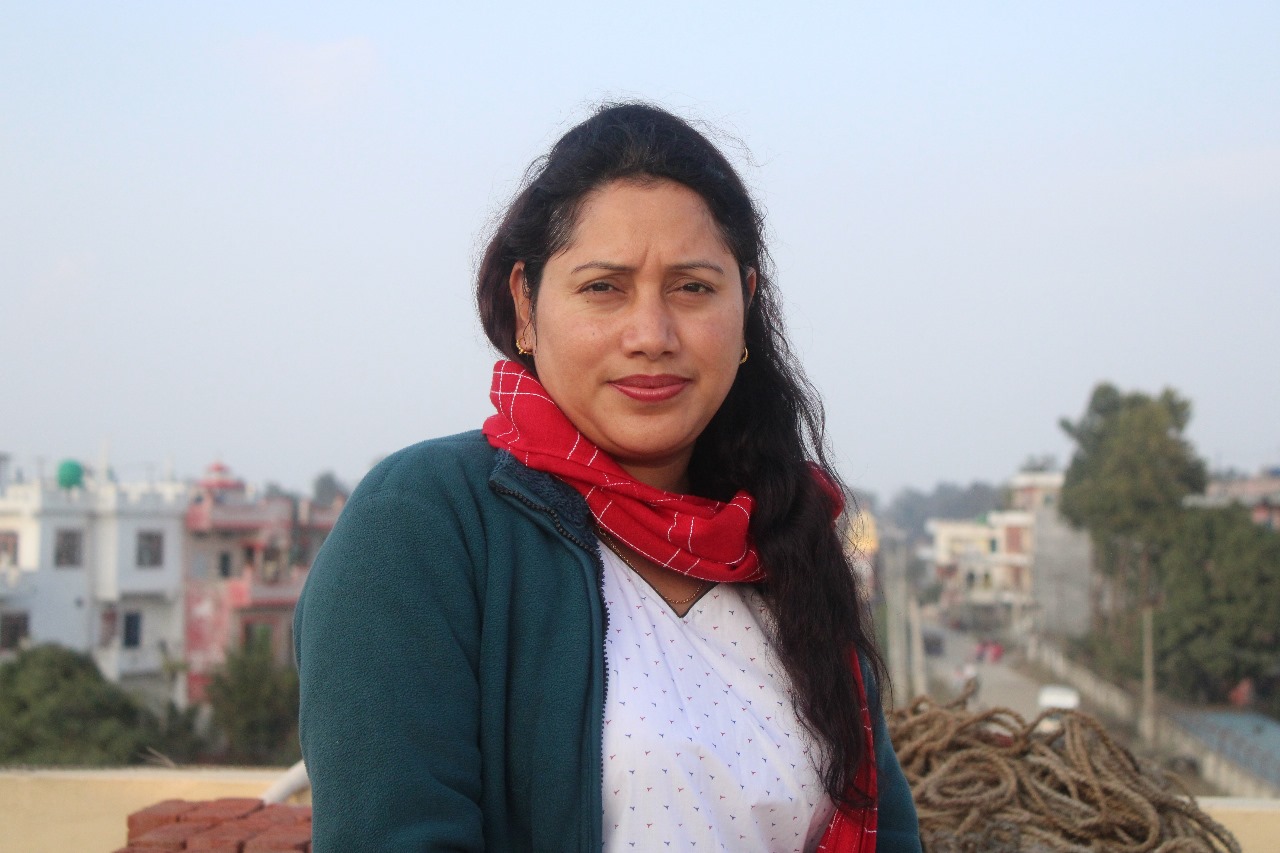
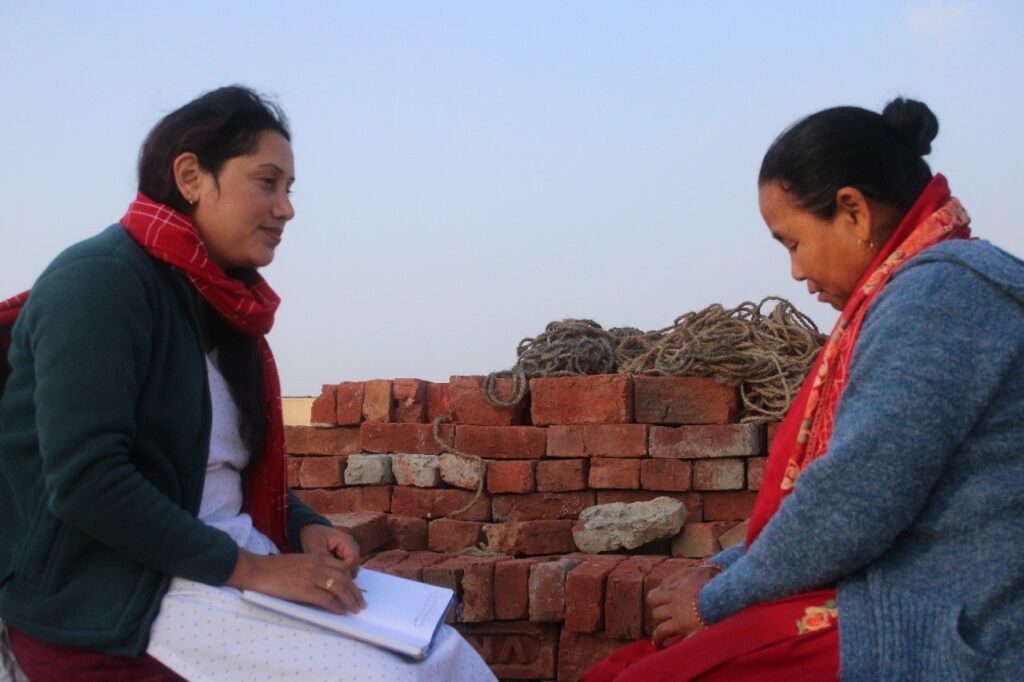
Among the organizations supporting persons with psychosocial disabilities in Nepal, KOSHISH is a pioneering non-profit working at the grassroots. Srijana KC, 31, is a psychosocial counselor at KOSHISH. In her role, she amplifies the voices of people with psychosocial disabilities and connects them with the local government, employment providers, insurance agents, and legal aid providers to access their rights.
In this edited interview with her colleague and DJP Fellow, Sanjaya Neupane, Srijana shares how her psychosocial disability shaped her activism and commitment to disability rights.
Question: Can you share the challenges you’ve faced with mental health and any factors that have played a crucial role in your struggles?
Answer: I have experienced mental health challenges since my early childhood due to my seizure disorder. This included difficulties in walking, experiencing frequent seizures, generally twice a day, leading to bruises and sores all over my body. Beyond these physical struggles, the stigma associated with seizures led to instances of inappropriate treatment from both teachers and friends. Derogatory comments and attempts, driven by negative stereotypes, such as the belief that sniffing foul-smelling socks could prevent seizures or forcibly placing a spoon in the mouth to prevent tongue biting, were unfortunately common practices during that time.
My seizures intensified significantly after the death of my father when I was 13 or 14 years old. Initially, traditional health practices were sought [by my family], as was common in many villages and some urban areas during that period.
Eventually, my family sought psychiatric help, and I was prescribed medications, including drugs that made me drowsy.
Question: Can you describe how your access to medication and employment opportunities was affected by your condition?
Answer: My siblings provided treatment and medical support for one month when I was 16 and then discontinued the support. I needed to earn to continue the medication. [I was] struggling with a lack of skills and support. [But] employment [was] the only alternative for supporting continuous medication while continuing my education. After passing [10th grade], I started working as a laborer in the afternoon, attending college in the morning. Finding employment was not difficult during that period but [it was] hard to continue with.
My employers fired me due to their [stereotypical thinking] that [because of my] mental health challenges, I would damage materials, pass out from a seizure, or accidentally spill blood and foam from my mouth, potentially spreading it to others.
That pushed me to become a street vendor. I would sell fruits, vegetables, and sometimes chatpate and pani puri (sweet and sour Indian street food).
Question: Is such discrimination common in Nepali society?
Answer: I have been consistently supporting and facilitating peer support groups across various regions of Nepal since 2017, collaborating with different projects at KOSHISH. [I have found that] many individuals encounter difficulties marked by stereotypes and isolation within their families. Their voices are often excluded, neglected, or given insufficient attention. Unfortunately, those with mental health challenges are sometimes unfairly labeled as lazy, unresponsive, erratic, or even lunatics. These judgments may stem from attitudinal biases and ignorance, stigma, or misconceptions.
Question: Who do you believe holds significant influence or power in driving societal change for mental health? How can various stakeholders contribute?
Answer: Often dismissed as individual problems, mental health issues are societal issues. Advocacy in this realm should not be limited to specific groups. It involves every individual, be it professionals, community-based organizations, government and non-governmental bodies, activists, human rights organizations, civil society, journalists, farmers, laborers, industrialists, and business communities.
Mental health conditions are not confined to any particular strata, affecting individuals across the spectrum of wealth, success, love, devotion, or hate.
Question: Could you share a pathway for the inclusion of persons with psychosocial disabilities in your community?
Answer: Mental health and psychosocial disabilities are often misunderstood and present multifaceted challenges, hindering full inclusion in the community. This is fundamentally a human rights issue, demanding the establishment of quality services and responsive procedures, both medical and non-medical.
Our focus should extend beyond curative measures; we must invest in community education, reaching both remote and urban areas. It is crucial to instill hope in society, recognizing that individuals with psychosocial disabilities can significantly contribute.
Concrete steps like implementing inclusive policies, providing mental health education in prevention, promotion, and protection, and fostering workplace accommodations can play a pivotal role. Community insights will contribute significantly to the ongoing efforts to dismantle stigma and promote a more inclusive environment for those with psychosocial disabilities.
Sanjaya Raj Neupane is a passionate disability rights advocate dedicated to mentoring individuals with psychosocial disabilities. In his role as the advocacy coordinator at KOSHISH, he plays a crucial part in advancing rights, promoting inclusive livelihoods, and seamlessly integrating mental health into Nepal’s healthcare system.
News From the Global Frontlines of Disability Justice
‘I Just Want to Walk Alone’
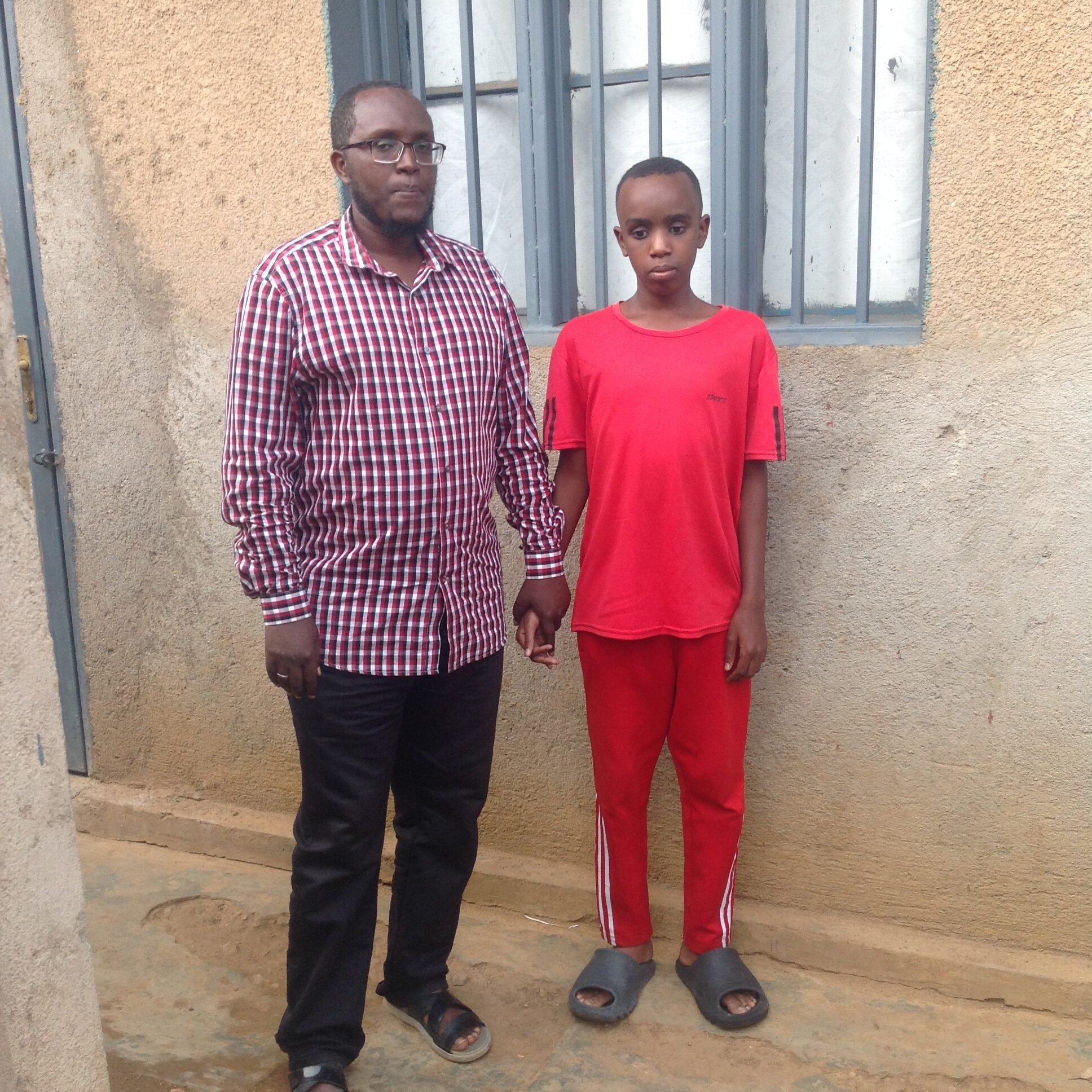
Fourteen-year-old Saifi Qudra relies on others to move safely through his day. Like many blind children in Rwanda, he has never had a white cane. His father, Mussah Habineza, escorts him everywhere. “He wants to walk like other children,” Habineza says, “He wants to be free.” Across Rwanda, the absence of white canes limits children’s mobility, confidence, and opportunity. For families, it also shapes daily routines, futures, and the boundaries of independence.
‘Evacuation Routes Are Meant for People Who Can Run’
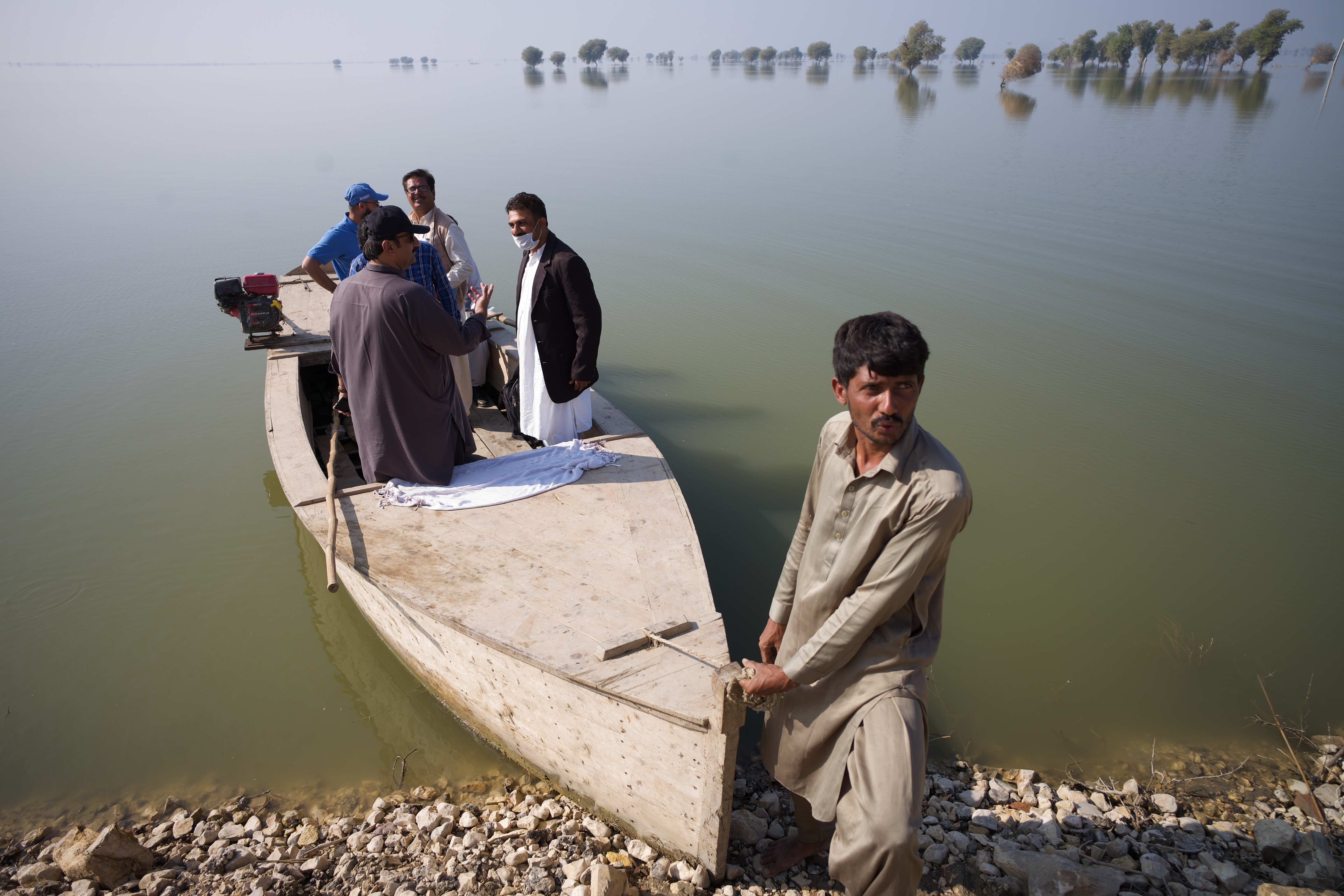
As climate change and conflict intensify across Pakistan, emergency systems continue to exclude people with disabilities. Warning messages, evacuation routes, and shelters are often inaccessible, leaving many without critical information when floods or violence erupt. “Evacuation routes are built for people who can run,” Deaf author and policy advocate Kashaf Alvi says, “and information is broadcast in ways that a significant population cannot access.”
Read more about ‘Evacuation Routes Are Meant for People Who Can Run’
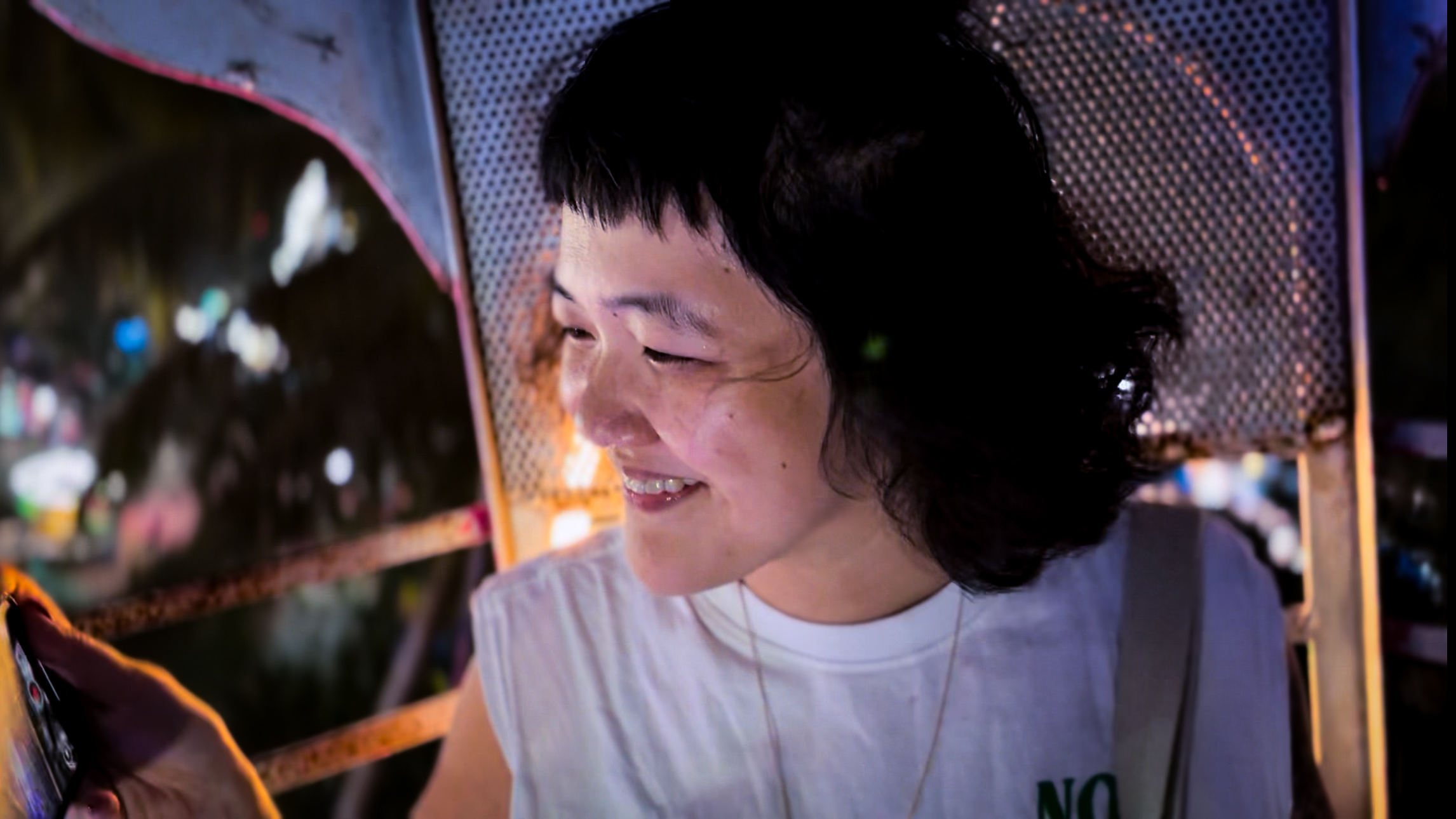
Autism, Reframed
Late in life, Malaysian filmmaker Beatrice Leong learned she was autistic and began reckoning with decades of misdiagnosis, harm, and erasure. What started as interviews with other late-diagnosed women became a decision to tell her own story, on her own terms. In The Myth of Monsters, Leong reframes autism through lived experience, using filmmaking as an act of self-definition and political refusal.
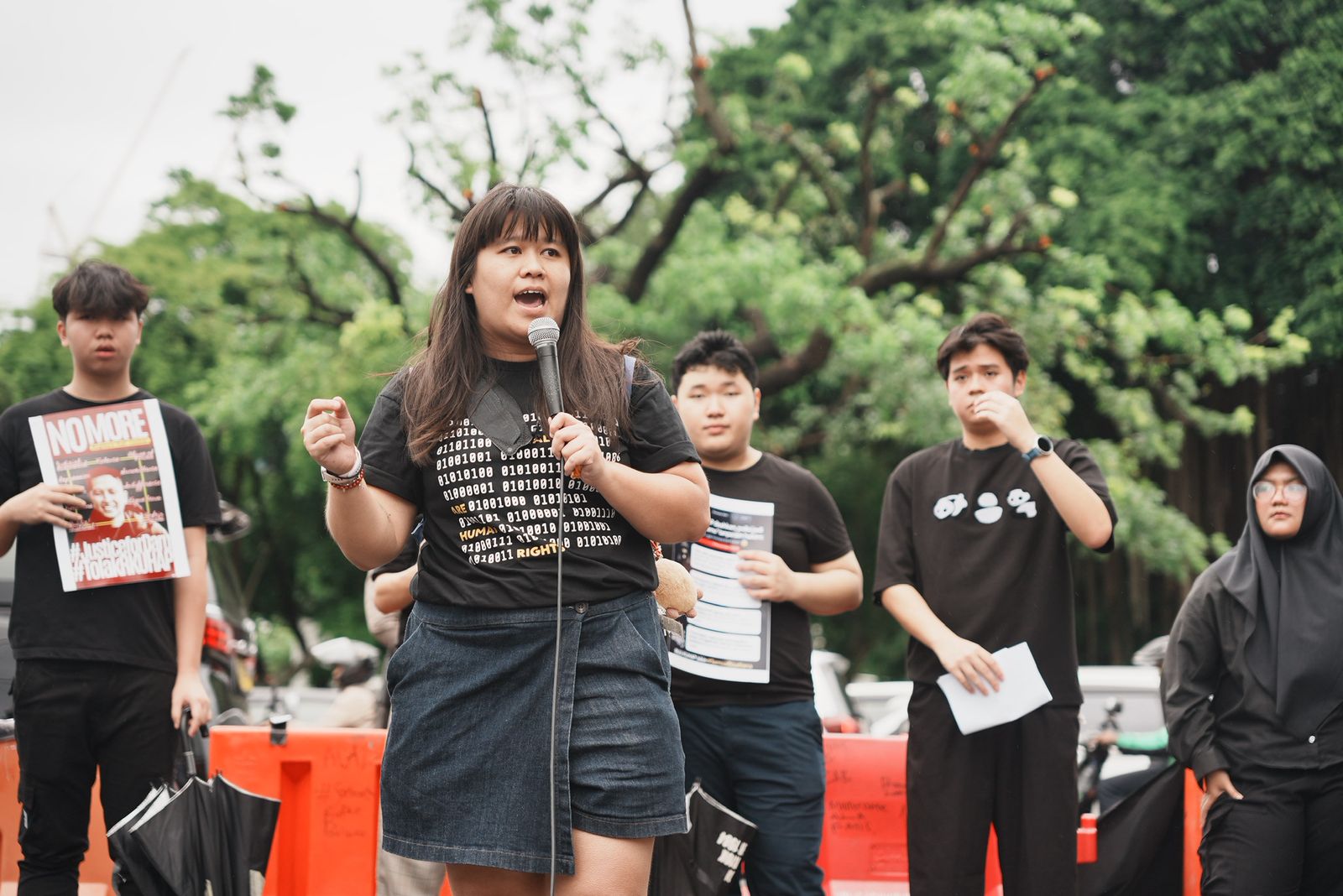
Disability and Due Process
As Indonesia overhauls its criminal code, disability rights advocates say long-standing barriers are being reinforced rather than removed. Nena Hutahaean, a lawyer and activist, warns the new code treats disability through a charitable lens rather than as a matter of rights. “Persons with disabilities aren’t supported to be independent and empowered,” she says. “… They’re considered incapable.”
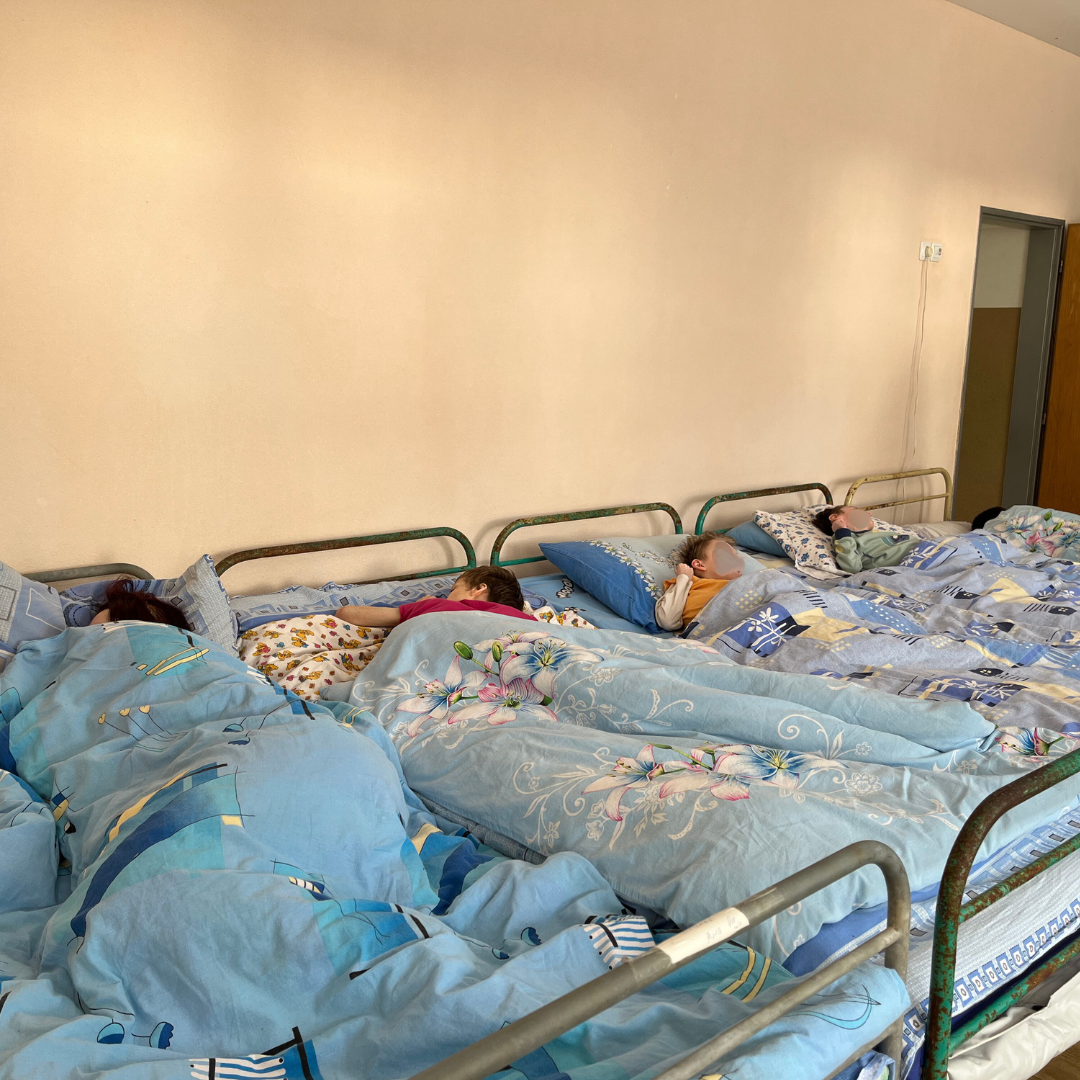
Disability in a Time of War
Ukraine’s long-standing system of institutionalizing children with disabilities has only worsened under the pressures of war. While some facilities received funding to rebuild, children with the highest support needs were left in overcrowded, understaffed institutions where neglect deepened as the conflict escalated. “The war brought incredibly immediate, visceral dangers for this population,” says DRI’s Eric Rosenthal. “Once the war hit, they were immediately left behind.”
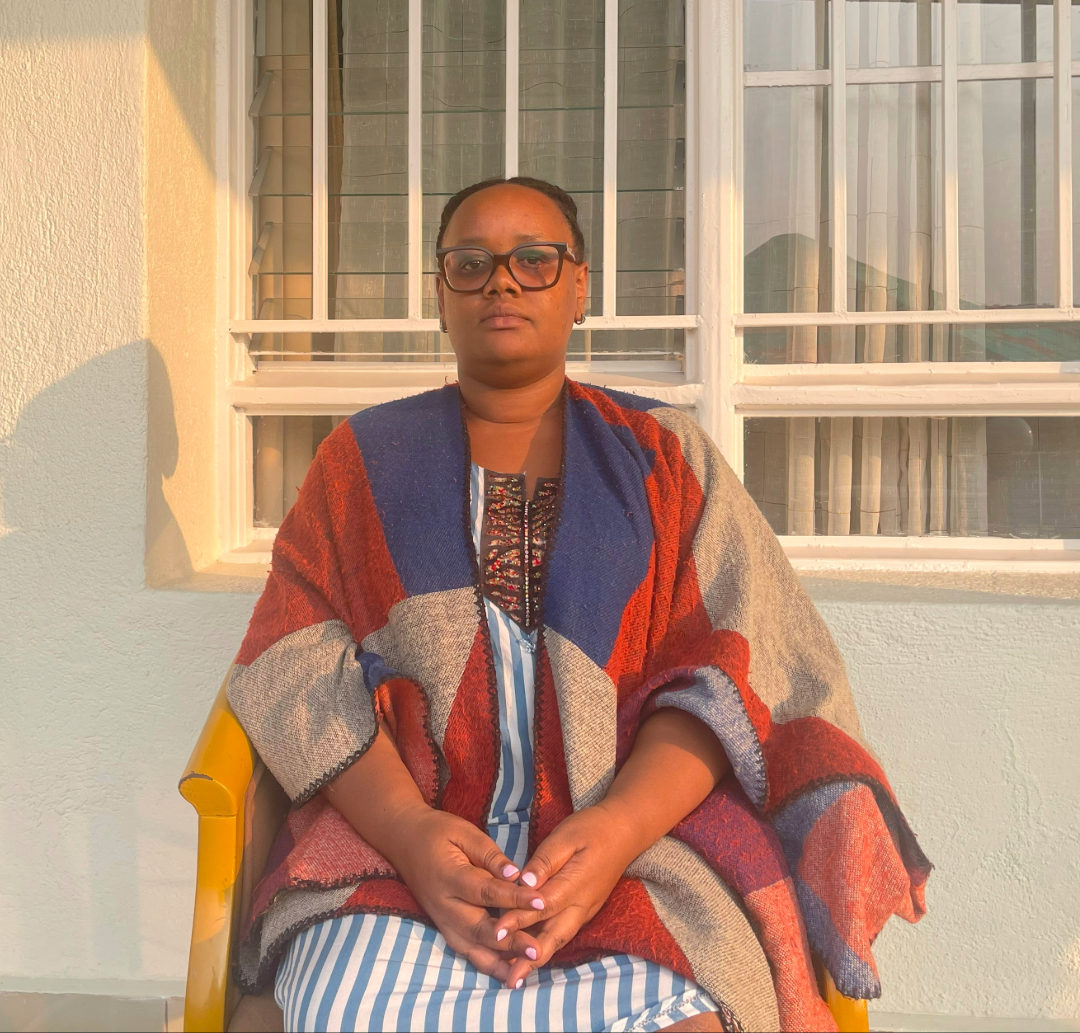
The Language Gap
More than a year after the launch of Rwanda’s Sign Language Dictionary, Deaf communities are still waiting for the government to make it official. Without Cabinet recognition, communication in classrooms, hospitals, and courts remains inconsistent. “In the hospital, we still write down symptoms or point to pictures,” says Jannat Umuhoza. “If doctors used sign language from the dictionary, I would feel safe and understood.”