News
‘You Can’t Legislate Attitudes’
Play audio version
DJP Fellow Benedicta Oyèdayọ̀ Oyèwọlé Talks about the Deterioration of Rights for Queer and Disabled Nigerians
November 14, 2022
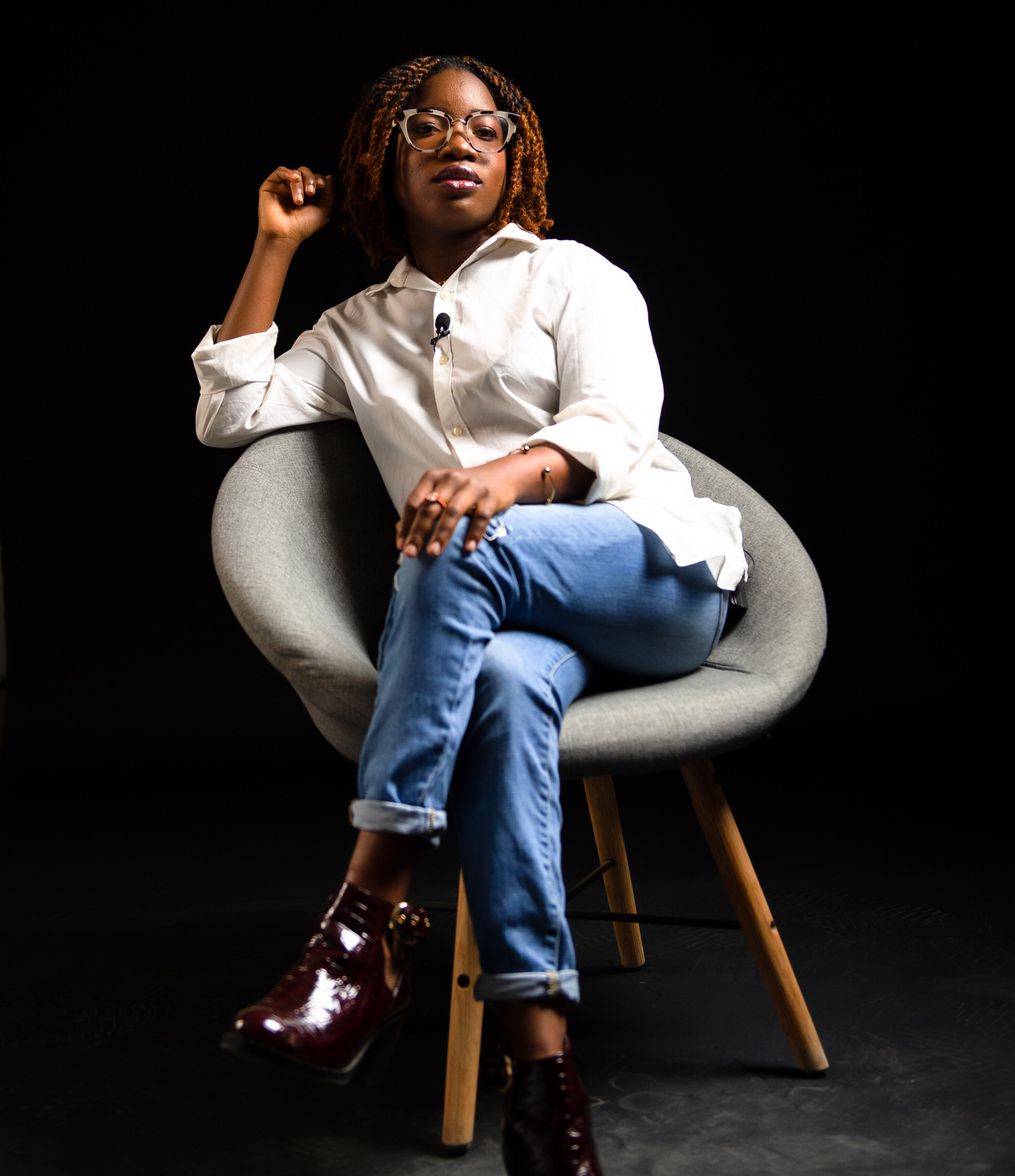
ABUJA, Nigeria – In the mid-2000s, when she was a six-year-old girl attending Catholic primary school in West Africa, Benedicta Oyèdayọ̀ Oyèwọlé had one goal in mind: survival. Born with cerebral palsy in the southwestern Nigerian city of Ibadan, one of the country’s most populous areas, Oyèwọlé and her leg braces, the result of numerous surgeries to improve her mobility, were seen as a threat to the health of other children.
“I had a classmate whose mother came to fight with my teacher for putting her daughter beside a disabled child, like [my condition] was an infectious disease, something she could contract,” says Oyèwọlé. Now a diversity and inclusion expert with the Women’s Health and Equal Rights Initiative (W.H.E.R.) in Abuja, she describes her school as a place of discrimination and fear; her academic performance faltered as she became increasingly disengaged. “I would stay back in my classroom and just cry all through the day,” she says.
Becoming a Disability Rights Advocate
Two decades later, her childhood experiences have galvanized Oyèwọlé, one of four siblings, into work as a disability rights advocate and current fellow with the Disability Justice Project. In her native Nigeria, access to public spaces and basic healthcare for persons with disabilities remains a pressing social concern. By 2018, nearly 15 percent of an estimated 195 million Nigerian citizens were living with a disability, according to data from the World Health Organization. Additionally, a 2020 report by the World Bank found that the number of persons with disabilities in Nigeria, a group disproportionately prone to poverty and societal exclusion, increased as civil unrest involving armed insurgencies and natural disasters engulfed the region.
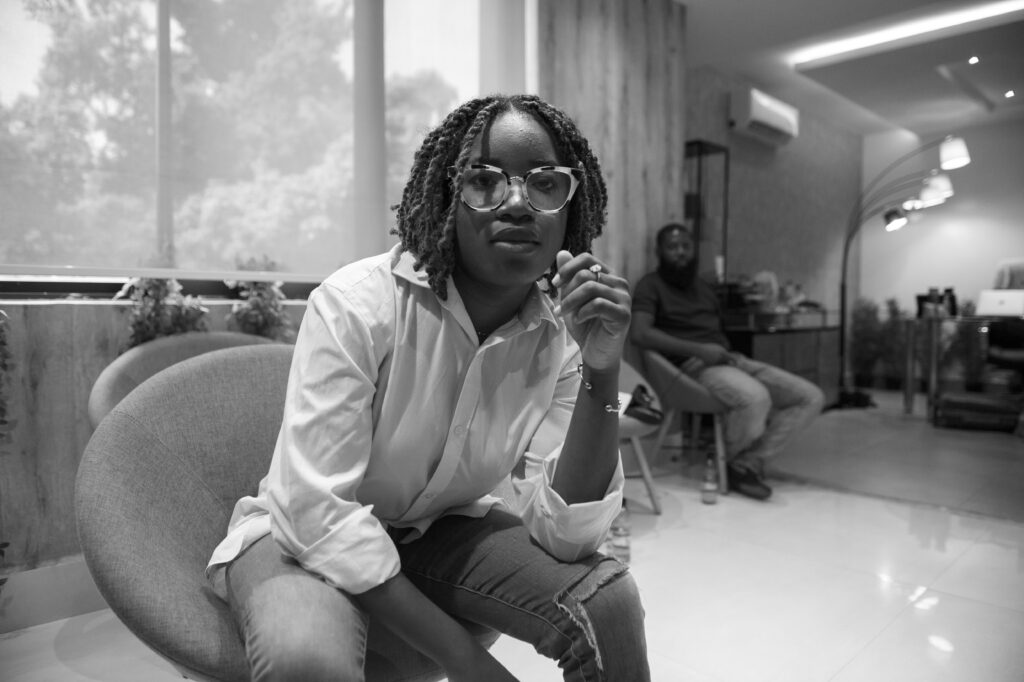
And then there’s the role of religious extremism. Some nights, around three in the morning, Oyèwọlé would carefully climb up one of Ibadan’s nearby mountaintops, which had been converted into prayer spaces, and pray for new legs. There, she would encounter a pastor who laid hands on her to “cast out the demons.” He blamed her disability on witches.
“Inclusive policies are either nonexistent, weak, or inadequately implemented,” reads the World Bank report. “There is an urgent need to improve the current socioeconomic situation of persons with disabilities in Nigeria.”
In January 2019, following nearly a decade of sustained efforts by activists, Nigeria enacted a law prohibiting discrimination on the basis of disability and subsequently established the National Commission for Persons with Disabilities (NCPWD). But according to Oyèwọlé, disability organizations have instigated greater change than anti-discrimination laws, as these laws are not often implemented or enforced. “Some programs have put the burden of equal acceptance on persons with disabilities … while it’s the society’s values that need to be clarified,” says Oyèwọlé. “It’s people’s attitudes that need to be transformed. You can’t legislate attitudes.”
Navigating Draconian Laws As a Queer, Disabled Woman
Beyond living with a disability, Oyèwọlé’s life is complicated by another aspect of her identity—she is a queer woman. Living as an LGBTQI+ person in Nigeria means cautiously navigating a patchwork of draconian laws; in addition to a nationwide ban on same-sex marriage, ex-president Goodluck Jonathan, in 2014, imposed a 14-year prison sentence for LGBTQI+ people caught in so-called “amorous relationships.” In July, three gay Nigerian men were sentenced to death by stoning, prompting an outcry from the nation’s LGBTQI+ activists.
Perhaps the most vicious punishment faced by LGBTQI+ people in Nigeria is the practice of corrective rape, where a queer woman is forced into sex with men to “correct” her sexual orientation. This barbaric practice is not unique to Nigeria. A 2022 article in the William & Mary Journal of Race, Gender, and Social Justice discusses the corrective rape of Black lesbians in South Africa and references similar crimes in Jamaica, India, Cameroon, Zimbabwe, and the United States.
If I’m looking at where I’m staying and I’m wondering if I’m outed as a queer person or a lesbian woman, I could probably be killed and nobody would be arrested.
Benedicta Oyèdayọ̀ Oyèwọlé
Oyèwọlé says that Nigerian laws oppressing LGBTQI+ persons “empower” members of the public to murder and sexually assault queer women. “If I’m looking at where I’m staying and I’m wondering if I’m outed as a queer person or a lesbian woman, I could probably be killed and nobody would be arrested,” she says. “The reality of queer people in Nigeria is very pathetic and sad.”
If a woman is outed as queer, she is often shunned by her family and forbidden from furthering her education. In order to rent an apartment, Oyèwọlé has to bring a man as her “boyfriend” to approve. “Coming out as a disabled queer person in Nigeria felt like a joke,” she says, explaining how persons with disabilities are often desexualized by society and rejected by the LGBTQI+ community.
When asked about the most important work she is doing right now, Oyèwọlé references a year-long project for which her organization “mapped out” queer people with disabilities across all of Nigeria and spoke with this community about their needs. “We are really looking forward to getting funding [for programs] with this specific population … and to explore more intersections,” she says.
Ryan Di Corpo is a contributing writer with the Disability Justice Project. His work has appeared in The Washington Post, America, Boston College Magazine, Fordham News, and WCVB/Channel 5.
@2022 Disability Justice Project. All rights reserved.
News From the Global Frontlines of Disability Justice
‘I Just Want to Walk Alone’
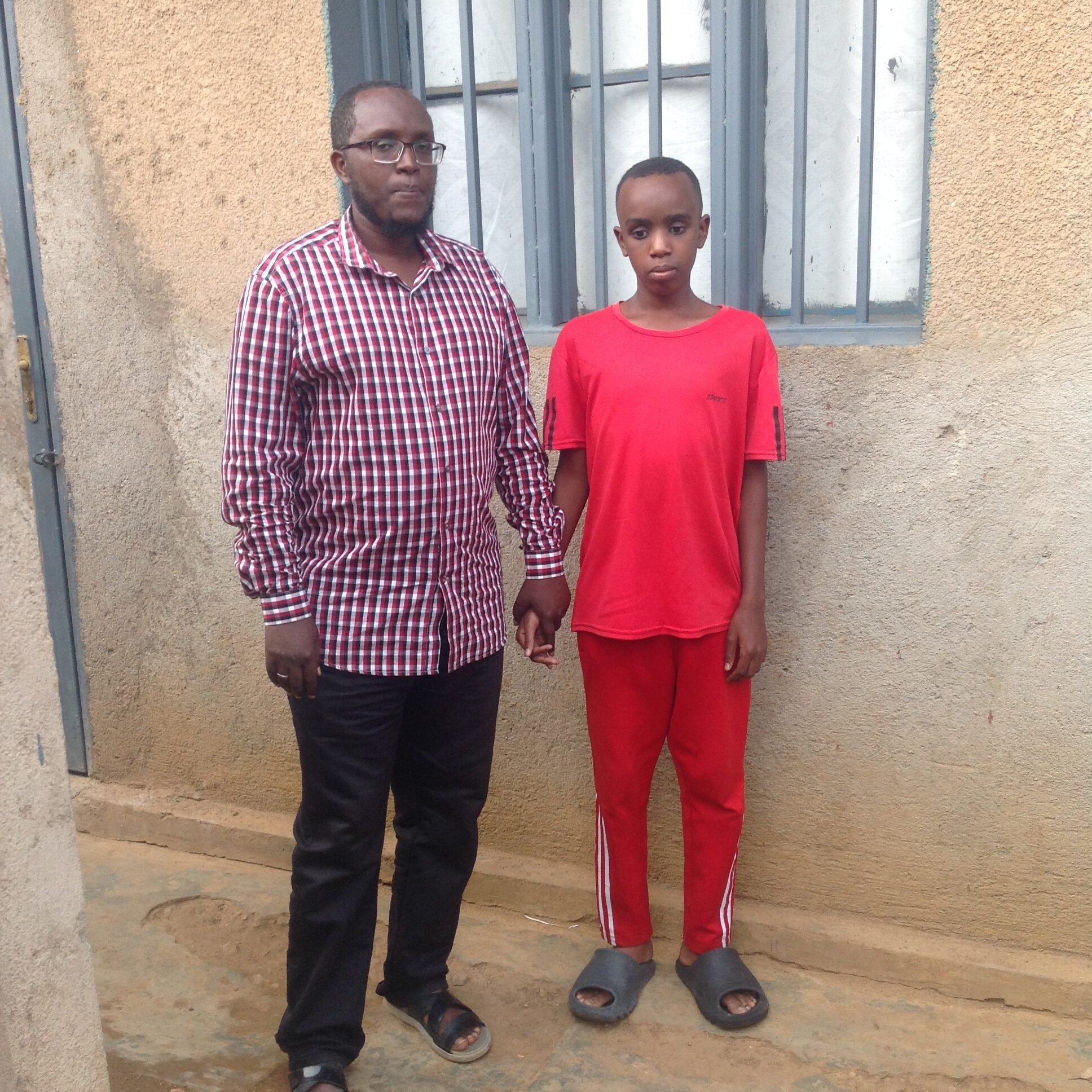
Fourteen-year-old Saifi Qudra relies on others to move safely through his day. Like many blind children in Rwanda, he has never had a white cane. His father, Mussah Habineza, escorts him everywhere. “He wants to walk like other children,” Habineza says, “He wants to be free.” Across Rwanda, the absence of white canes limits children’s mobility, confidence, and opportunity. For families, it also shapes daily routines, futures, and the boundaries of independence.
‘Evacuation Routes Are Meant for People Who Can Run’
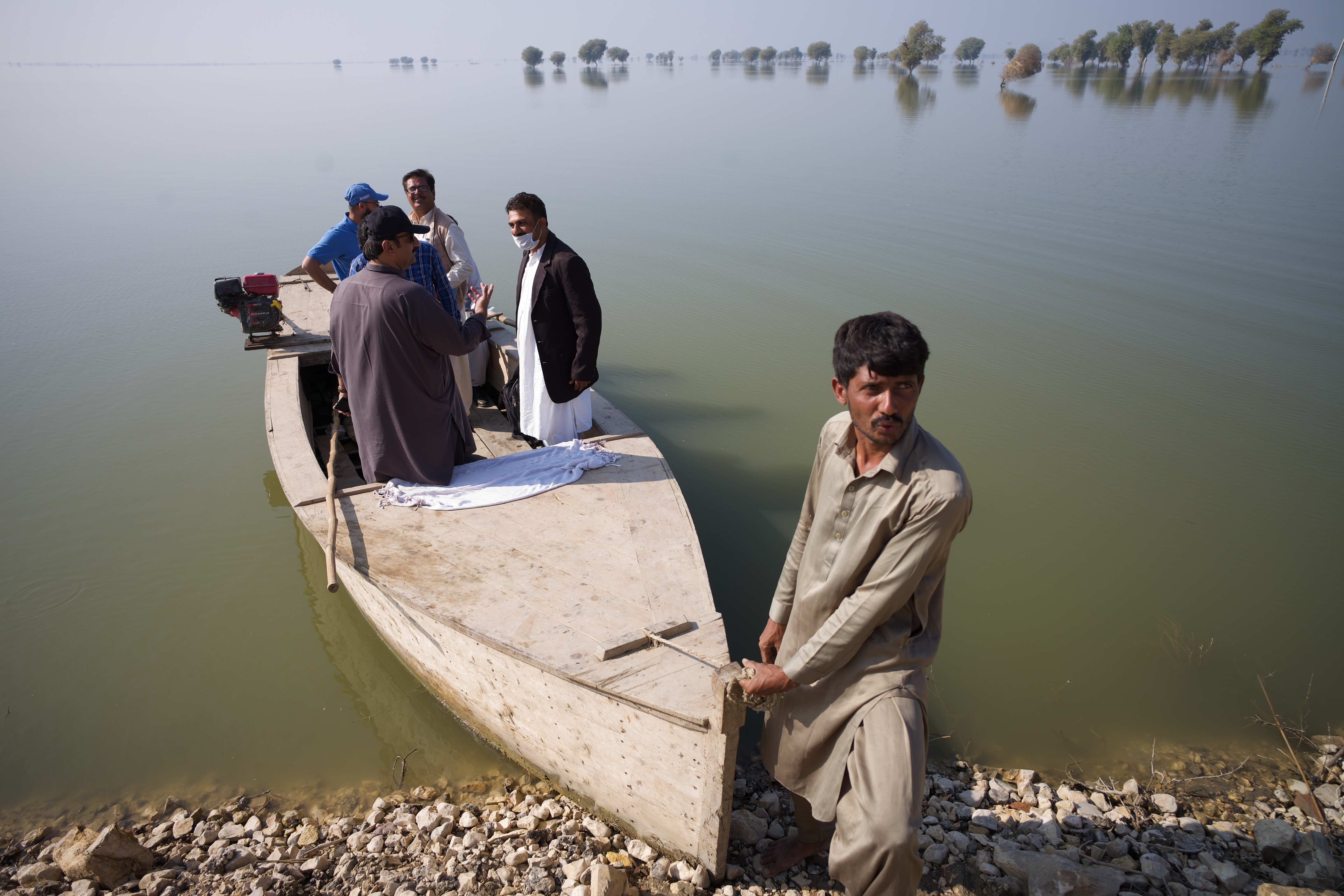
As climate change and conflict intensify across Pakistan, emergency systems continue to exclude people with disabilities. Warning messages, evacuation routes, and shelters are often inaccessible, leaving many without critical information when floods or violence erupt. “Evacuation routes are built for people who can run,” Deaf author and policy advocate Kashaf Alvi says, “and information is broadcast in ways that a significant population cannot access.”
Read more about ‘Evacuation Routes Are Meant for People Who Can Run’
Autism, Reframed
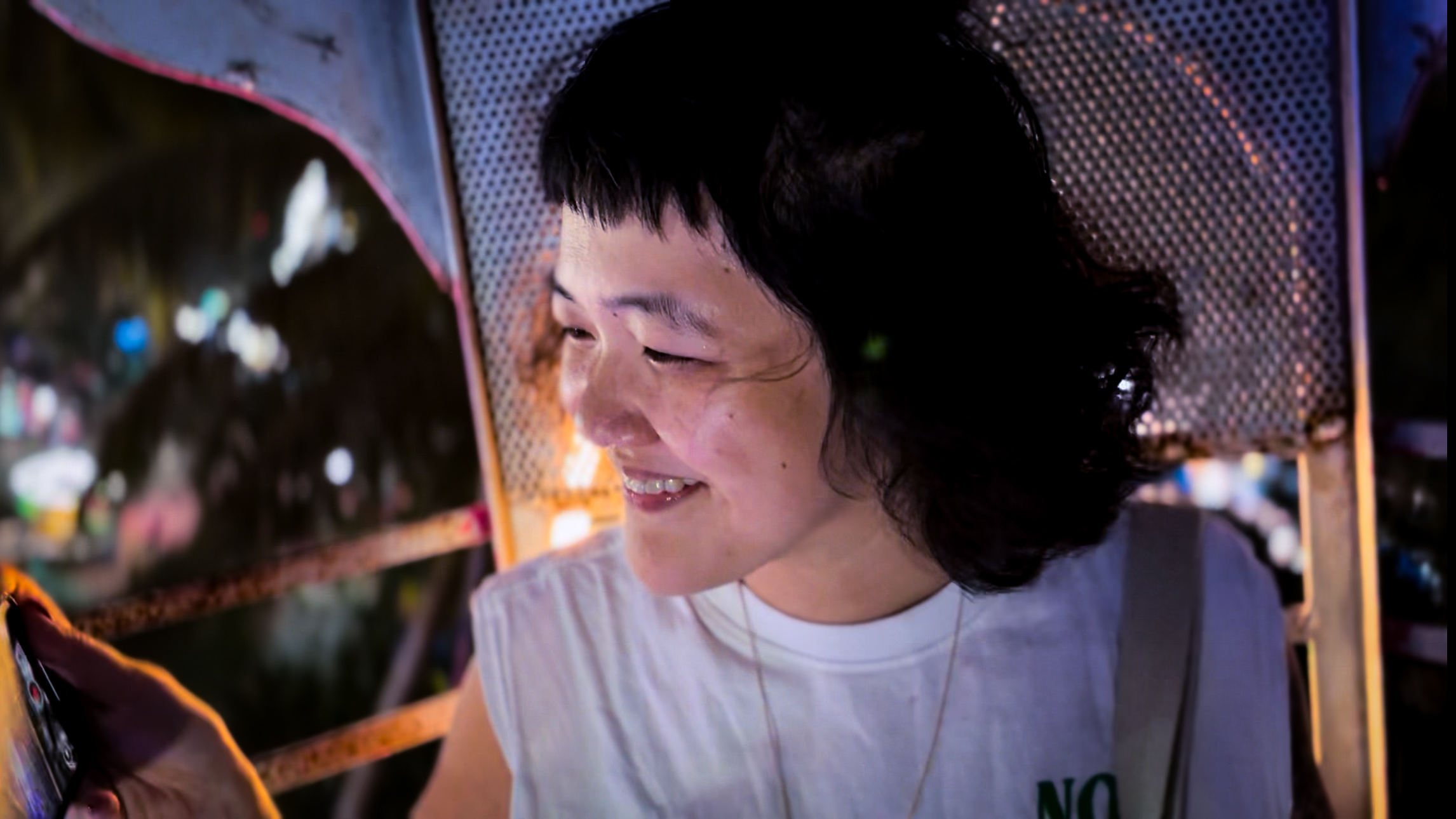
Late in life, Malaysian filmmaker Beatrice Leong learned she was autistic and began reckoning with decades of misdiagnosis, harm, and erasure. What started as interviews with other late-diagnosed women became a decision to tell her own story, on her own terms. In The Myth of Monsters, Leong reframes autism through lived experience, using filmmaking as an act of self-definition and political refusal.
Disability and Due Process
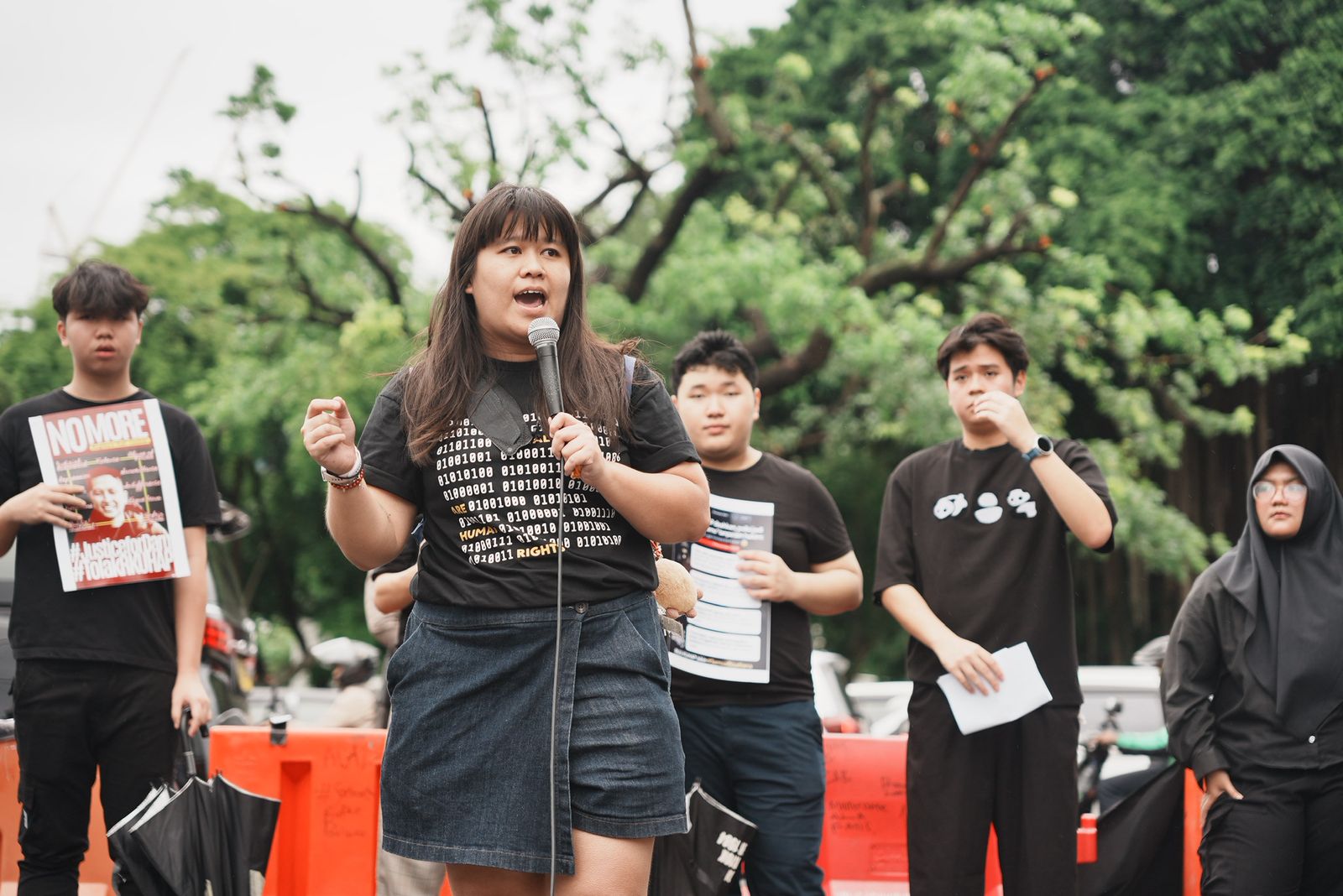
As Indonesia overhauls its criminal code, disability rights advocates say long-standing barriers are being reinforced rather than removed. Nena Hutahaean, a lawyer and activist, warns the new code treats disability through a charitable lens rather than as a matter of rights. “Persons with disabilities aren’t supported to be independent and empowered,” she says. “… They’re considered incapable.”
Disability in a Time of War
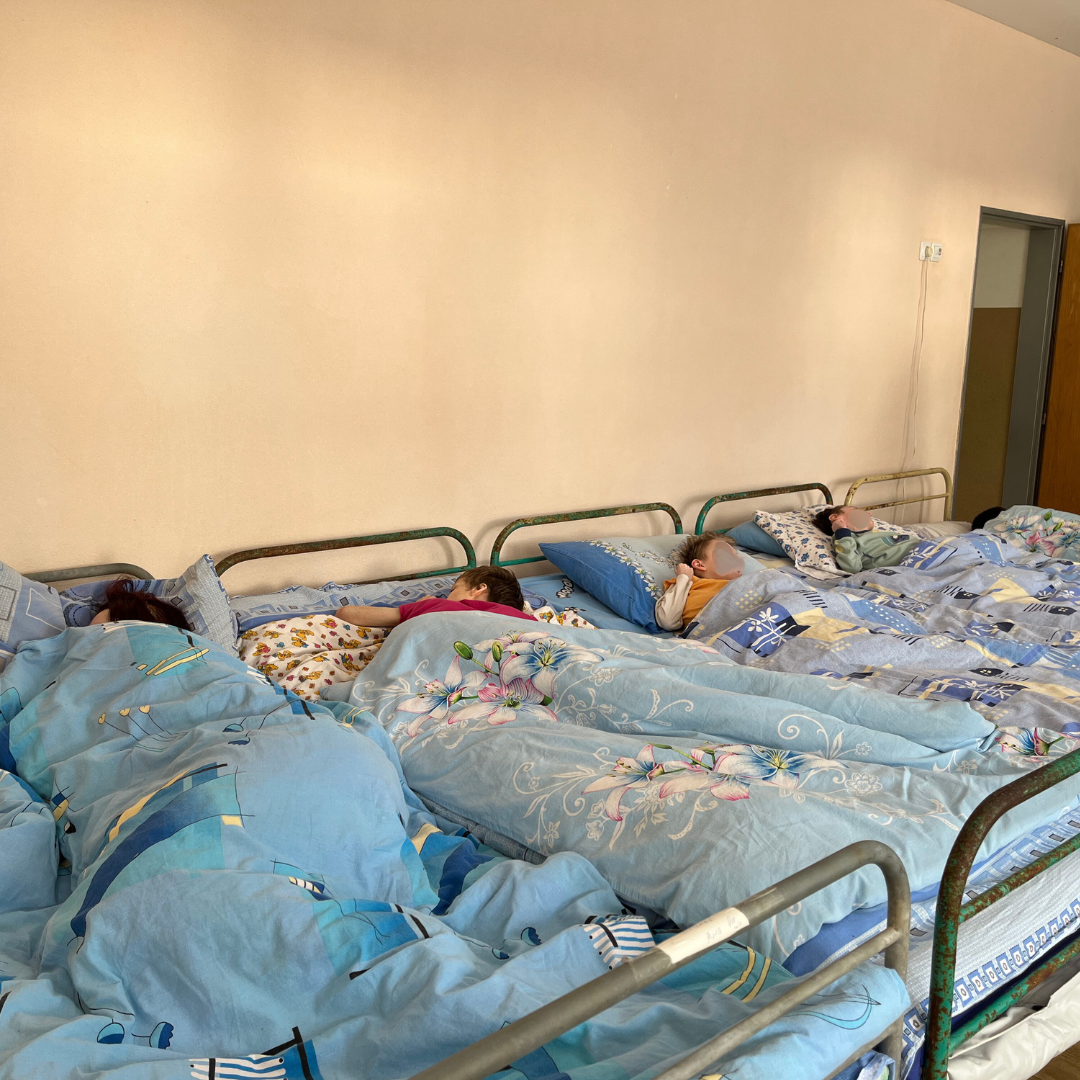
Ukraine’s long-standing system of institutionalizing children with disabilities has only worsened under the pressures of war. While some facilities received funding to rebuild, children with the highest support needs were left in overcrowded, understaffed institutions where neglect deepened as the conflict escalated. “The war brought incredibly immediate, visceral dangers for this population,” says DRI’s Eric Rosenthal. “Once the war hit, they were immediately left behind.”
The Language Gap
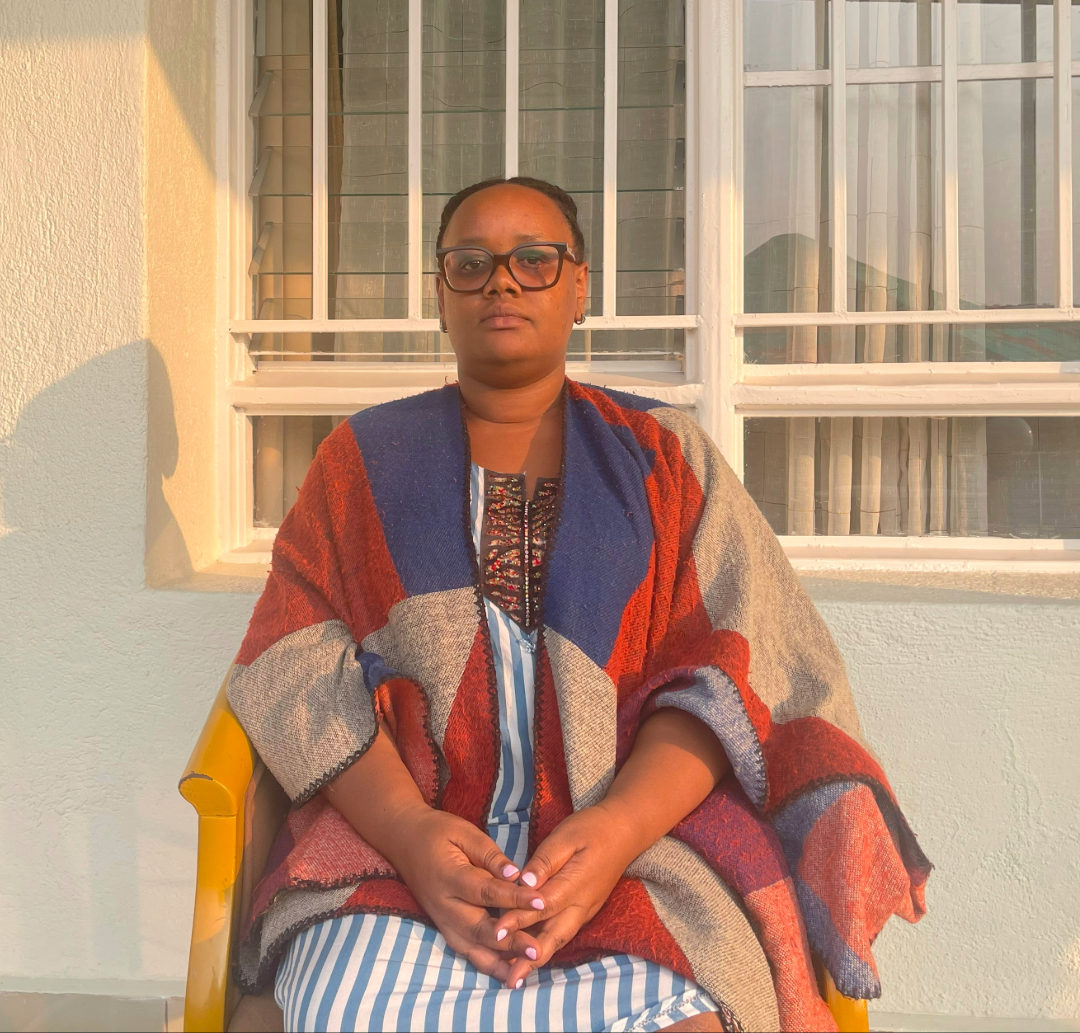
More than a year after the launch of Rwanda’s Sign Language Dictionary, Deaf communities are still waiting for the government to make it official. Without Cabinet recognition, communication in classrooms, hospitals, and courts remains inconsistent. “In the hospital, we still write down symptoms or point to pictures,” says Jannat Umuhoza. “If doctors used sign language from the dictionary, I would feel safe and understood.”