News
Breaking Barriers Through the Lens
DJP Fellow Sa Utailesolo Wants to Share His Video Production Knowledge with Others to Further the Cause of Disability Rights in Samoa
June 30, 2023
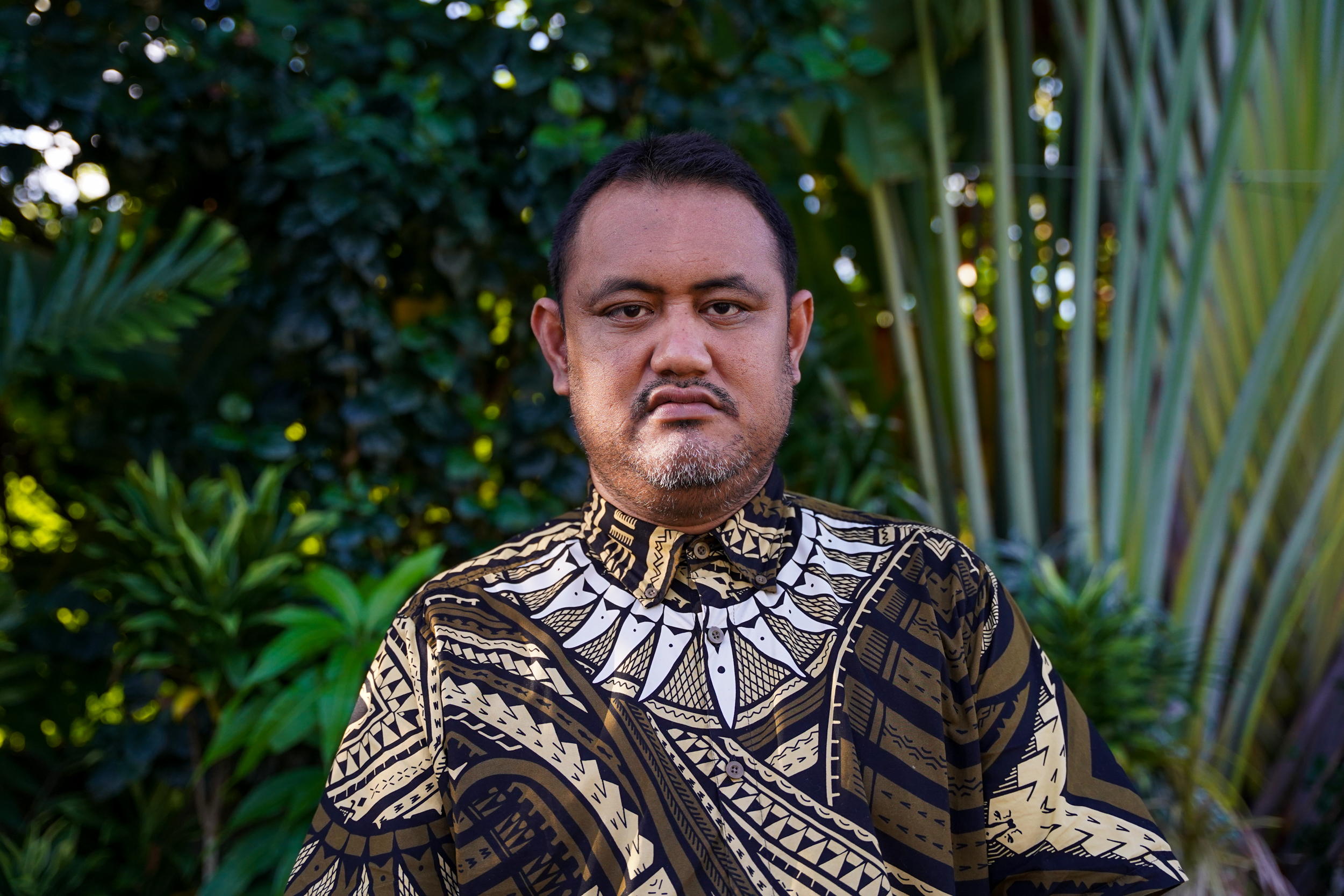
APIA, Samoa – Question: Tell me your name and which organization you are working for and your role and responsibilities.
Answer: My name is Sa. I’m from the village of Napier, and I’m a man, 41 years of age. I’m married and have one son. I work at NOLA [Nuanua O Le Alofa] as finance and administration. Fifteen years of my service to the organization. NOLA is a national advocacy organization here in Samoa. And also it’s the only OPD here in Samoa.
Question: What is your motivation to apply for the Disability Justice Project?
Answer: Because this program it’s help for us to do our work, like to advocate and make tools or videos to promote our rights of persons with disabilities.
Question: What challenges do you face when you tried to apply for this program or what challenges might you expect to come across when participating in this DJP program?
Answer: English is not our first language, but we try so hard to understand and they make things easy to understand. As a person who is visually impaired, it’s quite hard to see things like the demonstration, to explain things like seeing the cameras.
Question: So what are some of your expectations that you would like to achieve after joining this DJP?
Answer: One of the expectations, it’s to know how to make or produce a video and also how to write the stories that go along with the videos.
Question: Tell me about your plan, after obtaining this program.
Answer: First thing when I return back to our office, it’s to make a video. The other thing is to train and share my knowledge with other colleagues. And also to make more videos so you can get better and better for making a documentary or promotional materials for ours. Like, I said, this is a good experience to promote our organization and also our work to the community and the country.
Question: What is your message to other people with disabilities out there who also might want to participate in such a program like DJP?
Answer. This is an amazing project to promote our rights. This is the first training for the Pacific region, so I think it’s nice to have another opportunity for our Pacific people. If they had other opportunities for a disability community here in the Pacific, I’d like them to use wisely the opportunity if they got the chance to participate.
DJP Fellow Melvina Voua is involved in many volunteer activities with youth groups, women’s groups and people with disabilities in her community. She is a member of People with Disability Solomon Islands (PWDSI), the umbrella body of organizations for people with disabilities in the Solomon Islands. @2023 PWDSI. All rights reserved.
News From the Global Frontlines of Disability Justice
‘Everything Has Gone Back’
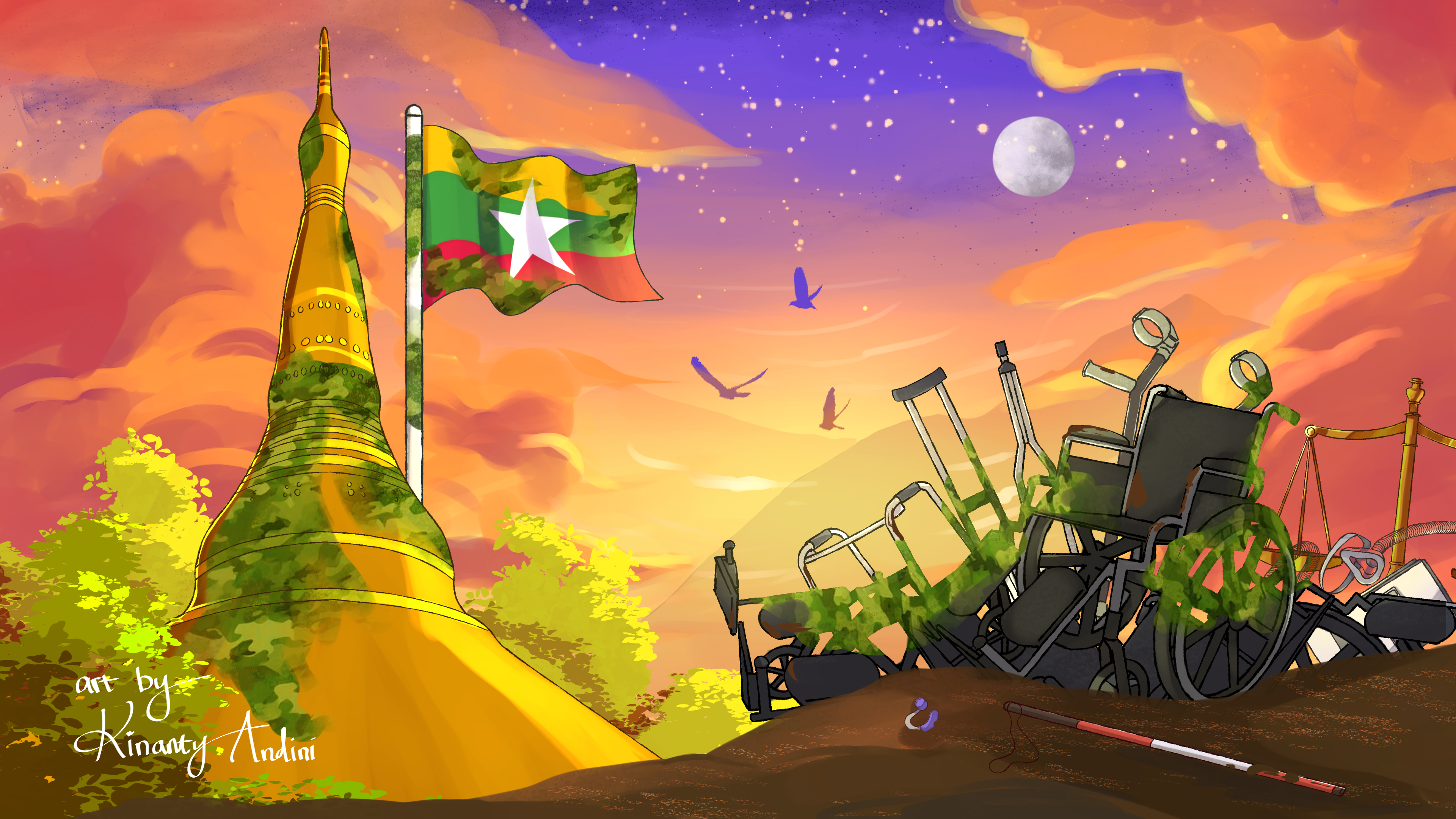
Before Myanmar’s 2021 military coup, disability advocates were helping shape national policy for the first time in decades. Laws expanded access to education, transportation, and public life. Today, much of that progress has collapsed. A new UN report describes a “hidden crisis,” documenting targeted violence, deadly attacks, and the exclusion of people with disabilities from warnings, aid, and services. As conflict creates new disabilities and organizations are forced underground, advocates work quietly to preserve rights that once seemed within reach.
‘I Just Want to Walk Alone’
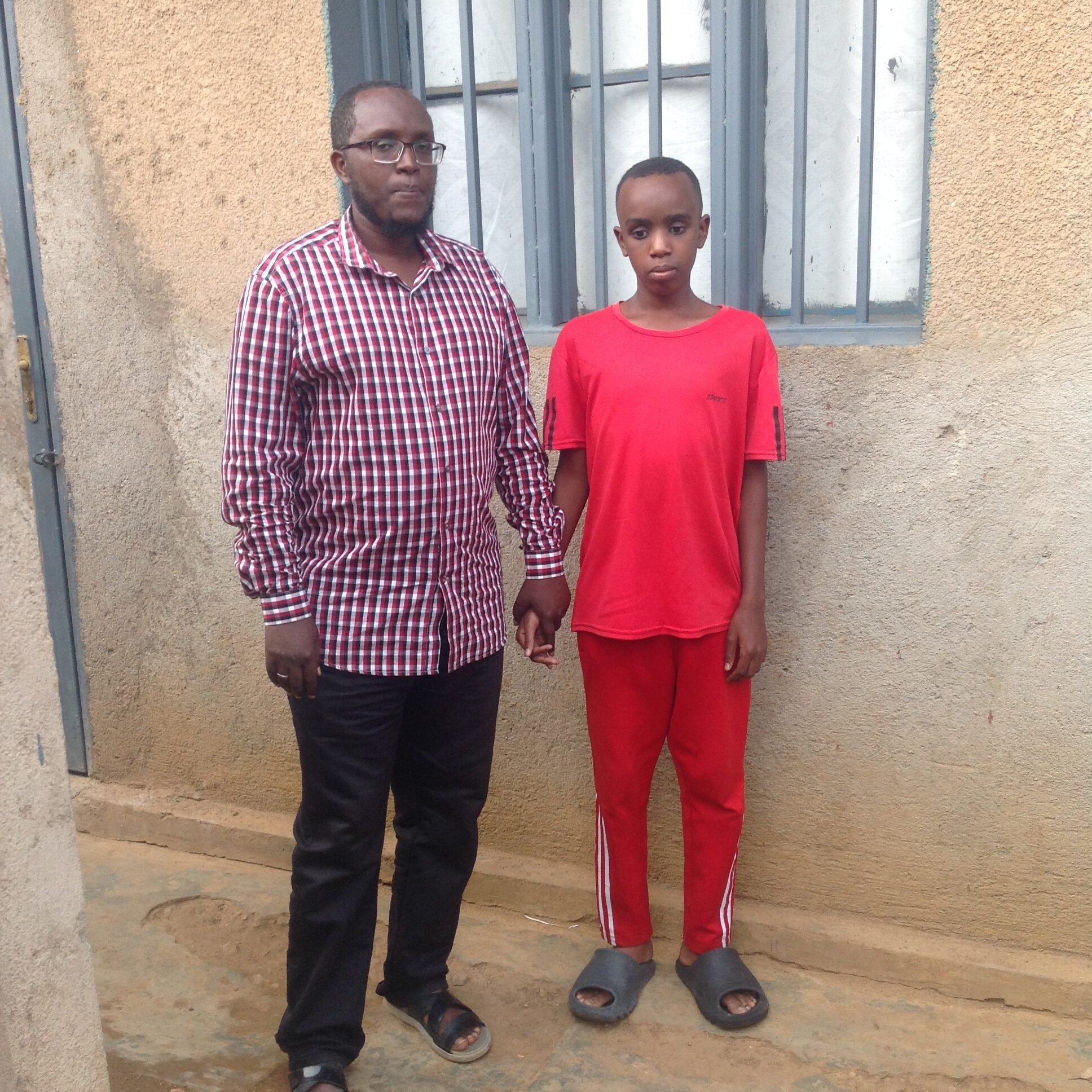
Fourteen-year-old Saifi Qudra relies on others to move safely through his day. Like many blind children in Rwanda, he has never had a white cane. His father, Mussah Habineza, escorts him everywhere. “He wants to walk like other children,” Habineza says, “He wants to be free.” Across Rwanda, the absence of white canes limits children’s mobility, confidence, and opportunity. For families, it also shapes daily routines, futures, and the boundaries of independence.
‘Evacuation Routes Are Meant for People Who Can Run’
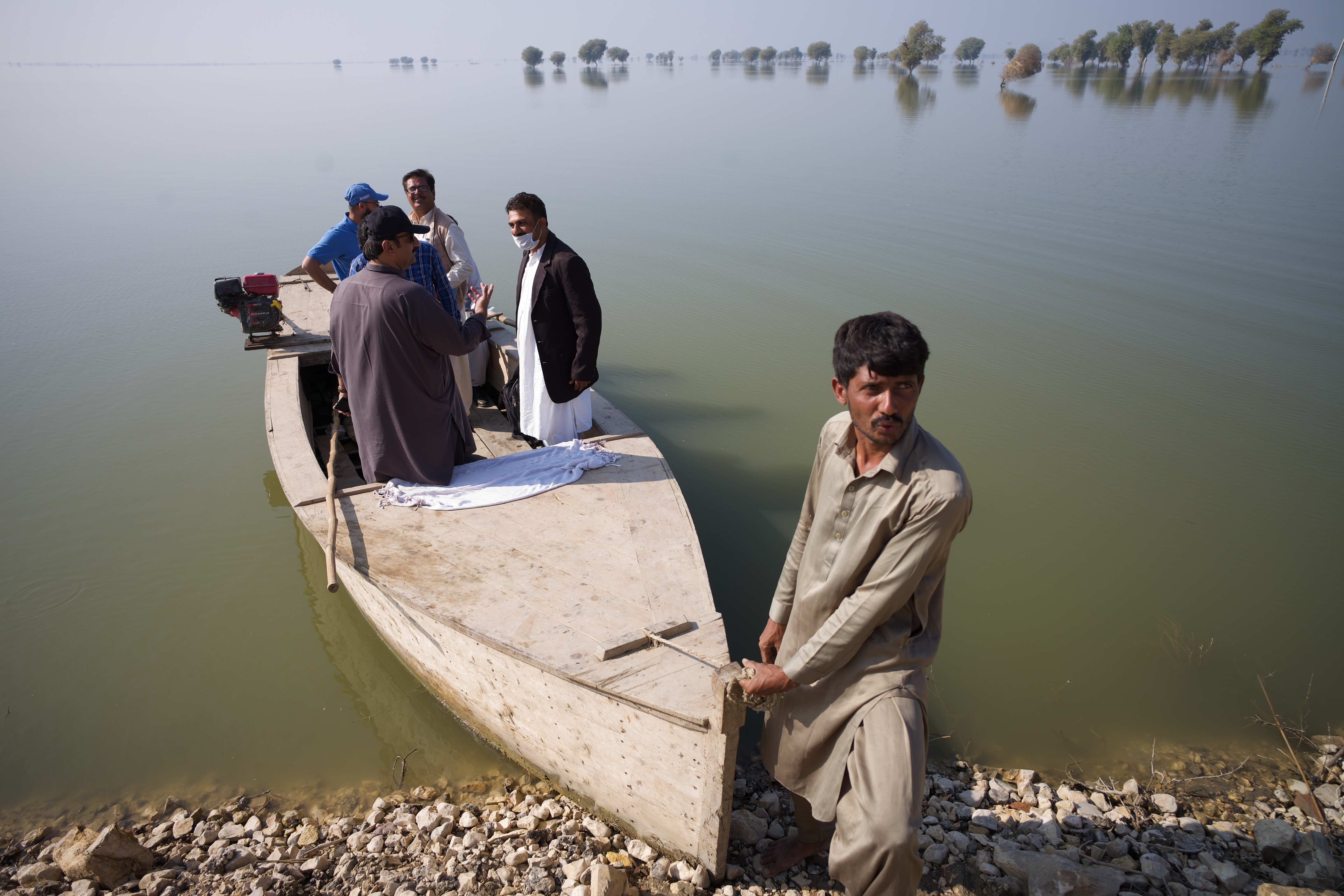
As climate change and conflict intensify across Pakistan, emergency systems continue to exclude people with disabilities. Warning messages, evacuation routes, and shelters are often inaccessible, leaving many without critical information when floods or violence erupt. “Evacuation routes are built for people who can run,” Deaf author and policy advocate Kashaf Alvi says, “and information is broadcast in ways that a significant population cannot access.”
Read more about ‘Evacuation Routes Are Meant for People Who Can Run’
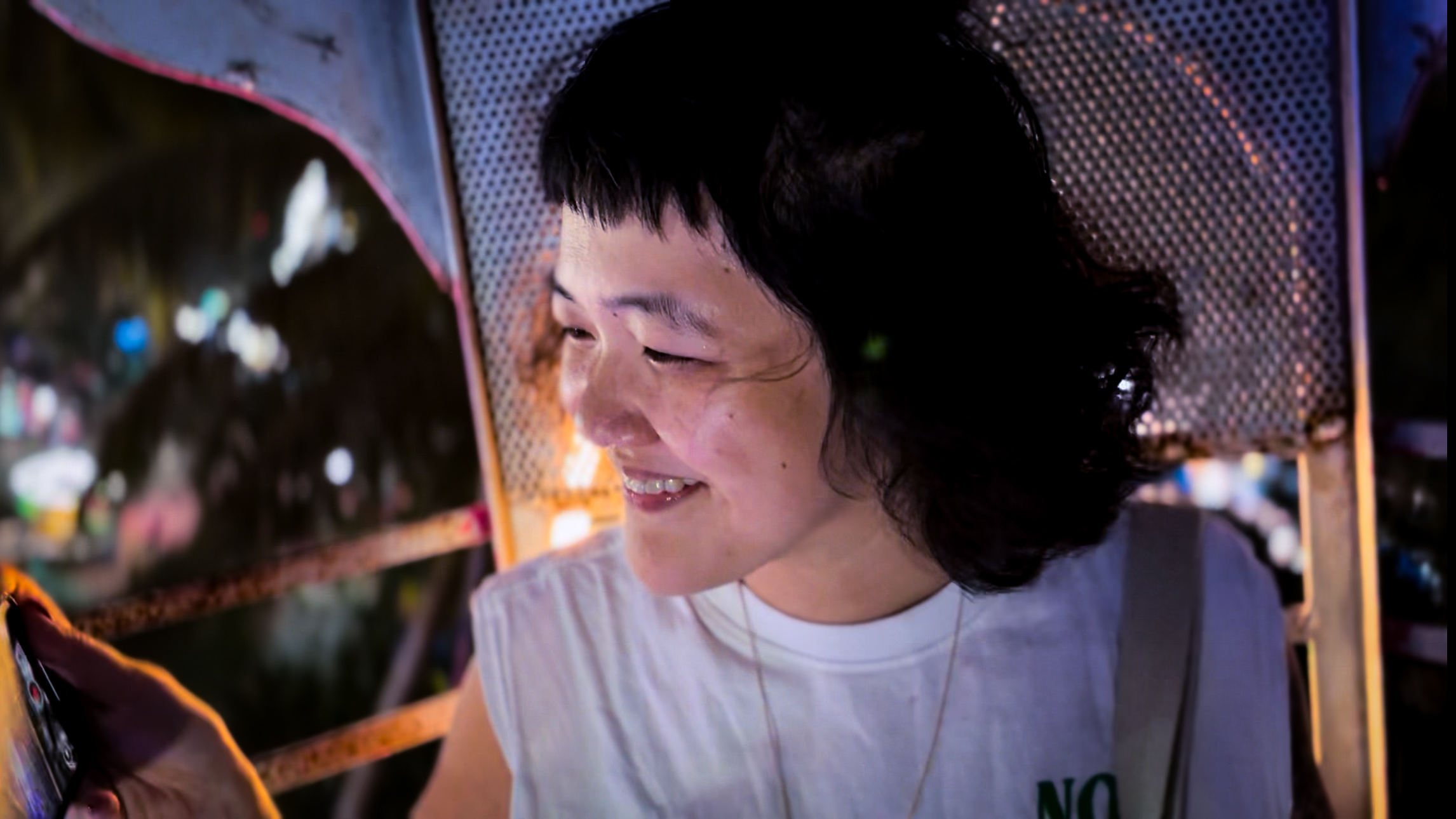
Autism, Reframed
Late in life, Malaysian filmmaker Beatrice Leong learned she was autistic and began reckoning with decades of misdiagnosis, harm, and erasure. What started as interviews with other late-diagnosed women became a decision to tell her own story, on her own terms. In The Myth of Monsters, Leong reframes autism through lived experience, using filmmaking as an act of self-definition and political refusal.
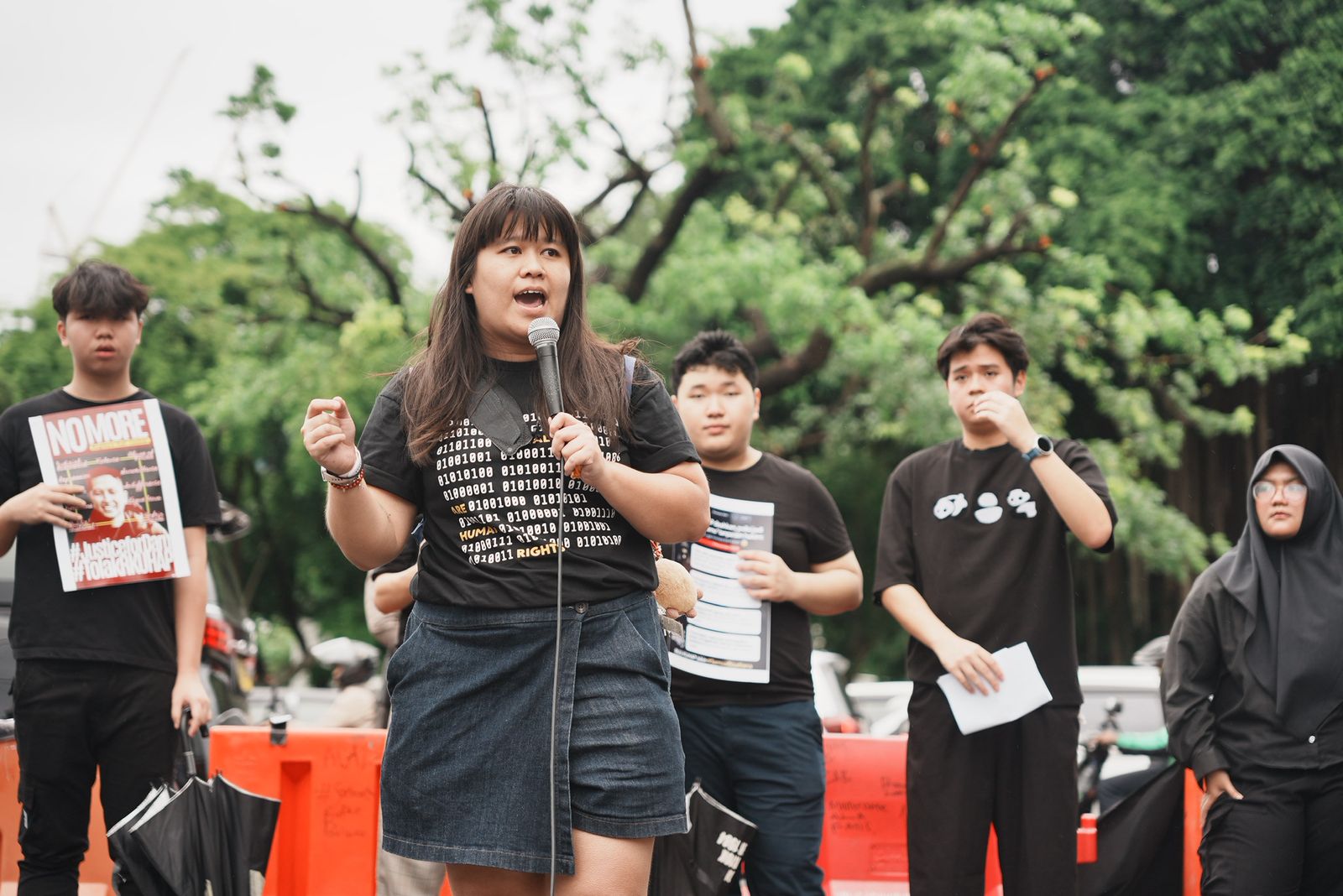
Disability and Due Process
As Indonesia overhauls its criminal code, disability rights advocates say long-standing barriers are being reinforced rather than removed. Nena Hutahaean, a lawyer and activist, warns the new code treats disability through a charitable lens rather than as a matter of rights. “Persons with disabilities aren’t supported to be independent and empowered,” she says. “… They’re considered incapable.”
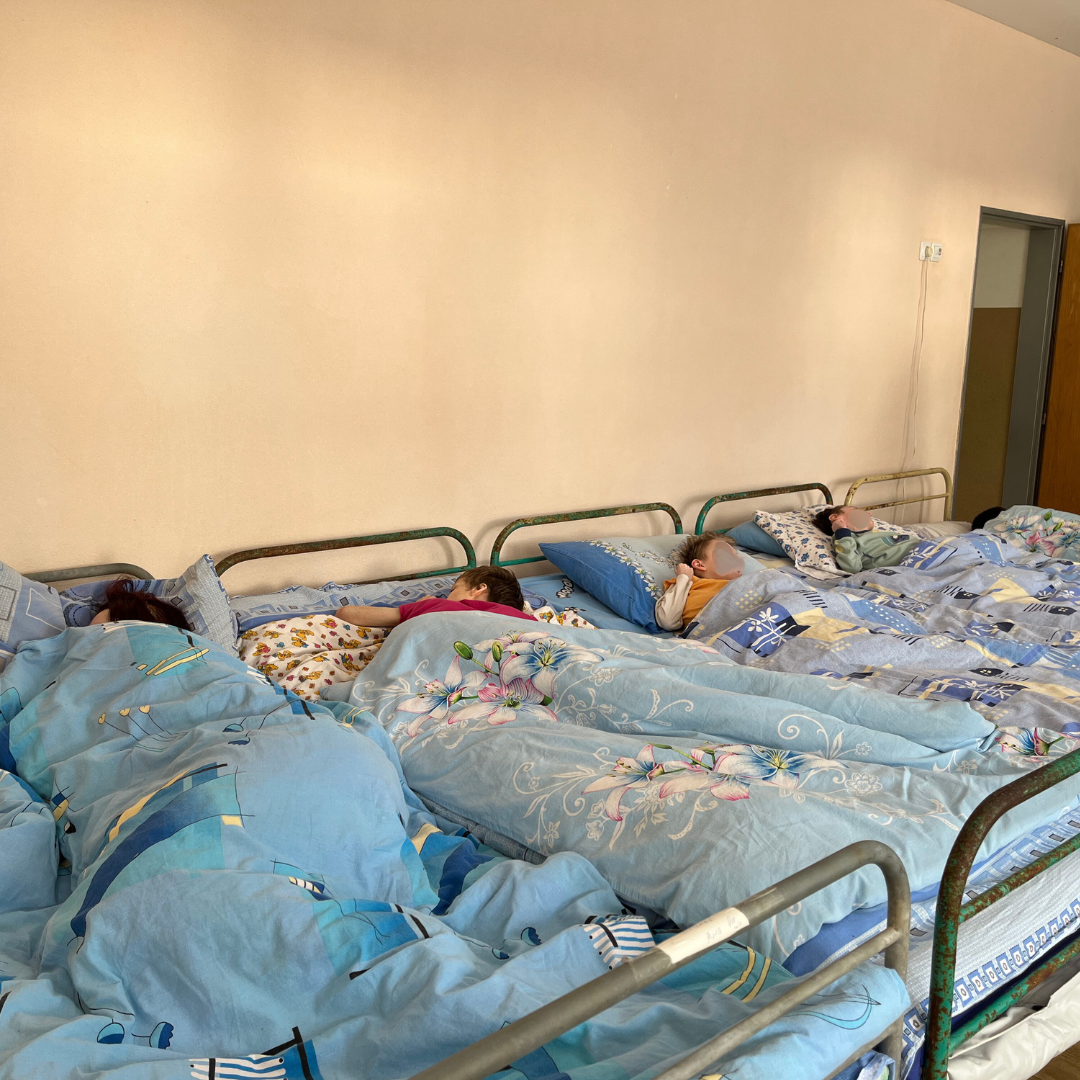
Disability in a Time of War
Ukraine’s long-standing system of institutionalizing children with disabilities has only worsened under the pressures of war. While some facilities received funding to rebuild, children with the highest support needs were left in overcrowded, understaffed institutions where neglect deepened as the conflict escalated. “The war brought incredibly immediate, visceral dangers for this population,” says DRI’s Eric Rosenthal. “Once the war hit, they were immediately left behind.”