News
The Language of Comedy
Play audio version
Indonesia’s First Muslim Female Stand-Up Comic Sakdiyah Ma’ruf: At the Intersection of Interpretation and Comedy
May 9, 2022
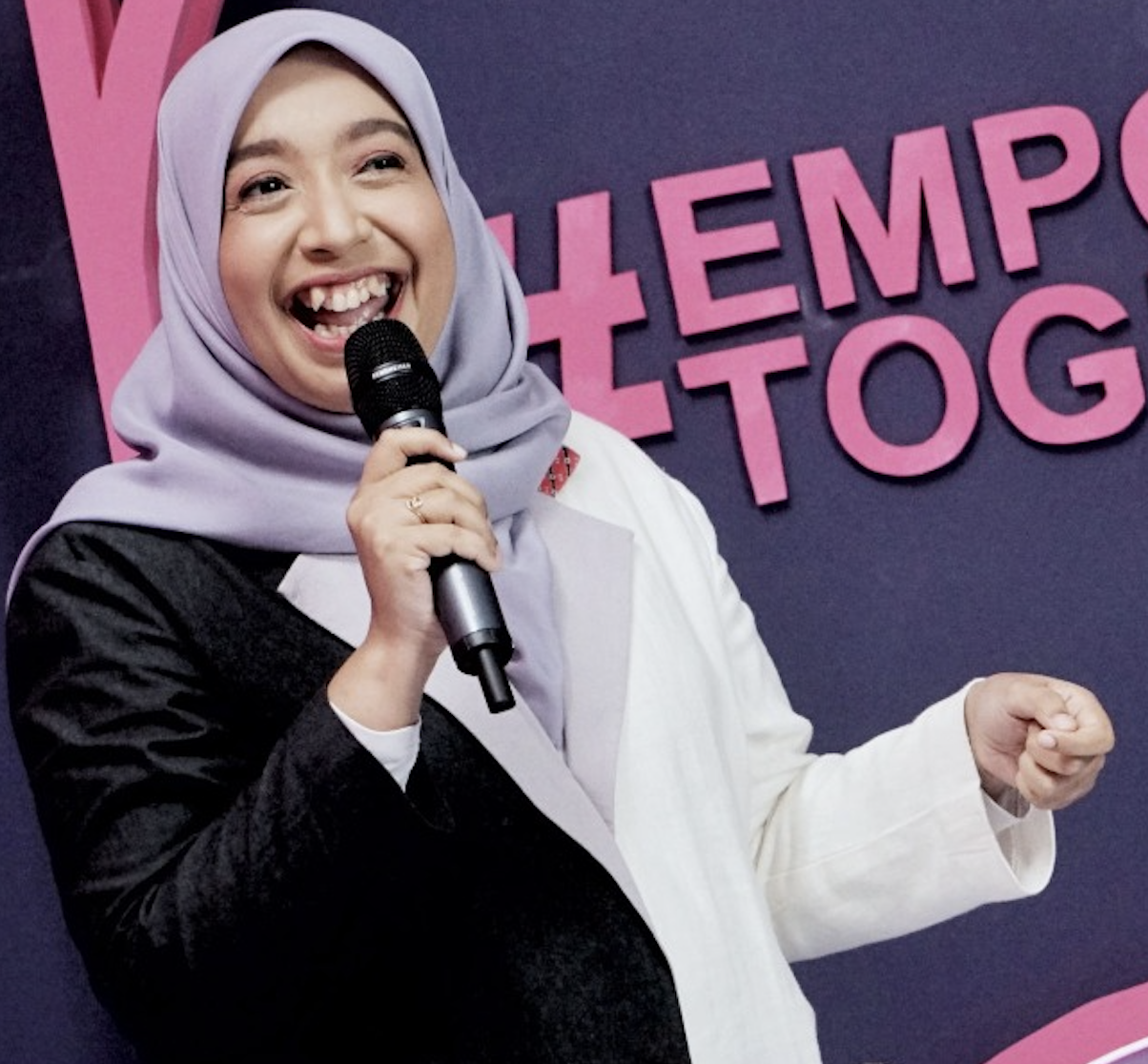
When asked about her work as an interpreter and comedian and the influences that brought her to both industries, Sakdiyah Ma’ruf simply says, “I’ve always had something to say.”
Born in a small town in Central Java, Indonesia, Ma’ruf grew up in a conservative Muslim community before eventually studying English literature at Sebelas Maret University. She began volunteering at smaller events, such as disaster relief efforts, as a language interpreter. After completing her master’s thesis at Gadjah Mada University on the subject of stand-up comedy, she graduated in 2015 and found work as an in-house, full-time interpreter with a children’s rights organization. “I was never far away from topics related to human rights and social issues and advocacy,” she says.
Ma’ruf was recently hired to work as an interpreter and instructor with the Disability Justice Project’s first cohort of Indonesian fellows. As an interpreter, she works to build bridges and connect people. In the midst of those connections, she finds deep satisfaction and joy in her work. She admits that it can be challenging, but the work is fulfilling. Connection and communication are important to her. She counts herself fortunate that both her work as an interpreter and as a comedian share those commonalities: “I’m first and foremost interested in comedy because of the language. I thought it sounds like poetry even, where it is well-crafted.”
Ma’ruf was exposed to comedy at a young age. She grew up watching the likes of traditional Javanese comedies as well as sitcoms from the West. She turned to comedy after witnessing domestic and sexual violence against women and girls in her community. “I thought, ‘Well, somebody has to say something about this.’ Comedy is not only about walking funny or making a funny face. It’s a medium where you can actually talk about the issues that you think are important to you,” says Maruf. She gave stand-up a try in 2015, resolving to try it once and quit if she became embarrassed. Ma’ruf is now hailed as Indonesia’s first Muslim female stand-up comedian.
Ma’ruf has performed at TEDxUbud, Sydney Ideas at the University of Sydney, and Kompas TV, a national private news television network in Indonesia. In 2018, she was named one of BBC’s 100 Women, highlighting her work and her use of comedy “as a way to challenge Islamic extremism and violence against women.” While comedy is performance art, one that involves frequently standing on a stage in front of audiences that may or may not laugh, Ma’ruf finds sanctuary in her work as an interpreter. “It’s a perfect balance,” she says. “I found a place where I could just be and just work without worrying about whether it’s going to work or not. As long as I’m well prepared and the technology works, then it will be 90 percent to 95 percent guaranteed that [language interpretation] will work.”
In both areas of her work, Ma’ruf strives to be a human rights and social justice advocate. She expresses excitement about the 12-week Disability Justice Project (DJP) workshop she started with the fellows this week, citing the combination of social justice, storytelling, and language as motivation for her involvement with the DJP. “It’s a rare opportunity to delve into a topic for 12 weeks intensively. Twelve weeks in a row is such a rare, rare opportunity because even if I’ve been working on an issue as an interpreter for quite a long time, I’ve never had the opportunity to do 12 weeks straight,” she says. “I’m very much looking forward to remaining invisible, but at the same time being engaged with the journey of the participants.”
Her partnership with the DJP will allow her to delve deeper into the global disability justice movement: “It’s humbling for me to be able to learn from a movement that is so complex and yet so strong in terms of … its advocacy and humanity. I’m truly blessed to be able to work with the DJP.”
Claire Joy Moss is the Communications/Social Media Manager at the Disability Justice Project.
News From the Global Frontlines of Disability Justice

Beyond the ADA
The ADA’s influence extends far beyond the United States. It helped shape a growing international approach to disability rights that eventually contributed to the development of the CRPD. But global disability movements have also expanded on ideas that U.S. law has yet to fully embrace. “I think many U.S. disability rights activists were surprised to find out how much we could learn from the international community,” says Eric Rosenthal, founder and executive director of Disability Rights International.
Forgotten People
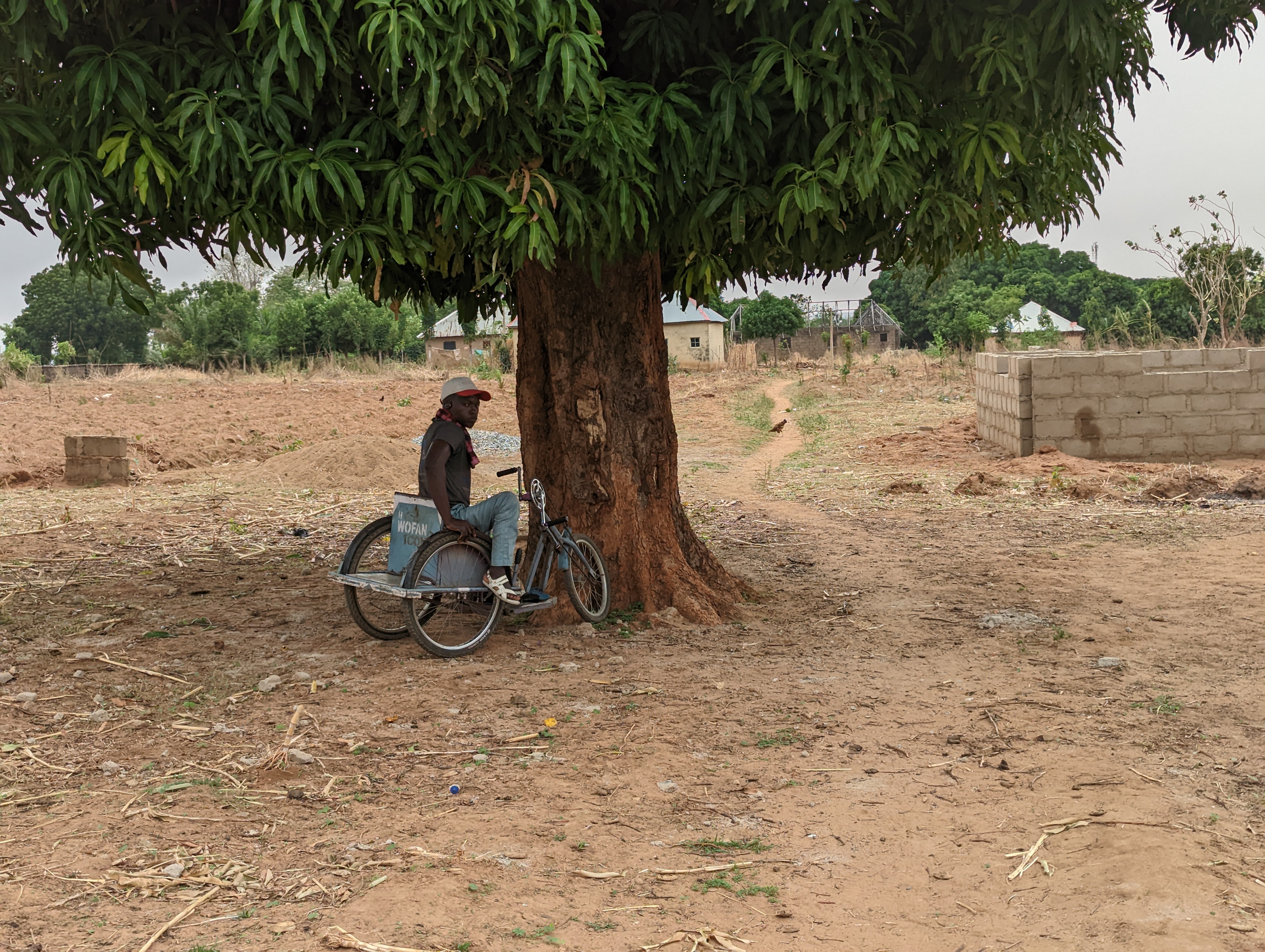
As Nigeria’s growing insecurity crisis spreads, disabled people face barriers that can make escaping violence far more difficult. Across the country, they describe inaccessible emergency warnings, challenges reaching safety, disrupted livelihoods, and limited access to assistance during times of crisis. Their stories reveal how conflict is experienced differently when mobility, communication, and support cannot be taken for granted and how disability is too often overlooked in emergency planning and response.

The Cost of Surviving
After years of failed treatments for complex PTSD, Marian Siljeholm followed an unlikely lead into the underground world of MDMA-assisted therapy. What began as a search for healing became a journey through the science of trauma, the politics of prohibition, and the hidden global network of people risking their freedom to help others reclaim their lives. Their stories would change her own. As Marian writes, “The next morning, I woke with a thought as real as the bed: This is the first day of my life.”
‘Deaf People Are Finally Seen as Equal Citizens’
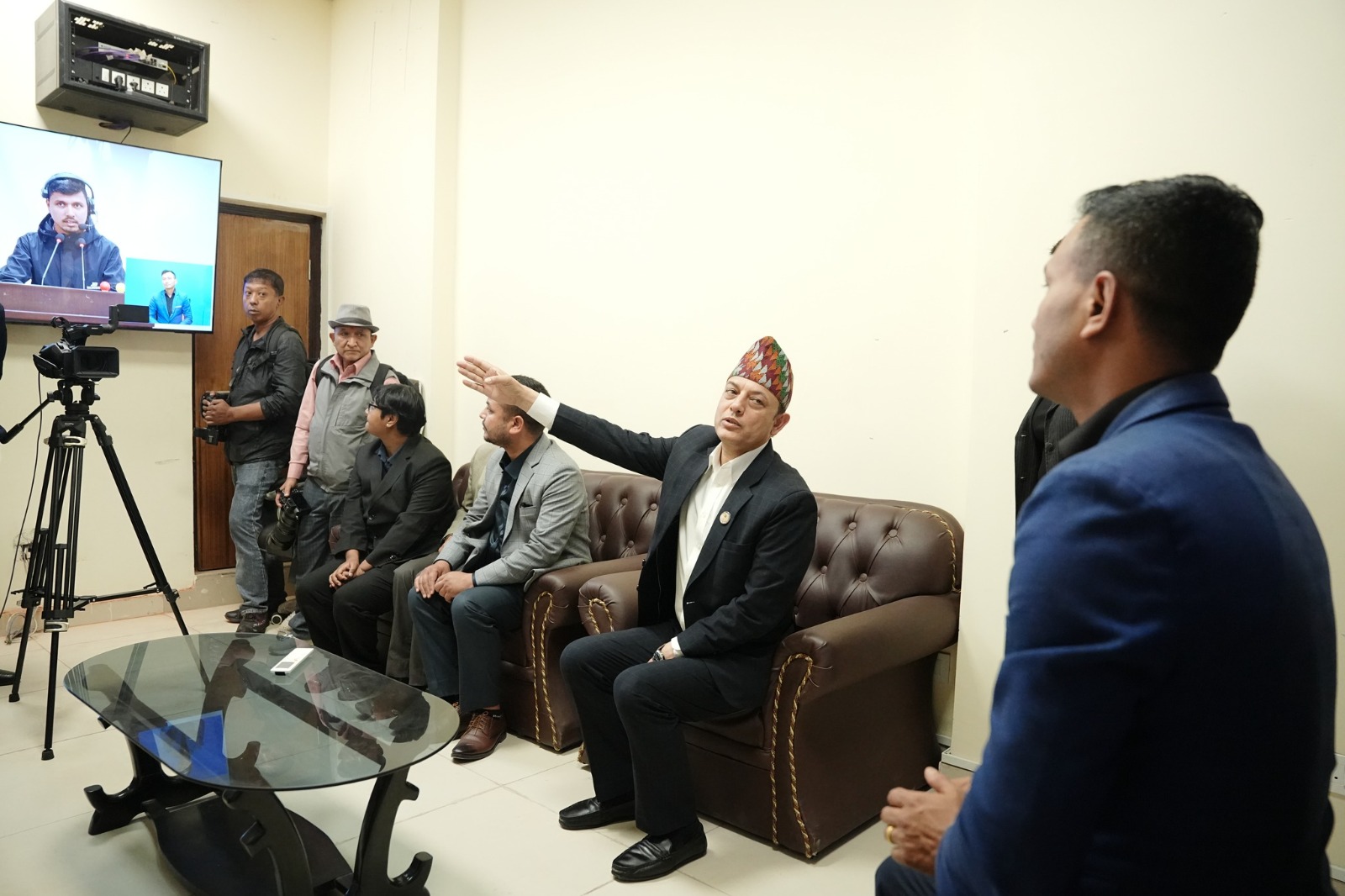
After decades of advocacy, Nepal’s Deaf community is gaining access to information in its own language. Interpreted national news broadcasts now air twice daily, and sign language interpretation has recently been introduced in parliament. Advocates say the changes mark a major step toward inclusion, recognition, and equal participation in public life for Deaf Nepalis who have long been excluded from critical information and decision-making.
Read more about ‘Deaf People Are Finally Seen as Equal Citizens’
The Politics of Waiting, Wanting, and Hoping
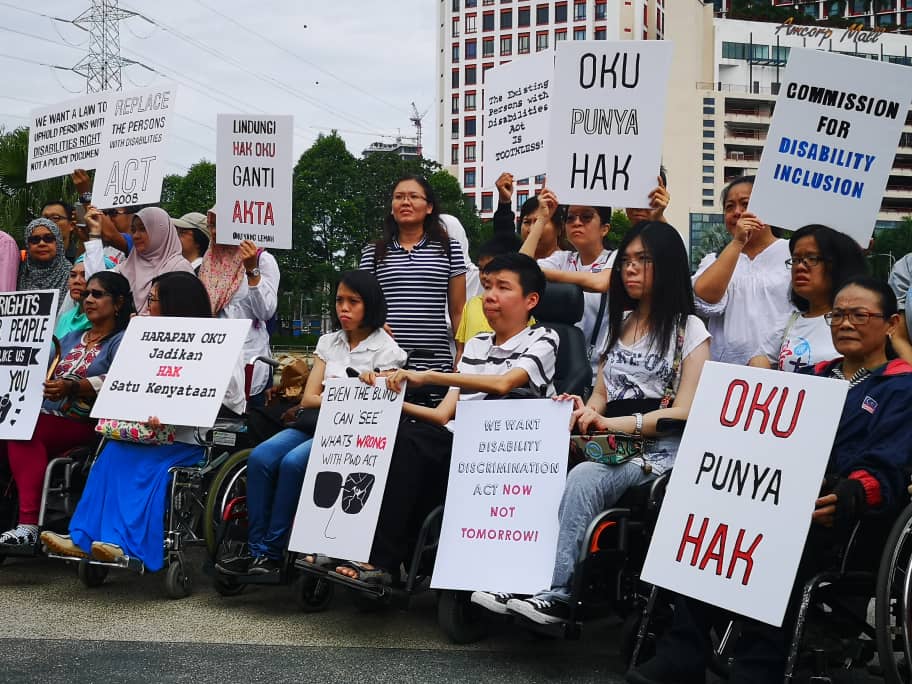
In Malaysia, disability exclusion is rarely one dramatic denial. More often, writes Beatrice Leong, it is “a series of ordinary delays” — inaccessible schools, symbolic consultations, policies without enforcement, and a system that asks disabled people to wait patiently for dignity and belonging. Blending personal reflection with political analysis, Leong examines what happens when inclusion is promised repeatedly, but justice never fully arrives.
Read more about The Politics of Waiting, Wanting, and Hoping
A ‘Direct Threat’ to Democracy
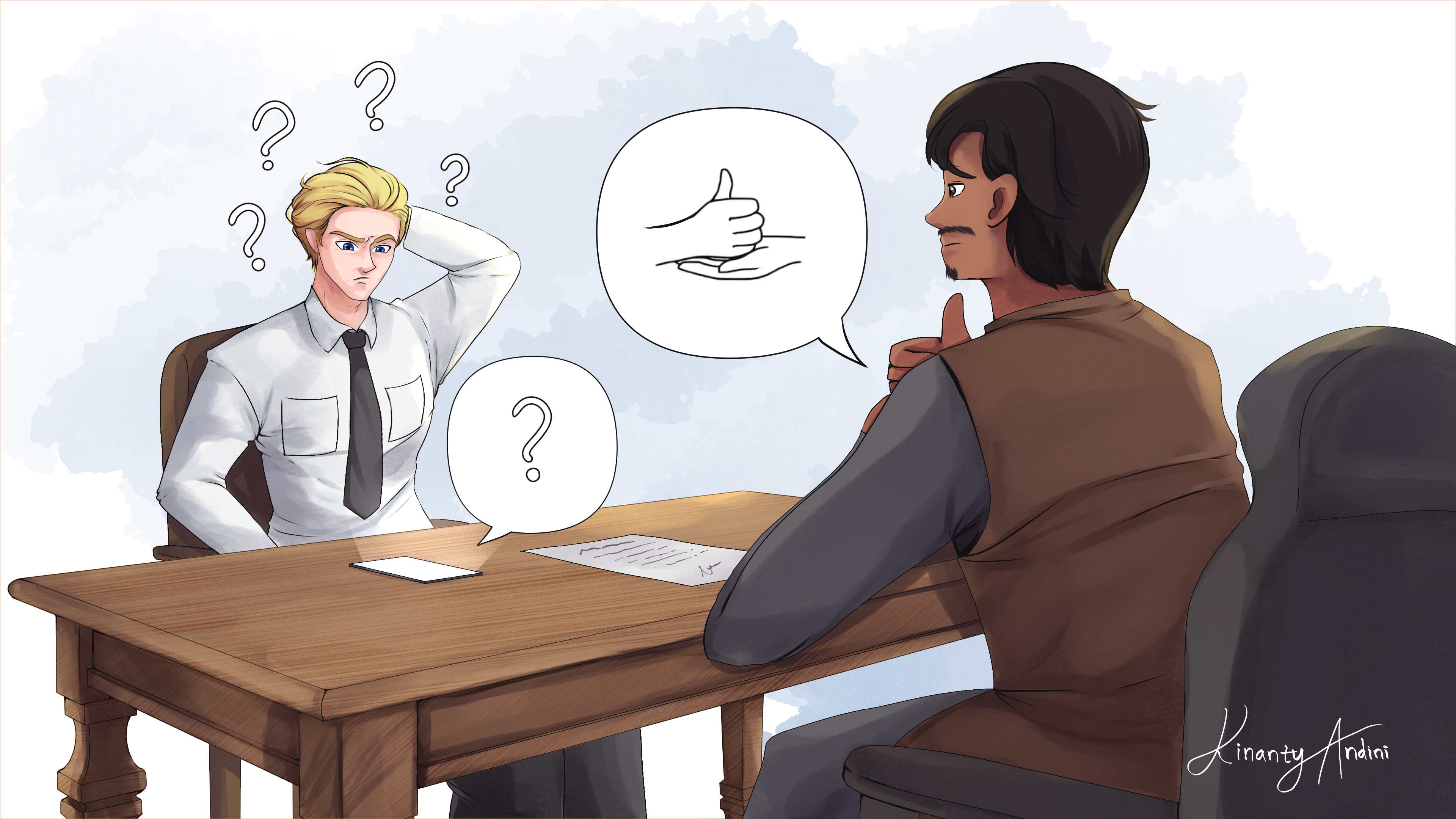
A Deaf asylum seeker from Mongolia spent five months in U.S. immigration detention without access to a sign language interpreter, leaving him unable to communicate with officers or explain his fear of persecution. His case raises questions about whether disability rights laws are being followed inside ICE facilities, where access to communication can determine the outcome of an asylum claim. Lawyer and advocate Qudsiya Naqui says the “absolute disregard” for disability rights under the Trump administration is a “direct threat” to democracy and rule of law.