News
As Long as You Have a Story to Tell
DJP Fellow Retta Maha Says People Who are Blind or Low Vision Can Make Films. It All Begins with Having a Story to Tell.
September 10, 2022
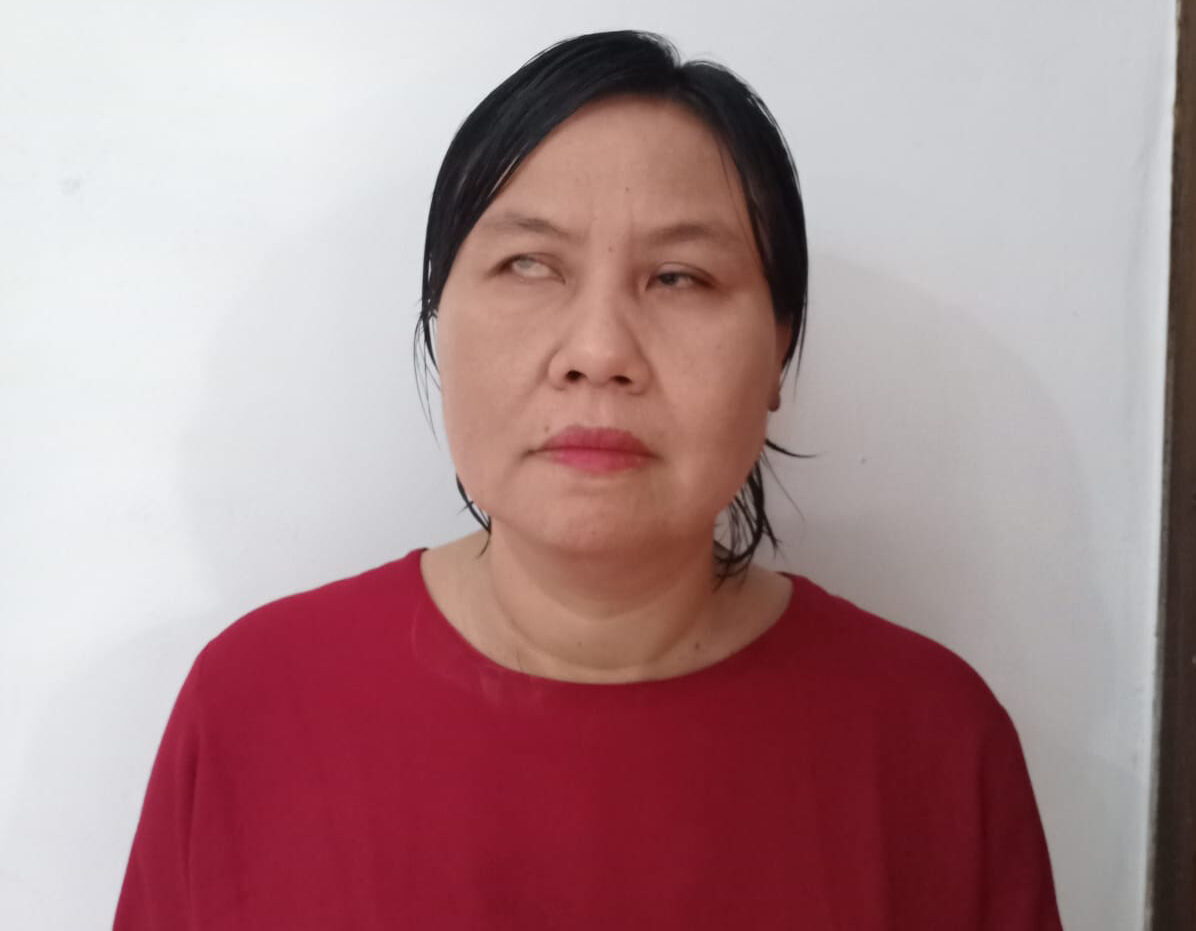
JAKARTA, Indonesia — When she first heard about the Disability Justice Project’s filmmaking fellowship, Retta Maha searched through the application guidelines to see if there were any restrictions for blind people. Maha was diagnosed with congenital cataracts when she was three months old, which caused her to permanently lose about 90 percent of her vision.
“I was interested in applying to the Disability Justice Project because they said that they will teach us how to make videos and film. And I just wondered how it’s possible for blind people to do that,” says Maha. “In their information, they put that people with disabilities are allowed to apply, and they didn’t mention restrictions for any type of disability. So I thought, ‘I can join this training.’”
As a 2022 fellow, Maha is the first blind filmmaker that the DJP has worked with, and she’s paved the way in showing how individuals who are blind or low vision can tell stories through video.
“I found that blind people also can be filmmakers, as long as they get support,” says Maha. “As long as you have the idea about what film you want to make or how the b-roll is supposed to be. So the blind have their own idea of how to make it and what is the story, and then the sighted people can help them to make it real.”
Since 2005, Maha has been an activist in the disability rights movement, fighting for the inclusion of people with disabilities at every level of Indonesian society. When she was young, Maha’s parents prioritized sending her to college over her siblings, anticipating that she would have a harder time getting access to a degree.
“In Indonesia, we still face a lack of knowledge and understanding about the rights of people with disabilities,” says Maha. “So, usually people with disabilities only get charity, like help and support, but rarely do people think that people with disabilities can also go to school and get a better education.”
Maha has made two films in partnership with the Disability Justice Project. Both have centered on the challenges people with disabilities face in Indonesia, whether they are running for political office or trying to make a professional living. Through her videos, she says, she wants to change the mindset of Indonesians who have limited beliefs about what people with disabilities can achieve.
Maha herself not only obtained her bachelor’s degree but went on to attend law school. She now works as a program officer for the Center for Election Access of Citizens with Disabilities (PPUA). She says her blindness has allowed her to care about and understand disability rights issues better and has motivated her to overcome barriers.
“I think no matter the disability that someone has, you give the opportunity to them to do something that they want to do,” says Maha. “What we can do as a society, as a friend or community, is we can give them the support that they need.”
Delainey LaHood-Burns is a digital content producer based in New Hampshire and a contributor to the Disability Justice Project. @2022 Disability Justice Project. All rights reserved.
News From the Global Frontlines of Disability Justice
Reducing the Disability Tax
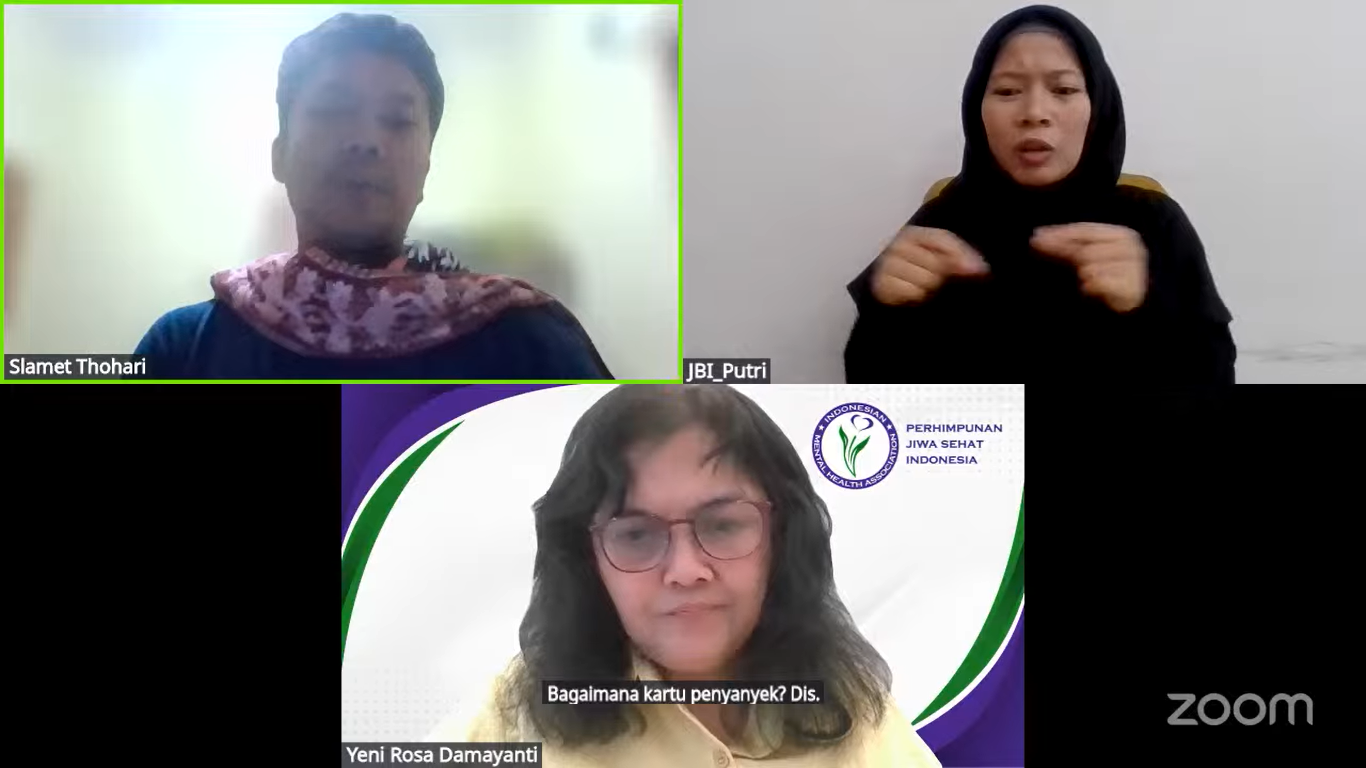
Indonesia has adopted a new regulation aimed at reducing the extra costs disabled people face, guaranteeing discounts across nine sectors, including health care, transportation and assistive devices. But disabled Indonesians say fees and administrative hurdles involved in obtaining the documents needed to access those rights could leave some people behind. As the government begins implementing the policy, advocates are calling for disability assessments to be free and accessible.
Joy As Resistance
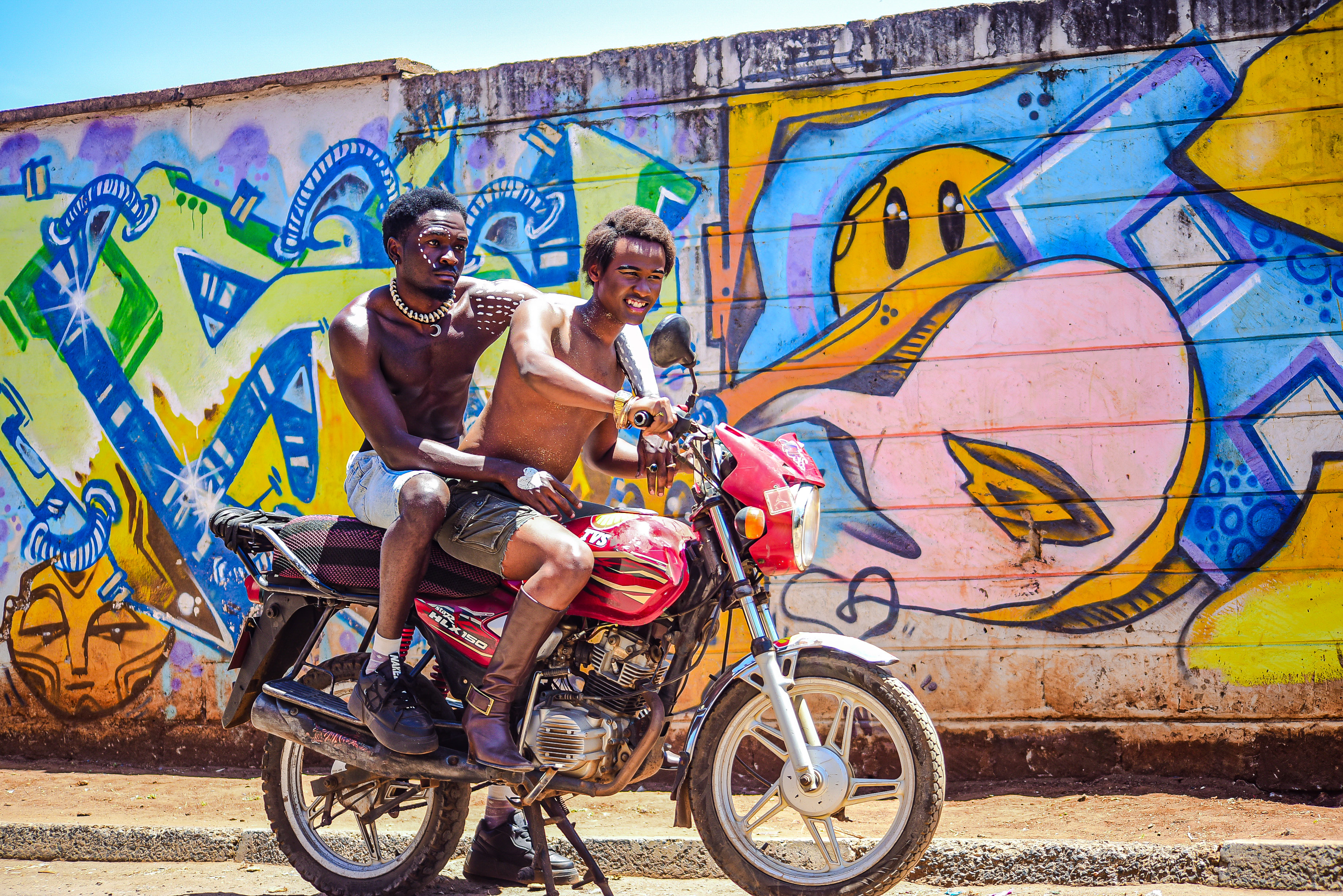
In Kenya, queer and disabled people are finding common ground around questions of identity, access, family, and belonging. Ahead of a Nairobi event exploring where disability and queerness intersect, organizers and participants talk about the communities they have found and the spaces they are trying to create. “Queer people and disabled people share way more than they think they do,” says one organizer. The event will use storytelling, art, performance, and what its organizers call “queer joy” to start a conversation they say is long overdue.
The Politics of Waiting, Wanting, and Hoping
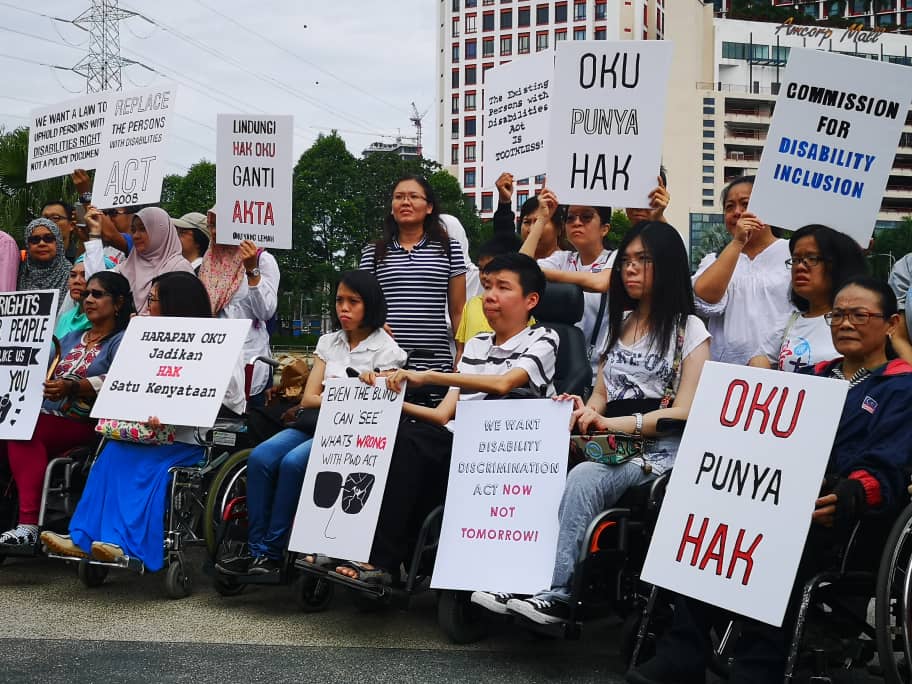
In Malaysia, disability exclusion is rarely one dramatic denial. More often, writes Beatrice Leong, it is “a series of ordinary delays” — inaccessible schools, symbolic consultations, policies without enforcement, and a system that asks disabled people to wait patiently for dignity and belonging. Blending personal reflection with political analysis, Leong examines what happens when inclusion is promised repeatedly, but justice never fully arrives.
Read more about The Politics of Waiting, Wanting, and Hoping
Beyond the ADA
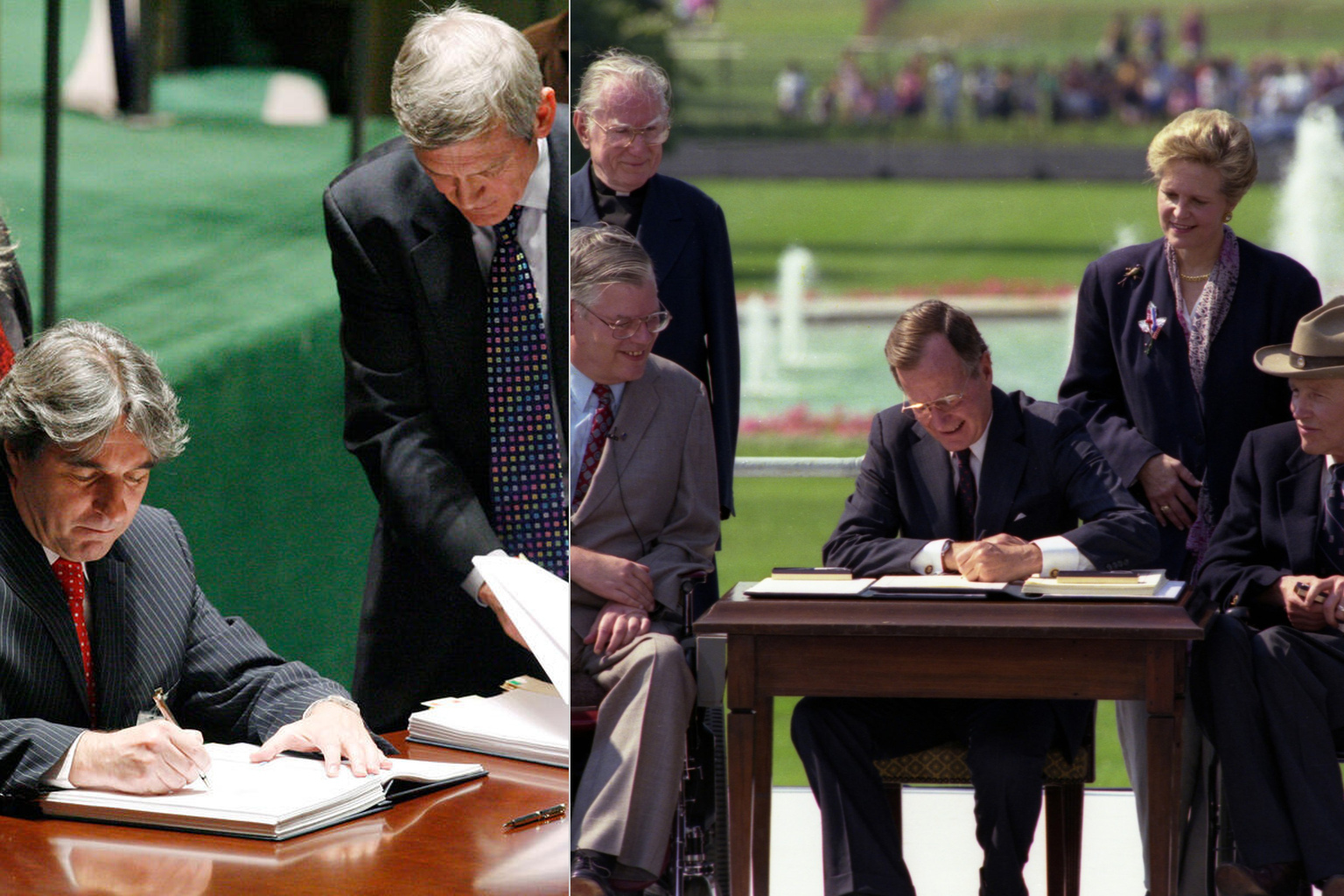
The ADA’s influence extends far beyond the United States. It helped shape a growing international approach to disability rights that eventually contributed to the development of the CRPD. But global disability movements have also expanded on ideas that U.S. law has yet to fully embrace. “I think many U.S. disability rights activists were surprised to find out how much we could learn from the international community,” says Eric Rosenthal, founder and executive director of Disability Rights International.
Forgotten People
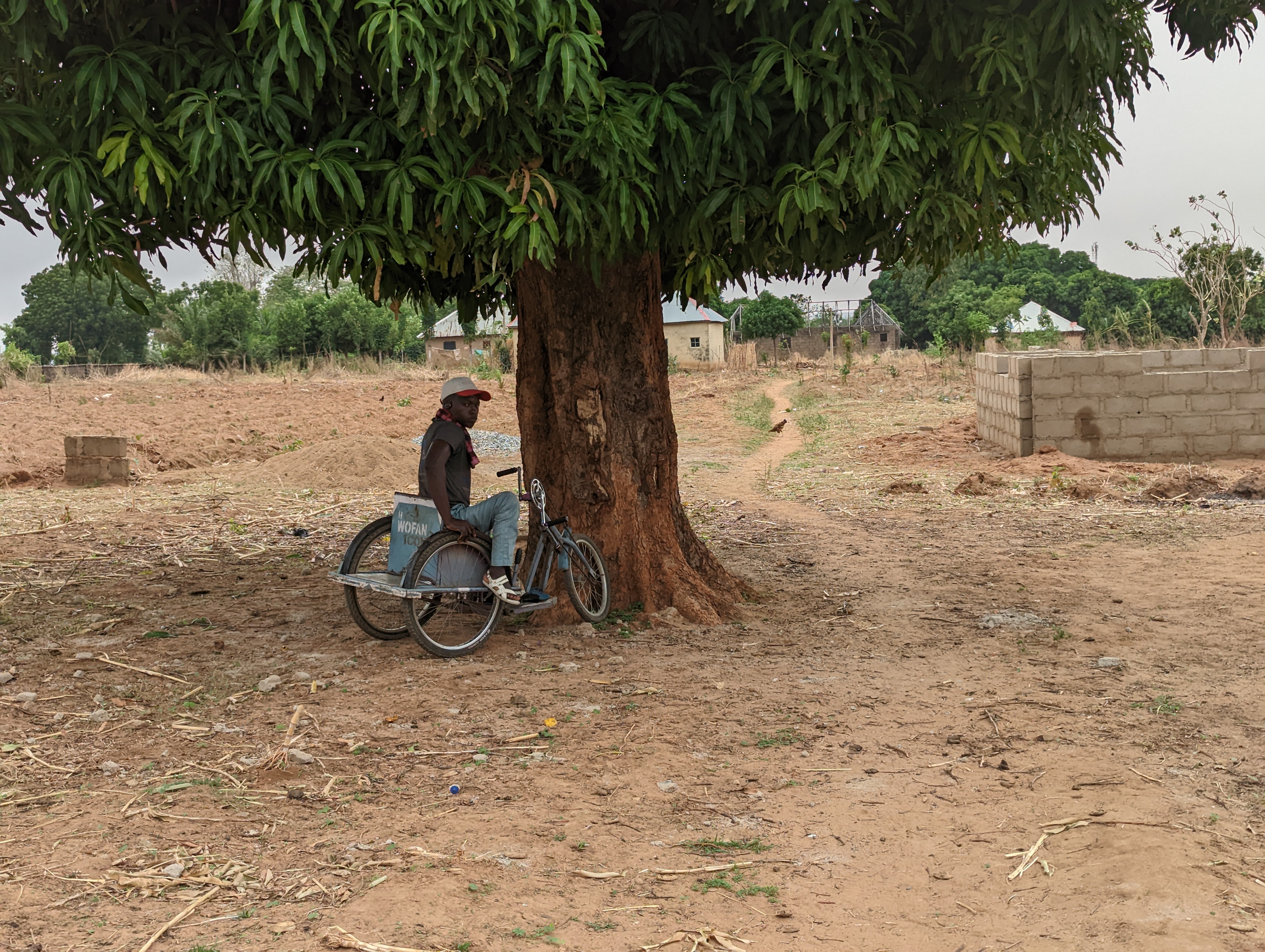
As Nigeria’s growing insecurity crisis spreads, disabled people face barriers that can make escaping violence far more difficult. Across the country, they describe inaccessible emergency warnings, challenges reaching safety, disrupted livelihoods, and limited access to assistance during times of crisis. Their stories reveal how conflict is experienced differently when mobility, communication, and support cannot be taken for granted and how disability is too often overlooked in emergency planning and response.
The Cost of Surviving
After years of failed treatments for complex PTSD, Marian Siljeholm followed an unlikely lead into the underground world of MDMA-assisted therapy. What began as a search for healing became a journey through the science of trauma, the politics of prohibition, and the hidden global network of people risking their freedom to help others reclaim their lives. Their stories would change her own. As Marian writes, “The next morning, I woke with a thought as real as the bed: This is the first day of my life.”