News
Gaza’s Amputees
Aid Restrictions Leave Thousands Without Prosthetic Care and Humanitarian Workers Scrambling
September 13, 2025
Editor’s note: This is the first in our series on conflict and disability. As wars and political violence escalate across the Middle East, Africa, and Eastern Europe, we’re documenting how people with disabilities are being overlooked in humanitarian responses — and why inclusion is more urgent than ever.
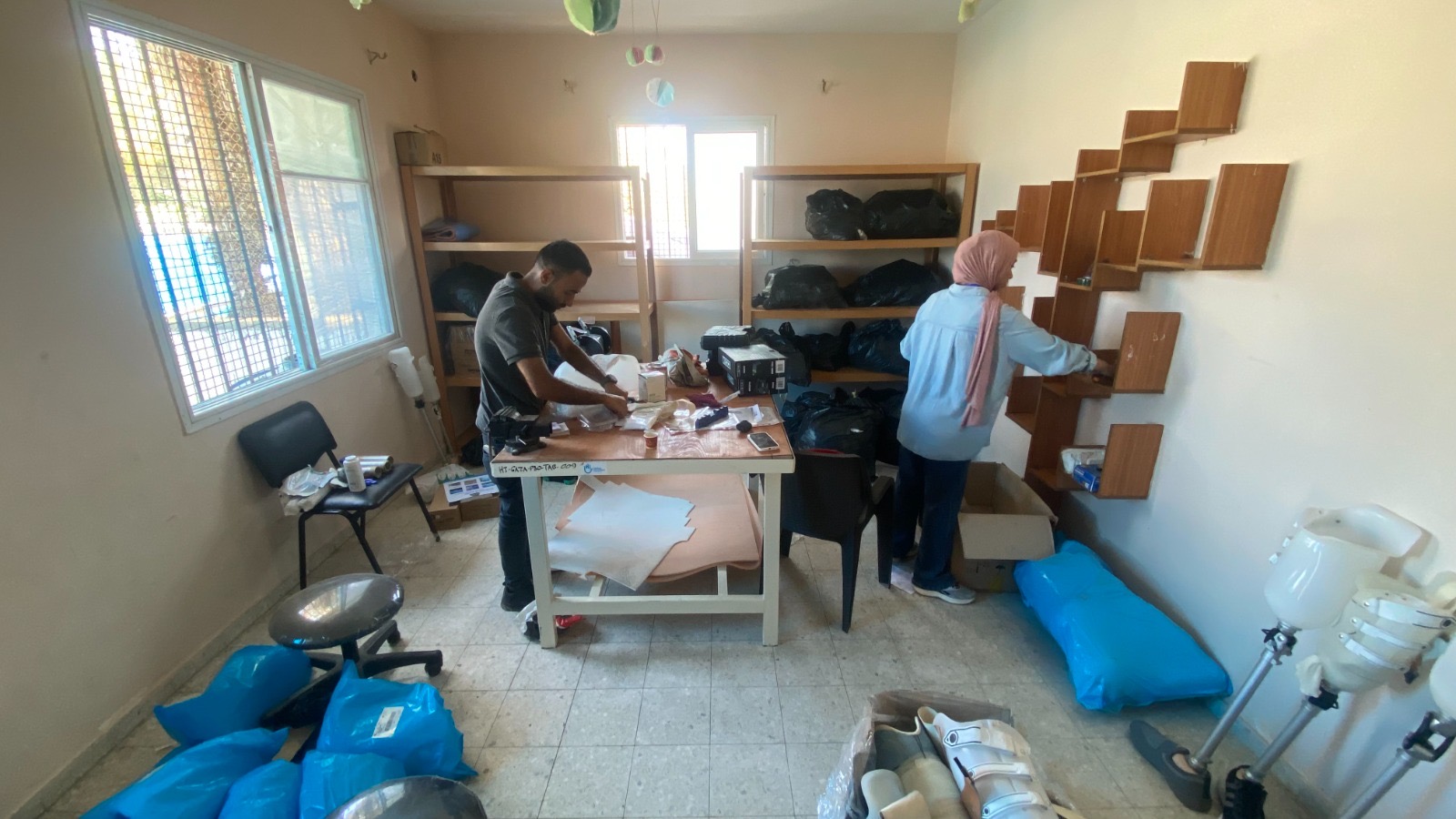
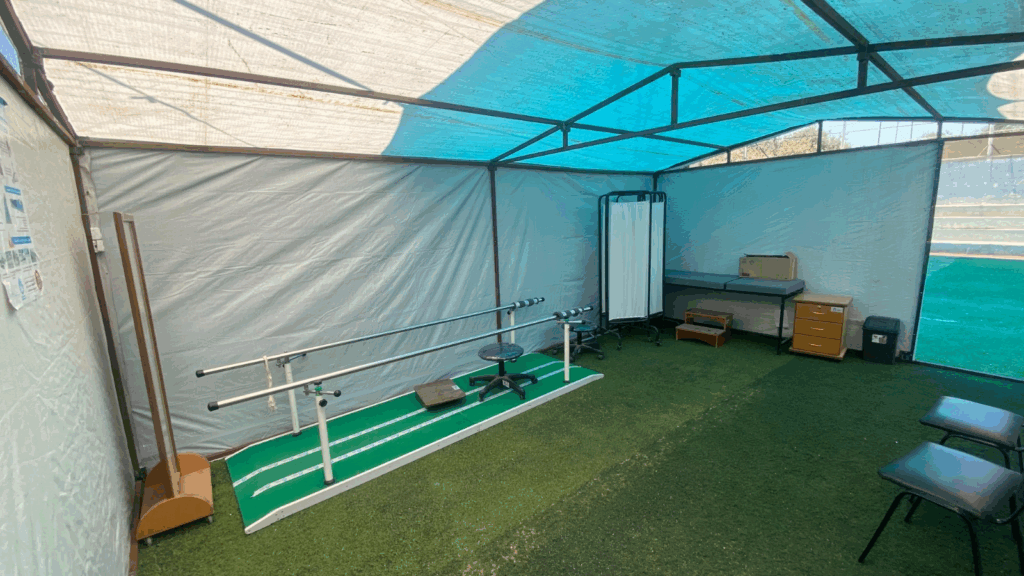
At the Nahla Prosthetics & Orthotics Center in Gaza, operated by Humanity & Inclusion, the staff has fallen into a chilling routine: wake up, see if the circumstances are safe enough to open the center, and then provide care to around six to eight people per day in need of new prosthetic limbs, adjustments on existing ones, or psychosocial support.
With restrictions on outside aid and a hunger crisis that has now been officially declared a famine in Gaza City by the Integrated Food Security Phase Classification’s Famine Review Committee, humanitarian work across all fields is becoming tougher by the day, and it’s no different at the prosthetics center. “Our colleagues call the situation a nightmare with no end,” says Zaid Amali, senior advocacy officer in Palestine at Humanity & Inclusion, in a phone interview.
Growing Disability in the Wake of Conflict
The population of people with disabilities in Gaza has grown since October 2023. This is both from physical injuries sustained from bombardment and gunfire and from violence-related trauma. At a United Nations meeting on the Committee on the Rights of Persons with Disabilities in August, Dania Dasouqi, first secretary at the Mission of Palestine to the United Nations in Geneva, reported that there are over 115,000 people with disabilities across Palestine, including 33,000 new cases since the escalation in conflict.
“UNICEF indicates that more than 1000 children had their limbs amputated during the first three months of the aggression,” Dasouqi said at the meeting. Across all populations in Gaza, she added, “WHO confirmed that 25 percent of injuries, that is to say 22,000 injuries, as of July 2024, resulted in permanent disabilities.”
Forced to leave the south under displacement orders, the Nahla Center reopened in central Gaza this July. As of mid-August, the staff has treated 45 individuals who required new limbs or adjustments to existing ones. Ten were turned away due to a lack of resources.
Shortages of Materials and Skilled Technicians
Sourcing the necessary materials has been a significant challenge, due to both the growing demand among the population and the restrictions on outside aid. Prosthetic limbs are considered “dual use” by Israeli authorities, according to Amali, meaning they can be used for military purposes and are thus restricted from entering Gaza.
Amali says Humanity & Inclusion recently began repurposing local materials, but before that, it was depending on a waning supply of prosthetics imported from France in December 2024. Being able to manufacture or find new equipment within Gaza, he says, is impossible. “There isn’t even food or baby formula or medicine or clean water in Gaza, let alone these sophisticated devices,” he says.
In addition, at the time of Amali’s interview in mid-August, there were only nine prosthetics and orthotics technicians in all of Gaza, according to a Humanity & Inclusion press release. One of these technicians, Heba, is working with the organization at the Nahla Center, but the overall shortage of experts comes at a time when an estimated 4,500 amputees in Gaza require prosthetics, according to a March report from the United Nations Office for the Coordination of Humanitarian Affairs.
“There is such an immense need for [prosthetics] and [orthotics] rehabilitation,” Amali says, referencing a statistic from January 2024 that showed an average of 10 children a day losing a limb during the first three months of conflict. “ We cannot intervene to help everyone in need.”
An Overlooked Priority in a Wider Crisis
Disability rights have long been an issue in Palestine, but the recent conflict has greatly expanded the scale of the crisis and pushed other disability-related concerns aside. Shatha Abusurour, who is blind, is the coordinator of the Palestinian Disability Coalition, a collective of activists and organizers mainly fighting for progress at the policy level. A key issue she is concerned with is the treatment of children with disabilities at boarding schools, places where she says she spent much of her youth and suffered physical abuse.
But now, the focus of her organization has shifted to more acute needs. “ We, at the beginning, were frozen, to be honest,” she says about the group’s ability to provide aid. “It was big, and until now it just gets bigger.”
The Israeli military operation in Gaza City, with the end goal of full occupation, will only further strain disability resources. Amali says this development will likely displace more people southward, bringing them through areas where most of Humanity & Inclusion’s services are located. “ I anticipate that we’ll receive much more cases,” he says, “but unfortunately, I’m not very hopeful that we will be able to serve all of them given the limited resources we have.”
Amid the wider crisis, advocates warn that the needs of people with disabilities must not be ignored. A Human Rights Watch report from July found that people with disabilities in Gaza and the West Bank face a greater risk of mortality from attacks on hospitals and medical infrastructure as well as from the challenges of evacuating under displacement orders. At the United Nations meeting this August, the same concerns were raised, with Dasouqi saying that people with disabilities were often given inadequate time to evacuate, keeping them in harm’s way and forcing them to abandon assistive devices to quickly escape.
Calls for more aid to flow into Gaza from the outside world had ramped up in August, though Amali said he had not seen that materialize into tangible results yet. The need for disability resources is stronger than ever, and he hopes there is an understanding that aid for persons with disabilities is just as critical as it is for others within Gaza. “For many people, they unfortunately don’t see this as a priority because there is such a large scale of need,” he says. “Sometimes, the issues of inclusivity are sidelined or seen as a luxury when we stress that it is, in fact, important, even in times of crisis and emergency.”
Henry Bova is a graduate of Northeastern University with a degree in journalism.
Editing assistance by Jody Santos
News From the Global Frontlines of Disability Justice
‘Deaf People Are Finally Seen as Equal Citizens’
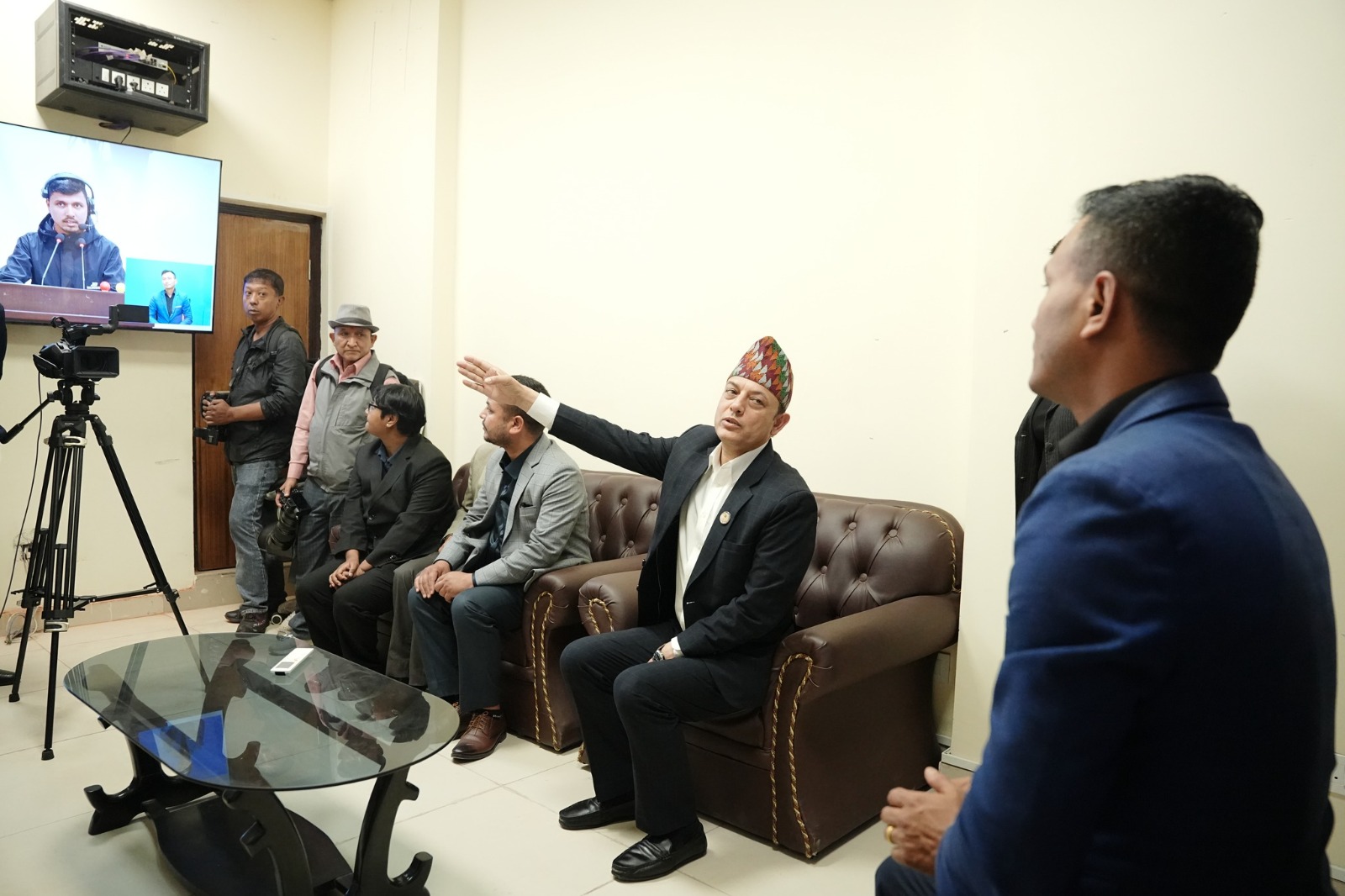
After decades of advocacy, Nepal’s Deaf community is gaining access to information in its own language. Interpreted national news broadcasts now air twice daily, and sign language interpretation has recently been introduced in parliament. Advocates say the changes mark a major step toward inclusion, recognition, and equal participation in public life for Deaf Nepalis who have long been excluded from critical information and decision-making.
Read more about ‘Deaf People Are Finally Seen as Equal Citizens’
The Politics of Waiting, Wanting, and Hoping
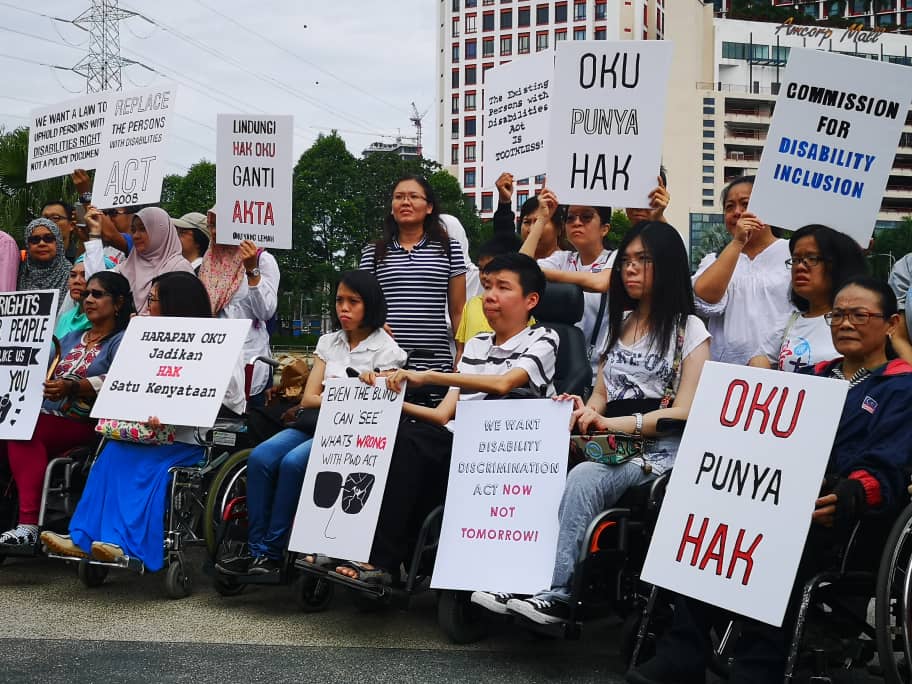
In Malaysia, disability exclusion is rarely one dramatic denial. More often, writes Beatrice Leong, it is “a series of ordinary delays” — inaccessible schools, symbolic consultations, policies without enforcement, and a system that asks disabled people to wait patiently for dignity and belonging. Blending personal reflection with political analysis, Leong examines what happens when inclusion is promised repeatedly, but justice never fully arrives.
Read more about The Politics of Waiting, Wanting, and Hoping
A ‘Direct Threat’ to Democracy
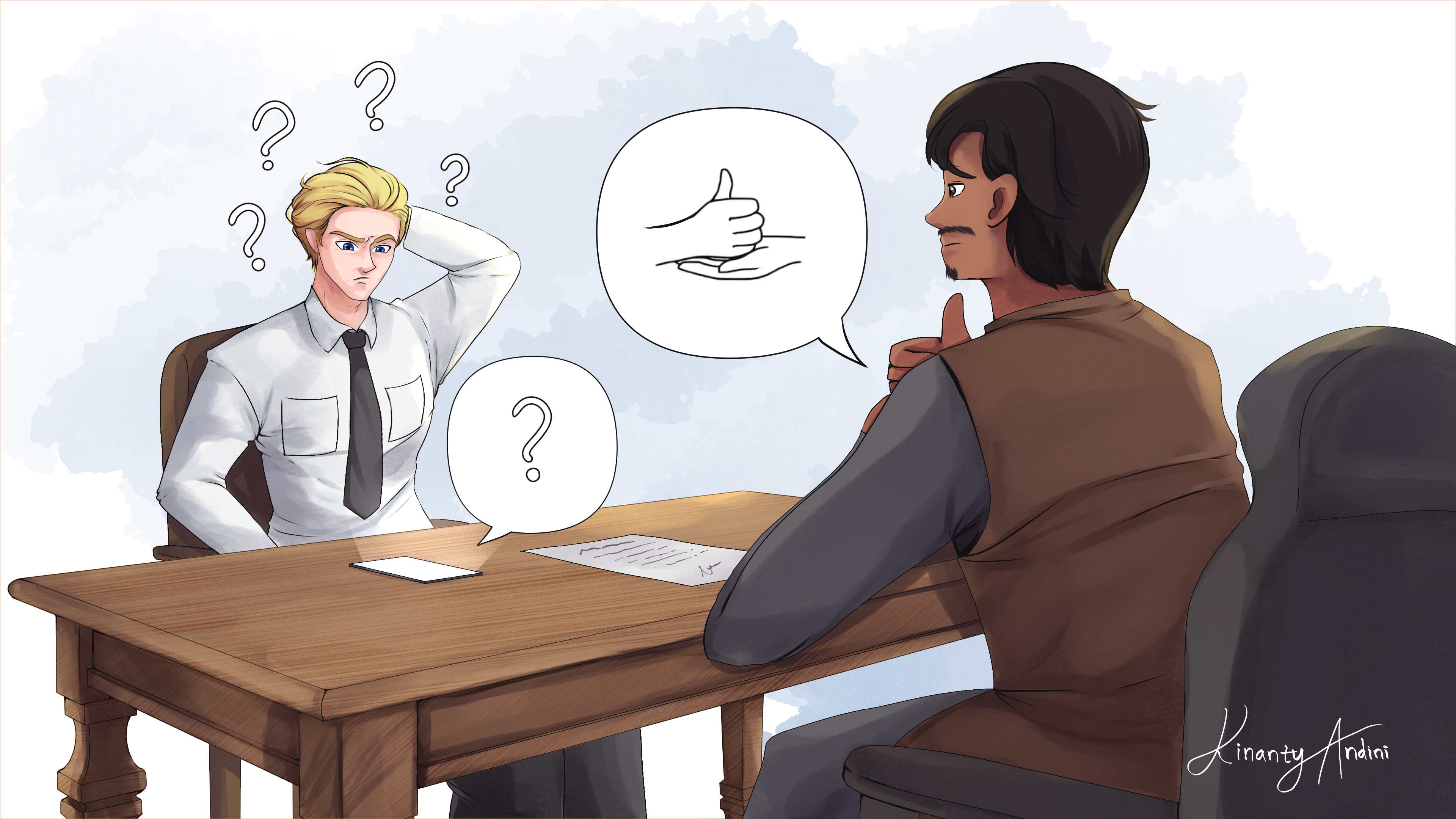
A Deaf asylum seeker from Mongolia spent five months in U.S. immigration detention without access to a sign language interpreter, leaving him unable to communicate with officers or explain his fear of persecution. His case raises questions about whether disability rights laws are being followed inside ICE facilities, where access to communication can determine the outcome of an asylum claim. Lawyer and advocate Qudsiya Naqui says the “absolute disregard” for disability rights under the Trump administration is a “direct threat” to democracy and rule of law.
‘Everything Has Gone Back’
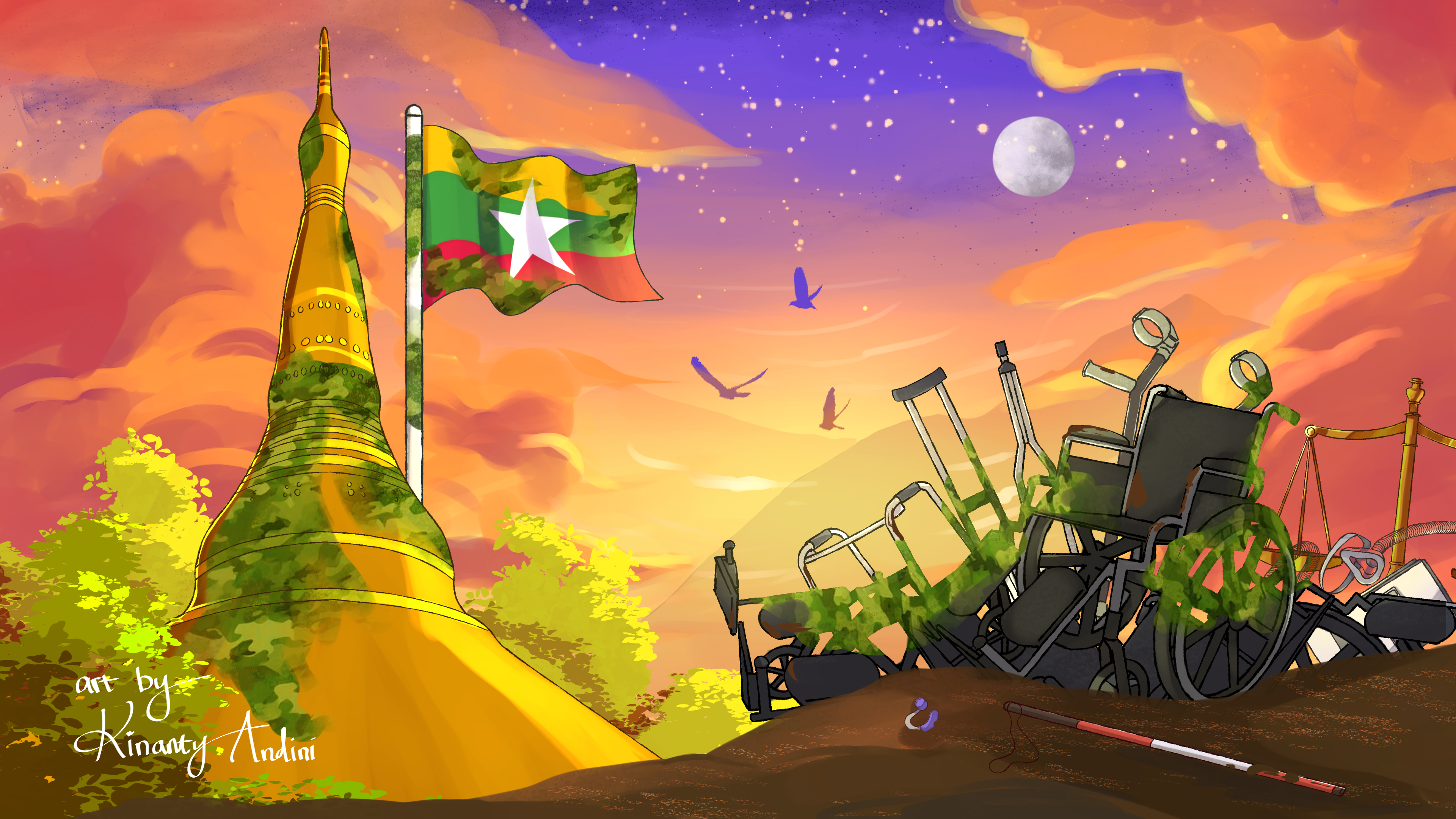
Before Myanmar’s 2021 military coup, disability advocates were helping shape national policy for the first time in decades. Laws expanded access to education, transportation, and public life. Today, much of that progress has collapsed. A new UN report describes a “hidden crisis,” documenting targeted violence, deadly attacks, and the exclusion of people with disabilities from warnings, aid, and services. As conflict creates new disabilities and organizations are forced underground, advocates work quietly to preserve rights that once seemed within reach.
‘I Just Want to Walk Alone’
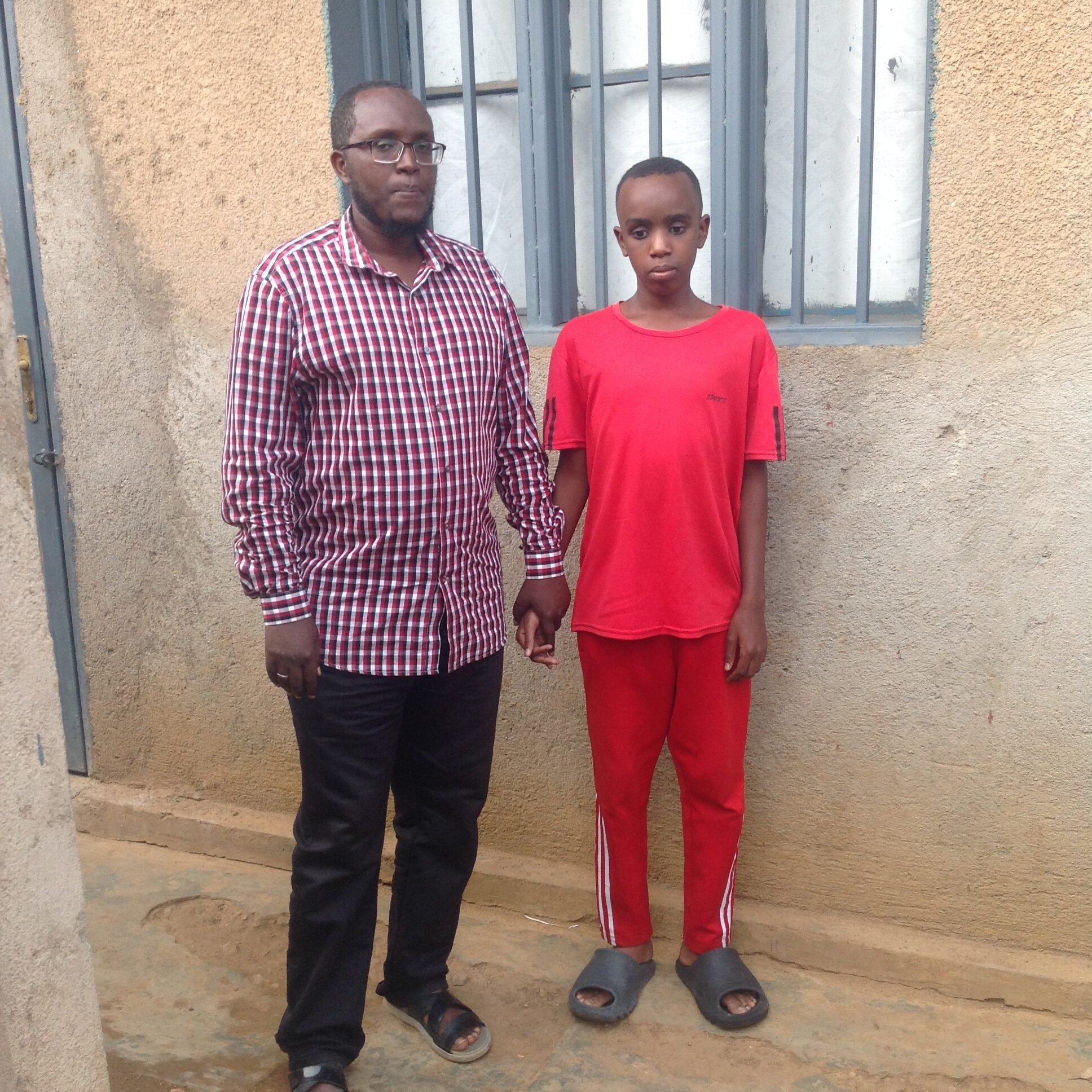
Fourteen-year-old Saifi Qudra relies on others to move safely through his day. Like many blind children in Rwanda, he has never had a white cane. His father, Mussah Habineza, escorts him everywhere. “He wants to walk like other children,” Habineza says, “He wants to be free.” Across Rwanda, the absence of white canes limits children’s mobility, confidence, and opportunity. For families, it also shapes daily routines, futures, and the boundaries of independence.
‘Evacuation Routes Are Meant for People Who Can Run’
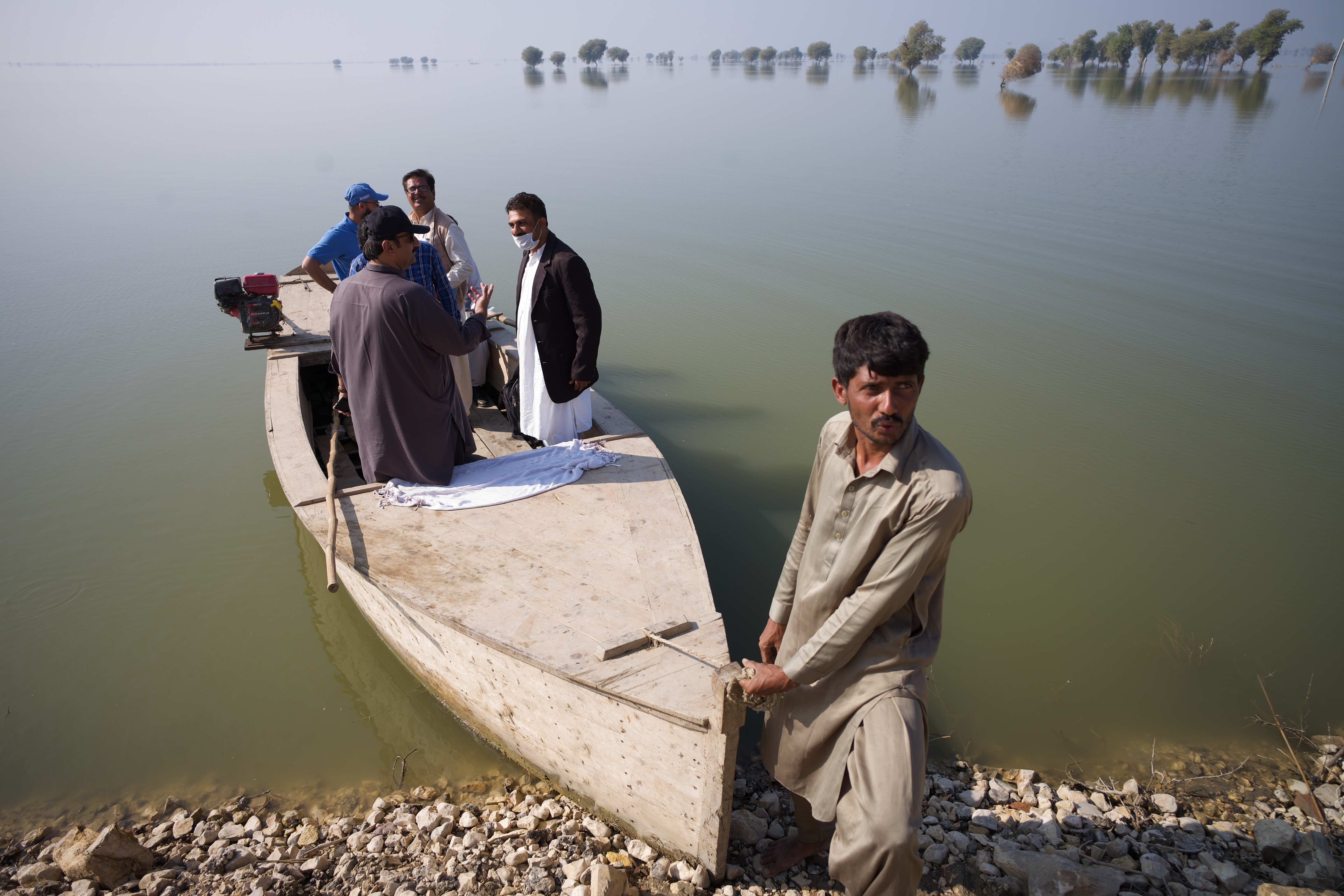
As climate change and conflict intensify across Pakistan, emergency systems continue to exclude people with disabilities. Warning messages, evacuation routes, and shelters are often inaccessible, leaving many without critical information when floods or violence erupt. “Evacuation routes are built for people who can run,” Deaf author and policy advocate Kashaf Alvi says, “and information is broadcast in ways that a significant population cannot access.”
Read more about ‘Evacuation Routes Are Meant for People Who Can Run’