Film
Right To Vote
Disabled Ugandans Want to Vote Independently
Uganda has made strides in increasing political representation for people with disabilities, but for many voters, access to the ballot remains out of reach. At polling stations, especially in rural areas, essential accommodations like sign language interpreters and guides are often unavailable. Ballots are not provided in Braille, forcing some voters to rely on others and compromising their independence and privacy. Many polling places are physically inaccessible, with no ramps or space for wheelchair users, making it difficult or impossible for some to enter and vote. “A person, for example, with a wheelchair cannot access and cannot have privacy,” says Muzamiru Musembya, chairperson and board member, Jinja District. “They will be just lifted like a stone to be taken where you’re supposed to vote from.”
Video edited by Taylor Blackley. Additional footage by Isaac Oboth.
Access this film with audio descriptions. Audio descriptions and editing by Taylor Blackley.
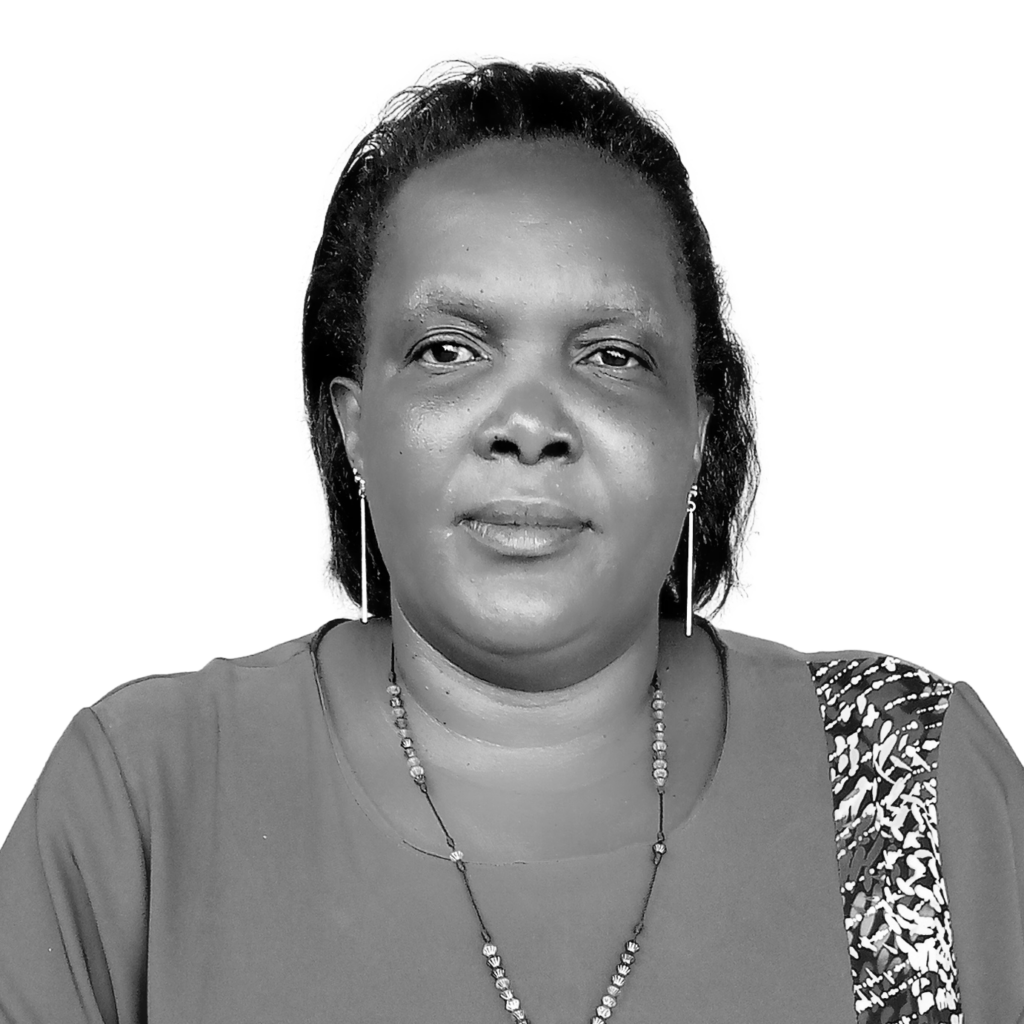
Filmmaker: Christine Oliver Dhikusooka
Christine Oliver Dhikusooka is a 48-year-old Catholic Ugandan, married with four children. She is a woman with a physical disability resulting from polio at age four. She holds an accounting diploma from Makerere Perfect Accountancy Centre in Kampala. Dhikusooka is the executive director of One Voice Heard 4 Disability Uganda (OVH4DU), a disability rights activist for women with disabilities in Uganda, and a policymaker in local government, representing women with disabilities. She serves as treasurer of the Council for Persons with Disabilities in the Roman Catholic Diocese of Jinja.
More videos
In Harm’s Way
About this video: NEW RELEASE: As Nigeria's growing insecurity crisis deepens, disabled people face barriers that can make reaching safety impossible.
‘We Were Left Behind’
About this video: Young Ugandans with disabilities face widespread exclusion from education, employment and community life. Gorret Namwanje and other members of the youth-led Shared Sights Foundation are working to change that.
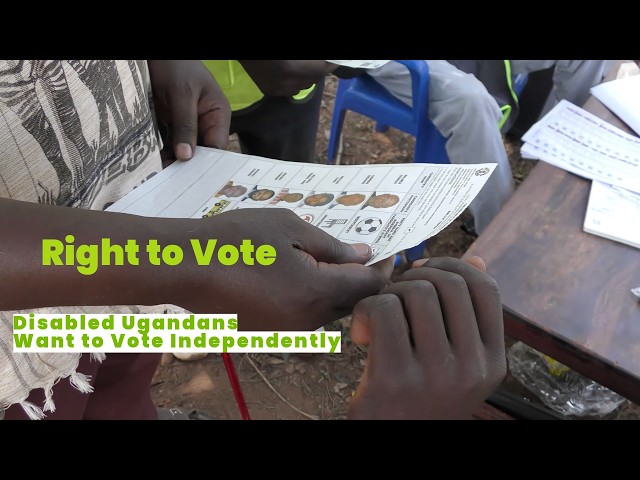
Right To Vote
About this video: UGANDA: Uganda has made strides in increasing political representation for people with disabilities, but for many disabled voters, access to the ballot remains out of reach.
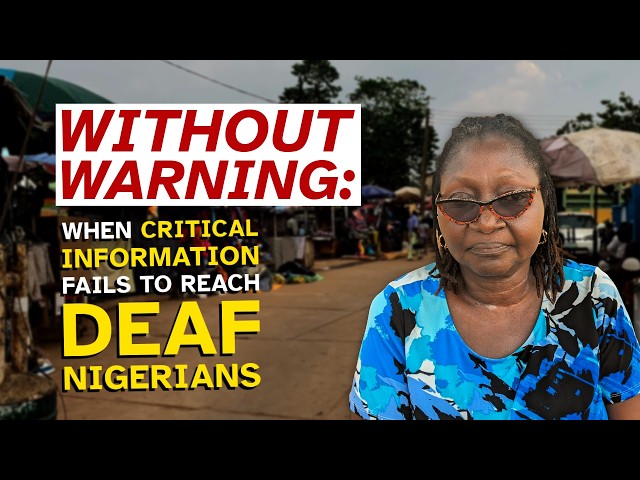
Without Warning
About this video: NEW RELEASE: For Deaf Nigerians caught in conflict, the difference between safety and danger can be a warning that never comes.
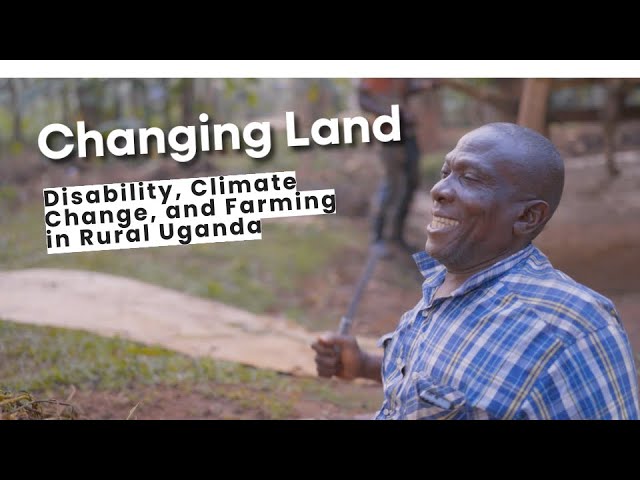
Changing Land
About this video: NEW RELEASE: Once green and dependable, the land Steven Bukaya farms has been reshaped by deforestation and unpredictable rain.
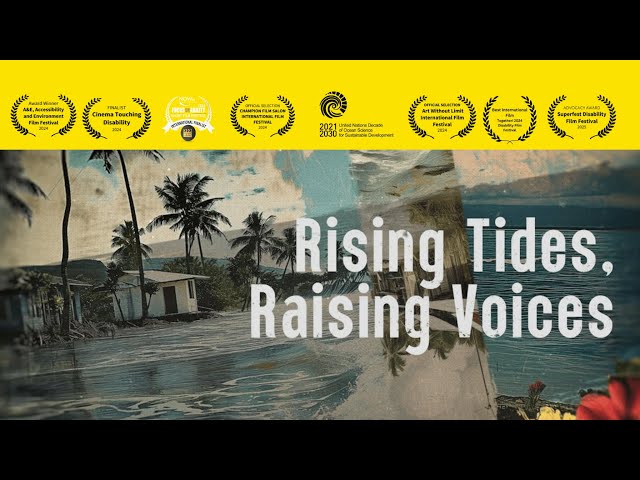
Rising Tides, Raising Voices
About this video: SAMOA: Indigenous Pacific Islanders with disabilities race against time so that when the next disaster strikes, no one is left behind.