News
‘It was not an easy journey, but I made it’
Play audio version
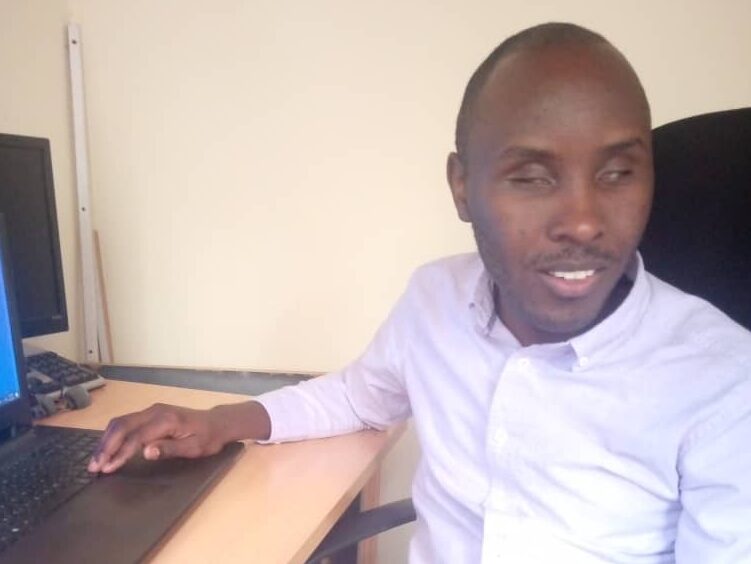
Attorney Jean Claude Ngabonziza and His Work in Disability Rights in Rwanda
September 22, 2021
*** Content warning regarding genocide
KIGALI, Rwanda — Jean Claude Ngabonziza was only four years old when the 1994 Rwandan genocide began. Ngabonziza describes what he thinks he knew was happening at the start of the genocide. “… I could see that everyone was so worried,” he says. “My mother kept us in the house and was always praying and crying. They could not let us out to play, and my dad was no longer going to the fields. I was young, but I believe I was scared, too.”
After a period of hiding and trying to survive, Ngabonziza and his family were bombarded with grenades that left him with blindness. His mother, the only other surviving family member, enrolled him in HVP (Home of Virgin of the Poor), a school for children with disabilities in Gatagara, and later the Gahini Secondary School after the genocide.
Today, Jean Claude Ngabonziza is a lawyer working with UWEZO Youth Empowerment, an organization supporting youth with disabilities. UWEZO Youth Empowerment is under the umbrella cohort of the National Union of Disability Organizations of Rwanda. Since graduating from the School of Law at the University of Rwanda-Huye Campus with academic distinction, he has worked with many organizations, especially those supporting youth with disabilities. “It was not an easy journey but I made it,” Ngabonziza says. Since 2012, he has been a member of the Rwandan Union of the Blind, where he has been advocating for access to white canes for Rwandans with vision impairments.
Ngabonziza was born in 1990. Both his parents were farmers. He was raised in Kigali, in the Gasabo District and Ndera Sector. He says his family had a lot of expectations for him as their firstborn and only son in his nuclear family. He is grateful to his mother, especially for the role she played in his educational journey. Ngabonziza says, “If it was not for my mother who, instead of keeping me in the backyard, chose to take me to school, which was not an easy task for her with all the difficulties and poverty that was there after the [genocide]. She was having her own problems of trauma and post-war issues of losing her husband and family, but she fought for her son. I cannot thank her enough.”
When asked what makes him thrive, he says, “I do not limit myself. I try everything that I can do, put in more work than others. I make sure that I am satisfied with my work, which is not an easy task to achieve.”
Rose Umutesi is a 2021 DJP Fellow and chairperson of the National Organization of Users and Survivors of Psychiatry in Rwanda (NOUSPR) and co-founder and treasurer of its umbrella organization, the National Union of Disabilities Organizations of Rwanda (NUDOR). @2021 NOUSPR. All rights reserved.
News From the Global Frontlines of Disability Justice

The Cost of Surviving
After years of failed treatments for complex PTSD, Marian Siljeholm followed an unlikely lead into the underground world of MDMA-assisted therapy. What began as a search for healing became a journey through the science of trauma, the politics of prohibition, and the hidden global network of people risking their freedom to help others reclaim their lives. Their stories would change her own. As Marian writes, “The next morning, I woke with a thought as real as the bed: This is the first day of my life.”
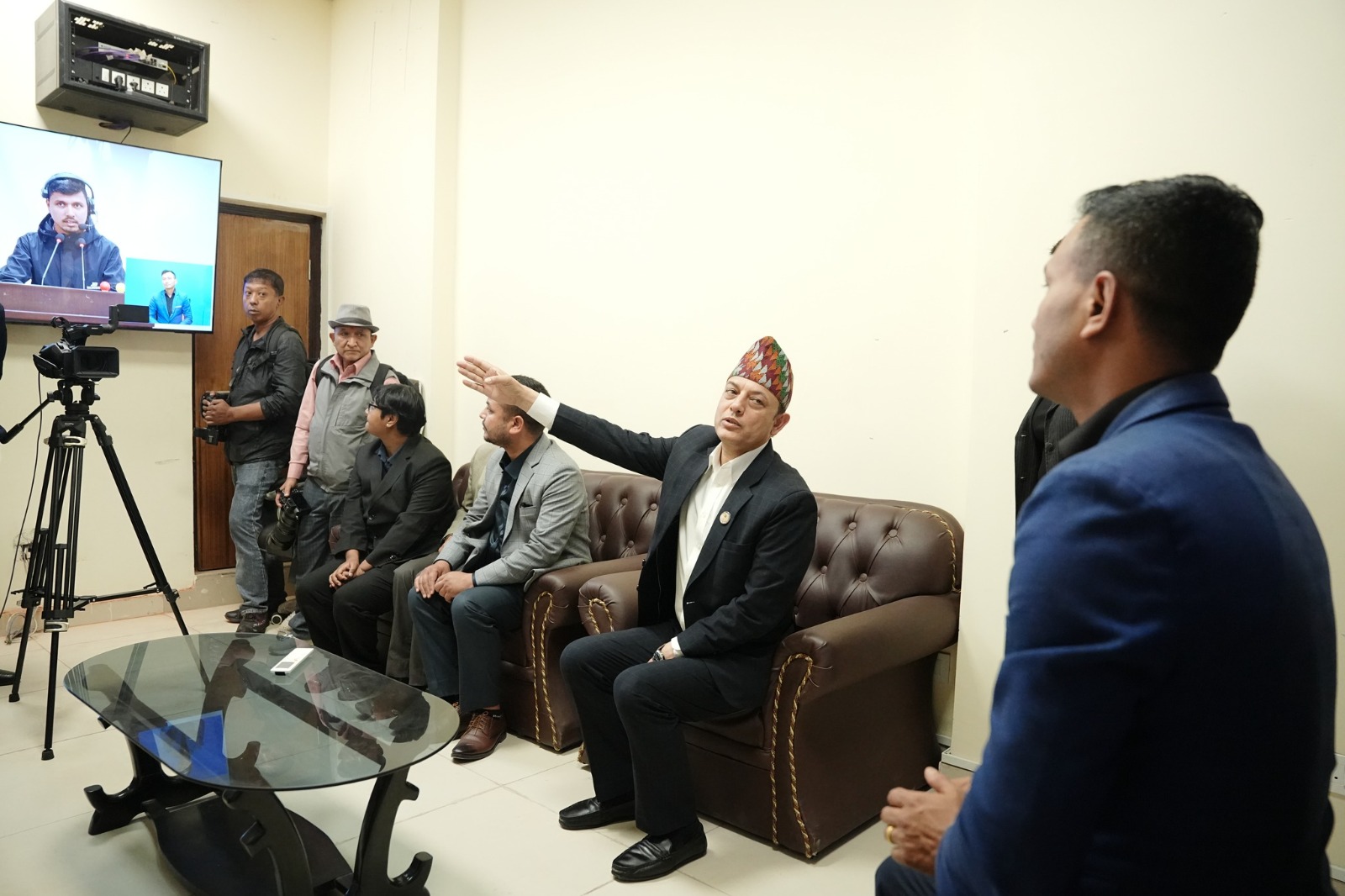
‘Deaf People Are Finally Seen as Equal Citizens’
After decades of advocacy, Nepal’s Deaf community is gaining access to information in its own language. Interpreted national news broadcasts now air twice daily, and sign language interpretation has recently been introduced in parliament. Advocates say the changes mark a major step toward inclusion, recognition, and equal participation in public life for Deaf Nepalis who have long been excluded from critical information and decision-making.
Read more about ‘Deaf People Are Finally Seen as Equal Citizens’
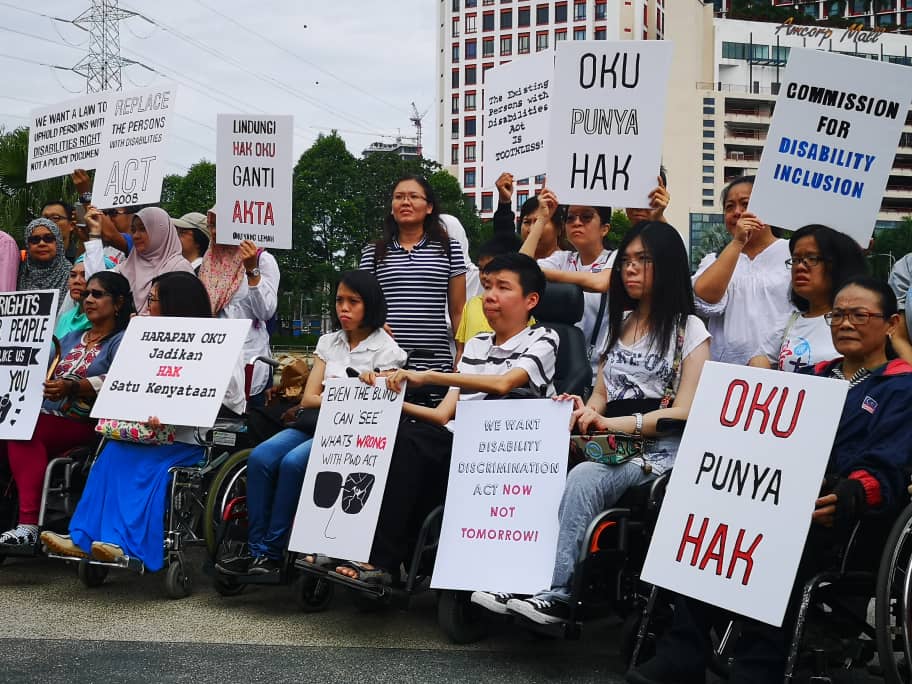
The Politics of Waiting, Wanting, and Hoping
In Malaysia, disability exclusion is rarely one dramatic denial. More often, writes Beatrice Leong, it is “a series of ordinary delays” — inaccessible schools, symbolic consultations, policies without enforcement, and a system that asks disabled people to wait patiently for dignity and belonging. Blending personal reflection with political analysis, Leong examines what happens when inclusion is promised repeatedly, but justice never fully arrives.
Read more about The Politics of Waiting, Wanting, and Hoping
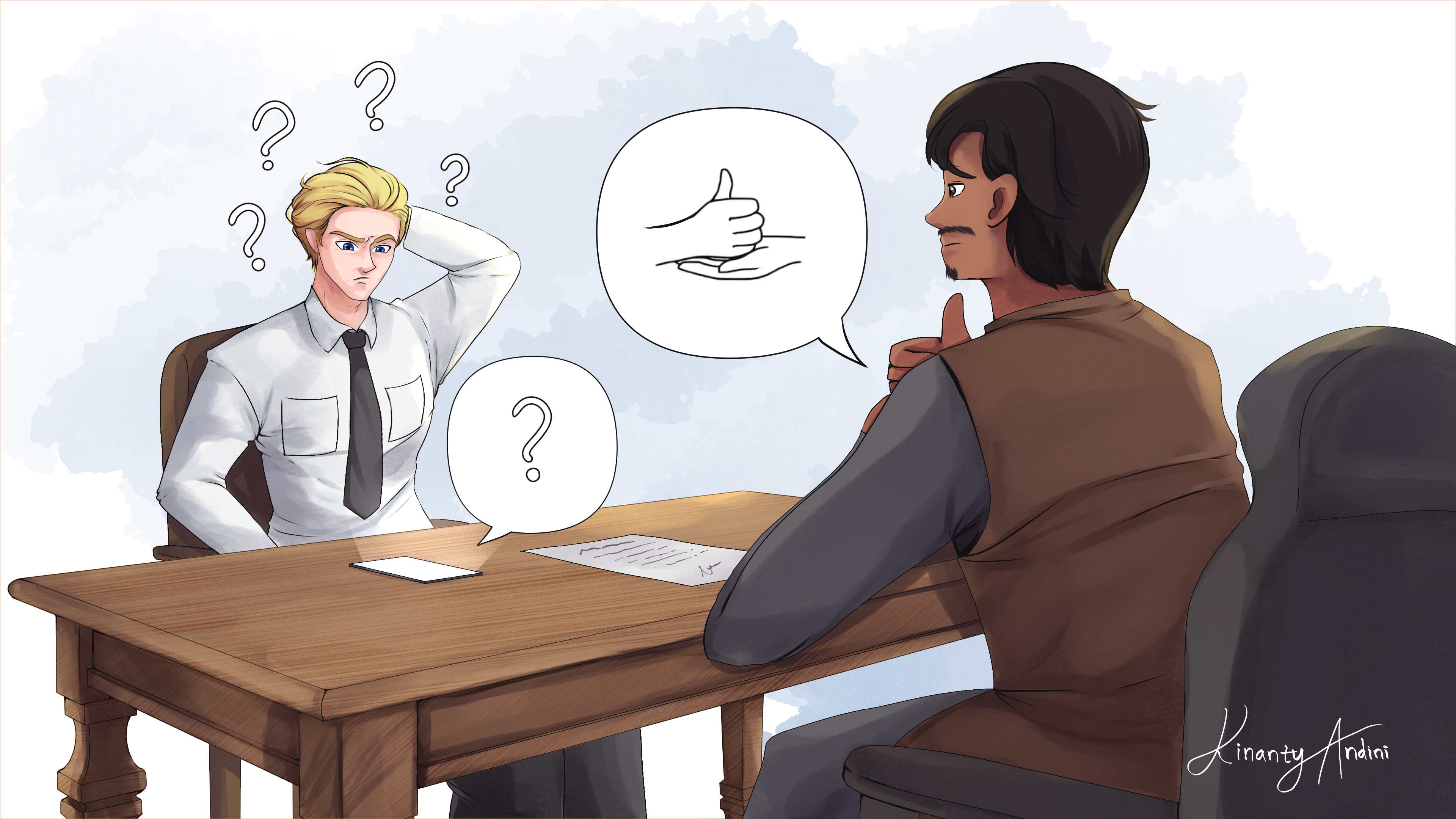
A ‘Direct Threat’ to Democracy
A Deaf asylum seeker from Mongolia spent five months in U.S. immigration detention without access to a sign language interpreter, leaving him unable to communicate with officers or explain his fear of persecution. His case raises questions about whether disability rights laws are being followed inside ICE facilities, where access to communication can determine the outcome of an asylum claim. Lawyer and advocate Qudsiya Naqui says the “absolute disregard” for disability rights under the Trump administration is a “direct threat” to democracy and rule of law.
‘Everything Has Gone Back’
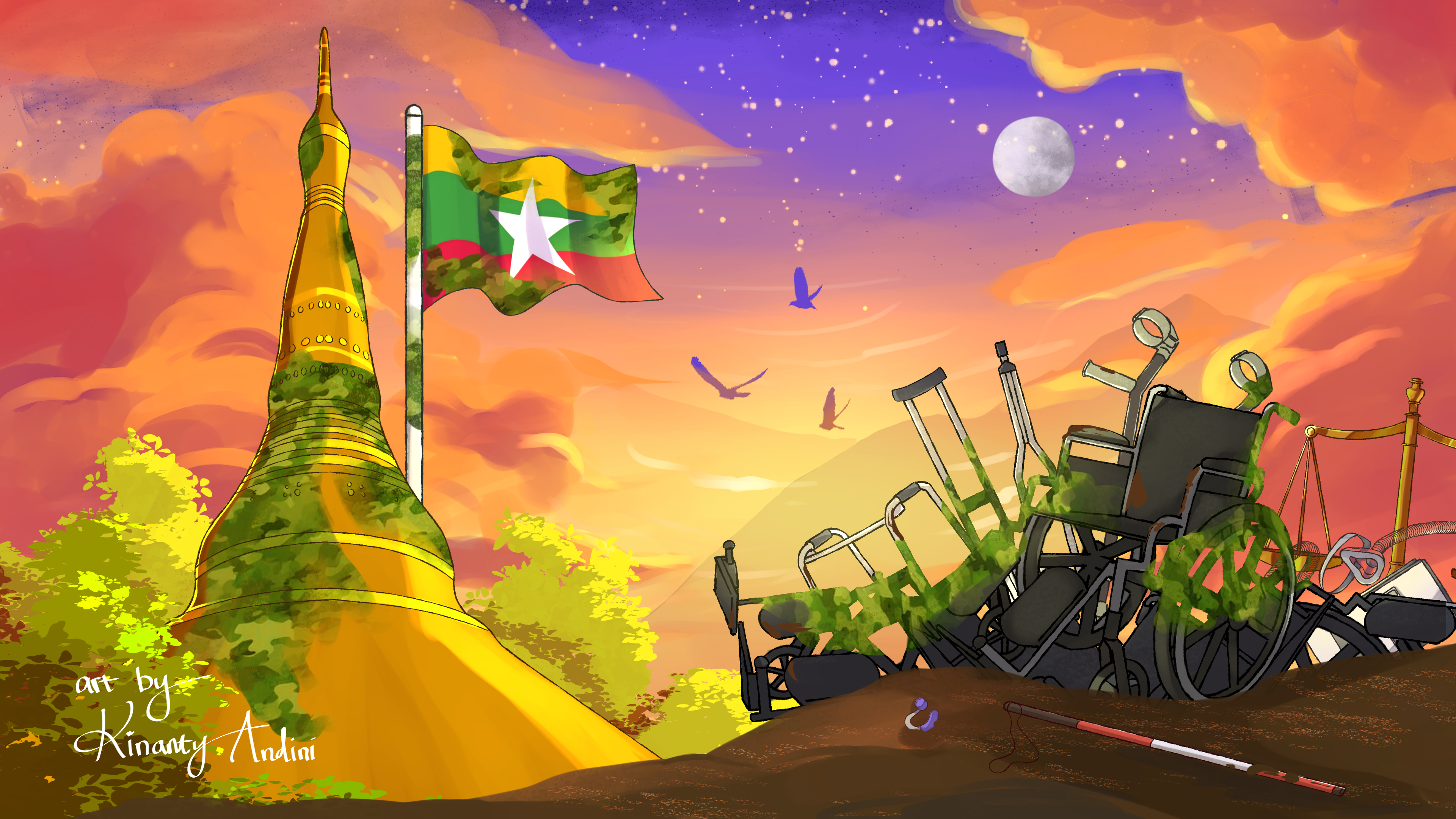
Before Myanmar’s 2021 military coup, disability advocates were helping shape national policy for the first time in decades. Laws expanded access to education, transportation, and public life. Today, much of that progress has collapsed. A new UN report describes a “hidden crisis,” documenting targeted violence, deadly attacks, and the exclusion of people with disabilities from warnings, aid, and services. As conflict creates new disabilities and organizations are forced underground, advocates work quietly to preserve rights that once seemed within reach.
‘I Just Want to Walk Alone’
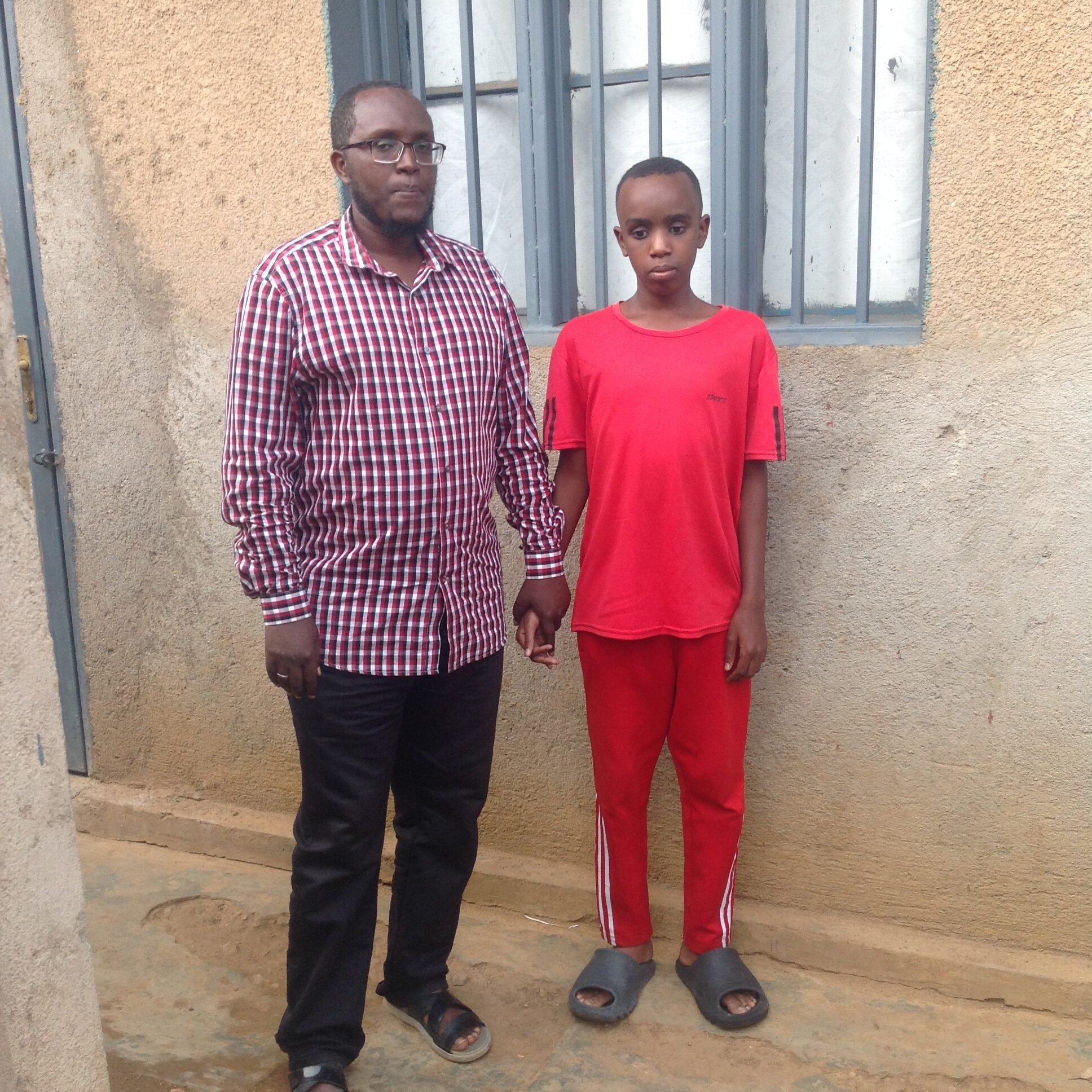
Fourteen-year-old Saifi Qudra relies on others to move safely through his day. Like many blind children in Rwanda, he has never had a white cane. His father, Mussah Habineza, escorts him everywhere. “He wants to walk like other children,” Habineza says, “He wants to be free.” Across Rwanda, the absence of white canes limits children’s mobility, confidence, and opportunity. For families, it also shapes daily routines, futures, and the boundaries of independence.