News
A ‘Direct Threat’ to Democracy
A Deaf Asylum Seeker Spent Five Months In ICE Custody Without A Sign Language Interpreter, Raising Concerns About Disability Rights In Detention
March 23, 2026
Avrimed, a Deaf, nonverbal asylum seeker from Mongolia, was released from U.S Immigration and Customs Enforcement (ICE) detention in July 2025 after spending five months at the Otay Mesa Detention Center in California without access to a Mongolian Sign Language (MSL) interpreter.
He had been arrested by U.S.Customs and Border Protection (CBP) upon his entry into the U.S. in February 2025, and ICE attempted to communicate with him using only Google Translate. Without access to a qualified interpreter, Avrimed failed his credible fear interview, the initial screening used to determine whether an asylum seeker has a serious fear of persecution or torture in their home country that could qualify them for asylum. Although Avrimed had fled Mongolia because of discrimination and persecution, he was unable to communicate this to the officers reviewing his case.
On July 16, 2025, a U.S. District Court judge finally ordered the Department of Homeland Security (DHS), which oversees ICE, to provide Avrimed with reasonable accommodations going forward, including the provision of an MSL interpreter. Not long after, Avrimed was released from ICE custody without explanation.
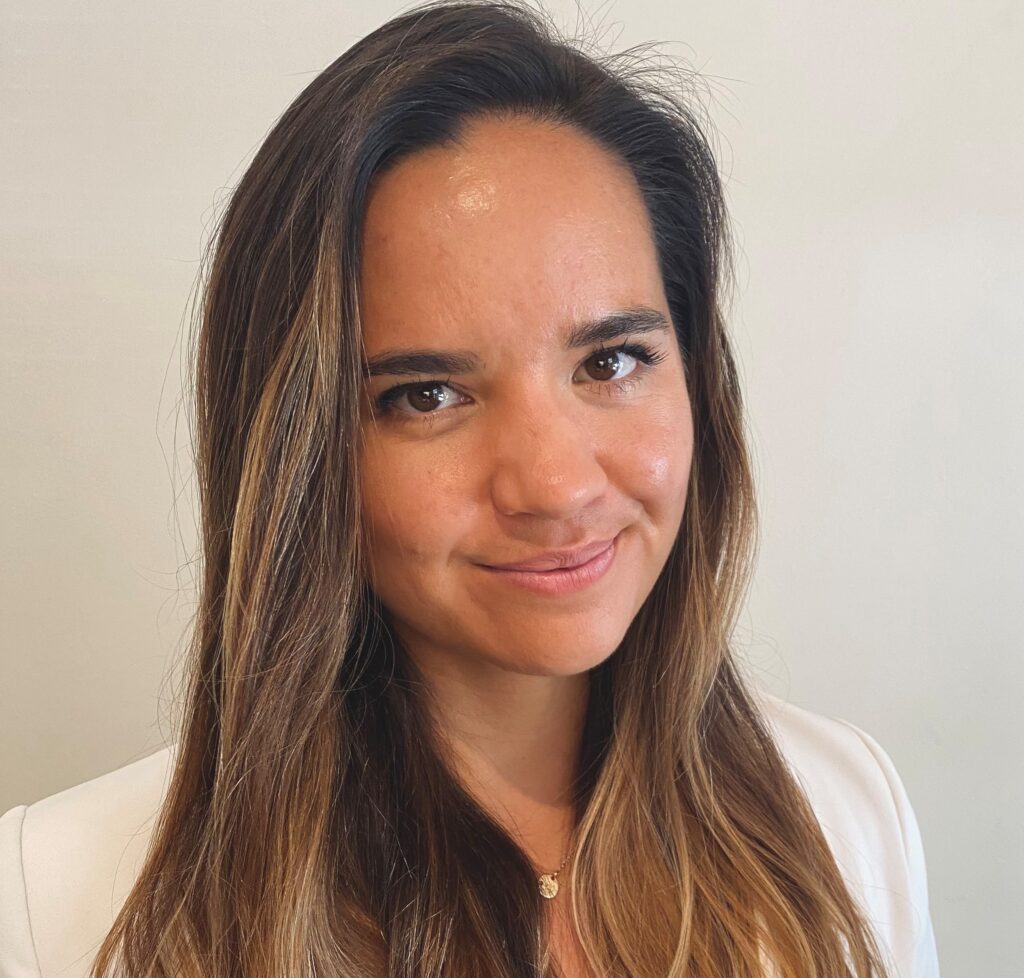
Laura Murchie, staff attorney at Disability Law United, a nonprofit legal organization that worked on Avrimed’s case, argues that the system had the ability to better protect him and his rights: “In theory it should be [accessible], and there are laws like to make sure that it is accessible, but in practice, that doesn’t happen as regularly as it should.”
A Historically Ableist System
Ableism in the U.S immigration system can be traced back to the Immigration Act of 1882, which prohibited entry to any “lunatic, idiot, or any person unable to take care of himself or herself without becoming a public charge.” The Immigration Act of 1907 added to this by further excluding “imbeciles,” “feeble-minded persons,” and people afflicted by a physical or mental disability that might impede their ability to earn a living.
Federal law is intended to preserve the rights of disabled people navigating the immigration system, but these protections are not always followed in practice. Under Section 504 of the Rehabilitation Act of 1973, ICE is required to provide reasonable accommodations and is prohibited from discriminating against disabled people in federally funded programs and activities. ICE’s own policies also require accommodations such as sign language interpreters and video phones, but advocates say these requirements are frequently not enforced.
Members of Congress have penned two letters – one in August 2025 and one in February 2026 – to the former DHS Secretary Kristi Noem regarding the treatment of disabled people in ICE custody. The February letter from four Democratic members of the House Judiciary Committee cites Avrimed’s case, along with several others in which ICE failed to provide legally required accommodations: “These incidents are deeply troubling and speak to the need for an increased understanding of the unique needs of individuals with disabilities, as well as enforcement of the standards that immigration officials are required to follow by law. It is not only possible but is essential that all law enforcement actions are taken within the bounds of what is allowed by federal law.”
In the letter, the lawmakers requested a response by February 27, 2026, but Noem failed to reply before being fired from her position on March 5, 2026.
The Provision of Sign Language Interpreters
Like Avimed, another Deaf man, Javier Diaz Santana, was recently denied access to a sign language interpreter while in ICE custody.
Diaz is a recipient of Deferred Action for Childhood Arrivals (DACA), a policy that grants temporary protection from deportation and work authorization to immigrants brought to the United States as children. He tried to communicate his DACA status to officers from ICE as he was being arrested in June 2025, but his ID and phone were quickly seized.
After his arrest at the California car wash where he worked, Diaz was detained in El Paso, Texas. During his detention, he was given paperwork in Spanish, a language he does not know. The Los Angeles Times reported that Diaz was simply handed a pen and paper so he could request to use the bathroom.
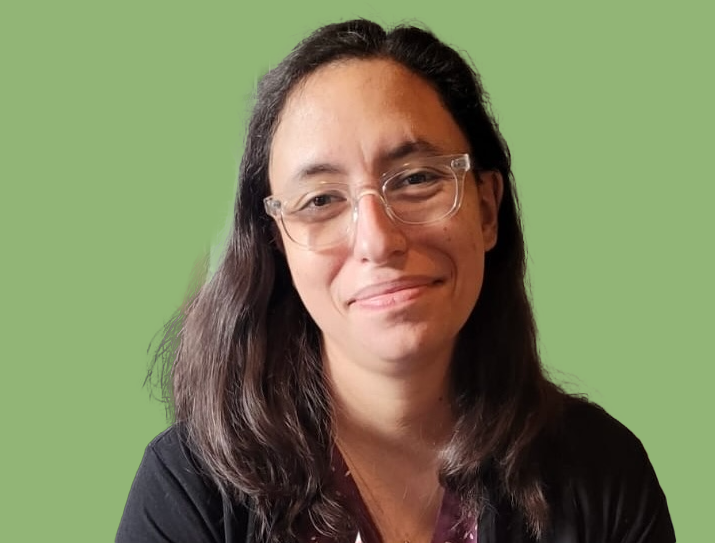
Celena Ponce is the founder and director of Hands United, an organization that provides accessible immigration education and communication support for Deaf immigrants navigating the U.S. immigration system. “I would say the biggest is communication access,” she says of the barriers Deaf immigrants face. “Often, those who are detained don’t have access to video phones, and they don’t have access to interpreters. Often when they do get an interpreter, it’s not in the language that they know, or in a mode that works for them.”
Video phones or video relay services (VRS) allow someone to sign to an interpreter via video, and the interpreter then speaks to a hearing person on the other end of the line. The service is essential for Deaf people to be able to communicate with the outside world while incarcerated.
In September 2022, the Federal Communications Commission adopted rules intended to improve communication access for Deaf people who are incarcerated, including access to telecommunications services such as video phones, but Ponce says ICE is not meeting its obligations. “What we have found is that either the locations where the detained individuals that we know are located don’t have video phones, or if they do have video phones, for whatever reason, immigration doesn’t know the username and password to get into those video phones,” she says. “So they are essentially computers that are just sitting there unusable because no one knows the information.”
Fighting For Justice
Advocates say these failures have only intensified during Trump’s second term in office. “The immigration system has always been ableist,” says Murchie, acknowledging that the current political climate is not entirely to blame, “but the Trump administration is very, very ableist.”
Qudsiya Naqui, a lawyer and disability justice advocate based in Washington, D.C., says the “absolute disregard” for disability rights laws under Trump’s second term represents a “direct threat” to the rule of law and democracy in the U.S.
According to a report by the American Immigration Council, roughly 40,000 people were being held in immigration detention when President Donald Trump took office in January 2025. By December, that number had risen by almost 75 percent to more than 68,000, with the system reportedly capable of holding up to 70,000 people at any given time. Because the federal government does not track disability among detainees, it is unclear how many people with disabilities are currently being held in immigration detention.
Whether Kristi Noem’s recent departure from DHS will bring changes to the treatment of disabled detainees remains unclear. Her replacement, Markwayne Mullin, has not yet indicated whether he will take a different approach.

For Naqui, a more fundamental policy shift is needed. “If our government cannot respect the civil rights of those who are most vulnerable to harm because they do not have the necessary tools to communicate, have mobility, or have full awareness of what is happening to them as they interact with law enforcement officials, including ICE officers, the constitutional promise of equal protection under the law is rendered meaningless,” she says. “That is why it is essential that the public demands the just treatment of disabled immigrants. It is critical to the safety of all communities.”
ICE was contacted and given time to respond to the allegations of disability discrimination, but they did not reply at the time of writing.
Niamh Ní Hoireabhaird is a disability journalist and activist from Ireland. Her work seeks to highlight disability issues across the world.
News From the Global Frontlines of Disability Justice
A ‘Direct Threat’ to Democracy
A Deaf asylum seeker from Mongolia spent five months in U.S. immigration detention without access to a sign language interpreter, leaving him unable to communicate with officers or explain his fear of persecution. His case raises questions about whether disability rights laws are being followed inside ICE facilities, where access to communication can determine the outcome of an asylum claim. Lawyer and advocate Qudsiya Naqui says the “absolute disregard” for disability rights under the Trump administration is a “direct threat” to democracy and rule of law.

‘Everything Has Gone Back’
Before Myanmar’s 2021 military coup, disability advocates were helping shape national policy for the first time in decades. Laws expanded access to education, transportation, and public life. Today, much of that progress has collapsed. A new UN report describes a “hidden crisis,” documenting targeted violence, deadly attacks, and the exclusion of people with disabilities from warnings, aid, and services. As conflict creates new disabilities and organizations are forced underground, advocates work quietly to preserve rights that once seemed within reach.
‘I Just Want to Walk Alone’
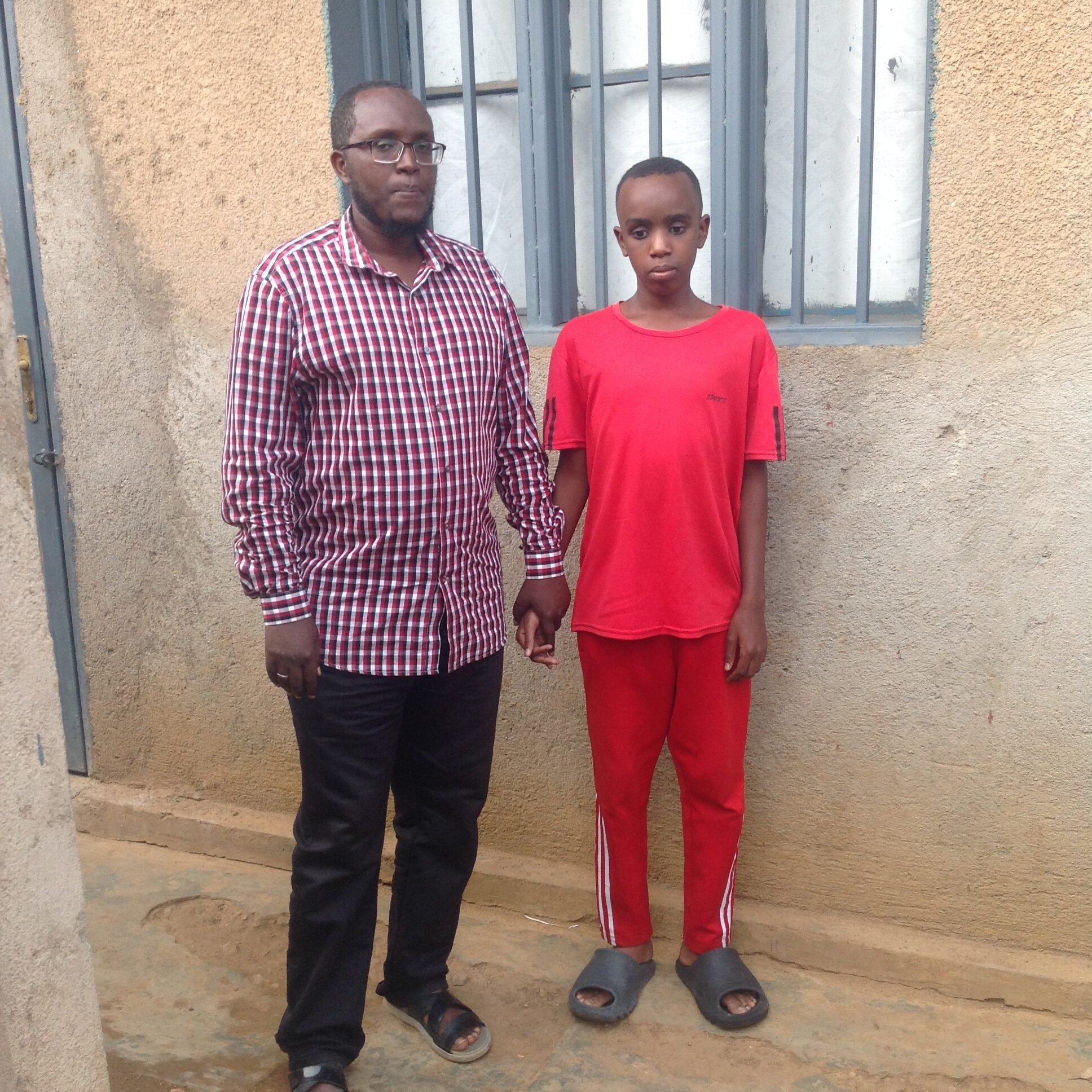
Fourteen-year-old Saifi Qudra relies on others to move safely through his day. Like many blind children in Rwanda, he has never had a white cane. His father, Mussah Habineza, escorts him everywhere. “He wants to walk like other children,” Habineza says, “He wants to be free.” Across Rwanda, the absence of white canes limits children’s mobility, confidence, and opportunity. For families, it also shapes daily routines, futures, and the boundaries of independence.
‘Evacuation Routes Are Meant for People Who Can Run’
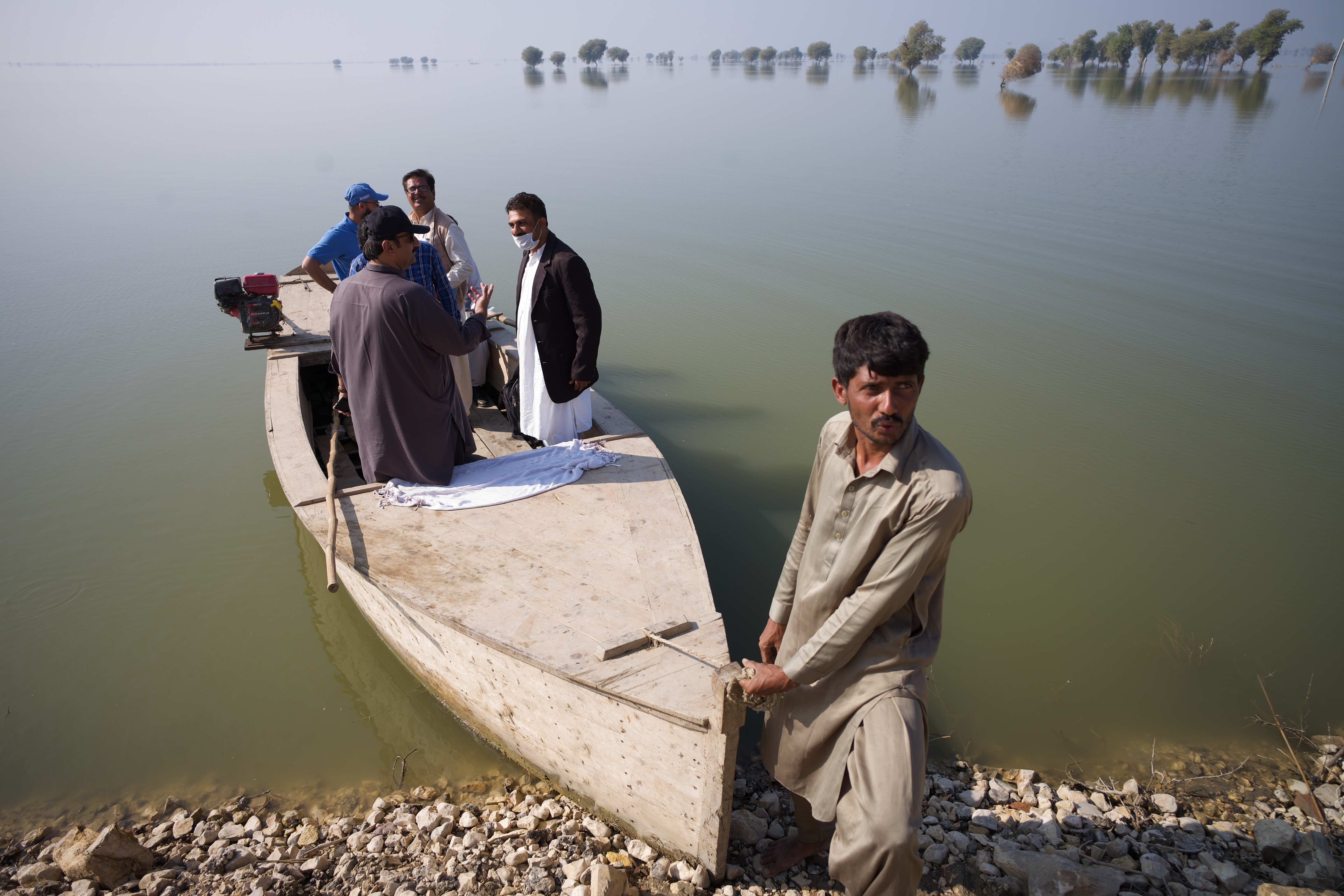
As climate change and conflict intensify across Pakistan, emergency systems continue to exclude people with disabilities. Warning messages, evacuation routes, and shelters are often inaccessible, leaving many without critical information when floods or violence erupt. “Evacuation routes are built for people who can run,” Deaf author and policy advocate Kashaf Alvi says, “and information is broadcast in ways that a significant population cannot access.”
Read more about ‘Evacuation Routes Are Meant for People Who Can Run’
Autism, Reframed
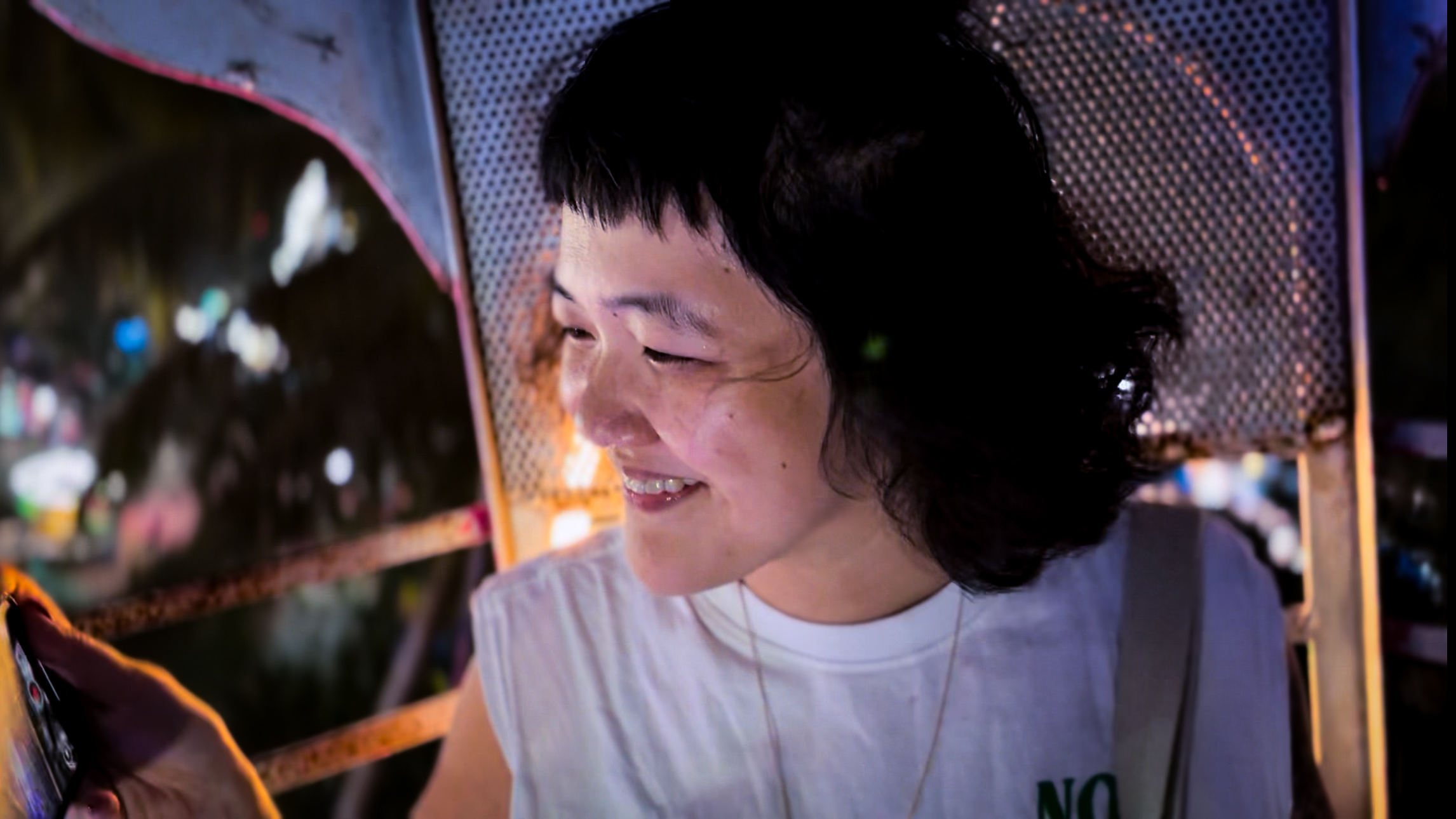
Late in life, Malaysian filmmaker Beatrice Leong learned she was autistic and began reckoning with decades of misdiagnosis, harm, and erasure. What started as interviews with other late-diagnosed women became a decision to tell her own story, on her own terms. In The Myth of Monsters, Leong reframes autism through lived experience, using filmmaking as an act of self-definition and political refusal.
Disability and Due Process
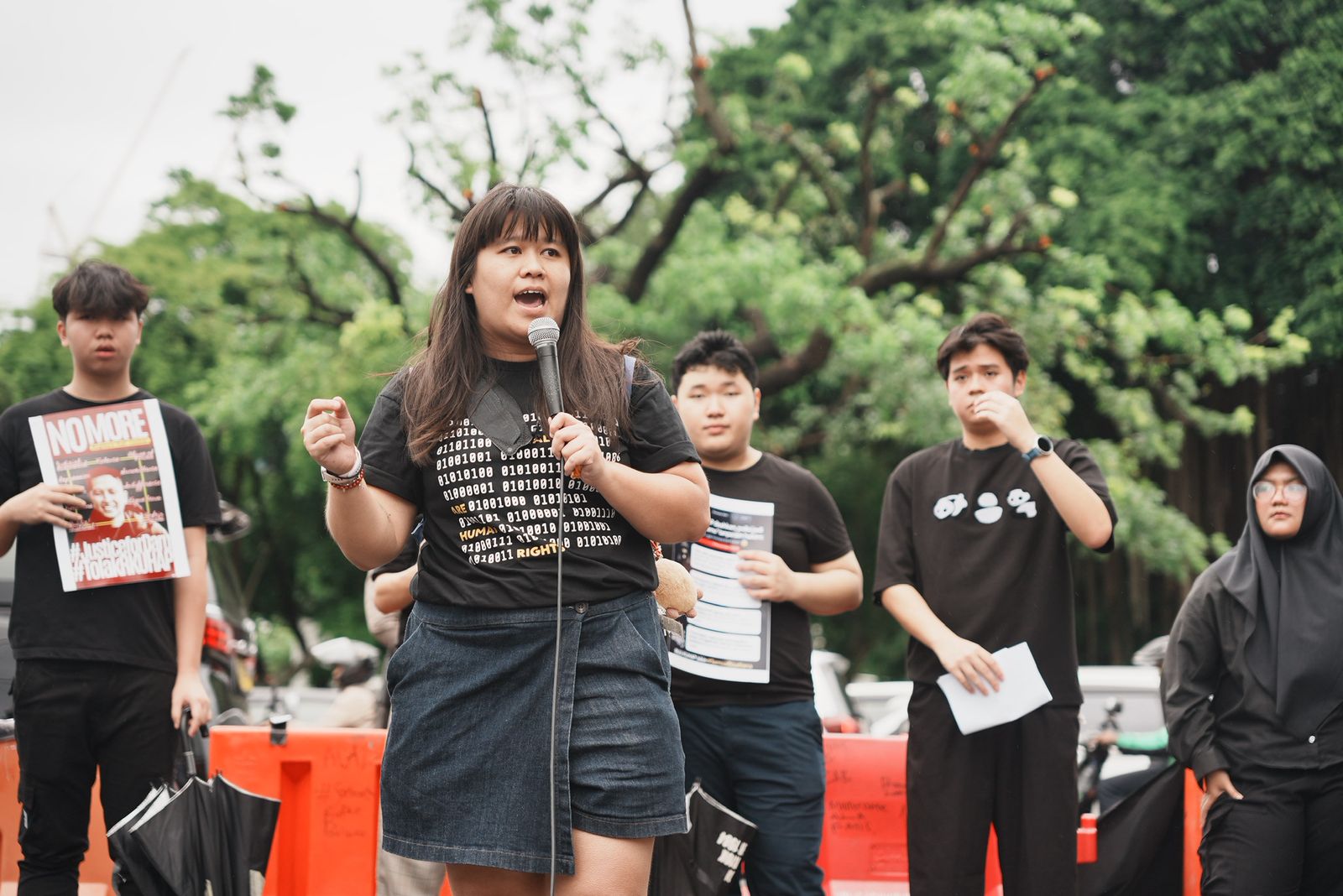
As Indonesia overhauls its criminal code, disability rights advocates say long-standing barriers are being reinforced rather than removed. Nena Hutahaean, a lawyer and activist, warns the new code treats disability through a charitable lens rather than as a matter of rights. “Persons with disabilities aren’t supported to be independent and empowered,” she says. “… They’re considered incapable.”