News
Autism, Reframed
Disability Justice Project Advisor Beatrice Leong on Her Evolving Documentary Film, The Myth of Monsters, and the Power of Telling Her Own Story
January 9, 2026
*Editor’s note: the following article contains references to gender-based violence, suicide, and medical institutionalization, which some readers may find difficult.
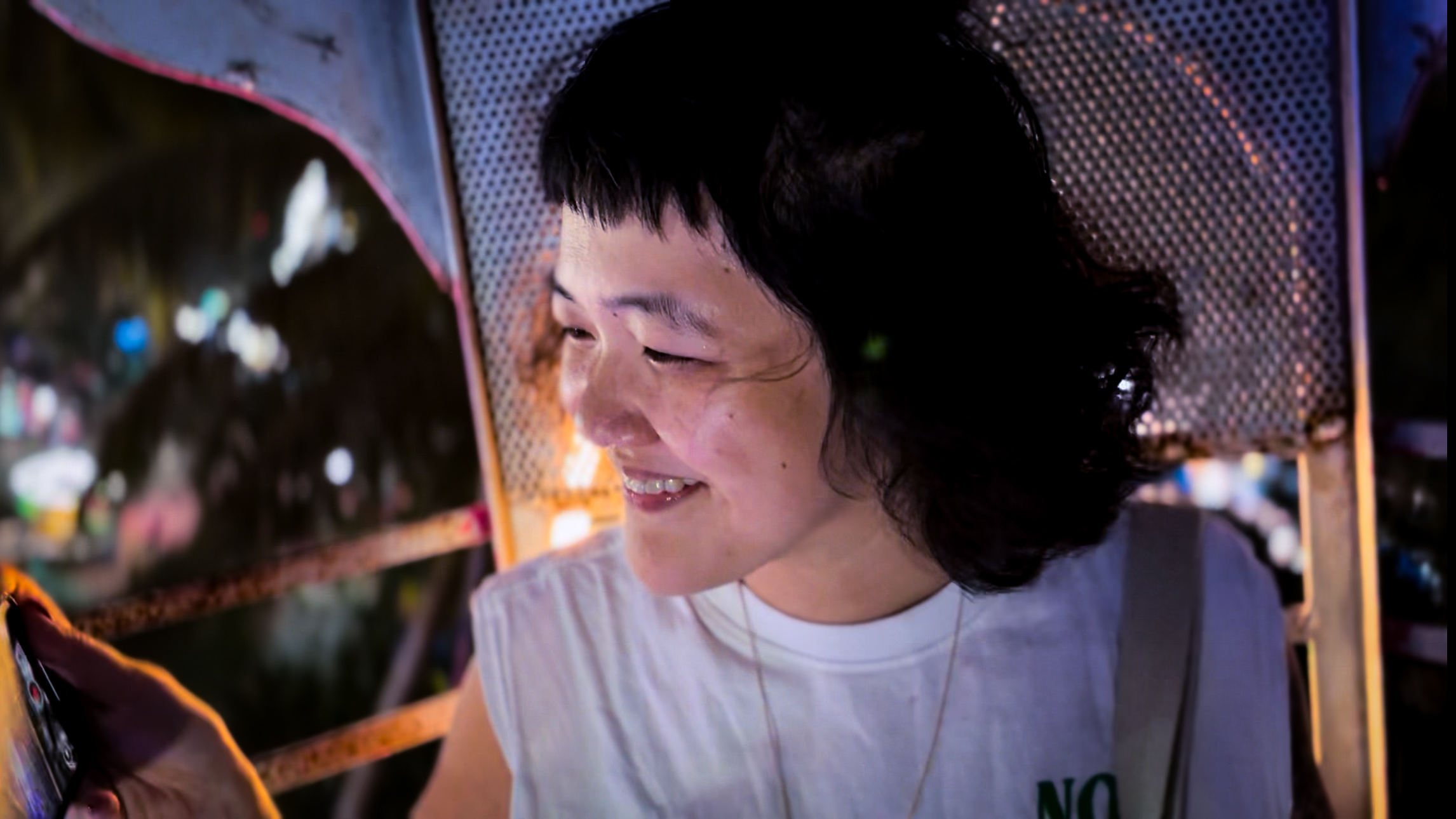
Beatrice Leong, a Malaysian documentary filmmaker, was midway through her 30s when she realized she was autistic. After more than three decades of being misunderstood, misdiagnosed, and mistreated, when she contemplated her identity, it was monstrous– warped through a series of flawed reflections that left her feeling unseen, unrecognized, unrecognizable.
She began interviewing other late-diagnosed autistic women, other “Lost Girls,” as a way to decipher the personal significance of her belated diagnosis. As she searched for experiences that mirrored hers, she realized that the story she really wanted to tell was her own. From the reclamation of her story emerged her forthcoming documentary film, The Myth of Monsters. The project, while still in development, has already transformed from a means of self-discovery into a politicized act of self-determination.
“If I hadn’t made [The Myth of Monsters], I don’t think I would have come to understand who I am,” says Leong, “to have a firmer, stronger stance of who I am as an activist … If you’re going to present something about me, I want to present it myself.”
The Myth of Monsters has been in development for seven years, but for Leong, the film’s director and central figure, the story represents a lifelong journey. The feature-length documentary is still in production and projected for a late 2027 release.
Meanwhile, Leong is preparing to premiere her documentary short, Who Will Love Me When You Die?, in the coming months. The short film will feed into the more expansive The Myth of Monsters and introduces one of the central arcs of her story.
Who Will Love Me When You Die? explores Leong’s relationship with her mother, tracing the turbulent effects of the painful path towards her autism diagnosis. As with many parental relationships, misguided attempts to help resulted in unintended harm. In Leong’s case, the trauma was significant. Before she’d been properly evaluated or diagnosed, Leong had exhibited signs of psychosis and suicidality, repercussions of years of ongoing distress and ostracism. In response, her mother admitted her into the Malaysian psychiatric care system.
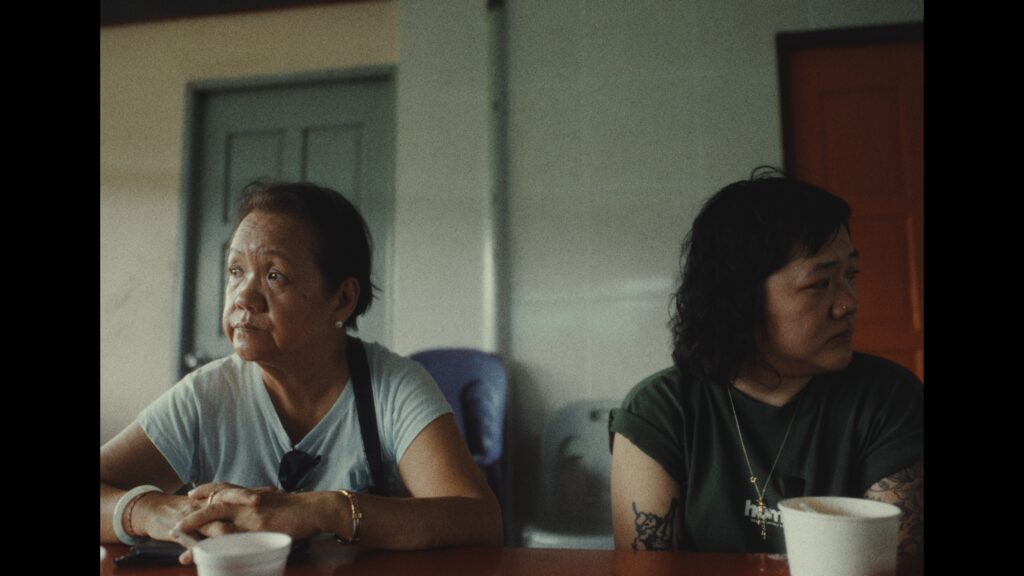
Leong was committed to a long-term psychiatric ward where she was subjected to medical coercion for invasive, unwarranted interventions that included electroconvulsive therapy. Afterwards, a continued lack of understanding or appropriate support, both at home and in Malaysian society at large, further complicated the work of navigating everyday trials and her eventual path to self-acceptance.
A Living Diary
Through making both films, Leong believes she has finally come to a clearer understanding of herself – as an individual, as an activist, and as an agent for social change.
“[Telling my story] helps me to see who I am,” she says, “and the most important of all, it helps me to see the impact of who I am to other people, because I watched it unfold.” For her, the filmmaking process has been a coming of age, a memoir, a living diary, a catharsis, an indulgent exercise in vulnerability, a reframing of autism that extends beyond the limitations of language, and “a form of justice in a world that offers us none.”
While the story is personal, she does not see it as autobiographical. Instead, she says she is holding up a mirror to her own experience for other autistic women and girls.
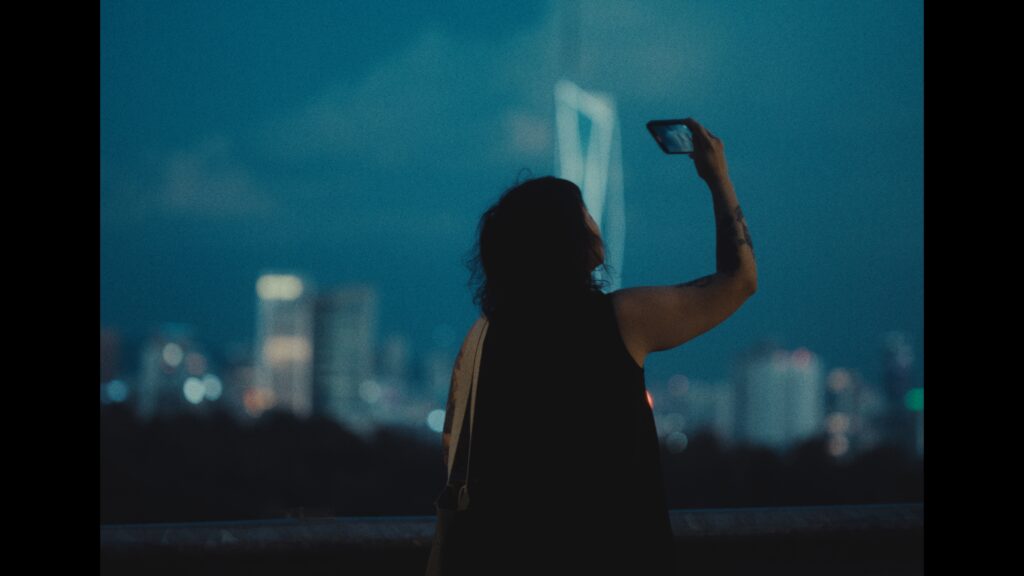
“Behind the veil of this personal journey is also another story of advocacy,” she says. Leong believes the reason so many people connect with stories, especially those told through film, is “because [they] see a part of [themselves] being explained.” From her point of view as a filmmaker, finding oneself can begin with finding stories that reflect one’s experience.
“I’m telling a personal story that’s global,” Leong says. “This is for every other girl that comes after me…so that [they] can strengthen who [they] are…as a person, as a human, not just as a woman with a disability or an autistic person.”
Leong resists categorization and defining herself by her disability, but she also acknowledges that her identity will be politicized by a world that was not built for “people who don’t fall into the norms or the mainstream.” As a racialized, late-diagnosed-autistic woman living in a Southeast Asian nation where she sees colonial holdovers present across public policy, economic systems, and cultural norms, her existence itself is a political statement.
Putting a Face to Policy
According to a 2020 report by UN Women analyzing intersectional impacts of the coronavirus outbreak globally, women with disabilities are up to twice as likely to face violence, and up to ten times as likely to experience sexual violence compared to the general female population. As a survivor of sexual abuse across her lifetime, Leong is all too familiar with the harmful effects that inadequate protections, support, and oversight can create for marginalized groups. However, she believes that inclusive representation within the spaces that have the power to influence the laws and dominant cultural norms is where change begins.
“You put a face to that policy. I am that fact,” Leong says. For people who have limited knowledge of the issues that primarily impact Malaysians with disabilities, she provides an undeniable, embodied representation of an experience that might have otherwise remained invisible.
“No matter what, I am a political actor. I cannot take that activism away from me,” says Leong. “Disability is not just a category. It’s a life of its own, and it has to exist in these political spaces that I’m in.”
In 2025, Leong began a two-year term as the first-ever autistic representative on Malaysia’s National Disability Council. The council provides guardianship of the nation’s Persons with Disability Act and is the highest advisory body representing Malaysians with disabilities to influence changes in laws directly within the parliamentary process. According to Leong, her appointment comes at the right time, as the Persons with Disabilities Act is overdue for an update.
Drawing on her lived expertise to affect social change is not a new task for Leong. Over the last year, she has served on the Disability Justice Project Advisory Board, where she has supported the organization’s mission to further opportunities, representation, and accessibility for disabled persons within the global media landscape. She is also the founder of the Autism Inclusiveness Direct Action Group, which focuses on advocacy for accurate, representative inclusion of women and girls with autism and other non-visible disabilities within Malaysia’s public policy and discourse.
For Leong, activism and storytelling are inseparable. By sharing her experience, she seeks to bridge the detachment between the people writing political policies and the people those policies most directly impact. Leong gives a human face to an identity and experience that she has seen systemically underrepresented.
Refusing to Be Co-Opted
“How often do you see real human stories about persons with disabilities that’s not told to be inspirational, but as it is, as they are living it?” she asks. In her view, personalized representation serves as a means for understanding and a demonstration of agency. She says mirroring lived reality is critical; otherwise, “you will forever be erased from society. You will be co-opted.”
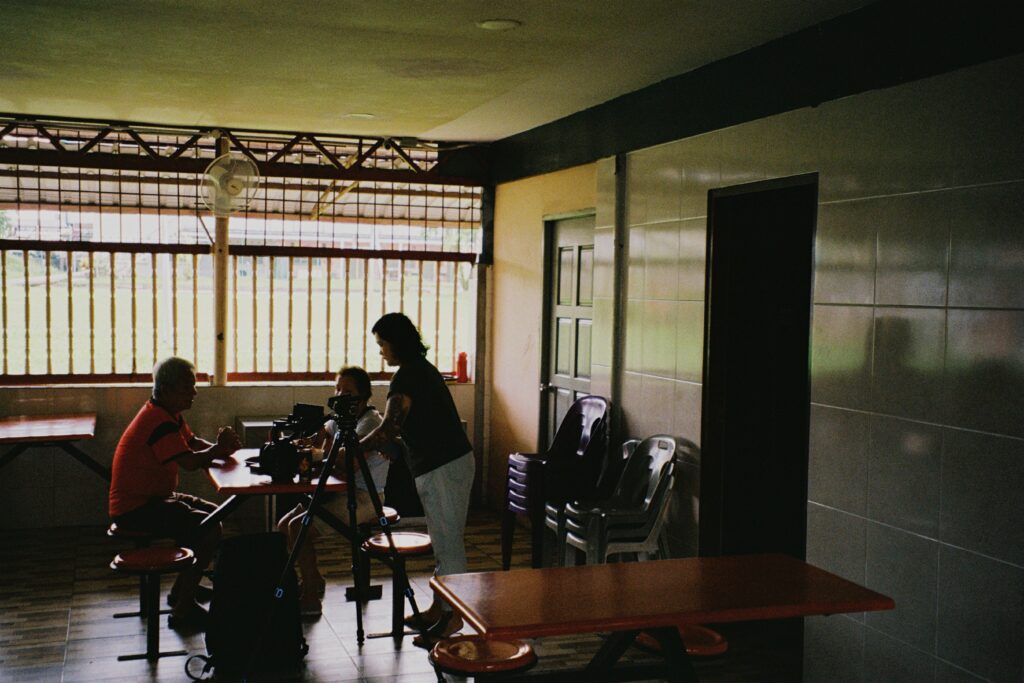
She hopes the film resonates with other autistic women by offering a communal medium to see their experiences reflected and identities affirmed. Ultimately, she envisions the film may make media spaces more accessible by encouraging others to create films to share their stories, on their terms.
“Nothing is more empowering than stepping into your own story,” says Leong. “And that’s why it’s so important that I tell the story myself.”
More information about The Myth of Monsters, along with ways to support the filmmakers, is available at the project’s crowdfunding campaign.
Taylor Blackley is a journalist, documentarian, and visual artist. Her practice is based in collaborative storytelling, informed by intersectional perspectives, and motivated to create media that asks questions, connects people, and inspires action.
News From the Global Frontlines of Disability Justice
A ‘Direct Threat’ to Democracy
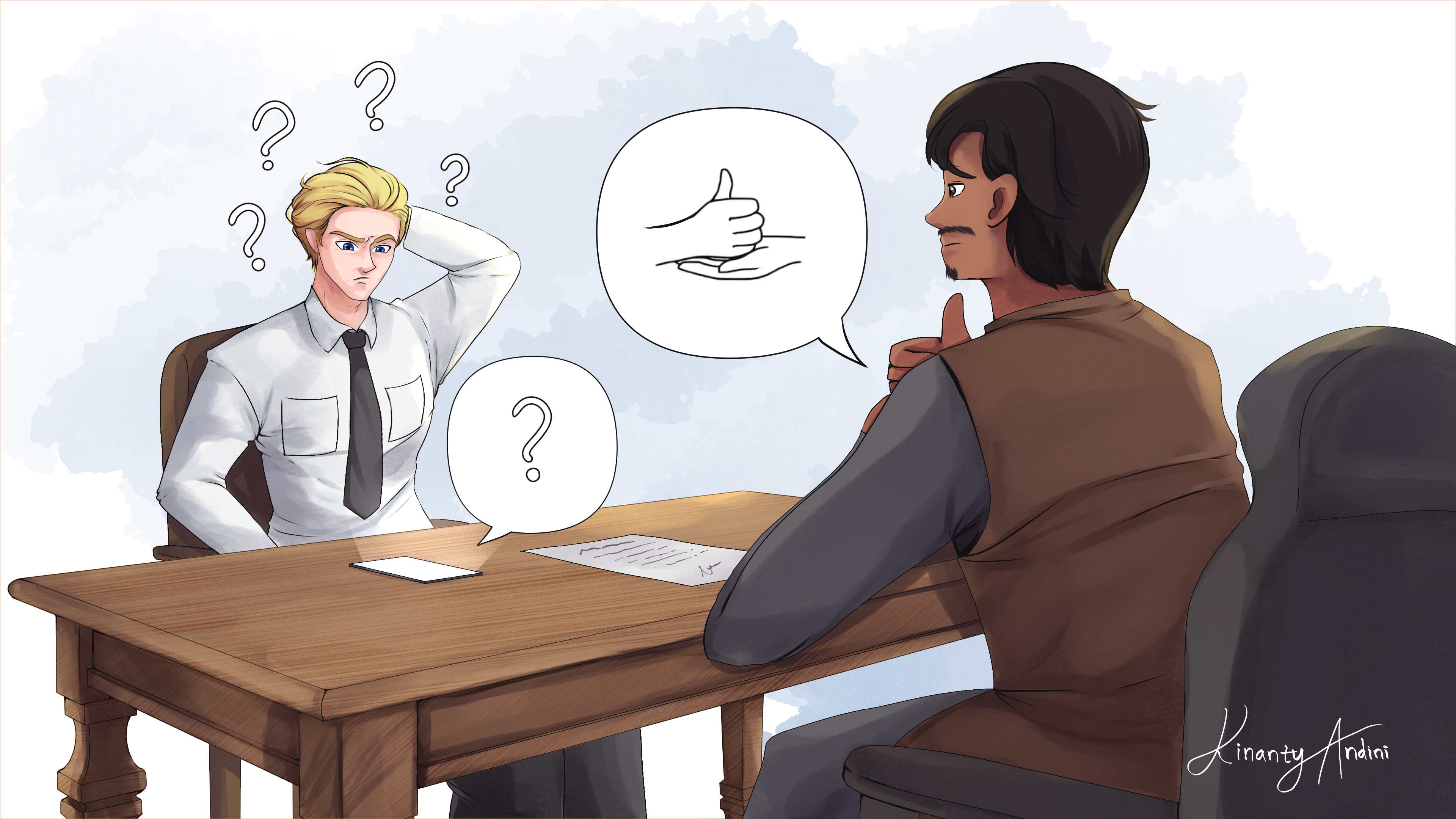
A Deaf asylum seeker from Mongolia spent five months in U.S. immigration detention without access to a sign language interpreter, leaving him unable to communicate with officers or explain his fear of persecution. His case raises questions about whether disability rights laws are being followed inside ICE facilities, where access to communication can determine the outcome of an asylum claim. Lawyer and advocate Qudsiya Naqui says the “absolute disregard” for disability rights under the Trump administration is a “direct threat” to democracy and rule of law.
‘Everything Has Gone Back’
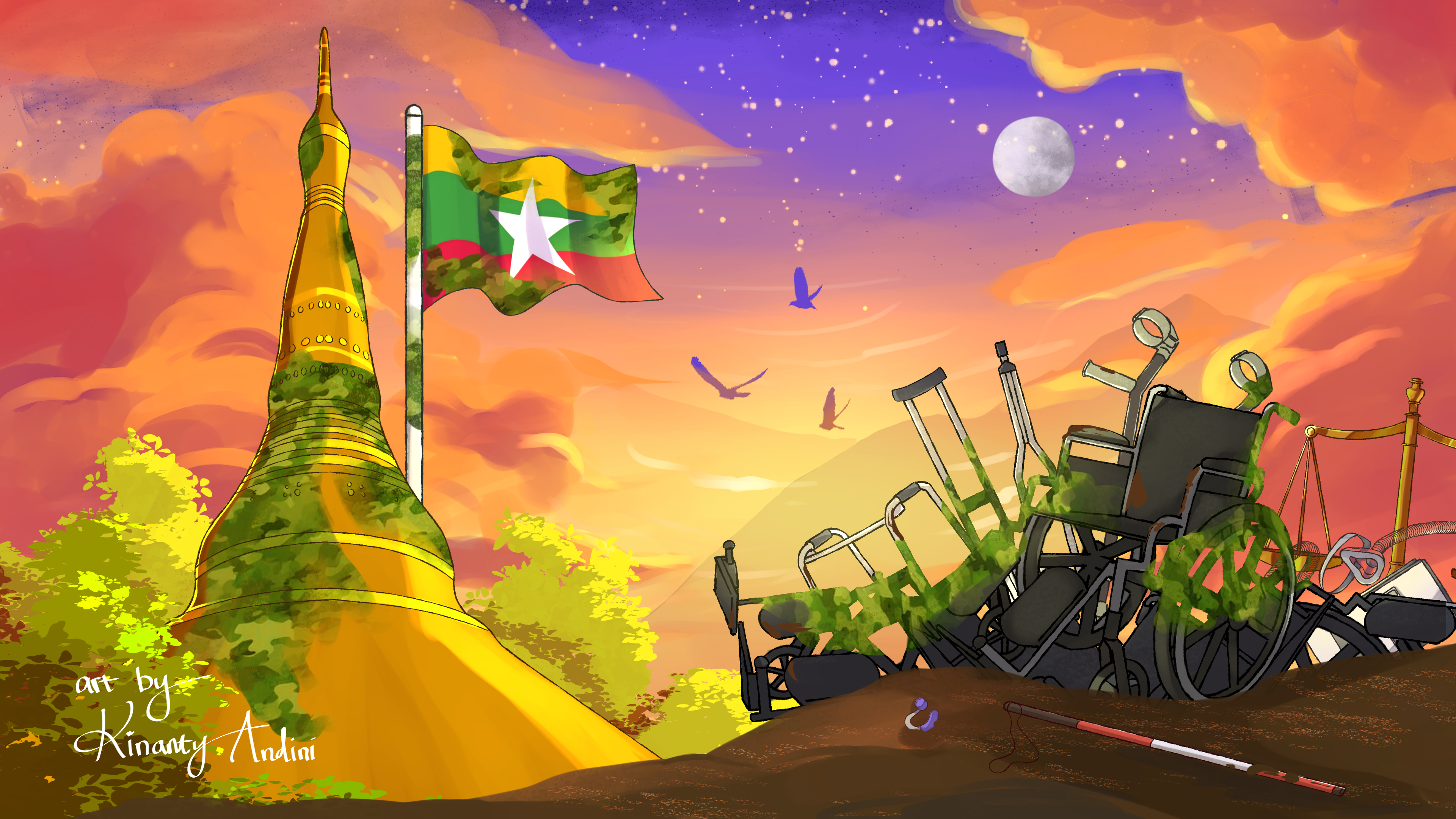
Before Myanmar’s 2021 military coup, disability advocates were helping shape national policy for the first time in decades. Laws expanded access to education, transportation, and public life. Today, much of that progress has collapsed. A new UN report describes a “hidden crisis,” documenting targeted violence, deadly attacks, and the exclusion of people with disabilities from warnings, aid, and services. As conflict creates new disabilities and organizations are forced underground, advocates work quietly to preserve rights that once seemed within reach.
‘I Just Want to Walk Alone’
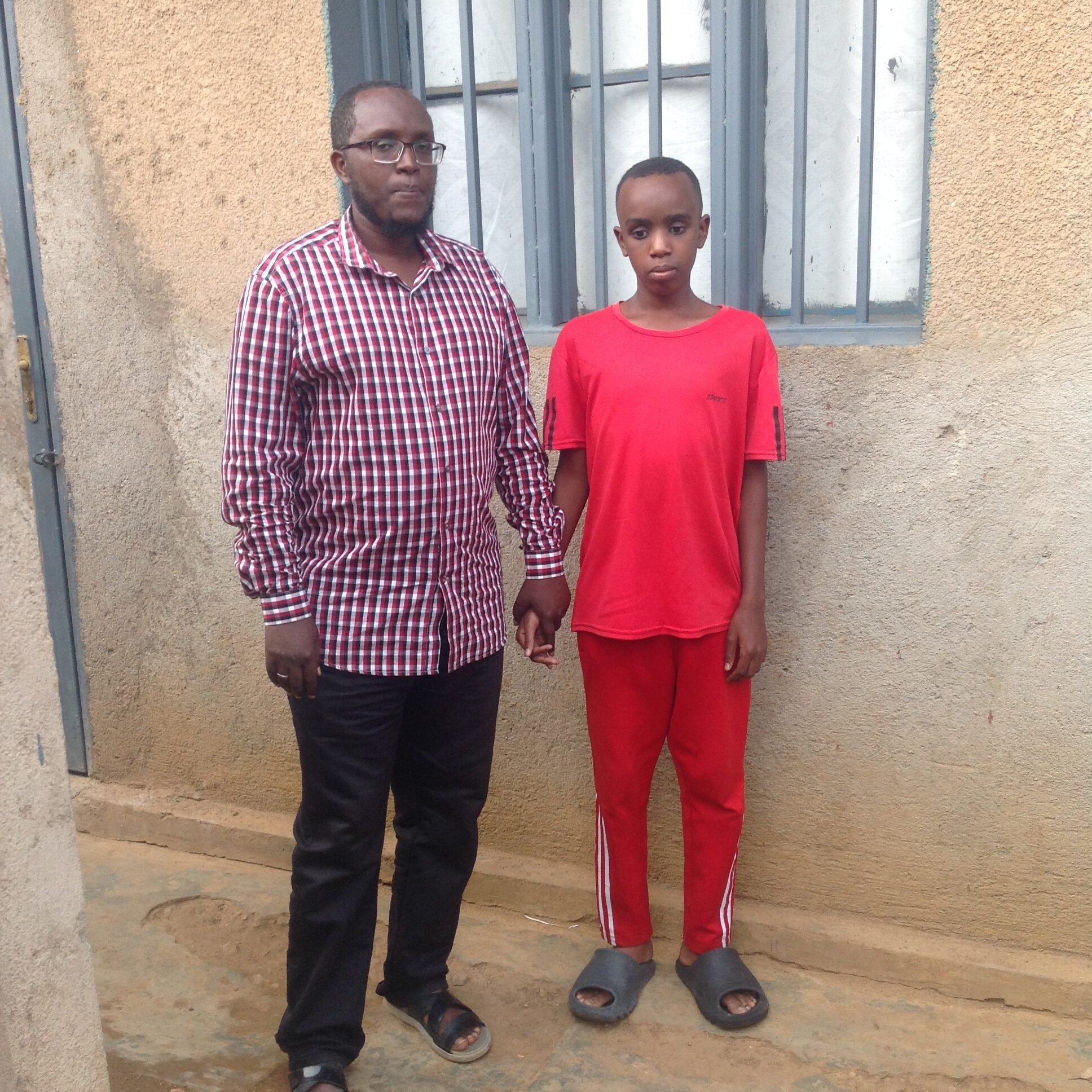
Fourteen-year-old Saifi Qudra relies on others to move safely through his day. Like many blind children in Rwanda, he has never had a white cane. His father, Mussah Habineza, escorts him everywhere. “He wants to walk like other children,” Habineza says, “He wants to be free.” Across Rwanda, the absence of white canes limits children’s mobility, confidence, and opportunity. For families, it also shapes daily routines, futures, and the boundaries of independence.
‘Evacuation Routes Are Meant for People Who Can Run’
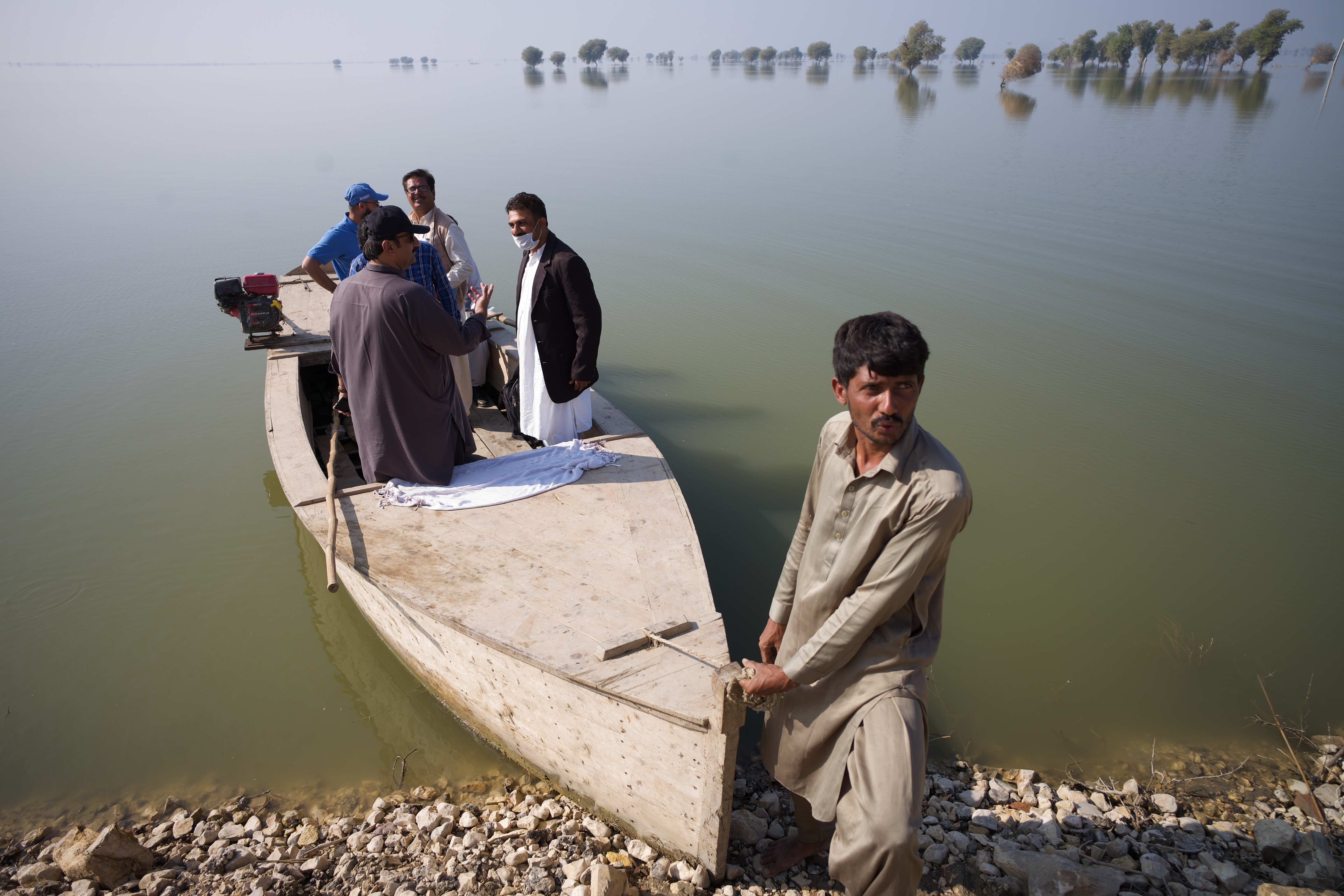
As climate change and conflict intensify across Pakistan, emergency systems continue to exclude people with disabilities. Warning messages, evacuation routes, and shelters are often inaccessible, leaving many without critical information when floods or violence erupt. “Evacuation routes are built for people who can run,” Deaf author and policy advocate Kashaf Alvi says, “and information is broadcast in ways that a significant population cannot access.”
Read more about ‘Evacuation Routes Are Meant for People Who Can Run’
Autism, Reframed
Late in life, Malaysian filmmaker Beatrice Leong learned she was autistic and began reckoning with decades of misdiagnosis, harm, and erasure. What started as interviews with other late-diagnosed women became a decision to tell her own story, on her own terms. In The Myth of Monsters, Leong reframes autism through lived experience, using filmmaking as an act of self-definition and political refusal.
Disability and Due Process
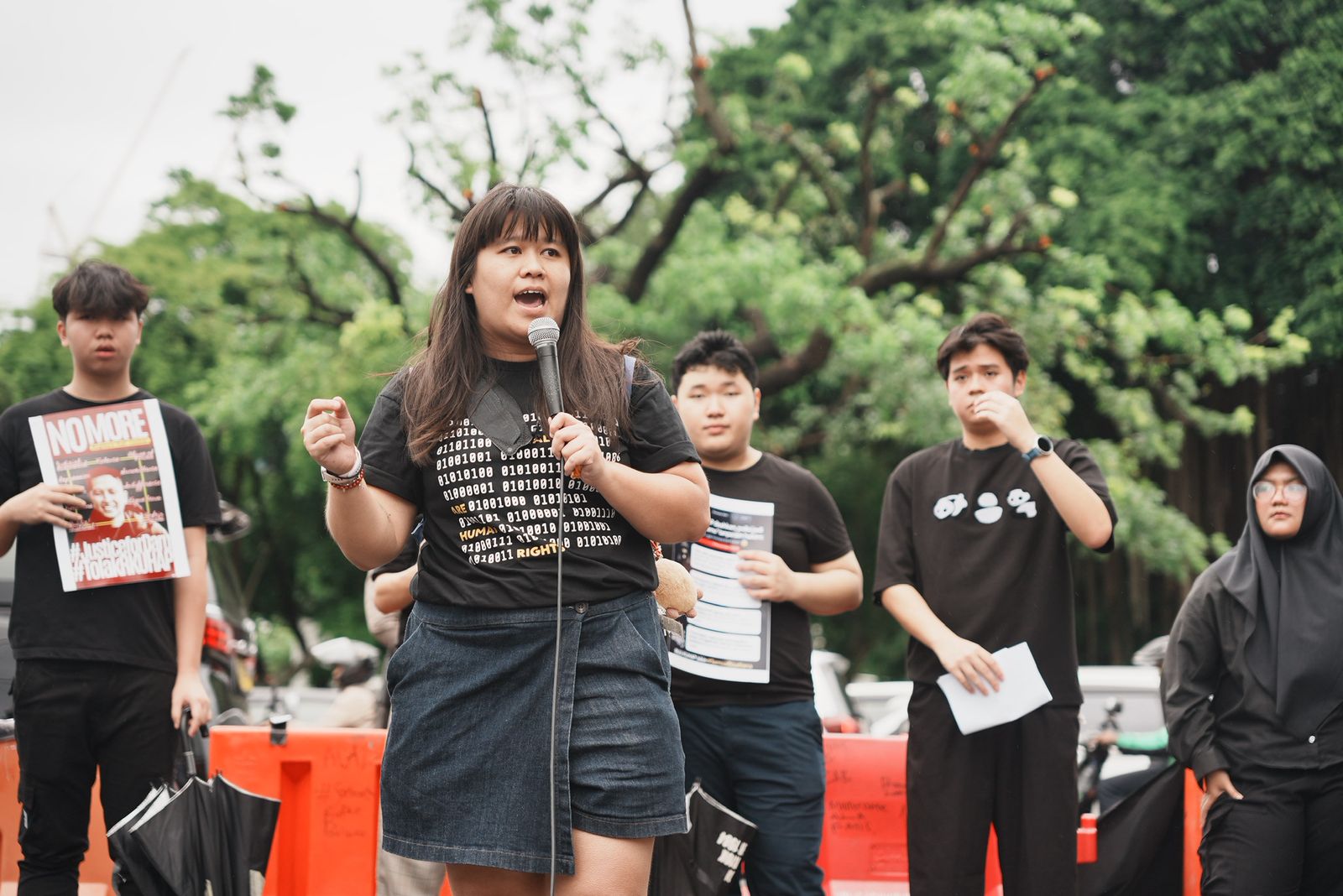
As Indonesia overhauls its criminal code, disability rights advocates say long-standing barriers are being reinforced rather than removed. Nena Hutahaean, a lawyer and activist, warns the new code treats disability through a charitable lens rather than as a matter of rights. “Persons with disabilities aren’t supported to be independent and empowered,” she says. “… They’re considered incapable.”