News
Disability and Due Process
Indonesia’s Updated Criminal Procedure Code Raises Questions about Access to Justice
December 18, 2025
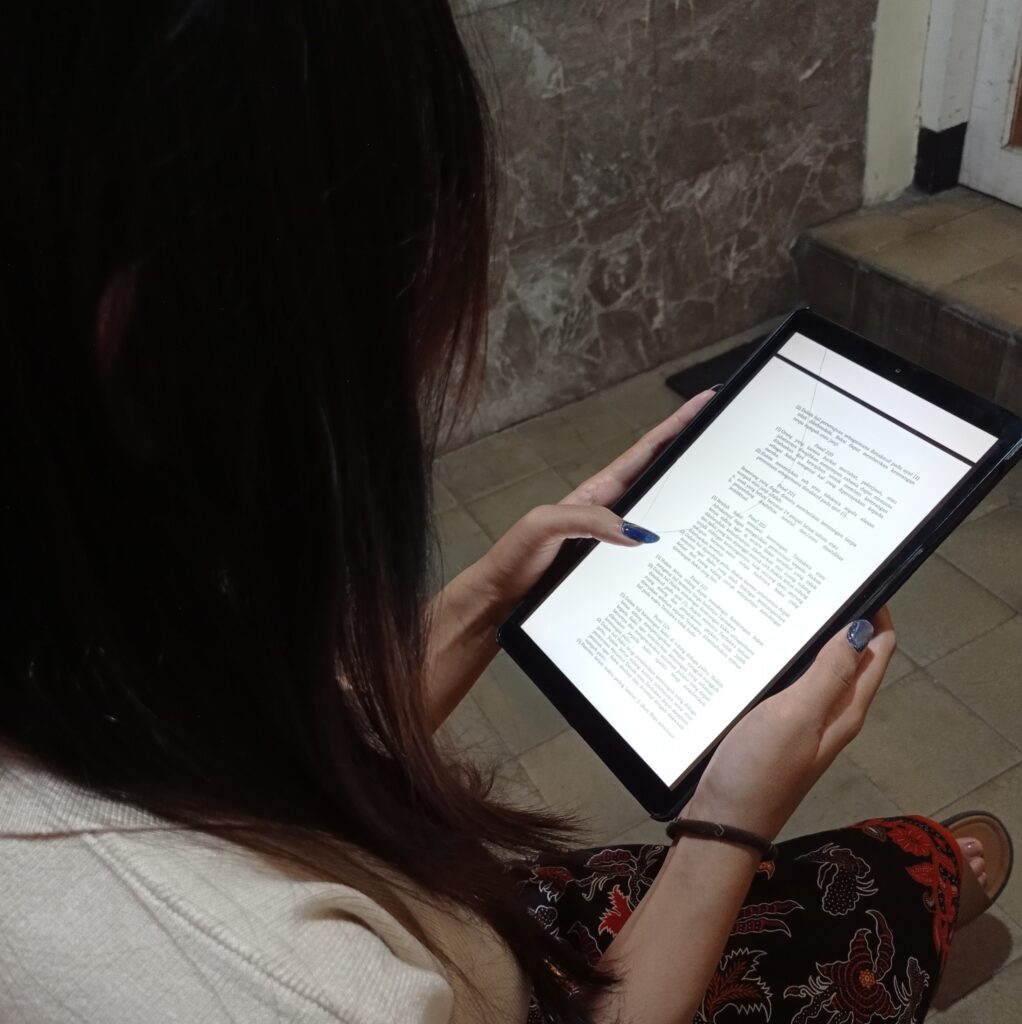
YOGYAKARTA, Indonesia — Ayu (not her real name) held her tablet, reading the text of Indonesia’s newly ratified Criminal Procedure Code (KUHAP). Her eyes stopped at Article 221, which removes the oath requirement for testimony from persons with psychosocial and/or intellectual disabilities. Without an oath, she worried, their testimony could be treated as less credible – or dismissed altogether in court. Ayu instantly felt a deep anxiety, and sadness washed over her.
A university student with a psychosocial disability, she’d been considering filing a police report about non-physical gender-based violence by her ex-partner, but Article 221 made her pause. If she’s not sworn in, will her testimony be considered less credible? Less important? Less true? “This isn’t a technicality,” she says. “This is about whether I’m considered capable of seeking justice.”
Ayu isn’t alone in her unease. For millions of Indonesians with disabilities, the new KUHAP opens a new chapter of potential discrimination in legal proceedings at a time when the government claims to be modernizing the justice system. KUHAP sets narrow criteria for who qualifies as a witness, failing to account for disability and creating legal gaps that can allow courts to deny reasonable accommodations.
Articles 145 and 146 include language on reasonable accommodations, but they also carve out exceptions that allow courts to deny those accommodations to defendants with “severe” psychosocial or intellectual disabilities. Instead of ensuring access to justice with appropriate support, the articles permit judges to remove these individuals from the court process altogether and place them in rehabilitation or treatment. Disability rights advocates warn that this approach reinforces stigma and effectively shuts people out of the justice system. By treating disability as a medical problem to be managed rather than a rights issue requiring accommodations, the law undermines the principle that all people are entitled to equal recognition and participation before the law.
Progress or a Step Back?
On November 18, 2025, Indonesia’s House of Representatives ratified a new Criminal Procedure Code (KUHAP), the legal framework governing how criminal cases are investigated, prosecuted, and tried. This new code replaces the 1981 Criminal Procedure Code, which was widely seen as a limited update that largely swapped colonial Dutch procedures for post-independence language without delivering meaningful structural reform.
The new KUHAP was promoted as progressive and modern. But behind that progressive claim, several provisions threaten the rights of persons with disabilities. Article 1(45) defines a witness as someone who “heard it themselves, saw it themselves, and experienced it themselves,” which effectively excludes persons with sensory disabilities.
Article 221 removes the obligation of oath for persons with psychosocial and/or intellectual disabilities. Critics argue that the provision assumes a lack of capacity and risks undermining the weight given to their testimony in court.
Indonesia actually has a strong legal framework for disability rights. Law No. 8 of 2016 on Persons with Disabilities guarantees equal access across many areas of public life, including justice. Government Regulation No. 39 of 2020 specifically regulates reasonable accommodations in legal proceedings, ensuring persons with disabilities receive support to participate fully in the justice system. Indonesia also ratified the UN Convention on the Rights of Persons with Disabilities (CRPD) in 2011.
The House of Representatives says it referred to existing disability regulations when drafting KUHAP, but the final code contradicts key protections in those laws. The draft was officially announced on February 18, 2025, while public hearings were held only in June and September 2025. KUHAP is set to take effect on January 2, 2026. Although disability organizations such as Perhimpunan Jiwa Sehat (PJS) sent representatives, activists involved say their input was ultimately not reflected in the final text.
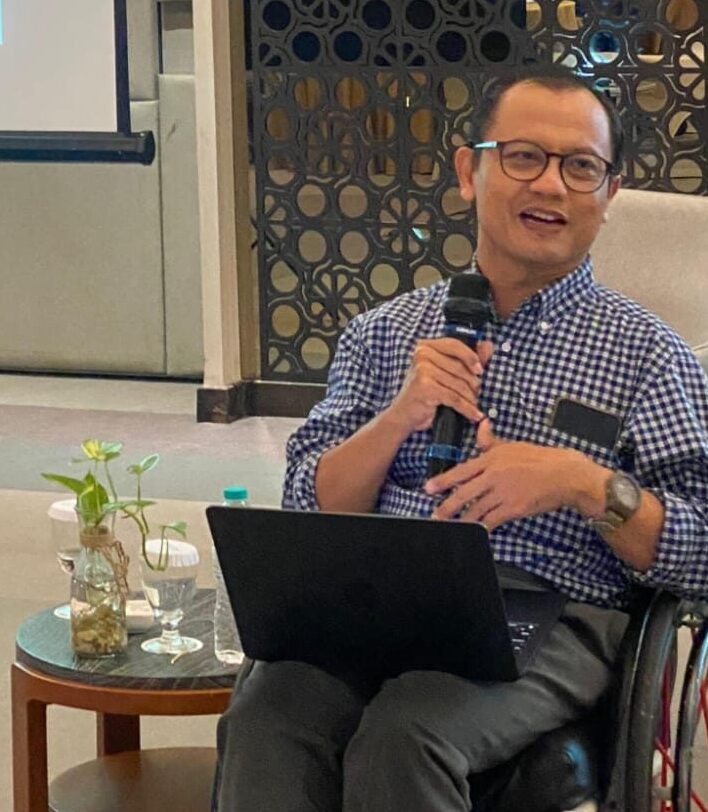
When Indonesian disability inclusion activist Bahrul Fuad first read the new penal code, he immediately saw the problem. “This KUHAP does not refer to Law No.8 of 2016 about persons with disabilities, and subsequently they do not refer to several derivative regulations [like] government regulation on reasonable accommodation for persons with disabilities facing legal proceedings [Government Regulation No. 39 of 2020],” he says. “So apparently in the House of Representatives…they did not pay close attention to these regulations, so…the House of Representatives tended to formulate their own.”
KUHAP’s Article 1(45) on the definitions of a witness concerns Fuad the most. “How can a person with visual sensory disability ‘see for themselves?’” he asks. This phrasing will be highly problematic in court, especially for survivors of sexual violence with disabilities, who already face significant barriers to being believed.
Article 221 about the removal of the oath for people with psychosocial and/or intellectual disabilities is also troubling. “Again, it’s a matter of stigma,” he says, “This KUHAP views and equates mental and intellectual disabilities with children. Yet the law must recognize that persons with disabilities also have the capacity to provide testimony.” Fuad emphasizes that the spectrum of psychosocial disabilities is broad: “There’s schizophrenia; there are so many that fall under the category of mental disability. They have capacity. We can’t generalize.”
From the Field: ‘But You Didn’t See It’
Nena Hutahaean is a disability advocate with Perhimpunan Jiwa Sehat – The Healthy Soul Association, an organization dedicated to promoting the rights of people with psychosocial disabilities in Indonesia. She was one of the activists from Perhimpunan Jiwa Sehat (PJS) sent to participate in the public hearings for the new code.
Hutahaean is a lawyer and case companion – an advocate under Indonesian law who supports victims in accessing their rights to treatment, protection, and recovery. She has already witnessed blind women face discrimination when bringing sexual assault cases, and she fears the new provisions will deepen those barriers. “In many sexual violence cases, when blind victims try to report, their reports aren’t accepted,” she says. The first question from the police is, “How do you know they hit you? You can’t see. How can you be sure it was this person?”
Hutahaean also has concerns about Article 221. “Removing the oath is the same as implicitly removing legal capacity,” she says, “because it means they’re considered incapable of providing testimony.” In court, Hutahaean has seen testimony from persons with intellectual disabilities formally heard but ultimately dismissed. In one case, a victim patiently explained what happened using a diorama. The judge nodded along, then concluded, “But I don’t think they understand.” Worst of all? The victim was told to be grateful that, as a person with intellectual disability, “someone still cares for them,” Hutahaean says.
Hutahaean explains that KUHAP’s approach, particularly in Article 146, remains “a charitable approach. … Persons with disabilities aren’t supported to be independent and empowered, but rather one of the processes is that they’re considered incapable because they’re immediately placed in treatment and rehabilitation,” she explains. Article 145 guarantees reasonable accommodations for persons with disabilities, but Article 146 makes an exception for people with psychosocial and/or intellectual disabilities who are considered “severe.”
The Gap Between Law and Practice
Even before the new KUHAP, access to justice for persons with disabilities in Indonesia was limited. “In practice, especially in the police, they stick to KUHAP,” Hutahaean says. Even when advocates cite Government Regulation No. 39 of 2020 about reasonable accommodations in legal proceedings, officers often respond, “We don’t read that. We follow KUHAP,” says Hatahaean.
One of KUHAP’s most glaring omissions is its treatment of reasonable accommodations. While it mentions that persons with disabilities are entitled to “facilities and services,” it doesn’t specify who is responsible for providing or funding these. “In the field, we constantly hit the wall of ‘There’s no budget,’” Hutahaean says. “At police stations, the Supreme Court, the Prosecutor’s Office, everywhere. So persons with disabilities or their families end up having to pay for themselves.”
The Fight Ahead
Despite setbacks, disability rights activists aren’t giving up. Koalisi Nasional Organisasi Penyandang Disabilitas untuk Reformasi KUHAP (National Coalition of Organizations for Persons with Disabilities for Reform of the Criminal Procedure Code), along with Koalisi Masyarakat Sipil (Civil Society Coalition), are planning strategic advocacy to delay or amend KUHAP before it takes effect.
“We’ll engage national human rights institutions like Ombudsman and the National Disability Commission [Komisi Nasional Disabilitas/KND] to issue position papers urging postponement,” Hutahaean says. The coalition is also contacting international institutions, including the UN Committee on the Rights of Persons with Disabilities, to apply pressure from the global human rights community.
Fuad is focusing on training law enforcement officials. “I’m encouraging prosecutors, police, and judges to consult with disability organizations,” he says. “They are the experts who know best about their own needs and rights.”
For persons with disabilities who are worried, Fuad’s message is clear: “Don’t hesitate to pursue legal processes. That will actually become the entry point for advocacy against this KUHAP.”
A Message for Everyone
Hutahaean’s closing message is for everyone: “KUHAP isn’t for a few people. It’s for all of us. There’s no justice for us if some group doesn’t experience justice. If we feel we’re not harmed, it’s just a matter of time before it affects us.”
The question keeps echoing in Ayu’s head: Should she wait until this provision is amended to seek justice, or move forward with the risk of being ignored?
Fuad’s words echo: “Don’t hesitate.”
Hutahaean reminds us that Government Regulation No. 39 of 2020 still stands, and KUHAP can’t simply disregard it.
In the field, police trust KUHAP more. And in the battle between law and practice, practice often wins. The question is whether Indonesia’s legal system is ready to deliver justice for all its citizens without discrimination.
Rafinne Oktavitae Mega (Vitae) is an Indonesian-based researcher and writer focusing on GEDSI (Gender Equality, Disability and Social Inclusion). Her work examines policy frameworks through a human rights lens.
Editing assistance by Jody Santos
News From the Global Frontlines of Disability Justice
Reducing the Disability Tax
Indonesia has adopted a new regulation aimed at reducing the extra costs disabled people face, guaranteeing discounts across nine sectors, including health care, transportation and assistive devices. But disabled Indonesians say fees and administrative hurdles involved in obtaining the documents needed to access those rights could leave some people behind. As the government begins implementing the policy, advocates are calling for disability assessments to be free and accessible.
Joy As Resistance
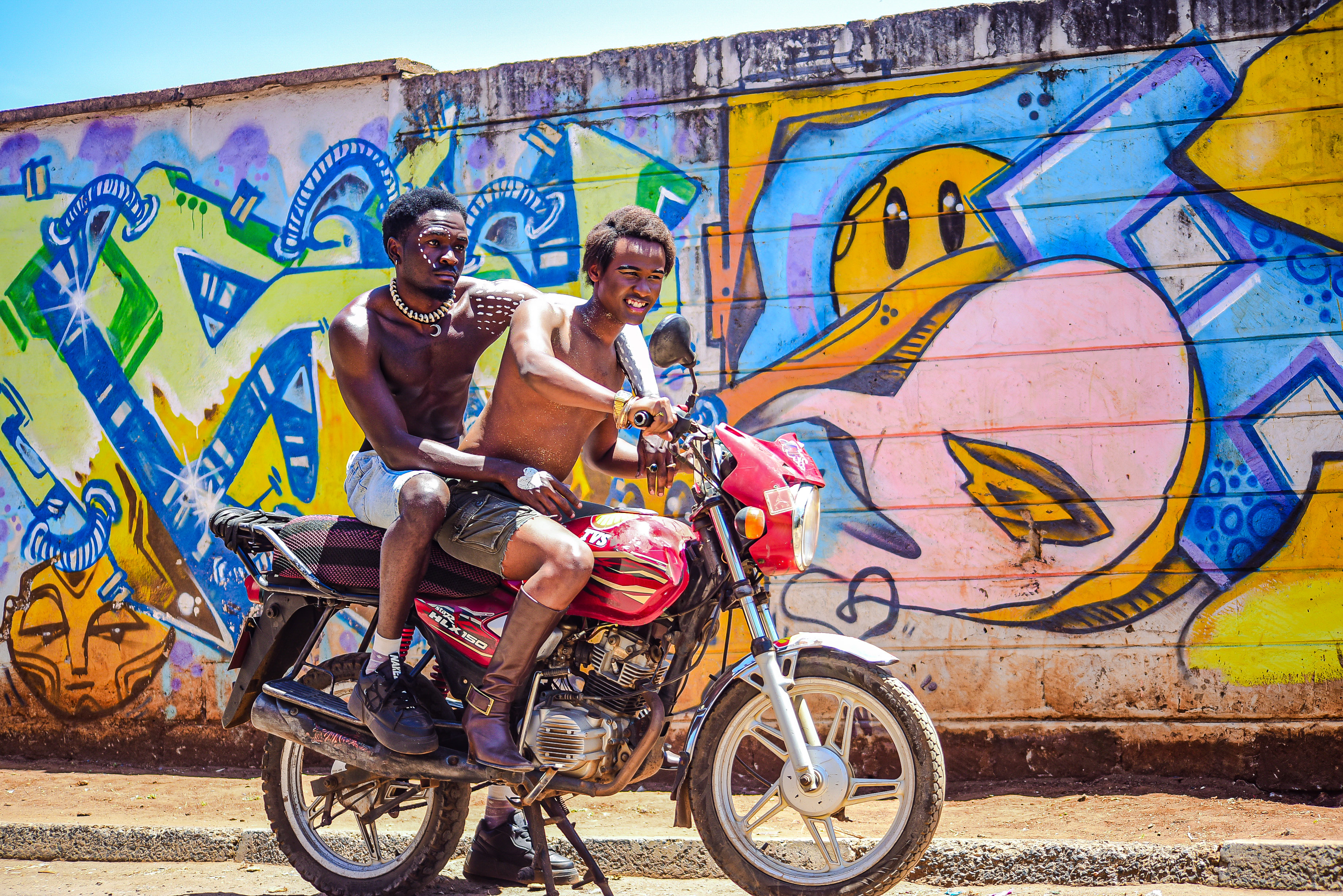
In Kenya, queer and disabled people are finding common ground around questions of identity, access, family, and belonging. Ahead of a Nairobi event exploring where disability and queerness intersect, organizers and participants talk about the communities they have found and the spaces they are trying to create. “Queer people and disabled people share way more than they think they do,” says one organizer. The event will use storytelling, art, performance, and what its organizers call “queer joy” to start a conversation they say is long overdue.
The Politics of Waiting, Wanting, and Hoping
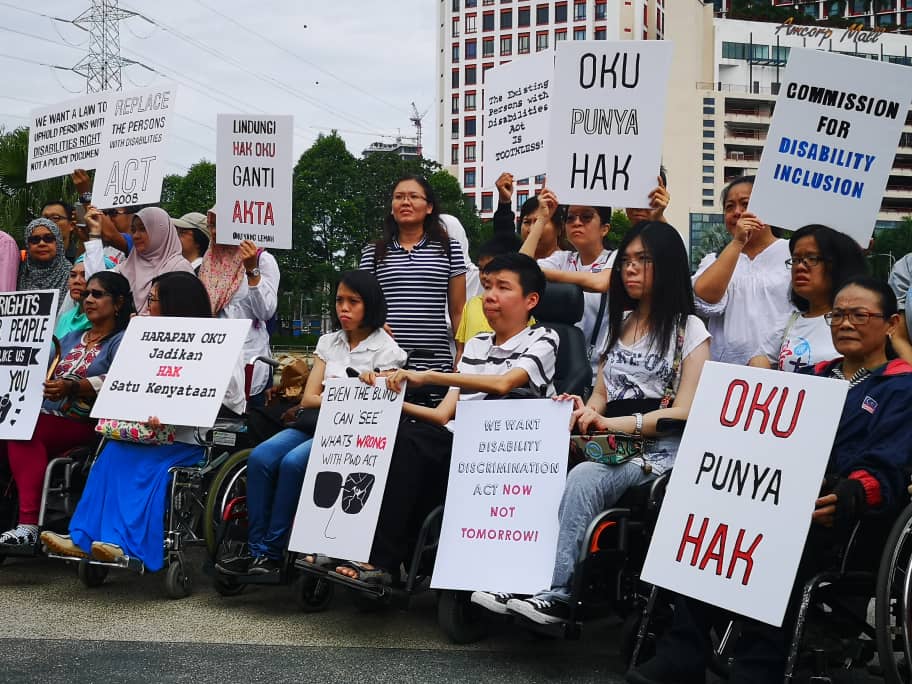
In Malaysia, disability exclusion is rarely one dramatic denial. More often, writes Beatrice Leong, it is “a series of ordinary delays” — inaccessible schools, symbolic consultations, policies without enforcement, and a system that asks disabled people to wait patiently for dignity and belonging. Blending personal reflection with political analysis, Leong examines what happens when inclusion is promised repeatedly, but justice never fully arrives.
Read more about The Politics of Waiting, Wanting, and Hoping

Beyond the ADA
The ADA’s influence extends far beyond the United States. It helped shape a growing international approach to disability rights that eventually contributed to the development of the CRPD. But global disability movements have also expanded on ideas that U.S. law has yet to fully embrace. “I think many U.S. disability rights activists were surprised to find out how much we could learn from the international community,” says Eric Rosenthal, founder and executive director of Disability Rights International.
Forgotten People
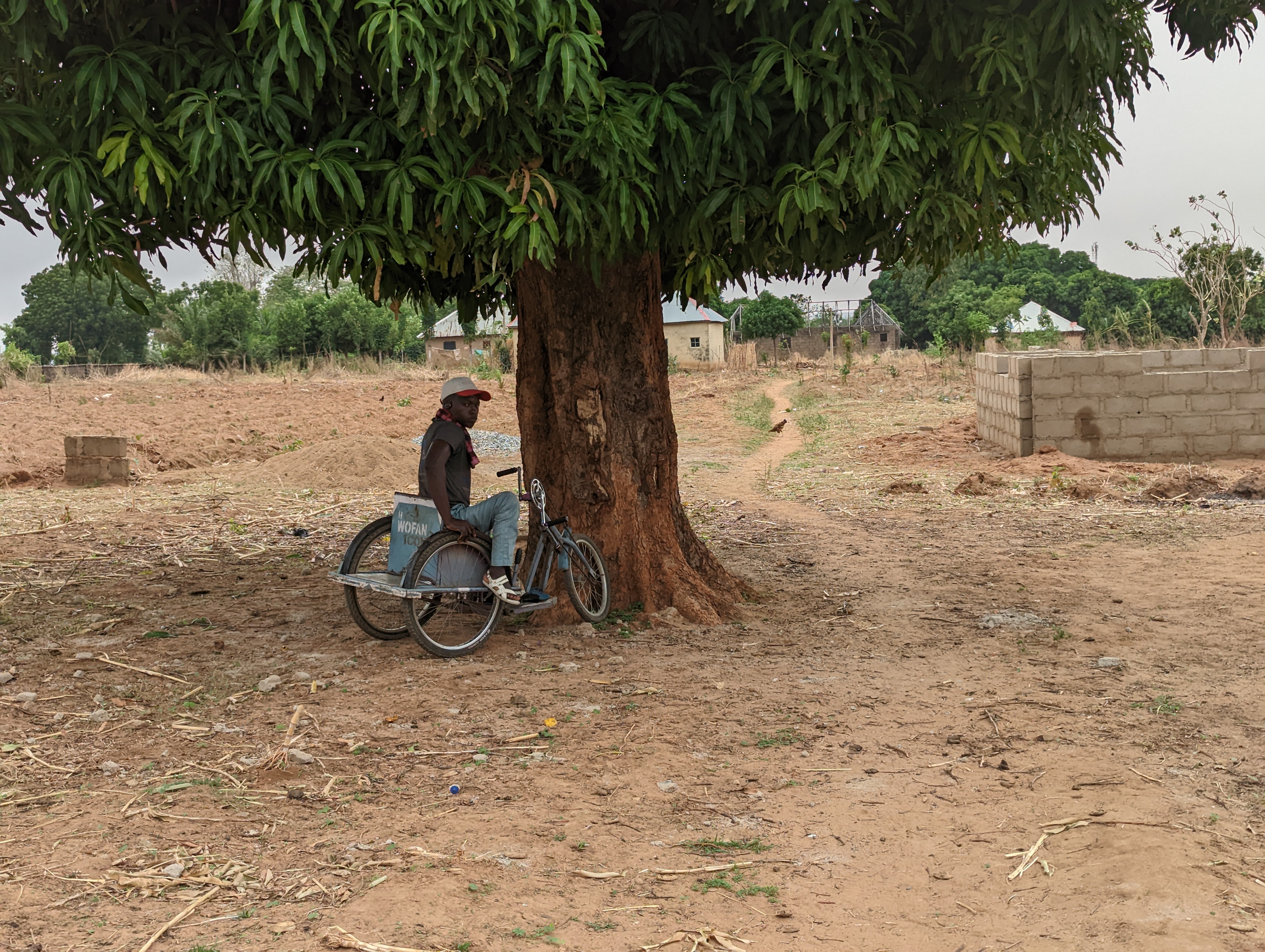
As Nigeria’s growing insecurity crisis spreads, disabled people face barriers that can make escaping violence far more difficult. Across the country, they describe inaccessible emergency warnings, challenges reaching safety, disrupted livelihoods, and limited access to assistance during times of crisis. Their stories reveal how conflict is experienced differently when mobility, communication, and support cannot be taken for granted and how disability is too often overlooked in emergency planning and response.

The Cost of Surviving
After years of failed treatments for complex PTSD, Marian Siljeholm followed an unlikely lead into the underground world of MDMA-assisted therapy. What began as a search for healing became a journey through the science of trauma, the politics of prohibition, and the hidden global network of people risking their freedom to help others reclaim their lives. Their stories would change her own. As Marian writes, “The next morning, I woke with a thought as real as the bed: This is the first day of my life.”