News
‘Everything Has Gone Back’
Play audio version
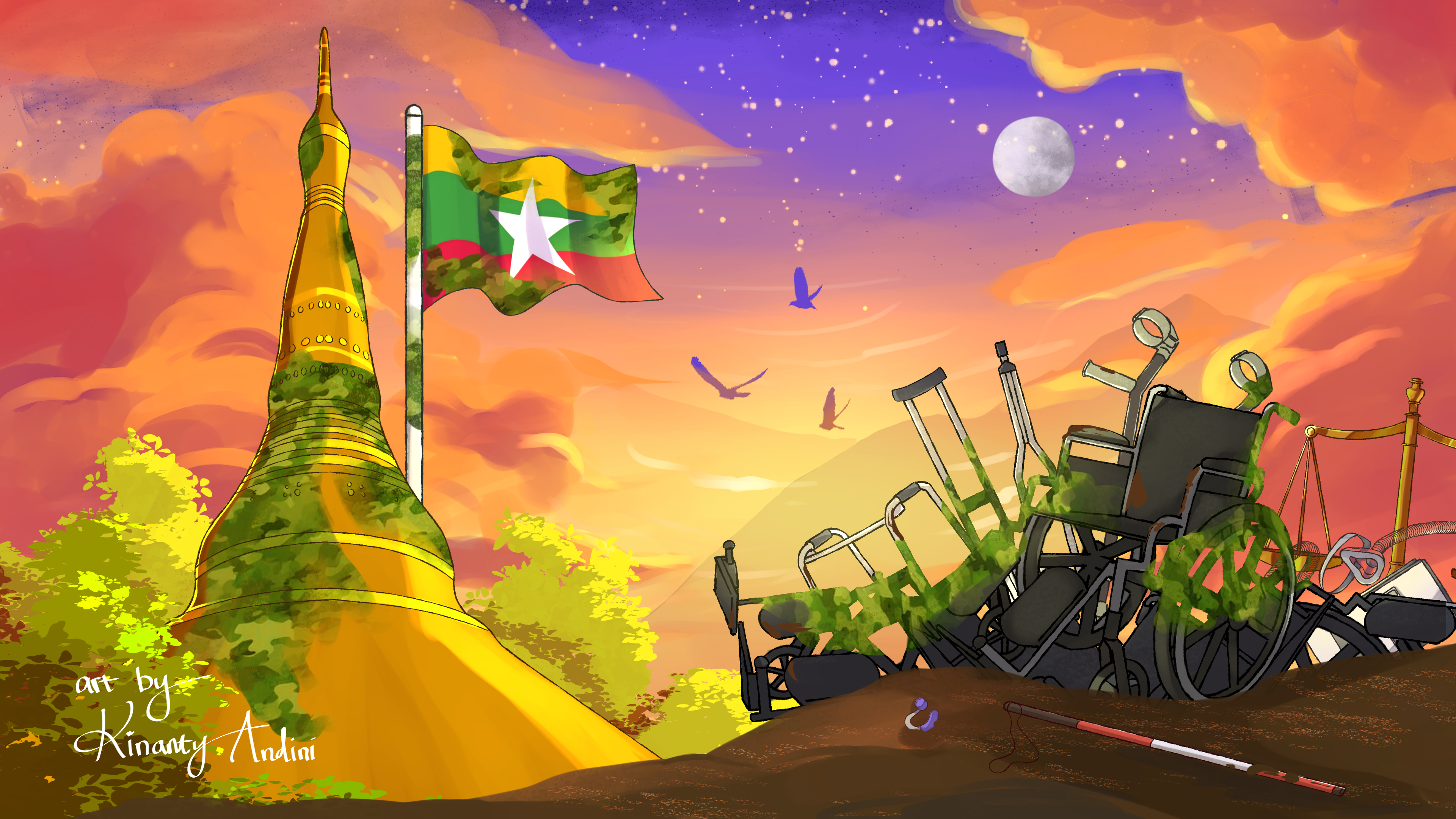
How Myanmar’s 2021 Military Coup Reversed Hard-Won Disability Reforms and Pushed Advocates Underground
February 27, 2026
Editor’s note: This is the fifth article in our series on conflict and disability. As wars and political violence escalate across the globe, we’re documenting how people with disabilities are being overlooked in humanitarian responses — and why inclusion is more urgent than ever.
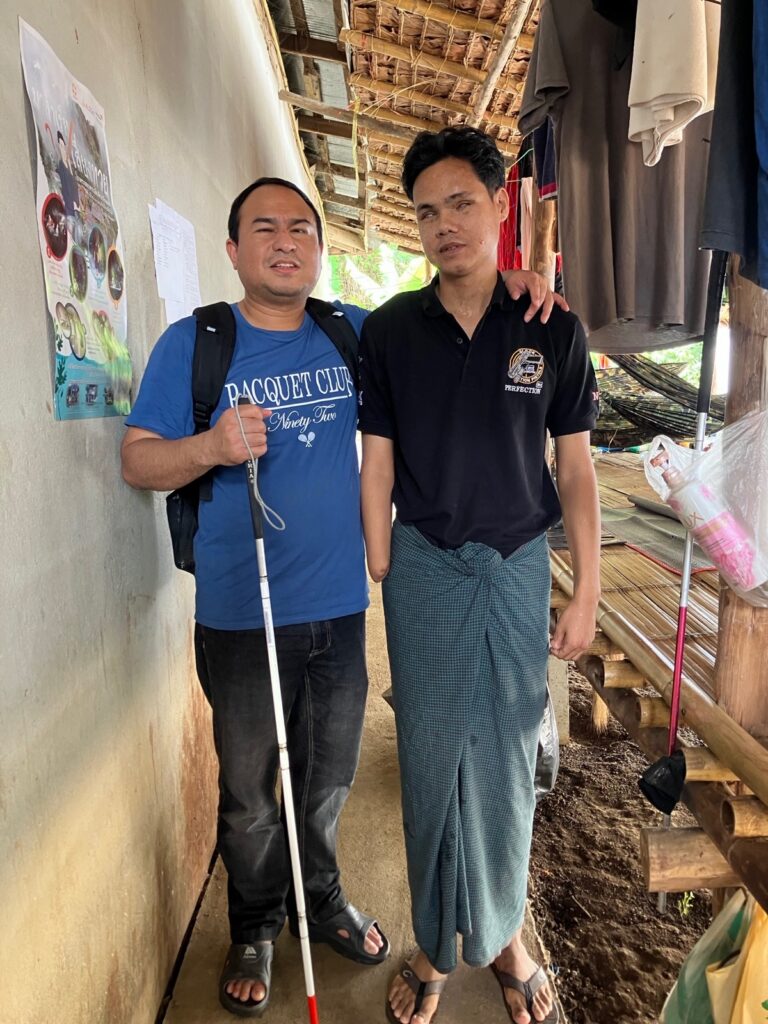
Before Myanmar’s military seized power in 2021, the country enjoyed a fragile yet developing democracy, legitimized by its landmark elections in 2015 and 2020 after almost 50 years of military rule. During that time, disability advocates like Brian Zaw were invited into conversations about rights and policy — something that had rarely happened before. “Before 2015, we were not allowed to say ‘rights,’” recalls Zaw, who is legally blind. “They only allowed us to say ‘opportunity.’”
That changed in 2015, when the new civilian government passed the Law on the Rights of Persons with Disabilities, embedding non-discriminatory practices into the country’s legal framework. Large swaths of reforms were gradually rolled out, including increased financial support for students with disabilities, the elimination of additional transportation costs for mobility devices, and more accessible buses in Yangon.
Now, draconian military crackdowns have reversed much of that progress. Increased government surveillance and media repression have made it dangerous for advocacy groups to organize, communicate, or speak publicly. Many disability organizations have been forced to shut down, operate underground, or flee the country altogether, leaving people with disabilities with fewer services and fewer ways to make their voices heard.
‘Hidden Crisis’
In November 2025, the Office of the UN High Commissioner for Human Rights (OHCHR) released a groundbreaking report on disability rights in post-coup Myanmar. The report found that people with disabilities are significantly more vulnerable to military attacks: individuals with visual, auditory, intellectual, or psychosocial disabilities often cannot access warnings of imminent attacks in formats they can use. Deaf individuals are unable to hear and avoid aerial attacks, and individuals with physical disabilities face difficulties in entering bunkers and fleeing high-risk areas.
The OHCHR report documents the deaths of at least 117 people with disabilities since the coup. Over 25 percent were reportedly burned alive in their homes during military assaults. The OHCHR found evidence of soldiers torturing, mutilating, and killing people with disabilities because of persistent stigmas, frustration with communication barriers, or misinterpretation of disability-related behaviors as threatening. “Persons with disabilities have been pushed further into the shadows, becoming even more isolated, impoverished and stigmatized,” the report reads. “The situation of persons with disabilities in Myanmar has truly become a hidden crisis within a forgotten humanitarian catastrophe.”
The report adds that discrimination is compounded by a longstanding Buddhist belief in disabilities as a physical manifestation of karma. The report named karma as the central root of discrimination, as disabilities are seen as evidence of wrongdoing in a past life. “So many people, like ex-soldiers who are affected by the conflict, don’t want to accept that they are persons with disabilities,” says Zaw, as the conviction that they are “good for nothing” persists.
In 2019, Myanmar’s civilian government conducted a nationwide survey that found 12.8 percent of the population living with at least one disability. Five years later, a census carried out by the military government reported a far lower number: only 7.6 percent of people over the age of five. The OHCHR report describes the military government-led census of 2024 as a “massive undercount given all that is known of the prevalence of disabilities globally.”
At the same time, the conflict itself is creating new disabilities. Since the 2021 military coup, when Myanmar’s armed forces seized power from the elected civilian government, landmines and unexploded ordnance have permanently injured hundreds of civilians, according to the report. The Landmine and Cluster Munition Monitor labeled Myanmar as the state with the most landmine casualties in the world in 2023, eclipsing Syria. As a result, 917 people in 2024 suffered permanent injury from these explosive devices. This is a stark increase from the reported 185 individuals who were injured in 2020, prior to the military takeover.
Progress Traded for Regression
As the conflict disproportionately impacts people with disabilities and creates new ones, it has almost eliminated disability advocates’ capacity to function. On February 1, 2021, the Tatmadaw, Myanmar’s armed forces that now rule as a military junta, overthrew State Counsellor Aung San Suu Kyi’s government, declaring the National League for Democracy’s win in the 2020 election to be fraudulent. In response, the Burmese public took to the streets, displaying their support for the pro-democracy movement. Protestors were met with rubber bullets, tear gas, flashbang grenades, and live ammunition, with an estimated 3,003 civilians killed at the hands of the military in the following 20 months alone.
As repression intensified, civil society groups did not renew their registration with the military government, fearing it was no longer safe to operate openly. They did not want to stand with a government that would suppress their voice, says Zaw, chair of the Myanmar Coordination Initiative for Equal Rights of People with Disabilities (MCIERP). “However, it makes us more limited in getting funding or support.”
The crackdown did not stop in the streets. In 2022, Myanmar’s government enacted the Organization Registration Law (ORL), which mandates that all NGOs and civil society organizations operating in the country register with the government or face criminal penalties. According to the Centre of Law and Democracy (CLD)’s extensive analysis of the legislation, the ORL does not comply with international human rights law. “Some crimes are worded so broadly that they could problematically encompass acts like providing humanitarian aid in regions where armed groups are working or issuing commentary deemed to be overly political,” reads the CLD’s report.
This poses a direct threat to urgent humanitarian support of persons with disabilities in Myanmar, despite the country’s accession to the UN Convention on the Rights of Persons with Disabilities in 2011. “The laws are recognized, but they are not implemented,” says activist Ye Win in an email. “They are used mainly as political propaganda by claiming to acknowledge the rights of persons with disabilities.”

Like Zaw, Win played an active role in the civilian government’s work in including people with disabilities in both policymaking and implementation. More specifically, he advocated for the rights of persons with disabilities in the National Education Law.
Prior to the law being amended in 2015, public schools, universities, and colleges were permitted to deny admission of persons with disabilities, directing them instead to attend specialized schools. As a representative of people with disabilities within the National Network for Education Reform, Win helped push for acts, bylaws, and regulations that prioritized inclusive education within Myanmar’s legal framework.
Those gains, however, have largely unraveled since the coup. “Everything has gone back to before 2010 and is now worse because of the military coup,” says Win. Accessible practices, such as examination support and interpretation services, are no longer available in schools, leaving students with disabilities to depend on home-based or online education instead.
Silence and Isolation
As legal protections unravel and organizations are forced underground, even the most basic tools of connection are being stripped away. For people with disabilities, the consequences can be particularly dire. The military government has imposed internet blackouts, increased data prices, and reduced connection speeds, further restricting people’s access to news, services, online education, and support networks.“Many persons with disabilities rely heavily on digital platforms to receive news, socialize, work and access various forms of support,” the OHCHR report reads. “Facebook is the primary means through which many persons with disabilities receive information and interact with others.”
Crackdowns on communication have further undermined on-the-ground assistance for people with disabilities, particularly in conflict areas. A recent investigation by Justice for Myanmar found that the military government has installed Chinese surveillance infrastructure capable of monitoring the online activity of more than 33.4 million users. According to a local disability inclusion expert, who spoke anonymously for safety reasons, this level of surveillance makes it risky for humanitarian organizations to contact people with disabilities in need of assistance or to coordinate with local partner groups in hard-to-reach and conflict-affected areas.
After being diagnosed with post-polio in childhood, the disability inclusion expert who spoke anonymously worked for an organization advocating for the rights of people with disabilities. Today, he provides disability training and accessibility audits and helps develop disability inclusion policies for both low-profile organizations and international agencies like UNICEF. His work is not easy. “Local authorities are very sensitive about NGO work and international assistance,” he says. “They inquire very closely, so many civil society organizations are very challenged to get permission for the distribution of humanitarian assistance.”
Both the military and ethnic armed organizations (EAOs) have established checkpoints for aid delivery and support. At military checkpoints, soldiers often ask individuals how they became disabled. If a person’s disability is linked to explosions, weapons, or armed conflict, they may be suspected of being a combatant and face dangerous repercussions, says the local disability inclusion expert who spoke anonymously. Similar suspicion arises at EAO checkpoints, with disabilities sometimes being interpreted as involvement in the conflict.
“Persons with disabilities are often terrified when confronted with the need to pass through military checkpoints manned by junta soldiers and members of other armed groups,” reads the OHCHR report. “Junta forces at times have misidentified crutches or assistive devices as weapons, leading to intense interrogation.”
These military restrictions on aid have extremely limited the delivery of high-demand assistive devices, such as wheelchairs, glasses, prosthetics, and auditory aids. As a result, the report found that “in many areas, the only devices available are those that can be produced locally, such as crutches, braces and rudimentary prosthetics.”
Unfailing Commitment to Change
Even as military restrictions tighten and surveillance intensifies, the work of advocacy organizations like MCIERP continues. Based along the Thailand-Myanmar border, MCIERP relies on local, underground networks to coordinate its humanitarian assistance. After fleeing Myanmar for Perth, Australia, in 2021, Zaw regularly travels to Mae Hong Son, Thailand, to collaborate with MCIERP and partner organizations, including the Australia-based VisAbility. ThroughVisAbility, he collects donations of white canes to deliver to people with low or no vision in Myanmar. The group is also working to establish safehouses and community-based rehabilitation programs that build on local skills to foster accessibility and inclusion.
With limited funding and on-the-ground aid, disability-inclusive policies are now more important than ever, says Zaw. And assistance needs to come from the bottom up. “It takes time,” says Zaw. “More inclusion, more participation from the ground, and I think we will see more in the future on disability rights.”
Despite intimidation, arrests, and violence, Myanmar’s disability advocates continue their work. From delivering assistive technology and medicine to providing educational programs, the network supporting this marginalized group remains nothing short of tenacious.
“Whenever we think about a better society and building a new nation, please remember people with disabilities as a cross-cutting issue of every action,” says the disability inclusion expert speaking anonymously. “I want to see an inclusive and human rights-based society where everyone can live independently without discrimination.”
Mary Raines Alexander is a fourth-year international affairs student at Northeastern University in Boston, Massachusetts, USA.
Editing assistance by Jody Santos
News From the Global Frontlines of Disability Justice
‘Everything Has Gone Back’
Before Myanmar’s 2021 military coup, disability advocates were helping shape national policy for the first time in decades. Laws expanded access to education, transportation, and public life. Today, much of that progress has collapsed. A new UN report describes a “hidden crisis,” documenting targeted violence, deadly attacks, and the exclusion of people with disabilities from warnings, aid, and services. As conflict creates new disabilities and organizations are forced underground, advocates work quietly to preserve rights that once seemed within reach.
‘I Just Want to Walk Alone’
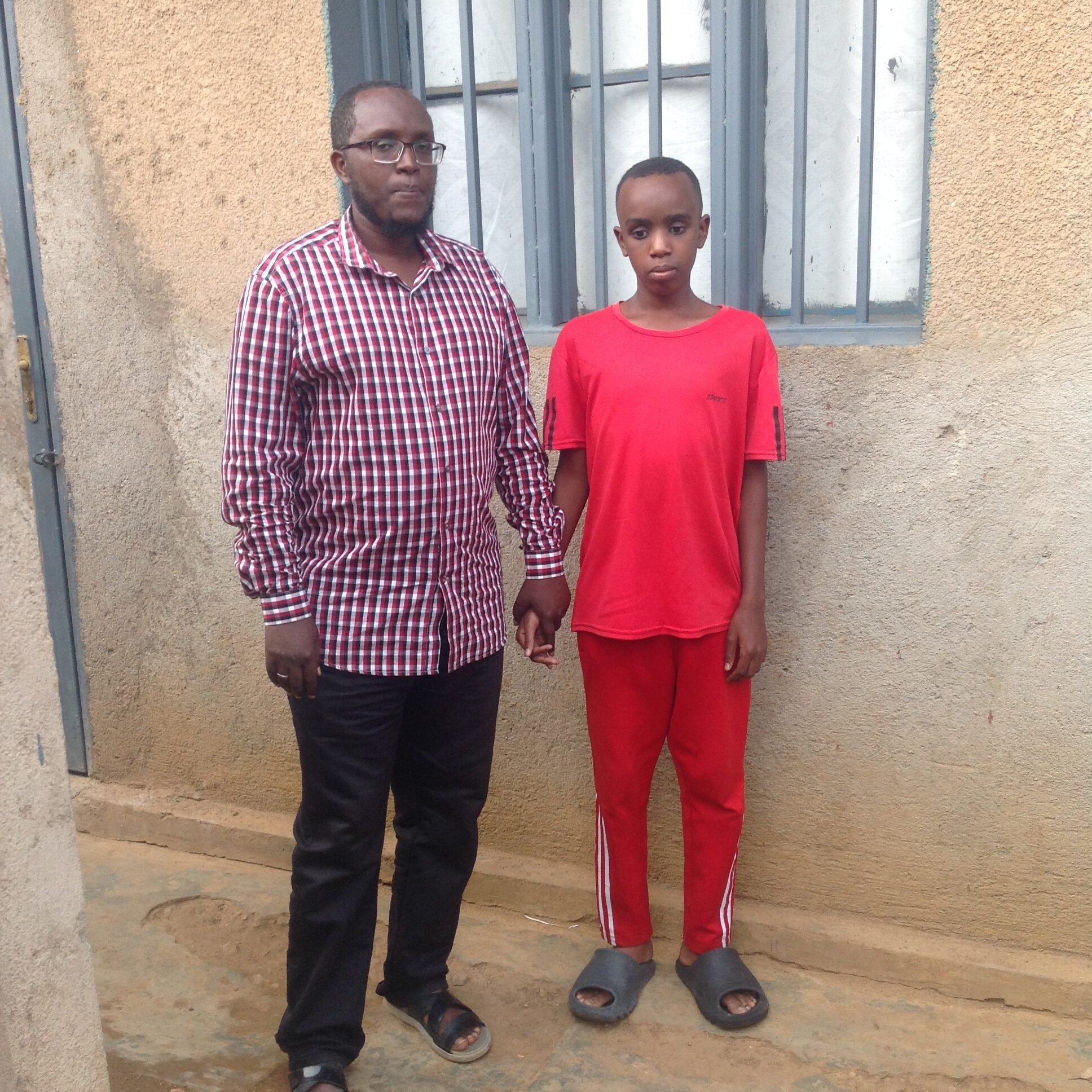
Fourteen-year-old Saifi Qudra relies on others to move safely through his day. Like many blind children in Rwanda, he has never had a white cane. His father, Mussah Habineza, escorts him everywhere. “He wants to walk like other children,” Habineza says, “He wants to be free.” Across Rwanda, the absence of white canes limits children’s mobility, confidence, and opportunity. For families, it also shapes daily routines, futures, and the boundaries of independence.
‘Evacuation Routes Are Meant for People Who Can Run’
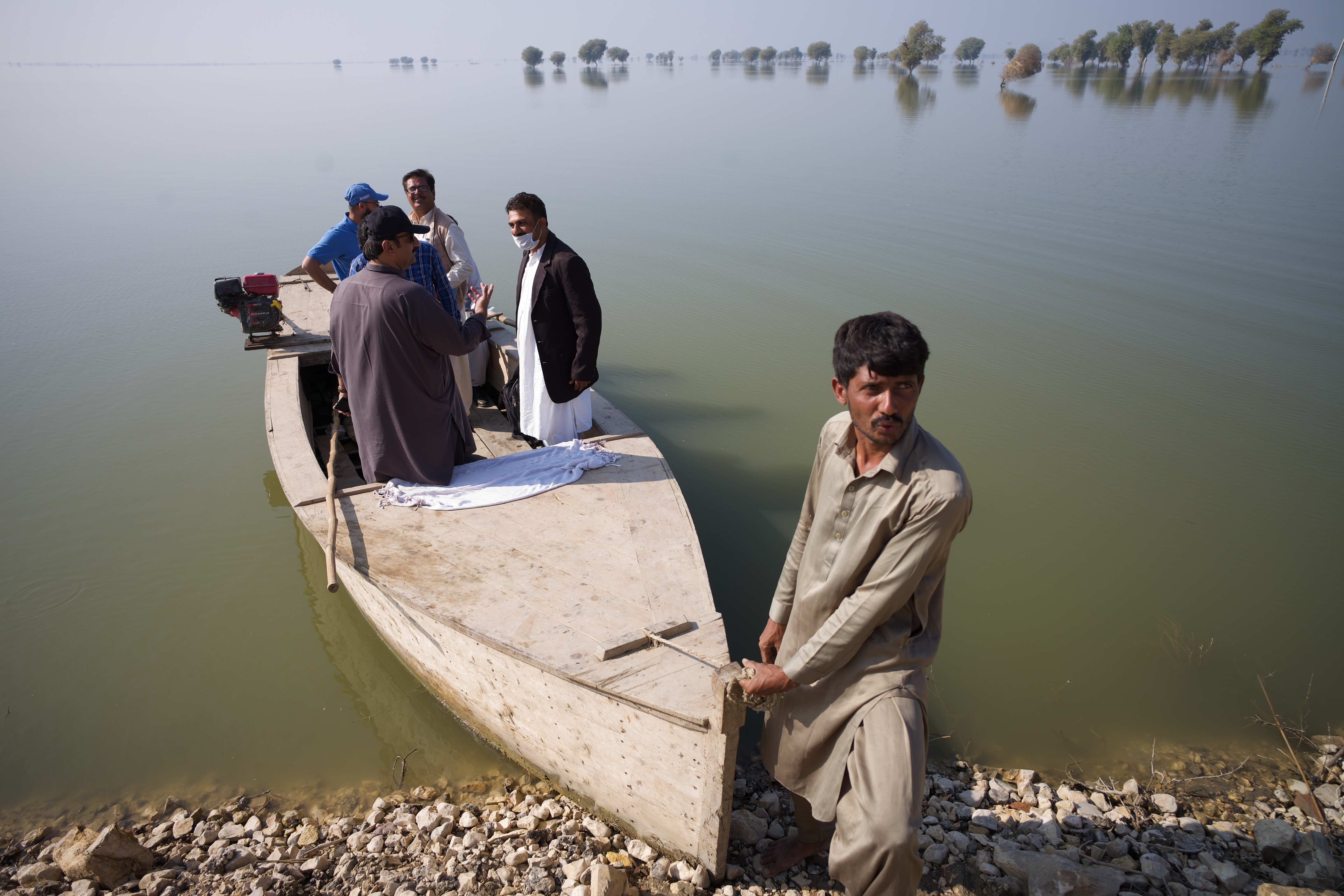
As climate change and conflict intensify across Pakistan, emergency systems continue to exclude people with disabilities. Warning messages, evacuation routes, and shelters are often inaccessible, leaving many without critical information when floods or violence erupt. “Evacuation routes are built for people who can run,” Deaf author and policy advocate Kashaf Alvi says, “and information is broadcast in ways that a significant population cannot access.”
Read more about ‘Evacuation Routes Are Meant for People Who Can Run’
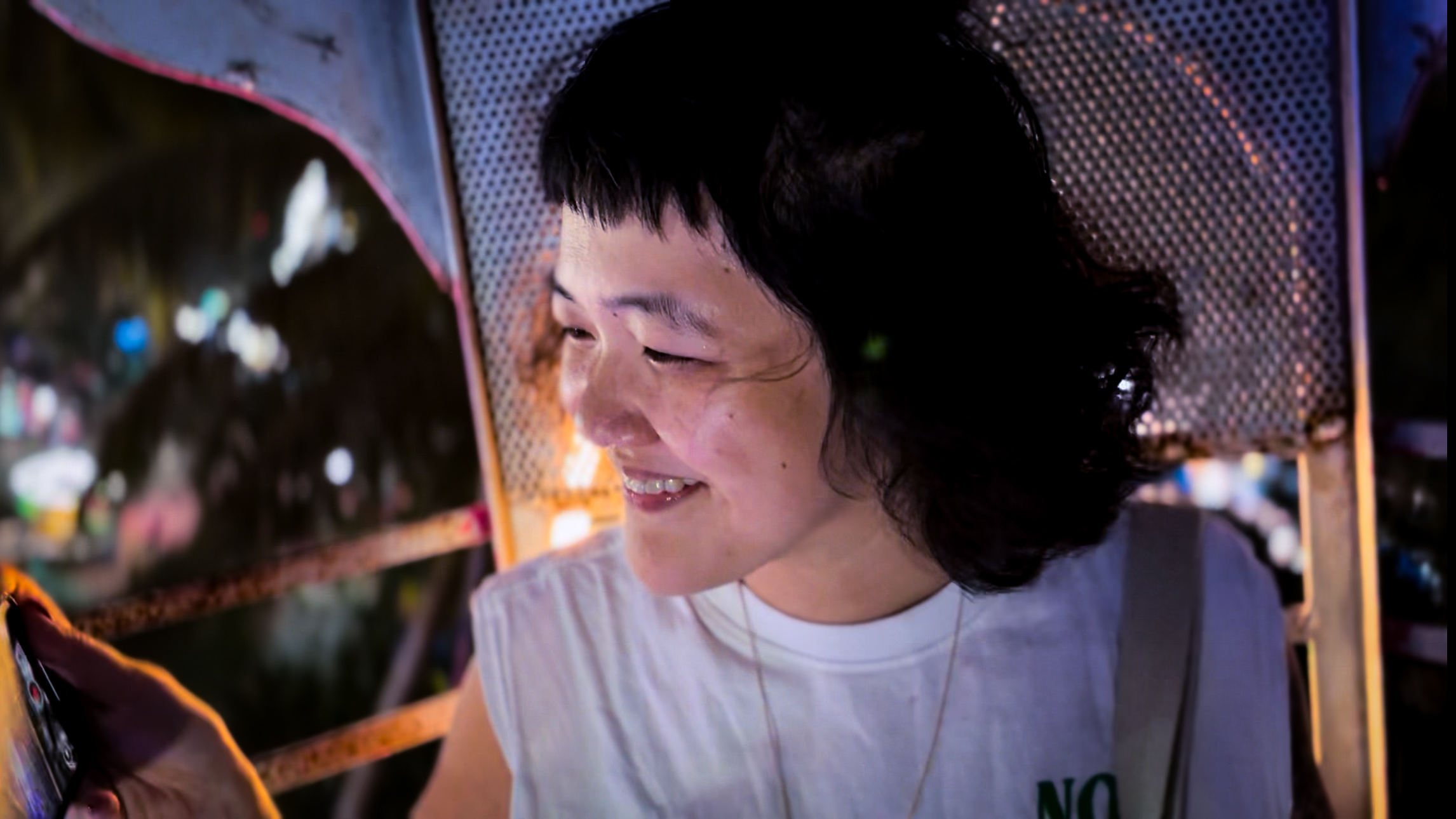
Autism, Reframed
Late in life, Malaysian filmmaker Beatrice Leong learned she was autistic and began reckoning with decades of misdiagnosis, harm, and erasure. What started as interviews with other late-diagnosed women became a decision to tell her own story, on her own terms. In The Myth of Monsters, Leong reframes autism through lived experience, using filmmaking as an act of self-definition and political refusal.
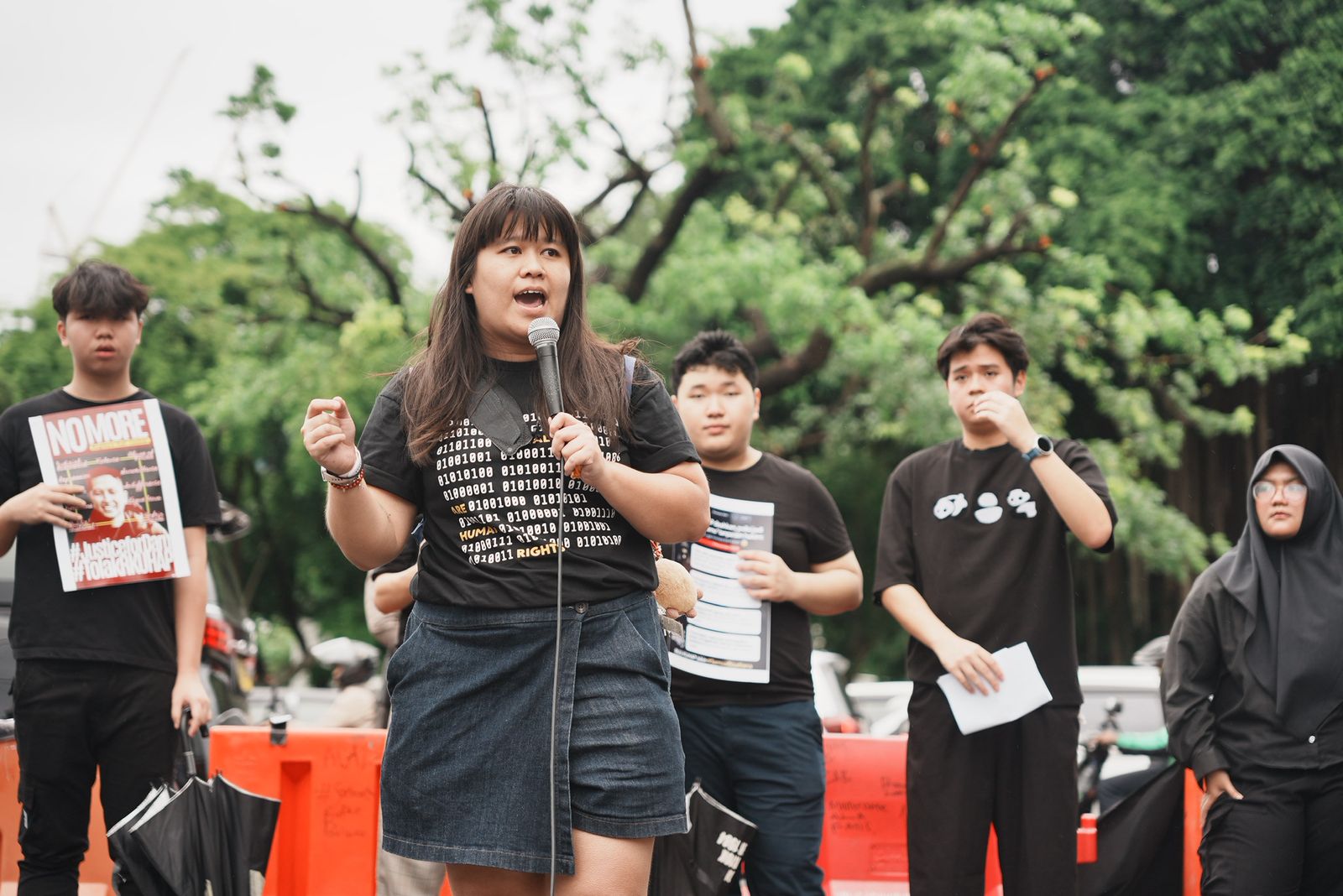
Disability and Due Process
As Indonesia overhauls its criminal code, disability rights advocates say long-standing barriers are being reinforced rather than removed. Nena Hutahaean, a lawyer and activist, warns the new code treats disability through a charitable lens rather than as a matter of rights. “Persons with disabilities aren’t supported to be independent and empowered,” she says. “… They’re considered incapable.”
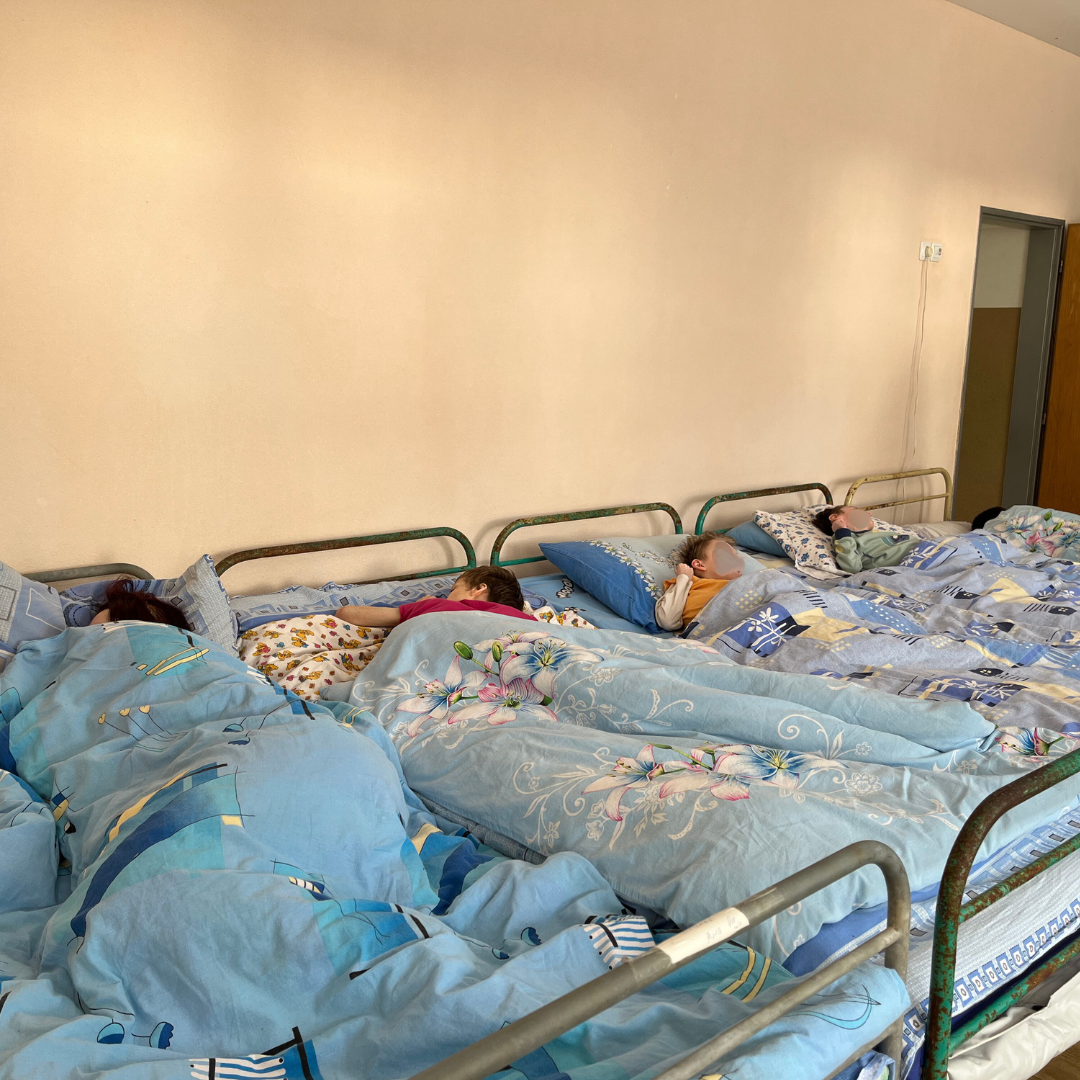
Disability in a Time of War
Ukraine’s long-standing system of institutionalizing children with disabilities has only worsened under the pressures of war. While some facilities received funding to rebuild, children with the highest support needs were left in overcrowded, understaffed institutions where neglect deepened as the conflict escalated. “The war brought incredibly immediate, visceral dangers for this population,” says DRI’s Eric Rosenthal. “Once the war hit, they were immediately left behind.”