News
Failure to Inform
Without Interpreters or Understanding, Medical Care Came Too Late for Zulaihatu Abdullahi, a 19-year-old Deaf Woman from Nigeria
October 22, 2025
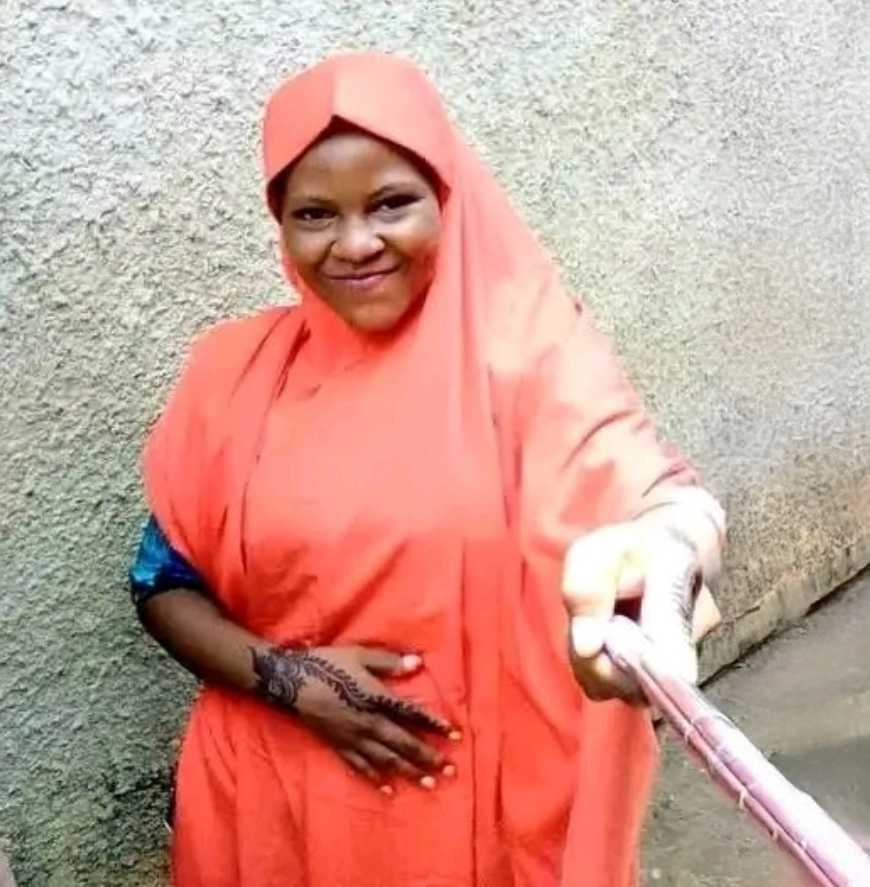
MINNA, Nigeria — Zulaihatu Abdullahi was carried in by her family, feet swollen like a pregnant woman’s, and complaining of stomach pains. She had been sick for at least two years. Her family, too poor to afford the proper medical attention she needed, also couldn’t communicate effectively with her because they didn’t know sign language.
After examination by the medical team, her case was declared precarious and in urgent need of attention. Women stakeholders of the Deaf community swung into action, but unfortunately, it was a little too late. Zulaihatu was already in the last stages of kidney disease. She passed away while receiving treatment at a hospital in Zaria, Kaduna state.
The year was 2023, the month, March. The Deaf Women Aloud Initiative (DWAI), a non-governmental organization advocating for the interests of Deaf women and girls in Nigeria, had organized a free 2-day medical outreach for some 500 Deaf women and girls in Minna, the capital city of Niger state in Nigeria, to commemorate International Women’s Day.
Among those who came for diagnosis was Zulaihatu, a young Deaf woman in her late teens, just out of secondary school. She had been driven by a simple dream: “to further her education and, one day, build a new home,” recalls DWAI founder and president Hellen Beyioku-Alase.
That hope was cut short by a healthcare system that routinely fails Deaf women. Poverty kept her family from seeking timely treatment; a lack of sign language made it impossible for them to explain her diagnosis or for her to understand its gravity; and medical workers, unfamiliar with Deaf patients’ needs, left her without proper guidance.“If only she had access to healthcare where someone could guide her… explain each step, she might still be here,” Beyioku-Alase says.

During DWAI’s medical outreach in March 2023, 60 percent of the participants were diagnosed with serious health conditions, including many with high blood pressure. An alarming 20 percent tested positive for HIV, with only 5 percent being aware of their status beforehand, according to Beyioku-Alase.
Deaf women and girls living with serious health challenges have poor access to healthcare across other states of Nigeria, too, especially in rural areas. Language barriers, demeaning attitudes of health workers toward marginalized groups of patients, and poverty are some of the reasons why. And the impacts are devastating: avoidable suffering, growing mistrust and animosities, and even loss of lives.
However, according to a World Federation of the Deaf (WFD) report on obstacles to healthcare access for Nigerian Deaf women and girls, the biggest challenge is a lack of efficient and effective communication because most health professionals don’t know Nigerian sign language, and most facilities lack interpreters. Deaf women and girls “rely on accessing health-related information in Nigerian sign language,” the report states, “which has hindered their right to receive equitable healthcare on an equal basis to their hearing counterparts since their linguistic rights are not yet recognized enough.”
Beyioku-Alase emphasizes the need for a medical system that understands and supports Deaf patients. She says she was grateful for the team of medical professionals — like Esther Mejedi, a licensed nurse on the DWAI medical team — and the sign language interpreters who accompanied her on the outreach program in Niger state in 2023. Beyioku-Alase, who is Deaf herself, says, “For many Deaf people, this was the first time they could freely ask questions they have had for years but couldn’t ask because of communication barriers… It showed us how much the Deaf community needs and values access to healthcare when communication is made possible.”
Section 24 of Nigeria’s Discrimination Against Persons with Disabilities (Prohibition) Act, 2018, states: “Any public hospital where a person with communicational disabilities is medically attended to shall ensure provision for special communication.” Despite this law, Deaf patients are still frustrated with their communication needs being ignored at health facilities.
‘We Lost Her’
Hajiya Amina Ahmed, a Deaf teacher in Niger state and former national women leader of the Deaf Women Association of Nigeria (DWAN), gave very graphic details of Zulaihatu’s story during an interview in her home. According to her, Zulaihatu had been her student from primary through secondary school. During that time, the pair developed a mother-daughter rapport.
“She would sometimes come to my house to spend the holidays,” Hajiya recalls. “It was during one of her visits that I noticed the swellings on her feet along with a marked change in the color of her eyes. My first suspicion was pregnancy. When I asked if she was sick, she answered ‘no,’ saying she only had high blood pressure – a claim I doubted for her young age. But the symptoms were too obvious to ignore, so I advised her to meet her aunty to take her to a nearby hospital so proper medical tests could be carried out.”
Tests revealed she had kidney disease. A medical report recommended that she seek urgent medical attention at the general hospital in Zaria, Kaduna state. But Hajiya Ahmed was unaware of this recommendation, and the young girl was taken home, to a remote village far from town, without access to healthcare that could have saved her.
“By the time she was brought to us during the medical outreach, she was already in the final stages of the disease, and despite spirited efforts by DWAI, we lost her,” recalls a still visibly emotional Beyioku-Alase.

Mejedi, part of DWAI’s medical team that was in Minna, personally examined Zulaihatu. She doesn’t know sign language, and without an interpreter, she says she would have struggled, too. “ If it is kidney problem, how do I communicate that since I don’t know how to sign?” she asks. Mejedi believes medical personnel faced similar issues and that Zulaihatu’s family perhaps didn’t understand the severity of the situation either. “Do [her] parents know what kidney is?” she wonders. “They might have [mis]taken it for simple malaria, typhoid, or ulcer. So it’s possible they didn’t know the extent.”
Cases like Zulaihatu’s are common among Deaf people seeking medical care. The Deaf community and its advocates continue to advocate for change. Lawrence Idemudia, acting director of the National Commission for Persons with Disabilities (NCPWD), is going beyond calls for sign language interpreters in healthcare facilities and emphasizing the need to train healthcare workers in sign language skills. A number of benefits come with this, from addressing the privacy concerns of Deaf patients to fostering seamless communication that removes the friction of a third party. It also boosts the self-esteem of Deaf patients.
Attitudes of Healthcare Workers
But even with an interpreter, access remains bleak for some because of medical workers’ negative perception of their Deaf patients. Deaf women and girls who have no speech and cannot read or write are most impacted. “Some would rather treat themselves at home (often wrongly) than go to the hospital, because they have been ignored or mistreated,” Beyioku-Alase says. “Some vowed never to give birth in a hospital again because during childbirth, the doctors and nurses didn’t pay attention to them.”
DWAI has made an impact with healthcare professionals by training them on the unique access needs of the Deaf, including the provision of sign language interpreters in some hospitals. But Beyioku-Alase says gaps remain. Deafness constitutes a barrier to getting information, and as a result, many Deaf women and girls (especially those who are less formally educated and those in rural areas) are still in the dark about certain rights and opportunities.
Hajiya Ahmed says some Deaf women also struggle with opening up about their ailments because of the stigma of seeking help. “If you have any health problem, come out,” she says. “There’s nothing to be ashamed of. Your health is more important than anything.”
Following Zulaihatu’s passing, Yetunde Odukale, a lab technologist who is hard-of-hearing, recommends that more Deaf people study medicine or health-related disciplines. In her view, access becomes more seamless when Deaf healthcare workers attend to Deaf patients.
Alexander Ogheneruemu is a Deaf writer, special educator, and disability advocate. A team member with the Voice for the Deaf Foundation (VDF), a Deaf-centric non-profit, his works are driven by a passion for changes that lead to better conditions for disabled and marginalized people.
Editing assistance by Jody Santos and Lauren Salemo
News From the Global Frontlines of Disability Justice
A ‘Direct Threat’ to Democracy
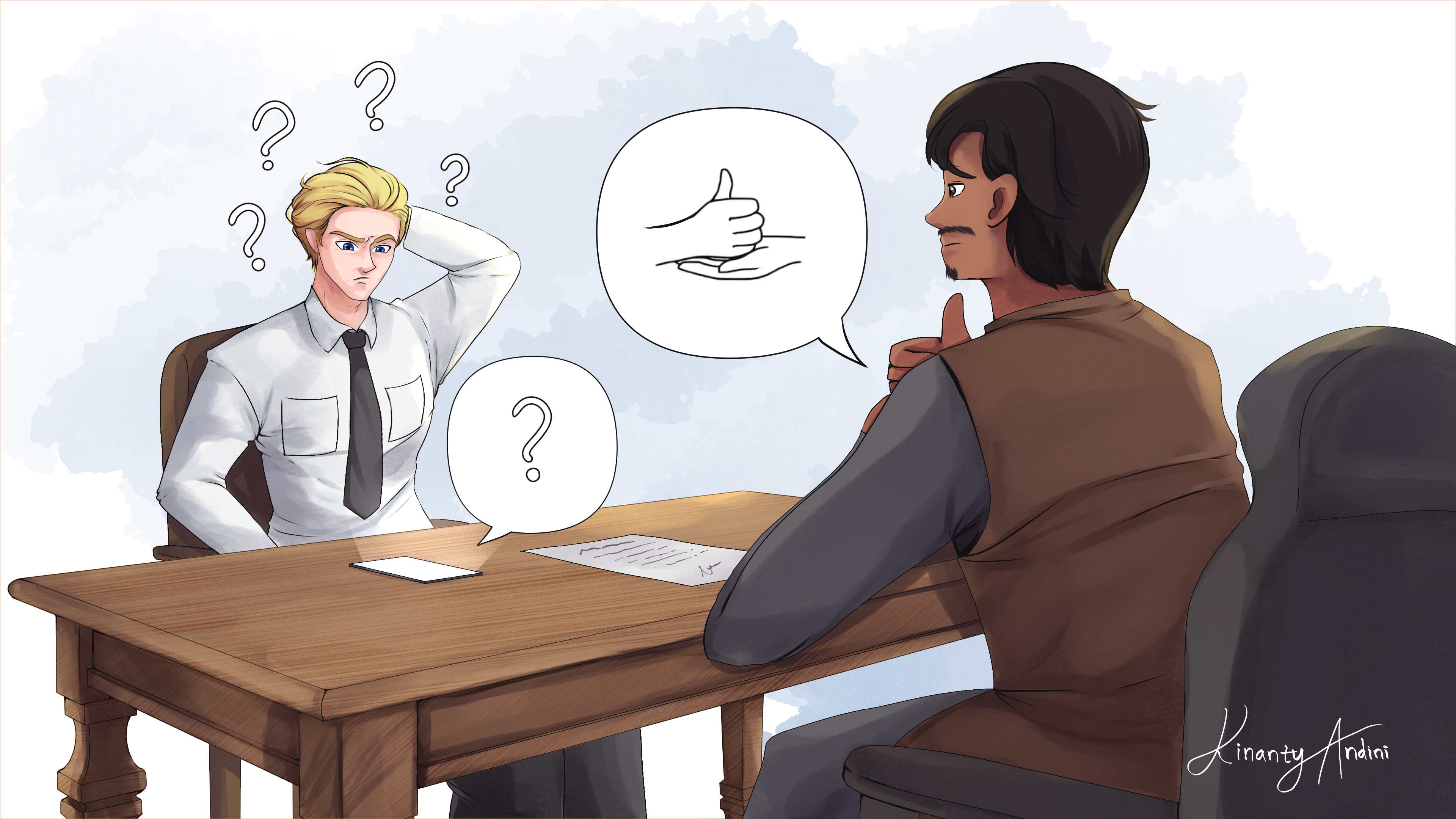
A Deaf asylum seeker from Mongolia spent five months in U.S. immigration detention without access to a sign language interpreter, leaving him unable to communicate with officers or explain his fear of persecution. His case raises questions about whether disability rights laws are being followed inside ICE facilities, where access to communication can determine the outcome of an asylum claim. Lawyer and advocate Qudsiya Naqui says the “absolute disregard” for disability rights under the Trump administration is a “direct threat” to democracy and rule of law.
‘Everything Has Gone Back’
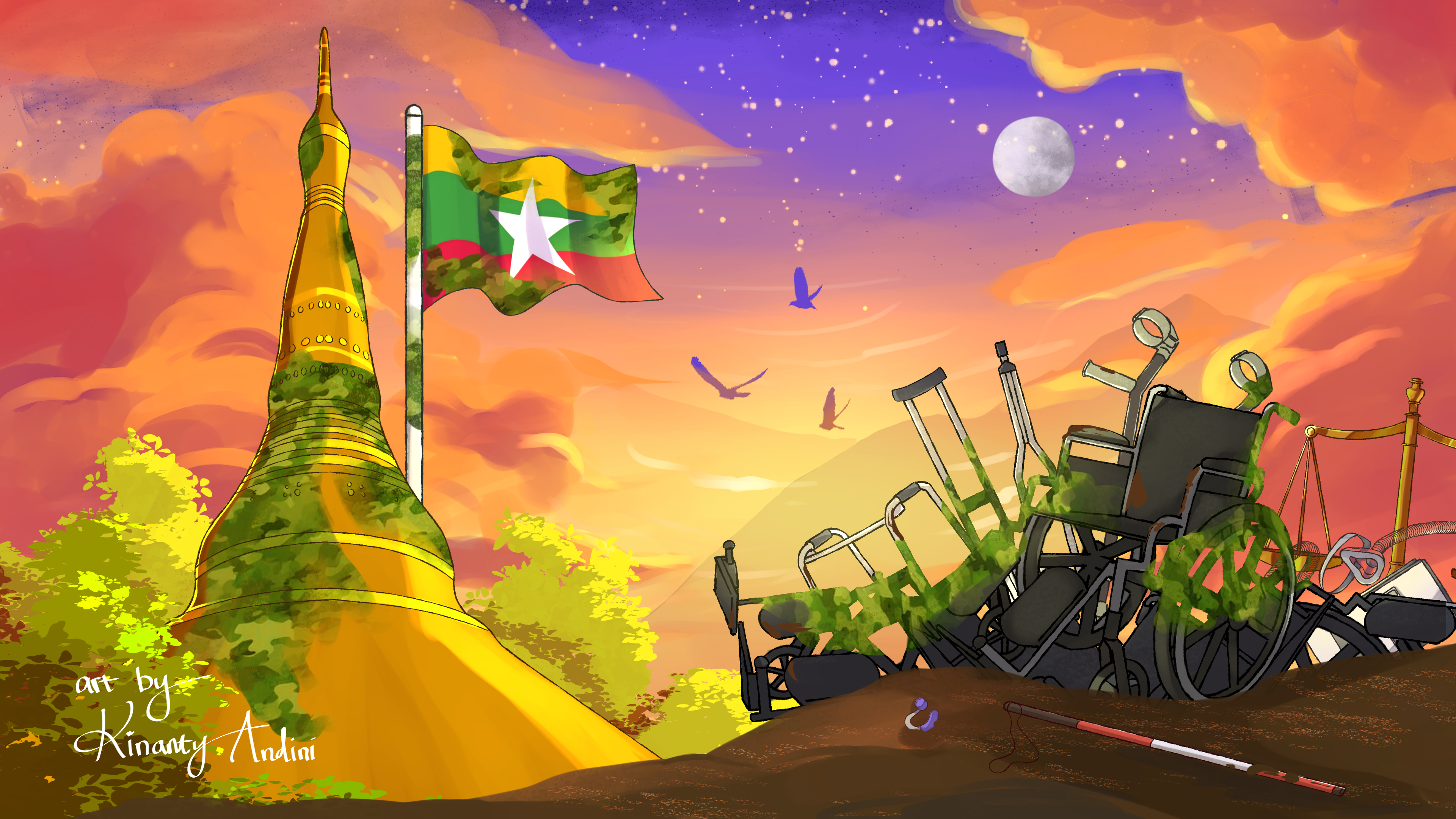
Before Myanmar’s 2021 military coup, disability advocates were helping shape national policy for the first time in decades. Laws expanded access to education, transportation, and public life. Today, much of that progress has collapsed. A new UN report describes a “hidden crisis,” documenting targeted violence, deadly attacks, and the exclusion of people with disabilities from warnings, aid, and services. As conflict creates new disabilities and organizations are forced underground, advocates work quietly to preserve rights that once seemed within reach.
‘I Just Want to Walk Alone’
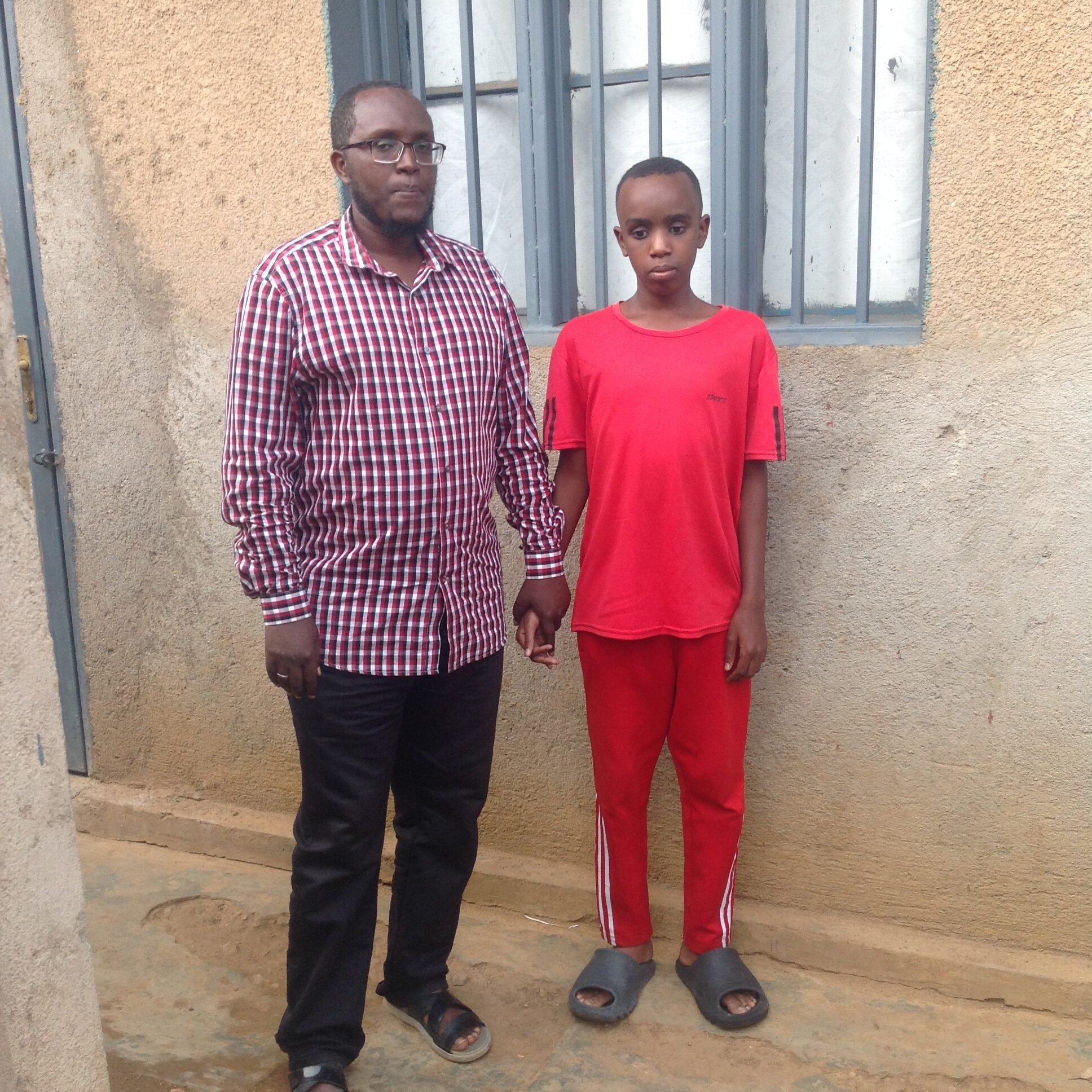
Fourteen-year-old Saifi Qudra relies on others to move safely through his day. Like many blind children in Rwanda, he has never had a white cane. His father, Mussah Habineza, escorts him everywhere. “He wants to walk like other children,” Habineza says, “He wants to be free.” Across Rwanda, the absence of white canes limits children’s mobility, confidence, and opportunity. For families, it also shapes daily routines, futures, and the boundaries of independence.
‘Evacuation Routes Are Meant for People Who Can Run’
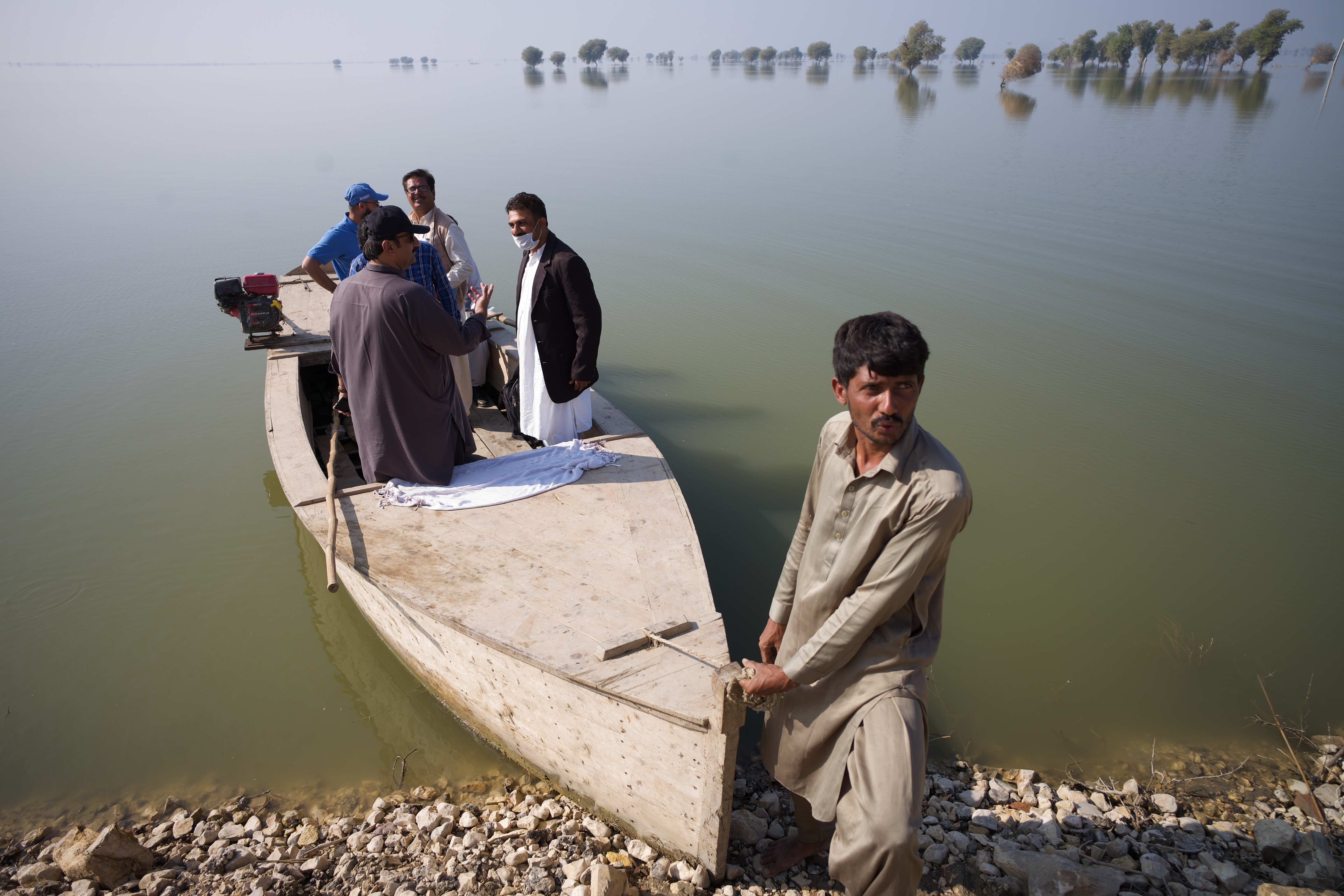
As climate change and conflict intensify across Pakistan, emergency systems continue to exclude people with disabilities. Warning messages, evacuation routes, and shelters are often inaccessible, leaving many without critical information when floods or violence erupt. “Evacuation routes are built for people who can run,” Deaf author and policy advocate Kashaf Alvi says, “and information is broadcast in ways that a significant population cannot access.”
Read more about ‘Evacuation Routes Are Meant for People Who Can Run’
Autism, Reframed
Late in life, Malaysian filmmaker Beatrice Leong learned she was autistic and began reckoning with decades of misdiagnosis, harm, and erasure. What started as interviews with other late-diagnosed women became a decision to tell her own story, on her own terms. In The Myth of Monsters, Leong reframes autism through lived experience, using filmmaking as an act of self-definition and political refusal.
Disability and Due Process
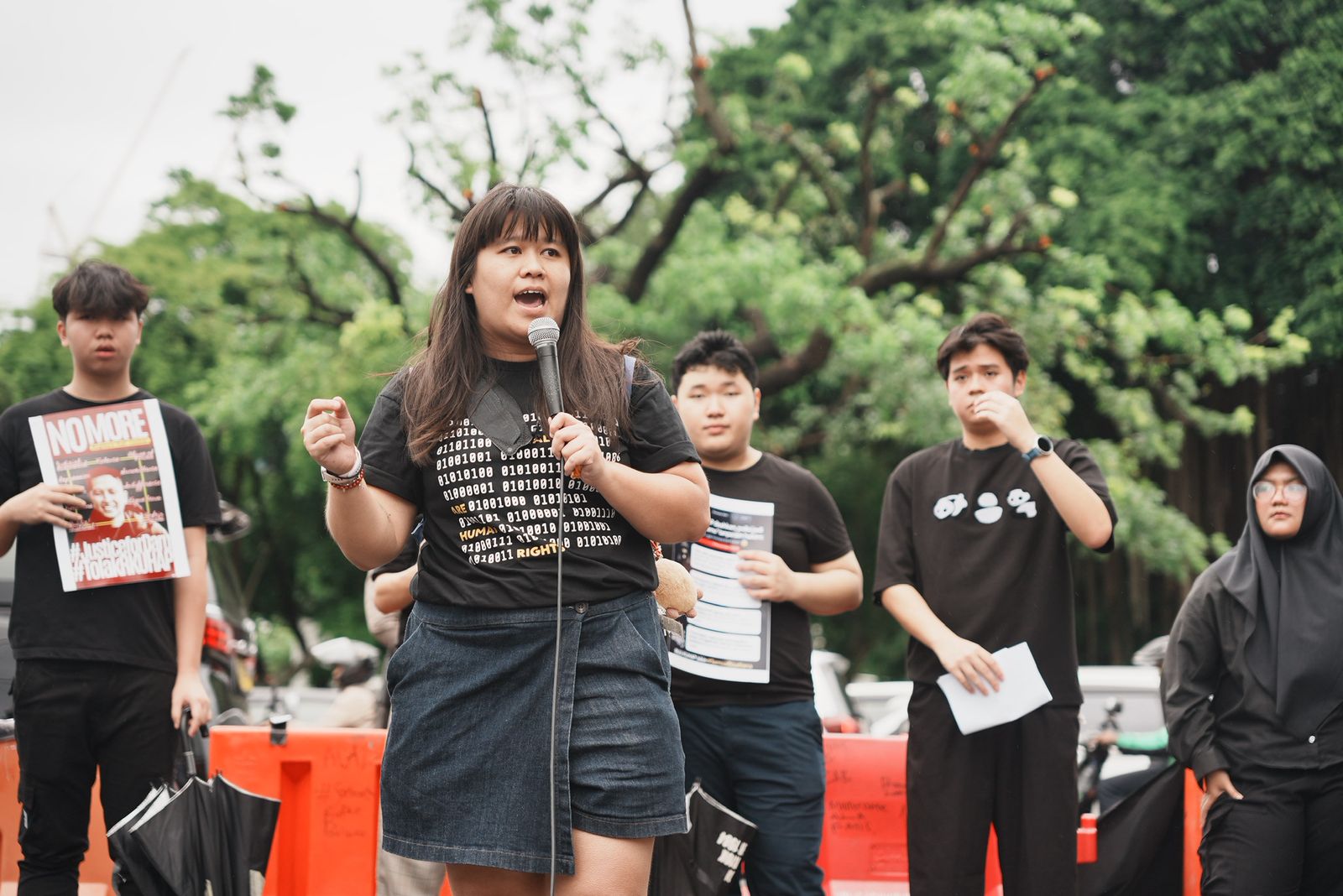
As Indonesia overhauls its criminal code, disability rights advocates say long-standing barriers are being reinforced rather than removed. Nena Hutahaean, a lawyer and activist, warns the new code treats disability through a charitable lens rather than as a matter of rights. “Persons with disabilities aren’t supported to be independent and empowered,” she says. “… They’re considered incapable.”