News
‘I Just Want to Walk Alone’
Across Rwanda, Children Who Are Blind and Low Vision Grow Up Without Access to the Most Basic Mobility Aid
February 4, 2026
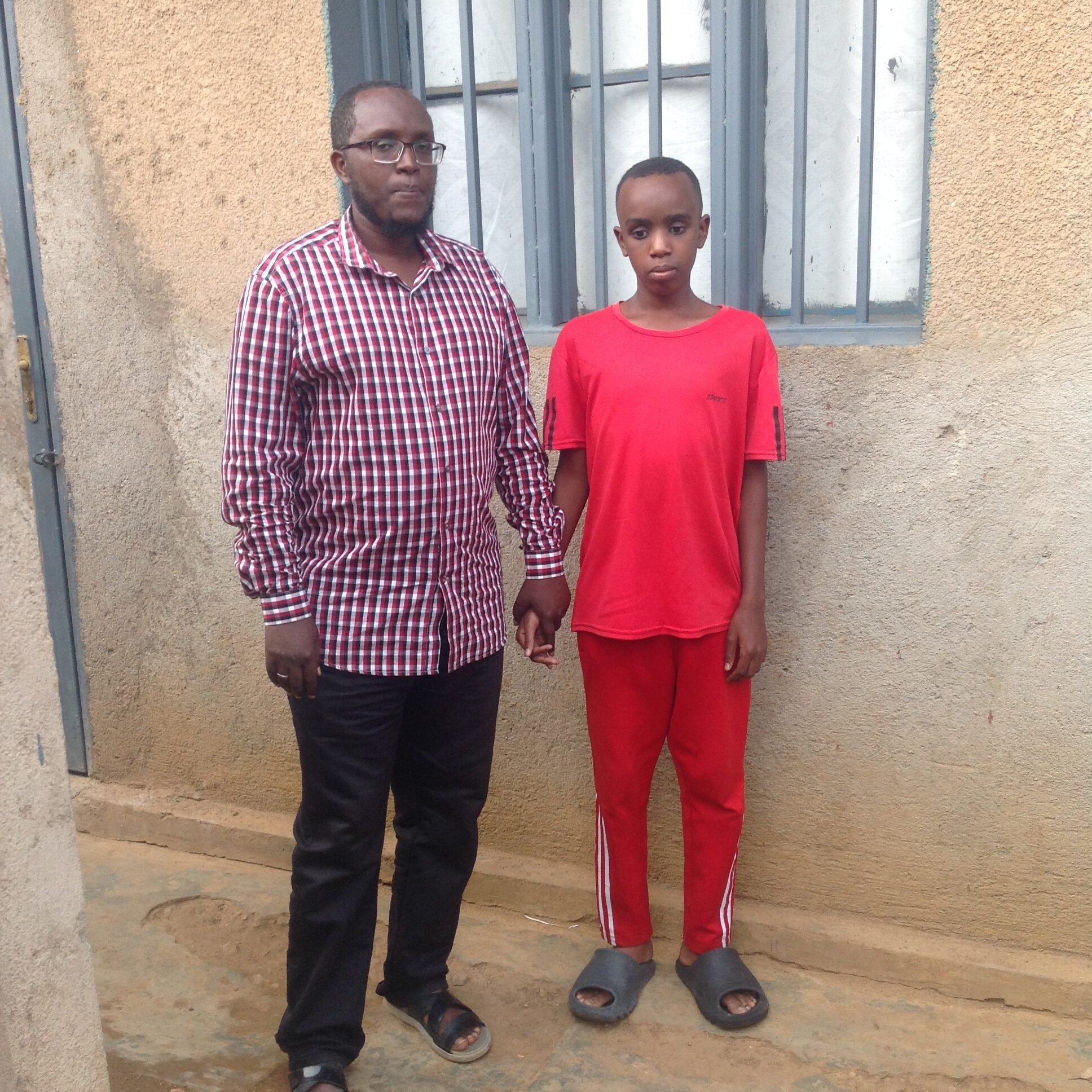
KIGALI, Rwanda — Fourteen-year-old Kevine Uwase Akariza is blind, but she has never held her own white cane. She has never learned the confidence that comes from tapping the ground ahead of her, discovering the world step by step. A student at Groupe Scolaire H.V.P. Gatagara, a school for children who are blind and low vision in Rwamagana, Rwanda, she says, “I just want to walk alone without waiting for someone. I don’t want someone to pull me. I want to guide myself.”
Her words fall like a small stone in a quiet room. “I think white canes are not a charity. They are a right. They are tools for dignity. They are extensions of my dreams,” she says. “Sometimes you find yourself hitting someone or something, and people call you stupid because there is no sign that you are blind except maybe lunettes [glasses].”
Across Rwanda, many children like Kevine who are blind or have low vision are growing up without a white cane. What should be a basic tool for independence, safety, and dignity has instead become a symbol of a broader gap in how assistive devices are often not included in Rwanda’s efforts toward inclusion and access.
“For many children, the absence of a white cane means walking to school by holding a sibling’s shoulder, relying on a neighbor for guidance, or staying home altogether,” says Jean Marie Vianney Mukeshimana, director of the Masaka Resource Centre for the Blind in Kigali. It means depending on others to move from one place to another, memorizing surroundings instead of exploring them, and growing up with limited confidence and constant risk. “These barriers are not caused by blindness itself, but by the lack of tools that make independence possible,” says Mukeshimana.
Behind every child, there is often a parent or a guide who becomes the “white cane,” leading, lifting, guiding, and sometimes carrying them through the world. Many parents describe waking up early to escort their child to school, then waiting nearby because the child cannot move independently once class begins. “I love my son, but he wants to be free,” says Mussah Habineza, whose 14-year-old son, Saifi Qudra, is blind. “He wants to walk like other children. I cannot be his eyes forever.”
‘Without A Cane, She Crawls or Freezes’
Inside the home or schools, blind children depend heavily on caregivers to locate objects, move between rooms, and identify hazards such as sharp furniture or open doorways. Without a cane, learning basic navigation is delayed, and children grow up unsure of how to move safely even in familiar spaces.
Parents describe exhaustion and fear. “What if I am not there and she falls?” asks Gloria Cyuzuzo, 14-year-old Kevine’s mother. “She wants to feel like other children. We know dependence shapes a child’s self-esteem and sense of identity. But without a cane, she crawls or freezes.”
Marcelline Gato Nzamwitakuze is a blind advocate who grew up without the aid of a cane. She says the lack of white canes for Rwandan children who are blind and have low vision is a violation of international commitments like the UN Convention on the Rights of the Child (CRC). As an example, Article 23 states that every child with a disability has the right to dignity, independence, and the support needed to fully participate in society. Article 7 of the UN Convention on the Rights of Persons with Disabilities (CRPD) also says states must ensure that children with disabilities enjoy all human rights and freedoms on an equal basis with other children, and Article 20 requires states to take effective measures to ensure personal mobility with the greatest possible independence for persons with disabilities. Rwanda is a signatory and ratified the CRPD in 2008.
As explained by Mukeshimana, director of Masaka Resource Centre for the Blind, white canes not only allow blind and low-vision children to sense obstacles but also navigate safely, learn orientation skills, and move without depending on anyone’s arm. When provided early, mobility training builds confidence, autonomy, and skills that shape the rest of a child’s life. “Without a cane, a blind child grows up learning to wait instead of exploring, follow instead of lead, and rely instead of decide,” he says.
Policy Versus Reality
Rwanda’s national policy on disability and inclusion affirms the right to participation, independence, and access. In practice, though, that commitment often stops short of providing basic assistive devices. While the government covers school fees for some learners with disabilities, families report that canes are rarely available, often donated by NGOs in small numbers that cannot meet the real need. “We only receive those for adults; it is rare to find a white cane for kids,” Mukeshimana says.
Teachers describe the daily challenges. A child without a cane must guess the direction of the path, memorize obstacles, or depend on classmates to move from one point to another. “We want to include them,” says Francois Nkurunziza, a blind teacher at Groupe Scolaire H.V.P. Gatagara, “but you cannot teach independence without the tools that create independence.”
“For most people, a cane is an object. For a blind child, it is independence … and safety. A voice that says, ‘I can move, I can choose, I can try,’” says advocate Nzamiwitakuze.
Children without canes develop slower orientation skills, have reduced self-esteem, and feel different in a way that stings. “They grow into adults who struggle with confidence in unfamiliar environments,” says Habineza, father to 14-year-old Saifi Qudra. Many opportunities, like education, work, and community participation, are shaped by whether a child can move freely. “At home, he never moves out of the house. Just stay at home until back to school,” says Habineza of his son. “ I cannot even imagine where his opportunities may meet him.”
There is also a silent economic injustice. Only parents with financial means can purchase white canes privately, sometimes imported at high cost. A basic tool that should be universally accessible becomes a privilege. Poverty becomes a second disability layered on top of blindness.
At Masaka Resource Centre for the Blind, staff see this injustice daily. They train youth and adults in mobility and orientation, but it is often hard for participants to memorize moving independently when they’ve never used canes before to be independent. “Imagine an NGO may donate 10 canes to more than 100 children in need. Other times, there are none at all. Children can learn,” Mukeshimana says. “They just need the cane. The ability is there, but the tools are not.”
Why There’s a Shortage
“Rwanda needs a national program to provide white canes to all blind children, paired with orientation and mobility training, just as essential as textbooks or school uniforms,” says Mukeshimana. Rwanda has the policy foundation, the inclusive education framework, and a strong disability-rights movement. What is missing is political will and a dedicated budget line.
Even the children themselves say it best. When asked what they would change about school life and independence in general, both Kevine and Saifi Qudra said, “Give us a cane so we can walk by ourselves.”
“The mobility gap is not about blindness. It is about the failure to provide the most basic tools that allow children to thrive,” says teacher Nkurunziza. “Closing this gap would cost little, but transform lives…Rwanda has the opportunity to lead by demonstrating that true inclusion begins with mobility, dignity, and the freedom for everyone to move with confidence.”
The shortage of white canes in Rwanda stems from several challenges. First, there is no local production, and imported canes are costly. A basic white cane costs between $45 and $60 – far more than most households can afford – while smart white canes with digital features can cost up to $1000.
Unlike wheelchairs or crutches that are sometimes provided through government programs, white canes rarely appear in structured national distribution efforts, and even when children do receive a cane, they often do not receive training on how to use it safely and confidently. Some families believe that children are too young for white canes, “or that using them in public will invite stigma,” says Mukeshimana. “Others assume that a blind child should always be guided by an adult, not move independently.”
Valuing the Potential of Every Child
“The journey toward mobility justice for Rwanda’s blind children is a vital chapter in the country’s broader commitment to inclusion,” says teacher Nkurunziza. “Addressing the mobility gap is not only about providing physical tools like white canes; it is about valuing the independence and potential of every child, regardless of ability.”
Nkurunziza hopes the government will one day recognize white canes as an essential tool for the independence and mobility of Rwandans who are blind and have low vision. “Just as the government has made special provisions for albinos, such as providing body lotion through the Mutuelle de Santé [Rwanda’s community-based health insurance system], white canes should also be included as a basic necessity covered under this national health insurance scheme,” he says.
For families and children, a white cane represents dignity, identity, equality, and hope. Rwanda’s commitments under the CRC and CRPD make clear that every child deserves the chance to walk forward independently. “Until white canes are placed in their hands,” says advocate Nzamwitakuze, “blind children will continue to grow up in the shadow of a mobility gap that should never exist.”
Francine Uwayisaba is a Rwanda-based contributing writer with the Disability Justice Project.
Editing assistance by Jody Santos
News From the Global Frontlines of Disability Justice
Joy As Resistance
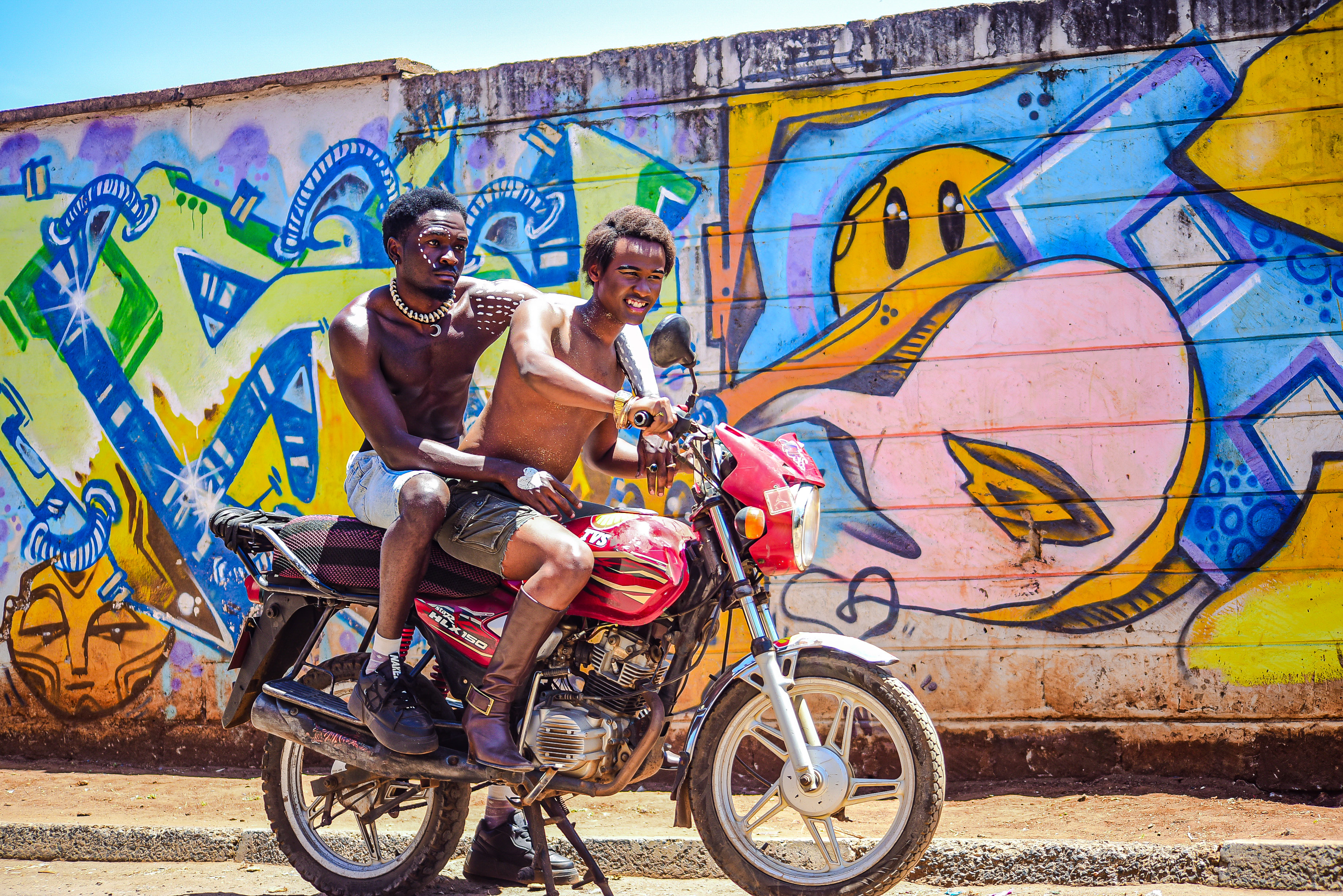
In Kenya, queer and disabled people are finding common ground around questions of identity, access, family, and belonging. Ahead of a Nairobi event exploring where disability and queerness intersect, organizers and participants talk about the communities they have found and the spaces they are trying to create. “Queer people and disabled people share way more than they think they do,” says one organizer. The event will use storytelling, art, performance, and what its organizers call “queer joy” to start a conversation they say is long overdue.
The Politics of Waiting, Wanting, and Hoping
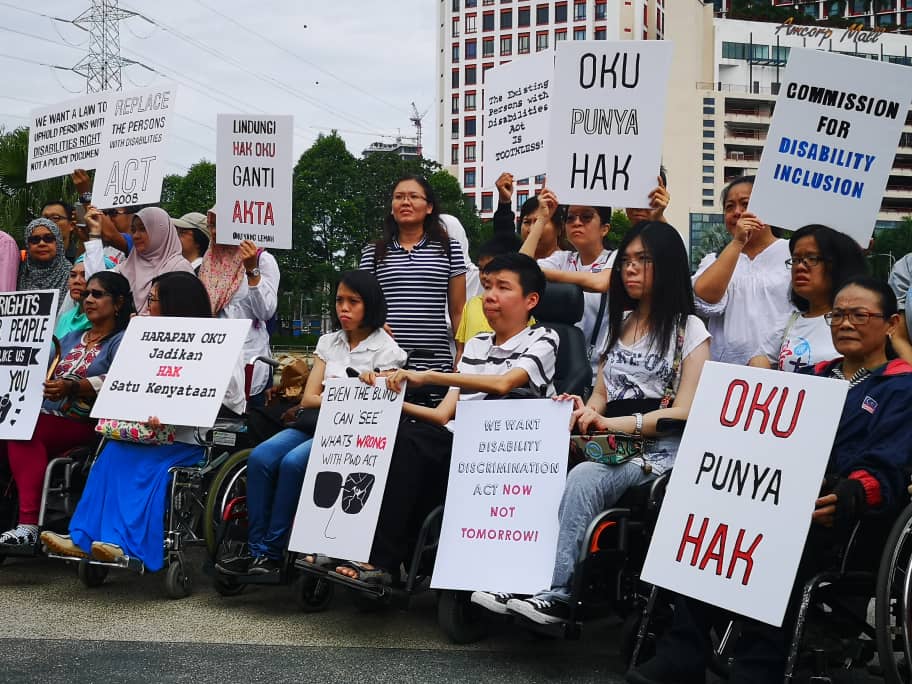
In Malaysia, disability exclusion is rarely one dramatic denial. More often, writes Beatrice Leong, it is “a series of ordinary delays” — inaccessible schools, symbolic consultations, policies without enforcement, and a system that asks disabled people to wait patiently for dignity and belonging. Blending personal reflection with political analysis, Leong examines what happens when inclusion is promised repeatedly, but justice never fully arrives.
Read more about The Politics of Waiting, Wanting, and Hoping
Beyond the ADA
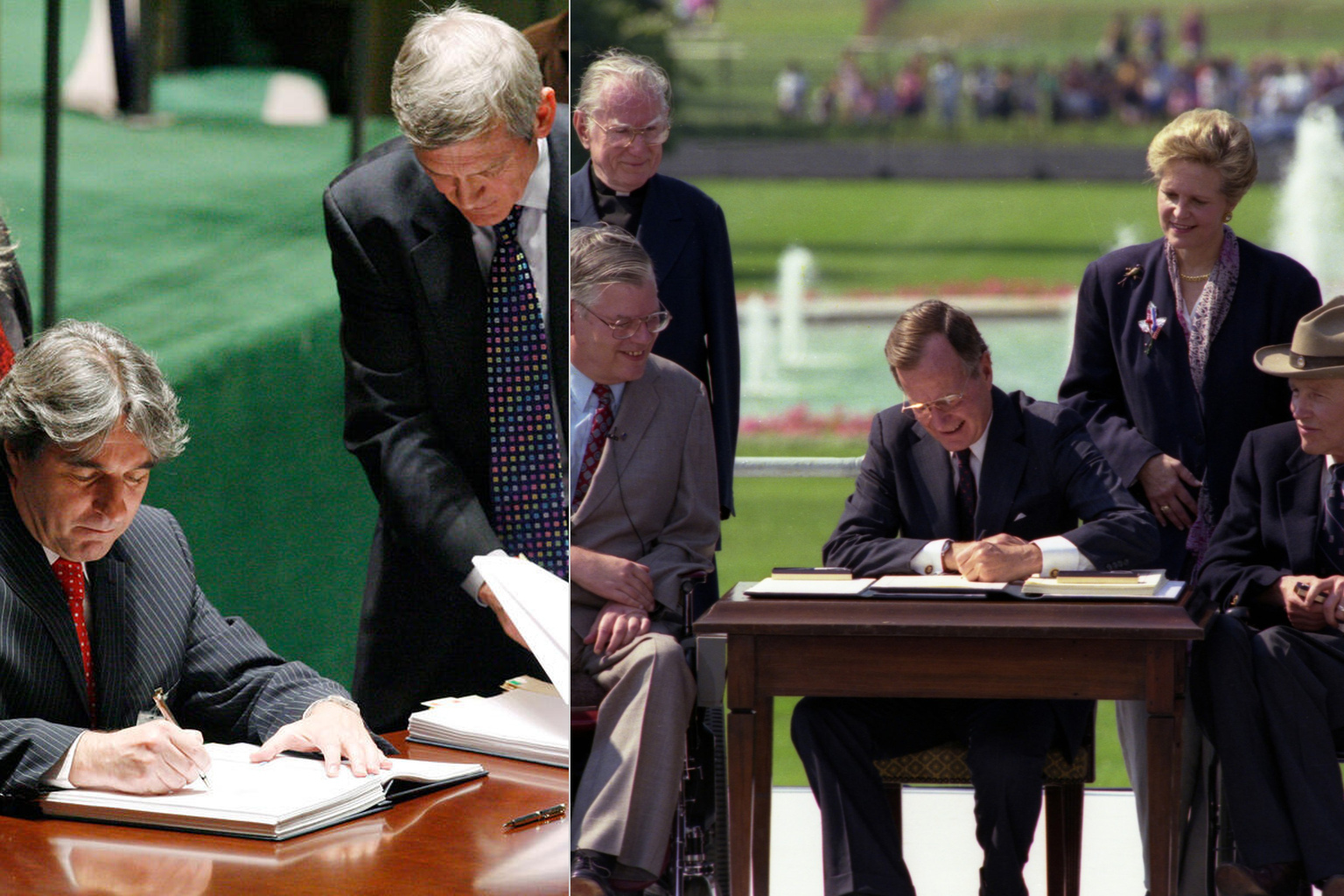
The ADA’s influence extends far beyond the United States. It helped shape a growing international approach to disability rights that eventually contributed to the development of the CRPD. But global disability movements have also expanded on ideas that U.S. law has yet to fully embrace. “I think many U.S. disability rights activists were surprised to find out how much we could learn from the international community,” says Eric Rosenthal, founder and executive director of Disability Rights International.
Forgotten People
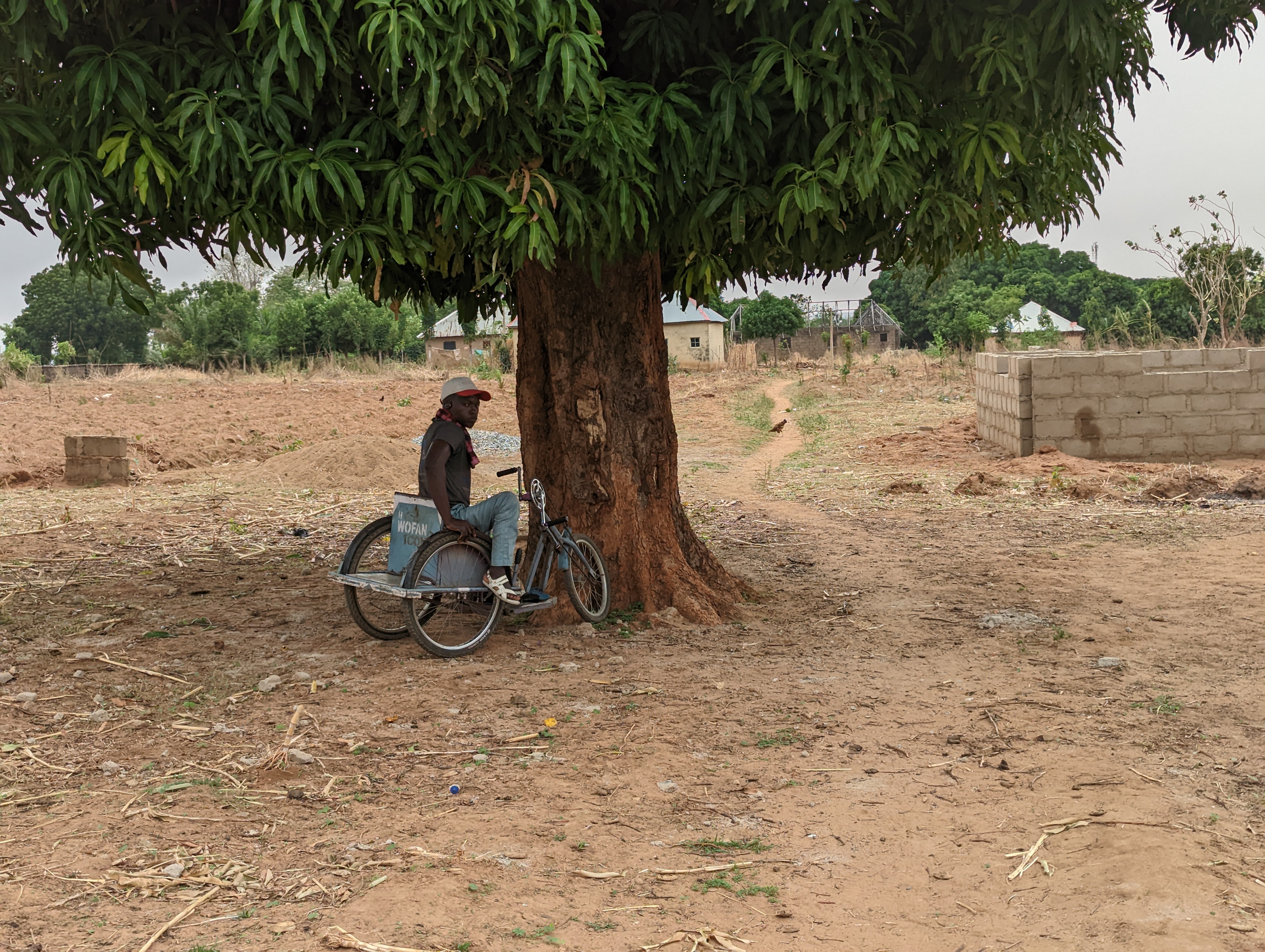
As Nigeria’s growing insecurity crisis spreads, disabled people face barriers that can make escaping violence far more difficult. Across the country, they describe inaccessible emergency warnings, challenges reaching safety, disrupted livelihoods, and limited access to assistance during times of crisis. Their stories reveal how conflict is experienced differently when mobility, communication, and support cannot be taken for granted and how disability is too often overlooked in emergency planning and response.
The Cost of Surviving
After years of failed treatments for complex PTSD, Marian Siljeholm followed an unlikely lead into the underground world of MDMA-assisted therapy. What began as a search for healing became a journey through the science of trauma, the politics of prohibition, and the hidden global network of people risking their freedom to help others reclaim their lives. Their stories would change her own. As Marian writes, “The next morning, I woke with a thought as real as the bed: This is the first day of my life.”
‘Deaf People Are Finally Seen as Equal Citizens’
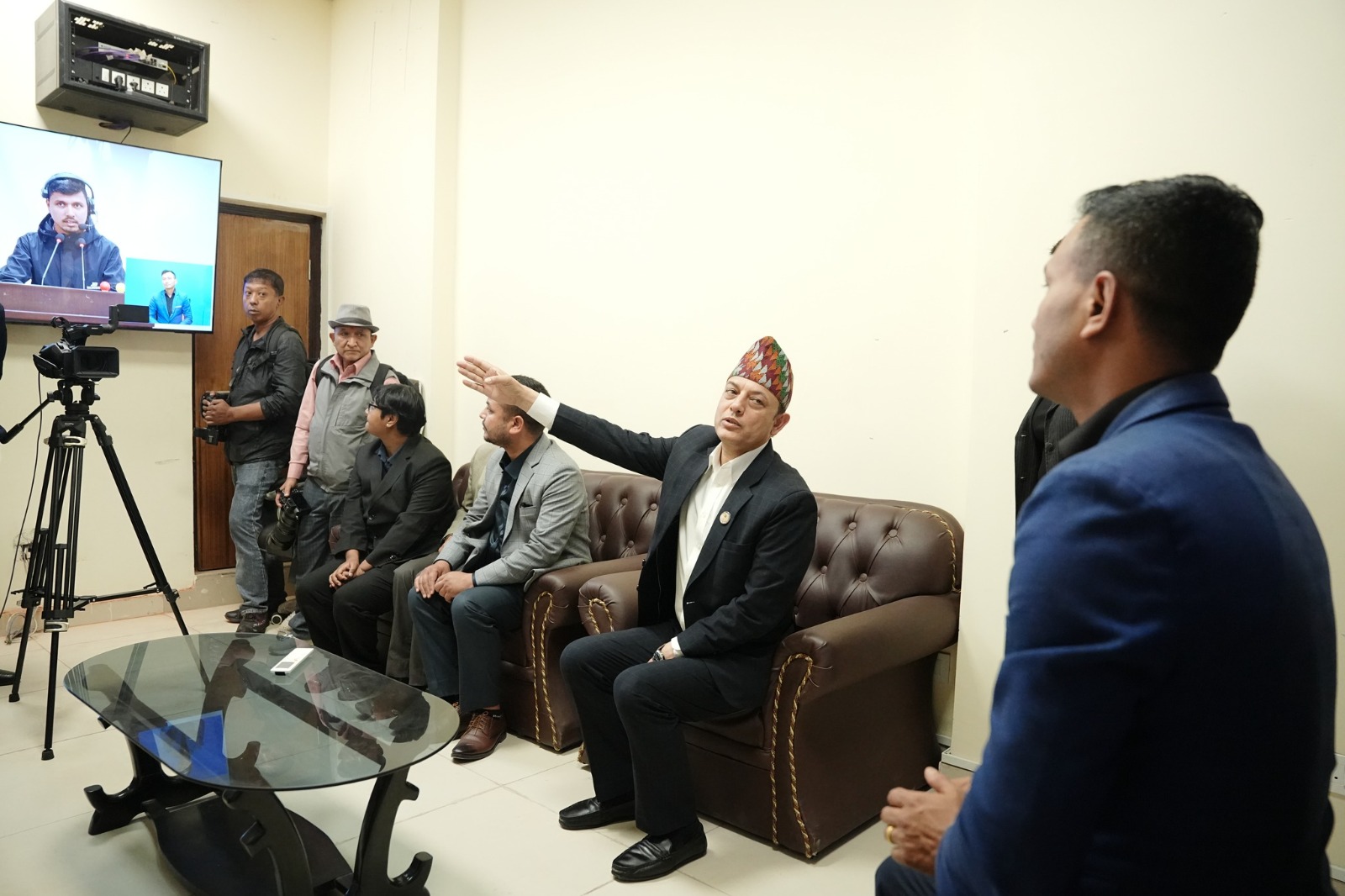
After decades of advocacy, Nepal’s Deaf community is gaining access to information in its own language. Interpreted national news broadcasts now air twice daily, and sign language interpretation has recently been introduced in parliament. Advocates say the changes mark a major step toward inclusion, recognition, and equal participation in public life for Deaf Nepalis who have long been excluded from critical information and decision-making.
Read more about ‘Deaf People Are Finally Seen as Equal Citizens’