
News
‘People like Me Can Dare to Dream of Standing Upright’
Play audio version
Rwandans with Disabilities React to New Health Insurance Coverage for Prosthetic and Orthotic Services
June 18, 2025
RWANDA — Since losing her leg in a car accident four years ago, 50-year-old Anonciatha Mukangeneye says her life has changed completely. Once a successful businesswoman known in her community as “the rich woman,” she now survives by begging on the streets.
Poverty is the main barrier preventing her from accessing a prosthesis. “I cannot think of affording a prosthesis. I know I cannot afford it with my condition,” she says. “Maybe I will meet a good Samaritan and pay for it,” Mukangeneye says, but begging brings no dignity or lasting solution and often leaves her feeling powerless.
Since the Rwandan government launched its national community-based health insurance program, Mutuelle de Santé, in 2004, many people with disabilities have had trouble accessing orthopedic care, especially services like prosthetics (artificial limbs) and orthotics (supportive devices like braces). These services have been mainly provided by humanitarian organizations and international NGOs working in disability support. This has left many individuals feeling abandoned, caught between hope and frustration.
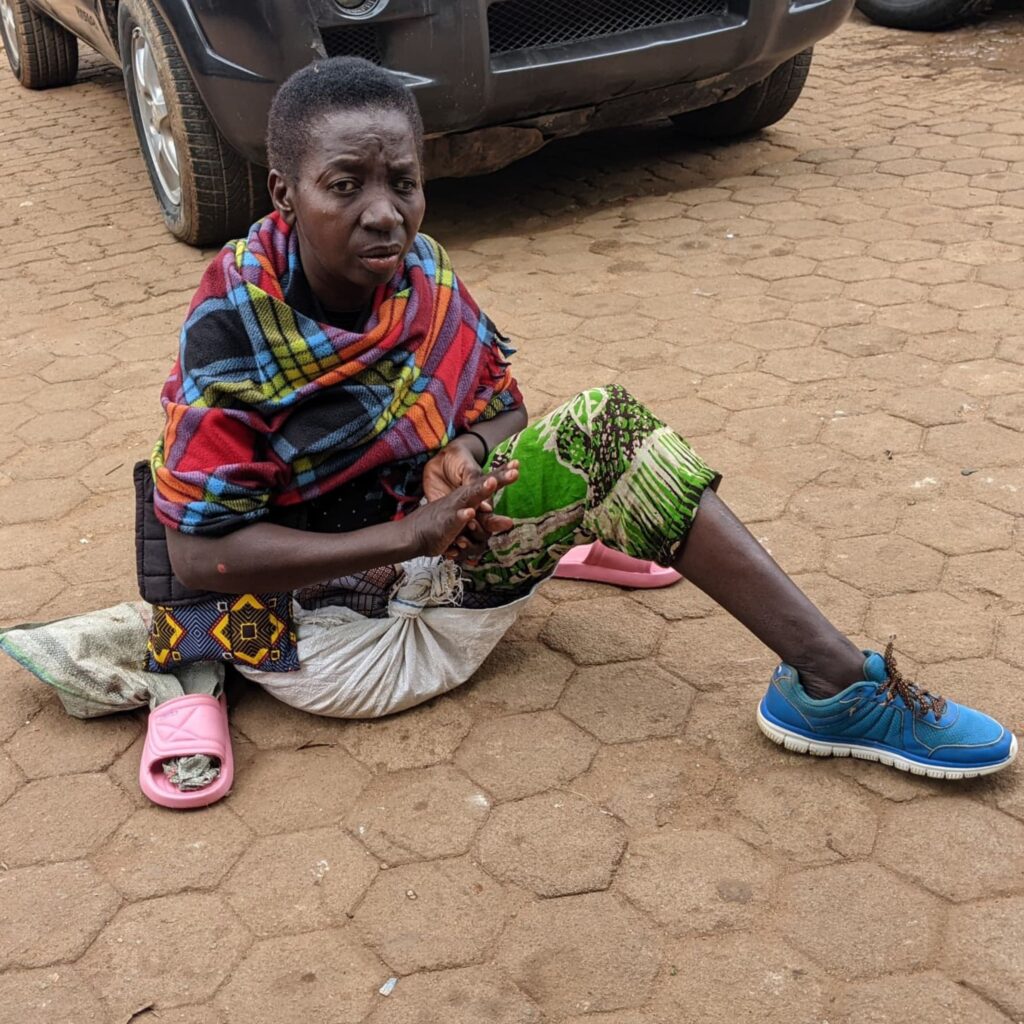
Recently, the Rwandan Cabinet, chaired by President Paul Kagame, made a significant decision to expand community-based health insurance (CBHI), aiming to improve access to essential medical services for citizens, including people with disabilities. This expansion marks a crucial step toward inclusive healthcare, addressing gaps in coverage by enhancing accessibility for people who rely on mobility aids and ensuring that more individuals, especially from marginalized groups, receive the care they need without financial hardship.
Dr. Alex Rulisa, director of CBHI at the Rwanda Social Security Board, says the services are anticipated to start in July 2025. They are expected to ease financial barriers for Rwandans like Mukangeneye seeking access to orthotic and prosthetic care. She hopes they will restore her mobility and independence. “I thought I was waiting for my last breath in this condition. Hearing that I may have a prosthesis affordably is the best thing I wished to hear,” says Mukangeneye. “I hope I will also restart my business, as I will be able to walk on my feet.”
Weight of Uncertainty
Oswald Tuyizere is a man with a physical disability who uses canes to move from one place to another. He says the high costs of prosthetic devices have posed substantial financial challenges for him and many others: “I have no doubt that many persons are staying at their homes due to the fact that they cannot access the amount of paying the bill.”
Jean Baribwira, who has had a physical disability since childhood, uses his arms and hips to move. Until now, the cost of orthotic legs [braces or supports worn on the leg to improve function] has been far beyond what he can afford, forcing him to live in discomfort and watch opportunities pass him by. All his life, he’s wished he had orthosis, but the cost has been a constant barrier.
Fight for Inclusion
Advocacy groups and disability rights organizations have long pushed for health insurance reform to include orthotic and prosthetic coverage, arguing that mobility is a basic healthcare right. “Efforts have been made by organizations of persons with disabilities in Rwanda that advocated these changes to happen and reminded the government of its commitments,” says Jean Pierre Sibomana, former Uganda program officer with the Disability Rights Fund. “These changes didn’t happen overnight. They are the result of dedicated advocacy, persistence, and the unwavering voices of disability rights organizations working to ensure that mobility is recognized as a fundamental need, not a privilege.”
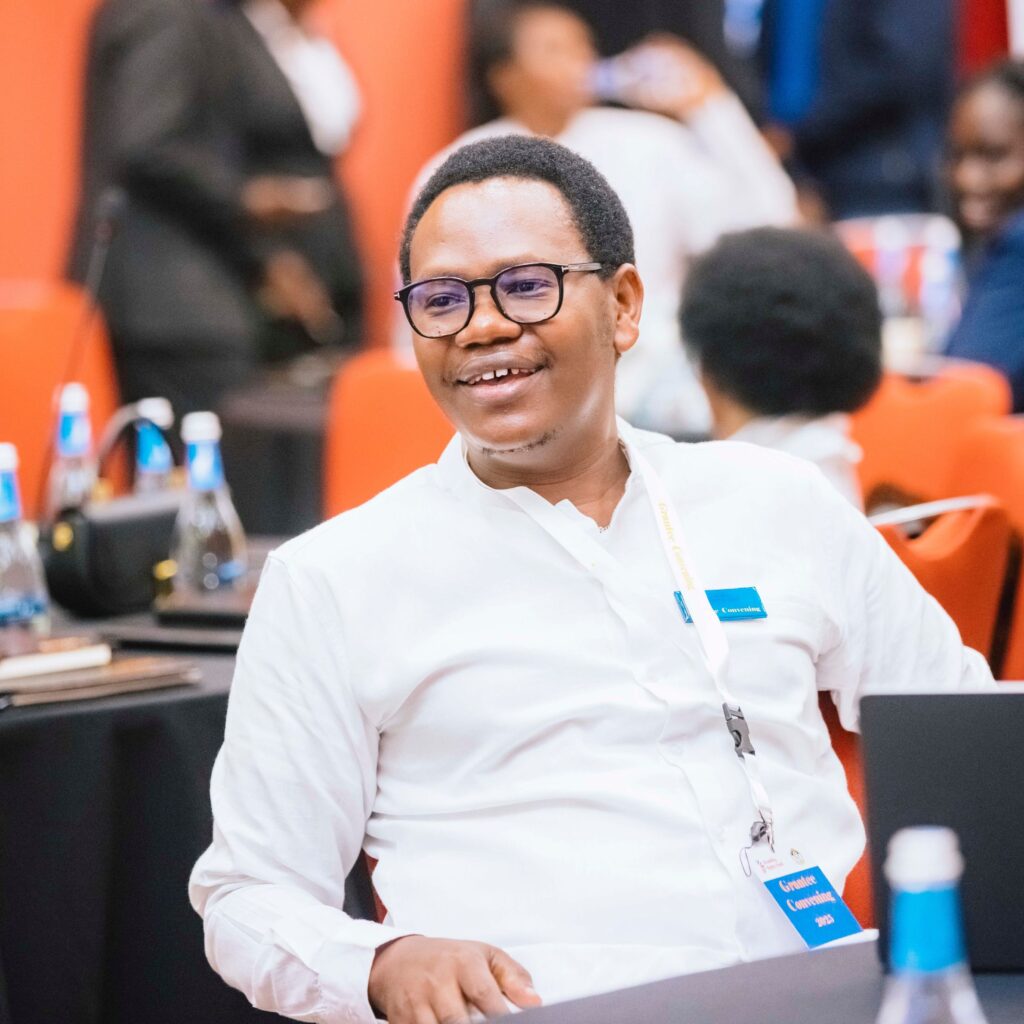
Emile Cadet Vuningabo, head of programs at the National Disability Organizations of Rwanda (NUDOR), says that this Cabinet decision is a major milestone in disability rights in Rwanda. For years, NUDOR has worked to engage with policymakers to ensure that the voices of persons with disabilities are heard. “NUDOR worked closely with the Rwandan government, health officials, and insurance regulators to present the urgent need for coverage of prosthetic and orthotic services,” he says. “It’s time to feel how mobility is not a privilege but a fundamental right.”
“It is a testament to the power of collective advocacy,” adds Sibomana, “and a reminder that when we push for inclusivity, we build a stronger, more equitable Rwanda for all.”
Its Meaning for Rwandans with Disabilities
The government’s decision to add orthotic and prosthesis services to CBHI is expected to transform every aspect of many disabled Rwandans’ lives. For people like Baribwira, this is crucial for advancing disability rights. “I cannot express fully what this means to me and to many others in my situation,” he says. “For the first time, people like me can dare to dream of standing upright, of walking, of experiencing a new level of independence. This is more than a health policy. It is dignity, inclusion, and hope.”
Sibomana agrees, saying the decision is expected to open many new doors to people with disabilities. “If these devices are at good prices, I think more persons with disabilities will come and get them, which will enable them to start moving and explore opportunities like others. … It could also help them to go to school. Here, I mean younger children with disabilities, but it will also depend on other factors like their accessibilities. We need to see both go hand in hand for an inclusive society,” he says.
This decision is seen as an important step toward meeting Rwanda’s obligations under the UN Convention on the Rights of Persons with Disabilities, specifically Articles 4, 20, 25, and 48. These articles call on governments to adopt inclusive policies (Article 4), ensure access to affordable mobility aids (Article 20), provide equal and appropriate health care for persons with disabilities (Article 25), and engage in international cooperation to advance disability rights (Article 48). The decision also builds on Rwanda’s recent adoption of the National Disability Policy, which aims to strengthen inclusion across all government programs. Additionally, it responds to recommendations in the 36th and 37th concluding observations of the UN Committee on Economic, Social and Cultural Rights, which urged Rwanda to expand universal health coverage for persons with disabilities.
Other Priorities
Vuningabo says NUDOR’s advocacy won’t stop with these most recent health insurance reforms. While the Ministry of Health and the Rwanda Biomedical Center are pricing these services, NUDOR is requesting that hearing devices, wheelchairs, and white canes be added to the plan as well, ensuring that all persons with disabilities have access to the essential tools they need for mobility, communication, and independence. “True inclusivity means recognizing the diverse needs of the disability community and ensuring that healthcare policies address them comprehensively,” he says.
In addition, NUDOR is addressing the affordability of these services so that every district hospital can have orthopedic workshops that people can access. According to Vuningabo, “We are equipping those workshops to make materials available without going into the reference hospitals, which are far from many people.”
Francine Uwayisaba is a field officer at the Rwanda Union of Little People (RULP), in charge of the organization’s communications. She writes grants, manages RULP’s social media, and composes articles and weekly updates for its website.
Editing assistance by Lauren Salemo and Jody Santos
News From the Global Frontlines of Disability Justice
The Politics of Waiting, Wanting, and Hoping
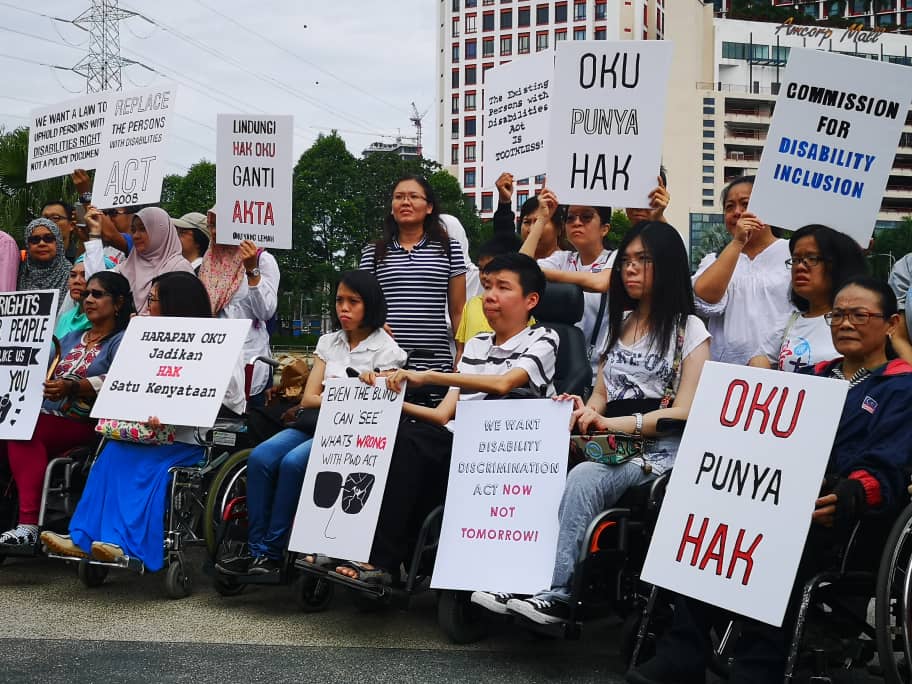
In Malaysia, disability exclusion is rarely one dramatic denial. More often, writes Beatrice Leong, it is “a series of ordinary delays” — inaccessible schools, symbolic consultations, policies without enforcement, and a system that asks disabled people to wait patiently for dignity and belonging. Blending personal reflection with political analysis, Leong examines what happens when inclusion is promised repeatedly, but justice never fully arrives.
Read more about The Politics of Waiting, Wanting, and Hoping
Beyond the ADA
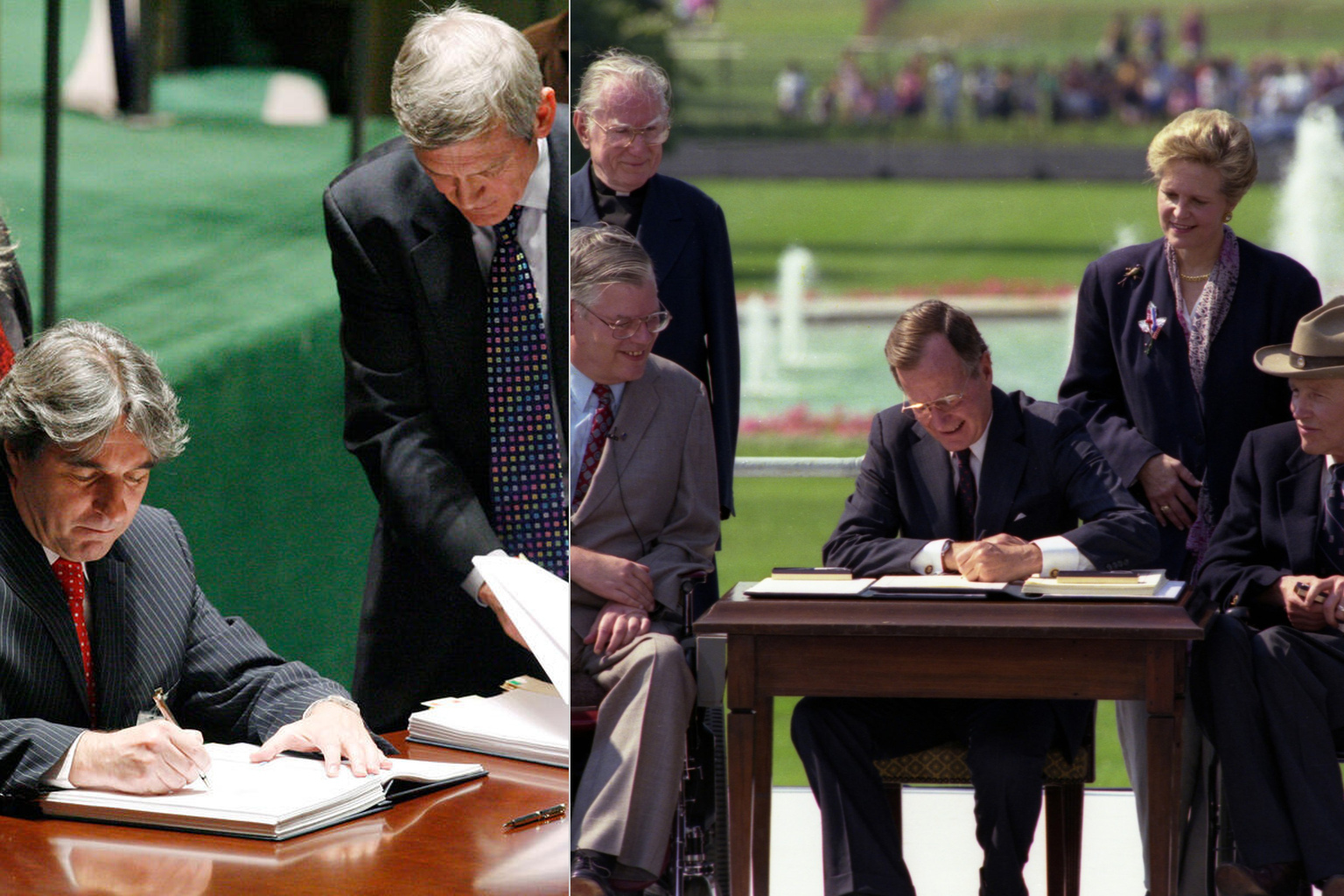
The ADA’s influence extends far beyond the United States. It helped shape a growing international approach to disability rights that eventually contributed to the development of the CRPD. But global disability movements have also expanded on ideas that U.S. law has yet to fully embrace. “I think many U.S. disability rights activists were surprised to find out how much we could learn from the international community,” says Eric Rosenthal, founder and executive director of Disability Rights International.
Forgotten People
As Nigeria’s growing insecurity crisis spreads, disabled people face barriers that can make escaping violence far more difficult. Across the country, they describe inaccessible emergency warnings, challenges reaching safety, disrupted livelihoods, and limited access to assistance during times of crisis. Their stories reveal how conflict is experienced differently when mobility, communication, and support cannot be taken for granted and how disability is too often overlooked in emergency planning and response.

The Cost of Surviving
After years of failed treatments for complex PTSD, Marian Siljeholm followed an unlikely lead into the underground world of MDMA-assisted therapy. What began as a search for healing became a journey through the science of trauma, the politics of prohibition, and the hidden global network of people risking their freedom to help others reclaim their lives. Their stories would change her own. As Marian writes, “The next morning, I woke with a thought as real as the bed: This is the first day of my life.”
‘Deaf People Are Finally Seen as Equal Citizens’
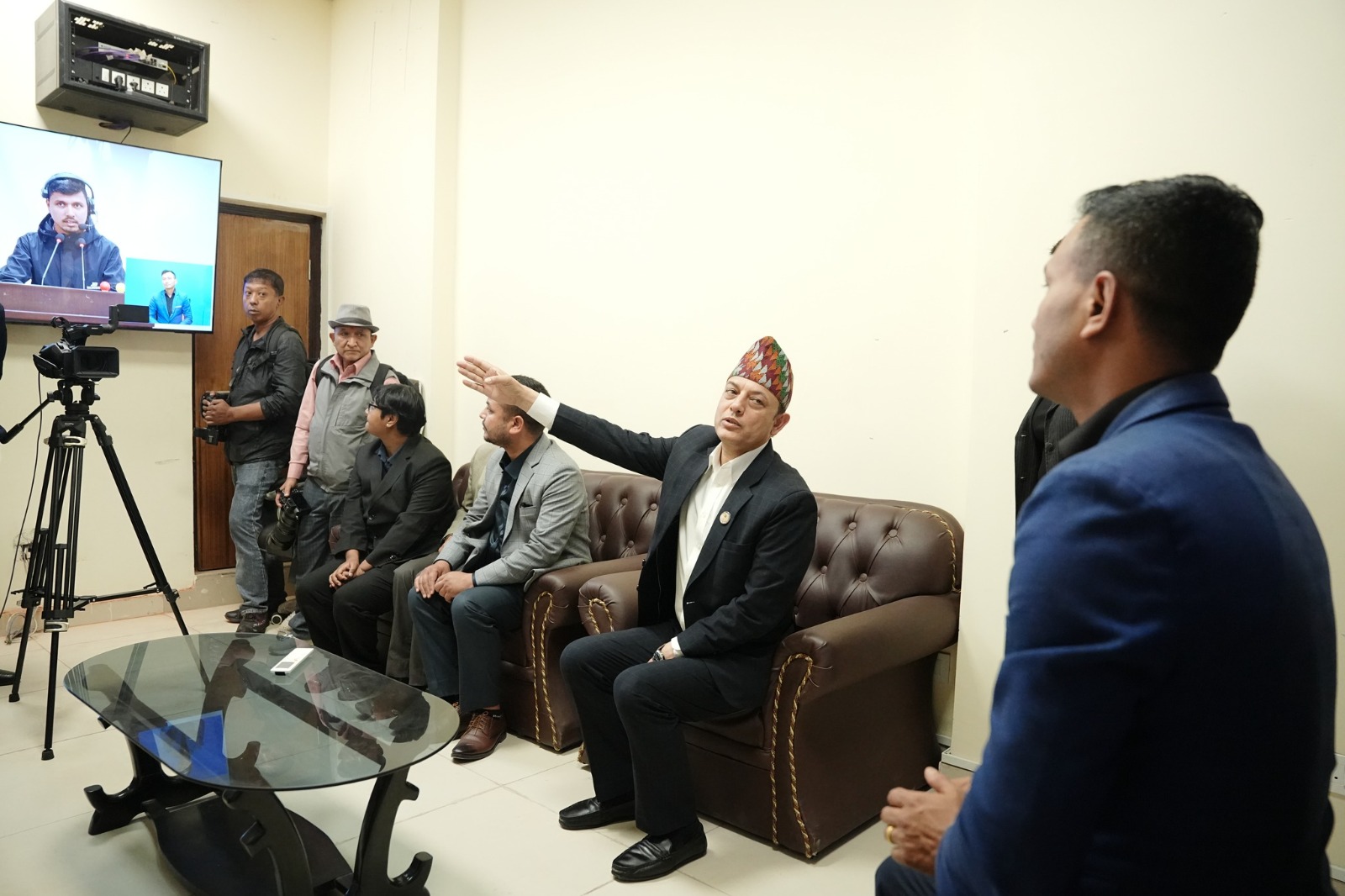
After decades of advocacy, Nepal’s Deaf community is gaining access to information in its own language. Interpreted national news broadcasts now air twice daily, and sign language interpretation has recently been introduced in parliament. Advocates say the changes mark a major step toward inclusion, recognition, and equal participation in public life for Deaf Nepalis who have long been excluded from critical information and decision-making.
Read more about ‘Deaf People Are Finally Seen as Equal Citizens’
A ‘Direct Threat’ to Democracy
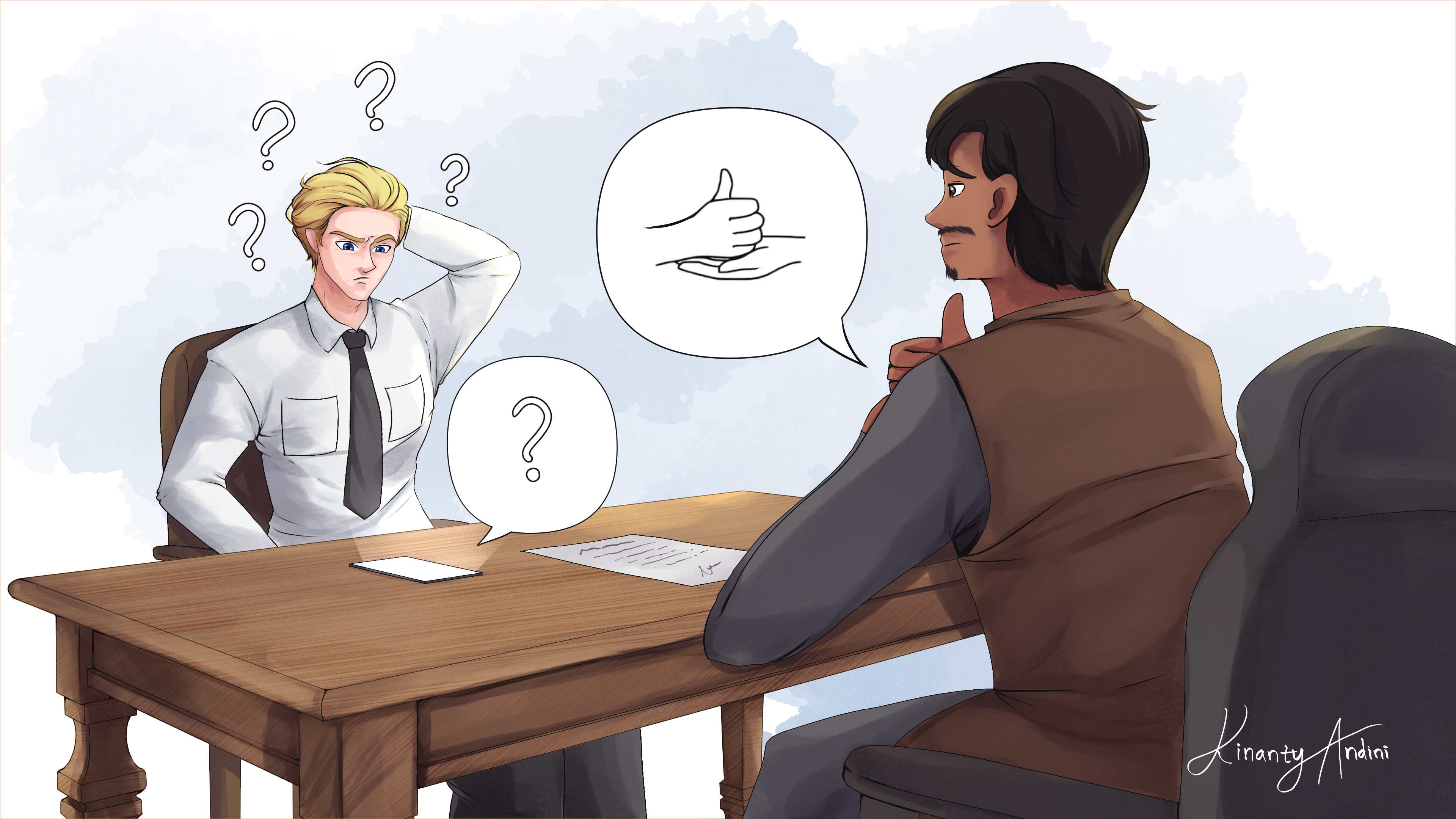
A Deaf asylum seeker from Mongolia spent five months in U.S. immigration detention without access to a sign language interpreter, leaving him unable to communicate with officers or explain his fear of persecution. His case raises questions about whether disability rights laws are being followed inside ICE facilities, where access to communication can determine the outcome of an asylum claim. Lawyer and advocate Qudsiya Naqui says the “absolute disregard” for disability rights under the Trump administration is a “direct threat” to democracy and rule of law.