News
Financial Exclusion
Play audio version
Persons with Disabilities in Malawi Grapple with Loan Accessibility
October 27, 2022
BLANTYRE, Malawi – A national effort to reduce poverty through the provision of small-scale loans in Malawi is not reaching persons with disabilities, advocates say.
According to the International Monetary Fund (IMF), Malawi is one of the poorest nations in the world, with nearly half its residents living below the poverty line. In 2007, the country worked with the IMF to develop the Malawi Growth and Development Strategy in an effort to promote sustainable local economic development. One of the plan’s core tenets is to improve access to financial services, such as loans and savings accounts, particularly among marginalized communities. However, this effort – referred to as financial inclusion – has yet to reach persons with disabilities.
Despite the importance of small-scale loans in providing economic stimulation in poor communities, most Malawians with disabilities do not have access to them. In a 2022 qualitative study, nine out of 10 bank managers surveyed said the participation of persons with disabilities in financial services was low. “It is really a challenge for persons with disabilities to access loans,” says Chancy Patrick Namalawa, a person with a physical disability resulting from a spinal cord injury. Namalawa says he applied for a loan to start a business, but his application was denied by the loan officer, which he believes was due to the officer’s negative perceptions of persons with disabilities.
Namalawa believes persons with disabilities have trouble obtaining loans partly because they don’t have knowledge of how financial lending institutions work. Symon Munde, executive director at the Federation of Disability Organizations of Malawi (FEDOMA), agrees.
“Basically the biggest challenges is that our banking sector and financial sector is not very competitive in terms of taking on board persons with disabilities as people who can access loans,” he says. “The lack of awareness among persons with disabilities about microfinance service providers is another challenge.”
Munde also says that some of the officers involved in providing loans are biased against persons with disabilities. Bank officers sometimes assume that loan applicants with disabilities will not be able to pay back their loans and consequently reject their applications.
If persons with disabilities could access financial services and loans, they would be better equipped to contribute to the economic development of their communities, alleviating poverty, the 2022 study concluded. Part of making loans more accessible is educating persons with disabilities about how these financial transactions work, Munde says. “I think there should be quite substantive awareness of issues to do with economic empowerment in the country, more especially issues of the loan,” he says.
As for structural changes, Munde hopes to see banks in Malawi follow through on the national goal of financial inclusion. “The central bank, which is the regulator in the financial service sector, should be able to have some of the conditionalities that focus on disability inclusion, and Malawi micro-financial service network need to continue with the agenda it started then on disability mainstreaming,” he says.
As banks incorporate plans to make their services more accessible, Munde encourages persons with disabilities to develop confidence and involve themselves in business enterprises. He is optimistic that in the future, banks will recognize the benefits of providing loans to persons with disabilities. “I’m telling you that in terms of the money lending institutions, [they] will be looking for us instead of us looking for them,” says Munde.
Duster Lucius is a 2022 DJP Fellow and a 19-year-old disability youth activist who is DeafBlind (partial hearing, completely blind). He is a national youth coordinator at the Visual Hearing Impairment Membership Association (VIHEMA) in Malawi. @2022 Duster Lucius. All rights reserved.
Desmond LaFave contributed to this report.
News From the Global Frontlines of Disability Justice
A ‘Direct Threat’ to Democracy
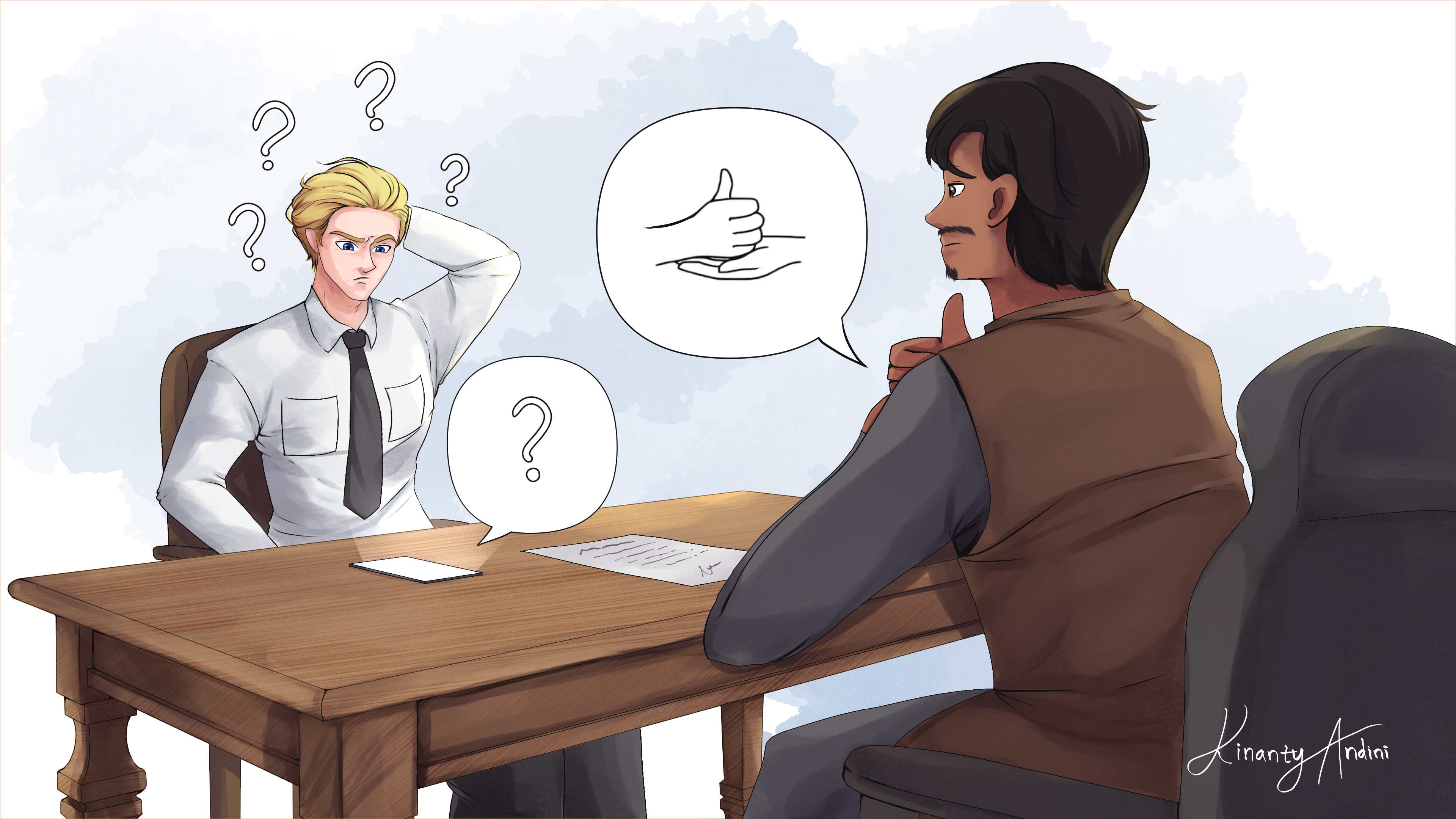
A Deaf asylum seeker from Mongolia spent five months in U.S. immigration detention without access to a sign language interpreter, leaving him unable to communicate with officers or explain his fear of persecution. His case raises questions about whether disability rights laws are being followed inside ICE facilities, where access to communication can determine the outcome of an asylum claim. Lawyer and advocate Qudsiya Naqui says the “absolute disregard” for disability rights under the Trump administration is a “direct threat” to democracy and rule of law.

‘Everything Has Gone Back’
Before Myanmar’s 2021 military coup, disability advocates were helping shape national policy for the first time in decades. Laws expanded access to education, transportation, and public life. Today, much of that progress has collapsed. A new UN report describes a “hidden crisis,” documenting targeted violence, deadly attacks, and the exclusion of people with disabilities from warnings, aid, and services. As conflict creates new disabilities and organizations are forced underground, advocates work quietly to preserve rights that once seemed within reach.
‘I Just Want to Walk Alone’
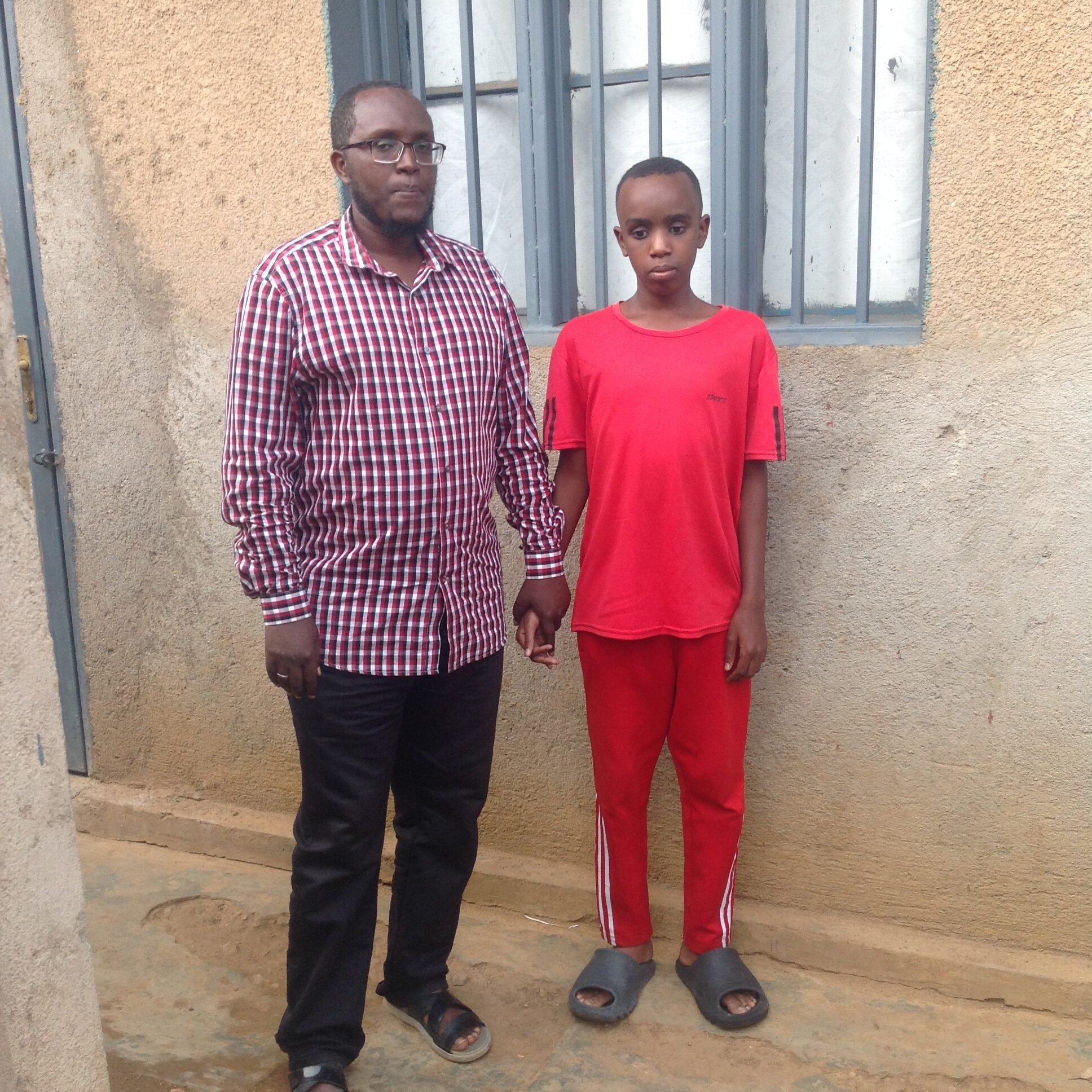
Fourteen-year-old Saifi Qudra relies on others to move safely through his day. Like many blind children in Rwanda, he has never had a white cane. His father, Mussah Habineza, escorts him everywhere. “He wants to walk like other children,” Habineza says, “He wants to be free.” Across Rwanda, the absence of white canes limits children’s mobility, confidence, and opportunity. For families, it also shapes daily routines, futures, and the boundaries of independence.
‘Evacuation Routes Are Meant for People Who Can Run’
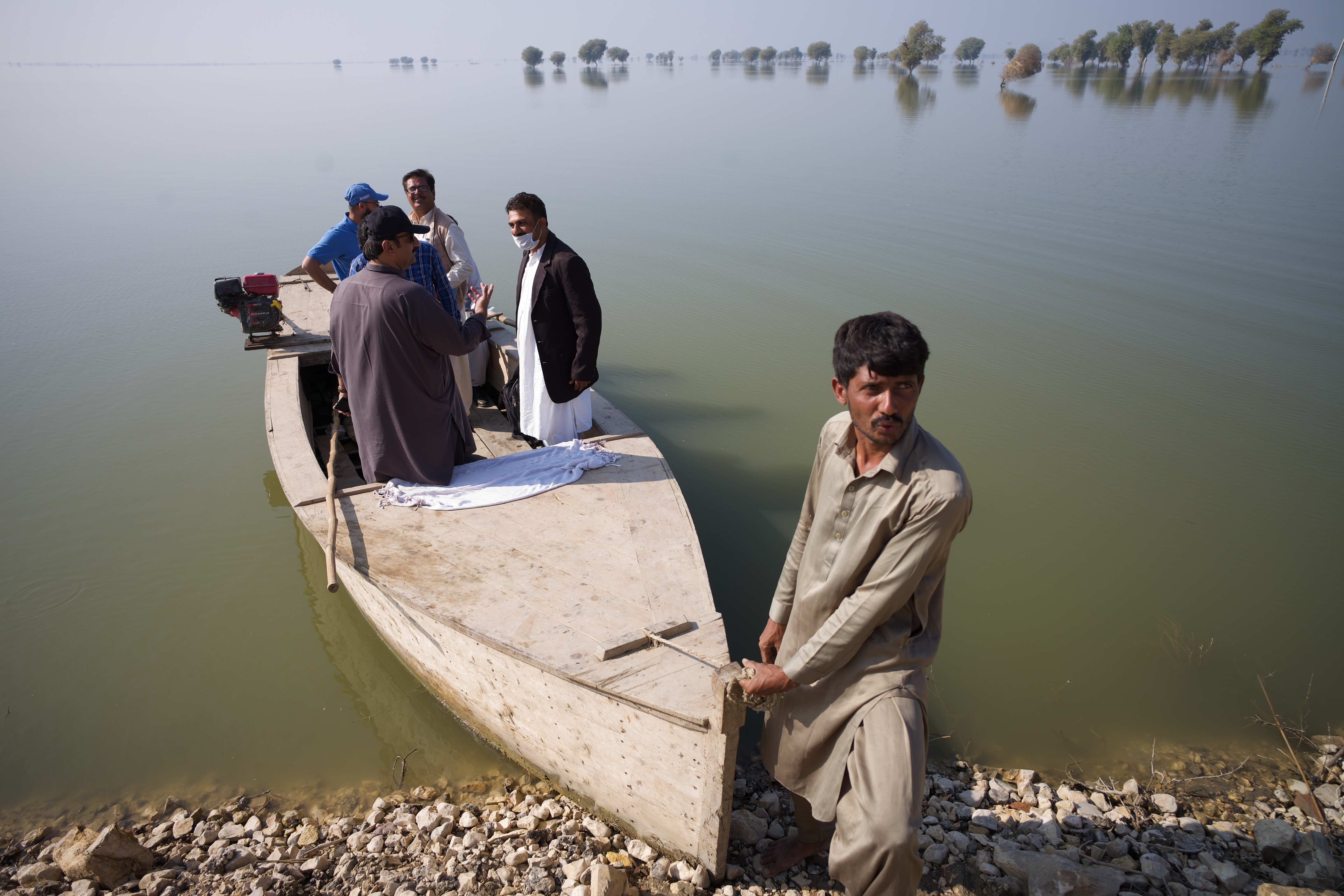
As climate change and conflict intensify across Pakistan, emergency systems continue to exclude people with disabilities. Warning messages, evacuation routes, and shelters are often inaccessible, leaving many without critical information when floods or violence erupt. “Evacuation routes are built for people who can run,” Deaf author and policy advocate Kashaf Alvi says, “and information is broadcast in ways that a significant population cannot access.”
Read more about ‘Evacuation Routes Are Meant for People Who Can Run’
Autism, Reframed
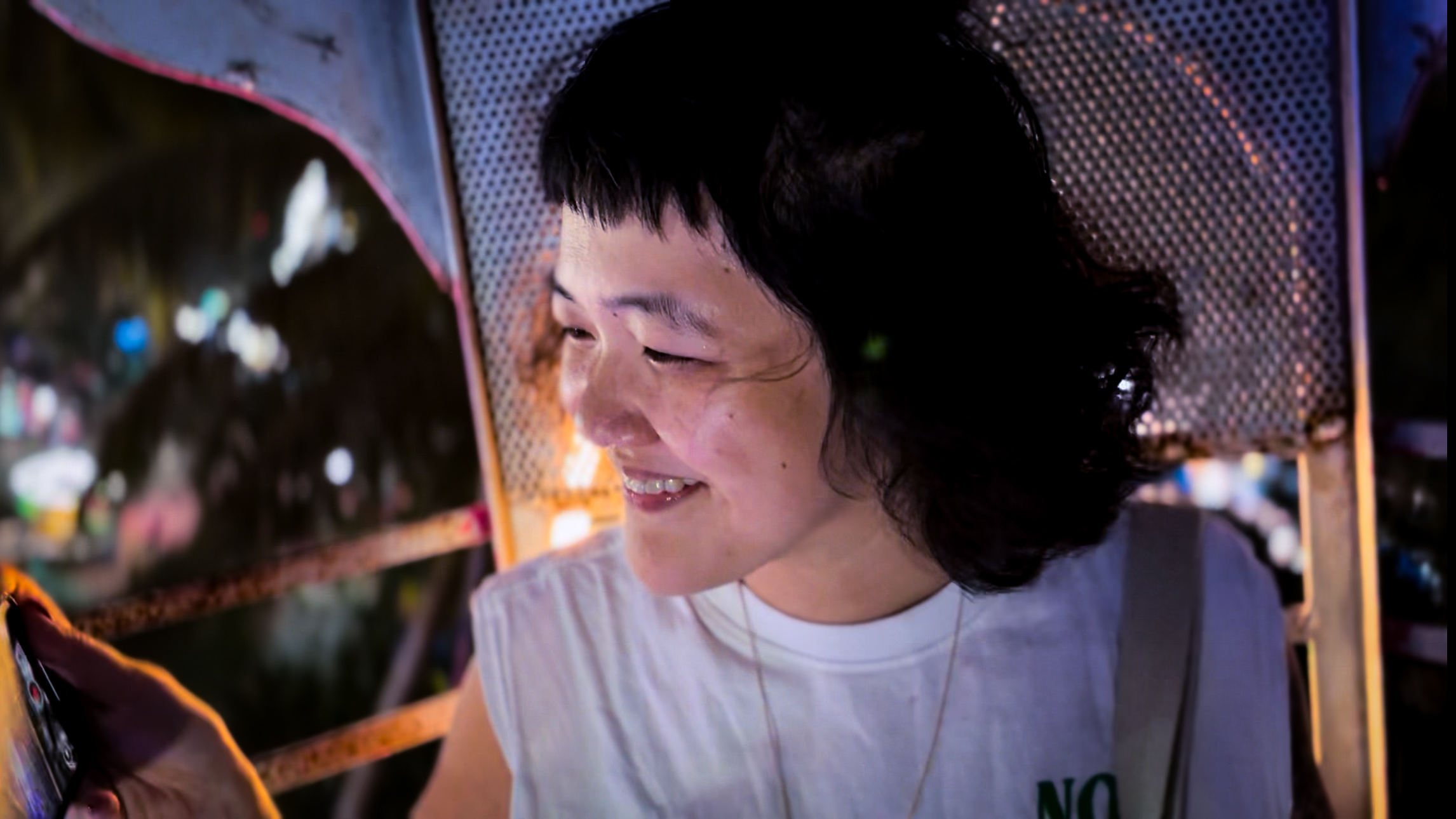
Late in life, Malaysian filmmaker Beatrice Leong learned she was autistic and began reckoning with decades of misdiagnosis, harm, and erasure. What started as interviews with other late-diagnosed women became a decision to tell her own story, on her own terms. In The Myth of Monsters, Leong reframes autism through lived experience, using filmmaking as an act of self-definition and political refusal.
Disability and Due Process
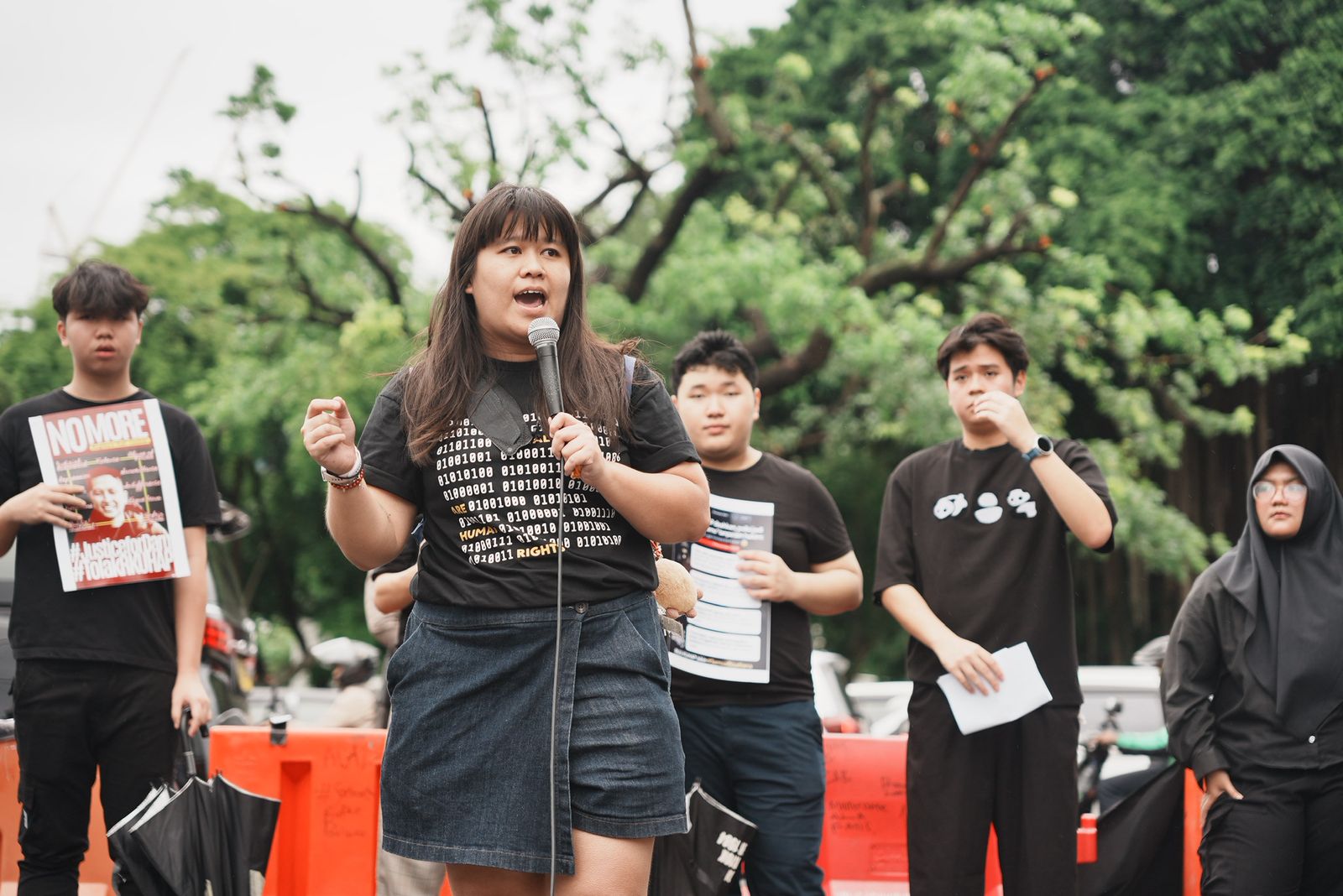
As Indonesia overhauls its criminal code, disability rights advocates say long-standing barriers are being reinforced rather than removed. Nena Hutahaean, a lawyer and activist, warns the new code treats disability through a charitable lens rather than as a matter of rights. “Persons with disabilities aren’t supported to be independent and empowered,” she says. “… They’re considered incapable.”