News
Controlling Your Own Narrative
Play audio version
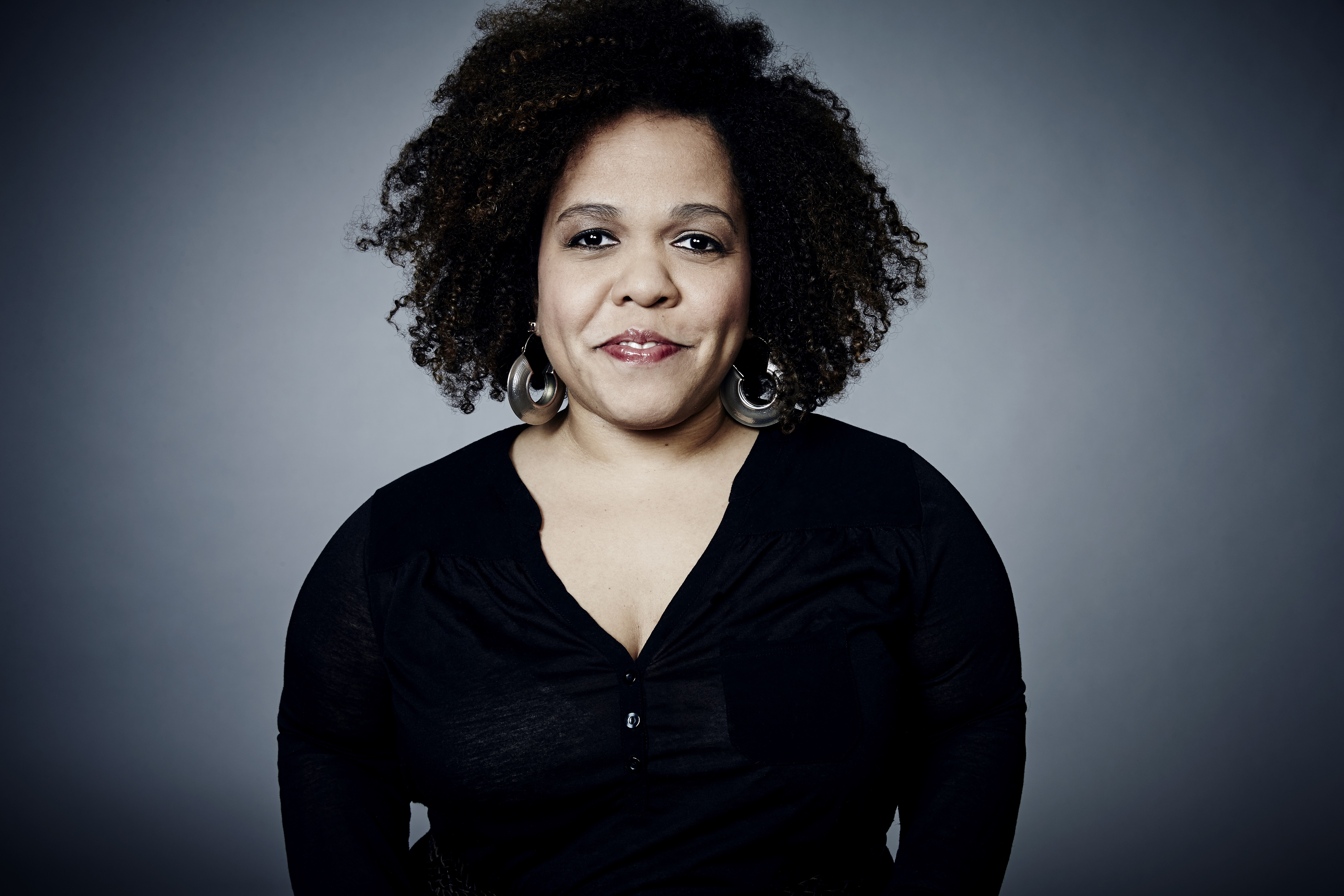
Introducing DJP Mentor Cara Reedy
June 7, 2022
“[My] childhood was privileged in one respect in that I didn’t want for anything material and had the best educational opportunities. But, as a Black dwarf girl child, I was harassed a lot because of my dwarfism,” says Cara Reedy, a journalist with achondroplastic dwarfism and a newly appointed mentor to the Disability Justice Project. “People felt even freer back then to comment on my body, and many made a point to let me know I wasn’t normal,” she says.
Now 46, Reedy addresses the oppression she’s experienced as a little person through her work as a journalist, actor, comedian, and film director. In 2019, she released “Dwarfism and Me,” a documentary with co-producer Tim Silverstone, for The Guardian. “It was really well received by the audience. Most people were not aware of dwarf history in America. We were thanked a lot for bringing it to the forefront. There is so much disability history that needs to be explored and brought to light,” she says.
The documentary’s concept was drawn from how “history and our culture created this really abusive environment for people with dwarfism,” how “dwarfs were … talked about in … pre-modern culture and … what the effects of that are today,” says Reedy. Through “Dwarfism and Me,” Reedy and Silverstone found that persons with dwarfism still live with the effects of sideshows and circuses, and this objectification of persons with dwarfism has changed into reality shows like “Little People Big World,” “Little Women” (of Atlanta, NY, LA) and, says Reedy, “pretty much anything that comes on The Learning Channel.” Selene Luna, a Mexican-American comedian and actress with dwarfism, says in “Dwarfism and Me” that “little people are … portrayed in entertainment as a creature, a mystical monster.” Luna asks, “Why is it not important for little people not to be presented in a dignified manner?”
In 1998, Reedy received a political science degree at Loyola University in Chicago. She studied abroad at Lee Strasberg Theatre & Film Institute in London, where actress Mariana Hill taught her method acting. Since graduating, Reedy worked at CNN for ten years and has done freelance work with NPR. She has been in newsrooms for over 15 years and has passionately focused on documentary work.
Reedy believes persons with disabilities still face limited access to power, making it difficult for them to control their narratives. She suggests unity among persons with disabilities across the globe – for the goal of liberation and as a call to action. Fifteen percent of the globe’s population lives with disabilities. “Liberation looks different in different countries because systems are different in different countries, so I don’t feel like there’s a one-size-fits-all system fix, but there is a one group, one idea that we all should be raising each other up across the globe.”
Powered by her passion for creating spaces for media professionals with disabilities to lead conversations that most affect their lives, Reedy joined the Disability Media Alliance Project (DMAP) in June 2020 after its director watched “Dwarfism and Me.” According to its website, DMAP strives to bring the disability community and the media industry together “to promote accurate representation of people with disabilities” and to “eliminate disability stereotypes and misinformation in news, television, film, and other media.”
Reedy now works at Storyline Partners, a collection of leading advocacy organizations collaborating with the entertainment industry to tell more accurate and nuanced narratives that reflect the realities and richness of different communities. Though she’s left DMAP, Reedy continues to build the U.S.-based Disabled Journalists Association, a “place where journalists can come together and kind of have one voice to speak to newsrooms about their coverage of disabled people,” she says.
Reedy recounts experiences with discrimination in her career, particularly during her 10-year stint at CNN. “There was sort of a refusal to believe that I have these skills. I watched people that I trained move up and be executive producers while I still was on the bottom rung, and quite frankly I had to leave newsrooms in order to leave the discrimination,” she says. “It’s a difficult place,” In the next 10 years, Reedy aims to do more documentaries, movie-making, and screenwriting.
At the Disability Justice Project, Reedy looks forward to meeting more journalists and people with disabilities around the globe. She’ll be mentoring the upcoming cohort of Indonesian fellows. Additionally, she wants to understand how different cultures and systems treat persons with disabilities across Africa, where the DJP’s second cohort of fellows this year will be based. “I’m excited for this program,” she says. “I just think it’s the neatest thing.”
Nissy Namuyomba is a 2021 DJP Fellow and an administrative assistant at MADIPHA. @2022 MADIPHA. All rights reserved.
News From the Global Frontlines of Disability Justice
Forgotten People
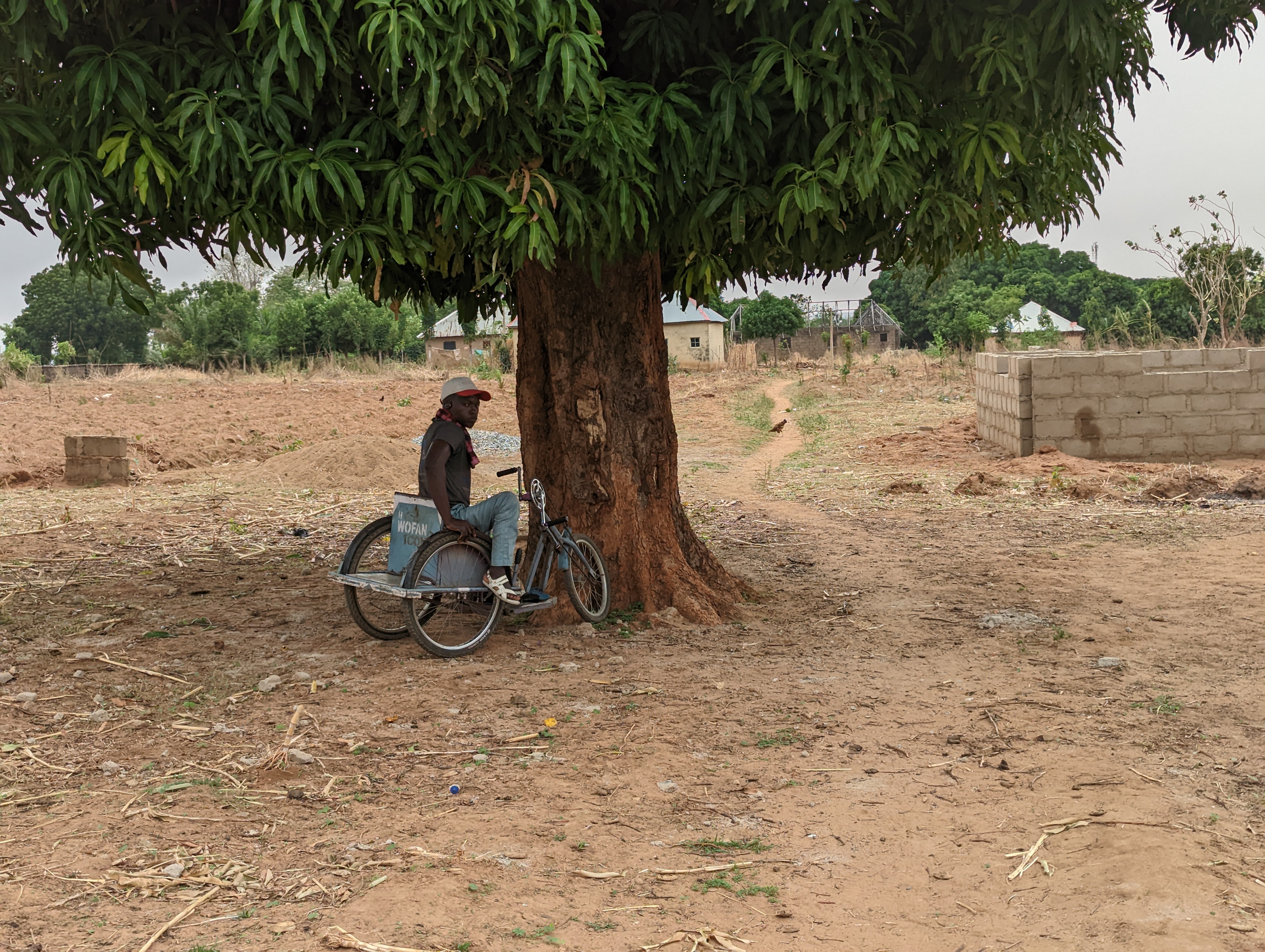
As Nigeria’s growing insecurity crisis spreads, disabled people face barriers that can make escaping violence far more difficult. Across the country, they describe inaccessible emergency warnings, challenges reaching safety, disrupted livelihoods, and limited access to assistance during times of crisis. Their stories reveal how conflict is experienced differently when mobility, communication, and support cannot be taken for granted and how disability is too often overlooked in emergency planning and response.
The Cost of Surviving
After years of failed treatments for complex PTSD, Marian Siljeholm followed an unlikely lead into the underground world of MDMA-assisted therapy. What began as a search for healing became a journey through the science of trauma, the politics of prohibition, and the hidden global network of people risking their freedom to help others reclaim their lives. Their stories would change her own. As Marian writes, “The next morning, I woke with a thought as real as the bed: This is the first day of my life.”
‘Deaf People Are Finally Seen as Equal Citizens’
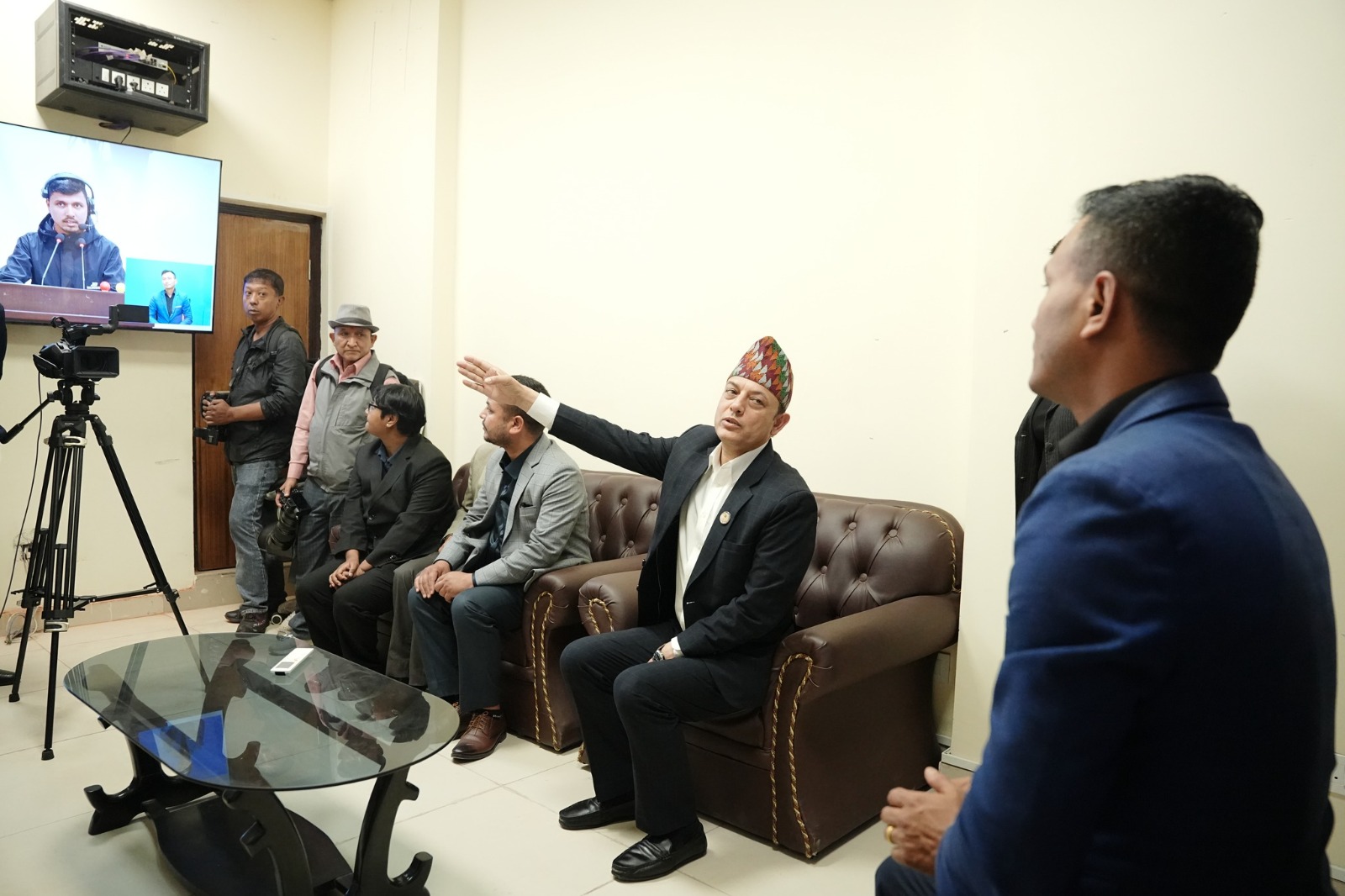
After decades of advocacy, Nepal’s Deaf community is gaining access to information in its own language. Interpreted national news broadcasts now air twice daily, and sign language interpretation has recently been introduced in parliament. Advocates say the changes mark a major step toward inclusion, recognition, and equal participation in public life for Deaf Nepalis who have long been excluded from critical information and decision-making.
Read more about ‘Deaf People Are Finally Seen as Equal Citizens’
The Politics of Waiting, Wanting, and Hoping
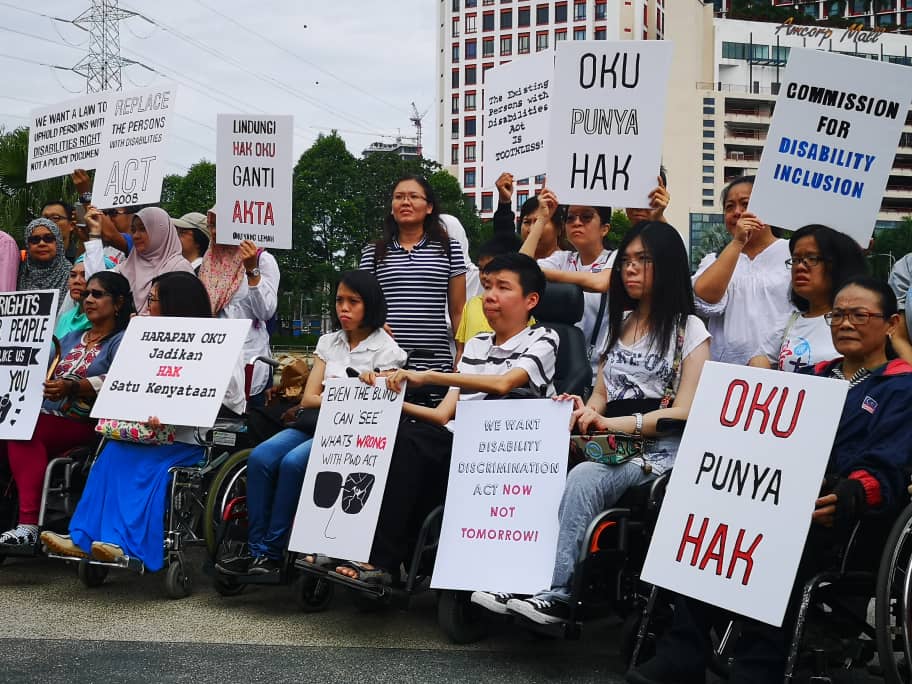
In Malaysia, disability exclusion is rarely one dramatic denial. More often, writes Beatrice Leong, it is “a series of ordinary delays” — inaccessible schools, symbolic consultations, policies without enforcement, and a system that asks disabled people to wait patiently for dignity and belonging. Blending personal reflection with political analysis, Leong examines what happens when inclusion is promised repeatedly, but justice never fully arrives.
Read more about The Politics of Waiting, Wanting, and Hoping
A ‘Direct Threat’ to Democracy
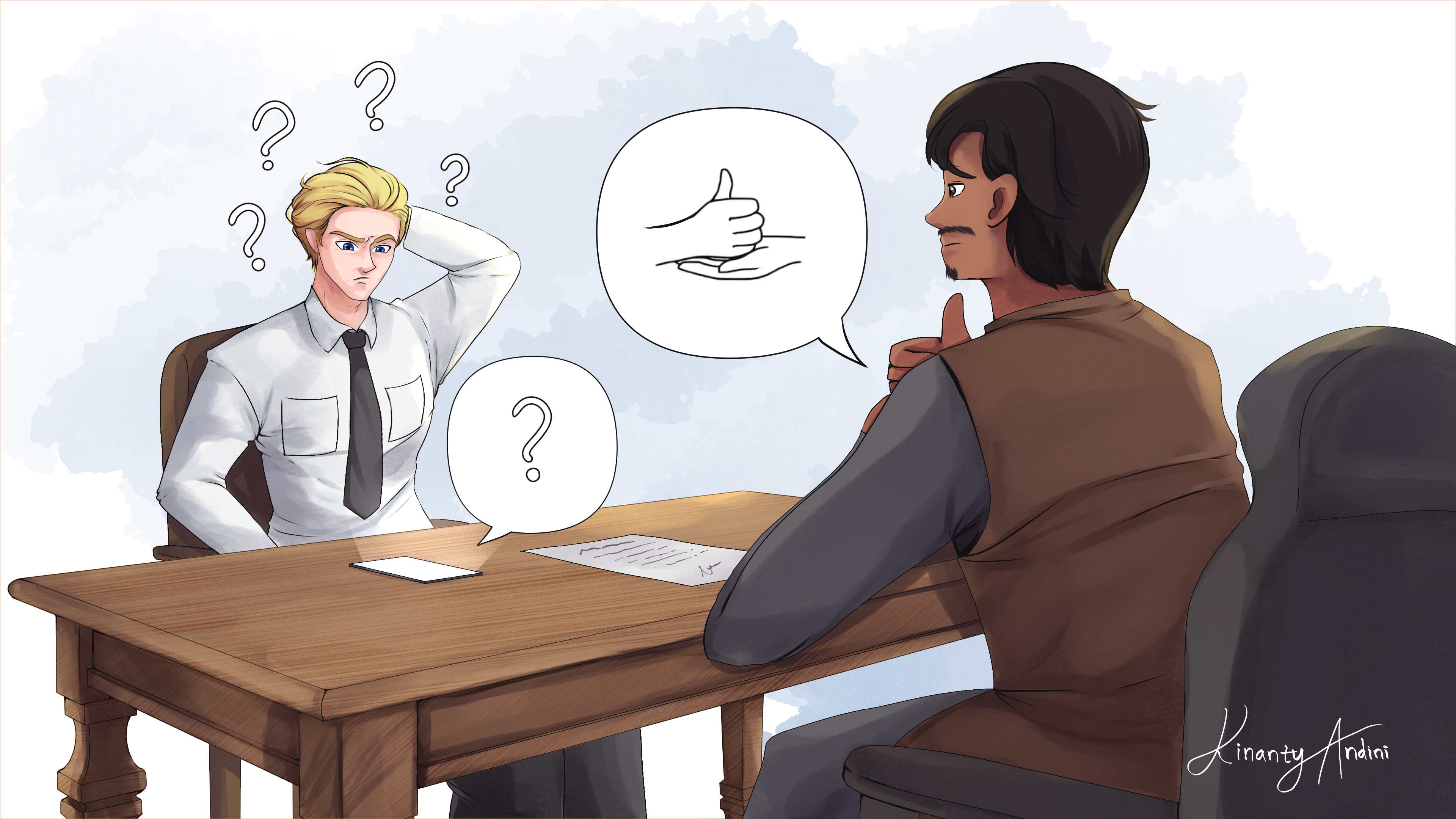
A Deaf asylum seeker from Mongolia spent five months in U.S. immigration detention without access to a sign language interpreter, leaving him unable to communicate with officers or explain his fear of persecution. His case raises questions about whether disability rights laws are being followed inside ICE facilities, where access to communication can determine the outcome of an asylum claim. Lawyer and advocate Qudsiya Naqui says the “absolute disregard” for disability rights under the Trump administration is a “direct threat” to democracy and rule of law.
‘Everything Has Gone Back’
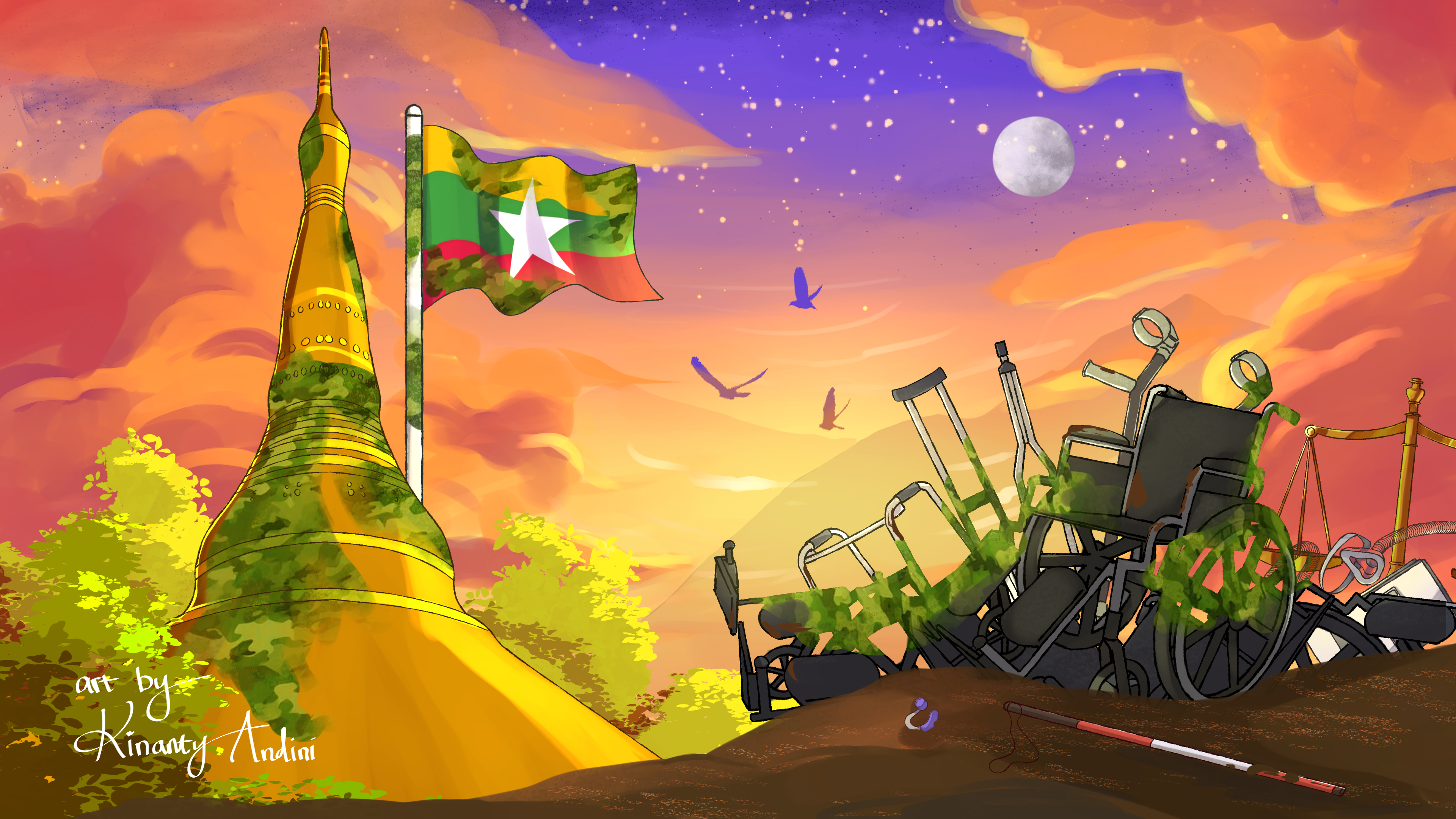
Before Myanmar’s 2021 military coup, disability advocates were helping shape national policy for the first time in decades. Laws expanded access to education, transportation, and public life. Today, much of that progress has collapsed. A new UN report describes a “hidden crisis,” documenting targeted violence, deadly attacks, and the exclusion of people with disabilities from warnings, aid, and services. As conflict creates new disabilities and organizations are forced underground, advocates work quietly to preserve rights that once seemed within reach.