Films
About this video A ‘Bitter Pill’
INDONESIA: Lily Puspitasari and Nurhayati Ratna Sari Dewi, two Indonesian women with psychosocial disabilities, speak out against workplace discrimination. *Audio descriptions for blind and low-vision audiences.
Filmmaker: Kinanty Andini
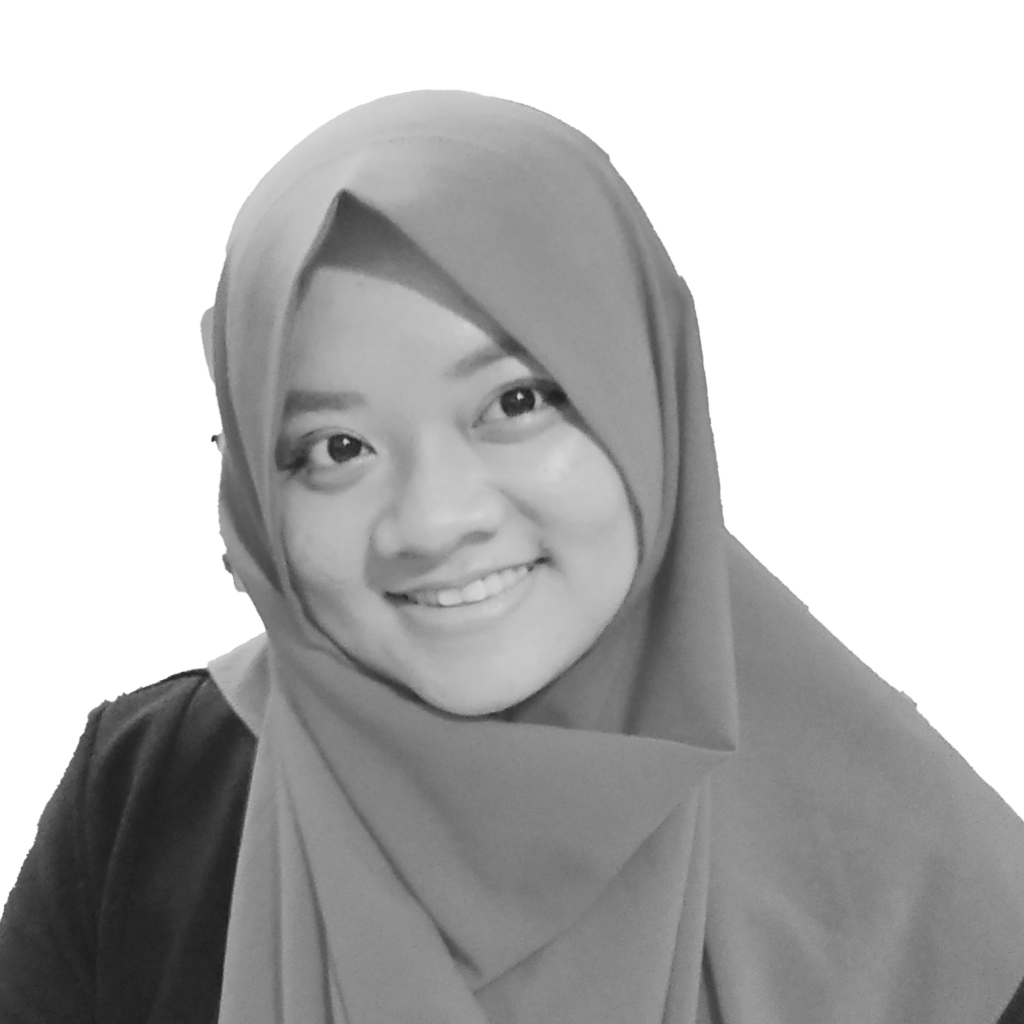
Kinanty Andini is a freelance graphic design and digital artist. She is affiliated with the Indonesia Mental Health Association (IMHA), also known as the Association of Healthy Souls. Read more about Kinanty Andini
Transcript for A ‘Bitter Pill’
The video starts with a piano instrumental and a video of cyclists, vehicles, and pedestrians moving by a street in Jakarta, Indonesia. High-rise buildings are in the background.
Fade to a timelapse of vehicles moving by a traffic-packed, tree-lined street in Jakarta. High-rise buildings are in the background. An Indonesian woman’s voiceover in Bahasa Indonesia says, “I used to work in a company in Jakarta. In 2012 I was fired because I was discovered as a person with a mental disability.”
Cut to the person behind the voiceover – Nurhayati Ratna Sari Dewi, an Indonesian woman wearing a yellow hijab. She is the head of the Indonesian Mental Health Association (IMHA)’s branch in Jakarta. Dewi sits outside and speaks to the camera: “I have worked for 20 years at my job. But at that time I had a bitter experience that I was discovered to have bipolar disorder. And then, I was dismissed.” Several plants and an exterior stairway are behind her.
Cut to Dewi working on a laptop in an office. She looks up to speak to someone off-camera. A long desk with office items is behind her.
Cut to Dewi speaking outside, “When I first started working, everything was normal. I started experiencing mental disability around 1997 when I was 18 years old. At that time, my condition was still mild, so I didn’t need to go to the doctor every month.”
Cut to Dewi sitting at a table outside. She is wearing glasses and a purple hijab. She speaks to a co-worker, who is wearing a white hijab on the left, and another person who is off-camera.
Cut to Dewi speaking, “I had a relapse in 2011 when I experienced baby blues postpartum. I did not know that this disease (Bipolar Disorder) should have regular treatment at the doctor every month.”
Cut to Dewi looking over a document with a co-worker in the office. Her co-worker, seated to the left, runs through the document with a pen. A laptop is in front of Dewi. Dewi is wearing a beige hijab, and her co-worker is wearing a white hijab. Another co-worker, wearing a black hijab, sits at the long desk in the background. Dewi’s voiceover continues, “I relapsed again in 2012. When I relapsed in 2011, I didn’t tell my boss that I was going to a psychiatrist.”
Cut to Dewi speaking, “And then when I went to a psychiatrist and it was discovered by the company’s doctor that I have bipolar disorder, eventually the stigma develops.”
Cut to Dewi speaking on a cell phone. She sits on a blue-and-white chair and leans against a white wall.
Cut to Dewi speaking, “At that time, I accepted that fact because the stigma of a person with a mental disability or mental illness was very negative.”
Cut to a pan shot of Dewi and two co-workers working on laptops in an office. A woman is seated on the left, Dewi is in the middle, and a man wearing glasses is on the right. Dewi’s voiceover continues, “If I get caught, I’ll be laid off just like that, so I just took that bitter pill.”
Cut to Dewi looking through documents in the office. A man stands behind her. Dewi’s voiceover continues, “At the same time, my co-worker was suffering from chronic kidney disease.”
Cut to Dewi speaking, “Which means he and I both have a chronic disease, a long-term disease. But back then I was fired, whereas he wasn’t fired. I find this very unfair.”
Cut to Dewi listening and taking notes in a notebook as someone off-camera speaks to her. Dewi sits outside with another person. She is wearing a black hijab, black glasses, and a multi-colored face mask.
Cut to Dewi speaking, “The disadvantage for person with mental disability at that time, is that we were not given reasonable accommodation, for example, a sick leave for us to rest. Instead, they judge us immediately. The disadvantage is that the stigma and discrimination against us is very unfair.”
Cut to Dewi and the two co-workers working on laptops in an office. The man removes an earbud and speaks to Dewi and the other co-worker. Dewi’s voiceover continues, “We were not given the opportunity to work, so it’s very detrimental for us.”
Cut to Dewi speaking, “But now there is law number 8 of 2016 where a person with disabilities cannot be fired for reasons of disability.”
Cut to a green-and-purple informational sign about the Indonesian Mental Health Association in Bahasa Indonesia. One forearm crutch is next to the informational sign.
Cut to Dewi speaking, “The solution for people with mental disability in general is actually reasonable accommodation, those adjustments. For example, we people with mental disability have to go to a psychiatrist every month, so what we hope from the company or the government, which will make government regulations reasonable accommodations.”
Cut to a close-up shot of an Indonesian woman’s hands as she works on a laptop. The woman is wearing a white hijab, and plants are in the background.
Cut to Dewi speaking, “Is that they will allow us to see a psychiatrist for regular check-up once a month without any leave deductions. Second, we hope that they will give us time to rest when we are sick, don’t fire us.”
Cut to an Indonesian woman wearing a light pink hijab and suit. She walks to a window, takes a deep breath, and smiles. A shelf with plants is in the background. Dewi’s voiceover continues, “Third, provide us a quiet room to relax when we’re burned out or when we need some time to rest.”
Cut to Dewi speaking, “Fourth, give us worktime flexibility, because sometimes it’s hard for us to fall asleep at night. Also, allow us to come late or allow us to do our work from home because the important thing now is that we get our work done.”
Fade to two office workers looking over financial documents with pens. In front of them, a laptop and a computer are on a table. An Indonesian woman’s voiceover in Bahasa Indonesia says, “I used to work in a hotel in Bandung as accounting staff.” The piano instrumental from the start of the video transitions to another piano instrumental.
Cut to the person behind the voiceover – Lily Puspitasari, a young Indonesian woman with long black hair. She is wearing black glasses, sitting in a room, and speaking to the camera: “My co-workers didn’t distinguish their attitude toward me because my illness had not been discovered at the time. But later, I attached a letter from a psychiatrist, that’s why my illness was discovered.”
Cut to a close-up shot of an Indonesian person opening a letter at a desk. A laptop, pen, and notebook are on the desk.
Cut to Pupsitasari speaking, “It was my own initiative because I skipped work for 2 days.”
Cut to a close-up shot of Puspitasari speaking, “Their response was very different from what I expected. Because I was expecting them to understand why I skipped 2 days of work.”
Cut to Puspitasari stepping through a brown door.
Cut to Puspitasari speaking, “But then, I didn’t get a first warning letter nor a second warning letter, but I was fired the next day after I attached the letter from my psychiatrist.”
Cut to Puspitasari sitting outside and flipping through a magazine. Her voiceover continues, “In my opinion, they should have given me a chance to explain why I attached the letter.”
Cut to Puspitasari speaking.
Cut to an Indonesian woman looking upset. She is frowning, and her hands are on her temples. The woman’s black hair is in a pulled-back hairstyle. She sits at a desk, and on the right, a small cardboard box contains binders and other office items. A co-worker walks up to her and pats her shoulders to console her.
Cut to Puspitasari speaking, “They shouldn’t have fired me immediately and the government should have given us reasonable accommodations, so that I can feel like there’s a second chance to work. For example, a quiet room when we’re stressed or if we feel our productivity is low.”
Cut to plants, a table, and two chairs on a skyscraper balcony. Other skyscrapers are in the background.
Cut to Puspitasari speaking, “Work can also be done from home.”
Cut to a close-up shot of an Indonesian person’s hands working on a laptop at a desk. A stack of books is on the desk. Puspitasari’s voiceover continues, “Because psychiatric medicine sometimes makes it hard for us to wake up in the morning.”
Cut to Puspitasari picking up a drink next to a kitchen stove and taking a sip. The kitchen’s counters are full of cooking ingredients and cooking tools. Her voiceover continues, “So it would be better if the usual worktime started at 8AM and finished at 5PM, shifted to start at 10AM and finish at 7PM. It’s fine in my opinion.”
Cut to a young Indonesian woman wearing a beige hijab. She is working at a computer in an office with two co-workers. All the workers are wearing blue shirts.
Cut to Puspitasari speaking, “Society should not treat us differently because we are the same human beings who have many shortcomings. So it’s better not to discriminate us because it will make us feel down.”
Fade to black text with a yellow border on a black screen that says, “Copyright – @2022 IMHA. All rights reserved.”
Fade to black text with a yellow border on a black screen that says, “Made with support from the Disability Justice Project and Disability Rights Fund.” The Disability Justice Project logo is a large yellow “D” with a black play button in the middle to signify video storytelling, and white text says “Disability Justice Project” on the bottom left. The Disability Rights Fund logo – a white box with black text that says, “Disability Rights Fund” – is on the bottom right of the screen.
About this video ‘Not To Be Feared’
INDONESIA: Jongaya is one of Indonesia's last leprosy settlements. Many people choose to live here to escape discrimination and stigma. *Audio descriptions for blind and low-vision audiences.
Filmmaker: Dija
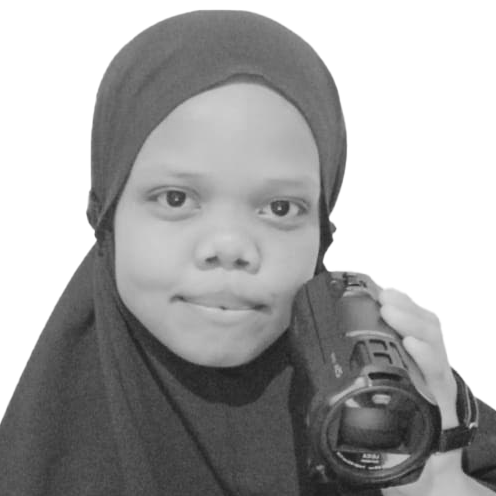
Dija is chairperson of the Association of Indonesian Women with Disabilities (HWDI)’s branch in Simbang in the Indonesian province of South Sulawesi. Read more about Dija
Transcript for ‘Not To Be Feared’
The video starts with cars and motorcycles moving by a busy street in front of the entrance of Jongaya Village in South Sulawesi, Indonesia. A large banner in Bahasa Indonesia, featuring two Indonesian men, hangs across a red-and-white arch over the Jongaya Village entrance, and a motorcyclist enters the village. Vehicles honk, and soft piano music plays in the background throughout the video.
Cut to black text on a yellow screen that says, “Jongaya Village is one of the few leprosy settlements that still exist in Indonesia today.” Audio of vehicle noises fades out.
Cut to black text on a yellow screen that says, “In the past, people with leprosy were forcibly quarantined, but today no one is compelled to live in Jongaya.”
Cut to black text on the same yellow screen that says, “Many decide to move here after experiencing discrimination in their own communities.”
Cut to Rahimi Daeg Rani, an Indonesian man who has experienced leprosy. Rani wears a red-and-white prayer cap, sits in a room and speaks to the camera in Bahasa Indonesia: “My parents used to live in a ward, when there was a ward at Jongaya Hospital.”
Cut to a pan shot of six Indonesian men sitting outside a building with graffiti on the exterior. An Indonesian girl walks up to the men. Rani’s voiceover continues, “When I was in elementary school, I had white stripes on my thighs and arms.” People talk off-camera.
Cut to Rani speaking in the room, “At that time my parents said, ‘You have to go for treatment because you have white stripes.’ Well, from there, I was immediately taken to the health center by my parents.” People talk and laugh off-camera.
Cut to an orange cat sitting in a narrow alleyway between houses with rusted corrugated metal roofs. The cat lifts its right leg and scratches itself.
Cut to Rani speaking, “I entered here in Jongaya. I am happy because everyone is nice and friendly. We are the same people with disabilities.”
Cut to an Indonesian woman, wearing a green hijab, walking down an alleyway lined with laundry hung up to dry. Children talk off-camera, and an Indonesian child, at a window in a house to the left, waves to the woman. Rani’s voiceover continues, “There’s no interference.”
Cut to Rani speaking, “But if we go out on the street [outside Jongaya], many cars [public transportation] don’t want to take us people with visible disabilities.” People talk off-camera.
Cut to a multi-colored screenshot of an Indonesian news article with a headline in black text that says, “Stigma and Discrimination are Still Challenges for Leprosy Elimination in Indonesia,” in Bahasa Indonesia. Bimo Aria Fundrika wrote the news article for “Suara.com,” published on February 3, 2022.
Cut to Rani speaking, “Mine aren’t visible, but the visible ones, they are not allowed.” People talk off-camera.
Cut to a tilt shot of a telephone poll with many wires from nearby houses. A house with brick walls is on the left, and a child talks off-camera.
Cut to Rani speaking, “I prefer to be here because people from outside are dared enough already to enter here.”
Cut to a motorcyclist moving by an alleyway. A parked motorcycle leans on a rusted corrugated roofing sheet on the right, and a house with brick walls is on the left. Someone speaks off-camera.
Cut to Rani speaking, “It’s not the same as in the past. In the past people outside did not want to come here because in the past, people were very discriminatory.”
Cut to the red-and-white arch with a large banner in Bahasa Indonesia, featuring two Indonesian men, hanging over the entrance to Jongaya Village.
Cut to Rani speaking, “We can say that Jongaya has a history too. That’s why the very outside gate, all the people here forbid its demolition because it shows the year Jongaya was founded.” People talk and laugh off-camera.
Cut to Indonesian children playing outside a two-story house with a rusted corrugated metal roof overlooking a canal that reflects the home. An Indonesian woman with shoulder-length black hair watches over the children.
Cut to Al Qadri, an Indonesian man and leprosy activist who has experienced leprosy. He has short black hair and eyeglasses, sits on a gray couch in a room and speaks to the camera in Bahasa Indonesia with hand gestures, “I was in this leprosy complex because of the stigma and discrimination against people who have leprosy. It was about 20 years ago. The stigma was still very vicious, very strong. So that if there is a family member experiencing leprosy, that person is banished from the family.”
Cut to a close-up shot of a rock hanging from a string tied to a telephone wire on a clear day outside.
Cut to Qadri speaking in the room with hand gestures, “A house is made for that person or that person is separated from the family. Hence, I took the initiative to leave my family since people believed that leprosy was a disgrace. If you had a family member with leprosy, no one would propose to the women in the family and the proposal from the men in the family would not be accepted. That made me decide to be in this complex. I left my family.”
Cut to a pan shot of a cement-floored, one-room apartment with household items and furniture. An Indonesian girl with short black hair sits on a small bed in the left-side corner.
Cut to Qadri speaking, “After I decided to leave my family, I was looking for a village that suited me.”
Cut to a slow-motion shot of an Indonesian man walking down an alleyway with bright sunlight obscuring his face. A clothesline is on the right, a white sheet covers a parked motorcycle on the left, and a parked vehicle is on the left.
Cut to Qadri speaking with hand gestures, “I went to several villages. I am from Lerang, Bone District. I went to some places in Pare-Pare City and some other villages. Those places, however, did not offer job opportunities that I felt were suitable, as there was only farming and making red bricks there.”
Cut to an Indonesian man, wearing a brown baseball cap, riding a motorcycle attached to a food cart around a corner. A canal and houses with rusted corrugated metal roofs are in the background. Qadri’s voiceover continues, “With hands like mine, working to make red bricks, they would end up ruining the bricks.”
Cut to Qadri speaking with hand gestures, “Now I’m finally at Jongaya here, I got a job as a parking attendant. That made me interested to stay here in Jongaya.”
Cut to vehicles and motorcyclists moving by a low bridge over a littered canal. A parked pick-up truck and minivan face each other on the street. An Indonesian woman wearing a blue hijab walks by the canal.
Cut to Qadri speaking with hand gestures, “When I was here at the beginning, there were those that required much focus, there were many of them. There were 500 experiencing leprosy and suffering from organ damage or disability like me, there were many like that.”
Cut to a pan shot of a cemetery with cement headstones. Few parked motorcycles are by the cemetery, surrounded by trees. Qadri’s voiceover says, “But as time goes, the elderly passed away, the ones with disability did, too.”
Cut to a close-up, tilt shot of inscriptions on two gray headstones that say, “CANHOWAY RABU-22-11-2000,” and “JAP YON LIEN 27-10-72” respectively. Qadri’s voiceover continues, “So, what we see now is the percentage with organ damage or disability is already quite small.”
Cut to Qadri speaking with hand gestures, “If I’m not mistaken, there are around 200 who experience organ damage like I do. But the number who have experienced leprosy is still high there are around 450 people. But, compared to the population here, it’s a small number. There are already 1300 people here.”
Cut to a blue-and-yellow food cart driving down a dirt street and an Indonesian man with short black hair walking behind the food cart. Parked motorcycles are in the left foreground, and house plants lay on the dirt street in the background. A motorcyclist carrying a passenger moves by the street corner in the foreground, and a bell rings off-camera. Qadri’s voiceover continues, “People are not yet given the right information about this disease. That’s why many people who experience leprosy tend to hide themselves.”
Cut to Qadri speaking with hand gestures, “When one experiences leprosy, that person hides, not getting treatment, so that person is very likely to infect others.”
Cut to an Indonesian woman and a child sitting in an alleyway beside a house. Above them and in front of them are two filled clotheslines. Two Indonesian children walk towards the two sitting down.
Cut to Qadri speaking with hand gestures, “Common people identify leprosy like this, saying leprosy means curly fingers, shortened fingers, a body full of wounds, legs full of wounds, monster faces, etc., etc.”
Cut to a pan shot of a canal lined by small houses with rusted corrugated metal roofs. Qadri’s voiceover continues, “That is nothing but misunderstanding, as leprosy is actually a very simple disease.”
Cut to Qadri speaking with hand gestures, “It is indeed contagious, but it’s also the most difficult to spread.”
Cut to a close-up photo of leprosy scars on a person’s right shoulder.
Cut to Qadri speaking with hand gestures, “Leprosy actually starts from patches on your skin as well as some numbness. That’s the start. But as the patches are not itchy or something like that, many people ignore these patches, they don’t care, with the bacteria found behind these patches, the ones that eat away the existing nerves.”
Cut to a tilt shot of a rusty bicycle sitting on top of a small house with a rusted corrugated metal roof. A telephone pole with many wires from nearby houses cuts through the small house’s roof. Red bricks, two white plastic chairs, and other items surround the house outside.
Cut to Qadri speaking with hand gestures, “I’m here, face to face with everyone here. If my bacteria were still active, surely they would have infected my friends.”
Cut to a pan shot from a window of a small room with three wooden beds. Several garments lay on top of each bed. Qadri’s voiceover continues, “How many in the room are infected? But, who can catch it? That chance is very small. First, there has to be more exposure, that’s how the public can really understand this disease.”
Cut to Qadri speaking with hand gestures.
Cut to a motorcyclist and an Indonesian woman passenger, wearing a blue hijab, entering Jongaya Village. A second motorcyclist with a passenger and a trunk filled with water jugs enters the village. Quadri’s voiceover continues, “That’s the first thing, to realize what it is.”
Cut to Qadri speaking with hand gestures, “To reduce problems with this disease, that’s the most important thing. Then involve those who have experienced leprosy. If they don’t want to, we demand them to be involved and testify, to create public awareness that there’s nothing to fear from this disease, that this can be fully cured.”
Fade to black text with a yellow border on a black screen that says, “Copyright – @2022 HWDI. All rights reserved.”
Fade to black text with a yellow border on a black screen that says, “Made with support from the Disability Justice Project and Disability Rights Fund.” The Disability Justice Project logo is a large yellow “D” with a black play button in the middle to signify video storytelling, and white text says “Disability Justice Project” on the bottom left. The Disability Rights Fund logo – a white box with black text that says, “Disability Rights Fund” – is on the bottom right of the screen.
About this video A Different Way of Learning
INDONESIA: 2022 DJP Fellow Naufal Asy-Syaddad speaks with two Indonesian men with autism about the obstacles they've faced throughout their education and search for employment. *Audio descriptions for blind and low-vision audiences.
Filmmaker: Naufal Asy-Syaddad
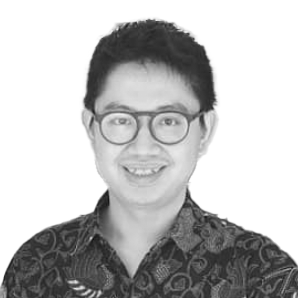
Naufal Asy-Syaddad is a disability rights activist with autism and chairperson of Yogasmara Foundation's youth group. Read more about Naufal Asy-Syaddad
Transcript for A Different Way of Learning
The video starts with soft piano music and a black, white, and yellow animated screen. Yellow text on a black screen says, “Naufal Asy-Syaddad / DJP Fellow from Indonesia.” Naufal Asy-Syaddad’s voiceover says, “Hello, friends.”
Cut to a circular black and yellow animated screen. Yellow text on a black screen says, “Obstacles in obtaining employment opportunities for people with autism.” Asy-Syaddad’s voiceover continues, “Introducing, my name is Naufal Asy Syaddad, DJP fellow from Indonesia. I will raise the theme of obstacles in obtaining employment opportunities for people with autism. As people with autism, they still experience many misunderstandings, so when they grow up and it’s time to find a job, this has its own difficulties. We have two interviewees, Husein and Faisal. They will tell us about their efforts in getting the job they want.”
Cut to a black and yellow animated screen. Black text on a yellow screen says, “Muhammad Atarriq / Husein Muhammad Faisal Hakim.” Cut to a pan shot of M. Attariq Husein, an Indonesian man and musician with autism, wearing a red shirt and speaking with students in a music classroom. In the background, a young Indonesian boy wearing eyeglasses and a black shirt plays the keyboard. An Indonesian man wearing a blue face mask, eyeglasses, and mustard-patterned shirt watches the student playing the keyboard. A whiteboard and a plum-colored wall are behind them. On the right, an Indonesian man sits at a desk, wearing a white face mask and a green-and-red patterned shirt.
Cut to Husein speaking to a young Indonesian girl wearing a white hijab. The Indonesian man wearing a blue face mask and a mustard-patterned shirt joins their conversation. In the background, a young Indonesian boy sits on the ground on the left, and another boy opens the classroom door.
Cut to Husein, wearing a black-and-red shirt with white text and a picture of people on it, sitting on a brown two-seater couch in a room. A beige wall is in the background. Asy-Syaddad, a young Indonesian man wearing eyeglasses, white pants, and a light green shirt, joins Husein on the couch. Asy-Syaddad speaks to the camera, “I am currently with Muhammad Atarriq Husein. Well, he is a person with autism who was born on January 26, 2000. So he’s already 22 years old. Well, he has a talent in music.”
Cut to Husein singing into a microphone in the music classroom. A whiteboard, microphone stand, amplifier, speaker, and other classroom items are in the background. Asy-Syaddad’s voiceover continues, “And he has many achievements in the field of music.”
Cut to Husein and Asy-Syaddad sitting on the brown two-seater couch. Husein speaks to the camera, “Of course, there is, the obstacle that is not just about majoring in music. I just don’t know… what is it… When I was in school, I wasn’t taught about musical notes, I learn all by myself. Learning by myself, according to my ability, learning it individually. In a real college, as I was told by my teacher Mr. Harsono, ‘You won’t be able to study there.’” The soft piano music fades out.
Cut to Husein drumming on a black drum set in the corner of the music classroom, in front of a plum-colored wall. A bass guitar, amplifier, and a black speaker are on the right. Someone sings with the music off-camera. Husein’s voiceover continues, “‘How is it that you won’t be able to. You will be asked the formula, asked about musical notes.’”
Cut to Husein and Asy-Syaddad sitting on the brown couch. Husein says, “‘You’ll be asked about musical writing, picture,’ things that we actually don’t study. We don’t have those facilities, either at public school to learn that or back to junior high school first. If studies mean going back there, I don’t want to. There are also obstacles in attending lectures, because right now, it’s only for those who are with hearing impairment, the blind, and with physical disability. Regardless of their physical conditions, their brain is [non-disabled]. While those with autism and psychological disabilities, despite having a [non-disabled] body, like you, they have different [learning needs]. You know, that’s very unfortunate.” The soft piano music plays again.
Cut to Husein playing drums in a music classroom. Husein’s voiceover continues, “In Indonesia, those are the only accommodations. I have my own obstacles, that’s why I don’t want to go to college anymore.”
Cut to Husein and Asy-Syaddad sitting on the brown sofa. Asy-Syaddad, turning to Husein, asks “Do you study music?” Husein replies, “No. Yes because. There are obstacles. Not an obstacle, more precisely I don’t know what a block note is, I don’t know what that is. It must be asked too, the name of the formula, for example in math, it is also asked too.”
Cut to Muhammad Faisal Hakim, an Indonesian man and entrepreneur with autism, squatting on a tile floor, wiping a hard-boiled egg in a purple plastic bowl with a yellow cloth. He is wearing a turquoise shirt, a red-and-white apron, a transparent plastic glove on his right hand, and black pants. A light blue plastic bowl is to the left of the purple plastic bowl, and a plastic tub with a red lid and white label, containing liquid and boiled eggs, is to the right. In the background, a phone and a black bag are lying on a gray and brown sofa.
Cut to Faisal, his mother, an Indonesian woman wearing a red hijab and glasses, sitting on a white-brown coach with Asy-Syaddad. Faisal sits on the left and wears a turquoise shirt with a design and text that reads, “Thailand,” in the center. Faisal’s mother sits in the center and Ash-Syaddad sits on the right, wearing a light green shirt and sunglasses. Asy-Syaddad says to the camera, “Right now I’m with Budhe Sri Murni and Faisal. Now Faisal is also a person with autism who is 25 years old, right?” Faisal’s mother says, “Six.” Asy-Syaddad continues, “26 years old yes, he has turned 26 years old, now he is a person with autism who is an entrepreneur.”
Cut to Faisal squatting on the tile floor. He finishes cleaning a hard-boiled egg in a purple plastic bowl with a yellow cloth. He transfers the egg to the light blue plastic bowl on the left. Faisal’s mother’s voice says, “For the obstacles, there is still a lot of Naufal, there maybe he can’t follow the instructions from his principal.”
Cut to Faisal, his mother, and Ash-Syaddad sitting in the room. Faisal’s mother is speaking to Asy-Syaddad with hand gestures, “What to do, what to do after this, this, this, this, Faisal has no idea, like that.”
Cut to zoom in on Faisal wearing plastic gloves and grinding garlic cloves using a mortar and pestle on a white tiled floor. A white bathtub is to the left, and two colorful kitchen towels are lying to the right. Faisal’s mother’s voiceover continues, “But, as a parent when Faisal was before he went there, I was already, what yes.”
Cut to Faisal, his mother, and Ash-Shaddad. Faisal’s mother speaks with hand gestures, “Making sure that at home there is something that he has to do, which is making salted eggs.”
Cut to a close-up shot of Faisal who continues to clean the boiled egg. He places another egg in a light blue plastic bowl.
Cut to Faisal, his mother, and Ash-Syaddad. Faisal’s mother speaks with hand gestures, “Never. I used to go to Bandeng Juwono, it was at the suggestion of Mrs. Ema, Emanuella,
you know her there.”
Cut to a close-up shot of Faisal who finishes scrubbing the last egg and turns to pick up the mortar and pestle on the left. A bowl of rice and another bowl of red chili peppers, garlic cloves and ginger thumbs sit between the mortar and plastic bowl. Faisal’s mother’s voice continues, “And Faisal has also taken tests, psychological tests, this test.”
Cut to Faisal, Ash-Shaddad. Faisal’s mother speaks with hand gestures, “It turns out that even from there, there are some who accept, but there are certain parts that don’t want to accept.
accept.”
Cut to Faisal scooping the crushed chilies out of his mortar with a pink and cream colored vegetable spoon and mixing them into a plastic tub on the left. The tub is filled with liquid, and a white label is also on it. Faisal’s mother’s voiceover continues, “Because of what, Faisal is already a child who has started to be irregular in, for example, praying. If you work at erlina’s in bandeng juwono, you can’t pray on time.”
Cut to Faisal’s eggs wrapped in a plastic bag, immersed in a plastic tub with a white label. Faisal’s mother’s voiceover continues, “Even though there are many people buying here, like that. I’m afraid that Faisal will meet a lot of people there, with the voices of people coming out, which maybe Faisal hasn’t… yet.”
Cut to Faisal, his mother, and Asy-Syaddad. Faisal’s mother speaks with hand gestures, “Mudeng and later carried away finally from there, it looks like Faisal is working at home alone. Alhamdulillah, I’m very happy.” The soft piano music fades out.
Cut to Faisal sitting cross-legged on the floor, holding a plastic carton of finished eggs. A label on the carton reads, “Mas Faizal,” in Indonesian. Band music plays and someone sings along off-camera.
Cut to Hussein playing the drums in a music classroom. As the song ends, he puts down his drumsticks. People clap and cheer in Bahasa Indonesia off-camera.
Fade to black text with a yellow border on a black screen that reads, “Copyright – @2022 Yogasmara Foundation. All rights reserved.”
Fade to black text with a yellow border on a black screen that reads, “Made with the support of the Disability Justice Project and the Disability Rights Fund.” The Disability Justice Project logo is a large yellow “D” with a black play button in the center to indicate video storytelling, and white text that says “Disability Justice Project” in the bottom left. The Disability Rights Fund logo – a white square with black text that reads, “Disability Rights Fund” – is at the bottom right of the screen.
About this video ‘The Door is Open’
INDONESIA: Indonesians with disabilities have faced barriers to involvement in elections. Ariani Soekanwo is changing that. *Audio descriptions for blind and low-vision audiences.
Filmmaker: Mahretta Maha
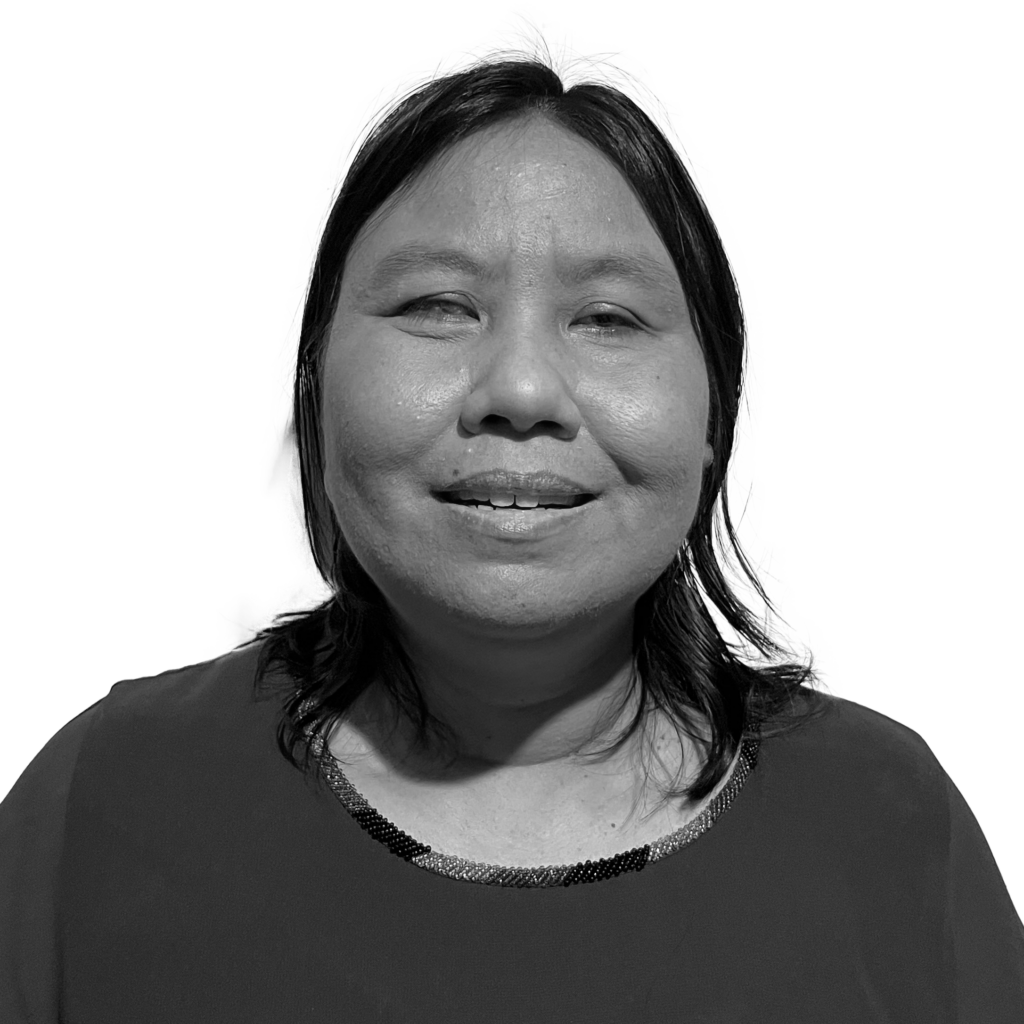
Mahretta Maha is a disability rights activist living with blindness. She is a program officer at the Association for Disability Access Elections (PPUAD) for the National Coalition of Organizations with Disabilities. Read more about Mahretta Maha
Transcript for ‘The Door is Open’
The video starts with Ariani Soekanwo, a 76-year-old Indonesian woman with low vision, wearing an orange hijab with a silver brooch, and red lipstick. Soekanwo is the founder of PPUA Disabilitas (Center for Election Access of Citizens with Disabilities). Four picture frames, including persons with disabilities at voting booths, are hung on a wall behind her. Urgent keyboard music with strings plays in the background throughout the duration of the video. Soekanwo, speaking in Bahasa Indonesia, says, “My name is Ariani Soekanwo.”
Cut to Ariani Soekanwo speaking into a microphone at a meeting. She is wearing a yellow hijab, a yellow blouse with multi-colored designs, and red lipstick. A beige wall is in the background.
Cut to Soekanwo speaking in front of the picture frames. “I’ve been involved in the disability movement since I was a college student.”
Cut to the PPUA logo on a white screen. The PPUA logo is a blue ballot box with blue text that says, “PUSAT PEMILU AKSES DIABILITAS” (Disability Access Election Center). Four accessibility icons are at the bottom of the box.
Cut to Soekanwo speaking in front of the picture frames. “The Center for Election Access of Citizens with Disabilities (PPUA) was established on April 24, 2002.”
Cut to a black text on a yellow screen that says, “Until the 1990s, Indonesian Election Law prohibited persons with disabilities from running for parliament, and voting places were often inaccessible to voters with disabilities.”
Cut to Soekanwo speaking, “Before the PPUA, the general election law was very discriminatory against people with disabilities.”
Cut to a photo of various people outside. A man, wearing glasses and a red shirt with blue designs, lifts a woman in a wheelchair up. The woman with a disability is wearing a blue button-down shirt and has neck-length black hair. A second man wearing a white shirt with blue designs and blue jeans lifts the front part of the wheelchair up.
Cut to a photo of a woman wearing black glasses and a red shirt. She reaches her left hand up to put a ballot in a white ballot box. Black letters that say “KPU” are on the ballot box. A woman with short black hair, wearing a blue-and-white checkered shirt, is in the background
Soekanwo’s voiceover continues, “In exercising the rights to vote, to be elected, and to be election organizers.” Cut to a photo of two men at a desk covered in a pink tablecloth. The table is stacked with ballots with blue, red, green, and yellow rectangles at the top of them. One man at the desk is standing up. He is wearing glasses and a light blue shirt with blue designs. A white sheet of paper with black text attached to a white string is around his neck. A turquoise plastic chair is behind him. The man standing up gives another man with no arms a ballot with a yellow border at the top. The man with no arms grabs the front end of the ballot with his mouth. Another man, wearing a green shirt with black designs stands to the left of the man with no arms. A third man seated at the table is wearing a beige and brown shirt and is writing on a ballot, on the right side of the photo. A door in the background with a white sheet of paper on it says, “KELUAR” (Go out).
Cut to Soekanwo speaking, “After about 15 years of PPUA’s struggle, people with disabilities currently have the right to vote.” Cut to a personal assistant helping a woman who is blind cast a ballot in a white ballot box that says “KPU” in black text. The woman is wearing a brown hijab, black sunglasses, and a purple blouse. The personal assistant is wearing a white shirt, a white taqiyah, and an orange lanyard around his neck. A second man near the personal assistant and the woman who is blind is wearing a white shirt and an orange lanyard, too. People are standing and seated behind them. Some are taking photos, and others are shooting video footage. Camera flashes go off in the background.
Cut to Soekanwo speaking, “Directly, publicly, freely, confidentially, honestly, and fairly.”
Cut to a man with a physical disability who uses crutches as he moved around a voting place with a ballot with a red rectangle at the top in his hand. Some people are seated at a green desk, some are standing up, and others are taking photos or video footage. Camera flashes go off in the background. The man with a physical disability is wearing a black shirt and pants. He passes by multiple ballot boxes resting on a brown table.
Cut to Soekanwo speaking, “They have also been able to get the right to be elected as a member of parliament and also to be governor and president as well as mayor.” Cut to pan shot of a white Indonesian parliament building with yellow text on the right exterior that says, “MAJELIS PERMUSYAWARATAN RAKYAT/ DEWAN PERWAKILAN RAKYAT/ DEWAN PERWAKILAN DAERAH” (Public Assembly/ Council of People’s Representatives/ Regional Representative Council). There is an orange design on the left wall of the right exterior. Cars are parked by the building. A long pool with a sculpture is to the left of the building and the parking lot, too. There are other several buildings in the background.
Cut to Soekanwo speaking, “And the opportunity has opened up to become election organizer members, members of Bawaslu and KPU.” Cut to a close-up of black text on a white surface that says “KPU.” A few people, election workers sorting ballots, stand together in the blurred background.
Cut to Soekanwo speaking, “So now young people with disabilities want to be active in understanding democracy.”
Cut to a woman in a wheelchair. She is wearing a purple hijab and a black shirt and is folding her ballot at a voting booth. A semi-opened ballot box that says, “KPU,” in black text is on a green table covered in a multi-colored tablecloth. Camera flashes go off in the background.
Cut to Soekanwo speaking, “And can participate in exercising their right to vote.”
Cut to a man posing for photos at a voting place. He is holding his left pinky finger up; the tip of his finger is covered in black ink. He is wearing a black shirt with brown designs over a white collared shirt. Another man with a physical disability is holding ballots behind him. A man wearing a white shirt, beige pants, and an orange lanyard around his neck, motions the man with a physical disability to the right. Some people are standing and others are seating at a green table with blue chairs in the background, others are taking photos or shooting video footage. People are talking and cameras flashes and clicks go off in the background.
Cut to a close-up of the man with ink on his finger posing for the cameras. He is holding various ballots. A woman wearing an orange hijab and a black shirt with brown designs is standing behind him. She is holding her phone. A “KPU” ballot box is resting on a table on the right. Several people are seated and others are walking around in the background.
Cut to Soekanwo speaking, “Because this is now open, although it is not easy yet, but the door is open so we have to be brave to enter to get involved as election organizers and parliament members.”
Cut to a slow zoom-out shot of a long pool and sculpture in front of the Indonesian parliament building. Cars are parked by the parliament building on the right. Other buildings are in the background.
Cut to an overhead shot of a person helping a man with a physical disability, who is holding crutches, dip his left pinky finger in a pot of black ink. The pot of ink is on a green table covered in a multi-colored tablecloth. He is wearing a black shirt with brown designs and a ring on his left finger. On the right, a white ballot box with black text on it that says “KPU” rests on a brown table. Camera flashes go off in the background.
Cut to another shot of the man with a physical disability, who uses crutches, moving towards a “KPU” ballot box to cast his vote. Several camera crews and photographers in the background are capturing the moment, camera flashes go off in the background.
Cut to a close-up shot of another man with a physical disability moving toward the ballot boxes on a green table covered in a multi-colored table cloth. He is wearing a black shirt with brown designs with a long-sleeve gray shirt underneath. Camera flashes go off in the background.
Cut to Soekanwo speaking, “With the full participation of people with disabilities being willing to show their existence in the election.”
Cut to four election workers gathered at a table covered in a white tablecloth and counting ballots. One woman on the far left is wearing a white blouse, a white bracelet, an orange hijab, and a black lanyard around her neck. She is standing next to large sheets of paper hung on a large white pinboard in the background A second woman on the left is wearing a white button-down shirt with a blue border, glasses, a watch, a ring on her right hand, and a black lanyard around her neck. On the right, a man wearing an orange button-down shirt with multi-colored designs is holding a ballot up. He is also wearing a black-and-white watch. A second man on the far right is wearing a white shirt and an orange cap with white text on it. He has a black lanyard around his neck. The woman on the left hands a ballot to the man on the right. Soekanwo’s voiceover continues, “Then the officials and candidates, those who will hold power, will pay attention to the fulfillment of disability rights, create programs and make budgets for disability needs.”
Cut to a close-up of two Indonesian flags on a flag pole, each with one red and one white horizontal stripe, on a pole outside. The sky outside is clear and blue. The flags blow in the wind.
Cut to Soekanwo speaking, “If we don’t show our existence, then our rights will be ignored.”
Fade to black text with a yellow border on a black screen that says, “Copyright – @2022 PPUA Disabilitas. All rights reserved.”
Fade to black text with a yellow border on a black screen that says, “Made with support from the Disability Justice Project and Disability Rights Fund.” The Disability Justice Project logo is a large yellow “D” with a black play button in the middle to signify video storytelling, and white text says “Disability Justice Project” on the bottom left. The Disability Rights Fund logo – a white box with black text that says, “Disability Rights Fund” – is on the bottom right of the screen.