News
Advancing Democracy
Play audio version
Historic Voting Accessibility for Rwandans with Disabilities
July 18, 2023
This is the fourth article in our series on accessible elections across the globe.
KIGALI, Rwanda – Rwanda has been making strides in ensuring its elections are accessible to all its citizens, including those with disabilities. In its general elections on July 15, Rwandans with disabilities noted significant improvements to accommodations, marking a notable shift toward greater inclusion and equality in the democratic process.
Voting is a cornerstone of democracy, allowing citizens to exercise their civic duty and influence their country’s governance. For Rwandans with disabilities, the recent presidential and parliamentary elections were a step forward in their quest for equal rights and participation.
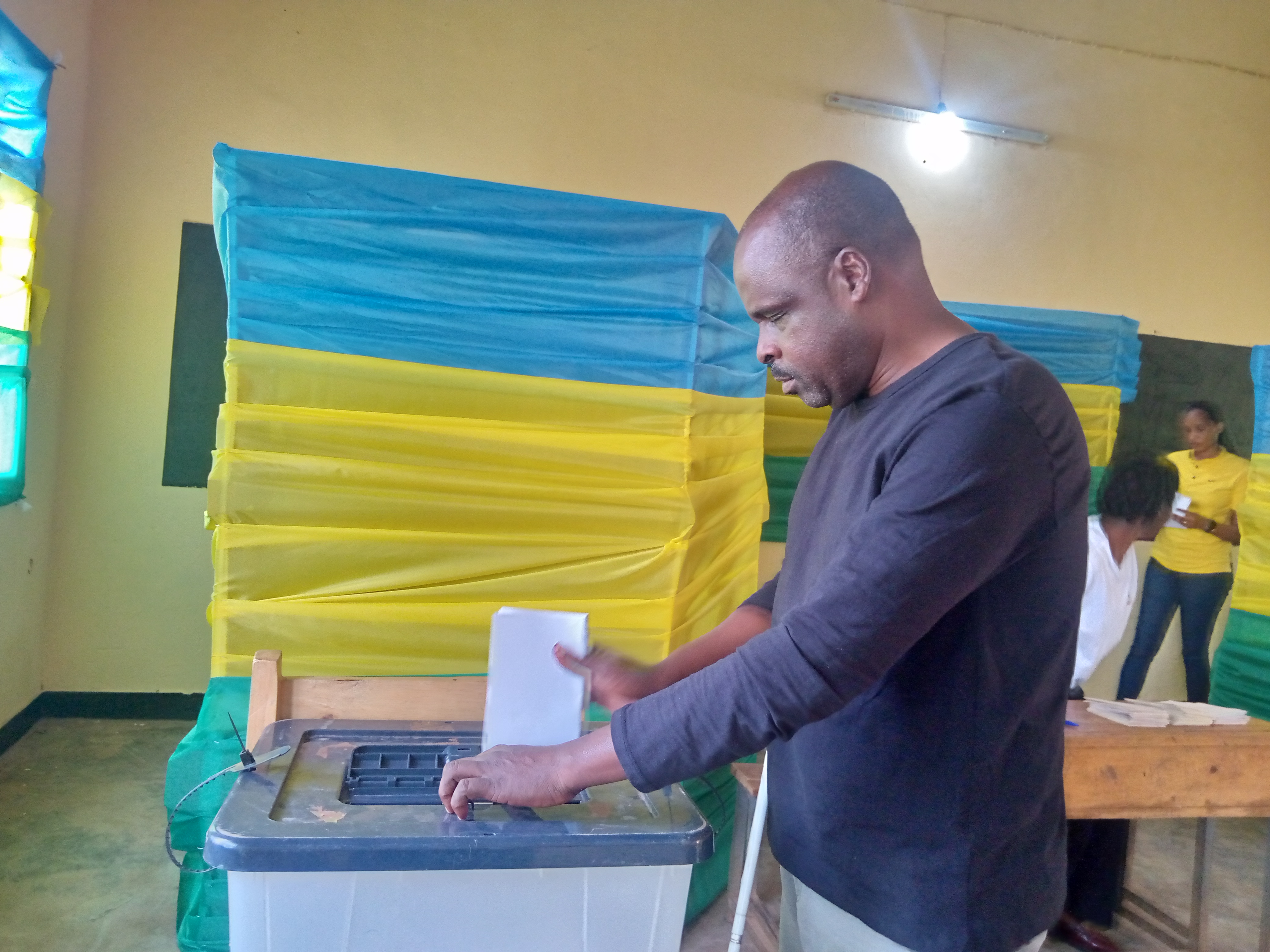
“Voting can be a powerful and emotional experience for anyone, but for a person with a disability in Rwanda, the emotions can be particularly profound due to our background related to voting,” says Jean Marie Vianney Mukeshimana, who is blind.
With great emotion, Mukeshimana mentions how, in all his years voting, he has never experienced such accessible elections as those on July 15. For the first time, Mukeshimana used a Braille voting slate, which allowed him to vote privately and independently. In previous years, he’d relied on a child to vote for him. “You cannot imagine how happy I am, for I have voted by myself and privately as others do accessibly,” he says. “Voting is a deeply emotional and meaningful experience for a person with any disability in Rwanda, reflecting a blend of pride, empowerment, and hope.”
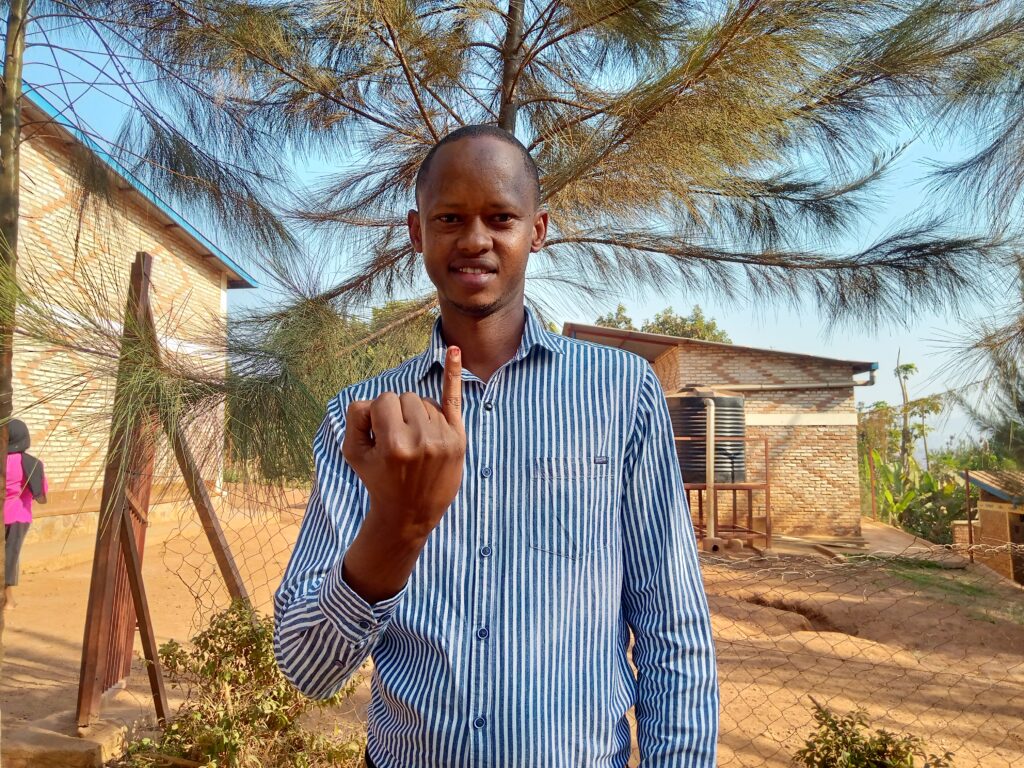
Chemsa Iradukunda shares how happy she was to have a voice as a person with a psychosocial disability in the decision-making process that affects her community and country. “Rwandan law related to voting used to exclude us [persons with psychosocial disabilities] from voting, saying that we may cause troubles to the voting sites. But today, I am so happy, for I voted who I want to lead our country and hope will help in the well-being of persons with disabilities. I’m really thankful for the advocacy done to make this election more accessible to persons with disability, particularly with psychosocial. From the time I reached the polling place, they immediately helped me to enter, without any [worry] that I may cause troubles.”
However, not all experiences on July 15 were positive. Jean Damascene Bizimana, a Deaf voter, highlights the ongoing challenges for the Deaf community due to the lack of sign language interpreters at polling sites. “We still encounter a number of challenges while voting as persons who are Deaf. Reaching the polling place, others are welcomed and being explained everything [they are] going to do, but our only issue is that we need a sign language interpreter to understand what they are saying, where to go, and how everyone is going to vote. You can stay at the polling place from morning until the time they finish voting due to poor communication at the polling place. I think we are forgotten that we will vote as other citizens do.”
Olive Nakure, a woman with DeafBlindness, also faced significant barriers due to the absence of trained interpreters familiar with tactile sign language. “Reaching the polling station, none knew that I can neither see nor hear or speak as well. I entered and find where to sit while waiting for my personal assistant to come and help me reach a voting room,” she says. “I imagined how I was going to know all related to voting, thinking that they have an interpreter but they did not think of it. For sure, it is something to be sad about, and I wish next time, they will bring a tactile interpreter or plan any other way we may vote. If electronic voting machines had been used, It would have been more helpful to us.”
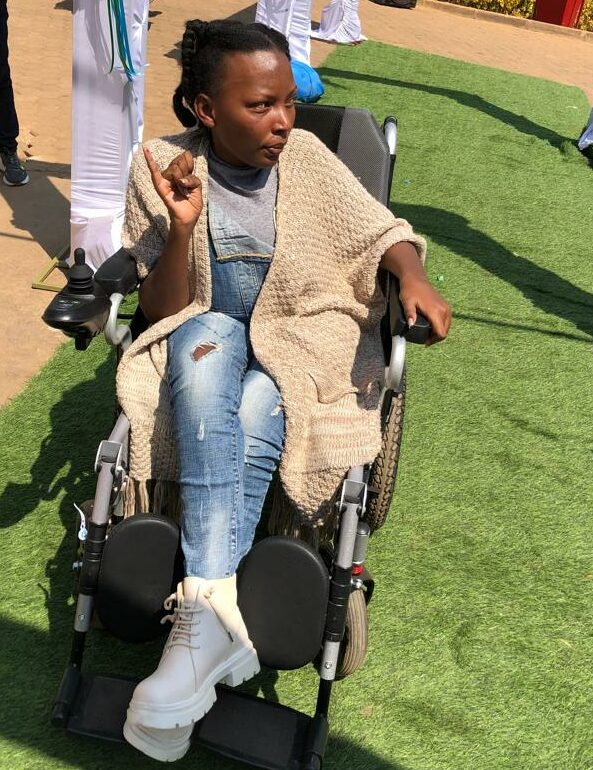
Physical accessibility remains a challenge for wheelchair users and persons with short stature. Marie Aime Dukuzem, a wheelchair user, struggled with the voting booth’s small doors, while David Gacamumakuba, a person of short stature, found the standard height of voting booths difficult to use. “From the main gate to the voting room, everything has been fine. They welcome you with happiness, asking your village to show your voting room without making you line up as a person with disability,” says Dukuzem. “[However], I did not get a chance to enter the voting booth due to using a wheelchair, which [forced] me to vote out of the booth, and [that violates] personal privacy. As a wheelchair user, I am happy that I have at least voted by myself, and I am sure that my voice is valuable and it is my responsibility as a Rwandan to participate in the appointment of leaders who will lead us.”
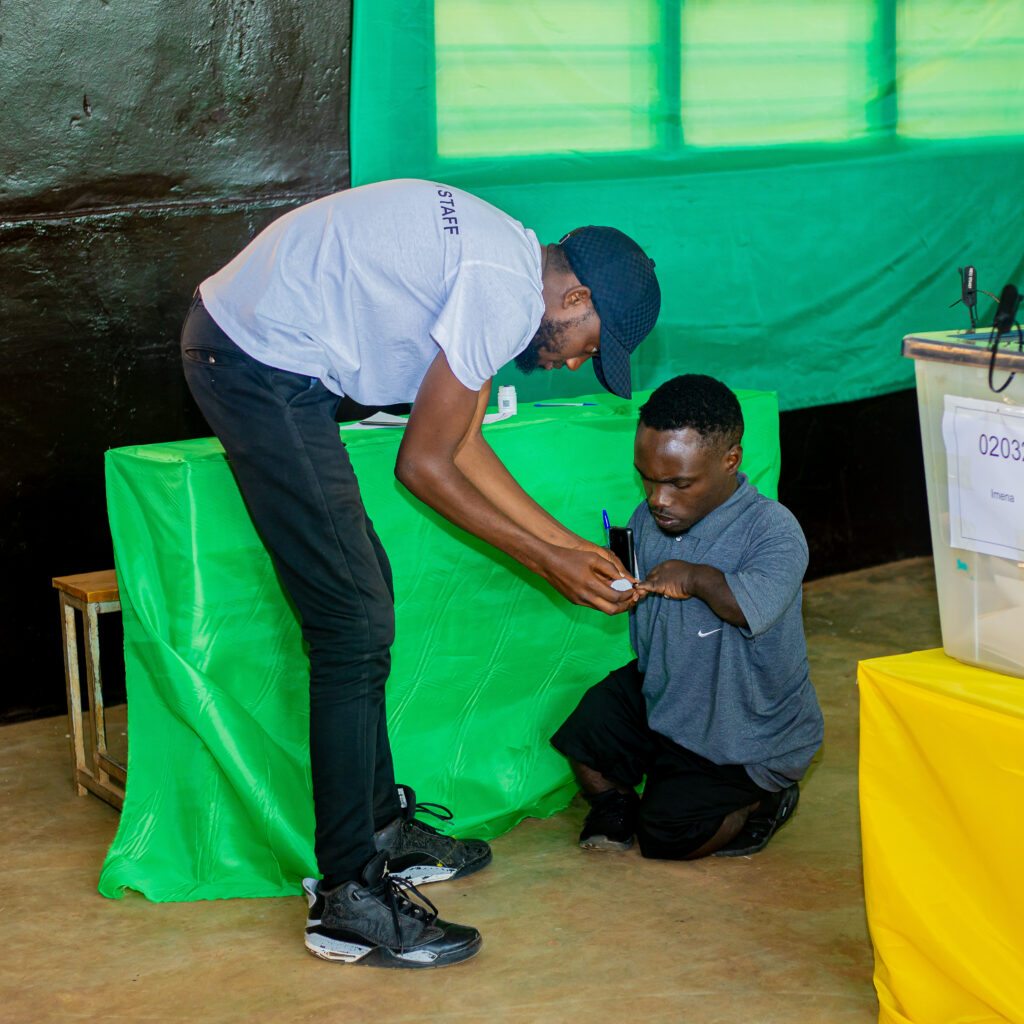
Gacamumakuba voted for the second time in his life on July 15. He says physical inaccessibility, like the lack of adjustable-height voting booths, continues to be a barrier for persons with short stature. However, compared to previous years, this election was improved. For instance, polling staff managed to remove stairs wherever possible. “I am pleased to find myself to the voting list and to vote for my choice. This is a positive experience that generates feelings of empowerment, knowing that my voice matters and that I have contributed to shaping the future of my community and country as well,” he says. “I really hope that I made a good choice, that my vote will help all persons with disabilities to reach their full accessibility. Overall, we shall once vote accessibly, though it may not be today, but there is hope for continued progress.”
“Voting is a fundamental right, and being able to exercise it without encountering barriers is incredibly affirming,” adds Emmanuel Ndayisaba, executive secretary of the National Council of Persons with Disabilities (NCPD Rwanda). While acknowledging the significant improvements in recent elections, he recognizes the need for more sign language and tactile interpreters. He says he will continue to advocate for more accessible elections in the future through the Disability Management Information System (DMIS) being developed by NCPD.
While there is still work to be done, the recent elections in Rwanda represent a significant step toward greater accessibility and inclusion for persons with disabilities. These improvements are a testament to the ongoing efforts to ensure that every Rwandan can participate fully in the democratic process.
Francine Uwayisaba is a contributing writer with the Disability Justice Project and a field officer at Rwanda Union of Little People (RULP). At RULP, she is in charge of the organization’s communications. She writes grants, manages RULP’s social media, and composes articles and weekly updates for the website. @2024 DJP. All rights reserved.
Editing assistance by Jody Santos
News From the Global Frontlines of Disability Justice
Beyond the ADA
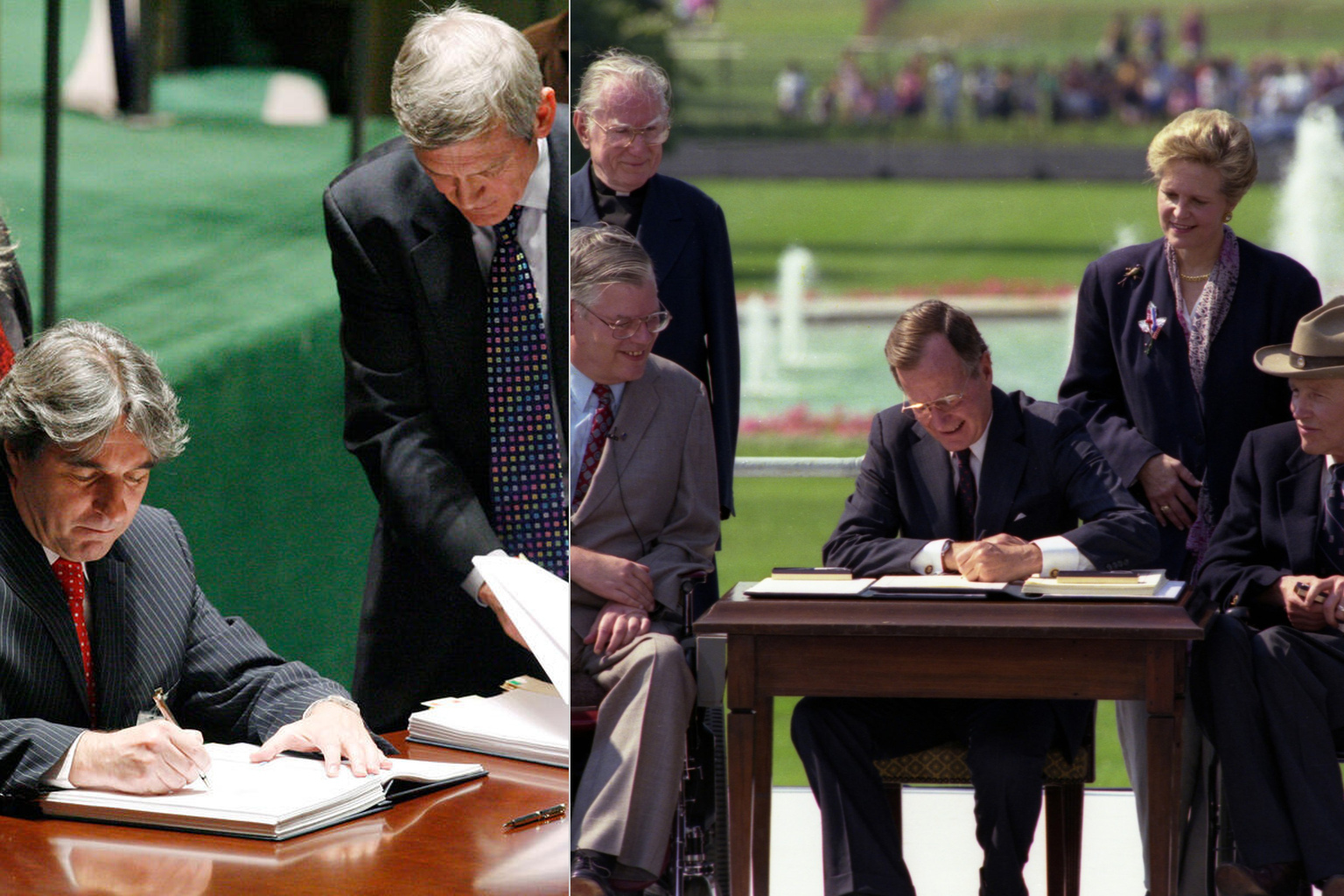
The ADA’s influence extends far beyond the United States. It helped shape a growing international approach to disability rights that eventually contributed to the development of the CRPD. But global disability movements have also expanded on ideas that U.S. law has yet to fully embrace. “I think many U.S. disability rights activists were surprised to find out how much we could learn from the international community,” says Eric Rosenthal, founder and executive director of Disability Rights International.
Forgotten People
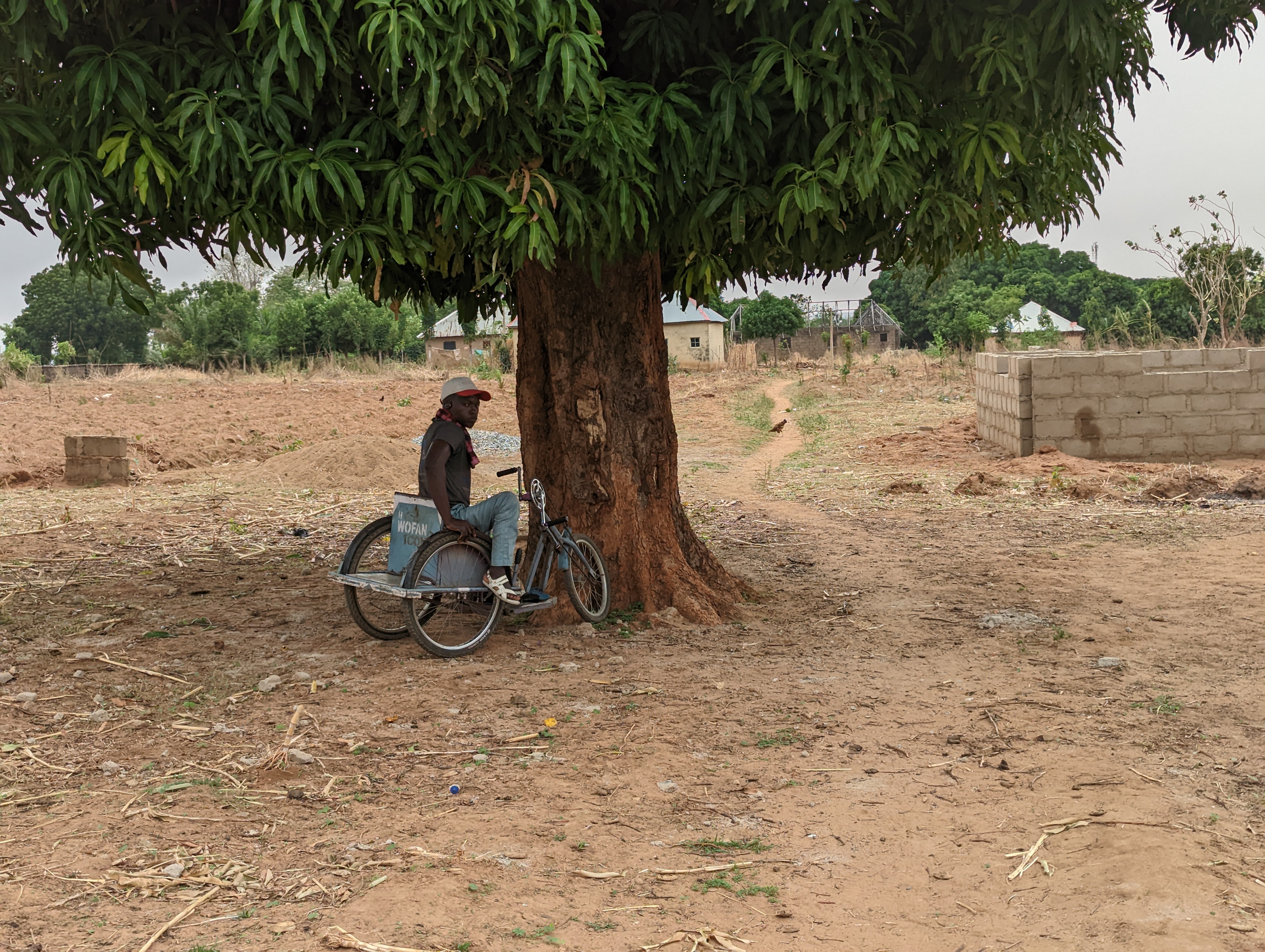
As Nigeria’s growing insecurity crisis spreads, disabled people face barriers that can make escaping violence far more difficult. Across the country, they describe inaccessible emergency warnings, challenges reaching safety, disrupted livelihoods, and limited access to assistance during times of crisis. Their stories reveal how conflict is experienced differently when mobility, communication, and support cannot be taken for granted and how disability is too often overlooked in emergency planning and response.

The Cost of Surviving
After years of failed treatments for complex PTSD, Marian Siljeholm followed an unlikely lead into the underground world of MDMA-assisted therapy. What began as a search for healing became a journey through the science of trauma, the politics of prohibition, and the hidden global network of people risking their freedom to help others reclaim their lives. Their stories would change her own. As Marian writes, “The next morning, I woke with a thought as real as the bed: This is the first day of my life.”
‘Deaf People Are Finally Seen as Equal Citizens’
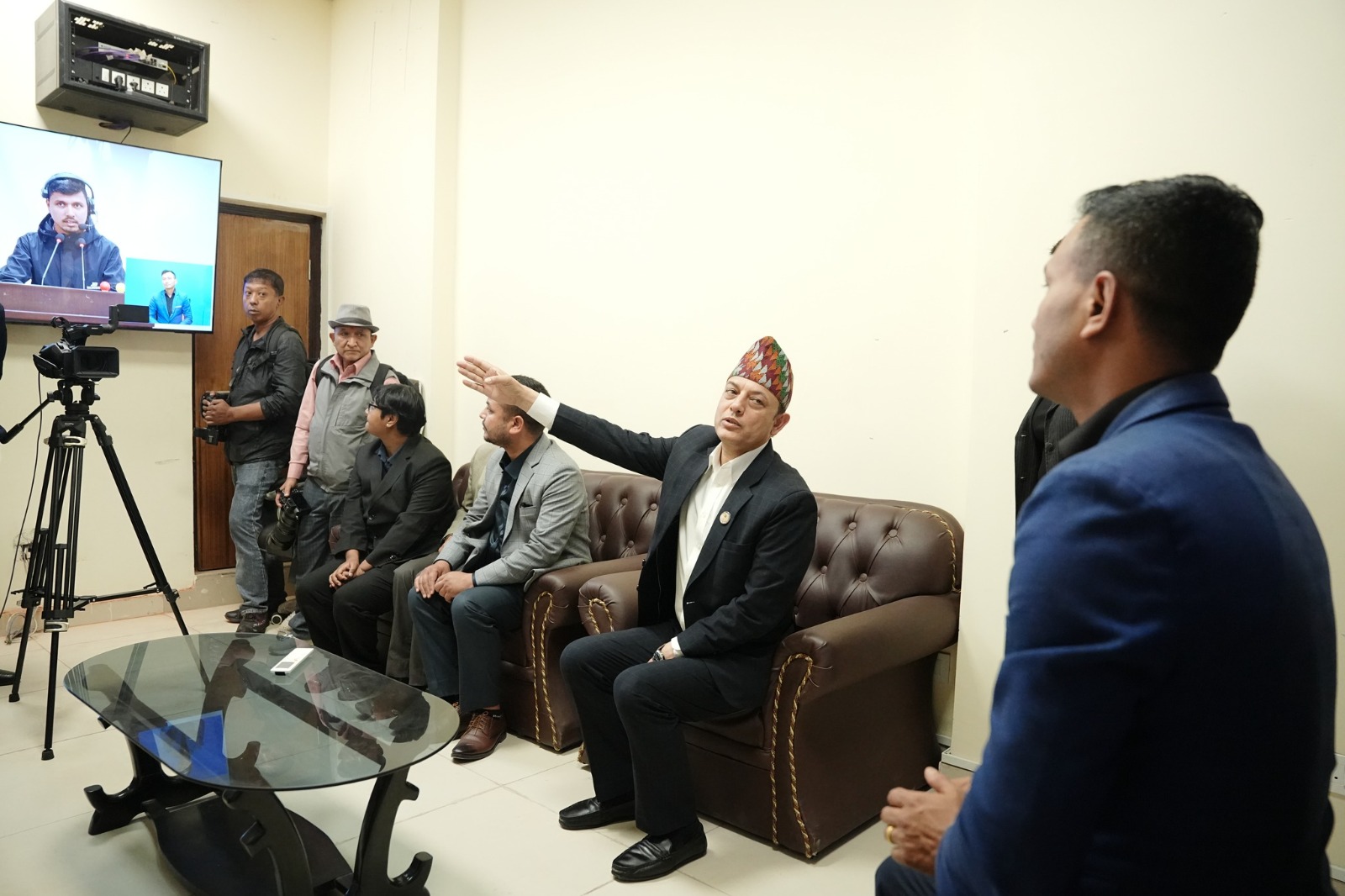
After decades of advocacy, Nepal’s Deaf community is gaining access to information in its own language. Interpreted national news broadcasts now air twice daily, and sign language interpretation has recently been introduced in parliament. Advocates say the changes mark a major step toward inclusion, recognition, and equal participation in public life for Deaf Nepalis who have long been excluded from critical information and decision-making.
Read more about ‘Deaf People Are Finally Seen as Equal Citizens’
The Politics of Waiting, Wanting, and Hoping
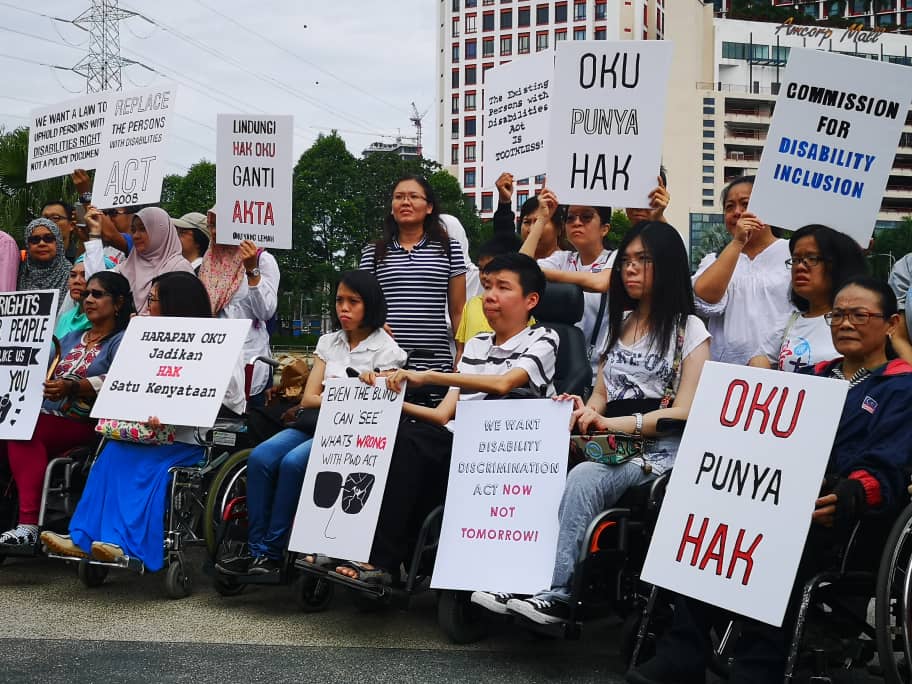
In Malaysia, disability exclusion is rarely one dramatic denial. More often, writes Beatrice Leong, it is “a series of ordinary delays” — inaccessible schools, symbolic consultations, policies without enforcement, and a system that asks disabled people to wait patiently for dignity and belonging. Blending personal reflection with political analysis, Leong examines what happens when inclusion is promised repeatedly, but justice never fully arrives.
Read more about The Politics of Waiting, Wanting, and Hoping
A ‘Direct Threat’ to Democracy
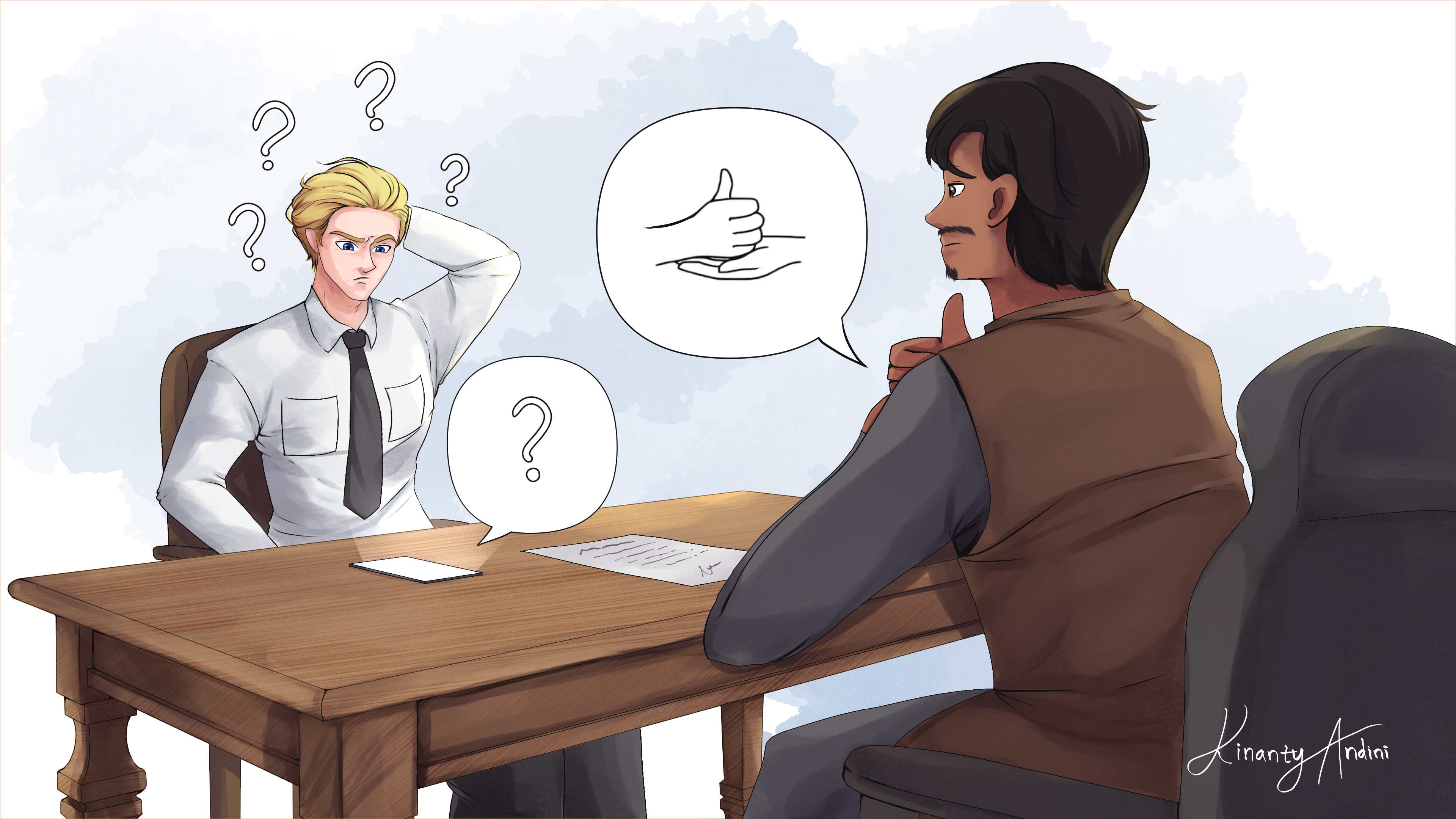
A Deaf asylum seeker from Mongolia spent five months in U.S. immigration detention without access to a sign language interpreter, leaving him unable to communicate with officers or explain his fear of persecution. His case raises questions about whether disability rights laws are being followed inside ICE facilities, where access to communication can determine the outcome of an asylum claim. Lawyer and advocate Qudsiya Naqui says the “absolute disregard” for disability rights under the Trump administration is a “direct threat” to democracy and rule of law.