News
‘I Won’t Give Up My Rights Anymore’
Play audio version
After a Life-Altering Accident and Years of Isolation, Lakshmi Lohar Reclaims Her Confidence and Sense of Purpose
February 1, 2025
LUMBINI PROVINCE, Nepal — Twelve years ago, the roar of a motorcycle and the screech of tires pierced the quiet hum of 7-year-old Lakshmi Lohar’s village in southwestern Nepal. Two drunken police officers sped through the streets, striking her as she played on the rarely trafficked road. The impact crushed her chest, requiring months of treatment. Her family’s life crumbled as medical expenses consumed their meager savings. While Lakshmi’s physical wounds eventually healed, the deeper scars – the ones unseen – remained.
The accident shattered the young girl’s sense of safety. The presence of men, even in her imagination, became a source of overwhelming fear. With her family focused on survival, she was often left alone while they worked, limiting her chances to engage with others. Whispers from villagers labeled her “goljyangri,” a derogatory term for those perceived as having an intellectual disability.
Years passed in silence, unease, and a gnawing ache. Lakshmi’s fear of participating in community life, including at school, stifled her ability to learn. She grew increasingly withdrawn, less productive, and struggled to connect with others. The world outside her home felt like a minefield.
In 2023, KOSHISH National Mental Health Self-Help Organization launched a program in her community aimed at supporting persons with psychosocial disabilities. The initiative focused on community inclusion, supported decision-making, and creating equal access to employment and livelihoods. For Lakshmi, this program became a lifeline.
She joined a self-help group facilitated by KOSHISH’s lived-experience facilitators. At first, attending the meetings was a struggle. The venue was at the municipal level, requiring her to travel by vehicle – a daunting task for someone who had spent years confined by fear and stigma. Her attendance was sporadic, but the group’s unwavering support began to chip away at her inhibitions. Slowly, she started to connect with peers from her locality, forming a supportive network that benefited all of them collectively.
Breaking Barriers, One Stitch at a Time
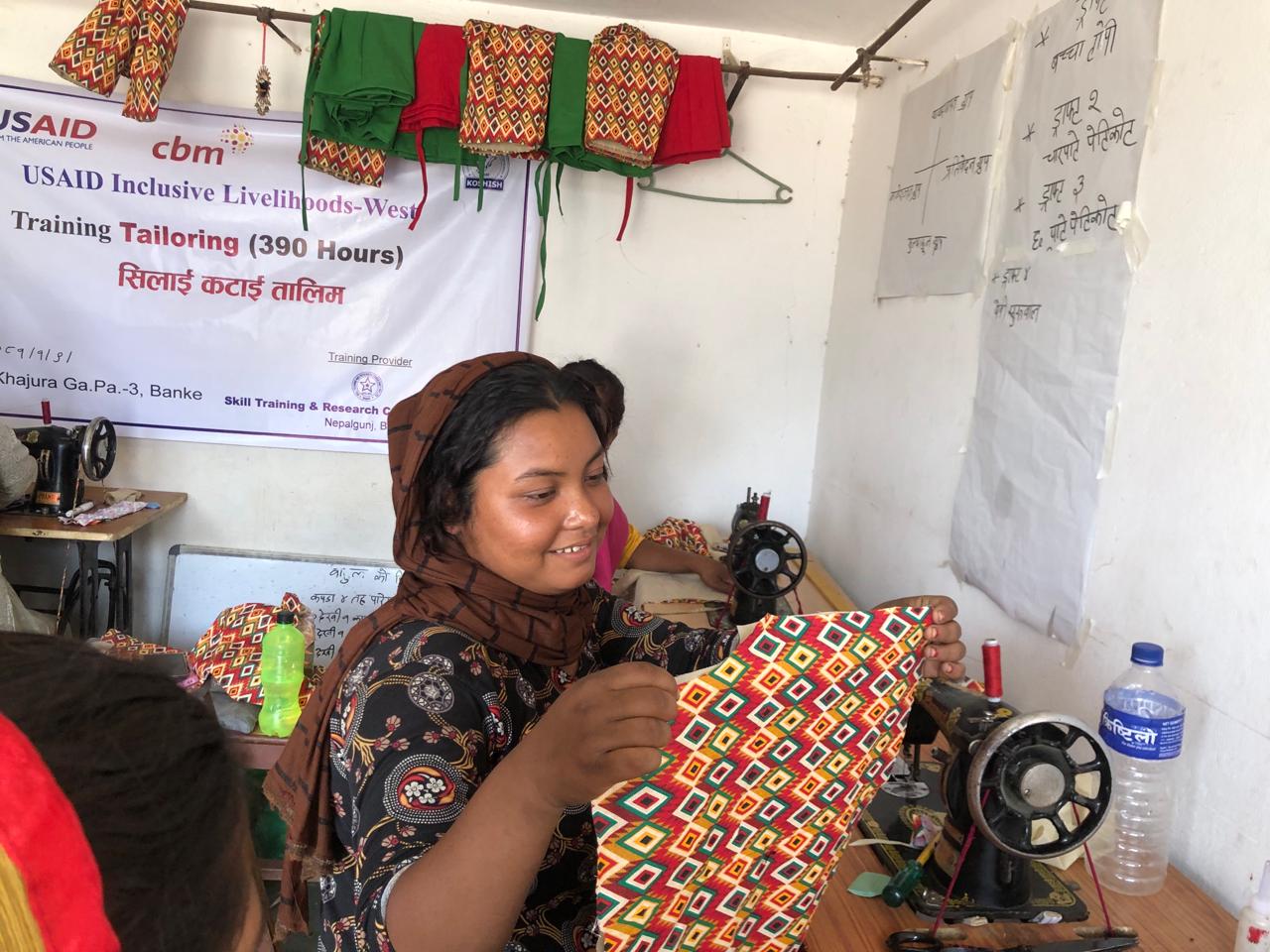
Lakshmi was also selected for vocational training in tailoring – a decision met with skepticism by some family members. Their dismissive words, “What can she possibly do?” echoed in her mind. On the first day of training, Lakshmi didn’t show up. The trainers wondered if they had made the right choice. Even some community members whispered that selecting her had been a waste of time and effort. But the KOSHISH team visited her home, offering psychosocial counseling and encouragement. They worked to build trust with her family, emphasizing how the training could transform her life.
On the third day, Lakshmi surprised everyone by joining her peers. And then, she kept returning, attending 55 out of 56 days of training. A fragile spark of hope ignited within her. The training became about more than just acquiring a skill. Each stitch she made was a step toward reclaiming her confidence and independence.
Even stepping out to buy thread demanded courage as she battled fears of gossip and judgment. But with the KOSHISH team’s support – through home visits, counseling, and guidance – Lakshmi began to find her voice. Through self-help group sessions, she learned strategies to manage her stress and build her confidence.
At a recent group meeting, Lakshmi’s transformation was undeniable. “This month, I earned 148 rupees!” she shared. “A customer tried to leave without paying. I followed her home and said if she didn’t pay, I’d tear the clothes I sewed. She paid immediately!” Her newfound determination was palpable: “I won’t give up my rights anymore – just like I learned in the meetings.”
Today, Lakshmi is no longer the fearful girl confined by her past. She actively participates in group meetings, her voice strong and clear. Slowly but surely, she’s stepping into a brighter, independent future.
Sanjaya Raj Neupane is a DJP Fellow and a passionate disability-rights advocate. In his role as the advocacy coordinator at KOSHISH, he plays a crucial part in advancing the rights of persons with disabilities, promoting inclusive livelihoods, and integrating mental health into Nepal’s healthcare system.
Editing assistance by Jody Santos
News From the Global Frontlines of Disability Justice
Reducing the Disability Tax
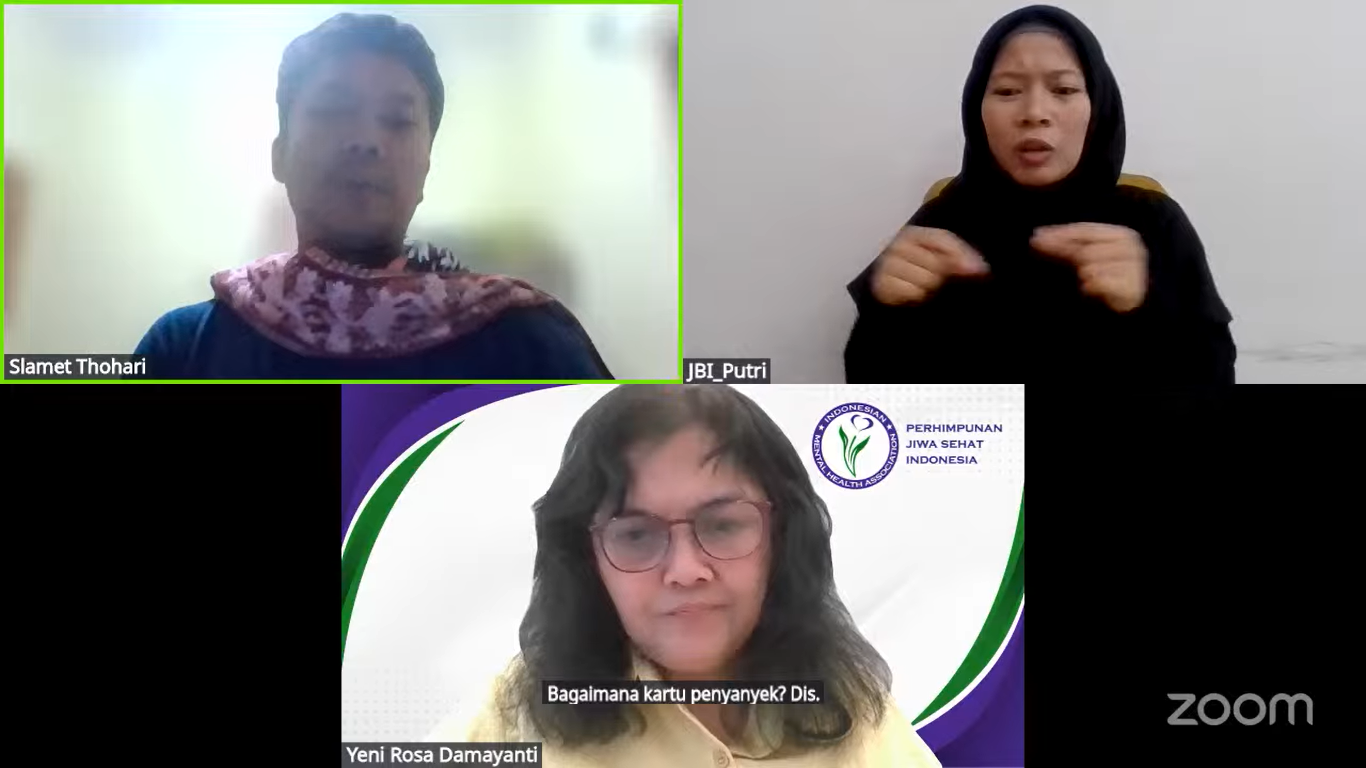
Indonesia has adopted a new regulation aimed at reducing the extra costs disabled people face, guaranteeing discounts across nine sectors, including health care, transportation and assistive devices. But disabled Indonesians say fees and administrative hurdles involved in obtaining the documents needed to access those rights could leave some people behind. As the government begins implementing the policy, advocates are calling for disability assessments to be free and accessible.
Joy As Resistance
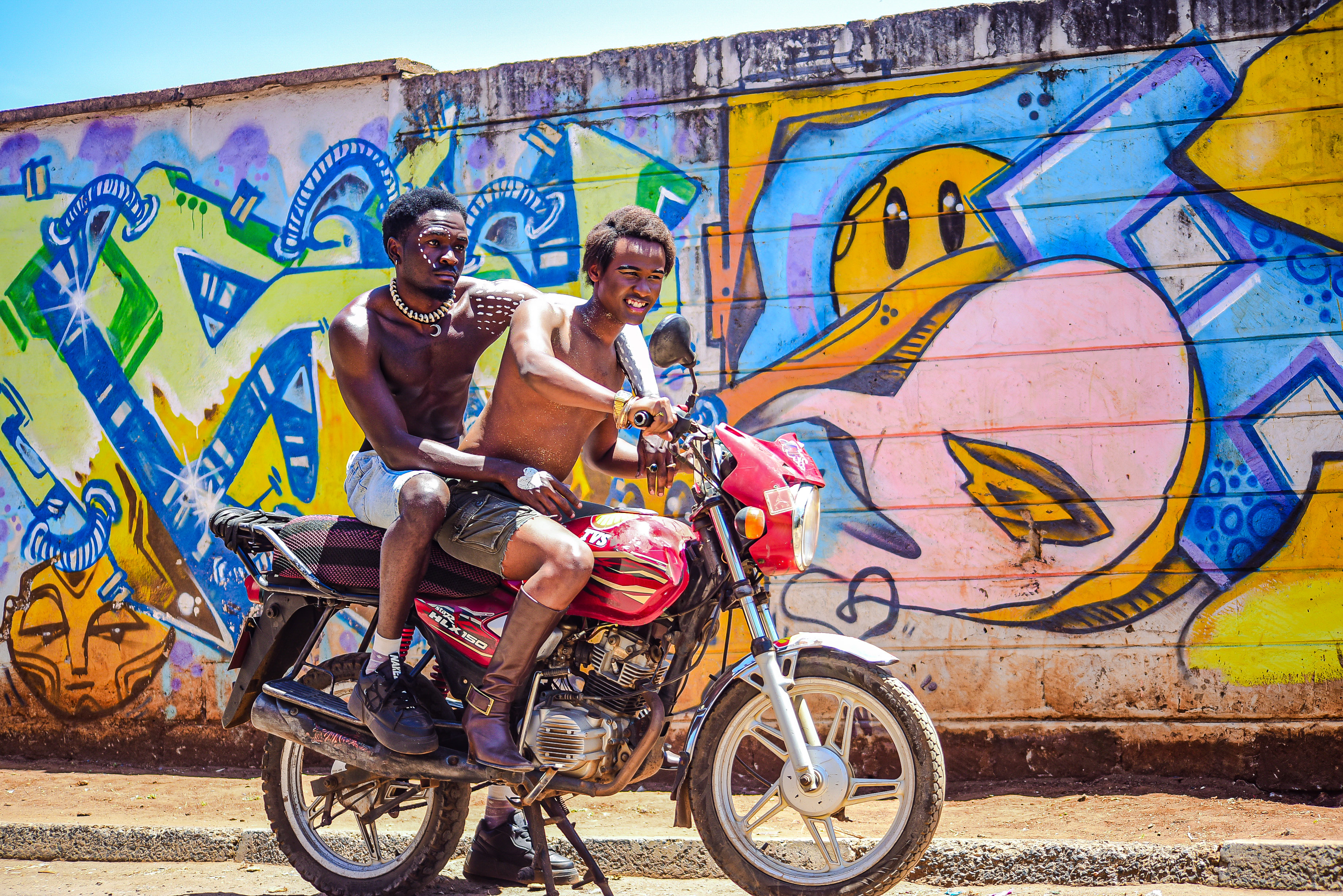
In Kenya, queer and disabled people are finding common ground around questions of identity, access, family, and belonging. Ahead of a Nairobi event exploring where disability and queerness intersect, organizers and participants talk about the communities they have found and the spaces they are trying to create. “Queer people and disabled people share way more than they think they do,” says one organizer. The event will use storytelling, art, performance, and what its organizers call “queer joy” to start a conversation they say is long overdue.
The Politics of Waiting, Wanting, and Hoping
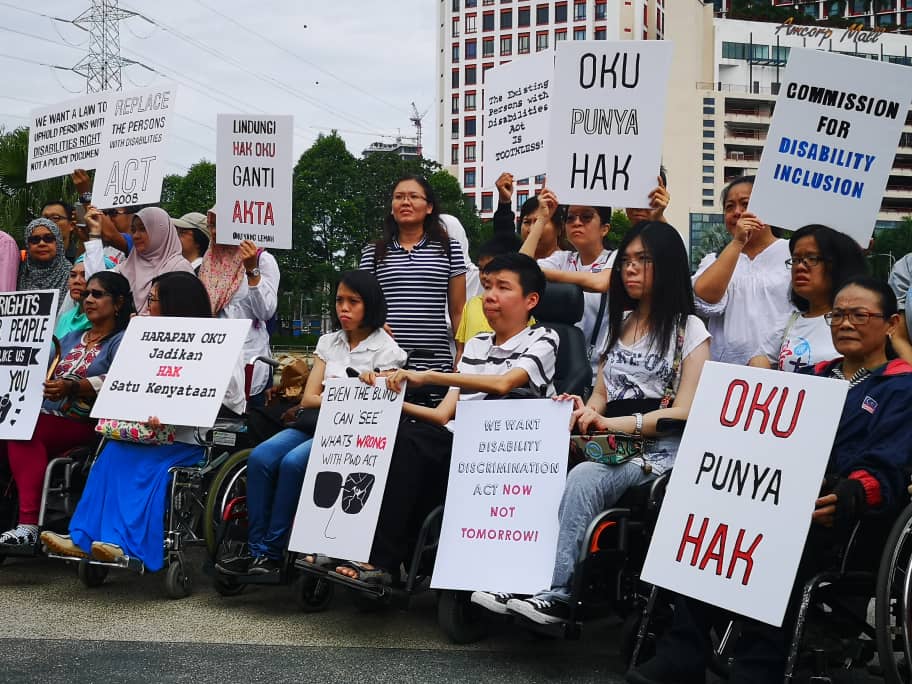
In Malaysia, disability exclusion is rarely one dramatic denial. More often, writes Beatrice Leong, it is “a series of ordinary delays” — inaccessible schools, symbolic consultations, policies without enforcement, and a system that asks disabled people to wait patiently for dignity and belonging. Blending personal reflection with political analysis, Leong examines what happens when inclusion is promised repeatedly, but justice never fully arrives.
Read more about The Politics of Waiting, Wanting, and Hoping

Beyond the ADA
The ADA’s influence extends far beyond the United States. It helped shape a growing international approach to disability rights that eventually contributed to the development of the CRPD. But global disability movements have also expanded on ideas that U.S. law has yet to fully embrace. “I think many U.S. disability rights activists were surprised to find out how much we could learn from the international community,” says Eric Rosenthal, founder and executive director of Disability Rights International.
Forgotten People
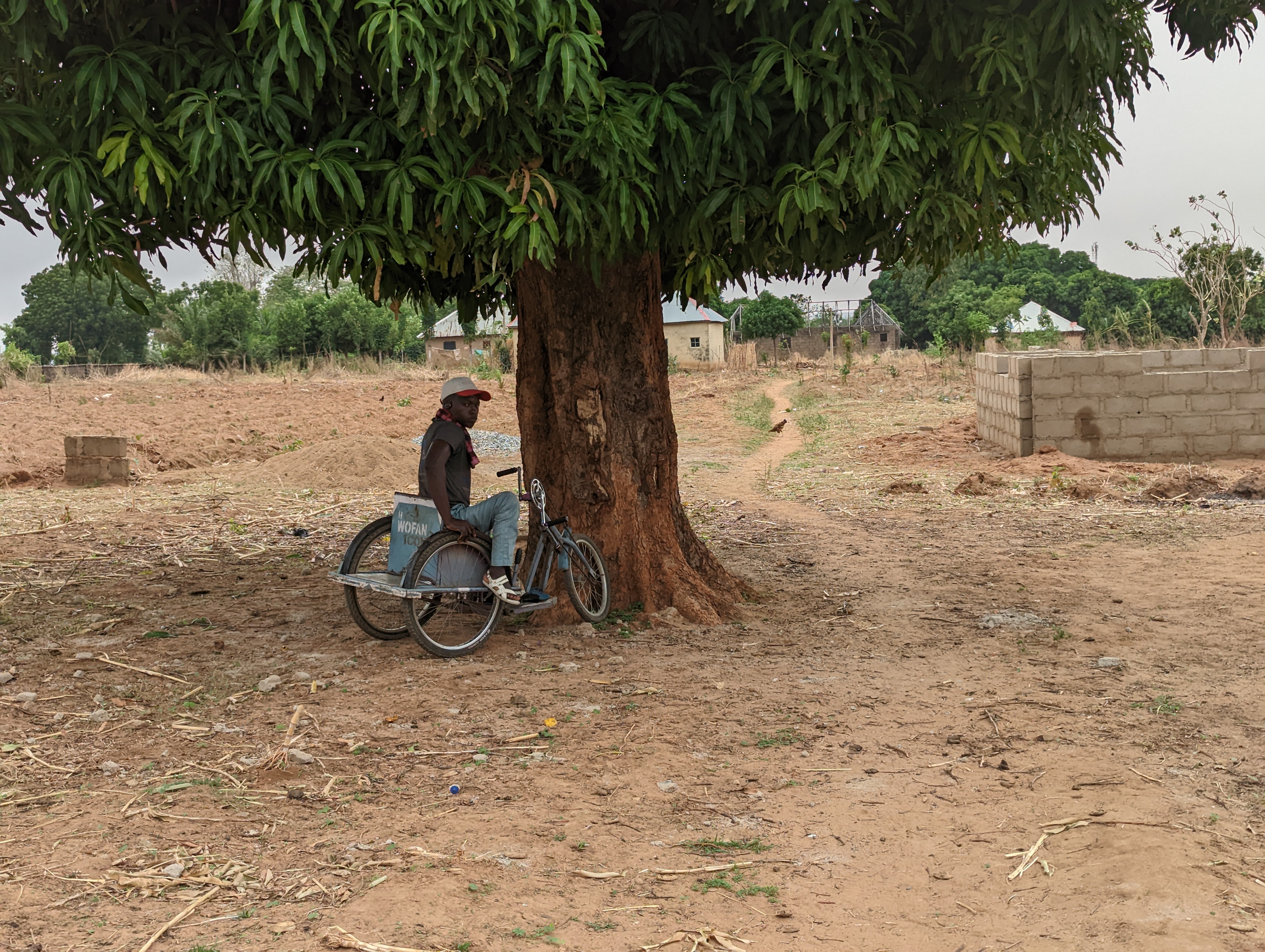
As Nigeria’s growing insecurity crisis spreads, disabled people face barriers that can make escaping violence far more difficult. Across the country, they describe inaccessible emergency warnings, challenges reaching safety, disrupted livelihoods, and limited access to assistance during times of crisis. Their stories reveal how conflict is experienced differently when mobility, communication, and support cannot be taken for granted and how disability is too often overlooked in emergency planning and response.

The Cost of Surviving
After years of failed treatments for complex PTSD, Marian Siljeholm followed an unlikely lead into the underground world of MDMA-assisted therapy. What began as a search for healing became a journey through the science of trauma, the politics of prohibition, and the hidden global network of people risking their freedom to help others reclaim their lives. Their stories would change her own. As Marian writes, “The next morning, I woke with a thought as real as the bed: This is the first day of my life.”