News
‘Leadership Training is a Key Focus’
Building the Capacity of Women with Visual Disabilities in Nepal
January 3, 2024
Translated from Nepali.
KATHMANDU, Nepal – According to Nepal’s 2021 Census, 2.2% of the population has some kind of disability. Among those, 5.37% are estimated to be blind and 16.88% low-vision.
And yet, there is a low awareness about disability rights, specifically disabled women’s rights. As a result, there is a gap in disaggregated data and research on gender and disability, excluding women with disabilities from several government policies and programs.
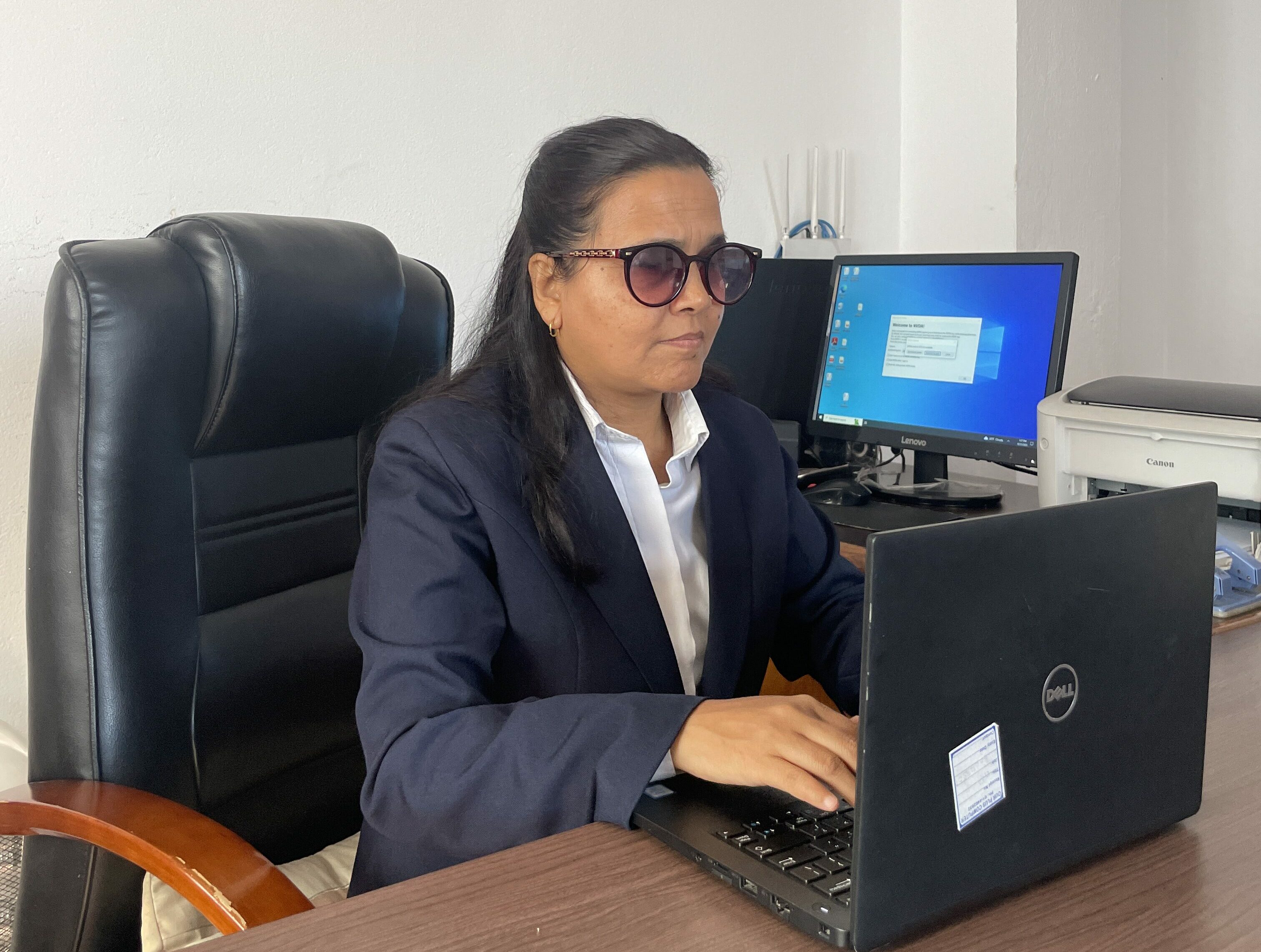
DJP Fellow Sita Sah interviews disability rights activist Neera Adhikari about the challenges faced by women with disabilities in Nepal.
Adhikari is the undersecretary of the Department of Women and Children under the Ministry of Women, Children and Senior Citizens in Nepal. She is the founder-president of the Blind Women Association Nepal (BWAN) and is currently associated with the organization as an advisor. In this edited interview, she shares her views on the steps taken by BWAN to advance the rights of women who are blind and low-vision in Nepal.
Question: What motivated you to start Blind Women Association Nepal?
Answer: I joined the Nepal Association of the Blind (NAB) as a member, started the leadership, and recognized the needs and issues faced by women with visual disabilities. The challenges and violence faced by visually impaired women motivated me to work for this marginalized group. With some help from my colleagues at NAB, I started BWAN to work for their upliftment.
Question: What is our society’s perception towards women with disabilities in our country?
Answer: The situation for women with disabilities living in urban areas is somewhat better, but for those residing in rural areas, it is still quite challenging. They often face discrimination from family and society which prevents them from venturing outside their homes. In a household where there are two children, one disabled son and one daughter, societal beliefs often favor sending the son to school while neglecting the daughter’s education, perpetuating biases.
Families tend to keep their disabled daughters confined to the house with the intention of providing them with a safe environment, but this restricts their ability to be self-sufficient and independent. Consequently, these women face limitations in their personal growth and leadership development.
In various aspects such as education, healthcare and employment, women with disabilities are lagging compared to disabled men.
Question: Which programs for rural women with disabilities has BWAN organized? How effective were they?
Answer: BWAN has organized targeted programs in rural areas in coordination with other friends, focusing on women with disabilities. While we’ve established committees in several districts, challenges persist in providing consistent support due to staffing and training constraints. Our efforts to assist vulnerable women with disabilities involved in [court cases, such as those involving sexual harassment, rape and property rights,] have seen progress, but sustaining their daily needs remains a challenge. Awareness programs have been delayed because our organization is small and we have a limited budget. We recognize the importance of these programs and are actively exploring creative solutions to [launch and conduct] them effectively within our resources.
Question: Could you talk about the rehabilitation center that the Blind Women Association Nepal has opened for women with visual impairments?
Answer: BWAN has established [a rehabilitation center] at Gaurigunj, Chitwan, in contract with a blind woman in her residence. With financial support from the provincial government, we have conducted various self-employment-based training programs, including snack-making and Phenyl (a brand of bathroom disinfectant) production. Additionally, this year, we organized mobility training, soap making, home science, and other activities. Sexual and Reproductive Health (SRH) training was also provided to both college-going and uneducated girls and women with vision impairments.
Our primary objective was to offer shelter to homeless women with vision impairments and to provide a secure environment for those who have experienced sexual harassment, abuse, violence and rape. The center serves as a shelter for these vulnerable individuals, aiming to address the challenges they face and provide the necessary support. Unfortunately, the financial limitations have forced us to discontinue the center, impacting our ability to extend vital assistance to those in need.
Question: What challenges do visually impaired women face in employment, especially in the private sector and foreign institutions? How are these challenges being addressed, and what solutions have been implemented?
Answer: Visually impaired women encounter significant obstacles in employment, particularly in the private sector and foreign institutions due to misconceptions and lack of accessibility. Employers often hesitate to hire them, citing concerns about their disability and limited capabilities. Efforts to bridge this gap have been limited, with issues like lack of accessible technology and awareness persisting.
In terms of solutions, BWAN is advocating for policy changes and conducting gap analyses with policymakers. We’re also focusing on economic upliftment through initiatives like capacity-building training, scholarships, and emergency funds. Plans are underway to establish a crisis management center addressing the unique needs of visually impaired women. Leadership training is a key focus for women with disabilities.
Sita Sah has over five years of professional experience spanning various sectors and NGOs and has most recently served as a project assistant at the Blind Women Association Nepal (BWAN) since February 2022. Alongside her professional pursuits, Sah is deeply passionate about creative writing, particularly short stories and poems. She finds solace in sad songs and enjoys reading novels in her leisure time.
News From the Global Frontlines of Disability Justice
A ‘Direct Threat’ to Democracy
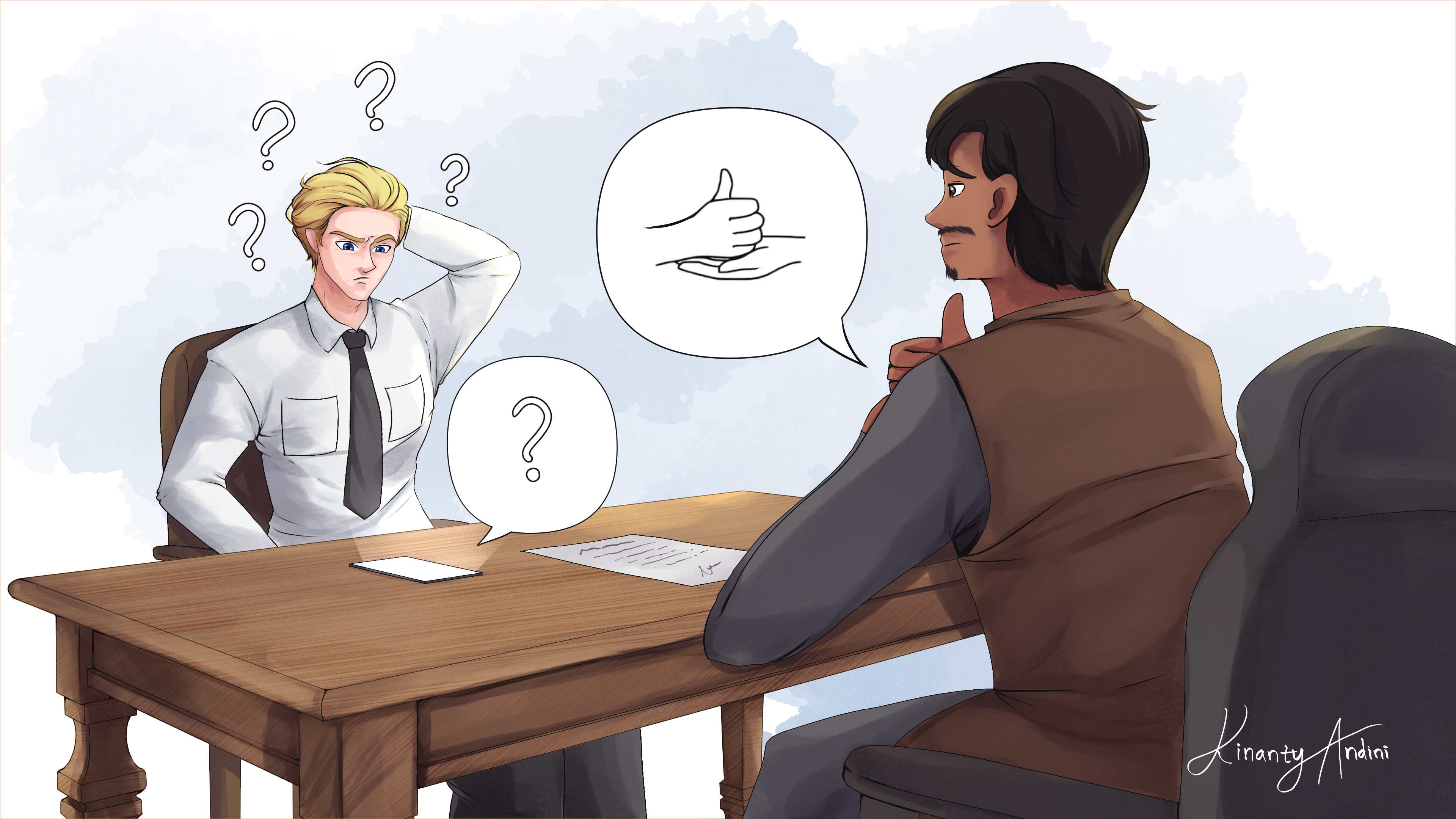
A Deaf asylum seeker from Mongolia spent five months in U.S. immigration detention without access to a sign language interpreter, leaving him unable to communicate with officers or explain his fear of persecution. His case raises questions about whether disability rights laws are being followed inside ICE facilities, where access to communication can determine the outcome of an asylum claim. Lawyer and advocate Qudsiya Naqui says the “absolute disregard” for disability rights under the Trump administration is a “direct threat” to democracy and rule of law.

‘Everything Has Gone Back’
Before Myanmar’s 2021 military coup, disability advocates were helping shape national policy for the first time in decades. Laws expanded access to education, transportation, and public life. Today, much of that progress has collapsed. A new UN report describes a “hidden crisis,” documenting targeted violence, deadly attacks, and the exclusion of people with disabilities from warnings, aid, and services. As conflict creates new disabilities and organizations are forced underground, advocates work quietly to preserve rights that once seemed within reach.
‘I Just Want to Walk Alone’
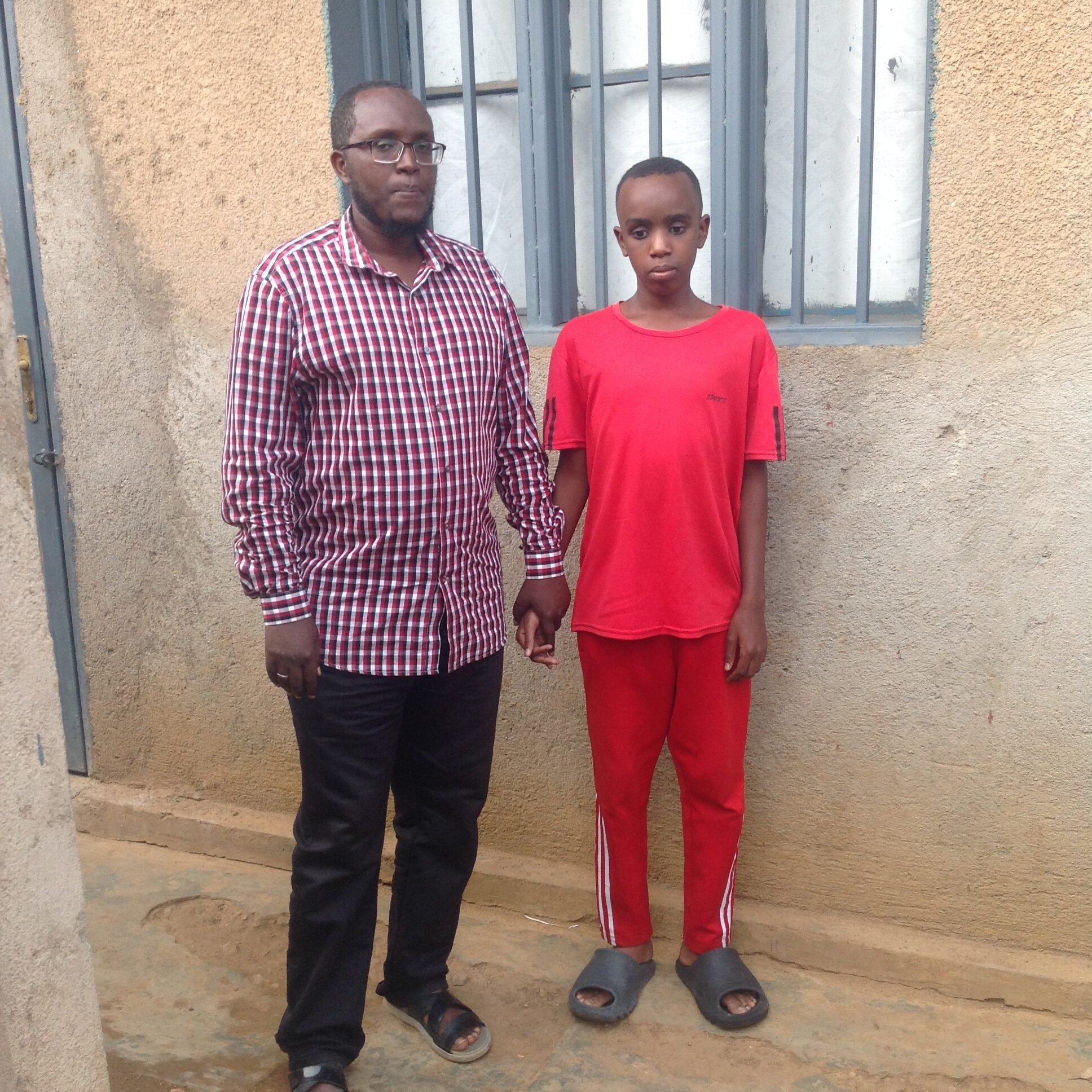
Fourteen-year-old Saifi Qudra relies on others to move safely through his day. Like many blind children in Rwanda, he has never had a white cane. His father, Mussah Habineza, escorts him everywhere. “He wants to walk like other children,” Habineza says, “He wants to be free.” Across Rwanda, the absence of white canes limits children’s mobility, confidence, and opportunity. For families, it also shapes daily routines, futures, and the boundaries of independence.
‘Evacuation Routes Are Meant for People Who Can Run’
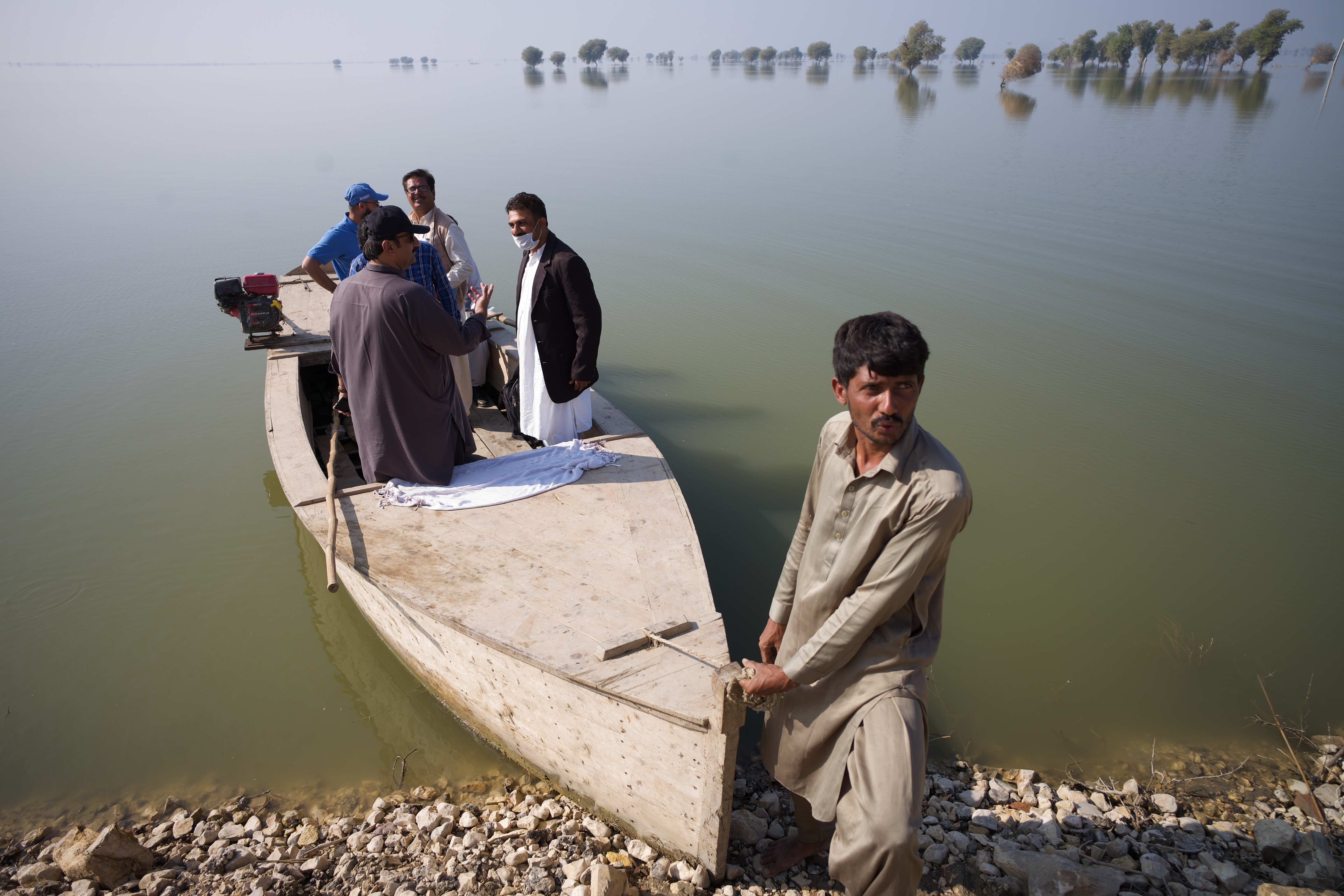
As climate change and conflict intensify across Pakistan, emergency systems continue to exclude people with disabilities. Warning messages, evacuation routes, and shelters are often inaccessible, leaving many without critical information when floods or violence erupt. “Evacuation routes are built for people who can run,” Deaf author and policy advocate Kashaf Alvi says, “and information is broadcast in ways that a significant population cannot access.”
Read more about ‘Evacuation Routes Are Meant for People Who Can Run’
Autism, Reframed
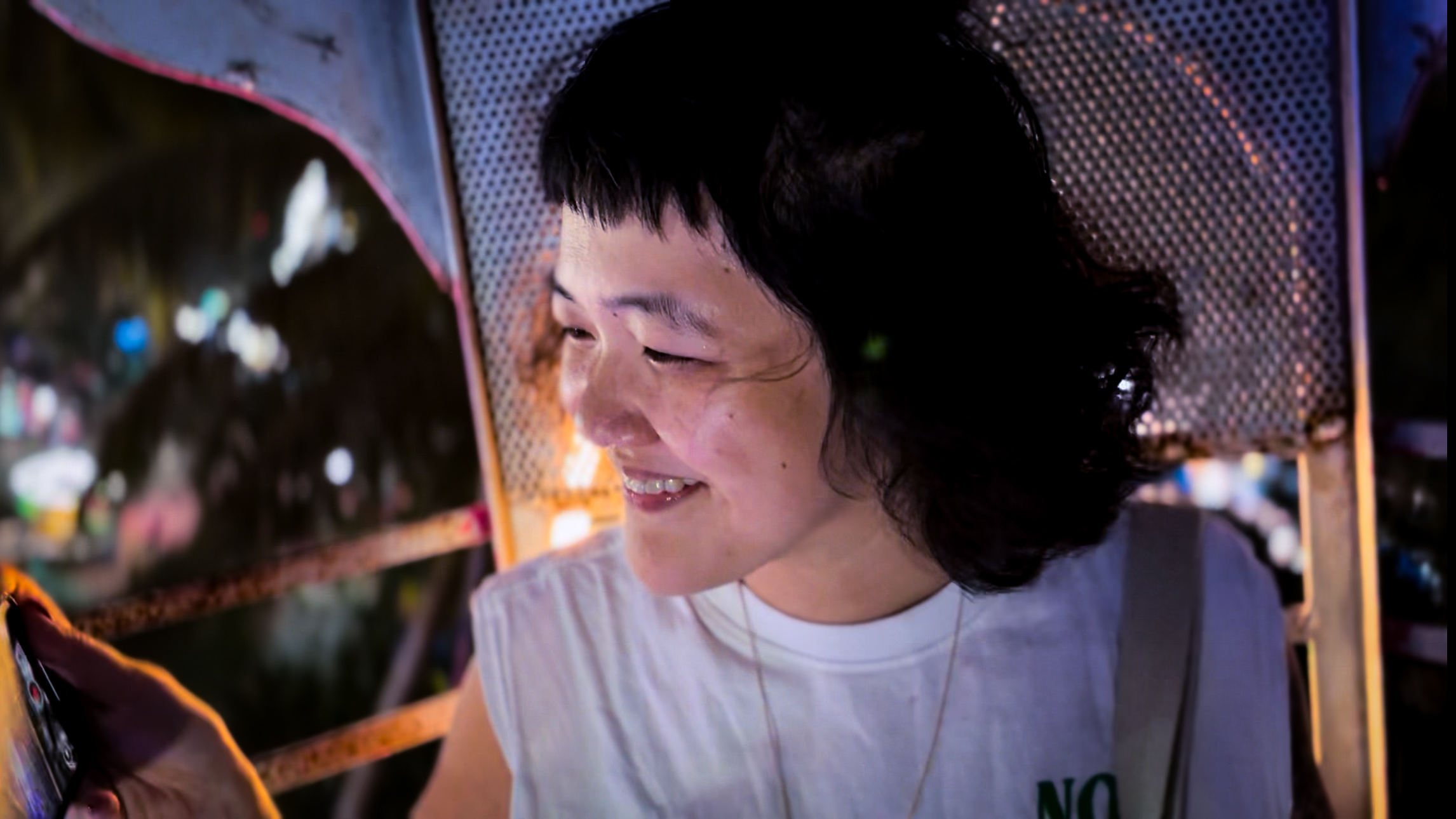
Late in life, Malaysian filmmaker Beatrice Leong learned she was autistic and began reckoning with decades of misdiagnosis, harm, and erasure. What started as interviews with other late-diagnosed women became a decision to tell her own story, on her own terms. In The Myth of Monsters, Leong reframes autism through lived experience, using filmmaking as an act of self-definition and political refusal.
Disability and Due Process
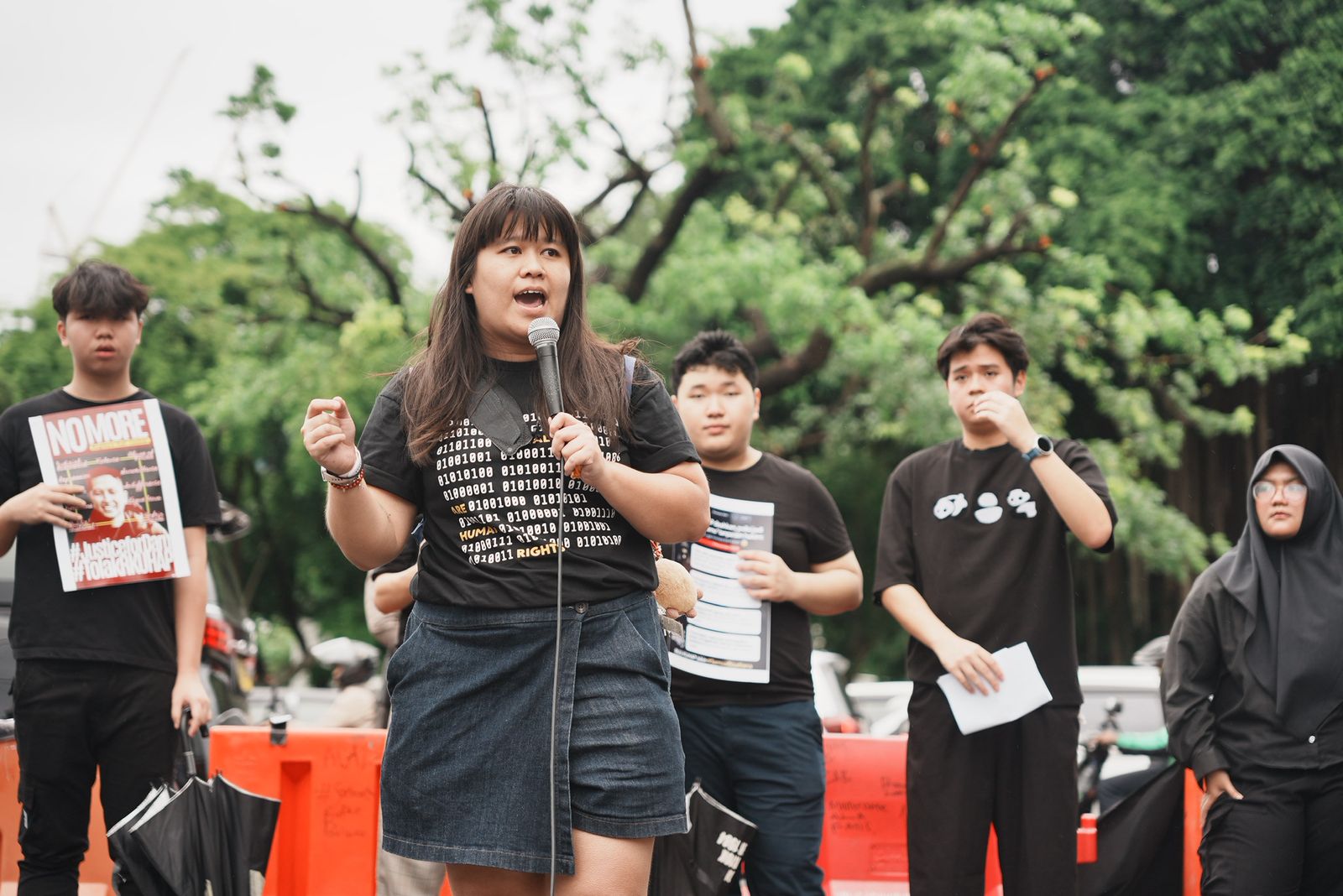
As Indonesia overhauls its criminal code, disability rights advocates say long-standing barriers are being reinforced rather than removed. Nena Hutahaean, a lawyer and activist, warns the new code treats disability through a charitable lens rather than as a matter of rights. “Persons with disabilities aren’t supported to be independent and empowered,” she says. “… They’re considered incapable.”