News
LGBTQI + People with Disabilities Should Not Be Left Behind
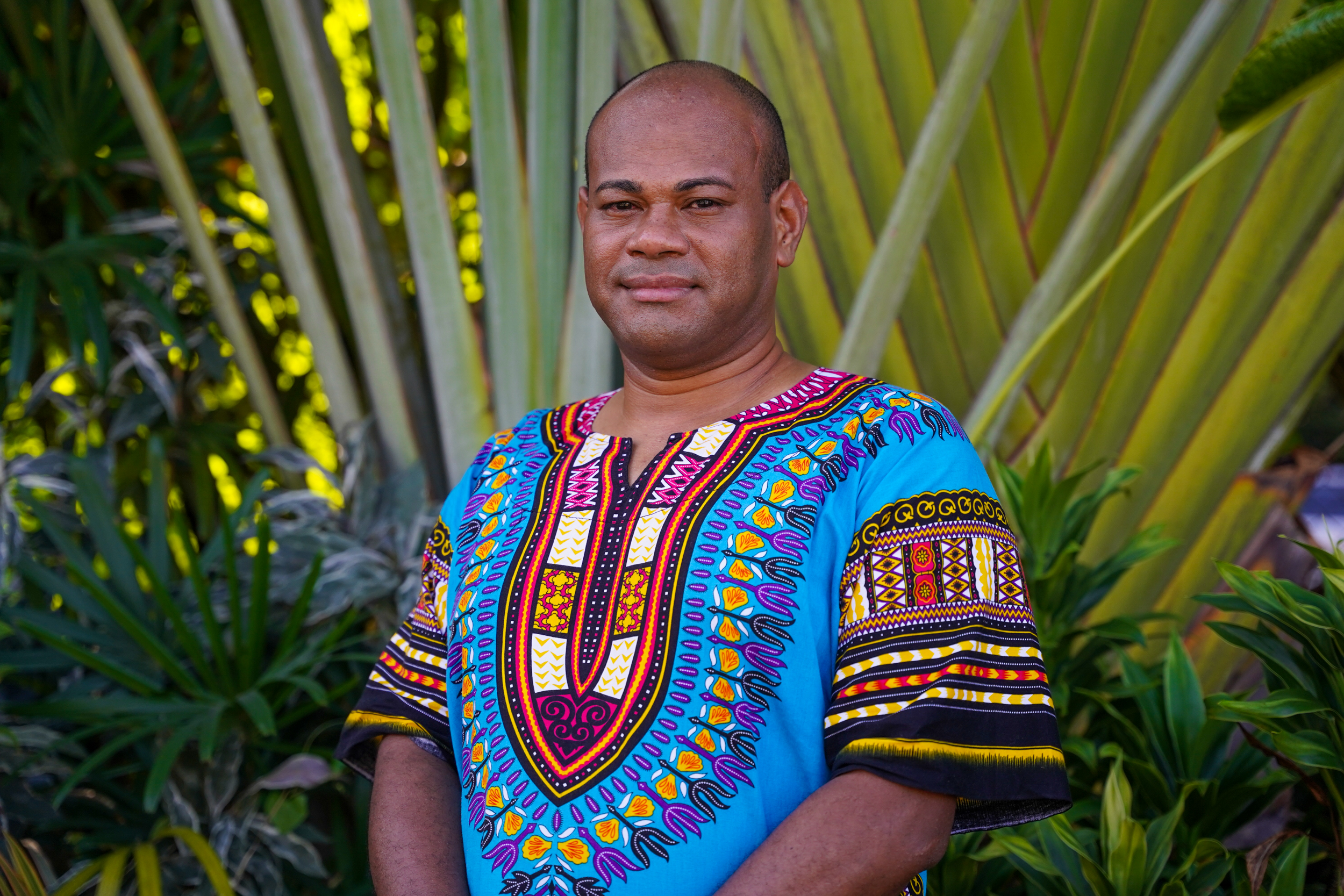
Disability Justice Project Fellow Isoa Nabainivalu from Fiji is Creating a Safe Space For Members of His Organization to Feel Comfortable About Their Sexual Orientation and Identity
June 30, 2023
APIA, Samoa – Isoa Nabainivalu is a Deaf disability rights advocate for his country of Fiji. Since 2019, he has been focusing on advocating for the rights of one of the more marginalized groups in the Pacific – LGBTQI+ persons with disabilities.
Question: Can you introduce yourself and your role in the Disability Pride Hub?
Answer: Bula to everyone watching. I’m Isoa, and I’m from Fiji. I work at the Disability Pride Hub as an assistant project officer. I started back in 2019 as a member of DPH. This started off with Krishna [Sen] being the founding person for this hub, so he invited me to come to meetings and gatherings, and from then on we were able to just work together, provide the support to each other and coming out with our orientations.
Question: In your own opinion, how vulnerable are persons with disabilities who are also LGBTQI+ in Fiji to violence and abuse? Is it a concern to you?
Answer: This is very concerning for persons with disabilities because there has been discrimination. And also some family members are not yet aware or even the members themselves are afraid to come out to their family because of discrimination, because of the taboo in the family and in the community. So it is taking long, and in this process, members are suffering.
Question: What would be the priority for yourself as an advocate in supporting the rights of members of the LGBTQI+ community in Fiji?
Answer: First and foremost for us is for our members to come out, to feel comfortable, to know their rights and know how to use them in different spaces, especially with government agencies in areas of employment, education, even in society itself, in the communities that they belong to. Just setting the right foot there in the community and other areas of their lives.
Question: Are you worried that when they do come out that they will face discrimination or do you feel that you have a good support network to support them when they do come out?
Answer: We are there. We are growing in numbers. And also we’ve been able to network with other organizations.
Question: So what would be your vision for the community in regards to persons with disabilities who are members of the LGBTQI + community?
Answer: My vision would be that nobody is left behind. So that mantra goes with us as well, that we work together as a community.
Faaolo Utumapu-Utailesolo is a program officer for the Pacific Island Countries for the Disability Rights Fund. She works closely with the program team and serves as a liaison between the funds and grantees in the Pacific Island Countries. @2023. All rights reserved.
News From the Global Frontlines of Disability Justice
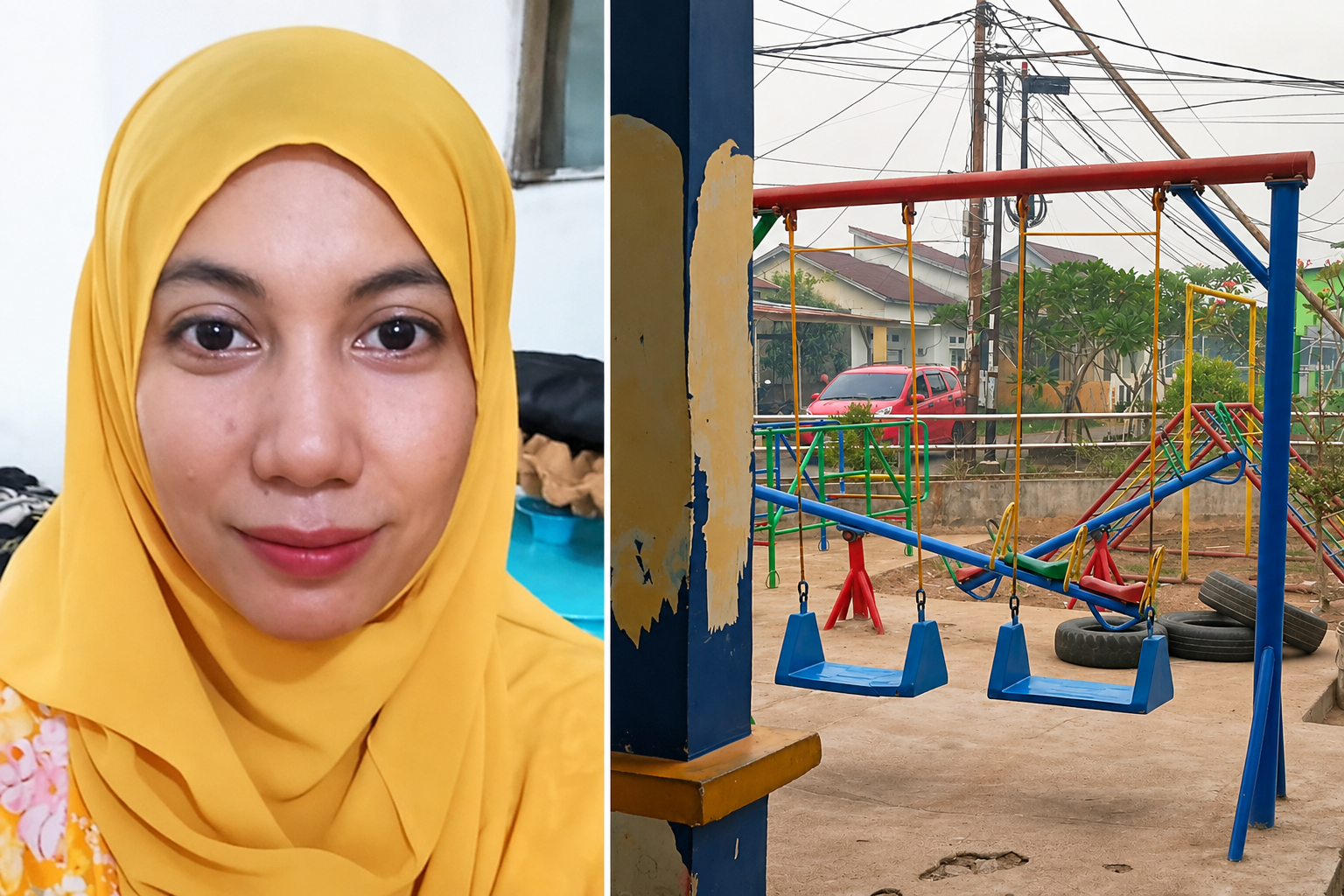
‘We Only Ask to Be Noticed’
“I woke up choked and suffocated inside my locked room,” says Nur Hamda, “smelling burnt timber, with my eyes stinging, even while closed.” Smoke from Indonesia’s wildfires is seeping into homes, keeping people from work, and making it difficult to breathe. For Indonesians with disabilities, inaccessible warnings, unsafe evacuation routes, and limited healthcare make the crisis even harder to navigate. Now, disabled advocates are asking why their needs continue to be overlooked.
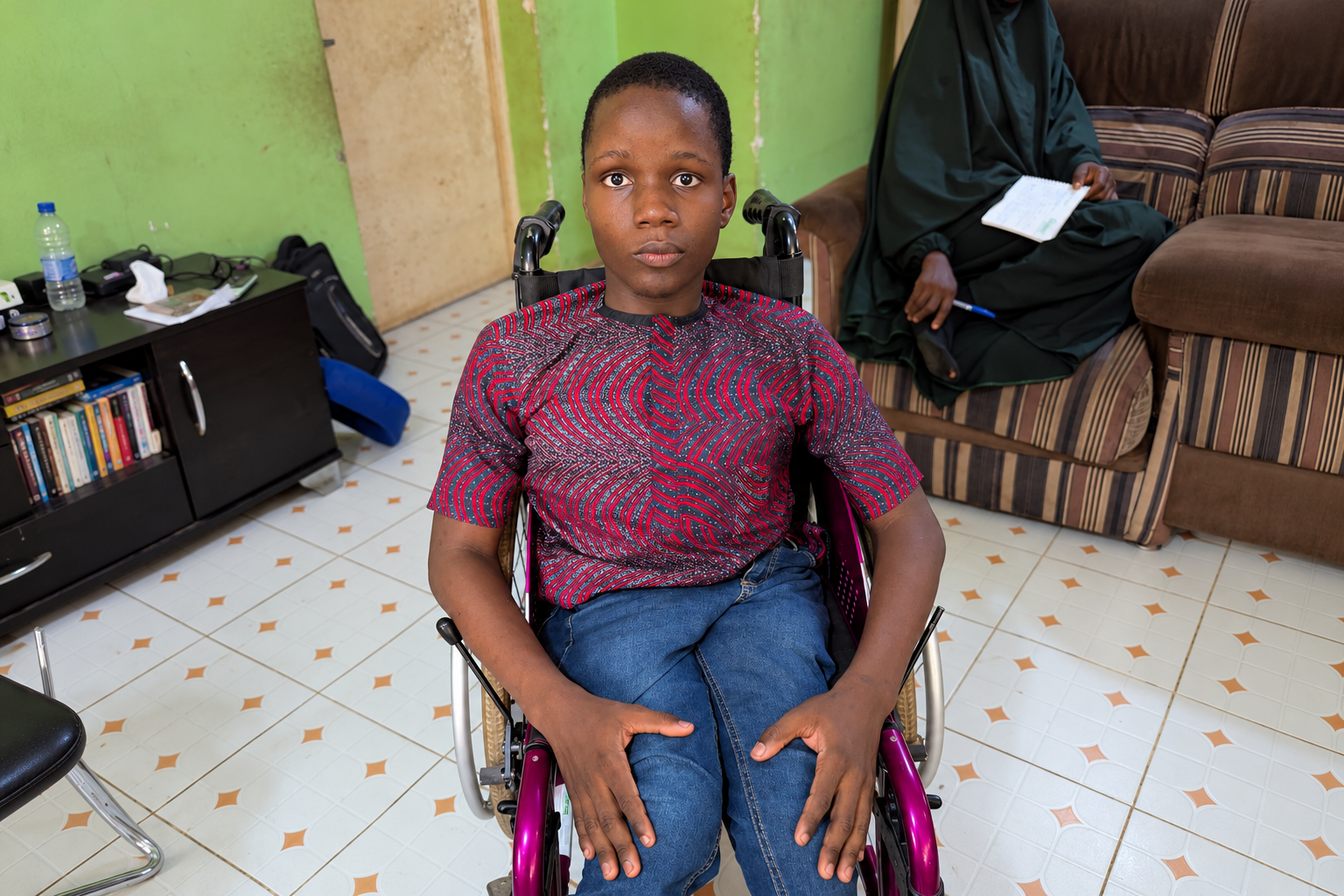
Not Accessible For Me
In Nigeria, children and adults with spina bifida and hydrocephalus continue to face discrimination, inaccessible schools, unaffordable healthcare and barriers to public transportation. Despite legal protections, many are still denied basic rights, leaving families to shoulder the financial and emotional costs. More than two years after a deadline for public institutions to become accessible, the gap between what the law promises and what disabled Nigerians experience remains wide.
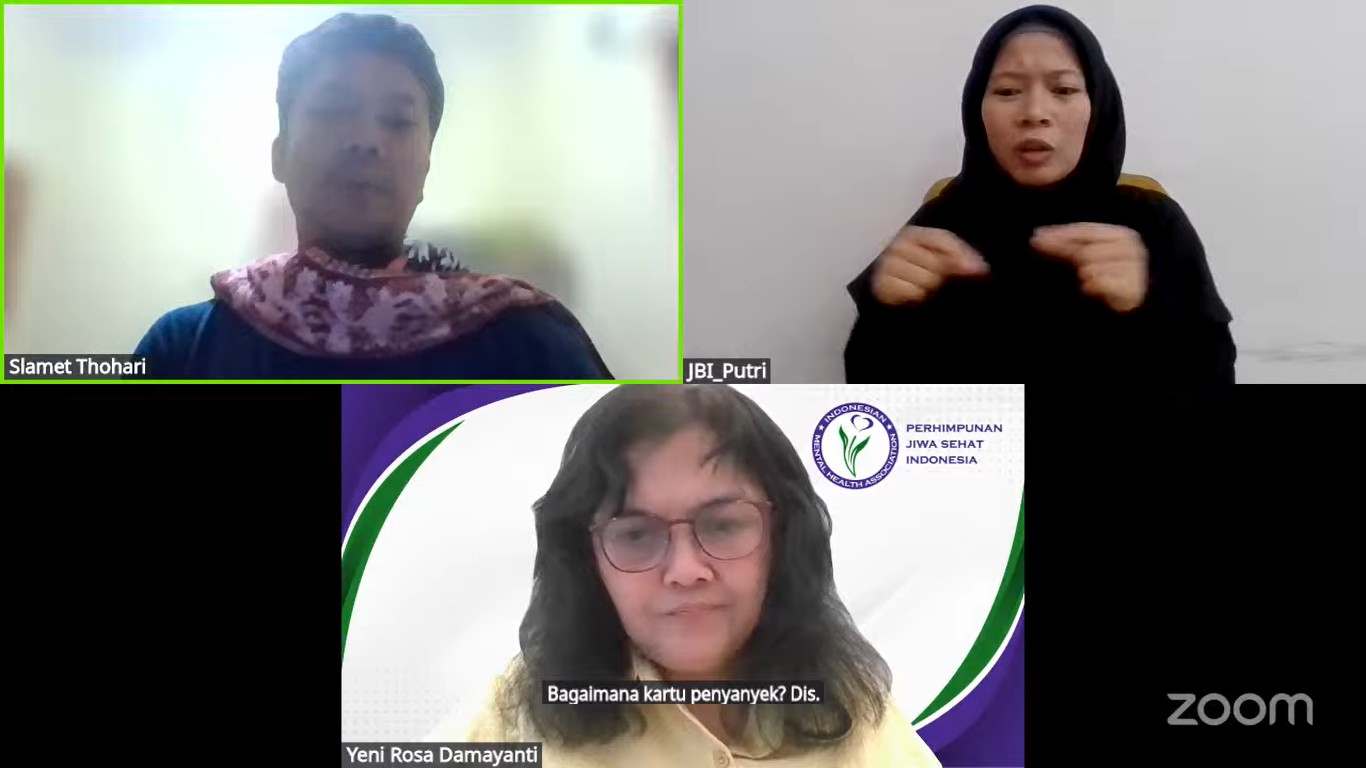
Reducing the Disability Tax
Indonesia has adopted a new regulation aimed at reducing the extra costs disabled people face, guaranteeing discounts across nine sectors, including health care, transportation and assistive devices. But disabled Indonesians say fees and administrative hurdles involved in obtaining the documents needed to access those rights could leave some people behind. As the government begins implementing the policy, advocates are calling for disability assessments to be free and accessible.
Joy As Resistance
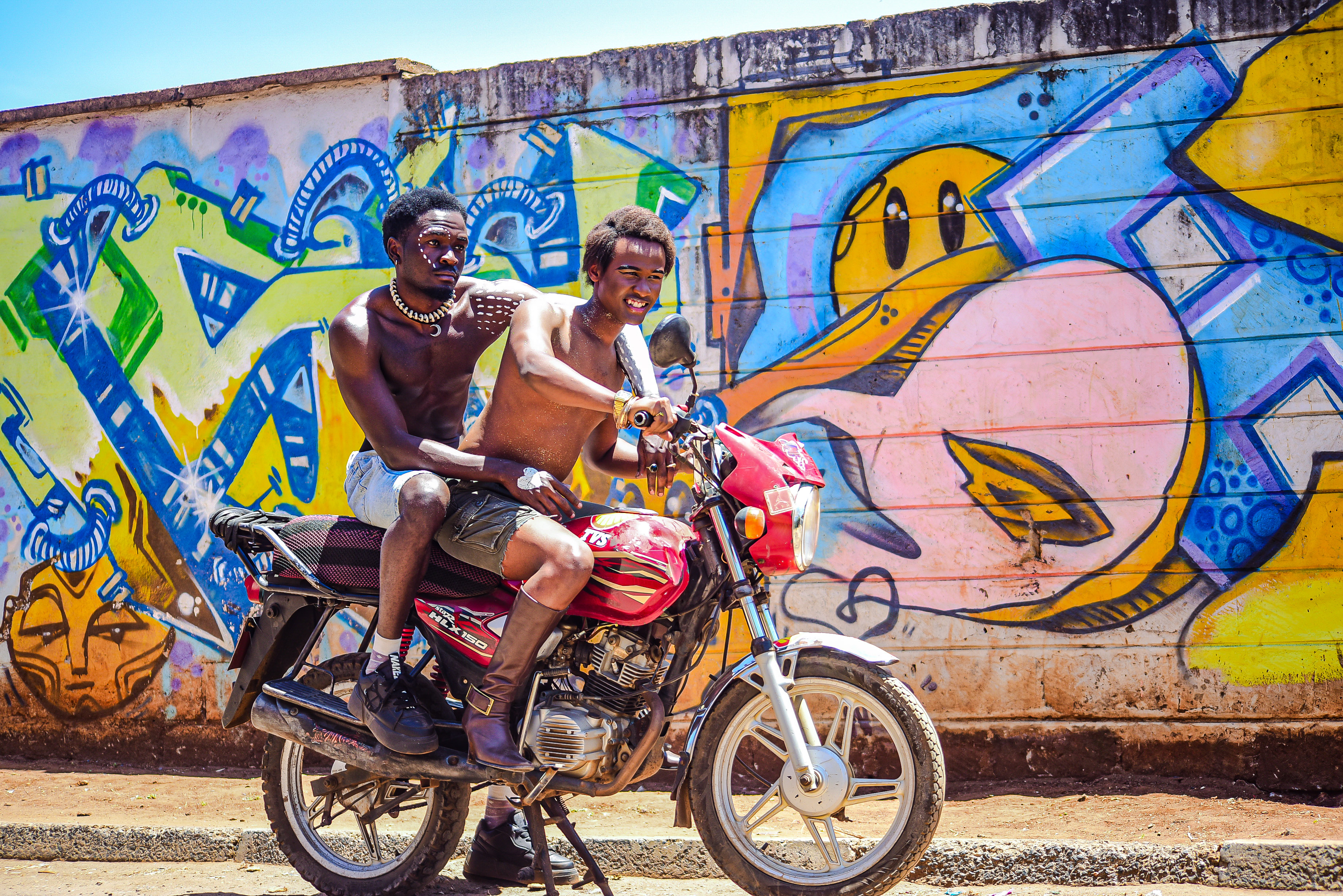
In Kenya, queer and disabled people are finding common ground around questions of identity, access, family, and belonging. Ahead of a Nairobi event exploring where disability and queerness intersect, organizers and participants talk about the communities they have found and the spaces they are trying to create. “Queer people and disabled people share way more than they think they do,” says one organizer. The event will use storytelling, art, performance, and what its organizers call “queer joy” to start a conversation they say is long overdue.
The Politics of Waiting, Wanting, and Hoping
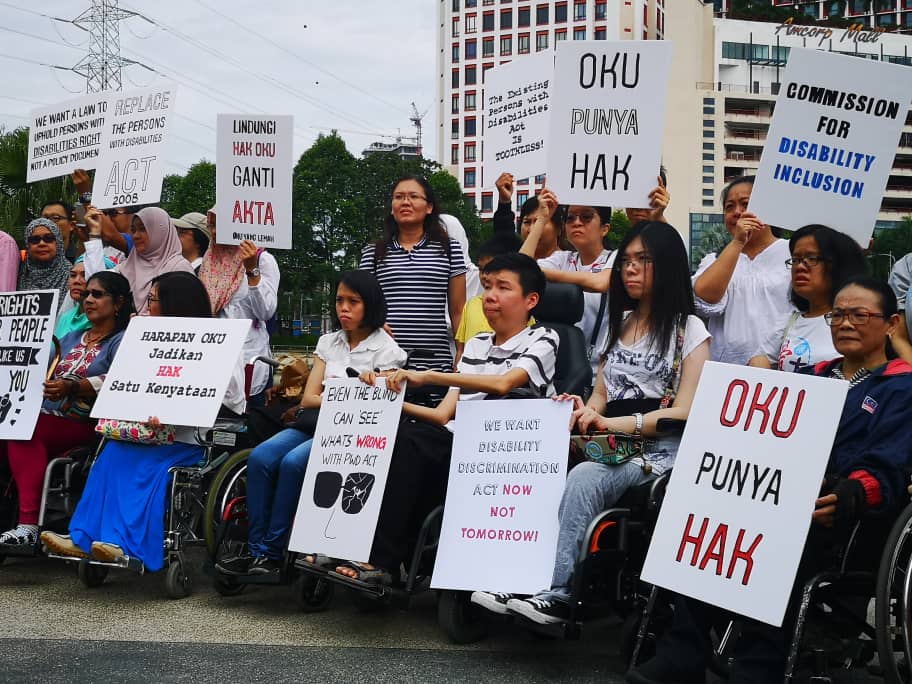
In Malaysia, disability exclusion is rarely one dramatic denial. More often, writes Beatrice Leong, it is “a series of ordinary delays” — inaccessible schools, symbolic consultations, policies without enforcement, and a system that asks disabled people to wait patiently for dignity and belonging. Blending personal reflection with political analysis, Leong examines what happens when inclusion is promised repeatedly, but justice never fully arrives.
Read more about The Politics of Waiting, Wanting, and Hoping

Beyond the ADA
The ADA’s influence extends far beyond the United States. It helped shape a growing international approach to disability rights that eventually contributed to the development of the CRPD. But global disability movements have also expanded on ideas that U.S. law has yet to fully embrace. “I think many U.S. disability rights activists were surprised to find out how much we could learn from the international community,” says Eric Rosenthal, founder and executive director of Disability Rights International.