News
Joy As Resistance
Wanjiku Talks Queer Is Opening a Conversation About Disability, Queerness, and Belonging in Kenya
September 15, 2026
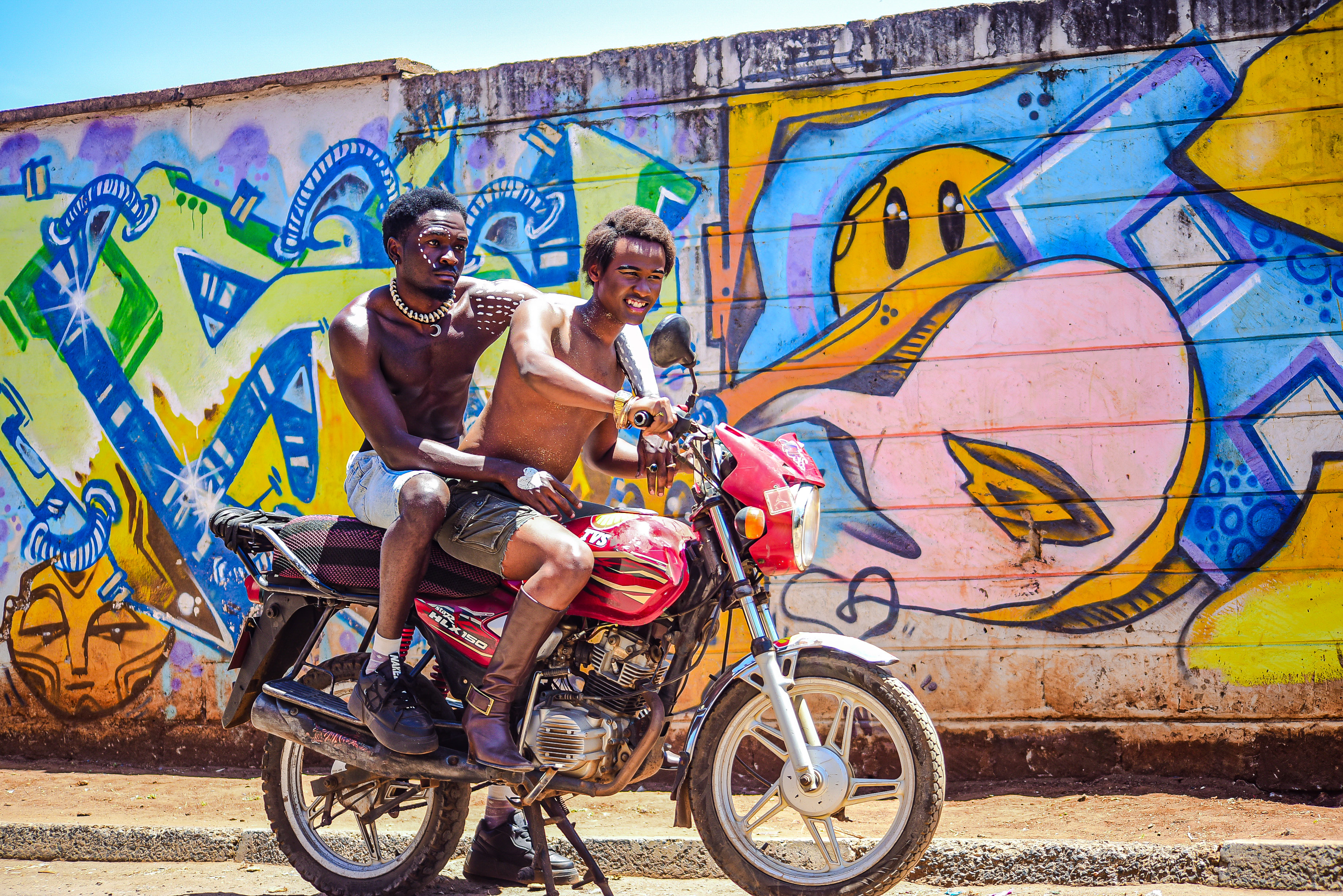
NAIROBI, Kenya — For Wanjiku Mwangi, joy is not secondary to her work as a Kenyan lawyer, journalist, and activist. She says joy is essential. “In every event that we’ve done, and in everything that we do, joy has to be a part of it,” she says. “Joy is a form of resistance.”
That idea will take center stage on September 26, when Mwangi’s Wanjiku Talks Queer hosts an event in Nairobi exploring the intersection of queerness and disability through storytelling, art and performance.
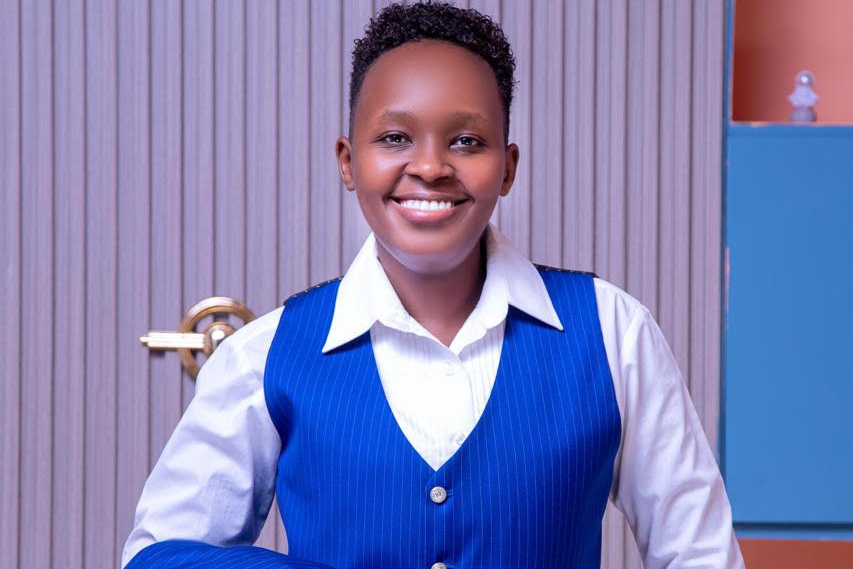
For Mwangi, that joy exists alongside the structural and social barriers queer Kenyans face, and a separate set of barriers facing disabled Kenyans — barriers that overlap and compound for people who are both queer and disabled.
Kenya’s constitution does not explicitly protect people from discrimination based on sexual orientation or gender identity, though it guarantees equal protection under the law. Courts have affirmed those protections for intersex people. The constitution defines marriage as a union between a man and a woman, and under the Penal Code, certain same-sex sexual acts remain illegal and can carry prison sentences of up to 14 years.
Against this backdrop, Mwangi founded Wanjiku Talks Queer (WTQ) in 2022, a queer-led storytelling and advocacy initiative in Kenya built around one idea: that queer people should be the ones telling their own stories. “One of the things that I really struggled with is our stories are also not told by us, and that’s how we are easily erased,” she says. She added that there is a prevailing stigma that “queerness is not African.”
For Mwangi, storytelling was about more than just public advocacy. It allowed her to find and form community, which she says carried her through periods when her own family couldn’t. “The community that I have had around … has been a huge source of support and strength,” she says, “especially because I lacked family support a little bit earlier on.”
The people around her now, she says, are there by choice. “Even as I lived through life, I curated intentionally,” she says. “These are the people who’ve held me up.”
Found Family
That story of found family and community isn’t unique to Mwangi. Others that Mwangi has brought into WTQ’s work have had similar experiences. Olivia Lumadede, a 27-year-old blind teacher and actress from Nairobi, was sent away to a boarding school at the age of four. She grew up assuming her sighted peers didn’t want her around.
“I previously could not love myself or even accept myself,” she says. “So when I started knowing who I am, understanding what I have, understanding where I come from, like understanding me, at least I developed some love towards myself.”
Lumadede’s world opened up further after she found joy and connection in the disability community. “The disability community has become my chosen family,” she says.
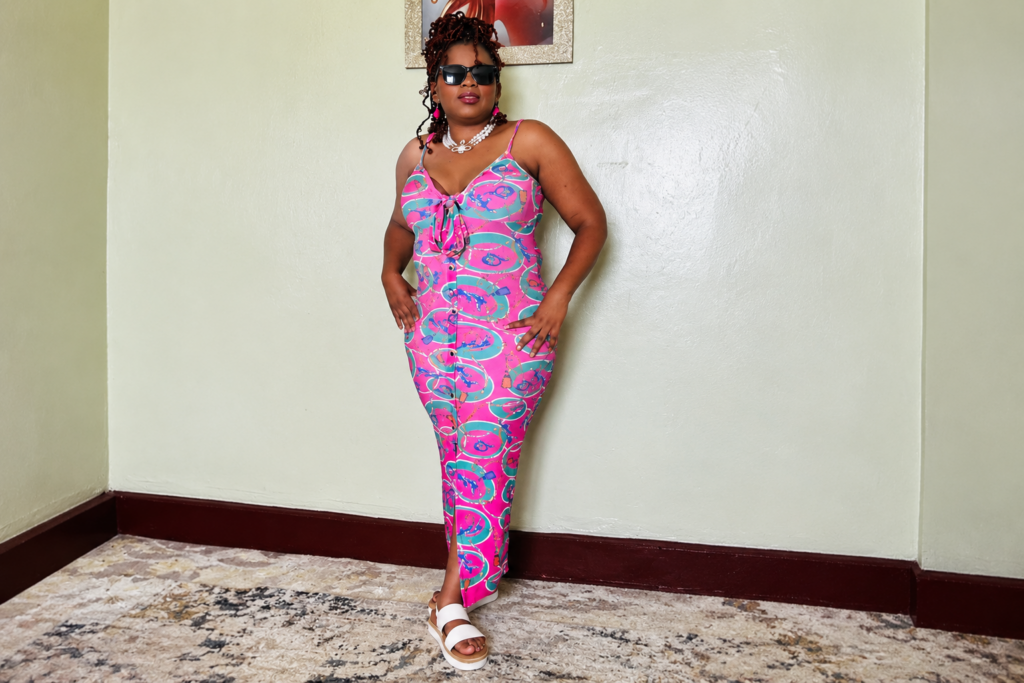
That community offered her something Kenya’s legal system does not fully guarantee. Article 54 of the constitution promises people with disabilities reasonable access and protection from discrimination, but in practice, that protection often falls short of the everyday accommodations disabled Kenyans actually need.
Working with WTQ on the September 26 event is Lumadede’s first collaboration with the LGBTQ community, but she says that, like the disabled community, she has felt a similar sense of belonging. She says that both groups face similar discrimination or, as she puts it, “ridicule.”
“I really feel part of them,” she says of her queer friends. “So I make them my chosen community as well.”
Many organizers at WTQ, however, have never worked with a totally blind person before, and Lumadede has taken on the role of helping them understand the accessibility needs of others who are blind or have low vision. “Most of the time, people tend to assume that it’s hard,” she says of working with blind and low-vision individuals. “They don’t even try to engage us to ask how they can incorporate us. They just assume that it will not be easy, and that’s the end of it.” What Lumadede wants instead is simple. “We should be made part of the fun activities,” she says. “We should feel like part of them.”
Living at the Intersection
For Joan Cherotich, that same search for fun and belonging began years earlier, and from a different set of circumstances. A 30-year-old teacher, citizen journalist, and human rights activist based in Nakuru, Cherotich spent much of her adolescence navigating what she describes as an identity crisis as an African womxn of asexual, gender-nonconforming experience. Her sense of self was upended again when she developed epilepsy as a teenager.
Books helped her make sense of both identities. Stories, she says, expanded her understanding of herself and the world, and eventually opened a path toward self-acceptance. Storytelling, and “story-sharing,” became her way into the community as well.
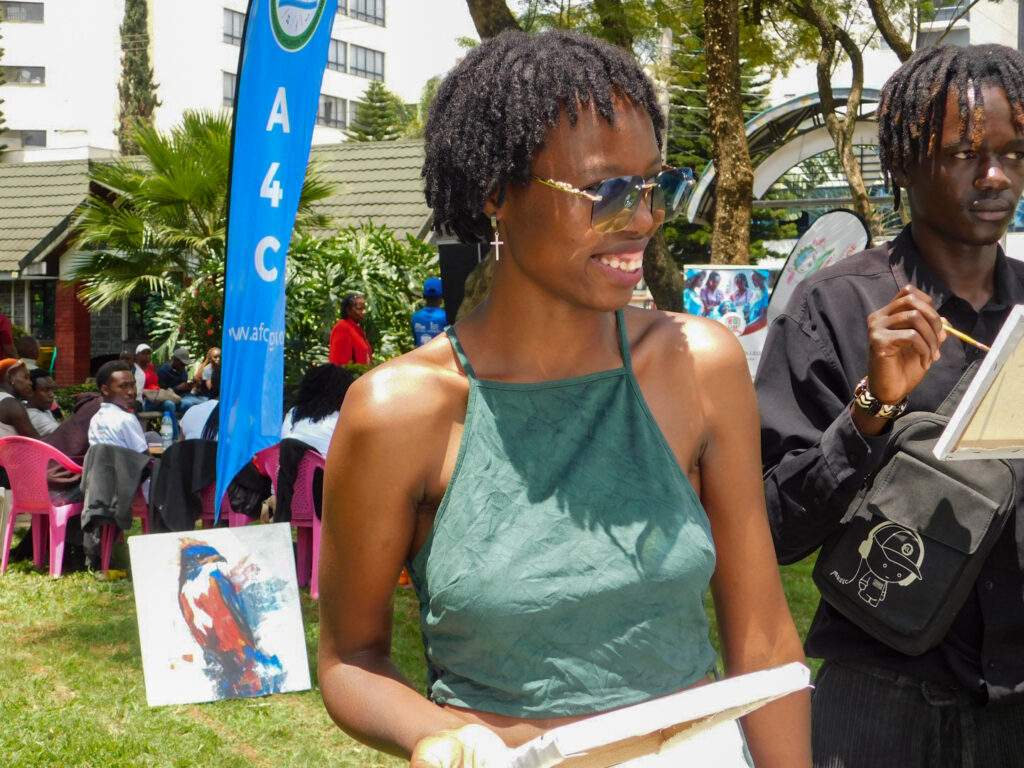
Cherotich now leads WTQ’s book club, which has met on the last Sunday of every month for two years, working through books centered on queer characters and the conflicts they face. Through that work, she’s come to see disability and queerness as connected beyond a shared list of legal exclusions.
“There are a lot of similarities between the experiences of queer people and the experiences of disabled people,” she says. “Queer people and disabled people share way more than they think they do.”
She also points to something specific to living at that intersection: a loneliness that accessibility alone doesn’t solve. Disabled queer people, she says, can receive every accommodation they need and still find themselves cut off from romantic or sexual connection, still unable to fully reach that part of themselves. “You start to wonder,” she says, “if you are just going to be lonely forever and ever.”
You start to wonder if you are just going to be lonely forever and ever.
What has kept that loneliness from defining her own life, she says, is the same thing Mwangi describes: chosen family. “It’s definitely not really the people I was raised with or the people that raised me,” Cherotich says. “I tend to be closer to my friends that I met along the way; we are family. It really gives me strength and really motivates me.”
The First of Its Kind in Kenya
On September 26, the principle that community can be built rather than simply inherited will take on a public form. WTQ is hosting Intersectional Voices: Queerness & Disability in Kenya, an event Cherotich believes will be the first of its kind in the country. “I’m really excited to see what it’s going to bring and what waves it will bring,” she says. “I really hope it’s going to touch people and just bring forth questions,” rather than allow the subject to be swept under the rug, as she puts it.
The event includes a cartoon exhibition by two Kenyan illustrators, exploring themes like family, love, faith, healthcare, and justice through the lens of queer disabled life, paired with moderated conversations with the artists about their creative process. There will be live storytelling from queer people with disabilities and a performance stage featuring dramatic monologues, play readings, and live artistic collaborations. A drag showcase will feature performers with and without disabilities sharing the same platform. The night closes with what WTQ is calling a queer joy celebration, led by five DJs.
Disabled people also have fun. Disabled people have a life; they live full lives.
Cherotich hopes the event reshapes how audiences see disabled and queer Kenyans. “Disabled people also have fun. Disabled people have a life; they live full lives,” she says. She wants people to walk away asking a different question than they’re used to. “So perhaps people will see that there are other people here who actually fall in love, and think, ‘How do I accommodate such a person in my life?’” What she wants most, she says, isn’t pity. “They want to be absorbed into community, into society, into every level of life.”
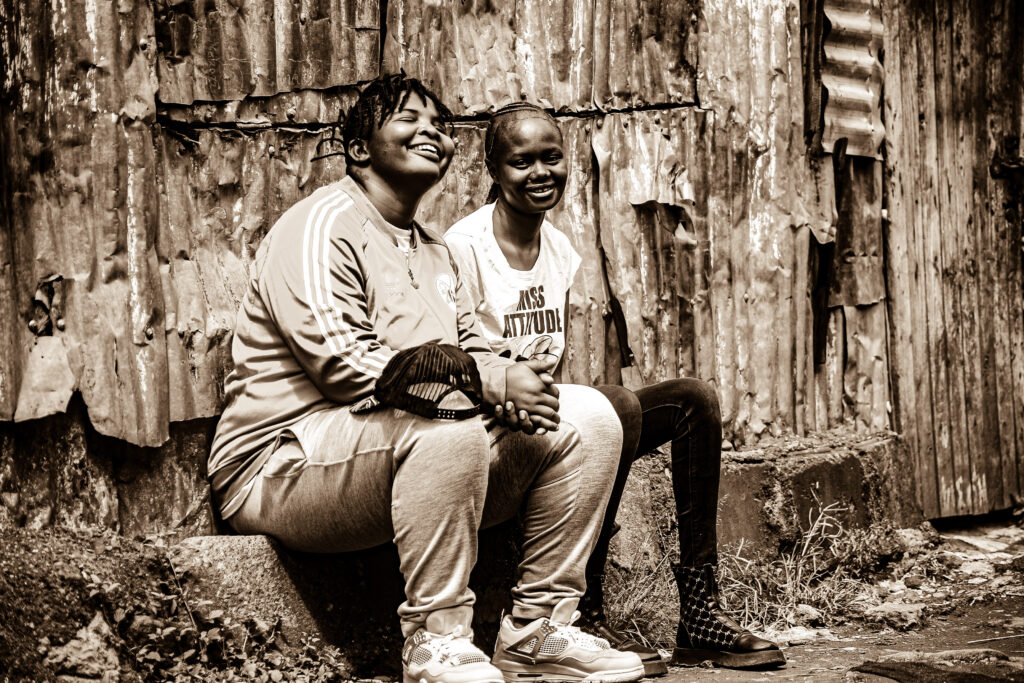
Even WTQ’s own planning has run into the gap between that ambition and what Nairobi currently offers. An accessibility assessment the organizers conducted found that most event spaces in the city aren’t built for disabled attendees, and the few that are tend to fall outside the group’s budget. As of today, organizers are still searching for a venue that can hold the event they’ve designed. The complication is representative of the challenges that WTQ works to address. As Mwangi sees it, inclusion has to be crafted, not assumed.
Joy, in Mwangi’s telling, doesn’t wait for permission. It is what people can experience even as the barriers around them stay in place.
Sarah Mesdjian is a recent graduate of Northeastern University in Boston, Massachusetts. Across her experiences in public affairs, journalism, and tech, her passion is making information accessible and understandable to all.
Reporting by Taylor Blackley
News From the Global Frontlines of Disability Justice
Reducing the Disability Tax
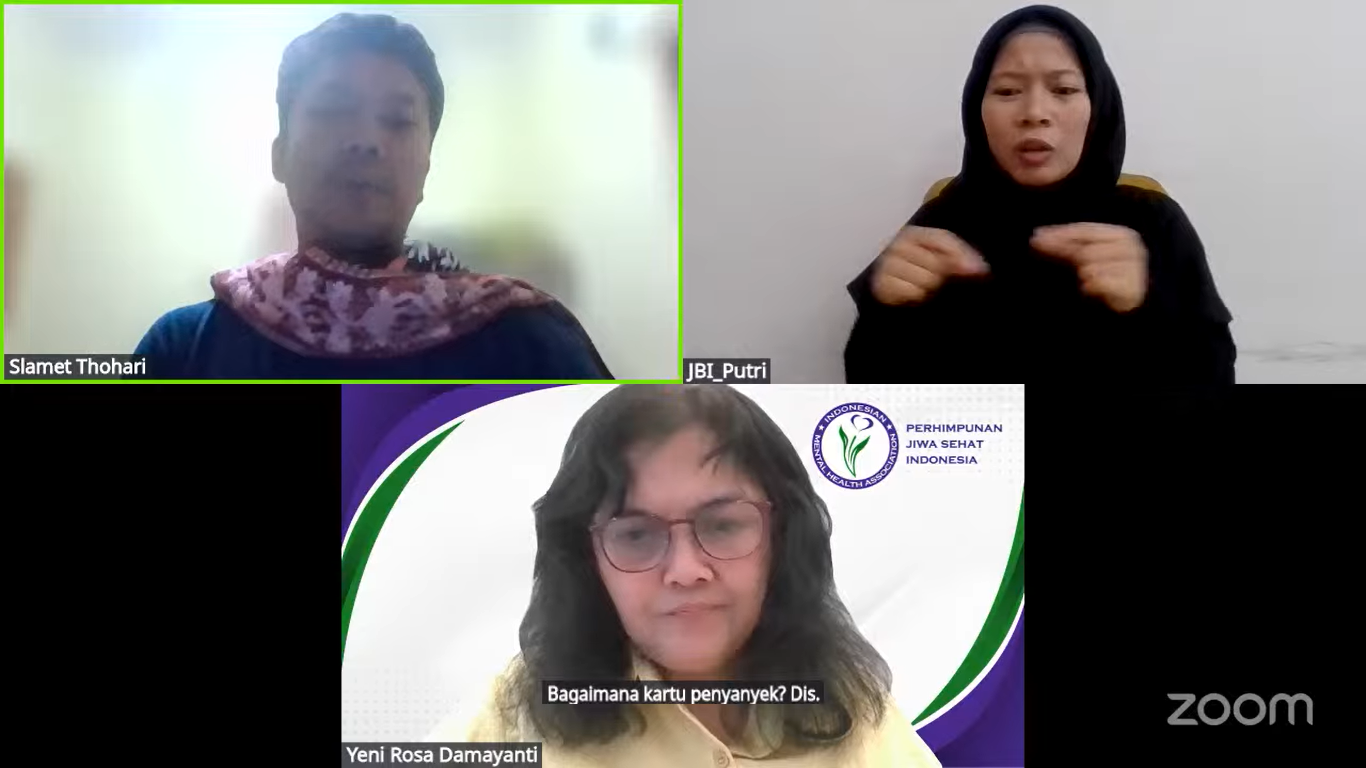
Indonesia has adopted a new regulation aimed at reducing the extra costs disabled people face, guaranteeing discounts across nine sectors, including health care, transportation and assistive devices. But disabled Indonesians say fees and administrative hurdles involved in obtaining the documents needed to access those rights could leave some people behind. As the government begins implementing the policy, advocates are calling for disability assessments to be free and accessible.
Joy As Resistance
In Kenya, queer and disabled people are finding common ground around questions of identity, access, family, and belonging. Ahead of a Nairobi event exploring where disability and queerness intersect, organizers and participants talk about the communities they have found and the spaces they are trying to create. “Queer people and disabled people share way more than they think they do,” says one organizer. The event will use storytelling, art, performance, and what its organizers call “queer joy” to start a conversation they say is long overdue.
The Politics of Waiting, Wanting, and Hoping
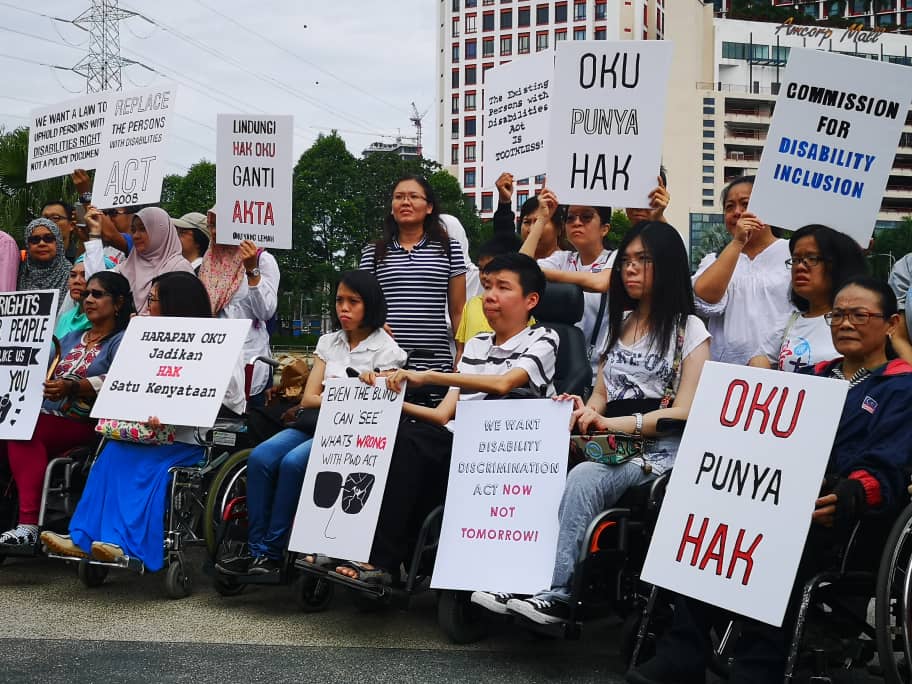
In Malaysia, disability exclusion is rarely one dramatic denial. More often, writes Beatrice Leong, it is “a series of ordinary delays” — inaccessible schools, symbolic consultations, policies without enforcement, and a system that asks disabled people to wait patiently for dignity and belonging. Blending personal reflection with political analysis, Leong examines what happens when inclusion is promised repeatedly, but justice never fully arrives.
Read more about The Politics of Waiting, Wanting, and Hoping

Beyond the ADA
The ADA’s influence extends far beyond the United States. It helped shape a growing international approach to disability rights that eventually contributed to the development of the CRPD. But global disability movements have also expanded on ideas that U.S. law has yet to fully embrace. “I think many U.S. disability rights activists were surprised to find out how much we could learn from the international community,” says Eric Rosenthal, founder and executive director of Disability Rights International.
Forgotten People
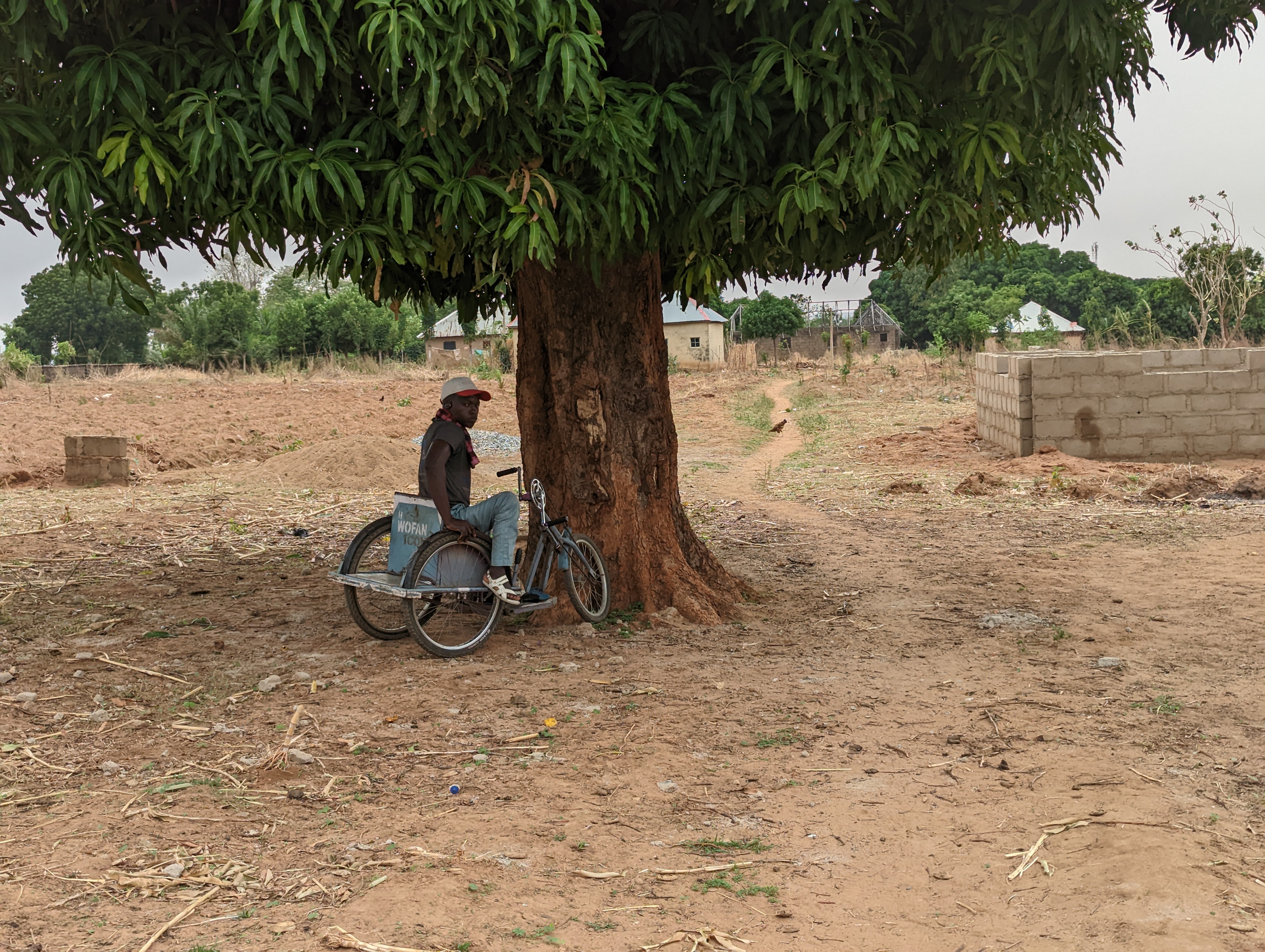
As Nigeria’s growing insecurity crisis spreads, disabled people face barriers that can make escaping violence far more difficult. Across the country, they describe inaccessible emergency warnings, challenges reaching safety, disrupted livelihoods, and limited access to assistance during times of crisis. Their stories reveal how conflict is experienced differently when mobility, communication, and support cannot be taken for granted and how disability is too often overlooked in emergency planning and response.
The Cost of Surviving
After years of failed treatments for complex PTSD, Marian Siljeholm followed an unlikely lead into the underground world of MDMA-assisted therapy. What began as a search for healing became a journey through the science of trauma, the politics of prohibition, and the hidden global network of people risking their freedom to help others reclaim their lives. Their stories would change her own. As Marian writes, “The next morning, I woke with a thought as real as the bed: This is the first day of my life.”