
News
Reducing the Disability Tax
Indonesia’s New Regulation Targets the Extra Costs of Disability, But Some Indonesians With Disabilities May Struggle to Access the Rights It Promises
October 5, 2026
YOGYAKARTA, Indonesia — Not long ago, a person with a disability in East Nusa Tenggara went to a health facility to get a Disability Certificate, a document meant to be a gateway to their rights. They left empty-handed because they couldn’t afford the roughly Rp 90,000 (about 5.50 USD) issuance fee.
“There are friends with disabilities who don’t have the money,” said Serafina Bete, a representative of PERSANI (Perkumpulan Daksa Kristiani, the Christian Association of Persons with Physical Disabilities) in East Nusa Tenggara, recounting the incident during a recent public discussion forum. “In the end, they go home without a Disability Certificate.”
The certificate is also valid for only three months, so the fee is not a one-time cost but a recurring one.
Barriers like this are part of what pushed the Indonesian government in July to pass Government Regulation (PP) No. 31 of 2026 on Concessions for Persons with Disabilities and Incentives for Companies. The regulation guarantees Indonesians with disabilities discounts in areas like health care and assistive devices, while offering incentives to companies that provide these discounts, employ disabled people, or make tourism services accessible. The good news is that the new regulation could provide a model for other countries looking to address the extra costs of disability. The challenge is making sure Indonesians with disabilities can actually access the rights it promises.
Voices from the Public Forum
The urgency of monitoring this regulation’s implementation came up at the national webinar “From Letter to Card, From Card to Rights,” held in August by Perhimpunan Jiwa Sehat Indonesia (PJS, the Healthy Soul Association), an organization advocating for the rights of persons with psychosocial disabilities, together with Brawijaya University and Sedikit Terlibat. The forum was organized to raise awareness of the new regulation and to give people with disabilities a platform to share their lived experiences navigating the Disability Card and Disability Certificate system, from cost barriers to administrative confusion that still stand between them and their rights.
Dhito Pemil Aprianto of the Directorate of Health Services for Vulnerable Groups at Indonesia’s Ministry of Health said an evaluation conducted over the past year found that many doctors remain uncertain about how to determine a person’s type and degree of disability. He pointed in particular to unfamiliarity with international disability classification standards, including how to assess limitations in a person’s activities and participation in everyday life.
The sharpest remarks came from Yeni Rosa Damayanti, chairperson of PJS. Speaking from her own experience, she revealed that in Jakarta, the cost of obtaining a Disability Certificate to confirm her own psychosocial disability at a referral hospital can reach Rp 600,000 to Rp 800,000 (roughly 37 to 49 USD), an amount, she said, that causes many people to give up on the process altogether.
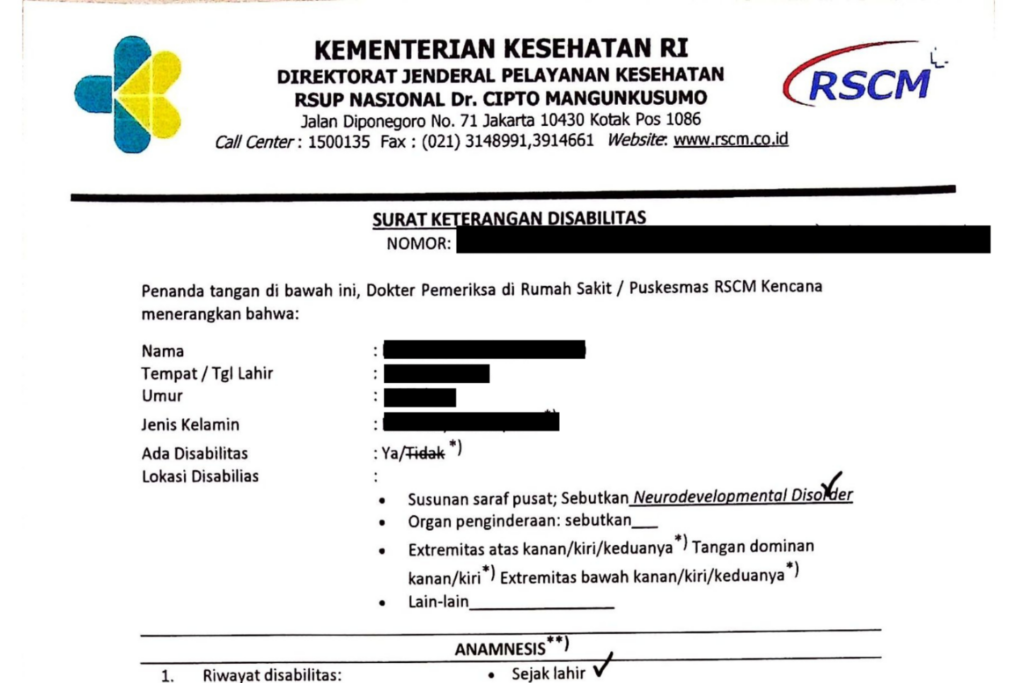
“We carry a high extra cost of disability,” she said during the webinar, urging disability assessments to be made free of charge. Damayanti also raised concerns about data confidentiality for people with psychosocial disabilities, since a data leak could mean losing a job or being rejected for one, given that many job postings require a certificate of physical and mental health that conflicts with a history as a psychiatric patient.
Dr. Muhammad O. Royani, director of social rehabilitation for persons with disabilities in Indonesia’s Ministry of Social Affairs, affirmed the basic philosophy behind the policy. “This concession is a right, not social assistance,” he said. Indonesians with disabilities are entitled to the discounts regardless of their economic status.
What is Government Regulation No. 31 of 2026
Exactly a decade ago, Indonesia passed Law No. 8 of 2016 on Persons with Disabilities. (PP) No. 31 of 2026 is the implementing regulation that activists have been waiting for as a follow-up to that law. It creates concrete mechanisms that Indonesia’s disability rights movement has been demanding. At its core is a minimum 20 percent price discount, offered by the central government, local governments, and private businesses alike across nine sectors ranging from education, transportation, and health care to assistive devices, housing and utilities, employment, entrepreneurship, tourism and culture, and sports. The concession applies across all types of disabilities, whether physical, intellectual, psychosocial, sensory, or multiple, regardless of the degree of the recipient’s disability or their economic status.
To encourage wider participation, the regulation also sets out an incentive scheme for local governments, state- and regional-owned enterprises, businesses, and community groups willing to offer discounts beyond the 20 percent minimum, in the form of recognition and awards, promotion and publicity, easier licensing and certification, and support for adaptive workplace facilities for persons with disabilities. This scheme intersects with Manpower Ministerial Regulation No. 8 of 2026, which specifically governs rewards for companies that meet employment quotas for persons with disabilities.
Before this regulation, the only document with anything close to universal reach for Indonesians with disabilities was the Disability Certificate, issued by health institutions such as community health centers and hospitals, while the Disability Card existed in only a handful of regions. Now the card is being issued nationally in a virtual format that can be downloaded through the Cek Bansos (literally “Check Social Aid”) app, with more than 2.4 million cards issued so far under Social Affairs Ministry decrees. (The app’s name has drawn some criticism, since the discounts are a right guaranteed by the state, not part of a social assistance program.)
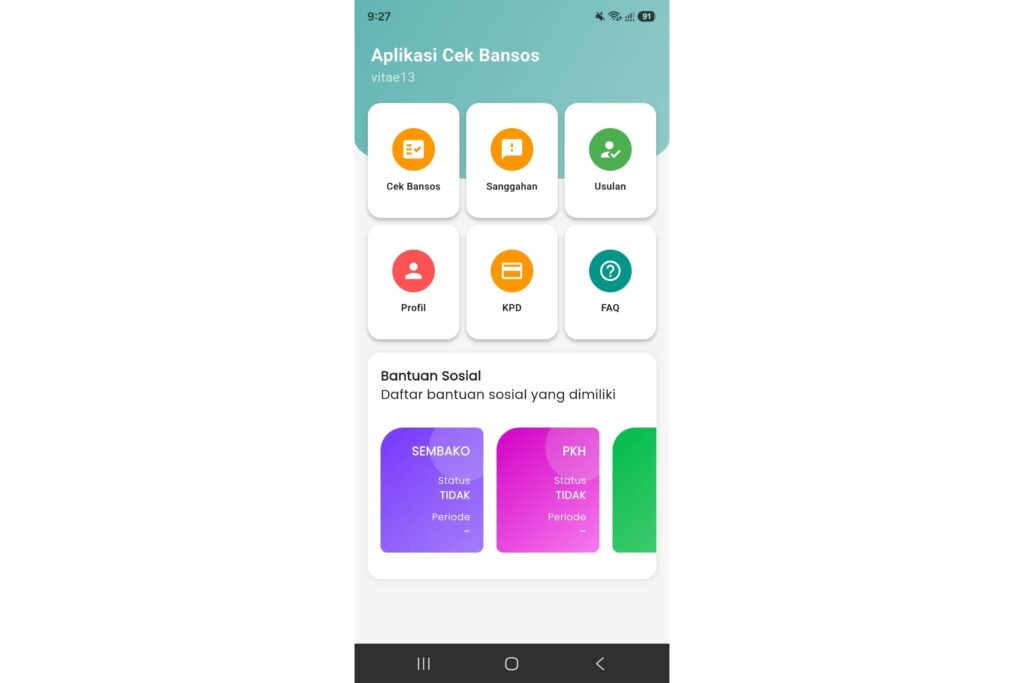
The government has given ministries, agencies, and regional governments a transition period of up to two years to issue their own implementing regulations. During this period, persons with disabilities who do not yet have a Disability Card can still use a Disability Certificate.
Challenges Loom
Of an estimated 23 million Indonesians with disabilities, a significant number remain unregistered in the National Socioeconomic Single Data system (DTSEN) or lack a national identity number (NIK) altogether, two administrative requirements that risk becoming new obstacles to rights that should apply automatically.
These administrative barriers come on top of longstanding inequalities in employment. According to 2023 data from Statistics Indonesia (BPS) cited by the national news agency ANTARA, only 45 percent of Indonesia’s 17 million working-age people with disabilities are employed. Among those, roughly 83 percent earn their living in the informal sector, where income is often less secure and labor protections are limited. These numbers underscore that the challenge facing Indonesians with disabilities is not just access to work, but access to stable, protected employment, a reality PP No. 31/2026 aims to address, even as its implementation needs to be watched closely.
Why This Matters to the World
For readers outside Indonesia, PP No. 31/2026 signals something rarely found in disability policy elsewhere in the world: explicit recognition of the disability tax, the extra cost that people with disabilities routinely bear for accessible transportation, assistive devices, and services adapted to their needs, exactly as Damayanti and Bete described in the forum. By turning cost reductions across nine sectors at once into a right rather than an act of charity, Indonesia offers a policy model that other countries still treating disability support as social assistance, rather than a state-guaranteed right, could learn from.
As Damayanti put it, “We carry a high extra cost of disability.” PP No. 31/2026 marks the state’s first acknowledgment that this cost is real and that persons with disabilities should not have to bear it alone.
Rafinne Oktavitae Mega (Vitae) is an Indonesian-based researcher and writer focusing on GEDSI (Gender Equality, Disability and Social Inclusion). Her work examines policy frameworks through a human rights lens.
Editing assistance by Jody Santos
News From the Global Frontlines of Disability Justice
Not Accessible For Me
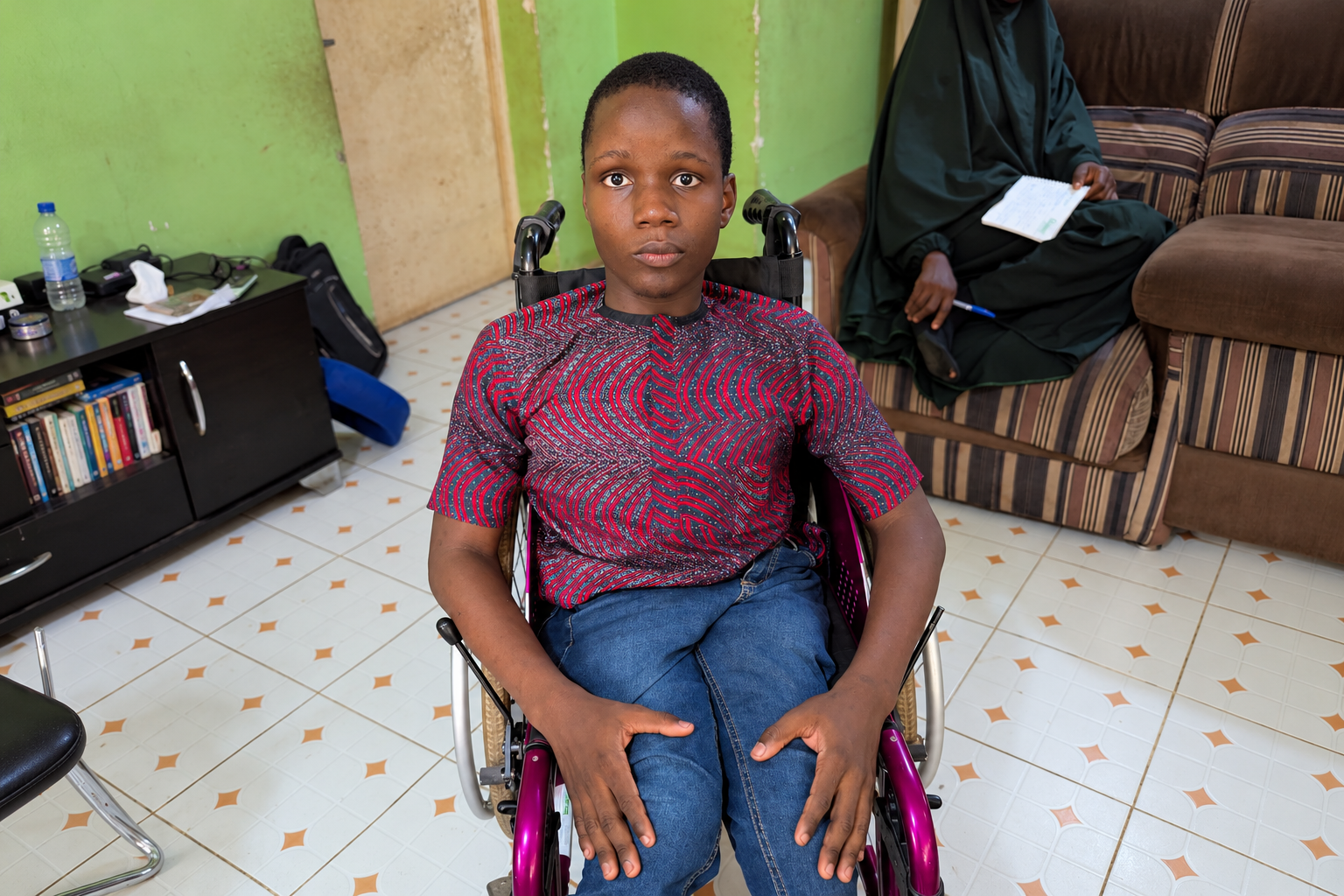
In Nigeria, children and adults with spina bifida and hydrocephalus continue to face discrimination, inaccessible schools, unaffordable healthcare and barriers to public transportation. Despite legal protections, many are still denied basic rights, leaving families to shoulder the financial and emotional costs. More than two years after a deadline for public institutions to become accessible, the gap between what the law promises and what disabled Nigerians experience remains wide.
Reducing the Disability Tax
Indonesia has adopted a new regulation aimed at reducing the extra costs disabled people face, guaranteeing discounts across nine sectors, including health care, transportation and assistive devices. But disabled Indonesians say fees and administrative hurdles involved in obtaining the documents needed to access those rights could leave some people behind. As the government begins implementing the policy, advocates are calling for disability assessments to be free and accessible.

Joy As Resistance
In Kenya, queer and disabled people are finding common ground around questions of identity, access, family, and belonging. Ahead of a Nairobi event exploring where disability and queerness intersect, organizers and participants talk about the communities they have found and the spaces they are trying to create. “Queer people and disabled people share way more than they think they do,” says one organizer. The event will use storytelling, art, performance, and what its organizers call “queer joy” to start a conversation they say is long overdue.
The Politics of Waiting, Wanting, and Hoping
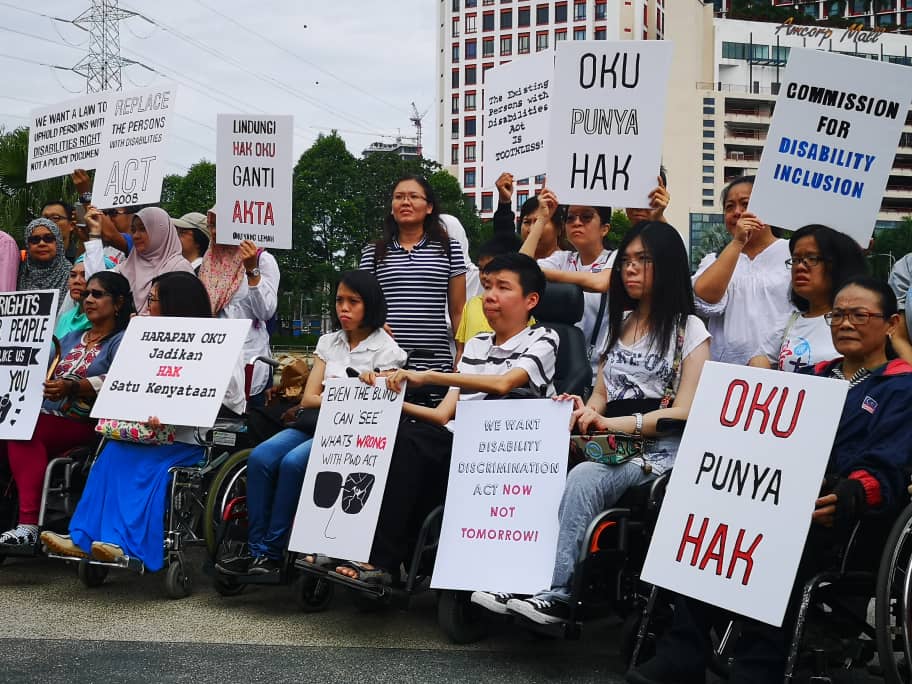
In Malaysia, disability exclusion is rarely one dramatic denial. More often, writes Beatrice Leong, it is “a series of ordinary delays” — inaccessible schools, symbolic consultations, policies without enforcement, and a system that asks disabled people to wait patiently for dignity and belonging. Blending personal reflection with political analysis, Leong examines what happens when inclusion is promised repeatedly, but justice never fully arrives.
Read more about The Politics of Waiting, Wanting, and Hoping

Beyond the ADA
The ADA’s influence extends far beyond the United States. It helped shape a growing international approach to disability rights that eventually contributed to the development of the CRPD. But global disability movements have also expanded on ideas that U.S. law has yet to fully embrace. “I think many U.S. disability rights activists were surprised to find out how much we could learn from the international community,” says Eric Rosenthal, founder and executive director of Disability Rights International.
Forgotten People
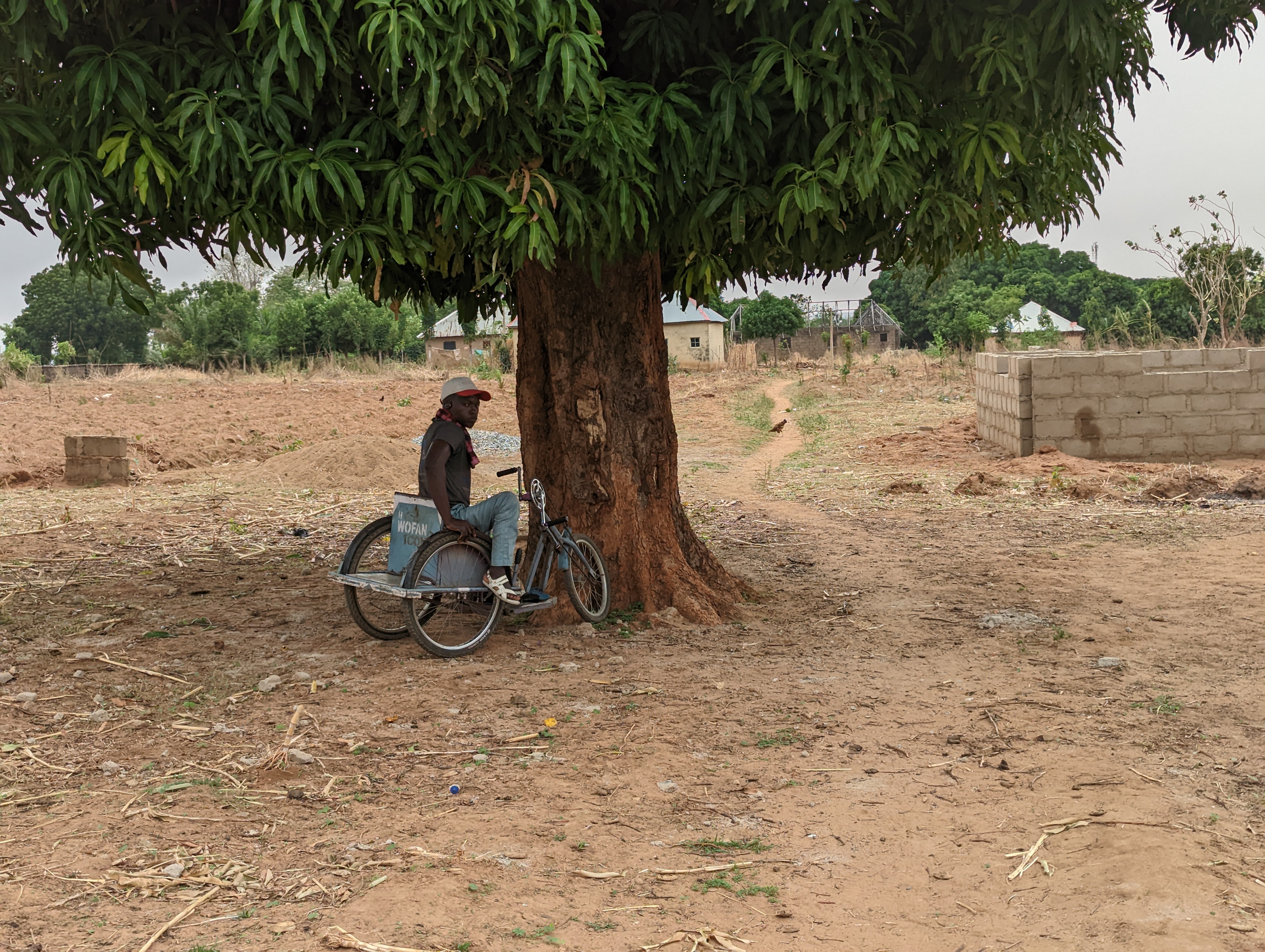
As Nigeria’s growing insecurity crisis spreads, disabled people face barriers that can make escaping violence far more difficult. Across the country, they describe inaccessible emergency warnings, challenges reaching safety, disrupted livelihoods, and limited access to assistance during times of crisis. Their stories reveal how conflict is experienced differently when mobility, communication, and support cannot be taken for granted and how disability is too often overlooked in emergency planning and response.