News
The Politics of Waiting, Wanting, and Hoping
Play audio version
Disability Justice and the Limits of Inclusion in Malaysia
August 22, 2026
KUALA LUMPUR, Malaysia — It was nearly 3 a.m. in London when my phone rang, a little over a year ago.
It had been a difficult year. I was taking a break, a breather away from home, and some distance from advocacy because of how exhausting and heartbreaking it had become to keep asking for our rights to be realised, and for justice to mean something beyond language. I wanted disability to be understood as part of Malaysia itself: as citizens, neighbours, workers, thinkers, leaders, and political subjects, with claims on public life beyond care, charity, or symbolic inclusion. Like many disabled advocates, activists, and people who keep trying even when the work breaks something in us, I was burnt out and disillusioned, exhausted from always feeling as though we were swimming against the grain.
I recognised the number as someone who leads the Department of Persons with Disabilities. A little surprised, but I picked up, again, ever ready to offer what I could, if at all, at 3 a.m.
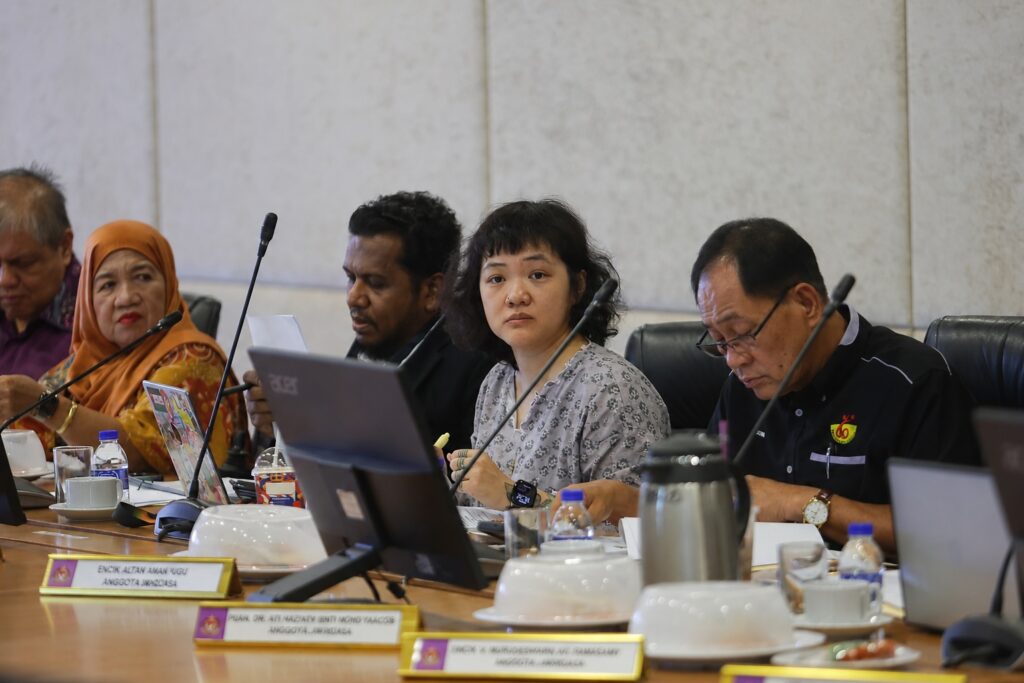
I was asked to fill in a nomination form. There was a space for me to be nominated to the National Council for Persons with Disabilities, the statutory body established under Malaysia’s Persons with Disabilities Act 2008 to advise, coordinate, and monitor national disability policy.
Still caught inside my own disillusionment, part of me questioned whether there was any point to this. Too often, disability inclusion in Malaysia feels conditional. We are asked to come to the table, but only enough, and sometimes only as a symbolic gesture. We become a subject matter of interest, asked to lay bare our perspectives, and occasionally we’re elevated as symbols of national progress. But I filled in the nomination form anyway because hope, even when thin, is sometimes the only bridge between critique and social responsibility.
I filled in the form not because I believed representation alone would change everything, but because absence has its own cost.
A little over a week later, I was told I had been appointed. And just like that, I put aside my disillusionment and tried, for one more time, to believe in hope, even if I had to fake it first.
I moved through London like a foreigner, outside looking in, a tourist enjoying the sights and the distance the city gave me. It felt strangely normal to me. I was more comfortable being an outsider there, where my outsiderhood was expected, than trying to belong at home. It made me think about the irony of disability in Malaysia: perhaps we have been conditioned, quietly and repeatedly, that we are always meant to stand on the outside looking in. On my flight back to Malaysia, I wondered what it would mean, this time, to build from the inside.
How We Got Used to Waiting For The Bus
My country, Malaysia, sits at the heart of Southeast Asia, divided by the South China Sea and often imagined through our diversity of food, culture, festivals, languages, religions, coastlines, rainforests, and cities rising beside colonial buildings and jungle roads.
Modern Malaysia emerged from British colonial rule through negotiation rather than a revolution, with independence built around difficult compromises over race, religion, monarchy, language, citizenship, and economic power. Sitting at the crossroads of Southeast Asia, where empires, traders, workers, migrants, and families have long passed through on their way elsewhere, Malaysia became home to Malay, Chinese, Indian, Indigenous, migrant, and many other communities that made this country their own. Malaysia often introduces herself through the language of harmony, but harmony here is not only an ideal, but also a tension and, sometimes, an illusion we are asked to hold true.
But coexistence is not the same as equality.
In Malaysia, race, religion, royalty, language, class, and citizenship are not only identities. They are organising principles of public life, shaping who belongs, who is protected, who is asked to wait, and who holds the power to grant the terms of belonging. The country’s “3Rs,” Race, Religion, and Royalty, are more than cultural sensitivities. They mark the boundaries of what can be publicly questioned, shaped by constitutional provisions, public order laws, and the long shadow of the Sedition Act, which makes it a crime to publish, speak, or distribute material that encourages rebellion or hostility against the government.
So Malaysians learn early to circle around tension. This habit of careful speech does not stay confined to race, religion, or royalty. It shapes how the country handles differences more broadly, including disability, and sets the limits of how far we are allowed to talk about inclusion.
This is the landscape in which disability justice in Malaysia enters.
Not a blank policy space, but a society already organised around hierarchy, care, family duty, social respectability, and the avoidance of public conflict. Disability is therefore rarely understood first as a question of power. More often, it appears through welfare, rehabilitation, charity, medical paperwork, parental sacrifice, charity drives, religious obligation, or the private responsibility of families.
Our rights arrive later, if they arrive at all. And even when they do not, we are often asked to remain grateful for whatever has been given so far.
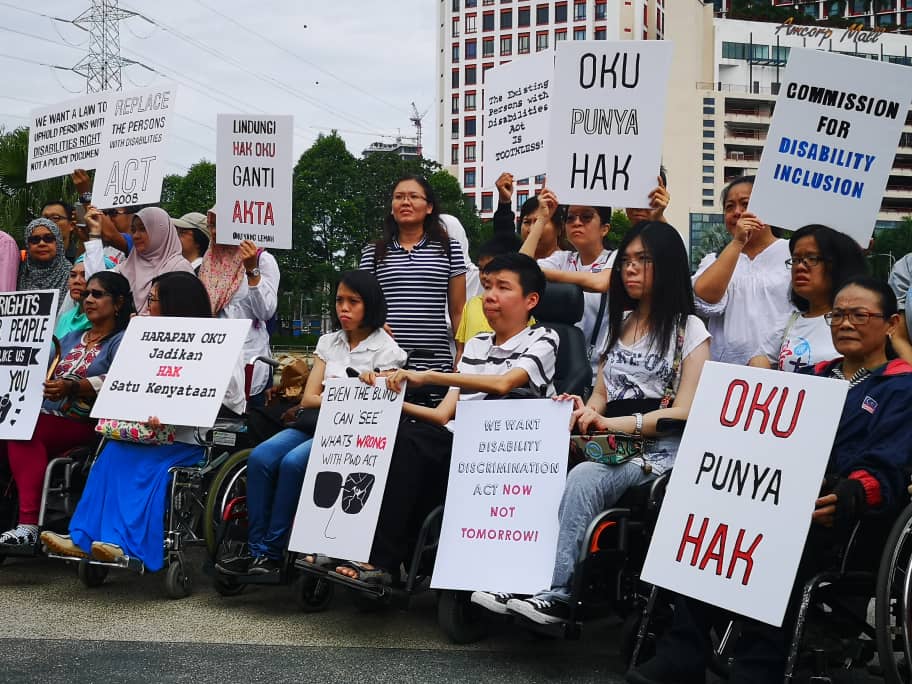
Malaysia passed the Persons with Disabilities Act in 2008. That same year, it signed the Convention on the Rights of Persons with Disabilities, and in 2010, ratified it. These moments should have marked a rights-based turn in the country’s national imagination. Instead, almost two decades later, disability remains managed largely still through welfare administration, fragmented implementation, and institutional goodwill rather than enforceable rights, political power, and public accountability.
For disabled Malaysians, exclusion is rarely one spectacular denial. It is more often a series of ordinary delays. A school that is not ready. A ramp that exists but leads nowhere useful. A hospital whose intake form has no box for communication needs. An OKU (Persons with Disabilities) card system that decides who is disabled enough to deserve support, leaving the rest to prove themselves again and again. An office that celebrates inclusion but cannot imagine disabled leadership. A consultation that welcomes our stories but keeps decision-making away from our disabled bodies and minds.
Over time, waiting becomes normalised.
Malaysia understands waiting politically. Even our current prime minister, Anwar Ibrahim, came to power after what many have described as a three-decade wait for the country’s highest office. Waiting here is not only personal. It is woven into the national imagination and narrative — waiting for reform, waiting for recognition, waiting for the right minister, the right committee, the right political moment, the bus that keeps being promised but has not yet arrived.
And so disabled Malaysians wait, too. We wait politely, because impatience is easily mistaken for ingratitude. We wait strategically, because anger can cost access. We wait hopefully, because without hope, the architecture becomes unbearable.
This is the quiet genius of delays: it makes the excluded participate in maintaining the belief that inclusion is always on its way.
Wanting More for Ourselves: Building Disability Justice from Scarcity
What disabled people want is not abstract. Across the world, we want to be understood well enough to belong, and supported well enough to build a life on our own terms.
In Malaysia, that wanting must move through a country of unusual linguistic agility. Diversity exists not only in race or religion, but in language, form, and ways of communicating. We move between Bahasa Melayu, English, Mandarin, Tamil, Hokkien, Cantonese, ethnic languages, sign languages, colloquial speech, and the many informal ways Malaysians learn to understand one another. It is not uncommon to hear several languages folded into one sentence.
But disability justice must also be translated across differences of language, race, religion, class, citizenship, and bureaucracy. Many of us learn to translate anger into politeness, needs into acceptable requests, and pain into language others can tolerate.
Many of us learn to translate anger into politeness, needs into acceptable requests, and pain into language others can tolerate.
Disabled Malaysians are also asked to translate our disabled bodies and minds across systems never built to understand us: to explain access needs, mask distress, soften refusals, and prove we belong before belonging is offered. This makes self-organising for disability justice in Malaysia harder, slower, and more easily fragmented.
Disability governance in Malaysia is not a singular movement marching neatly towards justice. It is a dense ecosystem of ministries, welfare departments, councils, organisations of persons with disabilities, parent-led groups, charities, educators, therapists, service providers, corporations, religious institutions, activists, and disabled individuals, each shaped by different histories, political relationships, survival strategies, and understandings of disability.
Some organise around rights. Others around care, rehabilitation, employability, education, therapy, religion, or welfare access. Some groups know how to translate themselves into the language of ministries, donors, shared race or religious identities, and welfare systems. Some do not have the same access, fluency, or institutional proximity.
So the ask is often diluted before it is even made. What begins as a demand for rights becomes a request for support, a plea for funding, a proposal for awareness, or a grateful acceptance of whatever is available.
And because systems understand some forms of disability more easily than others, not all disabled people are received equally once they enter the room.
Some disabilities are seen as more deserving of sympathy, where physical disabilities read as visible and sympathetic in ways that autism, psychosocial disability, or intellectual disability do not. Some advocates become more institutionally acceptable than others: those who frame needs in the language of rehabilitation and productivity, who do not challenge the medical model, who do not raise questions of accountability. Some groups are expected to remain grateful for incremental progress, while others are viewed as too political, too disruptive, too angry, too demanding.
And under this scarcity, fragmentation deepens.
The movement becomes fractured not simply by ideology, but by urgency of our needs, by what feels most immediately survivable. One group fights for interpreters. Another for school access. Another for personal assistance, employment, transport, diagnosis, legal recognition, accessible housing, protection from violence, or simply the right not to disappear institutionally.
By 2026, despite decades of labour by disabled Malaysians and their organisations, the movement for disability justice, especially cross-disability solidarity, remains fragmented, tired, and stretched thin.
But fragmentation should not be mistaken for apathy.
It is not that disability justice in Malaysia has gone entirely unattended to. I have seen the work across many levels: grassroots organisers and disabled youth trying to build community while navigating inaccessible bureaucracy; people who have given up personal time, income, savings, and health to move the needle with whatever little they have; organisations of persons with disabilities sustaining decades of labour despite chronic underfunding and exhaustion.
There have also been institutional pushes. The Malaysian Bar, through its Committee on Persons with Disabilities, has publicly called for disability to be expressly included as a protected ground under Articles 8 and 12 of the Federal Constitution, alongside wider reforms to strengthen legal protection and equality for persons with disabilities.
And yet much of this work still unfolds within systems that remain slow, fractured, and unevenly accessible. Mirroring the country’s political landscape, disability is often managed through a kind of divide-and-contain logic, held apart from one another, and addressed through the goodwill of individuals rather than the force of enforceable rights. What emerges is less a movement than an incoherent patchwork of survival, held together by individual stamina and the quiet labour of those who keep pushing anyway.
Wanting itself can become political.
Perhaps this is the quiet audacity of disability justice in Malaysia: not merely that disabled people continue fighting, but that we continue wanting more for ourselves at all.
To want more than survival as a disabled person in Malaysia can feel excessive. To want dignity instead of gratitude. To want leadership instead of symbolic inclusion. To want rest without disappearing. To want accessibility without having to perform inspiration in return. To want accountability from systems that prefer politeness. To want not simply to enter the nation, but to belong to it fully.
Perhaps this is the quiet audacity of disability justice in Malaysia: not merely that disabled people continue fighting, but that we continue wanting more for ourselves at all.
Hoping for Justice: The Politics of Endurance
Hope is a difficult thing to write about honestly, particularly in disability advocacy, where hope is often demanded from us long before justice arrives. We are expected to remain hopeful through inaccessible schools, delayed policy reform, endless consultations, bureaucratic exhaustion, public pity, underfunded support systems, and laws that recognise us symbolically while failing to protect us materially.
And yet, despite everything, disabled people in Malaysia continue building, organising, documenting, negotiating, caregiving, protesting, advising, surviving, and imagining something better.
This is the contradiction I now sit within.
As an appointed council member within the National Council for Persons with Disabilities, I now find myself occupying the uneasy space between critique and participation, between institutional process and the urgency of lived reality. I now sit in rooms I once observed from the outside. I see more clearly how bureaucratic governance can be, how fragile coordination between ministries often is, how reform becomes entangled in procedure, legal drafting, political timing, budget limitations, competing priorities, and the caution of institutions trying not to move too quickly.
But I also see the danger of becoming too accustomed to simply just waiting and hoping.
One of the clearest examples is the long-awaited reform to Malaysia’s Persons with Disabilities Act 2008. For years, disabled Malaysians, organisations of persons with disabilities, lawyers, activists, and advocates have argued that the Act remains too limited to protect us in practice. It lacks clear anti-discrimination protections, strong enforcement powers, effective legal remedies, and binding accountability across ministries and public institutions. Without these, accessibility remains optional, discrimination is difficult to challenge, and disabled people are left negotiating exclusion individually rather than being protected structurally.
Too often, the Act feels like a tiger without teeth. And perhaps there is something painfully Malaysian about that metaphor.
The Malayan tiger, once one of the country’s most recognisable national symbols, now faces the threat of extinction after decades of environmental destruction, fragmentation, and insufficient protection.
Sometimes I wonder whether disability rights in Malaysia risk a similar fate.
Not disappearance through dramatic collapse, but through gradual weakening. Through delay. Through symbolic recognition without meaningful enforcement. Through the quiet normalisation of exclusion, while the language of inclusion grows louder.

Disability governance still relies heavily on consultation without enforceability, representation without redistribution of power, and reform processes that move more slowly than the urgency of disabled people’s lives.
The question, therefore, is no longer simply whether inclusion exists, but what kind of inclusion Malaysia is prepared to institutionalise.
Because the crisis facing disabled Malaysians is no longer simply about visibility. We are visible. We appear in policy documents, consultations, awareness campaigns, diversity initiatives, and national celebrations. The question now is whether the country is willing to redistribute power, accountability, access, and decision-making in ways that move beyond symbolic inclusion. Can we give the tiger its stripes back, restore force to the law, and redistribute power back to disabled bodies and minds?
This is where the deeper work begins.
Not only changing words within policy, but changing who policies imagine as fully human, fully capable, fully belonging within public life. Not only increasing representation, but rethinking who gets authority, whose expertise is trusted, whose discomfort institutions are willing to accommodate, and who is still expected to adapt quietly to keep systems comfortable.
I think about this often now, even within the council itself. When do I compromise because change requires patience, negotiation, and coalition-building? And when does compromise slowly become surrender? When do I soften language strategically, and when do I begin softening myself?
These are not abstract political questions. They live quietly inside many disabled people who enter institutional spaces. The exhaustion. The self-monitoring. The calculation of how much truth a room can tolerate before you are no longer considered collaborative, professional, or reasonable.
If Malaysia is serious about disability inclusion, then disability justice must move beyond welfare administration and symbolic consultation into making our rights real.
Malaysia has long carried the phrase “Malaysia Boleh,” a national expression of possibility, pride, and collective will. If the phrase is to mean anything beyond patriotic performance, then it must also apply here. Malaysia can build disability justice beyond welfare. Malaysia can move from symbolic inclusion to enforceable rights. Malaysia can stop asking disabled people to wait politely for dignity.
Malaysia boleh, if it chooses to.
Beatrice Leong is an autistic woman, a documentary filmmaker, and a gender-disability activist whose work lives at the uneasy intersection of silence and speech, policy and memory. She serves on the Disability Justice Project’s Board of Advisors.
News From the Global Frontlines of Disability Justice
Reducing the Disability Tax
Indonesia has adopted a new regulation aimed at reducing the extra costs disabled people face, guaranteeing discounts across nine sectors, including health care, transportation and assistive devices. But disabled Indonesians say fees and administrative hurdles involved in obtaining the documents needed to access those rights could leave some people behind. As the government begins implementing the policy, advocates are calling for disability assessments to be free and accessible.
Joy As Resistance
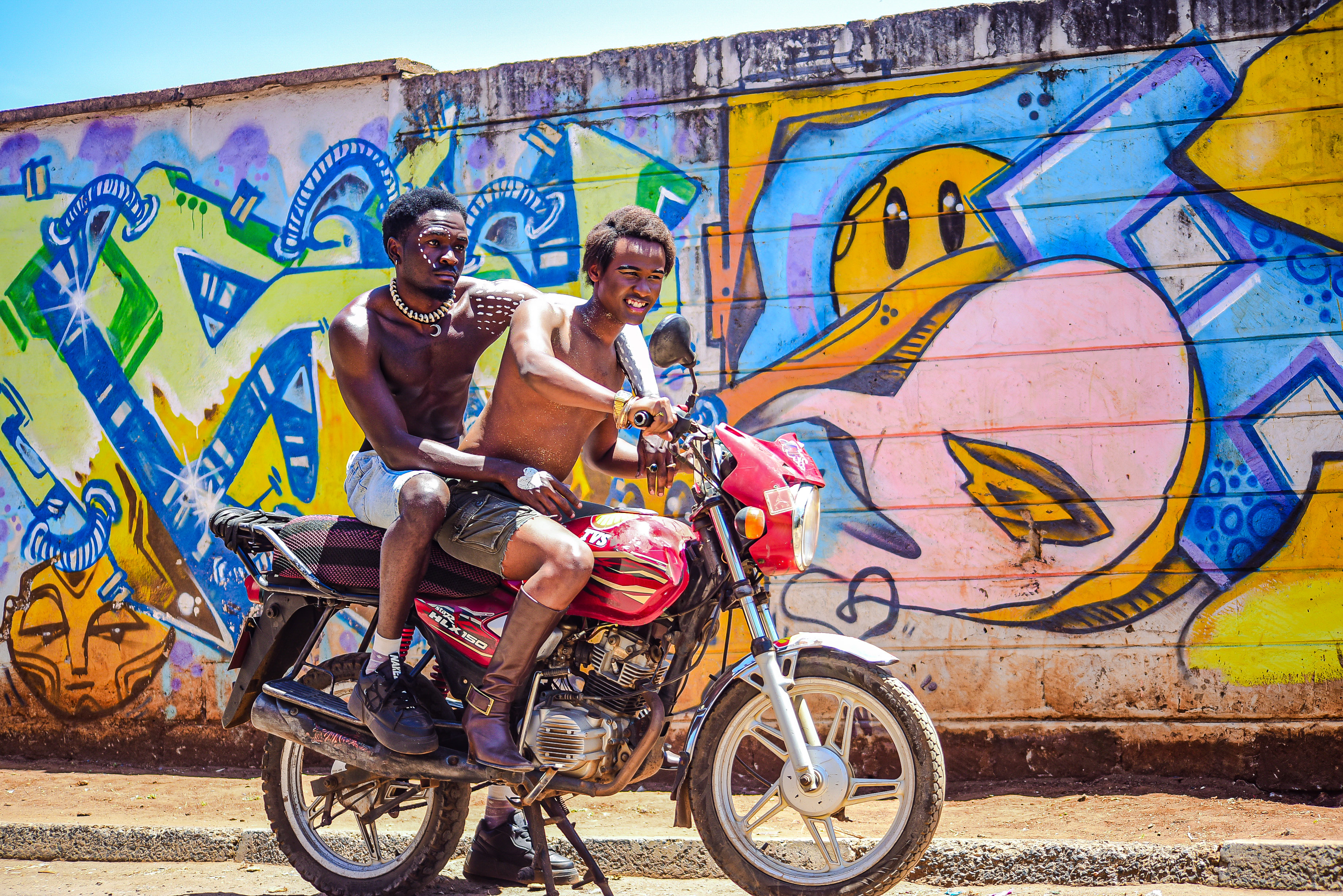
In Kenya, queer and disabled people are finding common ground around questions of identity, access, family, and belonging. Ahead of a Nairobi event exploring where disability and queerness intersect, organizers and participants talk about the communities they have found and the spaces they are trying to create. “Queer people and disabled people share way more than they think they do,” says one organizer. The event will use storytelling, art, performance, and what its organizers call “queer joy” to start a conversation they say is long overdue.
The Politics of Waiting, Wanting, and Hoping
In Malaysia, disability exclusion is rarely one dramatic denial. More often, writes Beatrice Leong, it is “a series of ordinary delays” — inaccessible schools, symbolic consultations, policies without enforcement, and a system that asks disabled people to wait patiently for dignity and belonging. Blending personal reflection with political analysis, Leong examines what happens when inclusion is promised repeatedly, but justice never fully arrives.
Read more about The Politics of Waiting, Wanting, and Hoping

Beyond the ADA
The ADA’s influence extends far beyond the United States. It helped shape a growing international approach to disability rights that eventually contributed to the development of the CRPD. But global disability movements have also expanded on ideas that U.S. law has yet to fully embrace. “I think many U.S. disability rights activists were surprised to find out how much we could learn from the international community,” says Eric Rosenthal, founder and executive director of Disability Rights International.
Forgotten People
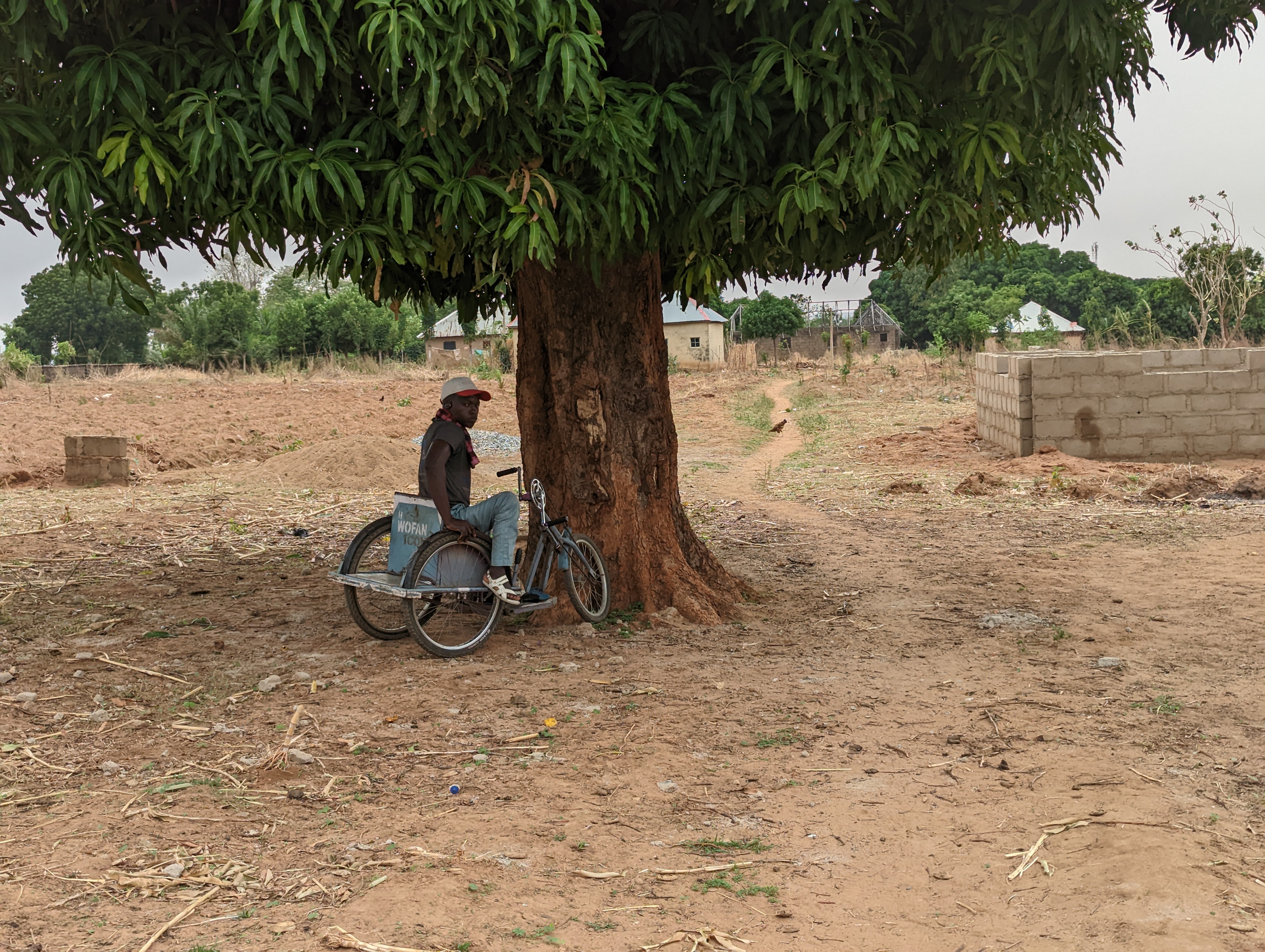
As Nigeria’s growing insecurity crisis spreads, disabled people face barriers that can make escaping violence far more difficult. Across the country, they describe inaccessible emergency warnings, challenges reaching safety, disrupted livelihoods, and limited access to assistance during times of crisis. Their stories reveal how conflict is experienced differently when mobility, communication, and support cannot be taken for granted and how disability is too often overlooked in emergency planning and response.

The Cost of Surviving
After years of failed treatments for complex PTSD, Marian Siljeholm followed an unlikely lead into the underground world of MDMA-assisted therapy. What began as a search for healing became a journey through the science of trauma, the politics of prohibition, and the hidden global network of people risking their freedom to help others reclaim their lives. Their stories would change her own. As Marian writes, “The next morning, I woke with a thought as real as the bed: This is the first day of my life.”