
News
Beyond the ADA
How the ADA Helped Shape Global Disability Rights and What the U.S. Can Now Learn From the Rest of the World
July 25, 2026
The Americans With Disabilities Act, which became law 36 years ago on July 26, 1990, was a game-changing step for disability rights in the U.S., transforming the way disabled Americans showed up in the world and dramatically expanding federal protections against disability discrimination. Building on earlier laws including Section 504 of the Rehabilitation Act of 1973 and drawing from the civil rights framework of the Civil Rights Act of 1964, the ADA was enacted through tireless protesting and lobbying from disabled activists nationwide. In the years since its passage, it has become one of the country’s most significant disability rights laws and an influential model beyond the United States.
One place to see its influence is in the development of the United Nations Convention on the Rights of Persons with Disabilities. When the United Nations adopted the CRPD in 2006, it created the first comprehensive human rights treaty of the 21st century and the first legally binding UN human rights treaty specifically addressing the rights of disabled people.
The ADA Influence
The CRPD emerged from decades of international disability rights advocacy and negotiations involving governments and organizations of persons with disabilities (OPDs) from around the world. The U.S. also participated in the negotiations, bringing experience with the ADA and other U.S. disability rights laws to the process. The convention shares several core principles with the ADA, including nondiscrimination and a broad emphasis on accessibility as a right.
Charlotte McClain-Nhlapo, Global Disability Advisor of the World Bank Group, is a human rights lawyer from South Africa who was involved in the drafting of the CRPD. “In many ways, the ADA can be viewed as a pioneering national model, while the CRPD provides the international framework that guides countries around the world,” she says. “Together, they have helped drive a fundamental shift in how disability is understood: from a focus on deficits or welfare to a recognition of the rights, dignity, agency, and contributions of persons with disabilities. Rather than competing frameworks, they are part of the same continuum of progress toward inclusion and equal citizenship.”
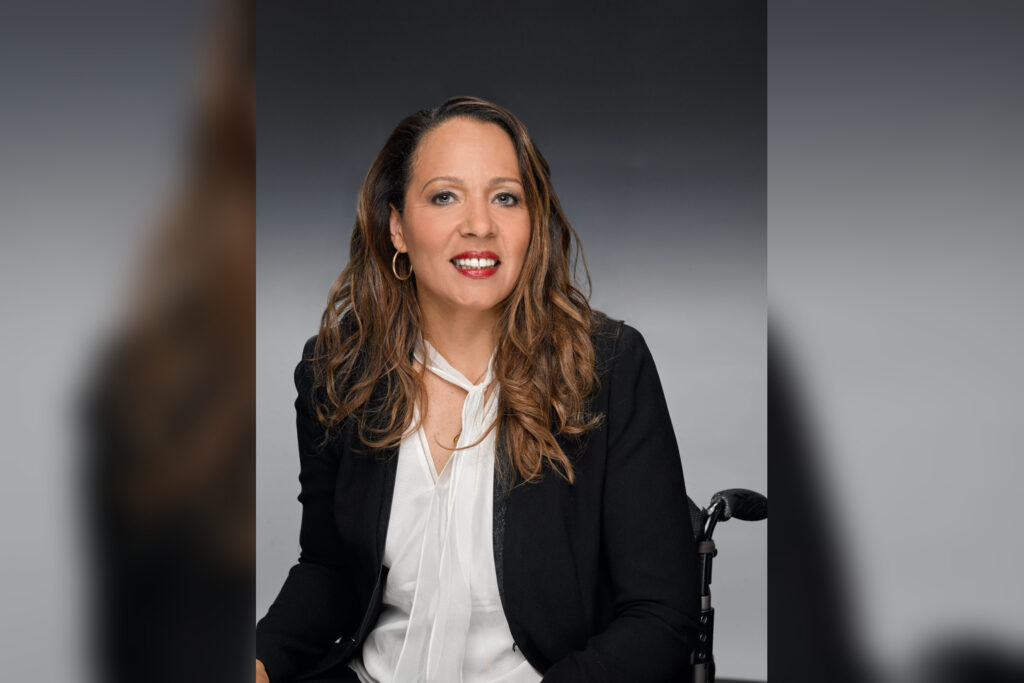
Another veteran disability advocate involved in the drafting of the UNCRPD was Eric Rosenthal, founder and executive director of Disability Rights International. Rosenthal calls the ADA a “conceptual breakthrough” and an example of what could be achieved through comprehensive disability law. Rosenthal shares a similar sentiment about the ADA’s influence on the treaty years later.
“Activists from the US had much to share from our experience enforcing the ADA. But we also learned about its limitations. We always believed, from the very start, that we should strive for something even better,” Rosenthal says. “I think many US disability rights activists were surprised to find out how much we could learn from the international community.”
Going a Step Further
While the ADA provided an example for the vision of the UNCRPD, the treaty wasn’t just a carbon copy of it or even an expansion. In several important areas, it goes beyond what U.S. disability law guarantees. One example is Article 12, which recognizes disabled people’s right to equal recognition before the law and addresses their ability to exercise legal capacity. The UN committee responsible for interpreting the CRPD has called for a shift away from systems that substitute someone else’s decisions for those of a disabled person and toward supported decision-making.
That’s a significantly more expansive standard than U.S. law, where guardianship remains a central issue to activists today. In that sense, the treaty didn’t just echo the ADA, but closed a gap that U.S. law still has not. McClain-Nhlapo says that Article 12 was drafted “to challenge substituted decision-making and push toward supported decision-making.”
“This was a deliberate rejection of the U.S. model, driven largely by users/survivors of psychiatry and intellectual disability caucuses,” she says.
The UNCRPD also addresses rights to education, health, and an adequate standard of living as legally binding commitments in a way the ADA doesn’t, and it explicitly defines the denial of reasonable accommodation as a form of discrimination.
The ADA, by contrast, is primarily a civil rights law focused on prohibiting discrimination in areas including employment, government services, and public accommodations. So while there is a thread between the two, the ADA was one influence among many on the international rights-based approach that ultimately shaped the CRPD.
“This was a deliberate rejection of the U.S. model, driven largely by users/survivors of psychiatry and intellectual disability caucuses.”
Largely, the CRPD reflects a broader understanding of disability rights that had evolved in the years since the ADA was passed in 1990, including a greater emphasis on autonomy, participation, and rights beyond protection from discrimination.
“The ADA allows employers/entities to avoid accommodation if it causes ‘undue hardship.’ The CRPD’s Article 2 defines denial of reasonable accommodation as discrimination without building in as generous an escape valve; though ‘disproportionate or undue burden’ language does appear, drafters fought to keep it narrower than U.S. jurisprudence had allowed it to become,” McClain-Nhlapo explains.
That divergence is also significant when considering the United States’ relationship with the treaty. The CRPD now has 193 parties, including the European Union. The U.S. signed the treaty in 2009, but the Senate fell five votes short of ratification in 2012, and the U.S. remains among a small number of countries that have signed but not ratified the CRPD, with opponents raising concerns about national sovereignty and the treaty’s potential effects on U.S. law and policy.
While the legacy of the ADA is significant and its historic impacts can’t be ignored, the country that popularized rights-based disability law abroad has yet to formally join the treaty it influenced and helped to create. The U.S. also stands to learn a lot from global disability movements that have advanced rights and justice in other countries in recent years.
“The U.S. can learn from the strength of national disability movements in other countries and from the value of exchanging lessons across borders,” McClain-Nhlapo says. “Today, many countries across the world have representation of persons with disabilities in positions of political power, in parliaments, senates, in the legislature. This has proven to be extremely useful in advancing disability rights.”
Modern Day Concerns
Meanwhile, the landscape both instruments were built for has shifted. Disability advocates are increasingly focused on the rise of AI, which can effectively automate discrimination via algorithmic hiring tools and inaccessible AI-generated code among many other concerns. And with increasing political polarization around DEI and accessibility funding and a global concern around humanitarian crises that are impacting disabled people worldwide, neither the ADA nor the CRPD could have anticipated what challenges were ahead for the global disability community.
“The disability rights and justice movements need to evolve to address emerging challenges while also positioning disability inclusion within a stronger understanding of technological advances, including AI,” McClain-Nhlapo explains. “In many contexts, the disability movement has matured and become more technically grounded, enabling advocates to provide sector-specific guidance on how to operationalize the rights set out in the CRPD. Improving accountability structures around the CRPD at national level is an important pivot, and I see this as an area which could be strengthened.”
“Our experience is that when the courts can be used to enforce the law, that’s where we will see results.”
Rosenthal adds that in order to address the concerns among today’s advocates, the community must “demand change.”
“We need to use the leverage of political power and economic leverage to make that happen. Our experience is that when the courts can be used to enforce the law, that’s where we will see results,” Rosenthal says.
Building On the Past
At 36 years old, the legacy of the Americans with Disabilities Act is beyond significant and has had a largely positive impact on global disability policy. But nearly four decades after the passage of its landmark disability law, the U.S. has an opportunity to look at how disability rights have continued to develop internationally, including approaches to supported decision-making, social protections, and disabled people’s leadership in shaping the laws and policies that affect them.

“We can never stop fighting for disability rights or assume that progress is irreversible. What concerns me now are the concerted efforts to challenge the integration mandate under Title II of the ADA and the Olmstead decision,” McClain-Nhlapo says. “These developments suggest that persons with disabilities could soon face weaker federal protections for the right to live independently — a principle at the core of both the ADA and the CRPD.”
Rosenthal emphasizes that nearly four decades after the ADA became law, advancing disability rights and justice in the U.S. requires expansive thinking around the transformation of society, and where the ADA was a blueprint for the CRPD, the latter can be a blueprint for what’s next. “The CRPD should provide inspiration to the next generation of disability rights activists in the United States to build something even better and stronger than what we had before,” he says.
There are other models that the U.S. can take inspiration from, just as U.S. law provided significant inspiration to the broader community two decades ago. So while global disability rights advocates and activists have spent decades shaping what equality, autonomy, and access look like for disabled people across the world, there is still more to be done — and more the U.S. can learn from the global disability rights movement it once helped influence.
Sean Kelly is a veteran communications professional, journalist, and storyteller. He has worked as communications director at New Disabled South, marketing lead at Inevitable Foundation, and co-founding editor of The Savannahian. He recently directed and produced a docuseries on Medicare and Medicaid in the South, narrated by Stacey Abrams. He lives in Savannah, Georgia, with his wife and two children.
News From the Global Frontlines of Disability Justice
Beyond the ADA
The ADA’s influence extends far beyond the United States. It helped shape a growing international approach to disability rights that eventually contributed to the development of the CRPD. But global disability movements have also expanded on ideas that U.S. law has yet to fully embrace. “I think many U.S. disability rights activists were surprised to find out how much we could learn from the international community,” says Eric Rosenthal, founder and executive director of Disability Rights International.
Forgotten People
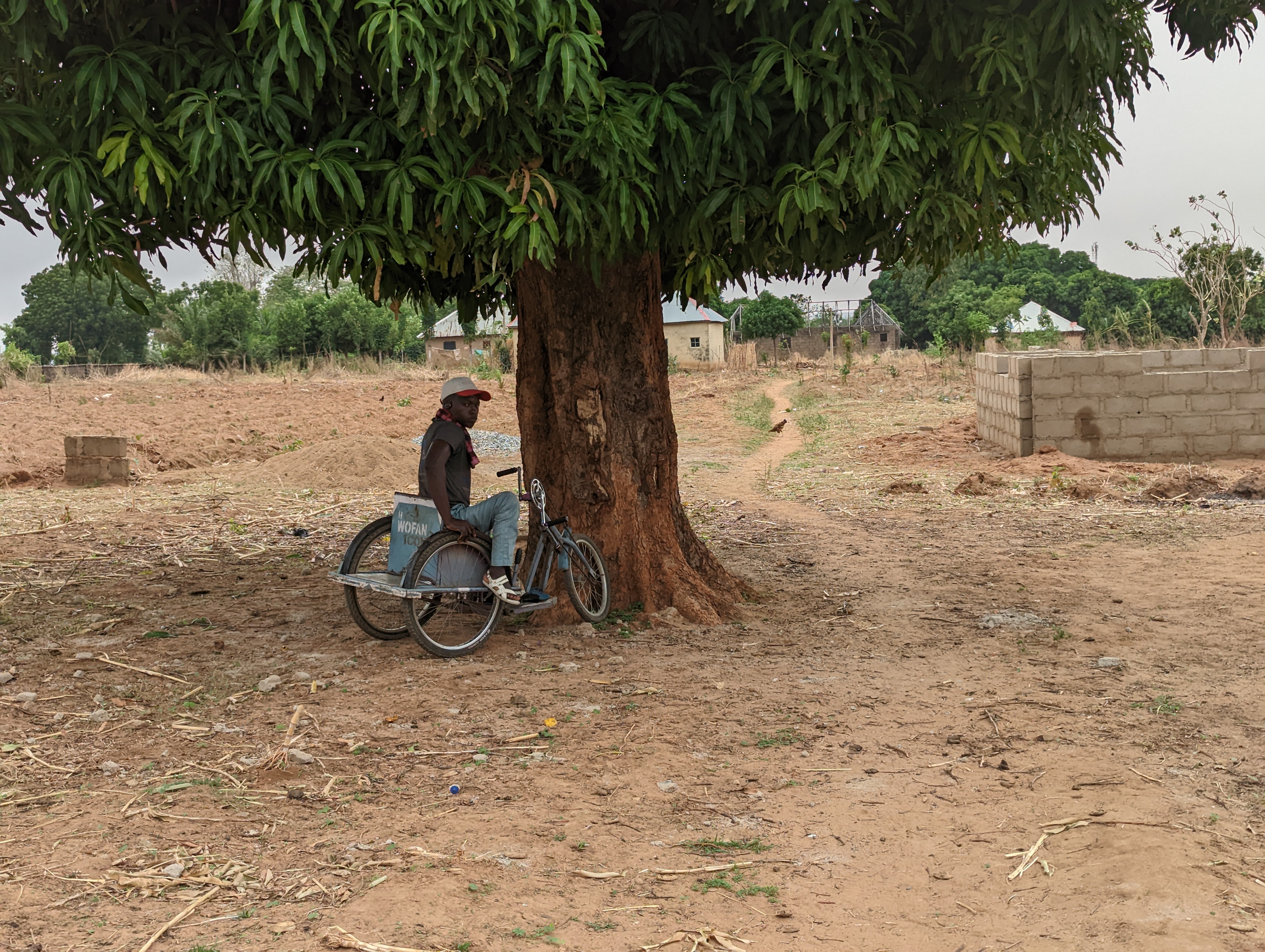
As Nigeria’s growing insecurity crisis spreads, disabled people face barriers that can make escaping violence far more difficult. Across the country, they describe inaccessible emergency warnings, challenges reaching safety, disrupted livelihoods, and limited access to assistance during times of crisis. Their stories reveal how conflict is experienced differently when mobility, communication, and support cannot be taken for granted and how disability is too often overlooked in emergency planning and response.

The Cost of Surviving
After years of failed treatments for complex PTSD, Marian Siljeholm followed an unlikely lead into the underground world of MDMA-assisted therapy. What began as a search for healing became a journey through the science of trauma, the politics of prohibition, and the hidden global network of people risking their freedom to help others reclaim their lives. Their stories would change her own. As Marian writes, “The next morning, I woke with a thought as real as the bed: This is the first day of my life.”

‘Deaf People Are Finally Seen as Equal Citizens’
After decades of advocacy, Nepal’s Deaf community is gaining access to information in its own language. Interpreted national news broadcasts now air twice daily, and sign language interpretation has recently been introduced in parliament. Advocates say the changes mark a major step toward inclusion, recognition, and equal participation in public life for Deaf Nepalis who have long been excluded from critical information and decision-making.
Read more about ‘Deaf People Are Finally Seen as Equal Citizens’
The Politics of Waiting, Wanting, and Hoping
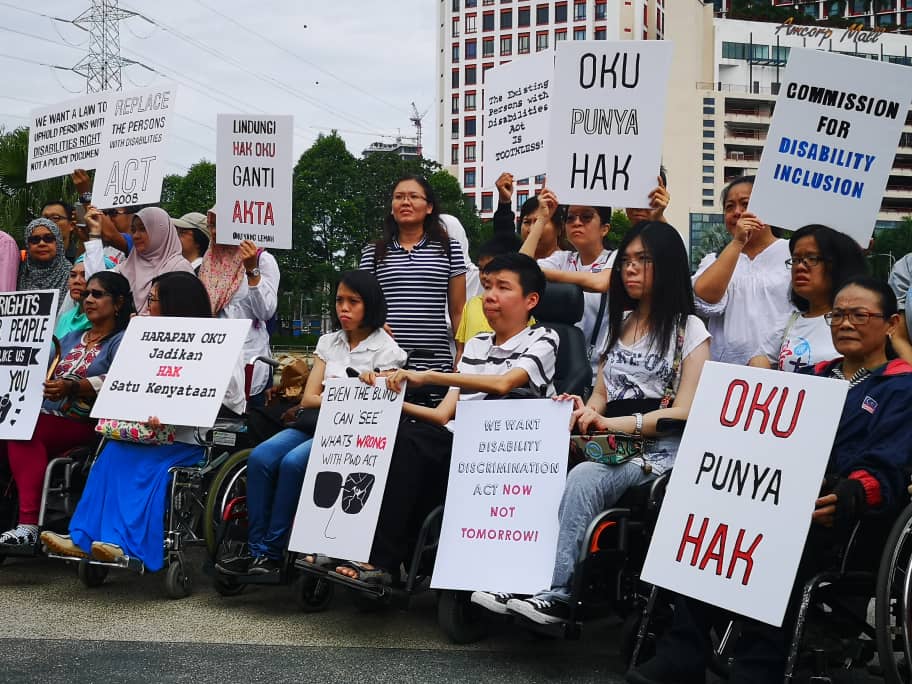
In Malaysia, disability exclusion is rarely one dramatic denial. More often, writes Beatrice Leong, it is “a series of ordinary delays” — inaccessible schools, symbolic consultations, policies without enforcement, and a system that asks disabled people to wait patiently for dignity and belonging. Blending personal reflection with political analysis, Leong examines what happens when inclusion is promised repeatedly, but justice never fully arrives.
Read more about The Politics of Waiting, Wanting, and Hoping

A ‘Direct Threat’ to Democracy
A Deaf asylum seeker from Mongolia spent five months in U.S. immigration detention without access to a sign language interpreter, leaving him unable to communicate with officers or explain his fear of persecution. His case raises questions about whether disability rights laws are being followed inside ICE facilities, where access to communication can determine the outcome of an asylum claim. Lawyer and advocate Qudsiya Naqui says the “absolute disregard” for disability rights under the Trump administration is a “direct threat” to democracy and rule of law.