News
Forgotten People
“Flee” Is Often the First Instinct in a Crisis, but for Many Nigerians With Disabilities, the Warnings Come Too Late
July 12, 2026
Editor’s note: This is the sixth article in our series on conflict and disability. As wars and political violence escalate across the globe, we’re documenting how people with disabilities are being overlooked in humanitarian responses — and why inclusion is more urgent than ever.
All photography and videography by Alexander Ogheneruemu
NIGERIA — When the killings broke out during one of the religious crises in the northern Nigerian town of Kano in the early 1990s, Ayoade Beyioku-Alase and his mother were unaware of the danger that was fast approaching their house. Both are Deaf. The attackers, armed with bows, arrows, stones, and other dangerous weapons, advanced quickly. Neighbours who’d heard the first signs of trouble fled to safety, but by the time a neighbor alerted Beyioku-Alase and his mother, fleeing was no longer an option. They quickly shut gates and doors, hiding in the fridge.
“We were unaware when the killings started; we got no information, no alarm, no warning,” says Beyioku-Alase. “People who heard earlier fled their homes, but because we heard late, we stayed indoors. … If not for the neighbour who informed us, we might not have survived.”
Today, as acting chairperson of the Abuja chapter of the Joint National Association of Persons with Disabilities (JONAPWD), Beyioku-Alase reflects on that experience as a vivid illustration of the risks persons with disabilities face during conflict and emergencies. “A Deaf person can walk right into the middle of danger,” he says.
Hundreds of kilometres away in Toro Local Government Area of Bauchi State, Sommidah Joel, a Deaf man, grew up amid recurring Muslim-Christian clashes. Whenever violence erupted, his family worried about him more than his siblings. “My family will always be scared and thinking about me when these clashes happen,” he says. “Others can hear where the sound of gunshots is coming from. I can’t. That’s the difference between me and them.”
One of his Deaf friends didn’t live to tell his own story. Joel recalls how the young man was walking one night when soldiers called out for him to stop. He did not hear them. He was shot dead.
Nigeria’s security crisis is often measured in deaths, injuries, and displacement figures. But often forgotten in those statistics is the story of persons with disabilities navigating the dangers with little to no protection, limited access to information, and rarely acknowledged access needs.
Insecurity in Nigeria is Spiraling
Incidents of conflict and violent clashes, including wars, have always been endemic in Nigeria, but in recent times, the situation has worsened, with the numbers getting grimmer by the day. Nigeria’s security crisis ranges across kidnappings, armed banditry, farmer-herder clashes, insurgency, communal clashes, and political violence.
The BAY states (Borno, Adamawa, and Yobe) in the northeast are traditionally regarded as the epicenter of these insecurities in what began mostly as an insurgency by radical Islamist factions like Boko Haram and Islamic State West Africa Province (ISWAP). From there, the insecurity crisis has steadily spread to other geographical zones and in the various forms mentioned above. The northwest has become a stronghold of armed bandits engaging in profit-driven mass abductions. Farmer-herder clashes are rampant in the Middle Belt, while in the southeast, secessionist groups hold sway. Meanwhile, the southwest, south-south, and north-central states, including the Federal Capital Territory (FCT), are witnessing spikes in cases of kidnapping for ransom. There is no safe zone in Nigeria today.
According to the 2025 Nigeria Violent Conflicts Database (NVCD), between 2020 and 2024, some 11,000 people were kidnapped, and farmers/herders clashes resulted in no less than 2,347 casualties. Last year alone, violent conflicts across the nation took 4,654 lives, and 3,141 persons were abducted in 1,274 kidnapping incidents.
Unimplemented Laws
These figures are general data since violent conflicts affect disabled and non-disabled people alike. However, as more Nigerians acquire disabilities related to conflict, reports show how persons with disabilities are disproportionately impacted in these situations. Nigeria is a signatory to the United Nations Convention on the Rights of Persons with Disabilities (UNCRPD), and Article 11 expressly mandates that participating states “shall take … all necessary measures to ensure the protection and safety of persons with disabilities in situations of risks, including situations of armed conflict, humanitarian emergencies and the occurrence of natural disasters.”
Despite these obligations, Nigeria comes up short in the collection of disability-specific data on insecurity, conflict, and violence. A policy brief by the Center for Civilians in Conflict (CIVIC), an international NGO dedicated to the protection of civilians in conflict, notes that the experiences of persons with disabilities are frequently absent from conflict reporting and data collection. Researchers and advocates argue that these gaps can make it more difficult to understand the full impact of insecurity on disabled people, contributing to their exclusion from response and support efforts.
Some efforts have emerged in response. In the conflict-affected BAY states, the Disability Working Group, a network of organizations of persons with disabilities and disability inclusion partners, has sought to address the protection and access needs of persons with disabilities. Yet a Situational Analysis by the United Nations Global Disability Fund (GDF) found that disability inclusion in Nigeria remains limited in humanitarian and emergency response planning, with gaps in funding, implementation, and monitoring.
The challenge extends beyond humanitarian response to government implementation of disability rights protections. Section 25 of Nigeria’s Discrimination Against Persons with Disabilities (Prohibition) Act, 2018 mandates that the government ensure the protection and safety of persons with disabilities in situations of risk, but persons with disabilities interviewed for this story say that there is no felt implementation of this section of the act.
It is also unclear to what extent Nigeria’s security agencies, including the armed forces, police, and paramilitary services, receive training on disability inclusion in situations of insecurity, conflict, and emergency response. This can create additional risks and barriers for persons with disabilities.
One recent effort to address this gap came in 2024, when the National Commission for Persons with Disabilities (NCPWD) began training personnel from the Nigeria Security and Civil Defence Corps (NSCDC) on the implementation of Nigeria’s Disability Act and the rights of persons with disabilities. While the initiative is limited in scope, advocates say similar training is needed across the police, military, and other first-response agencies involved in security and emergency operations.
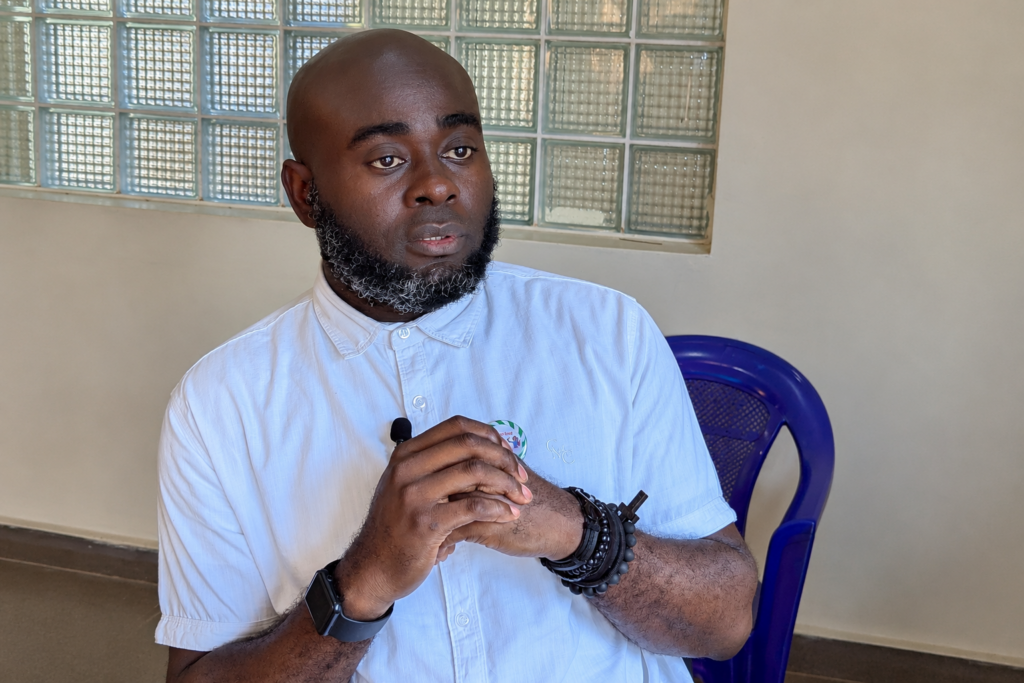
The consequences of these gaps can play out in real-world emergencies. David Olusola, a wheelchair user, shares how he was once caught up in the midst of a riot. When anti-riot police officers moved in, firing teargas into the crowd to quell the violence, Olusola, too tired to wheel himself to safety, was left sitting there. It took a while for one of the officers to notice him and assist him to safety.
More People Are Becoming Disabled
The UN Security Council estimates that roughly 16 percent of disabilities worldwide are conflict- or war-related. For conflict-affected areas, the figure almost doubles.
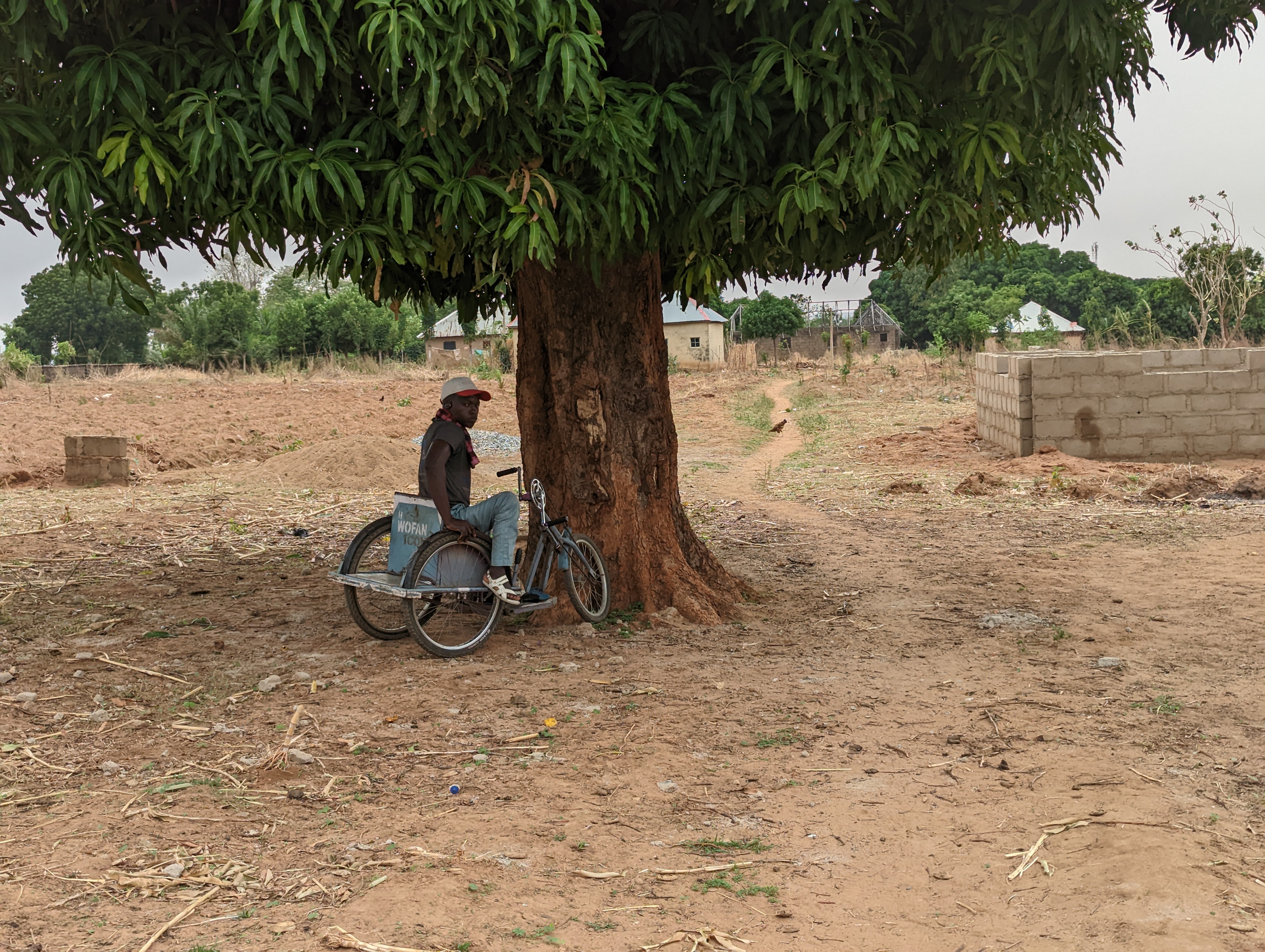
Thirty-nine-year-old Usman Sheshi used to be a successful farmer. But that changed when Fulani herdsmen attacked him on his farm in 2020, severing his right hand with a machete. Sheshi describes the lasting effects of that incident: “I was the greatest farmer, but now I have nothing; I am married with three children, [and] I suffer between myself and my God to feed my family.”
Olusola became disabled following a road accident about seven years ago. He attributes his disability to delays in receiving medical care. Although the crash occurred in the afternoon, he did not receive treatment until evening because the road to the hospital passed through warring communities. An ambulance required a security escort to travel safely, and by the time help arrived, he had lost the use of his legs.
‘We Are Scared’
Beyond the physical risks posed by Nigeria’s security crisis, many persons with disabilities say the constant threat of violence has reshaped their daily lives.
“We are not able to go out freely because we are scared,” says Amina Saleh, a woman with low vision from the Gidan-Bature community in Kuje, on the outskirts of Abuja in Nigeria’s Federal Capital Territory (FCT). Several persons with disabilities interviewed for this story said rising incidents of abduction and violence have caused them to limit their movements and forgo opportunities that could improve their lives. While insecurity affects both disabled and non-disabled Nigerians, some interviewees said they worry that being blind or having physical disabilities could make it more difficult to reach safety during an attack.
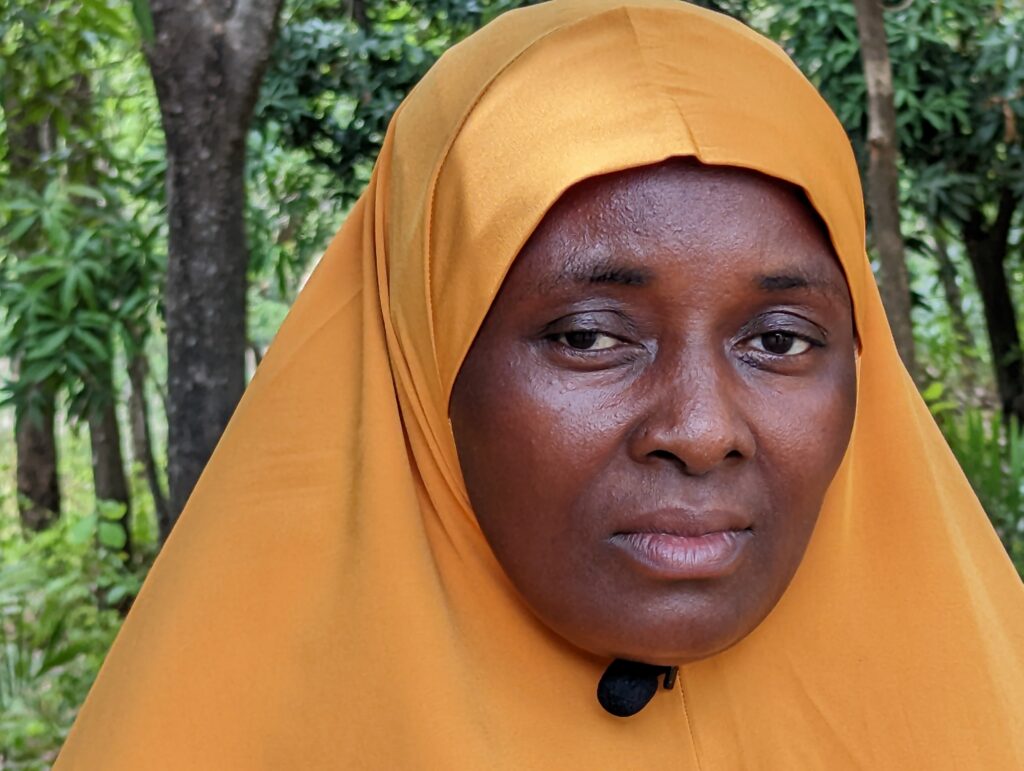
Bukola Badmus, a teacher and disability advocate who uses a wheelchair, says the present insecurity in Nigeria limits her road travels because of fears of kidnapping: “Sometimes, I have to reconsider or postpone trips by road because of safety concerns.”
Olusola recalls turning down a promising job offer because the location was experiencing violence and there was no guarantee of his security as a wheelchair user. He is still hunting for a job.
Livelihoods Disrupted
In rural areas, the security crisis often manifests as kidnappings, banditry, and violent conflicts between herders and farming communities. Farmers report that herders’ cattle sometimes enter their fields, destroying crops and threatening already fragile livelihoods. In many cases, the herders involved are armed, and attempts to challenge them or prevent cattle from grazing on farmland can expose farmers to intimidation, violence, or even death. For persons with disabilities who depend on farming for their livelihoods, the loss of crops, income, or access to farmland can push them even deeper into poverty and food insecurity.
Fifty-five-year-old Mohammed Lauwali, from Zamfara state in the northwest, has leprosy and lives in a colony for people with leprosy at Alheri village, Kwali, Abuja. He laments how Fulani herders’ cattle invade the farms in their compound, eating up and destroying their produce: “Look, it’s not easy for a person with disability to cultivate a farm, and some people will [bring their cows] and destroy it. Our farms are not big; it’s just little here and there.”
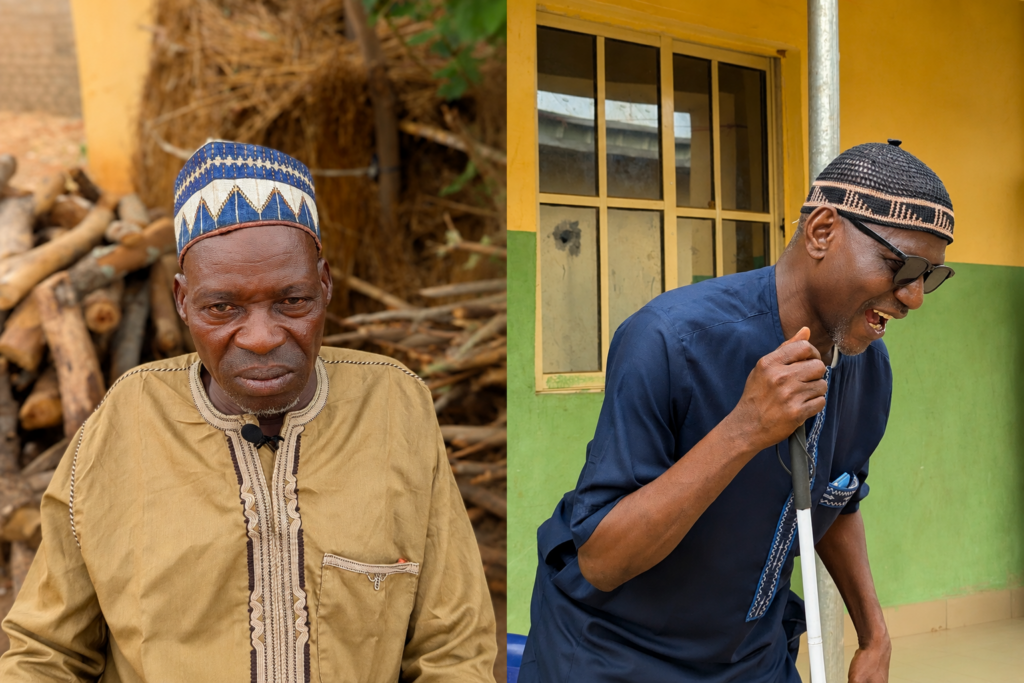
Festus Yakubu, a blind farmer and leader of Kwali’s local disability group, laments how the rise in kidnapping cases scares him from going to his farm and how he can no longer farm on the scale he used to. He now only engages in seasonal farming, with drastic reductions in harvest. The man who previously harvested between 12 and 15 bags of produce now harvests only one or two bags. Yakubu says, ”To be frank, the bandit issue is giving us a serious setback. … We are at the receiving end. As I said, I am no more generating what I used to generate in terms of income.”
Finding Ways to Stay On
Persons with disabilities in Nigeria do not yet feel that relevant bodies and government agencies are giving enough consideration to disability-specific interventions amid the current security crisis. This is especially so in rural areas. They say people with disabilities need to be at the discussion table more for better representation of their needs.
Yakubu, the blind farmer and leader of Kwali’s local disability group, says, “The government is supposed to help us, but the reverse is the case. With our disabilities, we are just trying. Even if something comes from the government, we don’t see it. … ”
Tina Ogbo, a disability leader in Kuje town, Abuja, agrees: “The government never come to our aid. … They say they will do something about it, but they are not doing anything.”
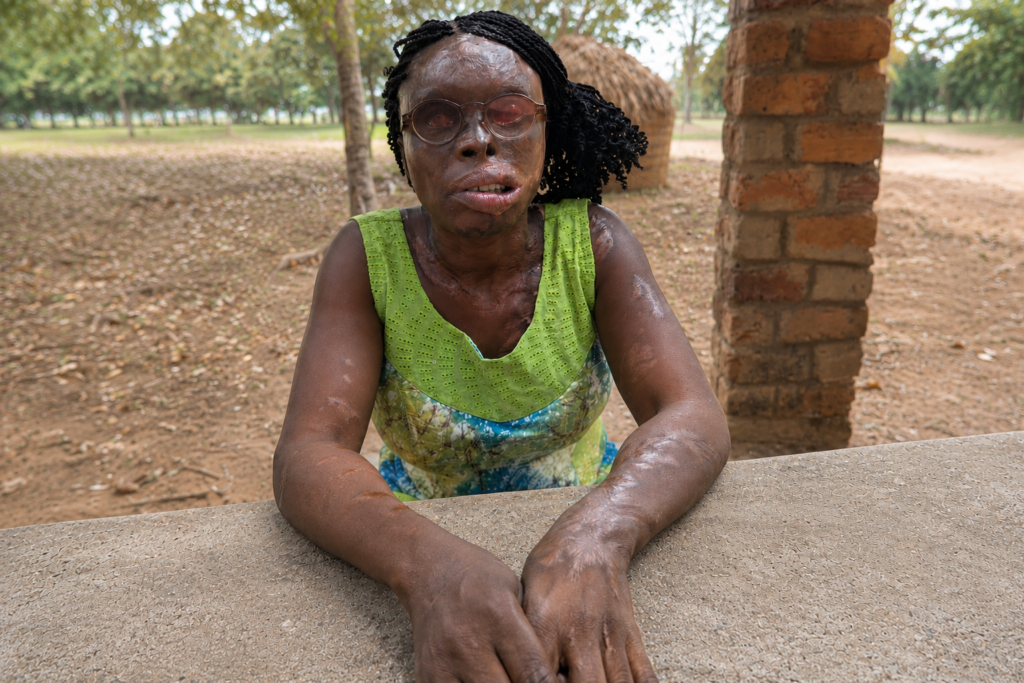
At the same time, many of those interviewed for this story say they are finding ways, individually and as groups, to survive the crisis. As Ogbo says, “We ourselves are looking for a way out.”
“Truly, persons with disabilities are trying,” adds Beyioku-Alase. “Many of them are coming up with different organizations to represent their interests.”
And Sheshi concludes, “In any situation … as far as there is life, there would be hope.”
Alexander Ogheneruemu is a Deaf writer, special educator, and disability advocate. A team member with the Voice for the Deaf Foundation (VDF), a Deaf-centric non-profit, his works are driven by a passion for changes that lead to better conditions for disabled and marginalized people.
Editing assistance by Jody Santos.
News From the Global Frontlines of Disability Justice
Reducing the Disability Tax
Indonesia has adopted a new regulation aimed at reducing the extra costs disabled people face, guaranteeing discounts across nine sectors, including health care, transportation and assistive devices. But disabled Indonesians say fees and administrative hurdles involved in obtaining the documents needed to access those rights could leave some people behind. As the government begins implementing the policy, advocates are calling for disability assessments to be free and accessible.
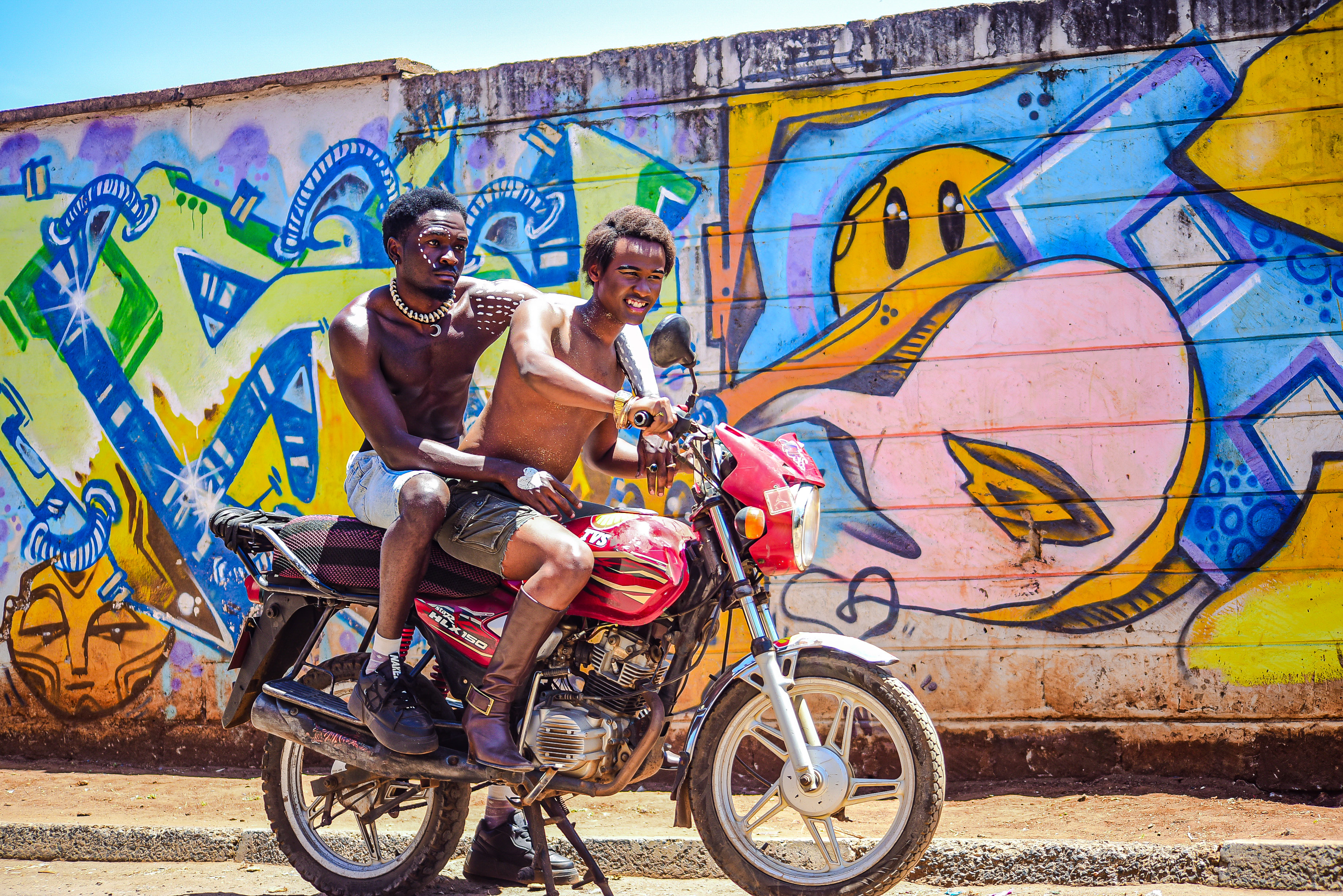
Joy As Resistance
In Kenya, queer and disabled people are finding common ground around questions of identity, access, family, and belonging. Ahead of a Nairobi event exploring where disability and queerness intersect, organizers and participants talk about the communities they have found and the spaces they are trying to create. “Queer people and disabled people share way more than they think they do,” says one organizer. The event will use storytelling, art, performance, and what its organizers call “queer joy” to start a conversation they say is long overdue.
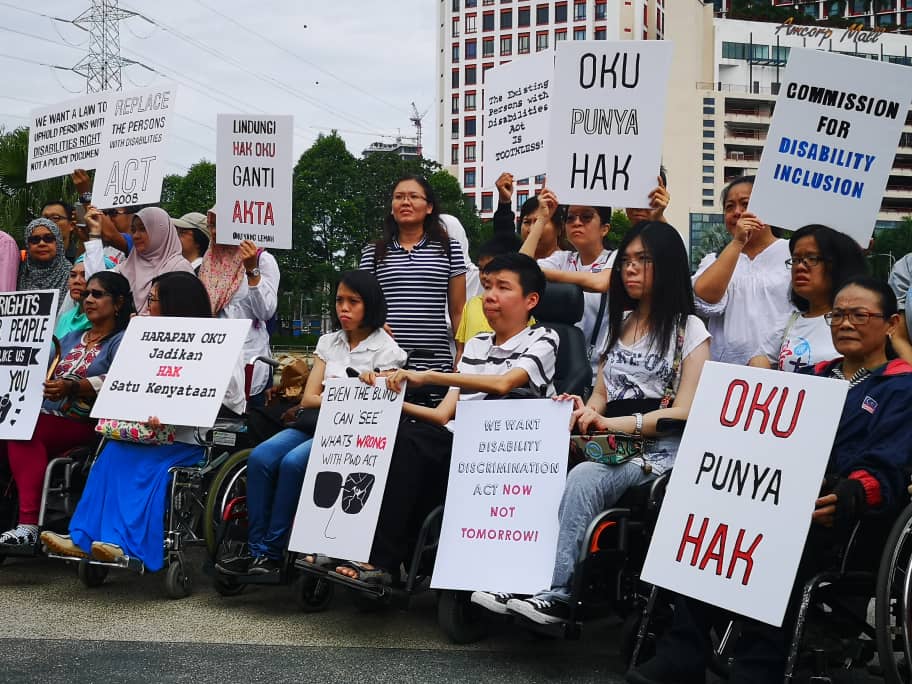
The Politics of Waiting, Wanting, and Hoping
In Malaysia, disability exclusion is rarely one dramatic denial. More often, writes Beatrice Leong, it is “a series of ordinary delays” — inaccessible schools, symbolic consultations, policies without enforcement, and a system that asks disabled people to wait patiently for dignity and belonging. Blending personal reflection with political analysis, Leong examines what happens when inclusion is promised repeatedly, but justice never fully arrives.
Read more about The Politics of Waiting, Wanting, and Hoping
Beyond the ADA
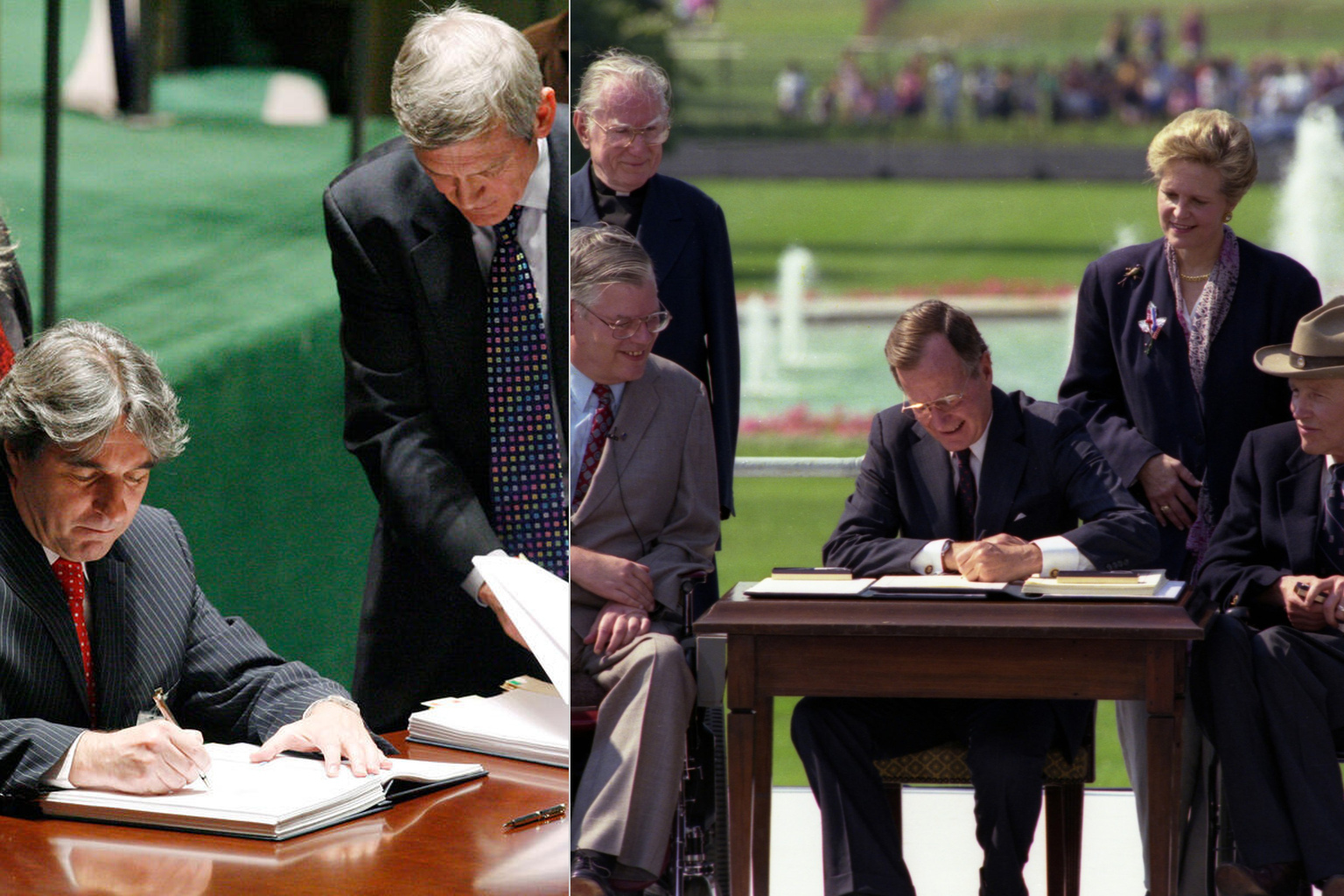
The ADA’s influence extends far beyond the United States. It helped shape a growing international approach to disability rights that eventually contributed to the development of the CRPD. But global disability movements have also expanded on ideas that U.S. law has yet to fully embrace. “I think many U.S. disability rights activists were surprised to find out how much we could learn from the international community,” says Eric Rosenthal, founder and executive director of Disability Rights International.
Forgotten People
As Nigeria’s growing insecurity crisis spreads, disabled people face barriers that can make escaping violence far more difficult. Across the country, they describe inaccessible emergency warnings, challenges reaching safety, disrupted livelihoods, and limited access to assistance during times of crisis. Their stories reveal how conflict is experienced differently when mobility, communication, and support cannot be taken for granted and how disability is too often overlooked in emergency planning and response.

The Cost of Surviving
After years of failed treatments for complex PTSD, Marian Siljeholm followed an unlikely lead into the underground world of MDMA-assisted therapy. What began as a search for healing became a journey through the science of trauma, the politics of prohibition, and the hidden global network of people risking their freedom to help others reclaim their lives. Their stories would change her own. As Marian writes, “The next morning, I woke with a thought as real as the bed: This is the first day of my life.”