News
‘Deaf People Are Finally Seen as Equal Citizens’
After Decades of Advocacy, Nepal’s Deaf Community Wins Historic Access to National News and Parliamentary Proceedings in Its Own Language
June 5, 2026
KATHMANDU, Nepal — For many Deaf people in Nepal, danger comes not only from earthquakes, pandemics, or political crises, but from being excluded from critical information, healthcare, education, public life, and opportunity in a world never built for them. For decades, that exclusion was treated as inevitable. Until now.
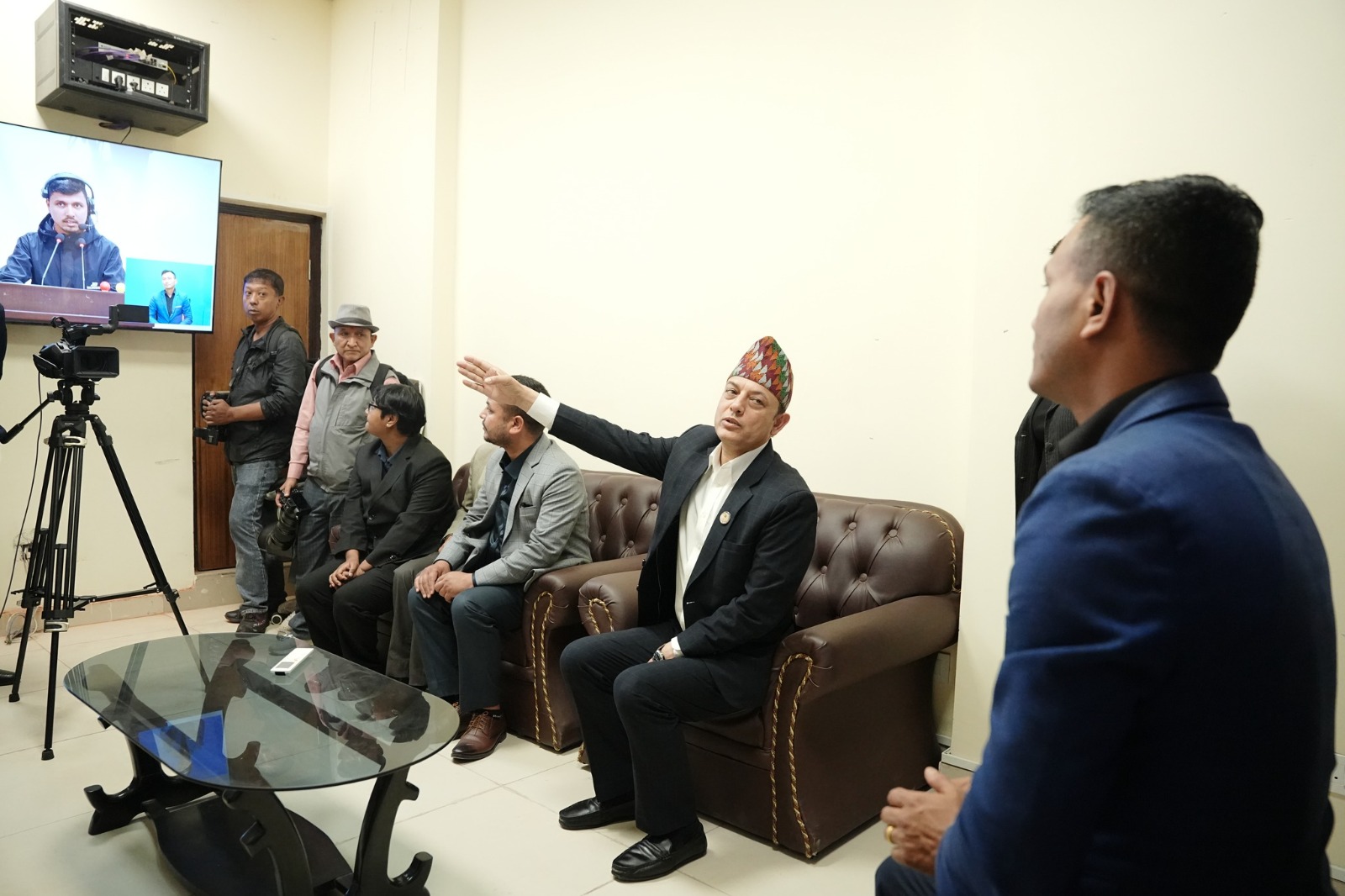
After decades of advocacy by the National Federation of the Deaf Nepal (NDFN), Nepal has expanded access to public information in Nepali Sign Language. Interpreted morning news broadcasts launched in 2020 were joined by evening broadcasts this April, creating twice-daily national news access for Deaf viewers. Earlier this month, sign language interpretation was also introduced in parliamentary proceedings.
For Deaf advocate Ghan Bahadur Thapa, the changes signal recognition. “We dreamed that one day the government would hear our voice,” he says.
NDFN President Santosh KC sees the broadcasts as long-overdue acknowledgement of the Deaf community’s language, identity, and rights. “We just want to contribute to our country like everyone else,” he says. “Access to the information shaping our lives is our right, and what makes education, health, security, and social participation possible.”
Inaccessible communication has often left Nepal’s Deaf community cut off from critical information during disasters, public health emergencies, and political events. During the COVID-19 pandemic, when Nepal’s lockdown briefings lacked sign language interpretation, “Our community didn’t know what was happening for a week,” KC recalls. After pressure from disability rights groups, interpreters were added, but the delay exposed how dangerous exclusion from public information can be.
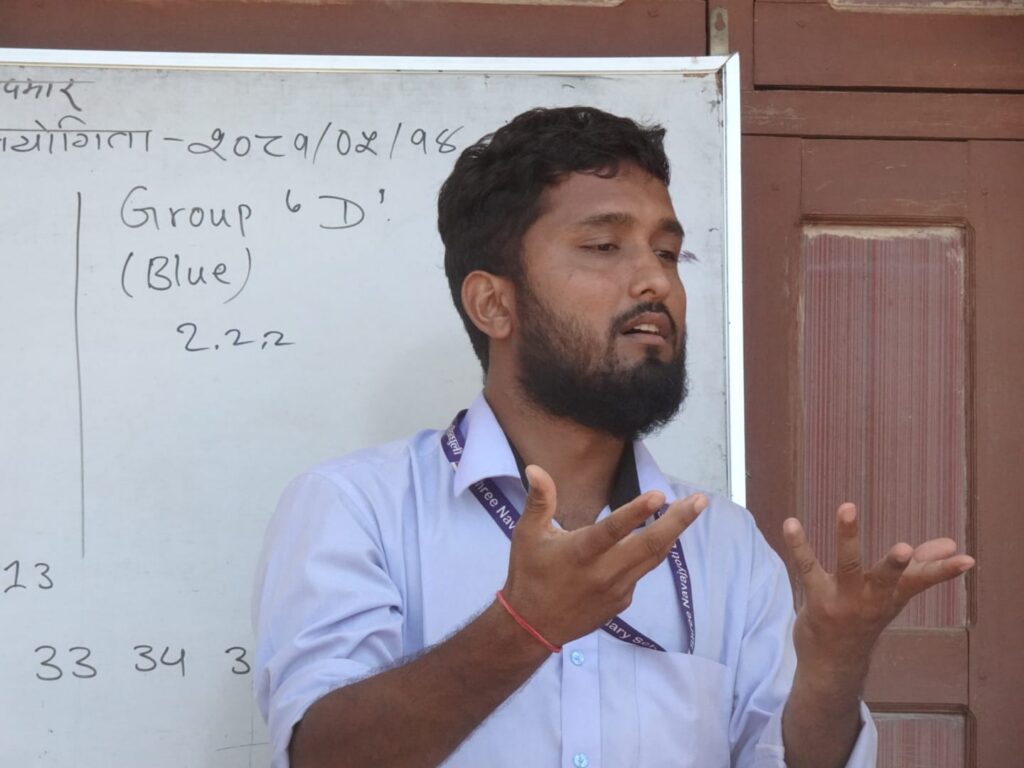
Thapa recalls facing similar barriers during elections, protests, natural disasters, and public health emergencies, when news remained inaccessible to Deaf citizens: “I often had to rely on others just to vote or keep myself safe.” During Nepal’s Gen Z protest movement last year, he recalls many Deaf people struggling to understand how the demonstrations began, who was leading them, or what demands protesters were making because coverage lacked interpretation. Thapa believes the movement helped push the government to take communication access more seriously.
Thapa’s own life is a testament to what can happen when Deaf people have the resources and support they need. After losing his hearing as a child, he and his family feared his future was over. “I had no options,” he says. Everything changed when an uncle enrolled him in a school for the Deaf, where he first encountered sign language: “That was the beginning of good days.” He later studied computer engineering and became an advocate, proof of what becomes possible when barriers to education and communication are removed.
A Decades-Long Effort
Integrating sign language interpretation into Nepal’s news broadcasts took decades. Advocacy began in 1997 with a single weekly 30-minute interpreted segment, forcing Deaf viewers to wait days for accessible information about major events. As KC recalls, “We advocated with the government and television stations for years.” At that time, many Deaf families did not even own televisions, but as televisions, smartphones, internet, and digital media became more widely available, the lack of accessible news became increasingly apparent. Meanwhile, Nepali Sign Language continued evolving, with new vocabulary to communicate modern concepts and a growing number of interpreters improving access across education, public events, and services.
Despite NDFN’s efforts, political instability repeatedly stalled progress, even after Nepal ratified the United Nations Convention on the Rights of Persons with Disabilities in 2009. Advocates also faced persistent misconceptions that captions alone were enough. “Just as Nepali and English are different, sign language is different,” says Thapa.
Still, the advocacy eventually paid off. “With the morning and evening broadcasts, people don’t have to wait days to know what’s happening,” says KC.
For Nepal’s Deaf community, the interpreted broadcasts represented more than access to information. The expansion to twice-daily newscasts signified a moment of dignity, belonging, and independence. “I felt proud to be Nepali,” says Thapa, calling the broadcasts “a new path” and proof that “Deaf people are finally seen as equal citizens.” Once dependent on others to interpret major events or information in the news, he says, “I am now self-reliant.”
“I feel respected, recognized, and confident now.”
Twenty-eight-year-old Deaf community member Rabita Deula echoes that, explaining how inaccessible communication has shaped nearly every aspect of her life, causing her to miss urgent public announcements, as well as professional opportunities, and even medical appointments. The result, she says, was feeling “excluded and dependent on others.”
For both Deula and Thapa, seeing Nepali Sign Language on national television has reshaped how they see their role. “I feel respected, recognized, and confident now,” Thapa says. “The broadcasts send a message that we are part of society.”
That message is especially important for young Deaf people, Deula explains, showing them that they do not have to abandon their own language to succeed and reinforcing that Deaf people’s “language, identity and rights matter.” Thapa believes the broadcasts can help reverse years of exclusion that left many Deaf youth discouraged and disconnected.
KC agrees, arguing that communication is the foundation of opportunity, especially through education, employment, and independence. “As the NDFN president,” he says, “if I don’t have interpreters, even I can’t do my job.”
A Deaf Parliamentary Candidate is Next
While many of NDFN’s most visible victories have focused on media accessibility, the organization also advocates for accessible healthcare, emergency communication, disaster response, and telecommunications. Facing a nationwide shortage of interpreters, NDFN pushed for expanded trainings, Video Relay Services, and a Sign Language Research and Training Center, while also producing informational videos to help Deaf citizens understand their rights and available services.
At the same time, many barriers remain. Especially in rural Nepal, disabled people struggle to access schools, healthcare, and transportation, while disability awareness remains limited. One of NDFN’s longest-running advocacy battles has centered on the right to drive. Although Nepal’s Supreme Court ordered the government in 2013 to allow Deaf individuals to obtain licenses, the policy still has not been fully implemented. Still, KC says recent progress is moving the issue forward. “So” he says, “we have hope.”
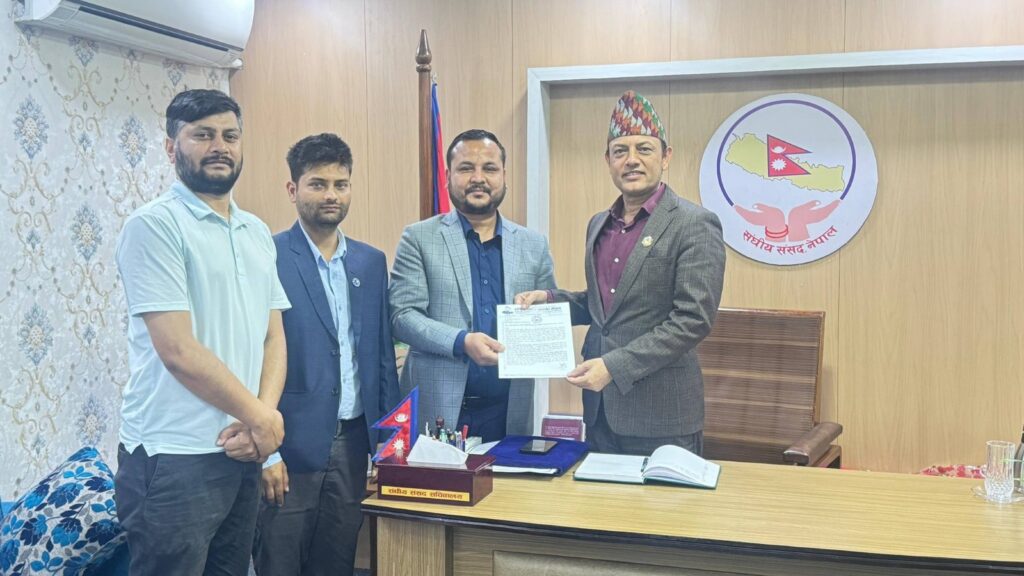
Another moment of hope came earlier this month, when Nepal introduced sign language interpretation for parliamentary proceedings. For KC, the milestone signals the possibility of future political representation. “Next,” he says, “we want to see a Deaf parliamentary candidate.”
These national reforms are also driving local change. In Koshi Province, the government established sign language interpreter services across all 14 districts, allowing Deaf individuals to request interpreters for appointments, education, interviews, and other essential services. For KC, the victories prove that sustained advocacy can create real change. “The goal,” he says, “is inclusion in education, health, transportation, politics, everything.”
Nepal’s Deaf community fought for years to access public information in their own language, making the country’s new interpreted broadcasts and parliamentary proceedings a breakthrough in accessibility and disability rights. But for advocates like KC, Deula, and Thapa, the change is about more than information. “It’s about everyone understanding that being able to participate is not a privilege, it’s a right,” says KC.
For Thapa, the moment marks the end of an era of exclusion. “Earlier, the Deaf community was mostly invisible,” he says. “That is over now.”
Marian Siljeholm is a multimedia journalist, photographer, and communications strategist whose career has focused on humanitarian issues, public health, social justice, and human-centered storytelling. She recently completed an M.S. in Media Innovation & Data Communication at Northeastern University, where she served as editor-in-chief of Storybench, Northeastern’s digital storytelling publication. Her work spans journalism, international development communications, and commercial multimedia projects, samples of which can be seen on her website and social media.
News From the Global Frontlines of Disability Justice
Reducing the Disability Tax
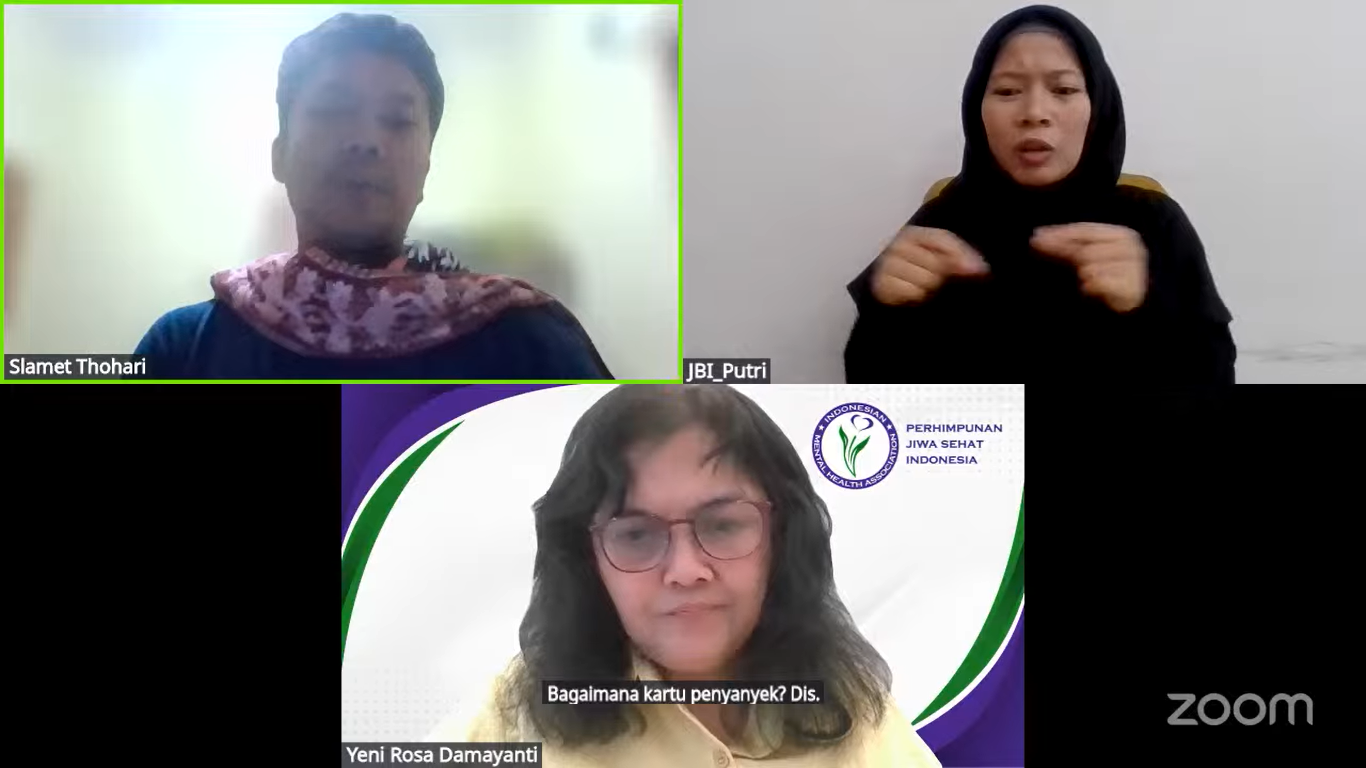
Indonesia has adopted a new regulation aimed at reducing the extra costs disabled people face, guaranteeing discounts across nine sectors, including health care, transportation and assistive devices. But disabled Indonesians say fees and administrative hurdles involved in obtaining the documents needed to access those rights could leave some people behind. As the government begins implementing the policy, advocates are calling for disability assessments to be free and accessible.
Joy As Resistance
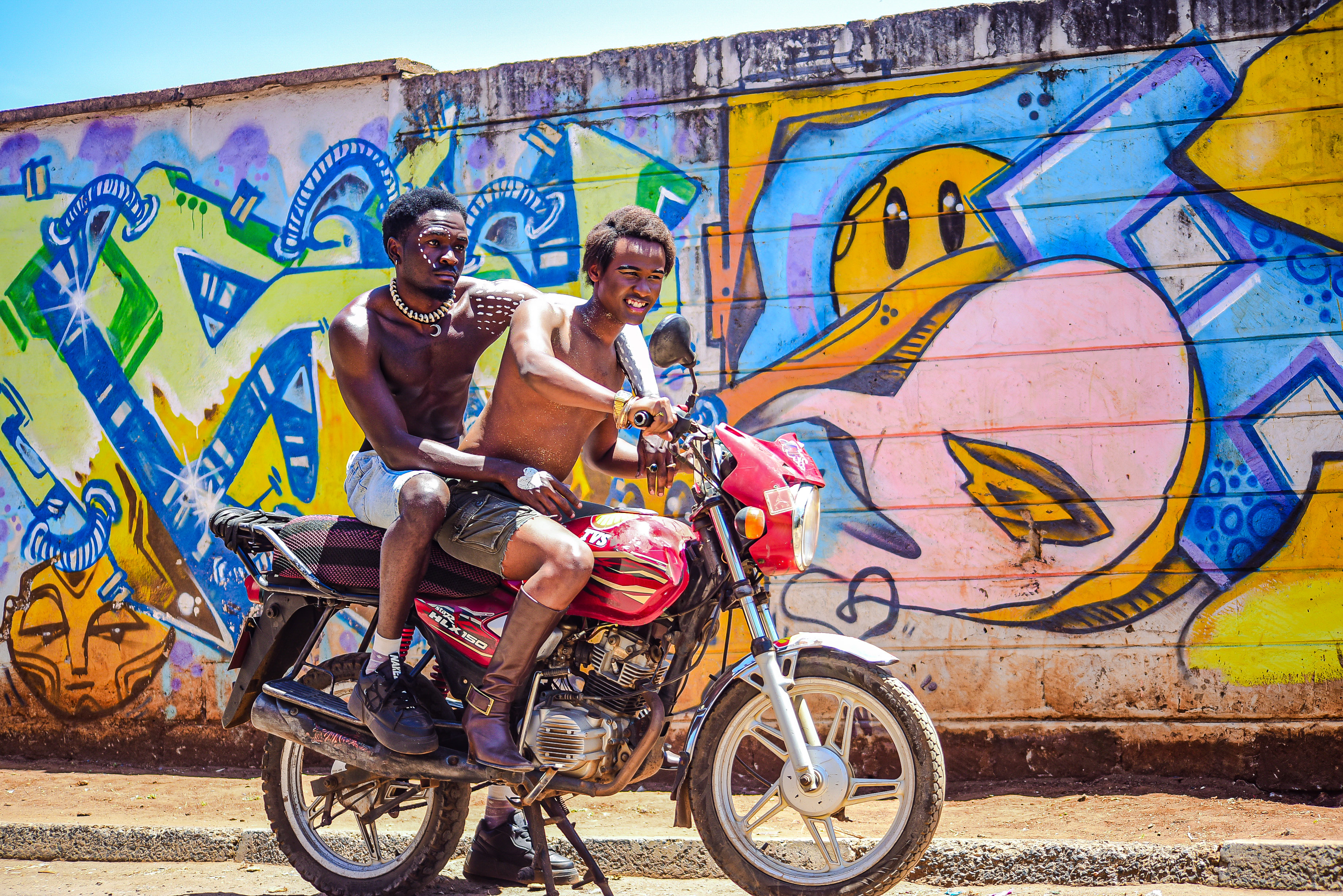
In Kenya, queer and disabled people are finding common ground around questions of identity, access, family, and belonging. Ahead of a Nairobi event exploring where disability and queerness intersect, organizers and participants talk about the communities they have found and the spaces they are trying to create. “Queer people and disabled people share way more than they think they do,” says one organizer. The event will use storytelling, art, performance, and what its organizers call “queer joy” to start a conversation they say is long overdue.
The Politics of Waiting, Wanting, and Hoping
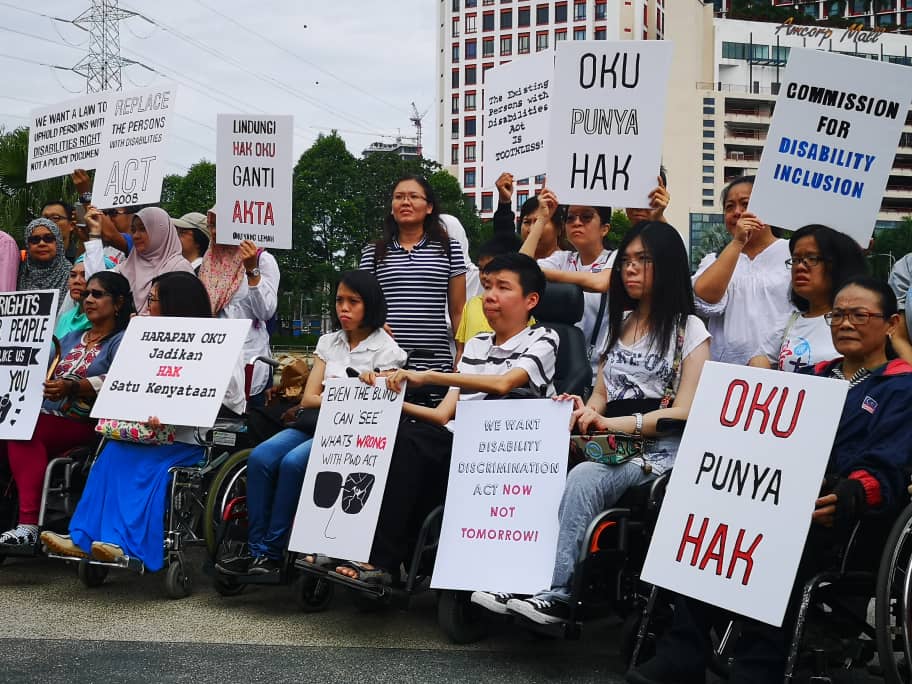
In Malaysia, disability exclusion is rarely one dramatic denial. More often, writes Beatrice Leong, it is “a series of ordinary delays” — inaccessible schools, symbolic consultations, policies without enforcement, and a system that asks disabled people to wait patiently for dignity and belonging. Blending personal reflection with political analysis, Leong examines what happens when inclusion is promised repeatedly, but justice never fully arrives.
Read more about The Politics of Waiting, Wanting, and Hoping
Beyond the ADA
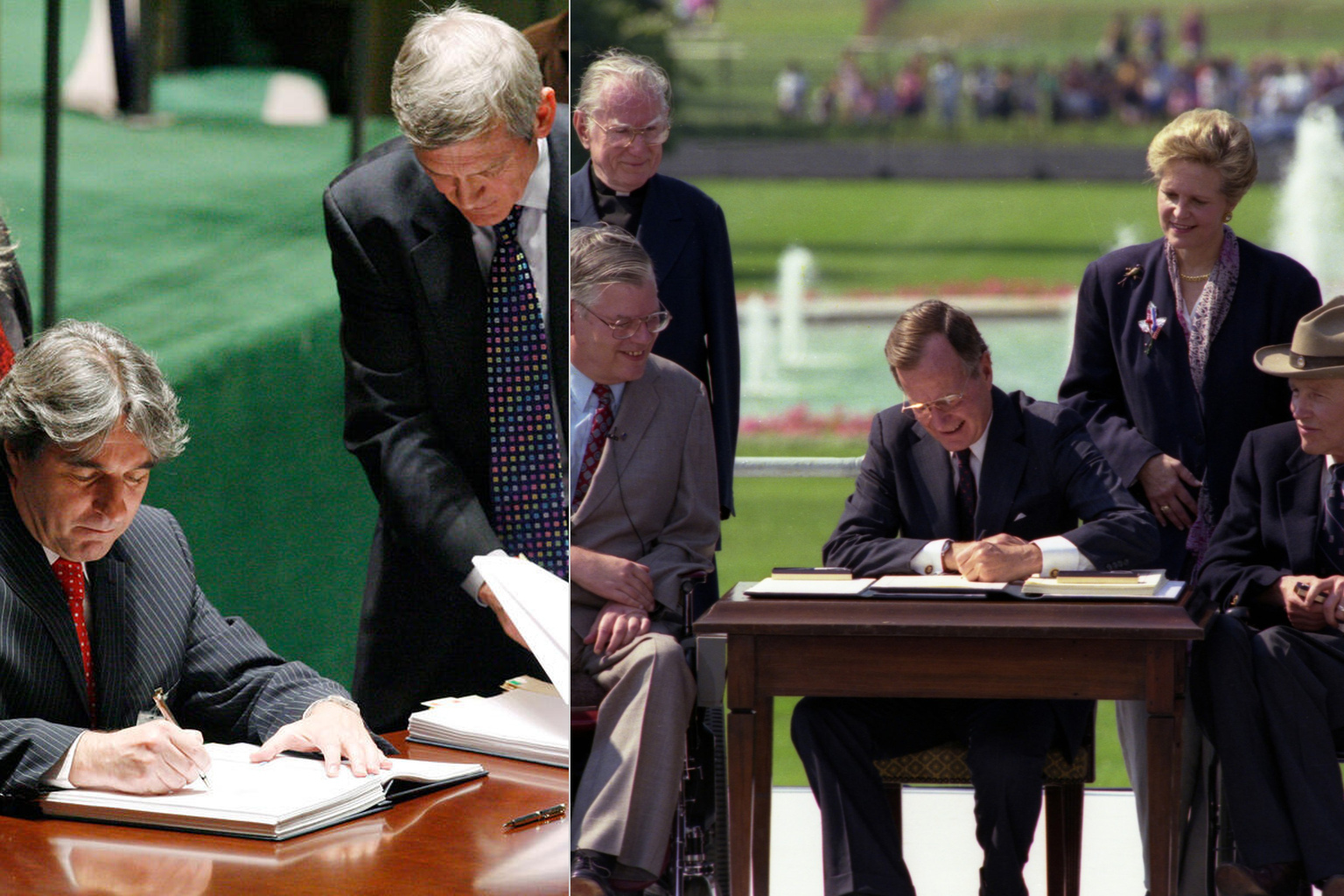
The ADA’s influence extends far beyond the United States. It helped shape a growing international approach to disability rights that eventually contributed to the development of the CRPD. But global disability movements have also expanded on ideas that U.S. law has yet to fully embrace. “I think many U.S. disability rights activists were surprised to find out how much we could learn from the international community,” says Eric Rosenthal, founder and executive director of Disability Rights International.
Forgotten People
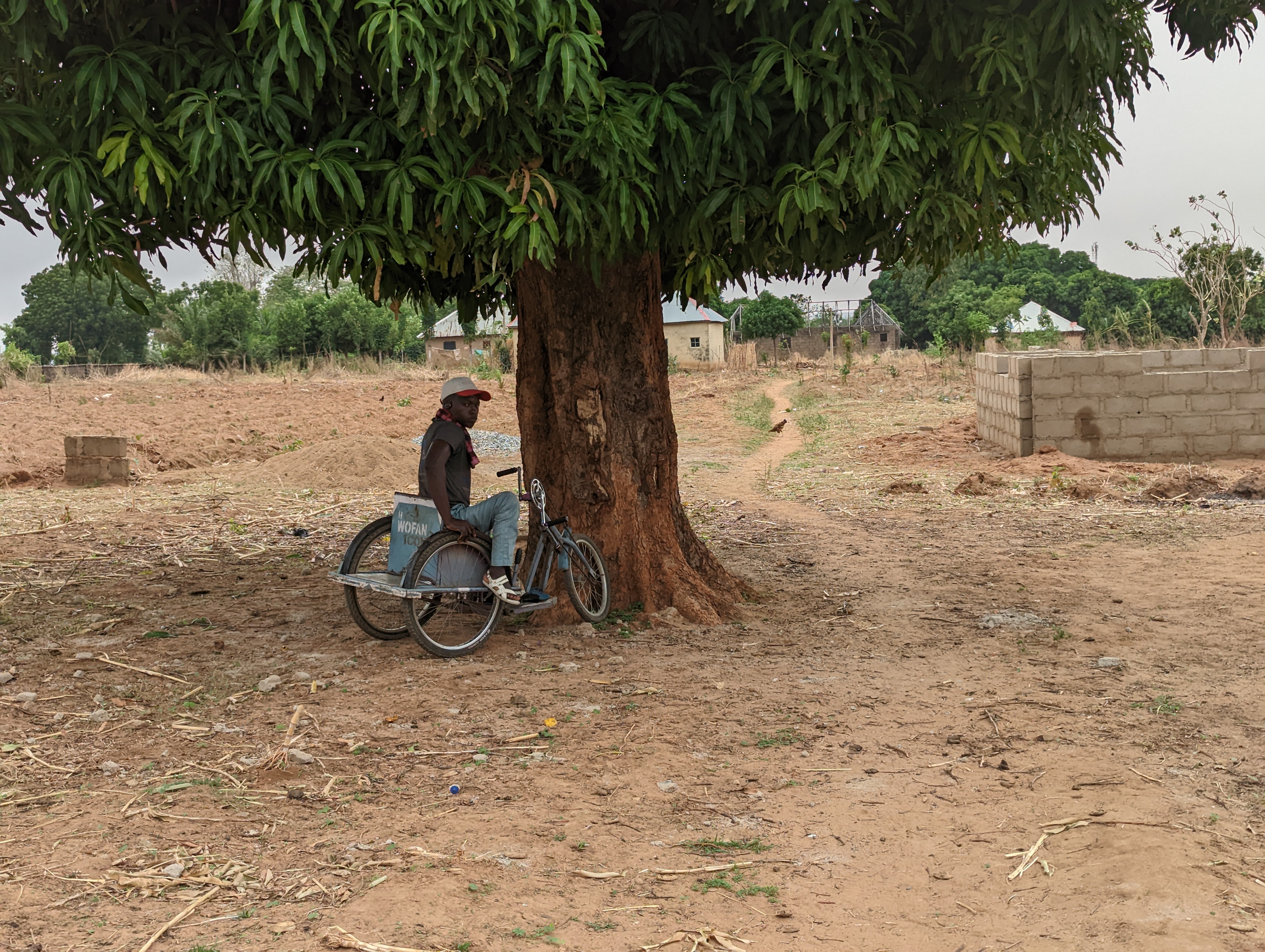
As Nigeria’s growing insecurity crisis spreads, disabled people face barriers that can make escaping violence far more difficult. Across the country, they describe inaccessible emergency warnings, challenges reaching safety, disrupted livelihoods, and limited access to assistance during times of crisis. Their stories reveal how conflict is experienced differently when mobility, communication, and support cannot be taken for granted and how disability is too often overlooked in emergency planning and response.

The Cost of Surviving
After years of failed treatments for complex PTSD, Marian Siljeholm followed an unlikely lead into the underground world of MDMA-assisted therapy. What began as a search for healing became a journey through the science of trauma, the politics of prohibition, and the hidden global network of people risking their freedom to help others reclaim their lives. Their stories would change her own. As Marian writes, “The next morning, I woke with a thought as real as the bed: This is the first day of my life.”