News
‘We Only Ask to Be Noticed’
As Wildfires Spread, Disabled Indonesians Face Mounting Barriers to Protecting Their Health and Livelihoods
November 2, 2026
Editor’s note: Interviews for this article were conducted via email. AI-assisted translation was used for some responses.
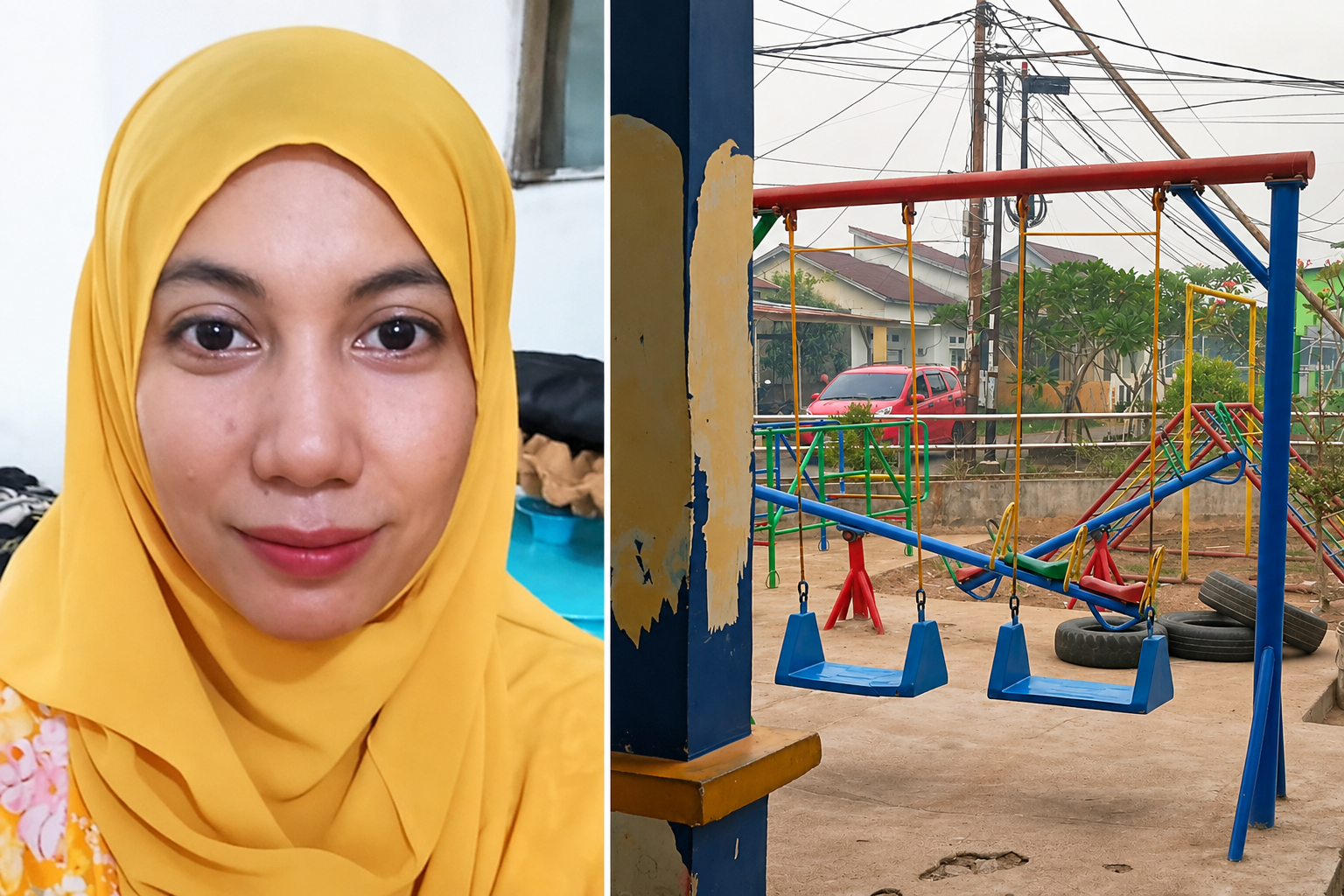
“The sky turned dark, yellowish-orange at 9:00 a.m., looking like dusk or sunset. Thick white smoke filtering in through gaps in doors and windows. I woke up choked and suffocated inside my locked bedroom, smelling burnt timber, with my eyes stinging, even while closed.”
For Nur Hamda, a 36-year-old member of the Indonesian Association of People with Disabilities (PPDI) in West Kalimantan, even the walls of her home offered little protection from the thick haze blanketing parts of Indonesia.
For months, forest and peatland fires, many started to clear land for agriculture and intensified by El Niño-driven drought, have sent smoke as far as Singapore and Malaysia, exposing more than 12.5 million people to haze. As of October 22, Indonesia’s Health Ministry had recorded 333,470 cases of acute respiratory infections linked to the fires. In addition to keeping families indoors, the smoke has emptied classrooms, forcing nearly 1.5 million students to learn from home. Despite the potentially hazardous air conditions, frustration over the government’s response has also brought thousands into the streets, demanding stronger action.
For many Indonesians with disabilities, the fires have compounded existing barriers to employment, healthcare, and essential services, leaving them with fewer resources and options to protect themselves from the smoke. Those who depend on daily wages are particularly affected when the haze makes working outdoors dangerous.
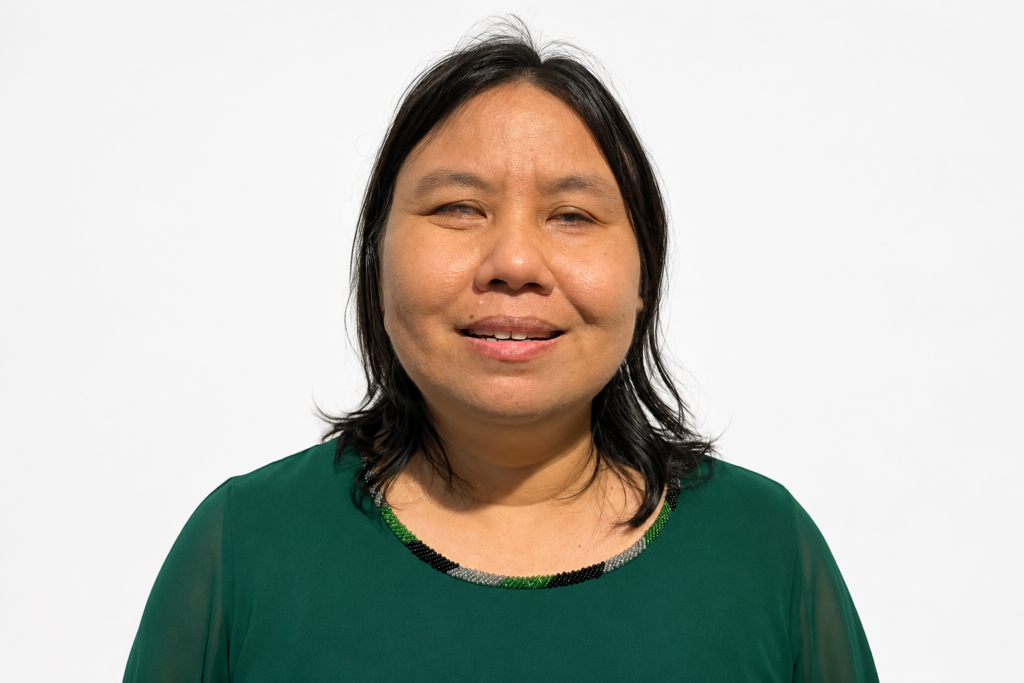
“Many work in the informal sector and earn low daily wages, sometimes below the minimum wage,” says disability rights activist Mahretta Maha. With little financial cushion, they now face a difficult choice: risk their health by working in hazardous air or lose the income they depend on. “When haze prevents them from working, they can immediately lose the income they need to meet their daily needs,” she says.
“Disasters do not create these barriers,” Maha adds. “Instead, they intensify existing barriers and expose persons with disabilities to greater risks.”
When Warnings Fail
“I know one woman who lived alone in South Kalimantan. When the haze became very thick, she had severe shortness of breath. For her, warnings and help came too late because she could not see or hear the hazard information shared publicly.”
For Hervita Liana of the Indonesian Women with Disabilities Association (HWDI), stories like this are common. “There are haze hazard warnings shared through banners, WhatsApp messages, and voice announcements,” she says. “Yet this system is not accessible for all our members. Friends with visual impairments cannot read text on banners, while those with hearing impairments cannot hear voice announcements.”
Indonesia already has regulations addressing these barriers. A 2014 regulation issued by the National Disaster Management Agency requires early-warning systems to provide timely, accessible information to people with disabilities. It also requires their participation in disaster planning and response. Indonesia has also ratified the United Nations Convention on the Rights of Persons with Disabilities (UNCRPD), which obligates countries to take measures to protect people with disabilities during disasters. Yet advocates’ accounts raise questions about how consistently these requirements are being implemented.
Devia Natalia is a Deaf Dayak Indigenous woman from Central Kalimantan. As a student, activist, and volunteer medical worker at Rumah Aman Asap during wildfire emergencies, she relies on Indonesian Sign Language (BISINDO) to communicate. Disaster coverage, however, routinely excludes this format. “Much of the current news and educational content does not include audio descriptions, subtitles, or sign language,” she says. “This makes it difficult for us to understand information related to disaster mitigation and the current crisis.”
The consequences can be dire. As Natalia warns, “A Deaf person who does not know the content of the announcement might be too late to get to safety.” And even when warnings arrive, knowing danger is approaching can offer little protection without accessible ways to escape.
No Safe Way Out
“When evacuation is needed, public transport is rarely wheelchair friendly,” says Liana. “Evacuation routes sometimes have stairs or muddy paths, and shelters do not yet have facilities that are easy for people with physical disabilities to use.”
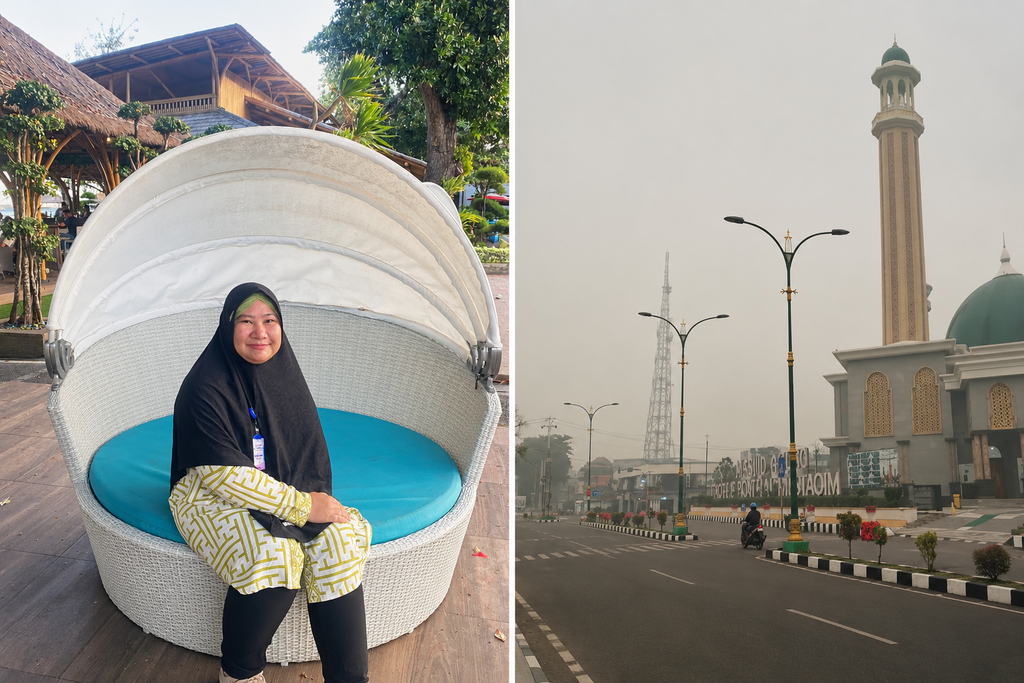
Even recommended safety precautions can create new obstacles. Maha, who is blind and relies on her sense of smell to navigate, describes how a measure intended to protect her can instead compromise her safety. As she explains, “Wearing a mask limits my ability to recognize my surroundings.”
For women with disabilities, evacuation can also bring additional dangers. “Women face harassment, violence, lack of privacy, and difficulty accessing personal necessities during evacuation,” Natalia says.
As wildfire smoke causes respiratory problems, accessing medical care presents another challenge for people with disabilities. “Healthcare services do not come to us,” Hamda says. “There are no home visits by nurses or public health doctors.” Instead, patients must navigate mobility limitations and dangerous roads made worse by dense smoke.
Even reaching a clinic offers little relief. “When we do visit clinics, the care is minimal,” Hamda says, describing doctors who prescribe basic medications and advise patients to stay indoors, despite smoke seeping into their homes. For Deaf patients, Natalia identifies another barrier: “Healthcare providers need to provide written communication or a sign language interpreter so that health information can be clearly understood.”
For advocates like Maha, these failures highlight a more pervasive and longstanding oversight. “The government needs to understand that inclusive disaster management is not simply about providing assistance to persons with disabilities after a disaster has occurred,” she says. “Persons with disabilities are citizens with the same rights as other citizens. Therefore, fulfilling the rights of persons with disabilities is the responsibility of the state, not merely an act of kindness or voluntary assistance.”
A Crisis of Preparedness
“Many officials think ‘accessible’ only means building ramps,” Liana explains. “They do not realize we also need early-warning information that people with sight or hearing loss can understand, health teams that know how to support us, and evacuation transport that fits wheelchair-users.”
We are not just people who need help. We also have abilities, experiences, and opinions that must be heard. Involve us in decision-making.
For Maha and Liana, the solution begins before the fires. “Accessibility should be incorporated into planning from the beginning,” Maha says. She and others are calling for accessible evacuation routes, transportation, and shelters. But above all, they are calling for inclusion. “The government needs to directly involve organizations of people with disabilities in the planning and implementation of disaster response efforts,” says Natalia. Liana echoes this, saying, “We are not asking for luxury. We only ask to be noticed, visited, and helped where we are. So we will not be left behind and forgotten.”
Natalia knows that meaningful change will require not only increased support, but also increased understanding of what meaningful support looks like. “We are not just people who need help,” she says. “We also have abilities, experiences, and opinions that must be heard. Involve us in decision-making. Ensure that information and services are accessible to everyone because safety is every human being’s right.”
Marian Siljeholm is a multimedia journalist, photographer, and communications strategist whose career has focused on humanitarian issues, public health, social justice, and human-centered storytelling. She recently completed an M.S. in Media Innovation & Data Communication at Northeastern University, where she served as editor-in-chief of Storybench, Northeastern’s digital storytelling publication. Her work spans journalism, international development communications, and commercial multimedia projects, samples of which can be seen on her website and social media.
Editing assistance by Jody Santos
News From the Global Frontlines of Disability Justice
‘We Only Ask to Be Noticed’
“I woke up choked and suffocated inside my locked room,” says Nur Hamda, “smelling burnt timber, with my eyes stinging, even while closed.” Smoke from Indonesia’s wildfires is seeping into homes, keeping people from work, and making it difficult to breathe. For Indonesians with disabilities, inaccessible warnings, unsafe evacuation routes, and limited healthcare make the crisis even harder to navigate. Now, disabled advocates are asking why their needs continue to be overlooked.
Not Accessible For Me
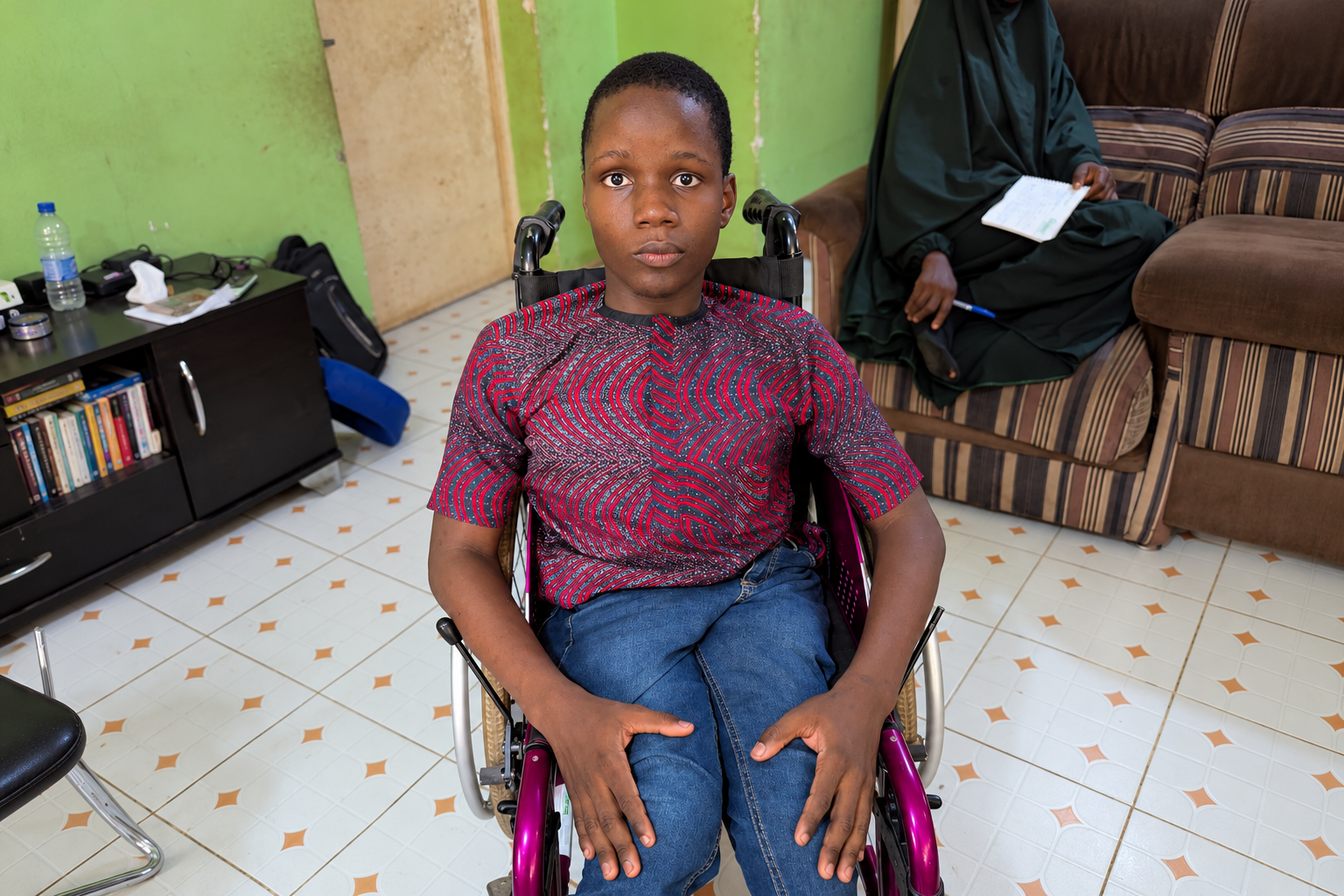
In Nigeria, children and adults with spina bifida and hydrocephalus continue to face discrimination, inaccessible schools, unaffordable healthcare and barriers to public transportation. Despite legal protections, many are still denied basic rights, leaving families to shoulder the financial and emotional costs. More than two years after a deadline for public institutions to become accessible, the gap between what the law promises and what disabled Nigerians experience remains wide.
Reducing the Disability Tax
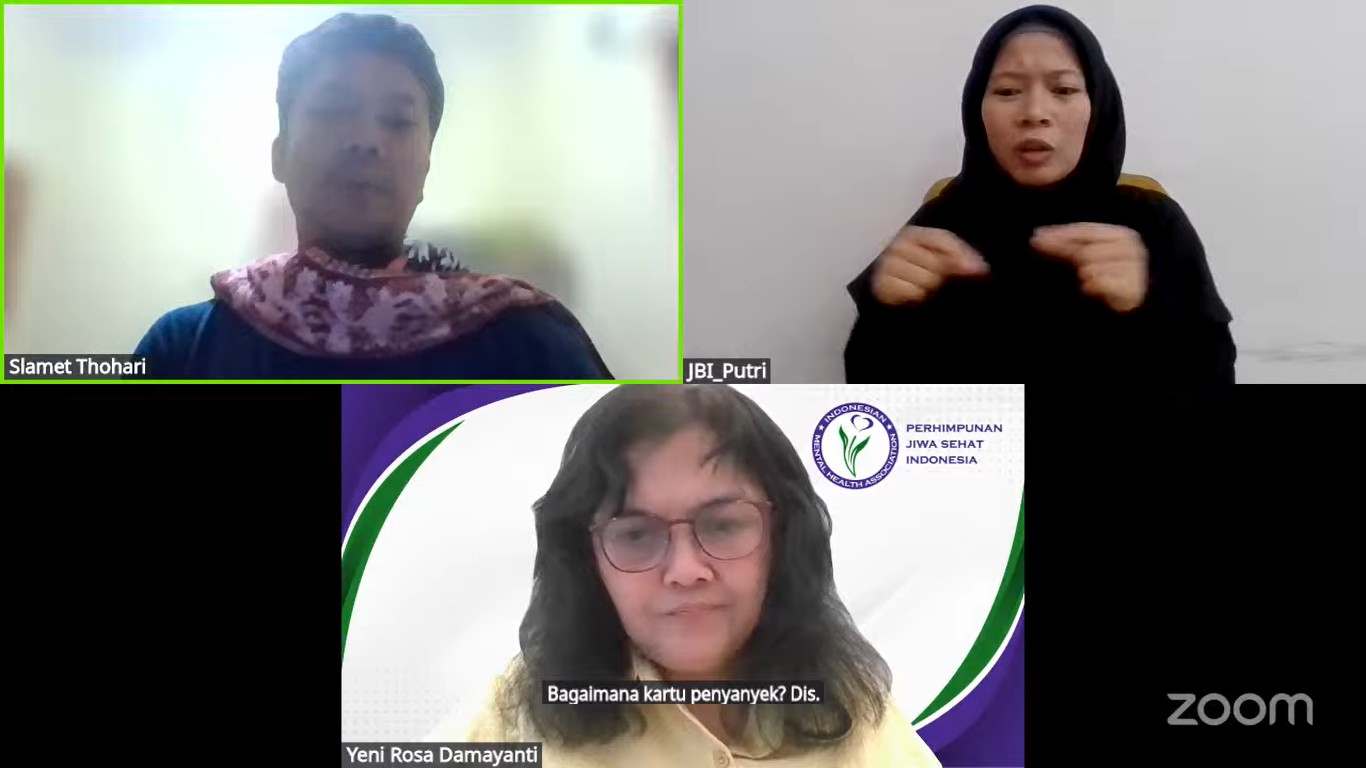
Indonesia has adopted a new regulation aimed at reducing the extra costs disabled people face, guaranteeing discounts across nine sectors, including health care, transportation and assistive devices. But disabled Indonesians say fees and administrative hurdles involved in obtaining the documents needed to access those rights could leave some people behind. As the government begins implementing the policy, advocates are calling for disability assessments to be free and accessible.
Joy As Resistance
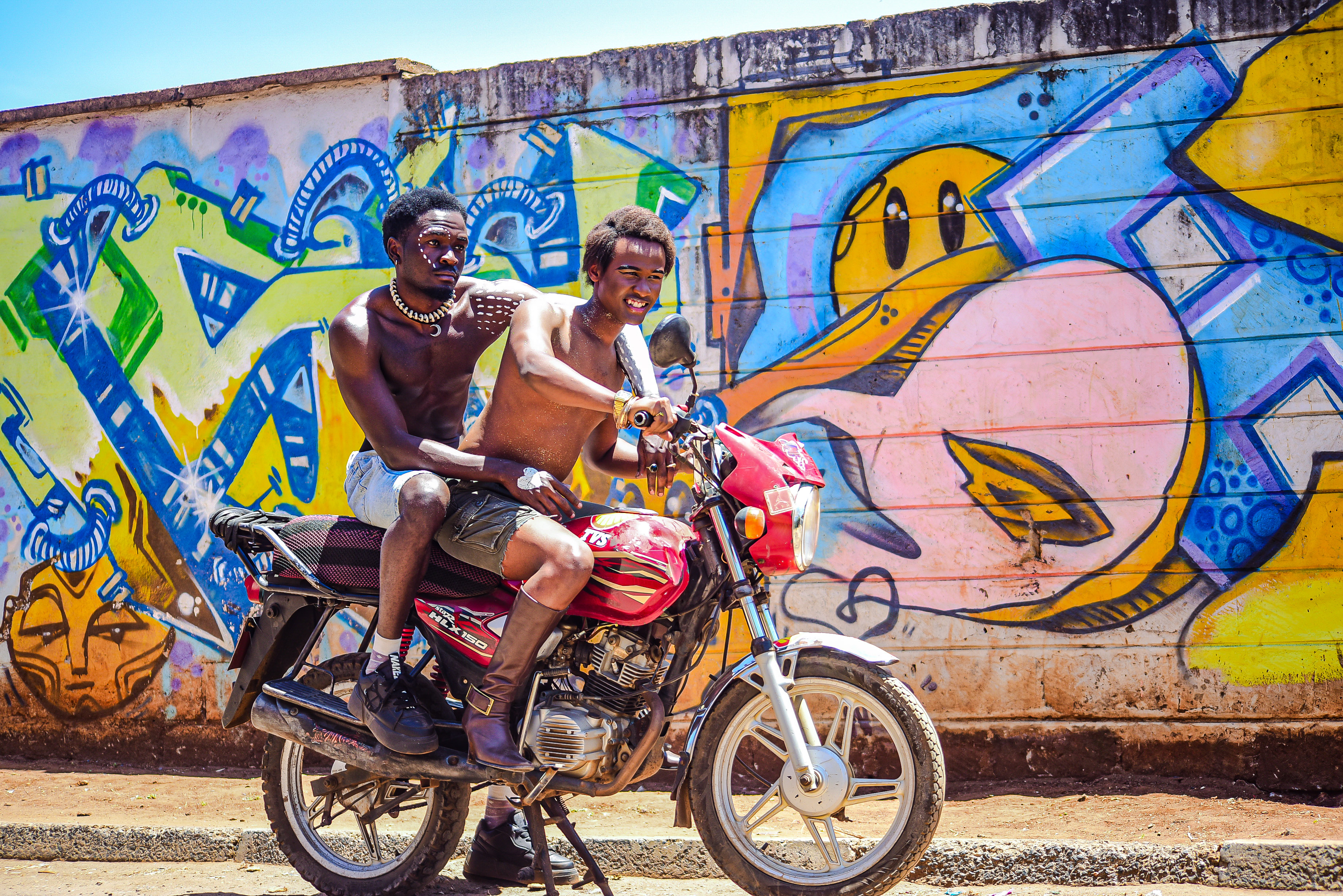
In Kenya, queer and disabled people are finding common ground around questions of identity, access, family, and belonging. Ahead of a Nairobi event exploring where disability and queerness intersect, organizers and participants talk about the communities they have found and the spaces they are trying to create. “Queer people and disabled people share way more than they think they do,” says one organizer. The event will use storytelling, art, performance, and what its organizers call “queer joy” to start a conversation they say is long overdue.
The Politics of Waiting, Wanting, and Hoping
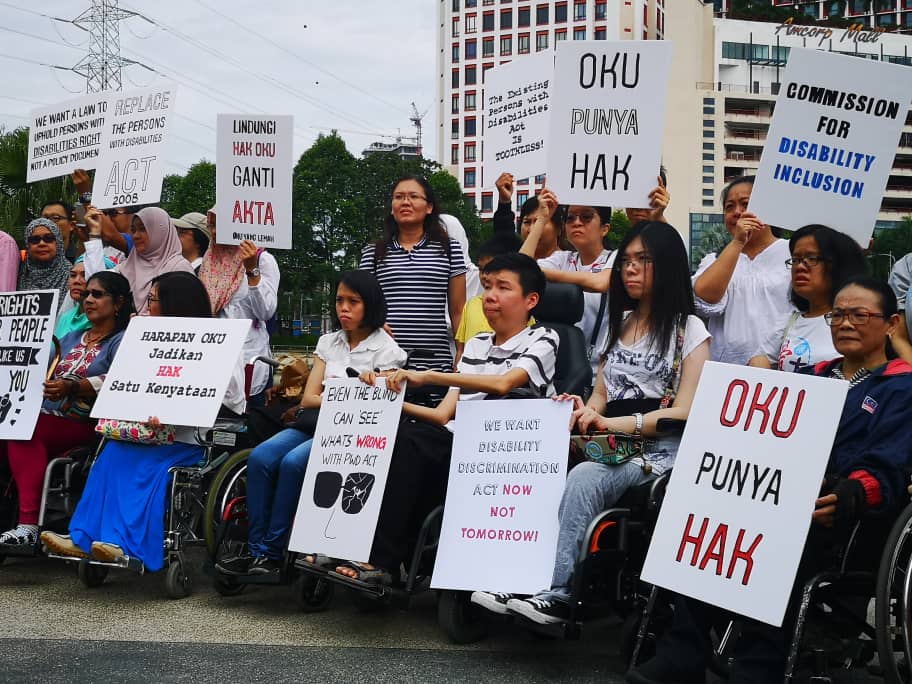
In Malaysia, disability exclusion is rarely one dramatic denial. More often, writes Beatrice Leong, it is “a series of ordinary delays” — inaccessible schools, symbolic consultations, policies without enforcement, and a system that asks disabled people to wait patiently for dignity and belonging. Blending personal reflection with political analysis, Leong examines what happens when inclusion is promised repeatedly, but justice never fully arrives.
Read more about The Politics of Waiting, Wanting, and Hoping
Beyond the ADA
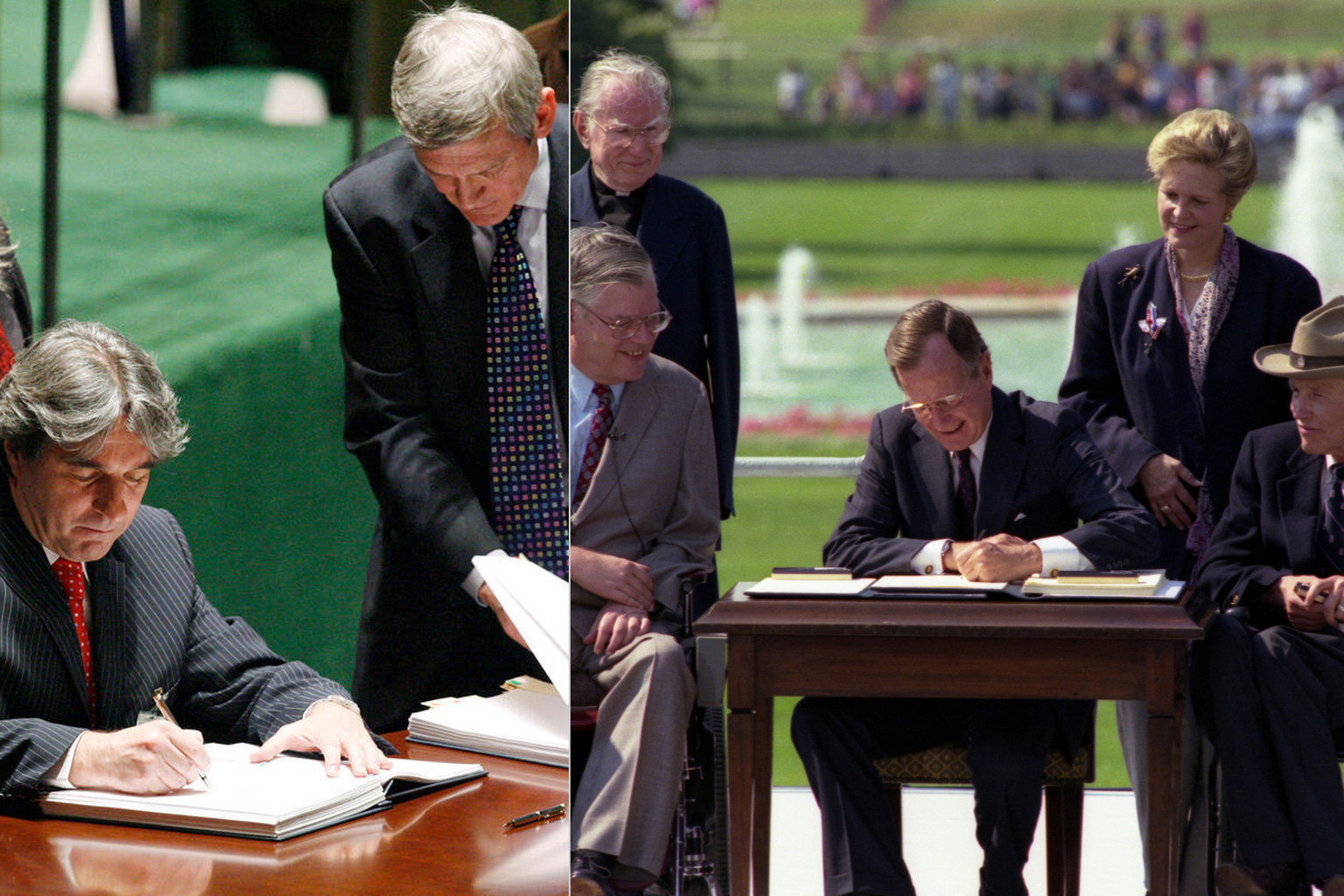
The ADA’s influence extends far beyond the United States. It helped shape a growing international approach to disability rights that eventually contributed to the development of the CRPD. But global disability movements have also expanded on ideas that U.S. law has yet to fully embrace. “I think many U.S. disability rights activists were surprised to find out how much we could learn from the international community,” says Eric Rosenthal, founder and executive director of Disability Rights International.