News
Disability Aid Disrupted
Play audio version
The DJP Community Responds to the Gutting of USAID
February 27, 2025
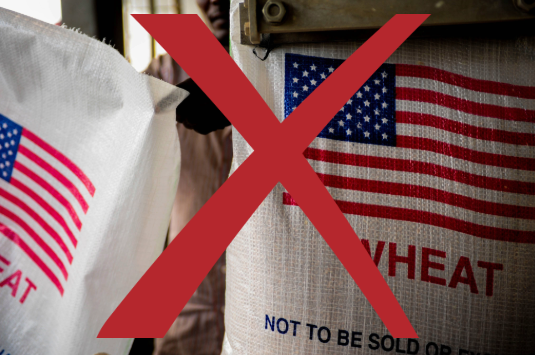
On January 20, President Donald Trump signed an executive order pausing activities funded by the United States Agency for International Development (USAID) for 90 days, a decision that has had widespread effects. Among those impacted are several Disability Justice Project (DJP) Fellows and members of the Disability Justice Media Network (DJMN), a global WhatsApp group of disabled journalists and filmmakers. The funding freeze directly affects people with disabilities worldwide who depend on these programs and services for their daily lives.
A mission of USAID’s work is disability inclusion, with the agency funding education and employment programs among other services. Disability Debrief explains how people with disabilities and organizations dedicated to disability services are facing “devastating impacts.”
On February 13, a federal judge ordered the Trump administration to temporarily lift the funding freeze, arguing that administration officials have not offered “any explanation” for why the aid suspension was “a rational precursor to reviewing programs.” Despite court efforts to reestablish the movement of funds, the Trump administration announced this week that it was ending more than 90 percent of USAID contracts and $60 billion in US foreign assistance overall.
DJMN contributor Alexander Ogheneruemu, a team member at Voice for the Deaf Foundation, already has noticed the immediate impacts of the USAID freeze in Nigeria. Deaf-E3, a program partnering with Gallaudet University to strengthen Deaf education, empowerment, and employment in Nigeria, was forced to halt its efforts, according to Ogheneruemu. “The Deaf-E3 has helped a number of Deaf persons have a taste at the ‘good life’ without which they wouldn’t have,” he says.

With a sudden halt in funding to essential services, Nigeria is in crisis mode. The African country is one of the key beneficiaries of U.S. foreign aid, having received $1.02 billion in 2023, with a large portion coming from agencies such as USAID. Programs supporting Nigeria’s millions of out-of-school children, many of them with disabilities, to access quality and inclusive education programs have already shut down, threatening to deepen cycles of poverty and marginalization. USAID funding is also vital to Nigeria’s efforts in advancing HIV/AIDS treatment, maternal and child health care, and disease prevention.
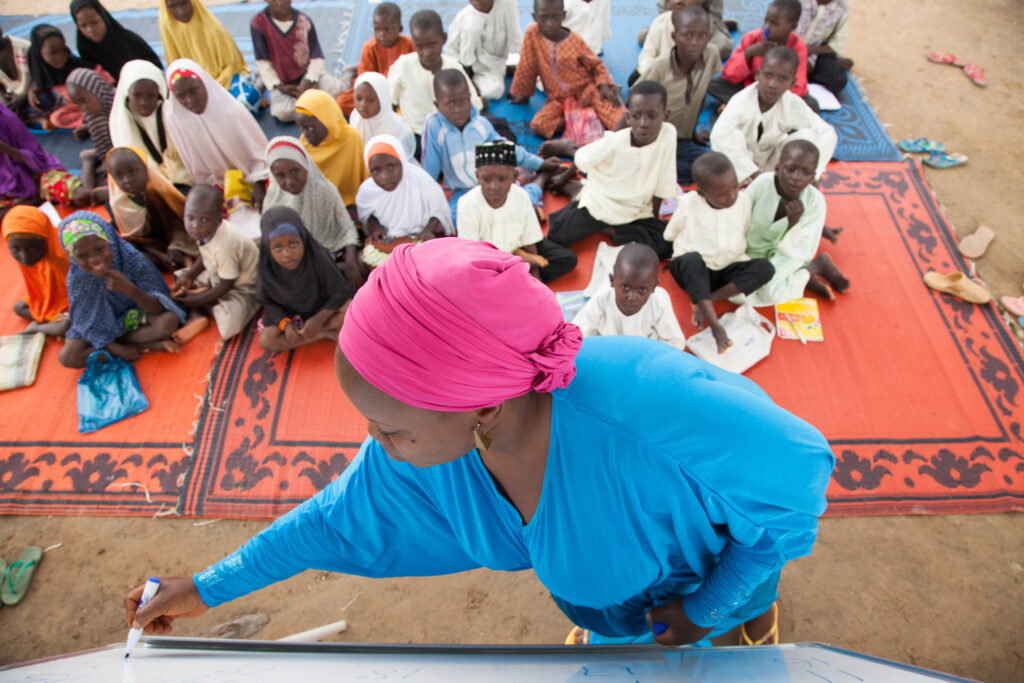
Nigerian lawmakers recently approved a $200 million addition to the nation’s health sector for its 2025 spending plan — an effort to soften the blow of the USAID freeze. But compared to receiving over $600 million in health assistance from the U.S. in 2023 alone, the weight of this decision from the Trump administration is likely to be felt nonetheless. “The poor and vulnerable will suffer, especially those battling life-threatening, terminal illness,” says Ogheneruemu. “There will be a rise in death rate.”
“Stoppage of aid will naturally mean that programs have to find aid from other sources, and that is not always possible,” adds Merry Barua, founder of Action for Autism in India. “This will impact continuation of programs, which have to be trimmed down, to come to a stop.”
DJMN member Jacques Balolage, a disability rights activist in the Democratic Republic of Congo (DRC) and founder of the non-profit organization Equal Access Innovators (EAI), has also felt the detrimental impacts in his country. The Deaf leader emphasizes the value U.S. foreign aid offers the DRC, including donations, materials, training, partnerships, and exchange programs. “The aid has been instrumental in supporting both local and international organizations, whether for individuals with disabilities or those without, as well as street children who are often overlooked,” he says.
And now with the freeze, all activities related to the USAID agreements have been suspended, says Balolage. USAID employees were forced to flee their assignments in the DRC after the funding freeze left them jobless, and conditions are concerning for the people remaining.
On January. 31, the rebel group identified as the March 23 Movement (M23) captured Goma, a city in eastern DRC’s North Kivu province and home to more than a million people. As M23 advances, the risk of violence increases for people with disabilities, who already face greater barriers to fleeing conflict and accessing resources. Civilian casualties have pushed medical facilities beyond capacity, and food scarcity and rising prices in Goma are particularly dire for disabled people, who are often the last to receive aid. “The airport is closed, and there is a serious humanitarian crisis that is particularly affecting people with disabilities,” says Balolage.
Narrowing the limited programs for marginalized groups is cause for concern. And the lack of resources for people with disabilities extends far beyond the freezing of USAID, Balolage explains: “People with disabilities face additional obstacles. They deal with structural discrimination, lack of access to essential services, and invisibility in public policies. … I’m disappointed in the U.S. government.”
DJP contributing writer Francine Uwayisaba, a field officer at Rwanda Union of Little People, adds to this sentiment. Former USAID employees are now unemployed in Rwanda, including those with disabilities. Uwayisaba emphasizes the severity of this because finding a job as a person with a disability in Rwanda is already “really tough” due to societal prejudice, access to quality education, and accessibility challenges in the workplace.
With U.S. foreign aid no longer a guarantee, many other countries will need to find different revenues for funding, and activists are not giving up. “I’m determined to reflect on the discrimination faced by people with disabilities, despite my hearing impairment,” says Balolage. “[The] mission is to provide training in inclusive leadership, specialized education, climate change, technology, and humanitarian aid for people with disabilities, displaced persons, the Deaf, and street children, despite the challenges of funding.”
Sofia Garrett is a third-year journalism and media and screen studies major at Northeastern University, and she is eager to produce meaningful work for the Disability Justice Project. She previously served as sports editor at The Huntington News, Northeastern’s independent student paper, along with being a news correspondent at The Boston Globe. Now, she works with the video production team at Northeastern University Athletics.
News From the Global Frontlines of Disability Justice
A ‘Direct Threat’ to Democracy
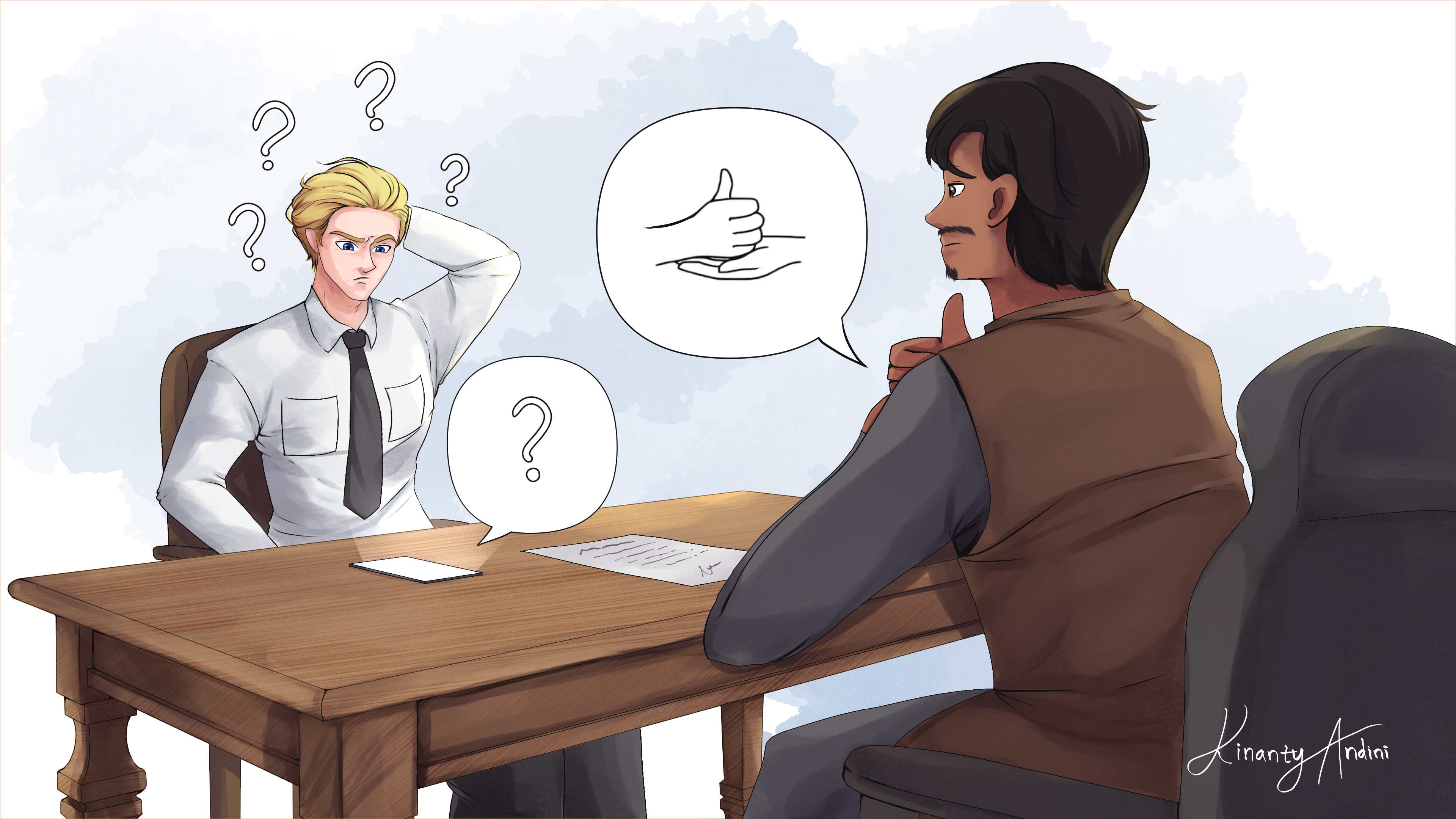
A Deaf asylum seeker from Mongolia spent five months in U.S. immigration detention without access to a sign language interpreter, leaving him unable to communicate with officers or explain his fear of persecution. His case raises questions about whether disability rights laws are being followed inside ICE facilities, where access to communication can determine the outcome of an asylum claim. Lawyer and advocate Qudsiya Naqui says the “absolute disregard” for disability rights under the Trump administration is a “direct threat” to democracy and rule of law.
‘Everything Has Gone Back’
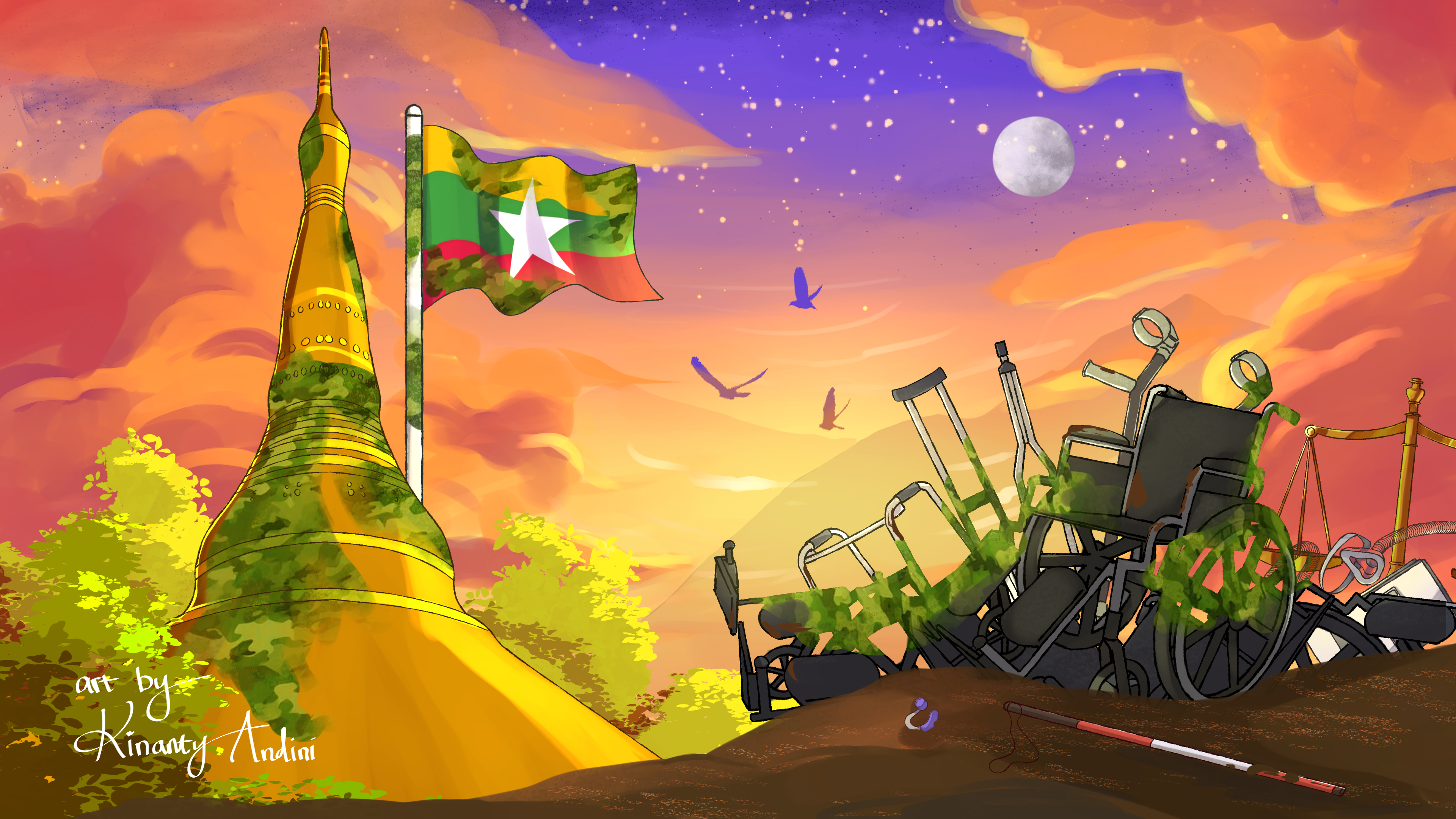
Before Myanmar’s 2021 military coup, disability advocates were helping shape national policy for the first time in decades. Laws expanded access to education, transportation, and public life. Today, much of that progress has collapsed. A new UN report describes a “hidden crisis,” documenting targeted violence, deadly attacks, and the exclusion of people with disabilities from warnings, aid, and services. As conflict creates new disabilities and organizations are forced underground, advocates work quietly to preserve rights that once seemed within reach.
‘I Just Want to Walk Alone’
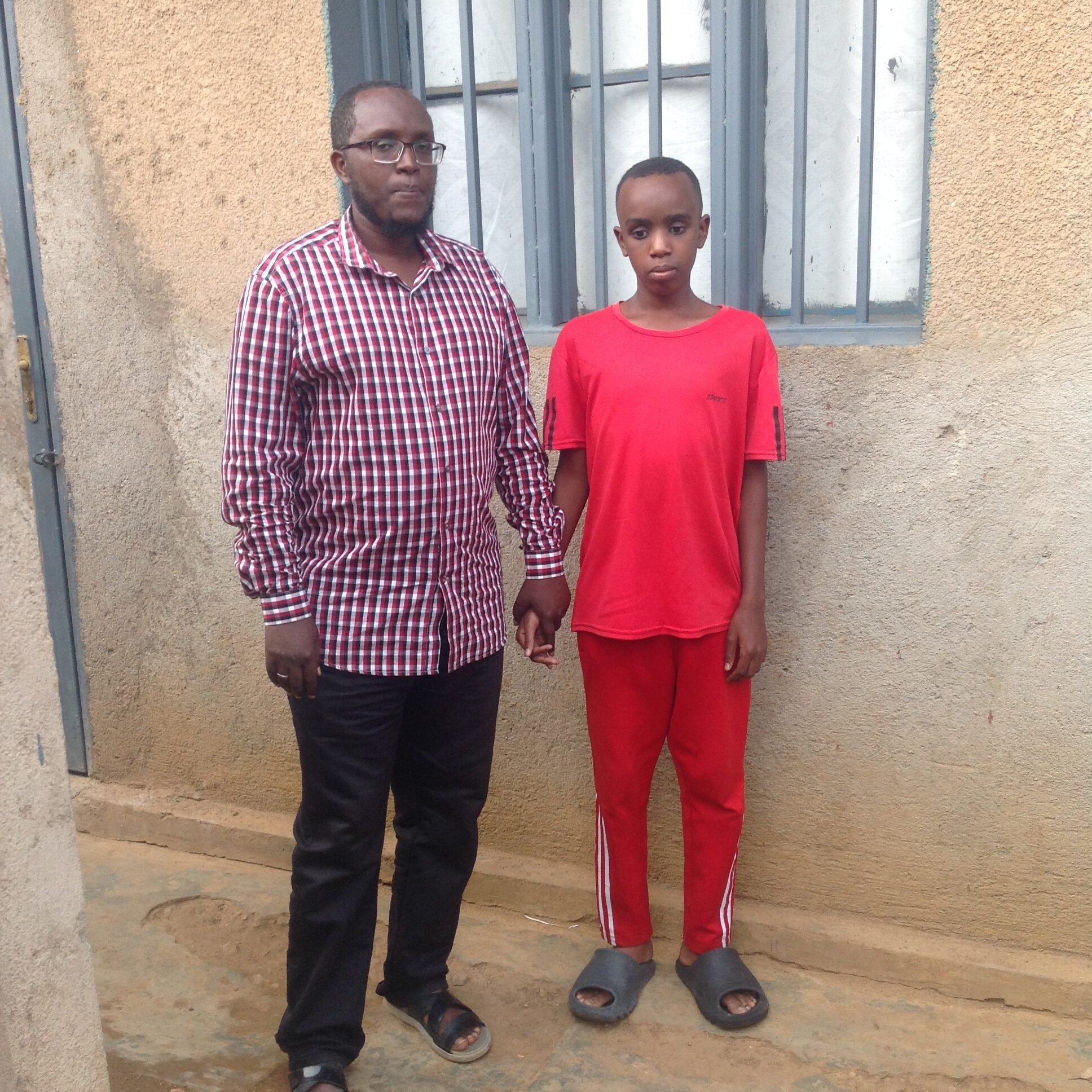
Fourteen-year-old Saifi Qudra relies on others to move safely through his day. Like many blind children in Rwanda, he has never had a white cane. His father, Mussah Habineza, escorts him everywhere. “He wants to walk like other children,” Habineza says, “He wants to be free.” Across Rwanda, the absence of white canes limits children’s mobility, confidence, and opportunity. For families, it also shapes daily routines, futures, and the boundaries of independence.
‘Evacuation Routes Are Meant for People Who Can Run’
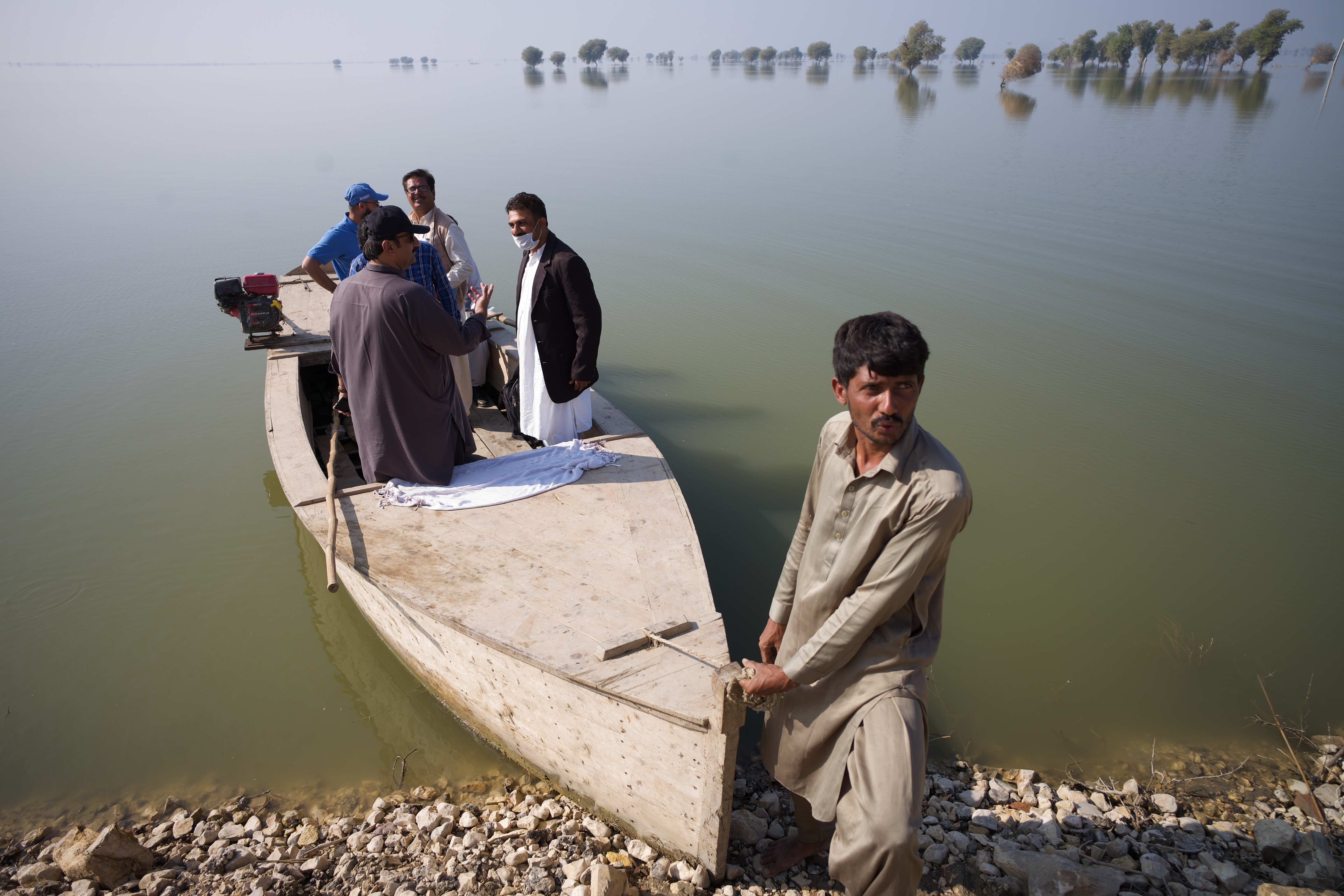
As climate change and conflict intensify across Pakistan, emergency systems continue to exclude people with disabilities. Warning messages, evacuation routes, and shelters are often inaccessible, leaving many without critical information when floods or violence erupt. “Evacuation routes are built for people who can run,” Deaf author and policy advocate Kashaf Alvi says, “and information is broadcast in ways that a significant population cannot access.”
Read more about ‘Evacuation Routes Are Meant for People Who Can Run’
Autism, Reframed
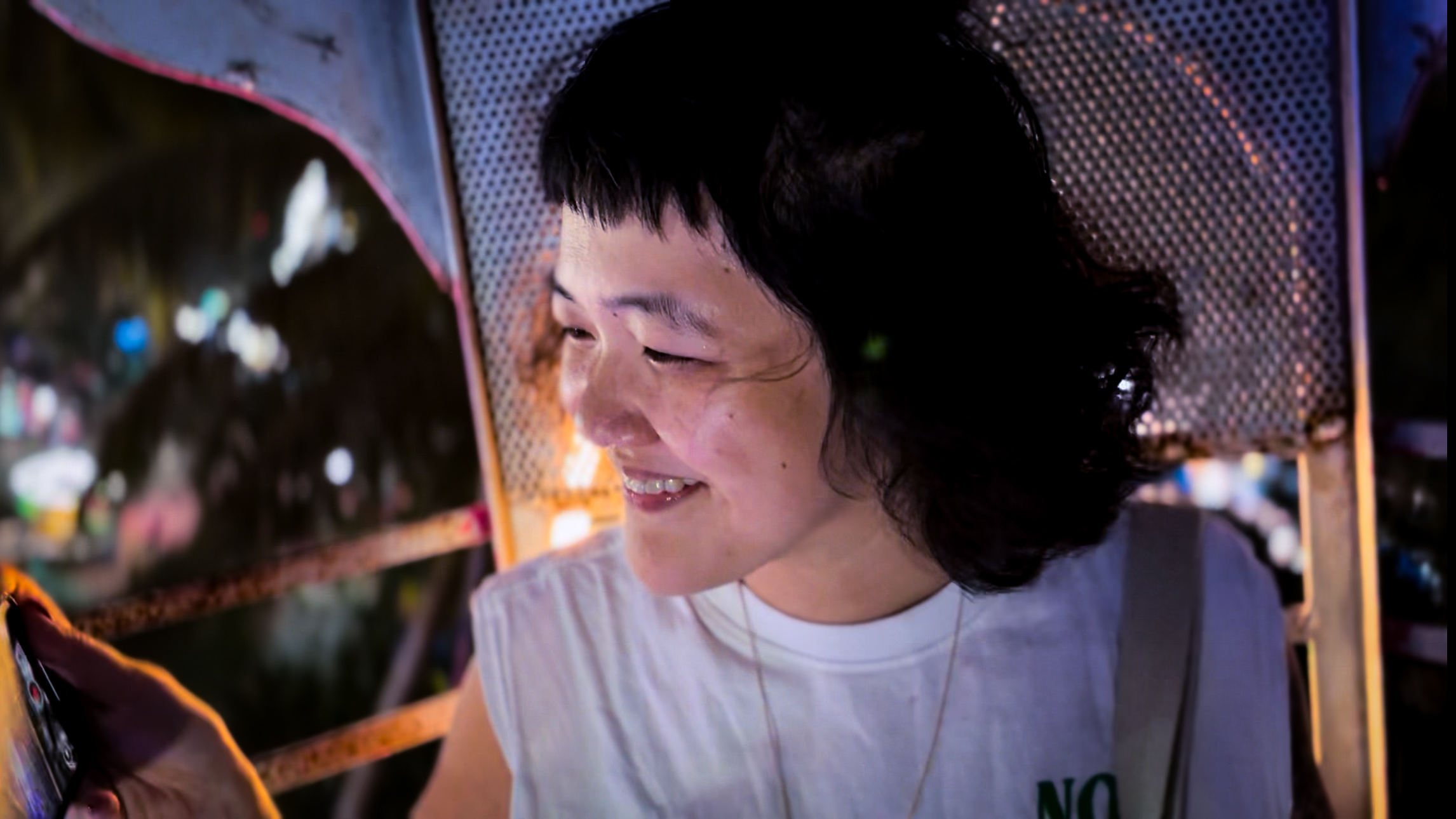
Late in life, Malaysian filmmaker Beatrice Leong learned she was autistic and began reckoning with decades of misdiagnosis, harm, and erasure. What started as interviews with other late-diagnosed women became a decision to tell her own story, on her own terms. In The Myth of Monsters, Leong reframes autism through lived experience, using filmmaking as an act of self-definition and political refusal.
Disability and Due Process
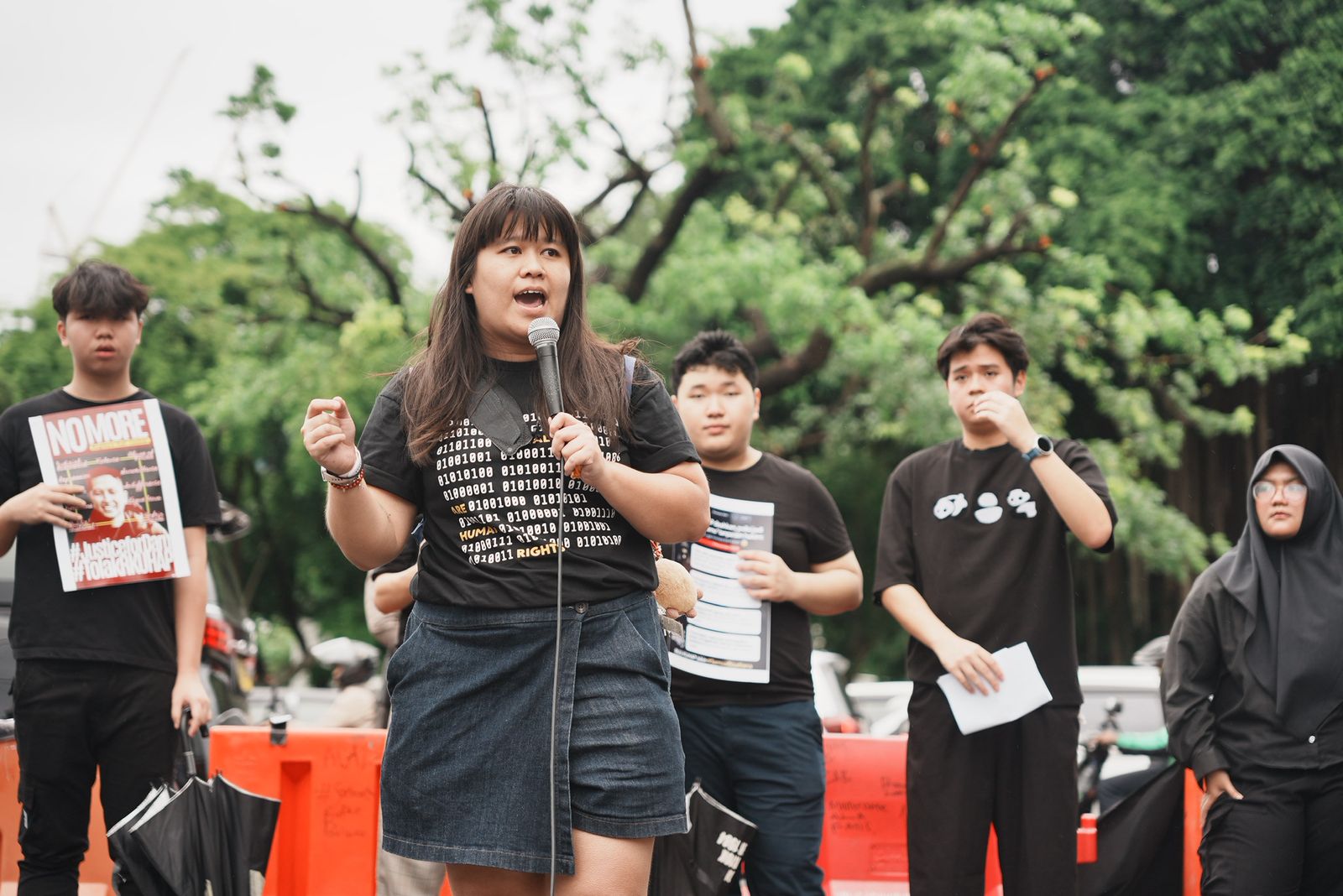
As Indonesia overhauls its criminal code, disability rights advocates say long-standing barriers are being reinforced rather than removed. Nena Hutahaean, a lawyer and activist, warns the new code treats disability through a charitable lens rather than as a matter of rights. “Persons with disabilities aren’t supported to be independent and empowered,” she says. “… They’re considered incapable.”