News
‘I Wish to Live a Normal Life’
For Many Rwandan Families, Caring for Their Children’s Needs Becomes a Job All Its Own
April 16, 2023
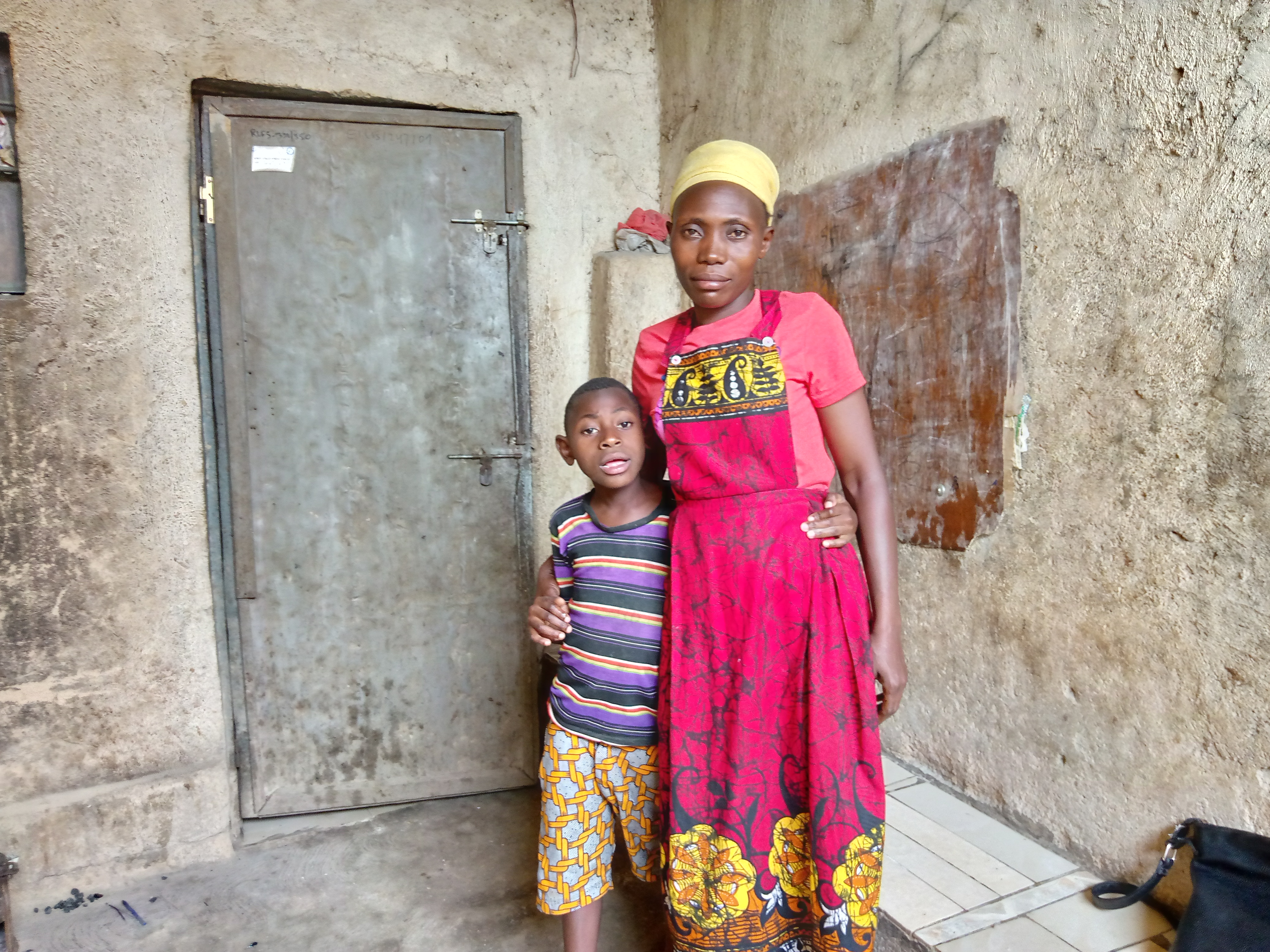
KIGALI, Rwanda — When Euphrasia Murekatete suffered brain damage as a toddler after contracting meningitis, her mother, Francine Iryivuze, became her full-time caretaker. Now 27, Murekatete never went to school and is mostly non-verbal. “As a jobless single mother, I cannot explain clearly how much it is difficult to raise a daughter with this kind of disability alone,” says Iryivuze. “I am poor [and] sometimes fail to feed her while she takes strong medicine. I face discrimination from my family because one of my own sons rejected us, saying that he will not return home until his sister is dead. … No one wishes to be our neighbor, as she is stubborn, breaks glasses and other materials, and [hurts] other children.”
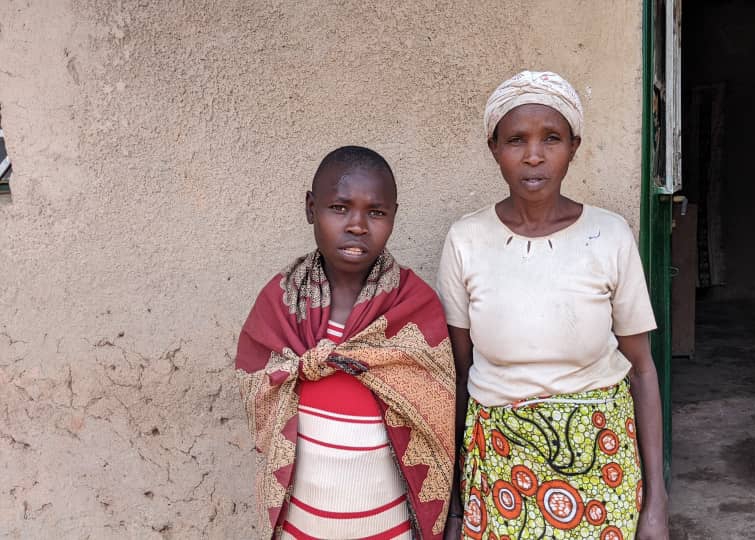
Emmanuel Nsengimana is a project manager in Collectif Tubakunde, an umbrella of 26 organizations created in 2005 to help eradicate discrimination against children and youth with intellectual disabilities. He says that out of the 19,200 Rwandan children with intellectual disabilities today, only 3,702 of them are in daycare centers. This means the responsibility of caring for young Rwandans with intellectual disabilities mainly falls to parents, especially mothers. These economic and social realities are compounded by how Rwandan society generally views people with disabilities and their families.
Nsengimana says parents often face discrimination and stigma in both rural and urban areas. “But in urban areas, when a parent is jobless, the family becomes poor because those children have additional needs, and sometimes paying what s/he has damaged is an issue,” he says. “In rural areas, there is a number of issues because of negative mindset toward those kids with intellectual disabilities. Men are leaving their homes, saying that it’s a shame to the family, and contribute nothing to that child, and it becomes a burden to the mother. Moreover, on a family level, neighbors and other family members say that they are cursed or punished by God or ancestors. … This kind of society mindset leads to trauma and stigma to the parents.”
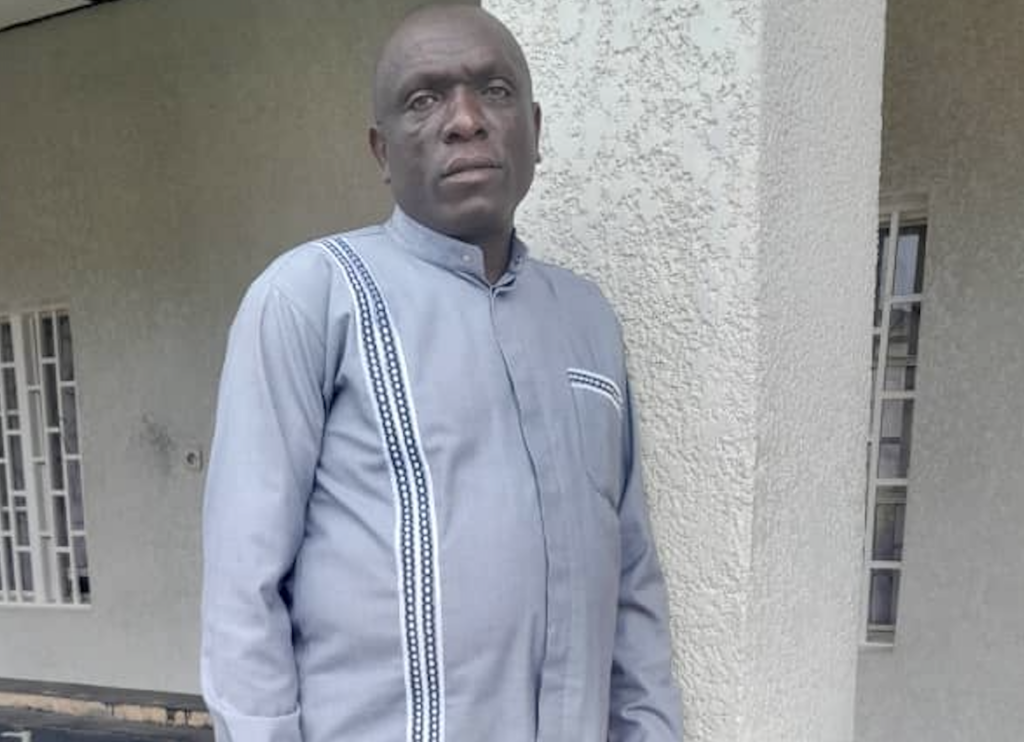
Nsengimana says the stigma can be so intense, parents sometimes hide their children so that no one ever sees them – a violation of their rights. “As an organization looking after these children, we wish the society, with all private and government institutions, should understand intellectual disability and that a person with this type of disability has the same right as any other person,” he says. “Though we started working on it, but we wish these parents to be trained on job creation and child basic needs, specifically in health and education, that they may have opportunities to help their children. Additionally, there is a need of healing services to the parents fighting trauma and for the hope of their children’s future.”
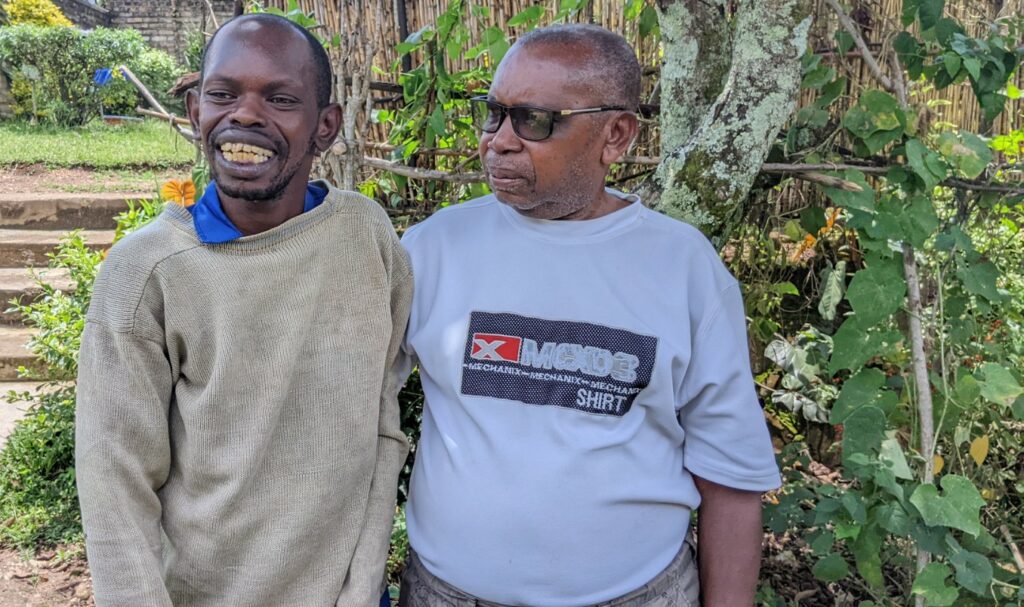
Edouard Niyonteze says when his son, Dominic Hirwa, was diagnosed with an intellectual disability, “some people did not want him near them and sometimes wanted to beat him for nothing, but we tried to convince them that he is a person like others.” Niyonteze says his son has typical dreams for the future, but Niyonteze worries stigma and discrimination will prevent them from coming true: “Sometimes he claims that he wants to get married, as some of his generations are now married. It is terribly sad for sure. As parents, we feel ashamed when he asked that question. He is a man, and it’s his right.”
“I become speechless when it is about discrimination faced by parents who have children with intellectual disability,” says Pacifique Uwizeyimana, mother to 8-year-old Samuel Fils Imanigiraneza. “I always have to be by his side because he sometimes lost or hide himself. He never goes to school.”
“Sincerely speaking, I am poor that sometimes we do not eat. His father left us when he was too young, and he bring nothing for him. I cannot raise him and provide everything to him by myself as a single mother who is jobless,” Uwizeyimana continues. “I wish I find someone who may help me to pay his school fees and materials because it is too expensive. I cannot even afford to pay public schools. I also wish the society end discrimination and understand our issues. … Simply, I wish to live a normal life.”
Francine Uwayisaba is a field officer at Rwanda Union of Little People (RULP) and in charge of the organization’s communications. She writes grants, manages RULP’s social media, and composes articles and weekly updates for the website. @2023 DJP. All rights reserved.
News From the Global Frontlines of Disability Justice
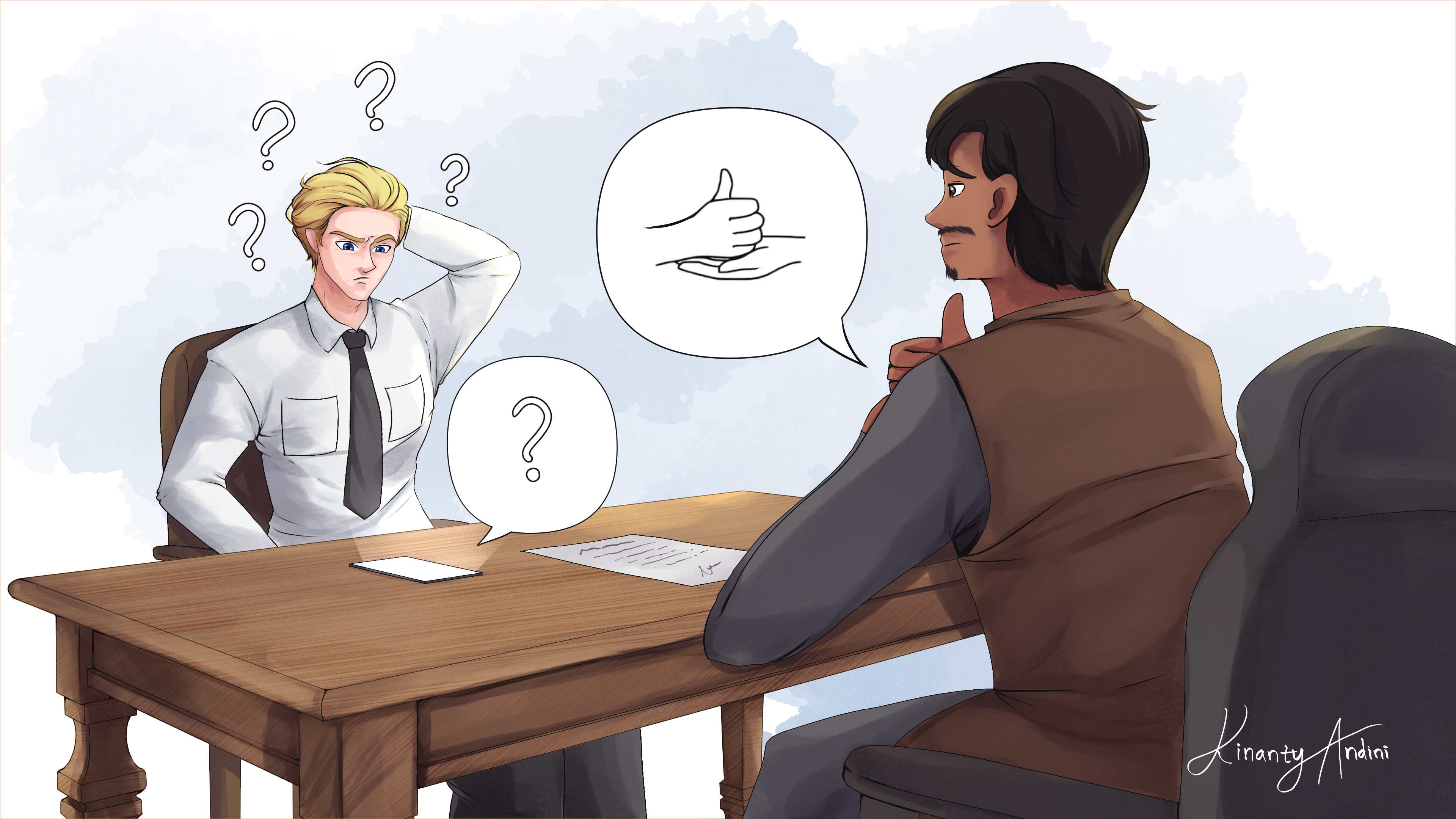
A ‘Direct Threat’ to Democracy
A Deaf asylum seeker from Mongolia spent five months in U.S. immigration detention without access to a sign language interpreter, leaving him unable to communicate with officers or explain his fear of persecution. His case raises questions about whether disability rights laws are being followed inside ICE facilities, where access to communication can determine the outcome of an asylum claim. Lawyer and advocate Qudsiya Naqui says the “absolute disregard” for disability rights under the Trump administration is a “direct threat” to democracy and rule of law.
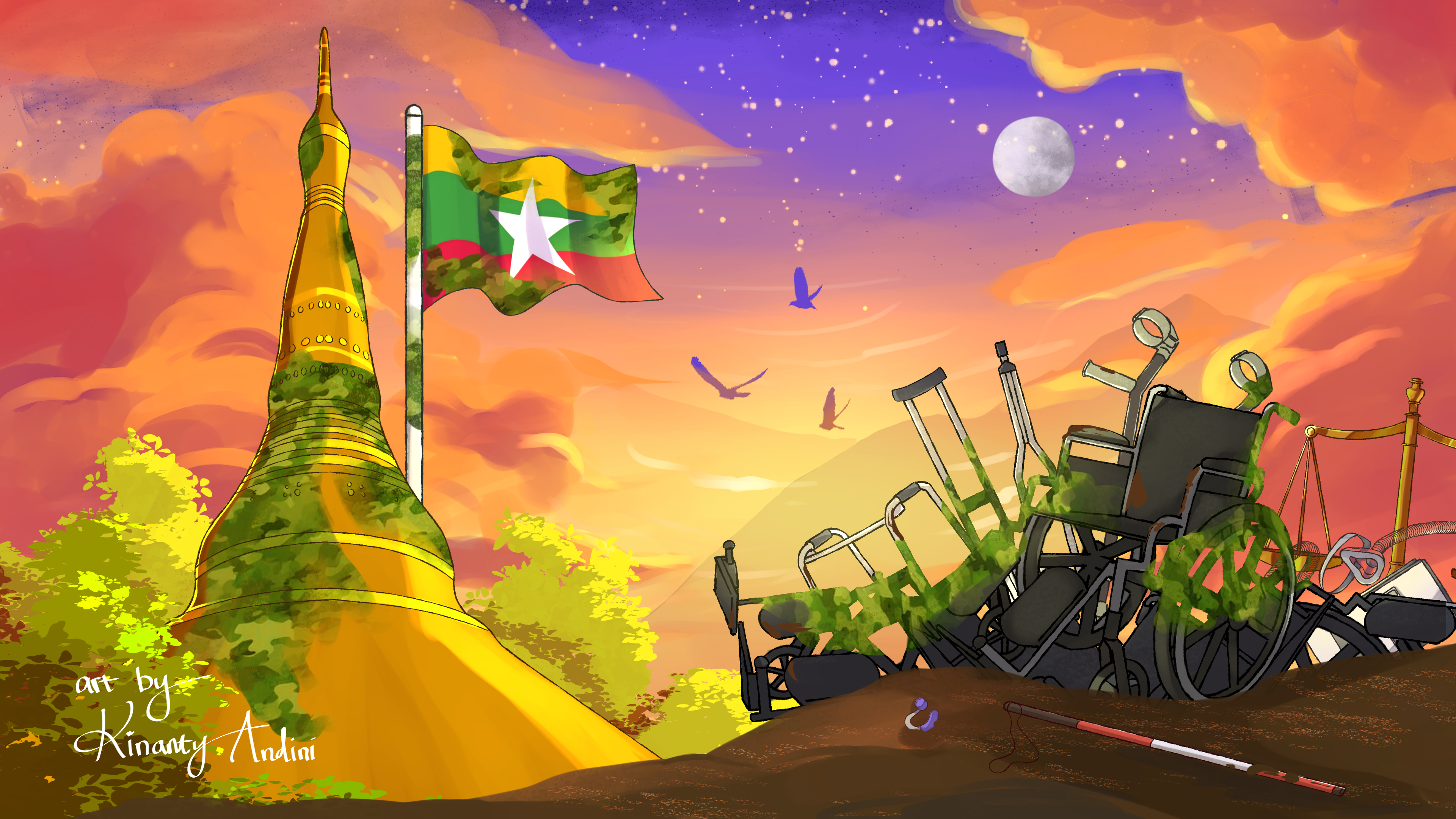
‘Everything Has Gone Back’
Before Myanmar’s 2021 military coup, disability advocates were helping shape national policy for the first time in decades. Laws expanded access to education, transportation, and public life. Today, much of that progress has collapsed. A new UN report describes a “hidden crisis,” documenting targeted violence, deadly attacks, and the exclusion of people with disabilities from warnings, aid, and services. As conflict creates new disabilities and organizations are forced underground, advocates work quietly to preserve rights that once seemed within reach.
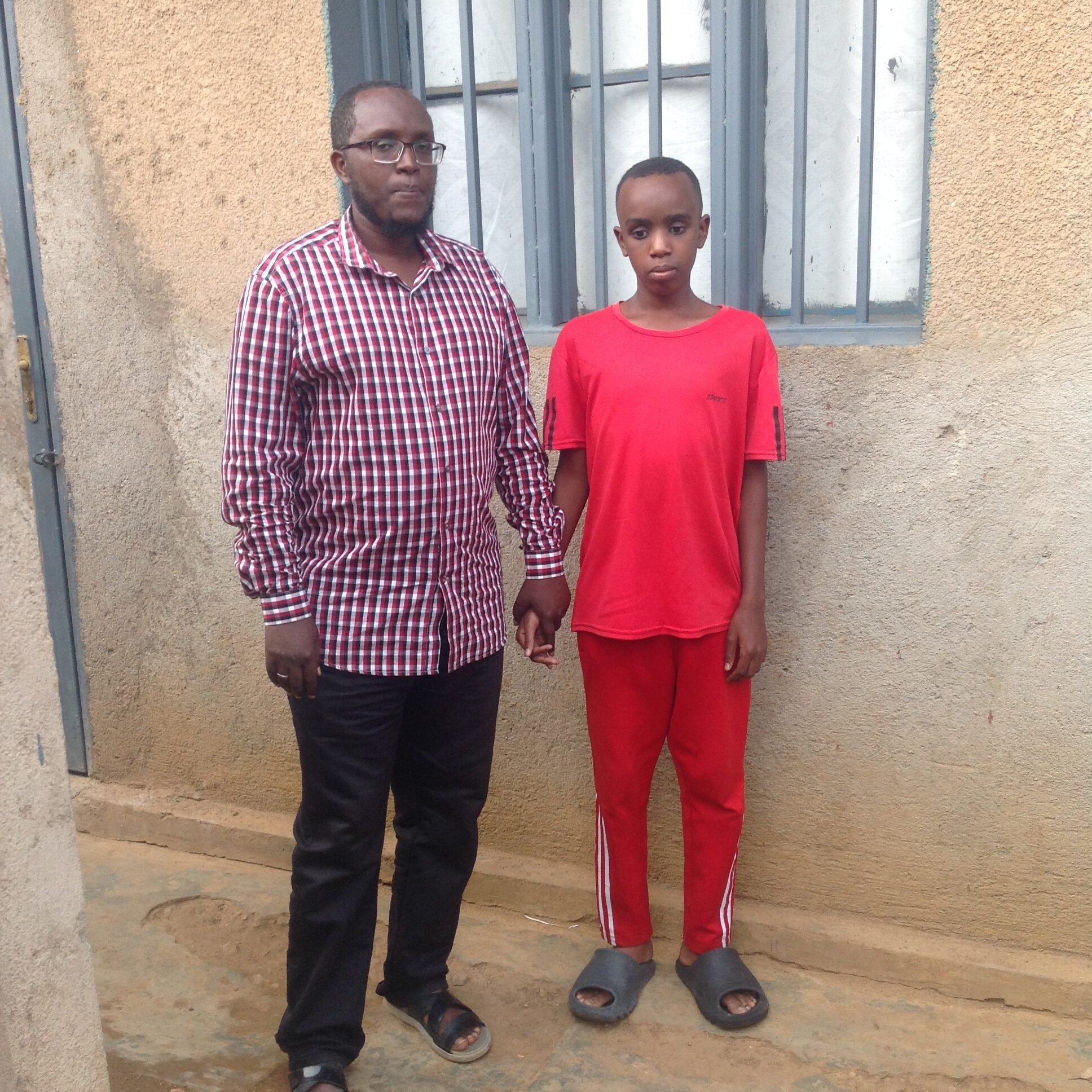
‘I Just Want to Walk Alone’
Fourteen-year-old Saifi Qudra relies on others to move safely through his day. Like many blind children in Rwanda, he has never had a white cane. His father, Mussah Habineza, escorts him everywhere. “He wants to walk like other children,” Habineza says, “He wants to be free.” Across Rwanda, the absence of white canes limits children’s mobility, confidence, and opportunity. For families, it also shapes daily routines, futures, and the boundaries of independence.
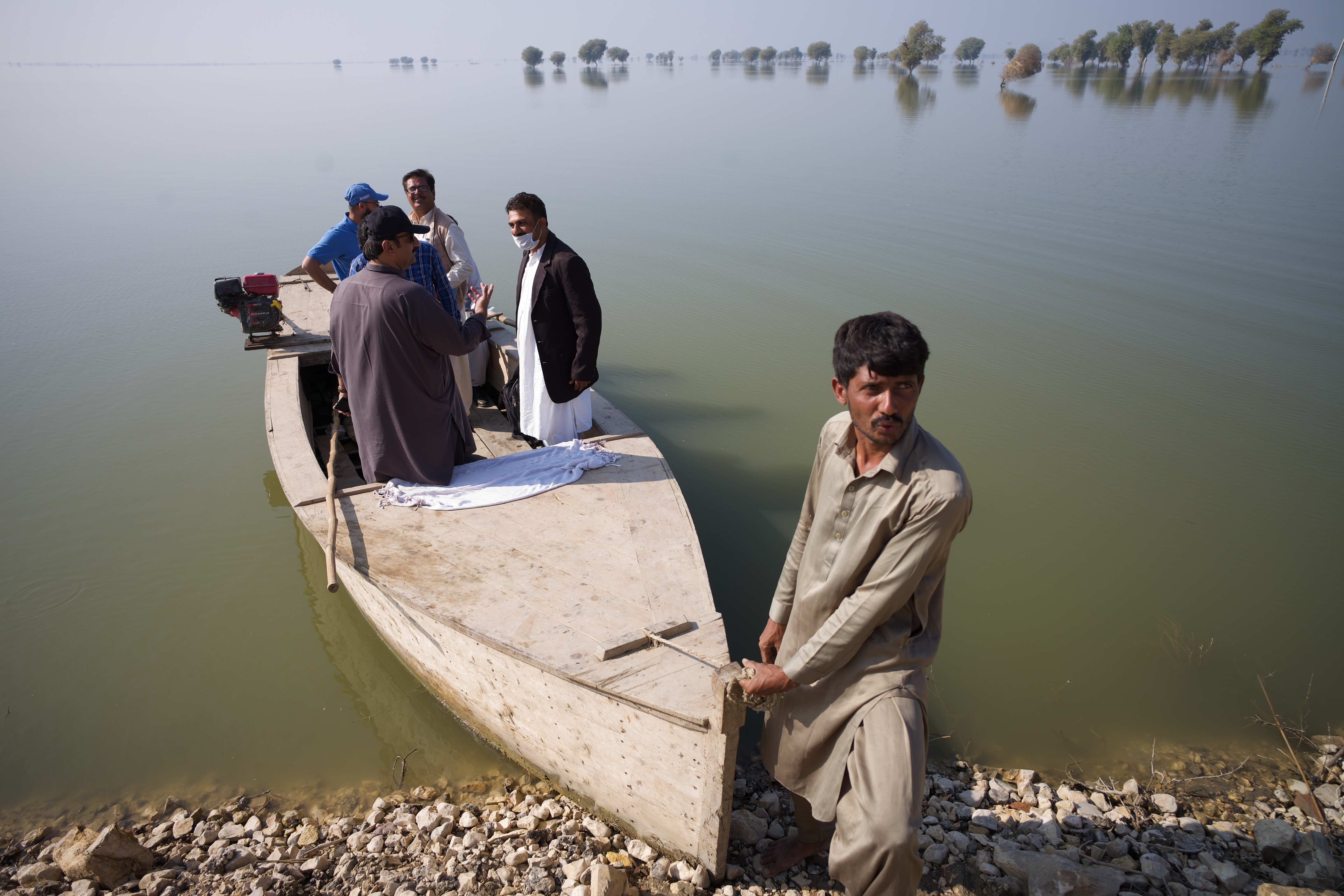
‘Evacuation Routes Are Meant for People Who Can Run’
As climate change and conflict intensify across Pakistan, emergency systems continue to exclude people with disabilities. Warning messages, evacuation routes, and shelters are often inaccessible, leaving many without critical information when floods or violence erupt. “Evacuation routes are built for people who can run,” Deaf author and policy advocate Kashaf Alvi says, “and information is broadcast in ways that a significant population cannot access.”
Read more about ‘Evacuation Routes Are Meant for People Who Can Run’
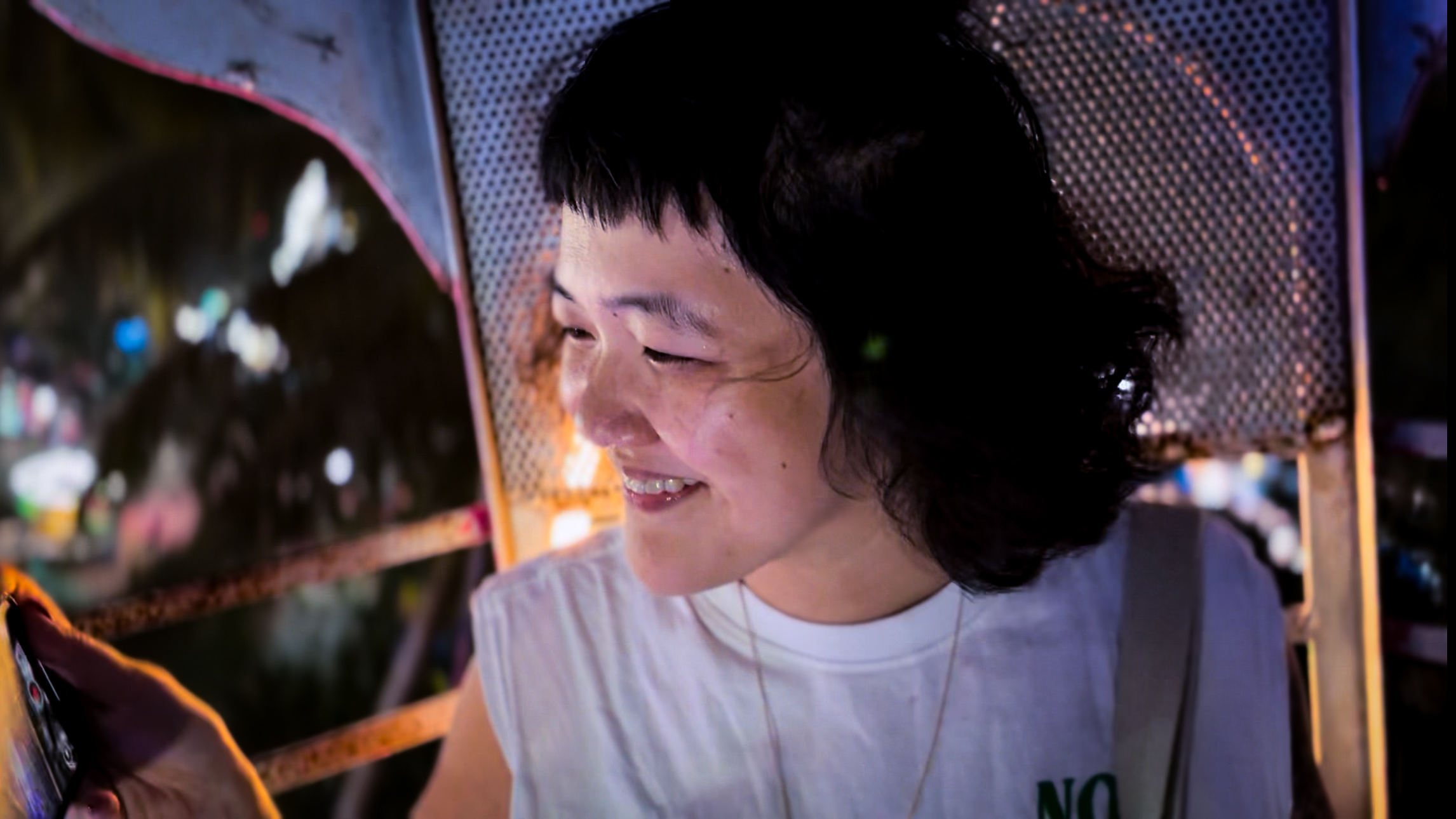
Autism, Reframed
Late in life, Malaysian filmmaker Beatrice Leong learned she was autistic and began reckoning with decades of misdiagnosis, harm, and erasure. What started as interviews with other late-diagnosed women became a decision to tell her own story, on her own terms. In The Myth of Monsters, Leong reframes autism through lived experience, using filmmaking as an act of self-definition and political refusal.
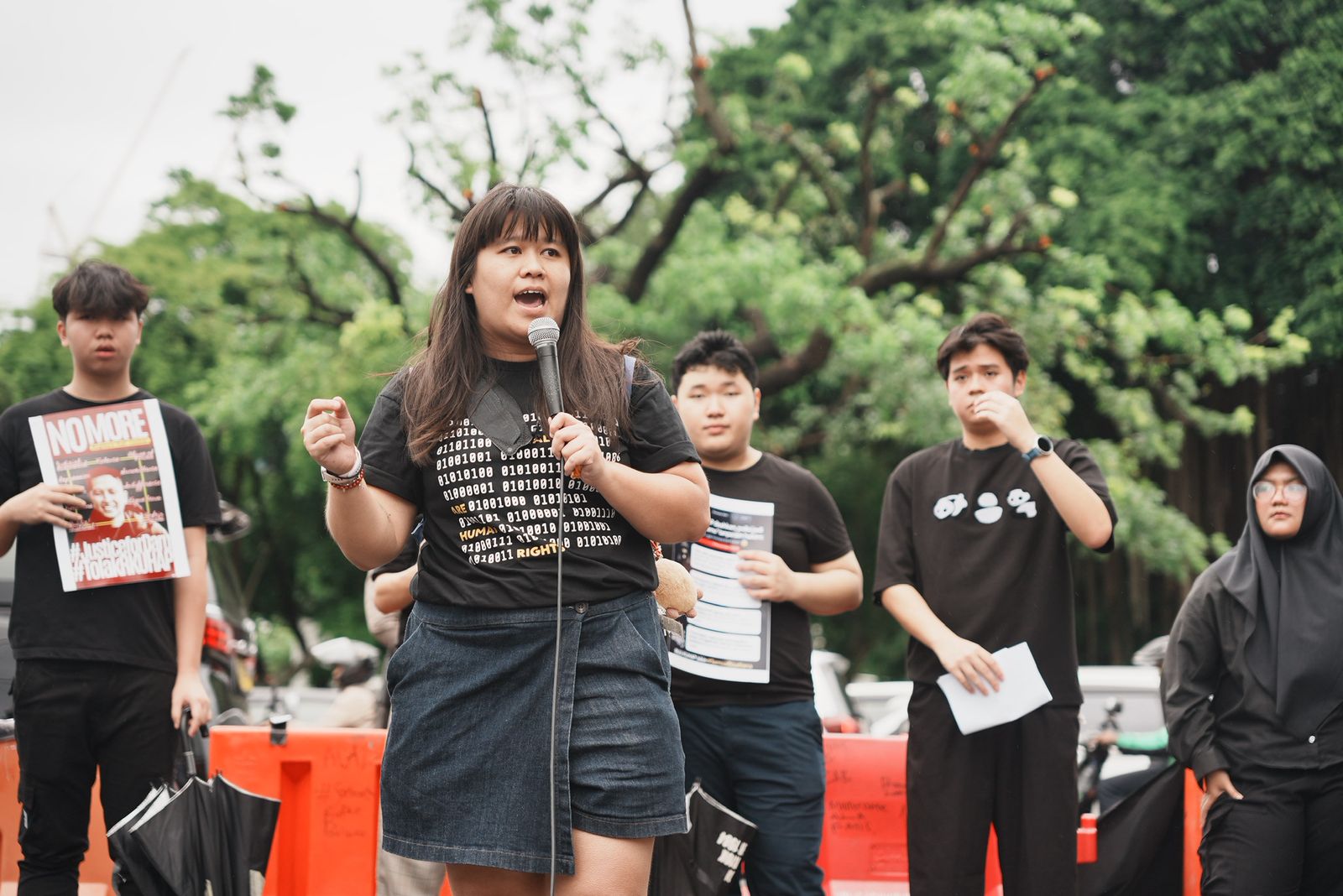
Disability and Due Process
As Indonesia overhauls its criminal code, disability rights advocates say long-standing barriers are being reinforced rather than removed. Nena Hutahaean, a lawyer and activist, warns the new code treats disability through a charitable lens rather than as a matter of rights. “Persons with disabilities aren’t supported to be independent and empowered,” she says. “… They’re considered incapable.”