News
Invisible No More
Play audio version
How the DJP Helped Me to Name and Embrace My Disability
February 18, 2022
BOSTON, United States of America — When my manic bipolar disorder manifested junior year of high school, it took some of my memories with it. Even now, staring at the ceiling of my room in the middle of the night, I squeeze my eyes shut as I attempt to piece the shattered fragments of my memories together. I often find myself wondering what echoes of my past are false or not, but I end up giving in and moving on because high school was a whirlpool that I barely pulled myself out of. Better to not reminisce too much or be reminded of the trigger that so lovingly invited my bipolar disorder to be a long-term guest in my rattled mind.
There are some things that I do remember, insignificant things during my first two years of high school. I was one of four freshman girls on the varsity soccer team before joining the marching band sophomore year. My sister, a titan of academia, graduated in the pouring rain before moving to New York City to attend New York University. I sang in three choirs, participated in the spring musical Bye Bye Birdie, and had a solo in show choir. As an active participant in my life during those years, those memories are vivid and tell the tale of a bright, happy young girl.
It ended. Junior year began. That bright, happy young girl couldn’t get out of bed.
I fought with my mother tirelessly, screamed and cried about going to school, started to fail my classes, and was out of school for roughly 73 days of my junior year. After an emergency room visit, I was diagnosed with major depression and anxiety. The bipolar diagnosis would come a year later. The word accommodation was floated around the room where I was forced to sit with my unforgiving high school principal and new guidance counselor. My principal begrudgingly accepted the recommendation of a late start time paired with the dropping of my pre-calculus class, but his eyes reminded me every day that I was a burden. I sometimes still see those eyes when an application asks me to disclose a disability.
Not once did anyone ever properly title why I was being given an accommodation – no one mentioned a disability. Because my disability was invisible, a psychosocial disability that couldn’t be seen with the naked eye, the last two years of my schooling were tortuous. It wasn’t enough that I cried every night and simultaneously bounced off the walls every day. To so many people, it wasn’t real, and it wasn’t a disability.
I received my diploma with all of my other classmates, on a sticky June day, seated on the turf football field that rarely saw any winning home games. When my principal handed me the diploma, he said, “I didn’t think you would make it.” A passing comment for him that ingrained itself into my mind, well into my adult life. I never visited the Accessibility Resources for Students office at Berklee College of Music to ask for accommodations. Instead, I quietly accepted the deduction in attendance points when I couldn’t drag myself to class. When I was called back to work after more than a year of lockdown and had a panic attack on the train because of the lack of social distancing, I never asked for a shift in work hours to accommodate the traffic, which would’ve probably been granted. I was still having trouble connecting bipolar disorder to psychosocial disability because no one had ever told me otherwise.
Fortunately, my concrete way of thinking started to rumble and crack as I accepted and furthered my role as communications/technical associate for the Disability Justice Project (DJP). My first assignment was to interview Esther Suubi, a fellow striving for recognition and resources for folks in Uganda with psychosocial disabilities. I remember opening the email with her information and furrowing my brow at the assignment requirements. A wave of confusion passed over me, unburying my long-held beliefs of disabilities. I was shocked to learn that psychosocial disabilities were considered for the DJP– not only considered but accepted. The little girl who suffered through high school, the same one that felt that she burdened others with her overlooked illness, started to heal that day. The healing and the unlearning started with meeting with Esther and hearing her story; it eagerly continued throughout the semester through interactions with other fellows.
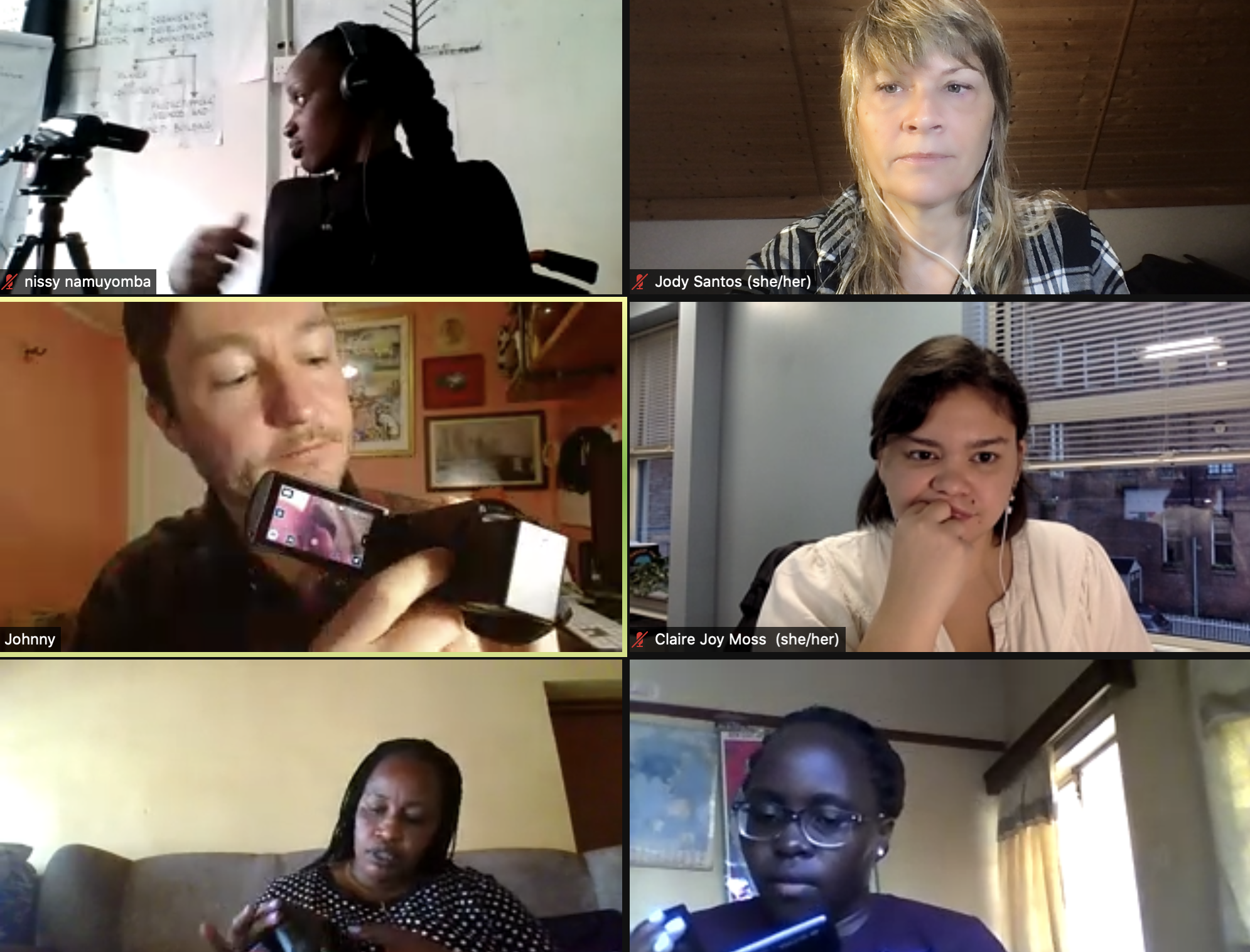
Every week, the women of the DJP pushed me and my archaic ideas about disability to a whole new realm. Through the strength of these women and the unparalleled knowledge that they carry, I understand more. I understand that a disability can be more than what’s shown on the surface – some boil slightly underneath, warm to the touch. One disability does not trump the other, and no competition for ‘who has it worst?’ exists. Whether it’s DeafBlindess, spinal injuries, HIV/AIDS, depression, or other psychosocial disabilities, all are valid and deserve to be seen. I’m not sure I would have realized that without my work with the DJP. Moreover, I finally feel comfortable saying that my bipolar disorder is a disability, a term that eluded me for so long.
My old high school principal is retired now. I don’t spend much time, if any, wondering where he is. If I allow myself to wonder this one moment, I hope that he’s grown as I have and understands that disabilities are not always surface level. I hope that he and so many others who share his thoughts have learned that psychosocial disabilities are debilitating, discouraging, and so difficult, that they, too, deserve some attention and patience. I wish he could meet Esther, Rose, Oluwabukolami, Julie-Marie, and Nissy. Hopefully, their outstanding work will reach him as it’s already reached others. We’re all better off for it.
I still have moments where my memories fade in and out, but I know that this past semester will never leave me. It has filled the hole in my mind where all my old thoughts about what it means to have a disability used to frequent. I’m lucky, I’m informed, I’m empowered, I’m grateful. I’m thankful, thankful, thankful.
News From the Global Frontlines of Disability Justice
Reducing the Disability Tax
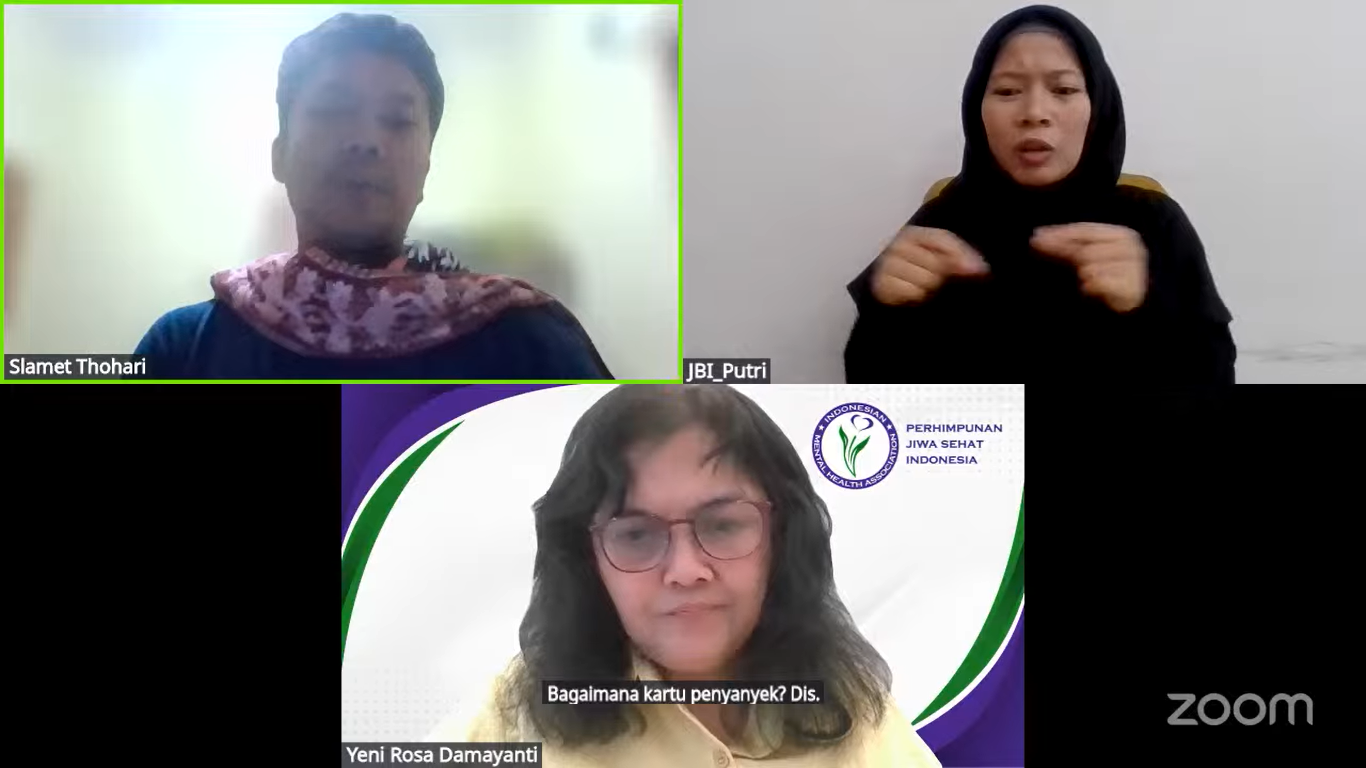
Indonesia has adopted a new regulation aimed at reducing the extra costs disabled people face, guaranteeing discounts across nine sectors, including health care, transportation and assistive devices. But disabled Indonesians say fees and administrative hurdles involved in obtaining the documents needed to access those rights could leave some people behind. As the government begins implementing the policy, advocates are calling for disability assessments to be free and accessible.
Joy As Resistance
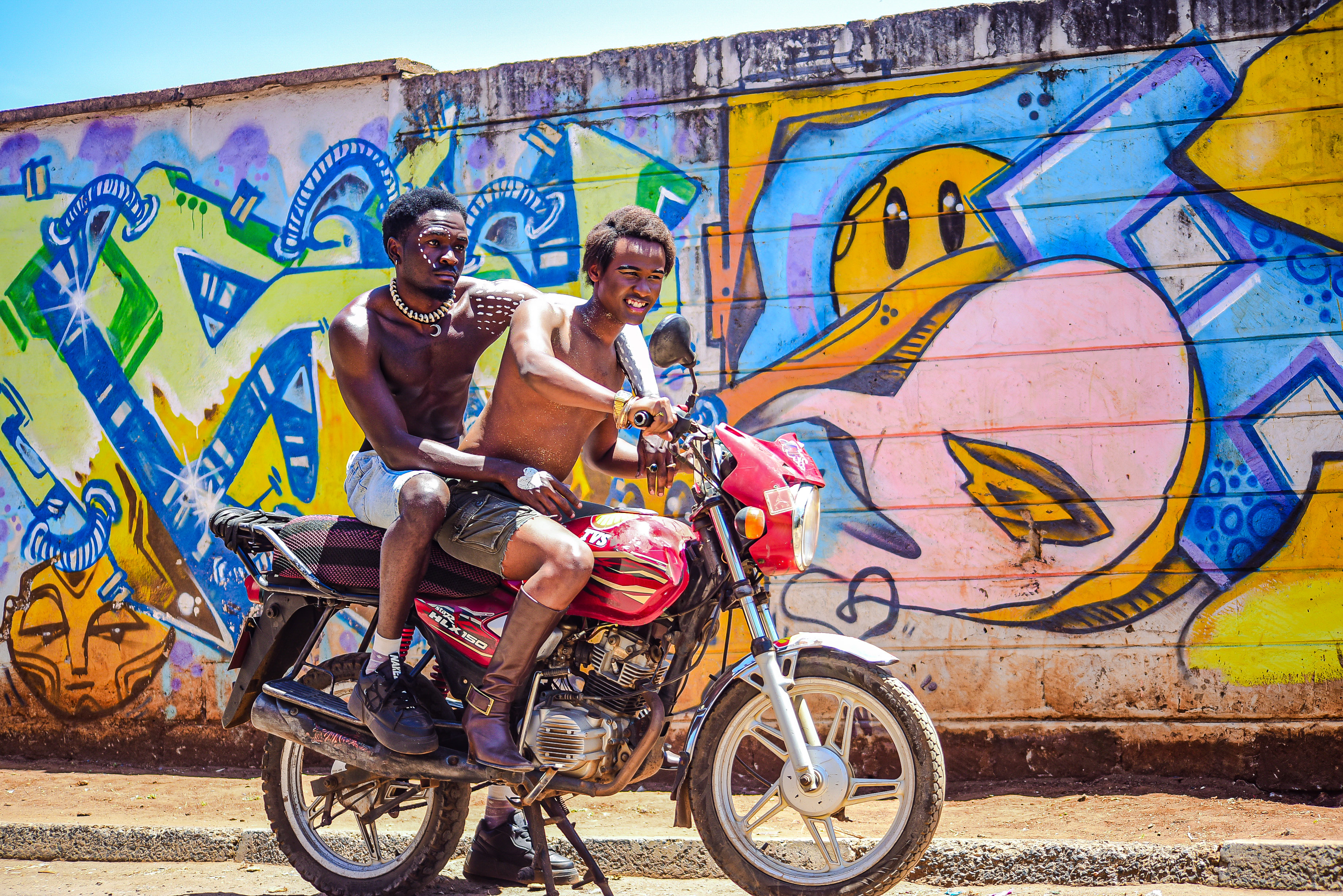
In Kenya, queer and disabled people are finding common ground around questions of identity, access, family, and belonging. Ahead of a Nairobi event exploring where disability and queerness intersect, organizers and participants talk about the communities they have found and the spaces they are trying to create. “Queer people and disabled people share way more than they think they do,” says one organizer. The event will use storytelling, art, performance, and what its organizers call “queer joy” to start a conversation they say is long overdue.
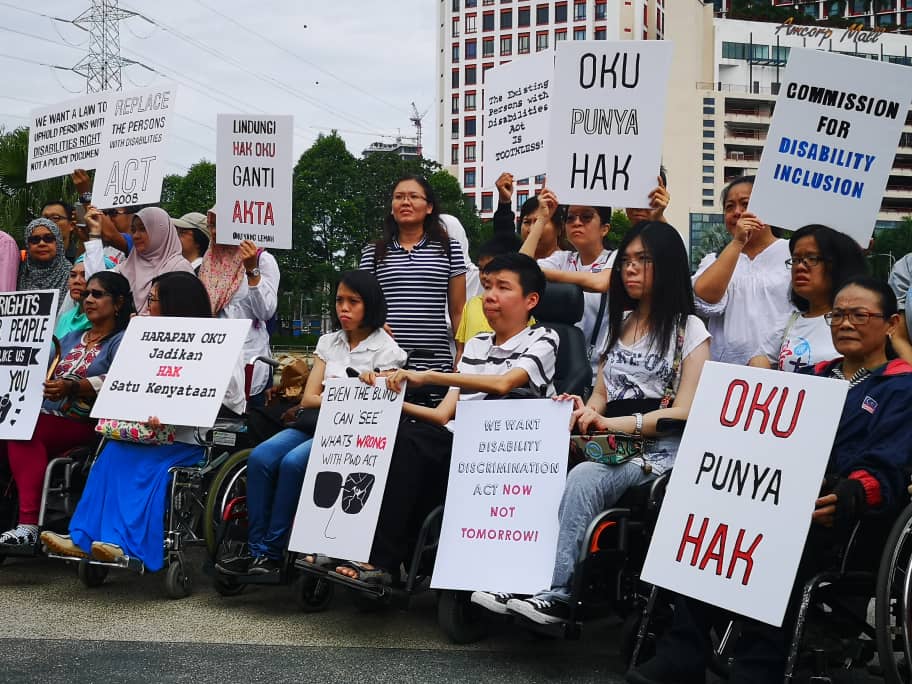
The Politics of Waiting, Wanting, and Hoping
In Malaysia, disability exclusion is rarely one dramatic denial. More often, writes Beatrice Leong, it is “a series of ordinary delays” — inaccessible schools, symbolic consultations, policies without enforcement, and a system that asks disabled people to wait patiently for dignity and belonging. Blending personal reflection with political analysis, Leong examines what happens when inclusion is promised repeatedly, but justice never fully arrives.
Read more about The Politics of Waiting, Wanting, and Hoping
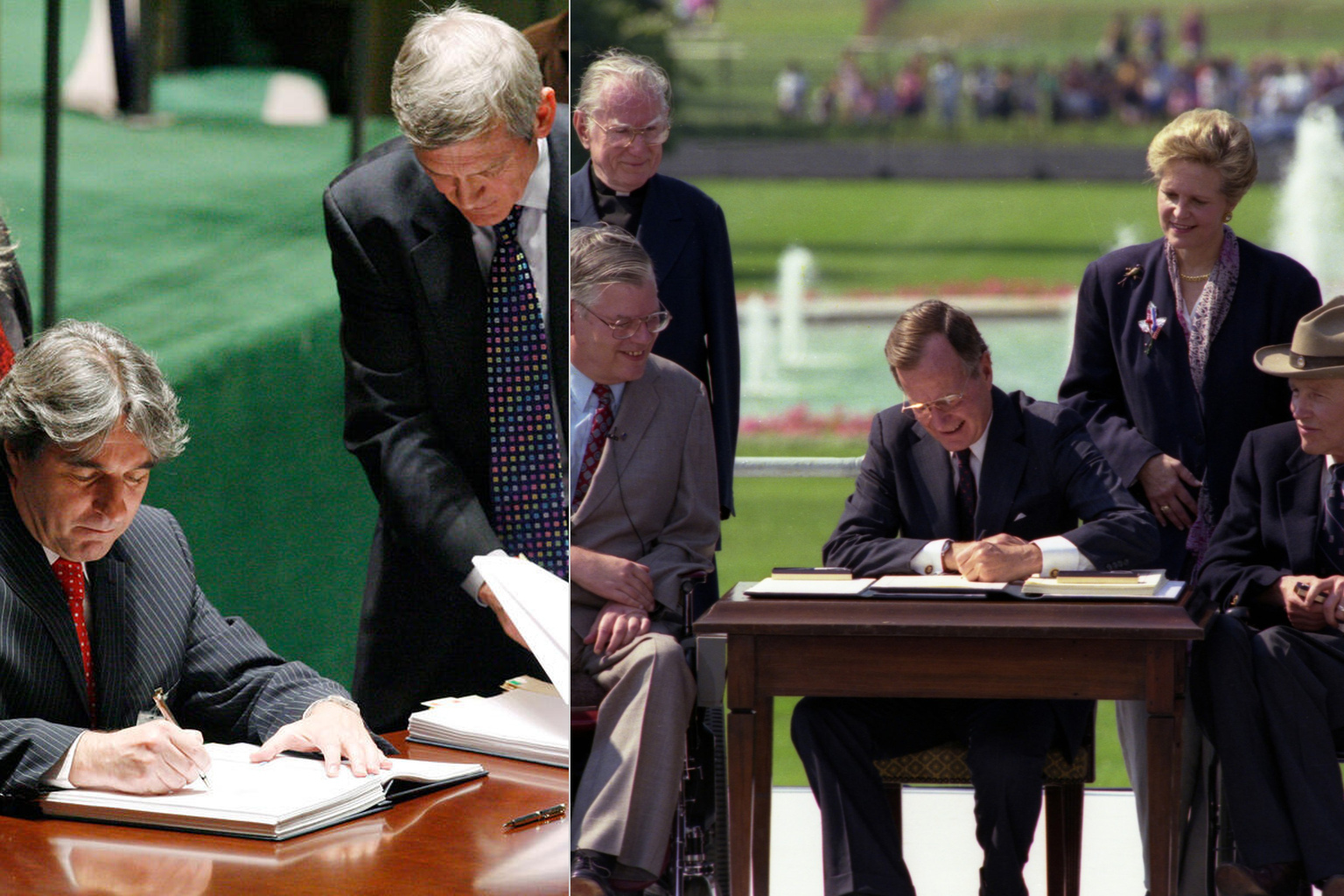
Beyond the ADA
The ADA’s influence extends far beyond the United States. It helped shape a growing international approach to disability rights that eventually contributed to the development of the CRPD. But global disability movements have also expanded on ideas that U.S. law has yet to fully embrace. “I think many U.S. disability rights activists were surprised to find out how much we could learn from the international community,” says Eric Rosenthal, founder and executive director of Disability Rights International.
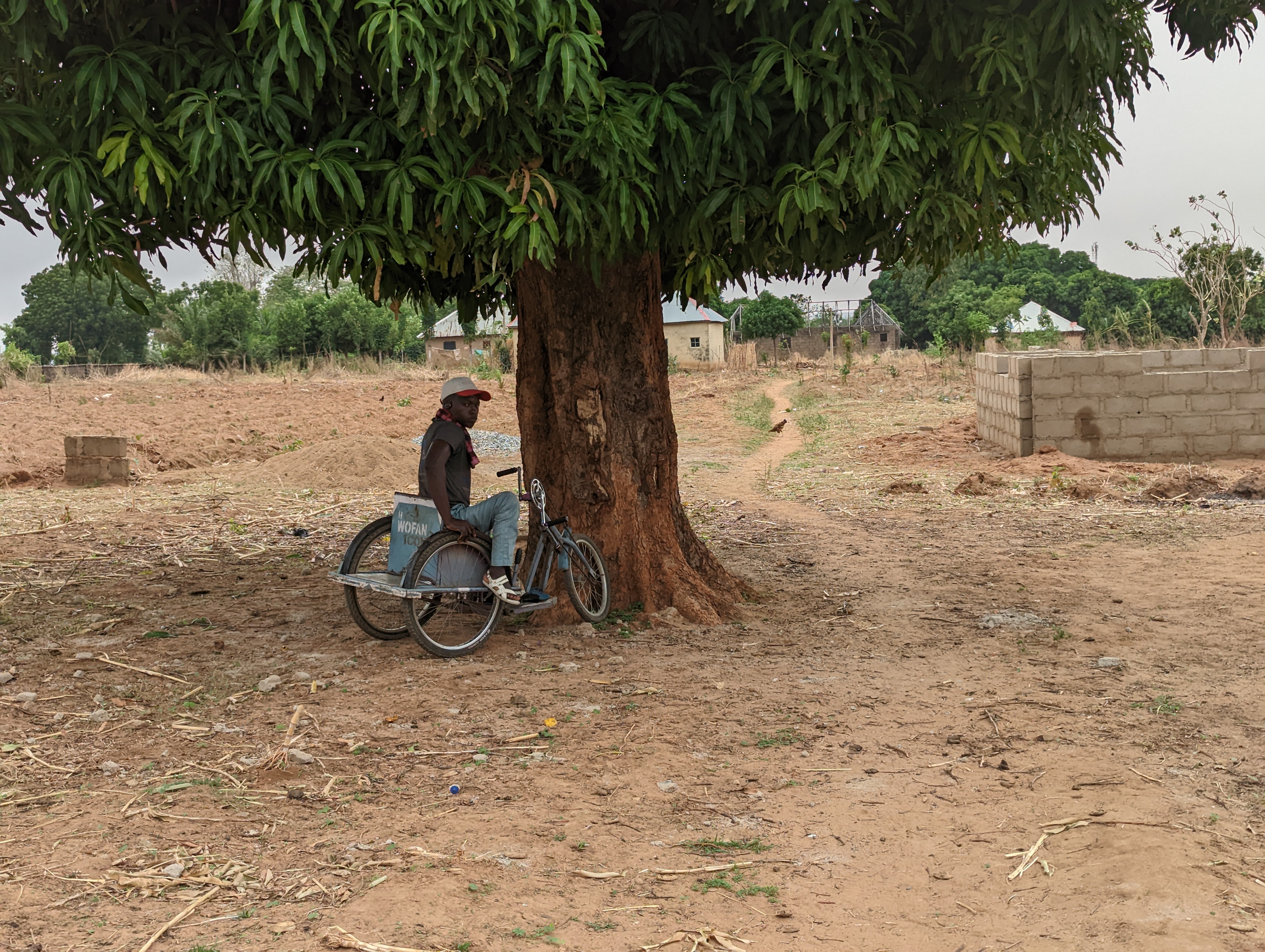
Forgotten People
As Nigeria’s growing insecurity crisis spreads, disabled people face barriers that can make escaping violence far more difficult. Across the country, they describe inaccessible emergency warnings, challenges reaching safety, disrupted livelihoods, and limited access to assistance during times of crisis. Their stories reveal how conflict is experienced differently when mobility, communication, and support cannot be taken for granted and how disability is too often overlooked in emergency planning and response.

The Cost of Surviving
After years of failed treatments for complex PTSD, Marian Siljeholm followed an unlikely lead into the underground world of MDMA-assisted therapy. What began as a search for healing became a journey through the science of trauma, the politics of prohibition, and the hidden global network of people risking their freedom to help others reclaim their lives. Their stories would change her own. As Marian writes, “The next morning, I woke with a thought as real as the bed: This is the first day of my life.”