News
‘Women and Girls with Disabilities Must Have a Voice’
Play audio version
Global Disability Summit 2022 Speakers Commit to Inclusion, Access, and Participation
March 29, 2022
At the Global Disability Summit’s “Spotlight on Gender” session, Elizabeth Kanjiwa, a youth leader with visual impairments from Family Planning Association Malawi (FPAM) and International Planned Parenthood Federation (IPPF), explained why she is enthusiastic about her work as a peer educator: “My passion is to save many girls from unplanned pregnancy that can lead them to drop out of school and forced marriage and no control over their lives,” Kanjiwa said.
The second Global Disability Summit was held on February 16 and 17, 2022. Hosted by the International Disability Alliance (IDA) and the Norwegian and Ghanaian governments, the summit was held virtually to ensure inclusive participation due to the COVID-19 pandemic. The first Global Disability Summit (GDS18) was held in 2018 and was hosted by the Kenyan government, the former UK Department for International Development (DFID), and the International Disability Alliance (IDA).
In this year’s “Spotlight on Gender” session, Kanjiwa said that Malawian girls in Mtande Village, TA Chimutu in Lilongwe do not have knowledge about safe sex and do not know where to access contraceptive services. Girls with disabilities find it difficult to access sexual and reproductive health and rights (srhr) services due to long travel distances to health centers. Girls with disabilities, especially those who are Deaf or hard of hearing or blind or have low vision, also encounter difficulties communicating with health workers and accessing radio and television public service announcements on srhr. Additionally, Kanjiwa mentioned how some health workers are not hospitable.
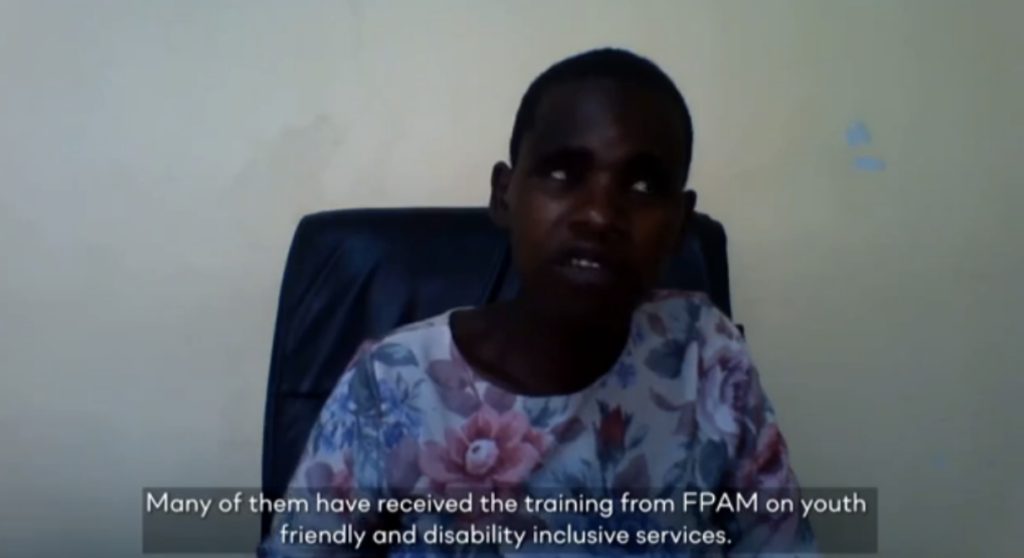
“The first time I went to a clinic in 2012, I was sent back, just because I did not come with my guardian. I felt ignored, but now they are friendlier than before. Many of them have received training from FPAM on youth-friendly and disability-inclusive services,” Kanjiwa said.
According to Dr. Bärbel Kofler, another “Spotlight on Gender” speaker and Parliamentary State Secretary to Germany’s Federal Ministry for Economic Cooperation and Development, women and girls with disabilities are often at a double disadvantage because they are female and have a disability. “In low-income countries, three-quarters of all the people with disabilities are female. In these countries, almost one in every four women, 22 percent, is living with one or more than one disability. The consequences are disastrous,” Kofler said.
Dr. Kofler stated that women and girls with disabilities are between three to ten times more likely to experience gender-based violence than those without disabilities. “Women and girls with disabilities must have a voice,” she said. “Only then will they be able to fully participate in social, economic, and political life.”
According to the United Nations Population Fund, girls and women with disabilities are not only more likely to experience gender-based violence but are less likely to access sexual and reproductive health and rights services and information like menstrual hygiene, family planning, and comprehensive sex education.
Dr. Natalia Kanem, a third speaker and executive director of the United Nations Population Fund (UNFPA), said, “UNFPA will work in partnership … to ensure women and girls with disabilities are fully seen and counted. Let us recognize their rights, respect their choices, acknowledge their beauty and brilliance and support their every hope and aspiration.”
Honorable Nyeleti Brooke Mondlane, Mozambique Minister of Gender, Children, and Social Action and a fourth speaker at the summit session, also reaffirmed Mozambique’s commitment to materializing goals, including the UN Sustainable Development Goals, which focus on leaving no one, including persons with disabilities, behind.
The next Global Disability Summit will occur in 2025. The German and Jordanian governments will be its hosts. In her speech, Kanjiwa recommended that the voices of people with disabilities be included in various high-profile meetings like the Global Disability Summit, where decisions are made. so that there is “nothing about us without us.”
Esther Suubi is a fellow with the Disability Justice Project and a peer educator with Triumph Mental Health Support. @2022 TRIUMPH Uganda. All rights reserved.
News From the Global Frontlines of Disability Justice
Reducing the Disability Tax
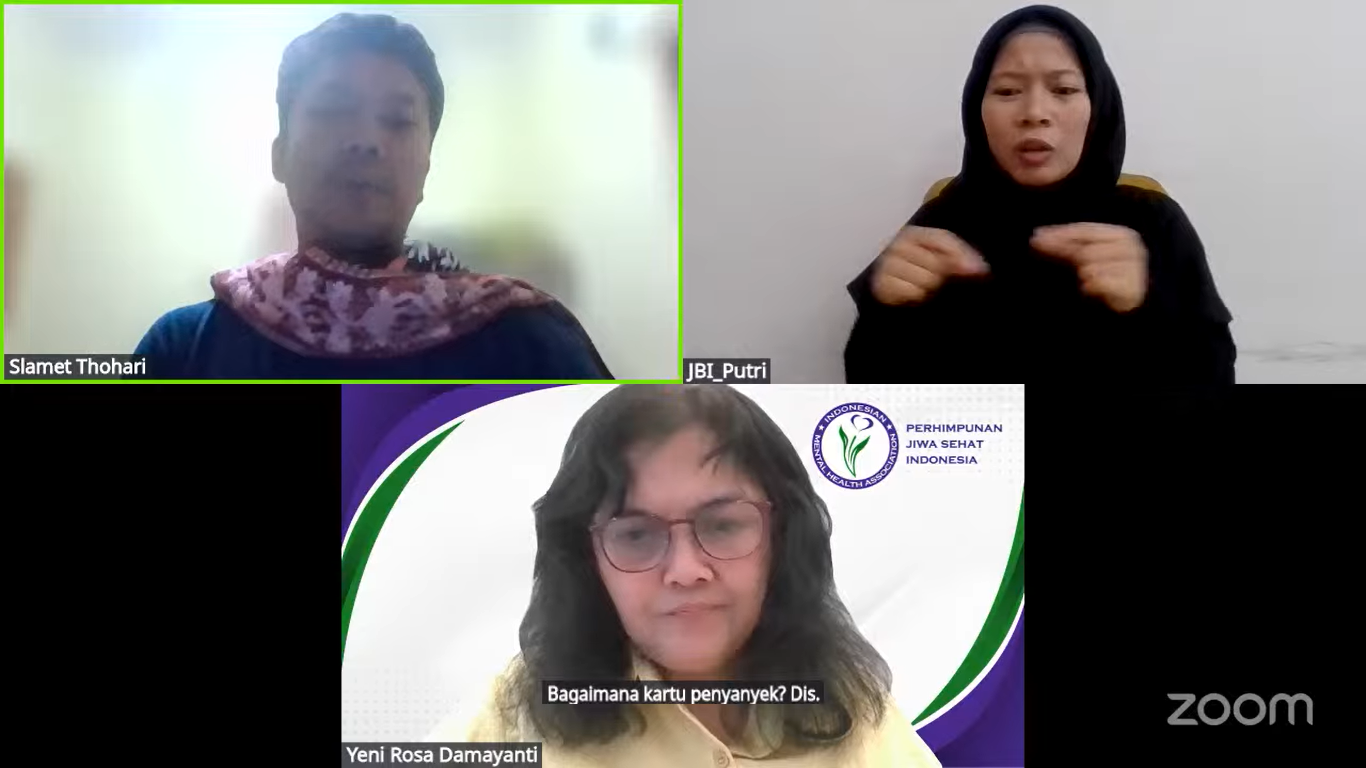
Indonesia has adopted a new regulation aimed at reducing the extra costs disabled people face, guaranteeing discounts across nine sectors, including health care, transportation and assistive devices. But disabled Indonesians say fees and administrative hurdles involved in obtaining the documents needed to access those rights could leave some people behind. As the government begins implementing the policy, advocates are calling for disability assessments to be free and accessible.
Joy As Resistance
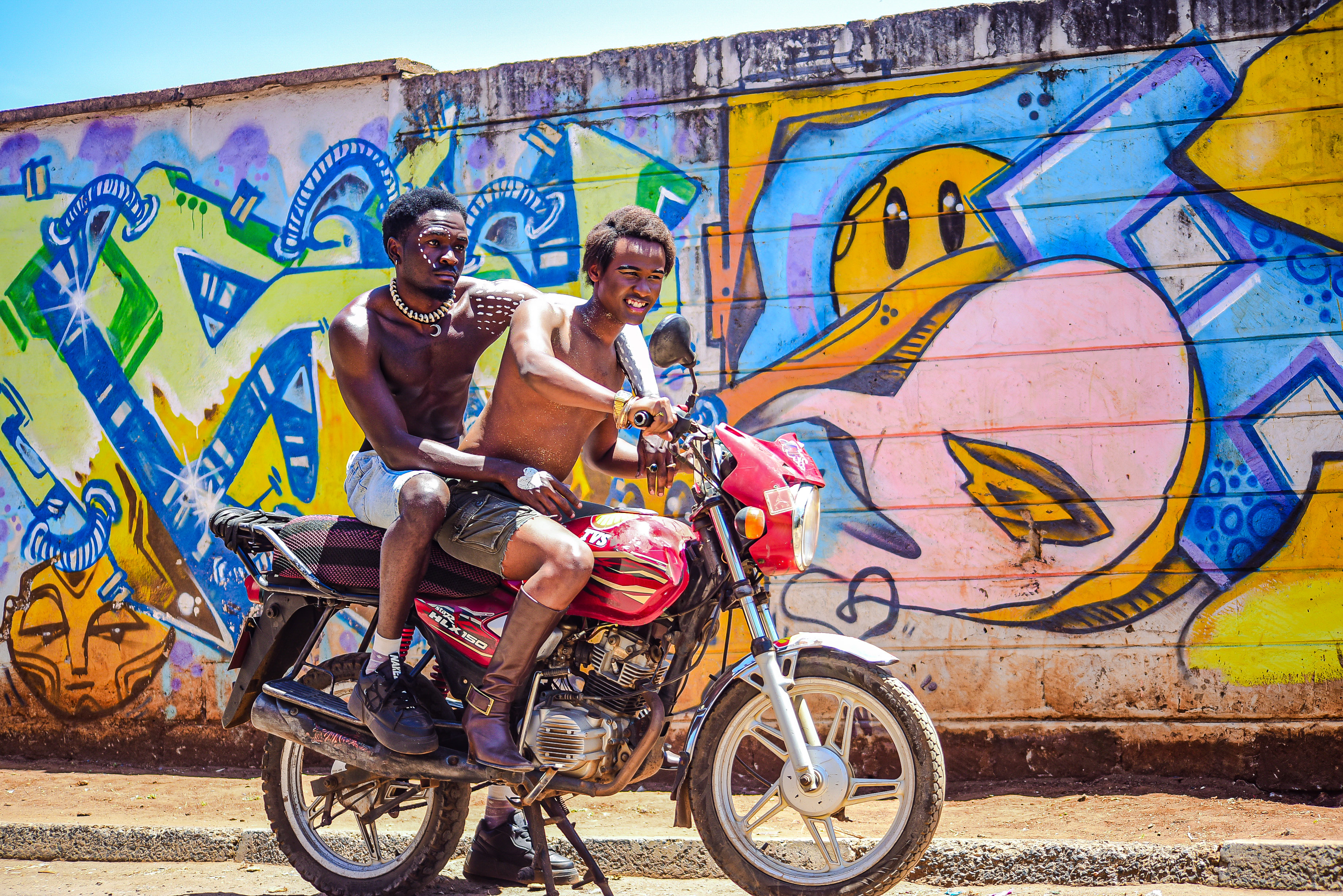
In Kenya, queer and disabled people are finding common ground around questions of identity, access, family, and belonging. Ahead of a Nairobi event exploring where disability and queerness intersect, organizers and participants talk about the communities they have found and the spaces they are trying to create. “Queer people and disabled people share way more than they think they do,” says one organizer. The event will use storytelling, art, performance, and what its organizers call “queer joy” to start a conversation they say is long overdue.
The Politics of Waiting, Wanting, and Hoping
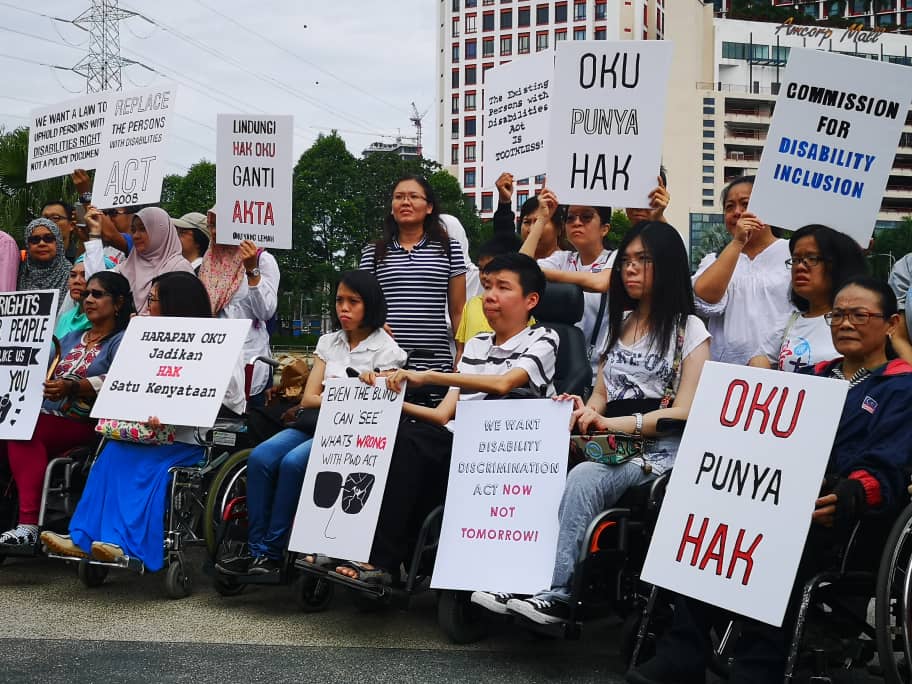
In Malaysia, disability exclusion is rarely one dramatic denial. More often, writes Beatrice Leong, it is “a series of ordinary delays” — inaccessible schools, symbolic consultations, policies without enforcement, and a system that asks disabled people to wait patiently for dignity and belonging. Blending personal reflection with political analysis, Leong examines what happens when inclusion is promised repeatedly, but justice never fully arrives.
Read more about The Politics of Waiting, Wanting, and Hoping

Beyond the ADA
The ADA’s influence extends far beyond the United States. It helped shape a growing international approach to disability rights that eventually contributed to the development of the CRPD. But global disability movements have also expanded on ideas that U.S. law has yet to fully embrace. “I think many U.S. disability rights activists were surprised to find out how much we could learn from the international community,” says Eric Rosenthal, founder and executive director of Disability Rights International.
Forgotten People
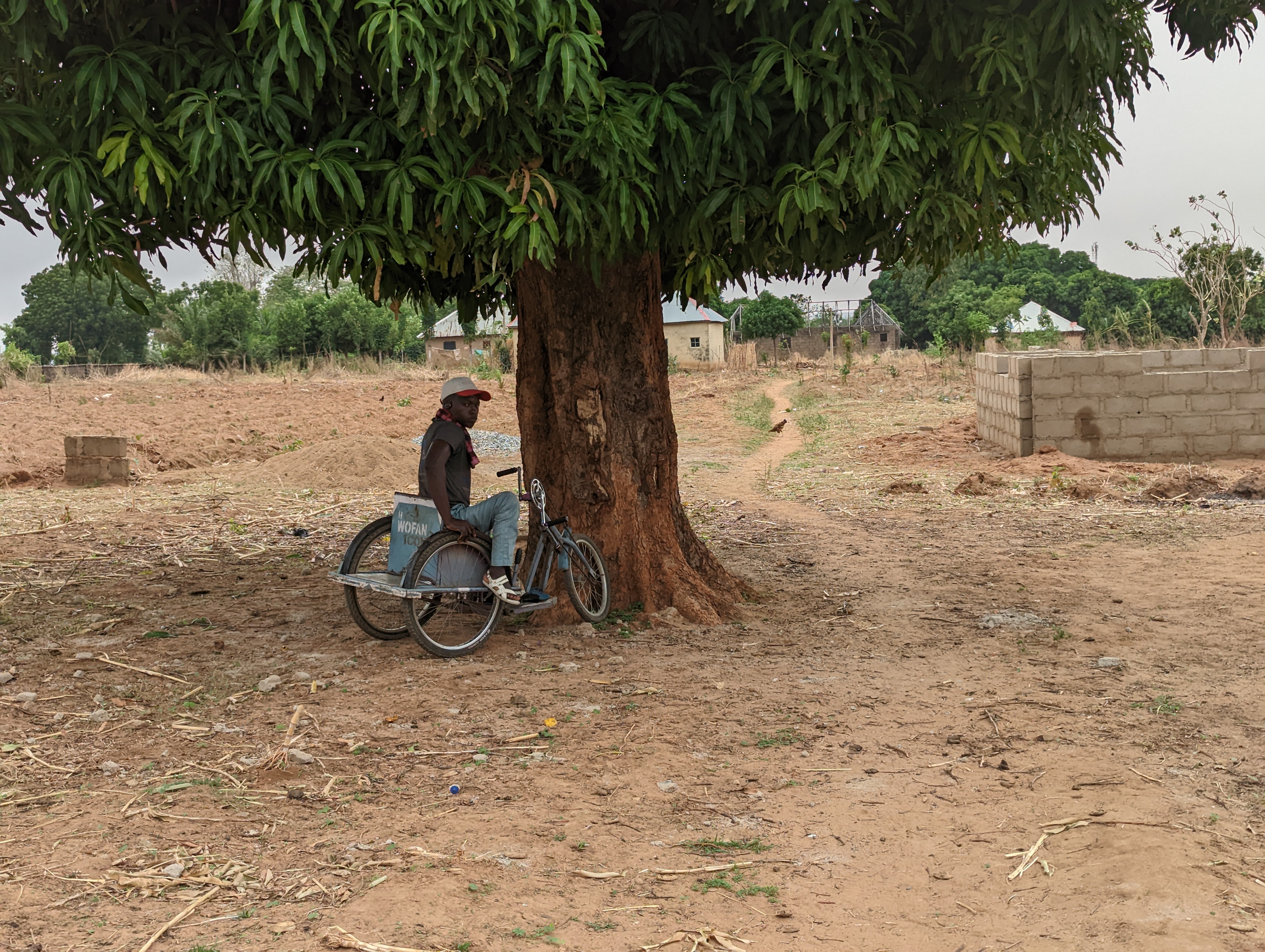
As Nigeria’s growing insecurity crisis spreads, disabled people face barriers that can make escaping violence far more difficult. Across the country, they describe inaccessible emergency warnings, challenges reaching safety, disrupted livelihoods, and limited access to assistance during times of crisis. Their stories reveal how conflict is experienced differently when mobility, communication, and support cannot be taken for granted and how disability is too often overlooked in emergency planning and response.

The Cost of Surviving
After years of failed treatments for complex PTSD, Marian Siljeholm followed an unlikely lead into the underground world of MDMA-assisted therapy. What began as a search for healing became a journey through the science of trauma, the politics of prohibition, and the hidden global network of people risking their freedom to help others reclaim their lives. Their stories would change her own. As Marian writes, “The next morning, I woke with a thought as real as the bed: This is the first day of my life.”