News
Shut Out
Play audio version
Inaccessible Job Opportunities a Pressing Issue for Rwandans with Short Stature
November 1, 2022
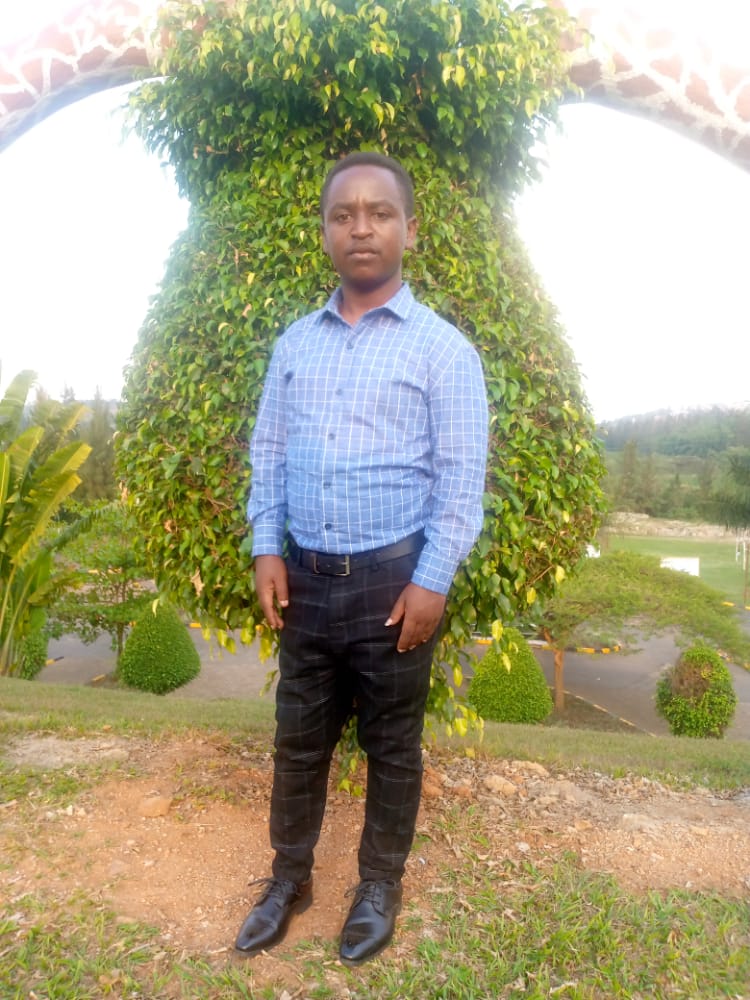
KIGALI, Rwanda – Despite graduating from the University of Rwanda with a bachelor’s degree in laboratory sciences over four years ago, Daphrose Yamfashije, a woman with short stature, has yet to find a full-time job. She’s worked part-time for organizations of persons with disabilities (OPDs), but her attempts at finding work at government and private institutions have been unsuccessful, she says.
“Mainly it is due to the physical and material inaccessibility in these institutions, as many laboratory materials like gloves, masks, tables are beyond my size, and moreover microscopes are at the tables that I cannot reach to,” explains Yamfashije. “I cannot be a clinical laboratory scientist without using microscopes and other laboratory machines.”
Yamfashije is not alone. In Rwanda, one of the many challenges persons with short stature face is a very low employment rate. Persons with short stature who are employed often work for OPDs. Manasseh Nzanira, vice president of the Rwanda Union of Little People (RULP), says that among the more than 200 RULP members across six districts in Rwanda, only one person with short stature is known to work for a government institution. The remaining members either work for OPDs or are unemployed.
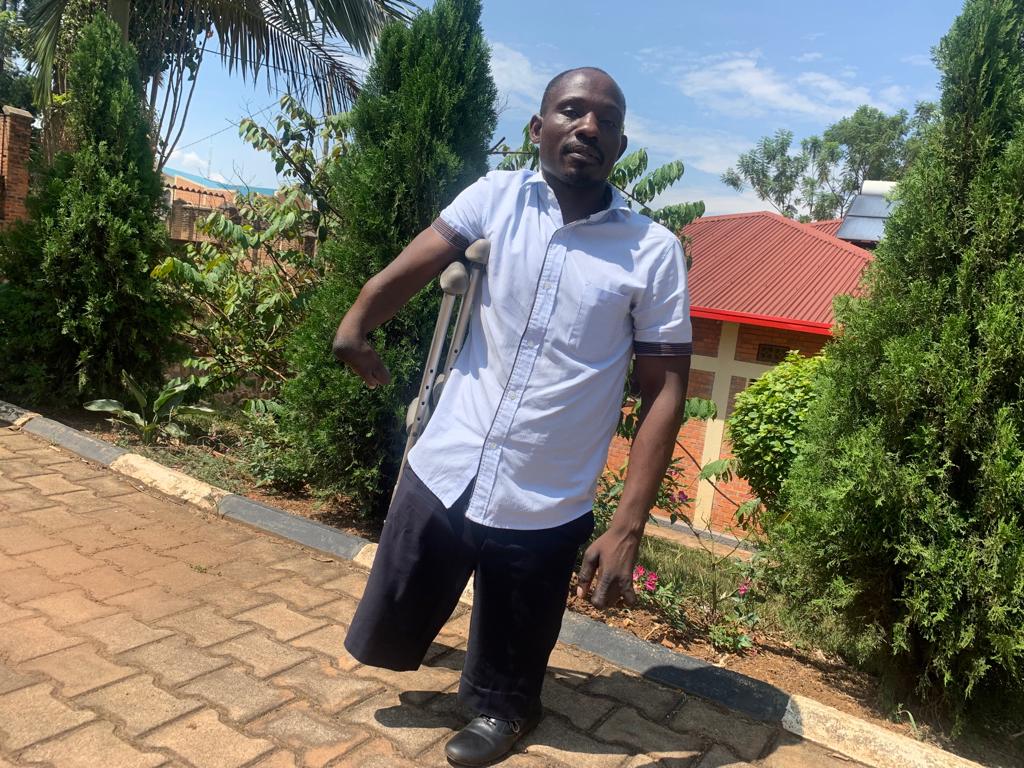
Cyprian Niyibigira, a man with short stature who works for Association Générale des Handicapés du Rwanda (AGHR), says that persons with short stature have been marginalized for years. This marginalization has intensified since the end of the genocide in 1994, as Rwanda has experienced heightened economic and social development issues, including high rates of unemployment, he explains.
Persons with short stature and other marginalized groups face extra challenges in accessing employment due to various factors like negative attitudes of employers who value your disability before your ability.
Cyprian Niyibigira, Association Générale des Handicapés du Rwanda (AGHR)
“Generally, it is not easy for persons with any type of disability to find a job in Rwanda in any other private or public institution in Rwanda. They mainly work with their organization of persons with disabilities. But persons with short stature and other marginalized groups face extra challenges in accessing employment due to various factors like negative attitudes of employers who value your disability before your ability,” says Niyibigira. “This means that when you enter an organization searching for a job, they first analyze and count how much money they are going to spend [for] you to work safely.”
Despite legislation intended to protect rights to employment for persons with disabilities – and even incentives for employers to hire persons with disabilities – persons with short stature feel that employers have not complied.
Yamfashije says she encountered employers who didn’t want to make accommodations for her disability. “What I experienced is that they sometimes fear costs of new materials for me as a new employee and negative attitude toward my ability,” she says.
Systemic Inequities
Aside from employers reluctant to spend on accommodations, systemic inequities contribute to the low rate of employment for persons with short stature, RULP’s Nzanira says. “First of all, there is very low education level among persons with short stature in Rwanda. On the side of families and communities, they meet stereotypes; negative attitudes [have] denied them to access education,” he says. “Moreover, persons with short stature have [a lack of] self-esteem, self-isolation, personal historical background, [are] illiterate or lack adequate qualifications and are not welcomed in social or community activities and events.”
Nzanira added that inaccessible employment compounds the challenges persons with short stature already face, such as chronic poverty, mental health problems, high rates of unemployment, sexual and gender-based violence, and malnutrition. It also increases the number of people dependent on government support for their basic needs, he says.
“I wish the government should take appropriate decisions and put in place policies and ministerial orders determining the modalities of facilitating persons with disabilities to easily access employment in Rwanda,” says Nzanira. “And in addition, persons with short stature should have self-confidence, join other institutions and show them their ability or else start their own businesses.”
Francine Uwayisaba is a field officer at Rwanda Union of Little People (RULP) and in charge of the organization’s communications. She writes grants, manages RULP’s social media, and composes articles and weekly updates for the website. @2022 RULP. All rights reserved.
News From the Global Frontlines of Disability Justice
Reducing the Disability Tax
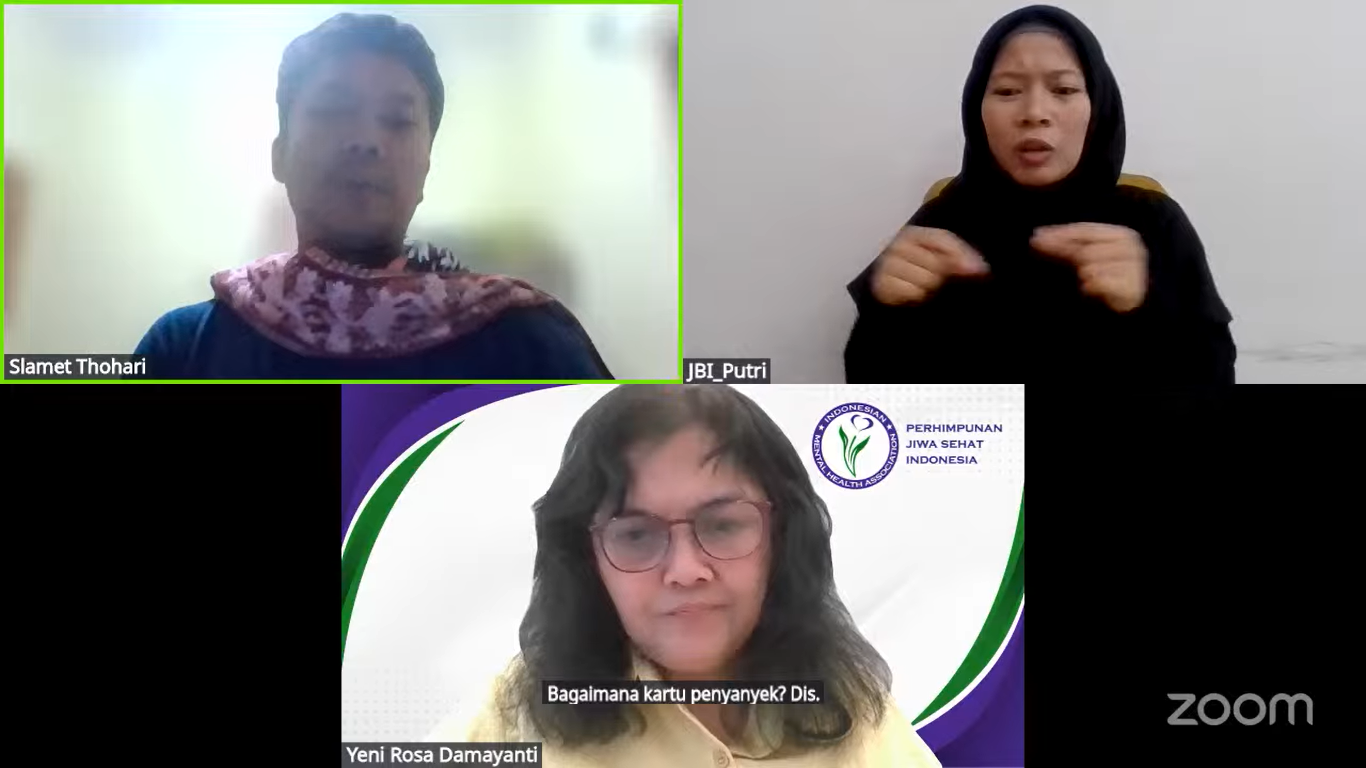
Indonesia has adopted a new regulation aimed at reducing the extra costs disabled people face, guaranteeing discounts across nine sectors, including health care, transportation and assistive devices. But disabled Indonesians say fees and administrative hurdles involved in obtaining the documents needed to access those rights could leave some people behind. As the government begins implementing the policy, advocates are calling for disability assessments to be free and accessible.
Joy As Resistance
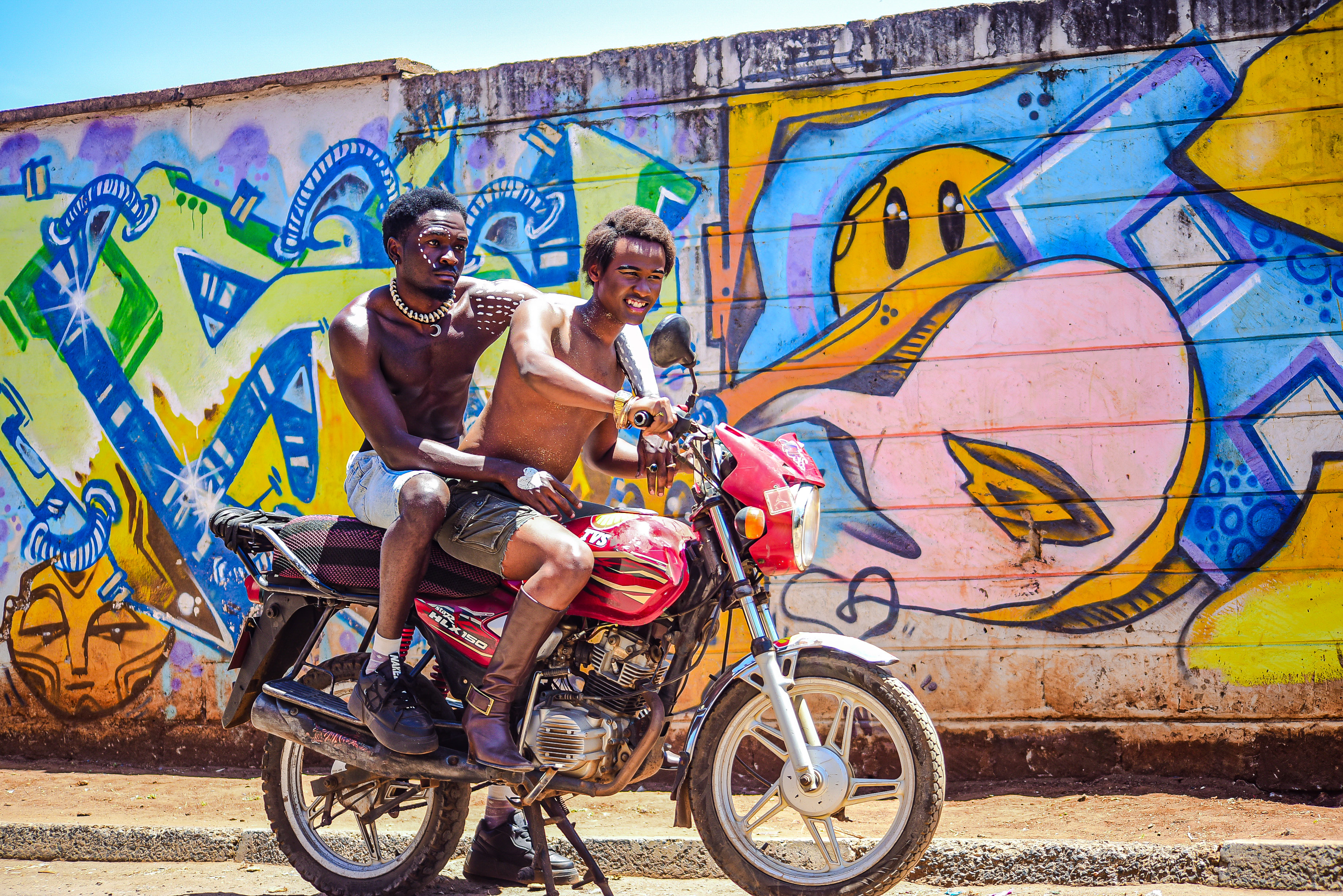
In Kenya, queer and disabled people are finding common ground around questions of identity, access, family, and belonging. Ahead of a Nairobi event exploring where disability and queerness intersect, organizers and participants talk about the communities they have found and the spaces they are trying to create. “Queer people and disabled people share way more than they think they do,” says one organizer. The event will use storytelling, art, performance, and what its organizers call “queer joy” to start a conversation they say is long overdue.
The Politics of Waiting, Wanting, and Hoping
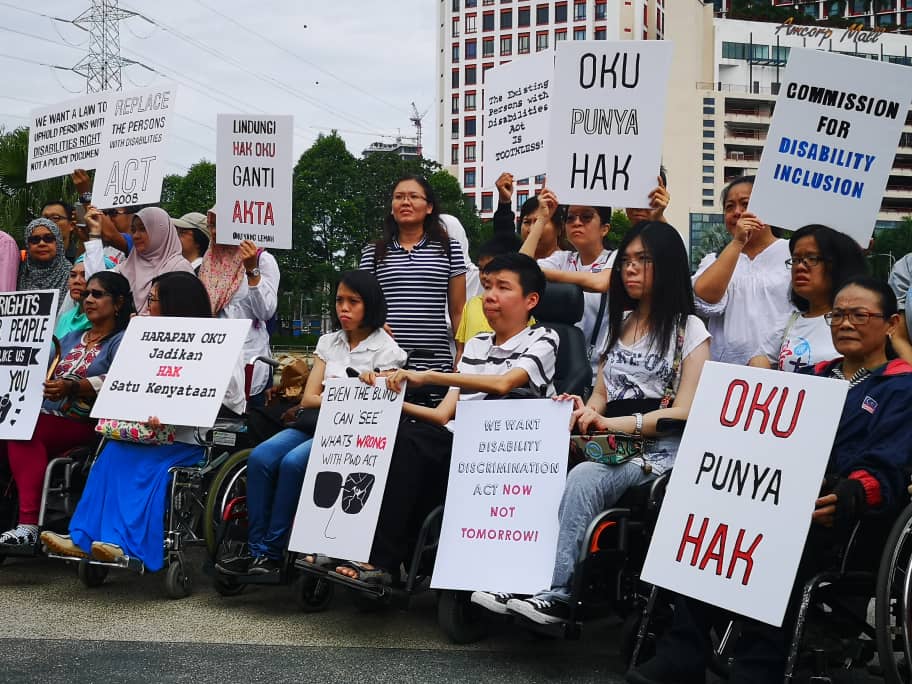
In Malaysia, disability exclusion is rarely one dramatic denial. More often, writes Beatrice Leong, it is “a series of ordinary delays” — inaccessible schools, symbolic consultations, policies without enforcement, and a system that asks disabled people to wait patiently for dignity and belonging. Blending personal reflection with political analysis, Leong examines what happens when inclusion is promised repeatedly, but justice never fully arrives.
Read more about The Politics of Waiting, Wanting, and Hoping
Beyond the ADA
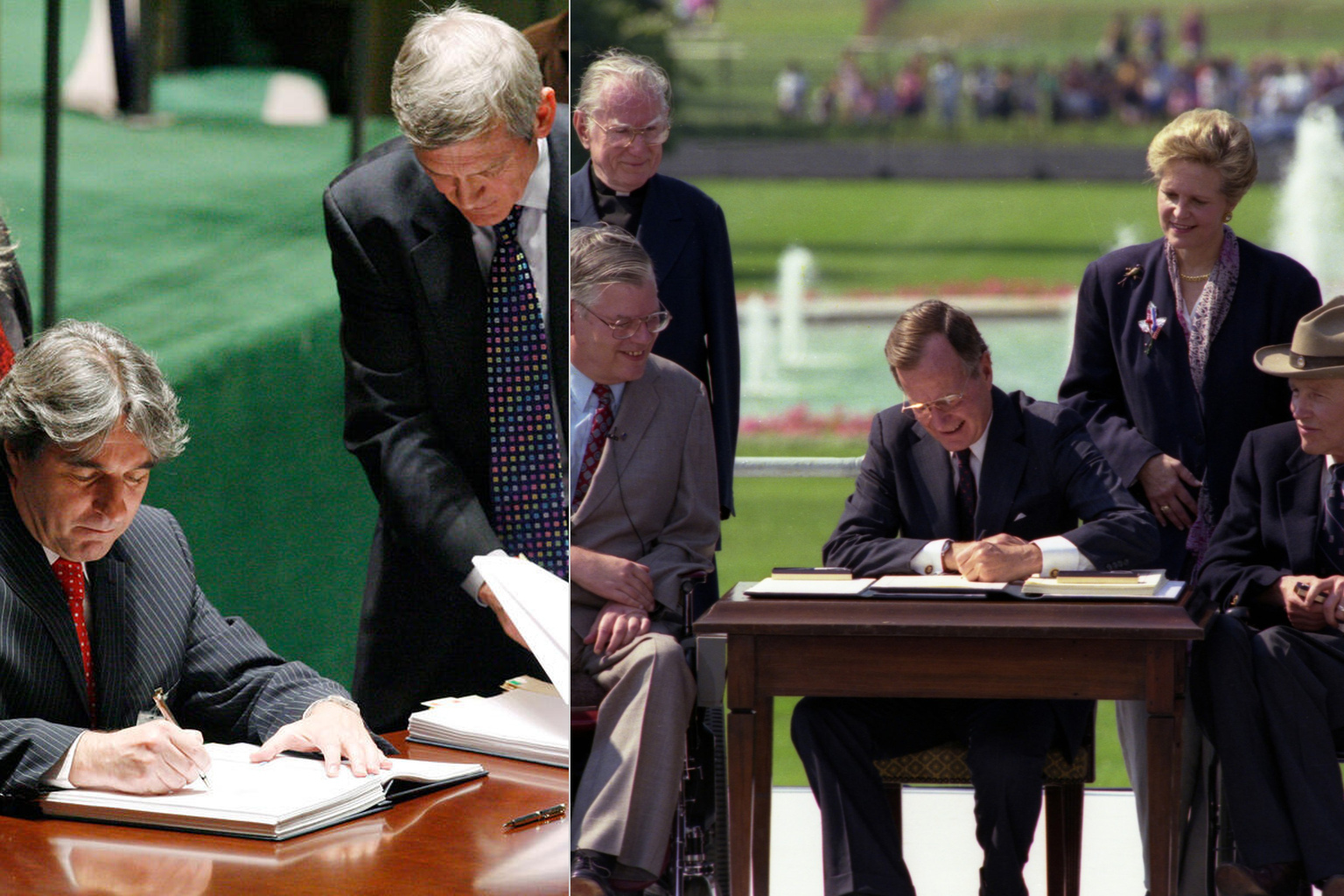
The ADA’s influence extends far beyond the United States. It helped shape a growing international approach to disability rights that eventually contributed to the development of the CRPD. But global disability movements have also expanded on ideas that U.S. law has yet to fully embrace. “I think many U.S. disability rights activists were surprised to find out how much we could learn from the international community,” says Eric Rosenthal, founder and executive director of Disability Rights International.
Forgotten People
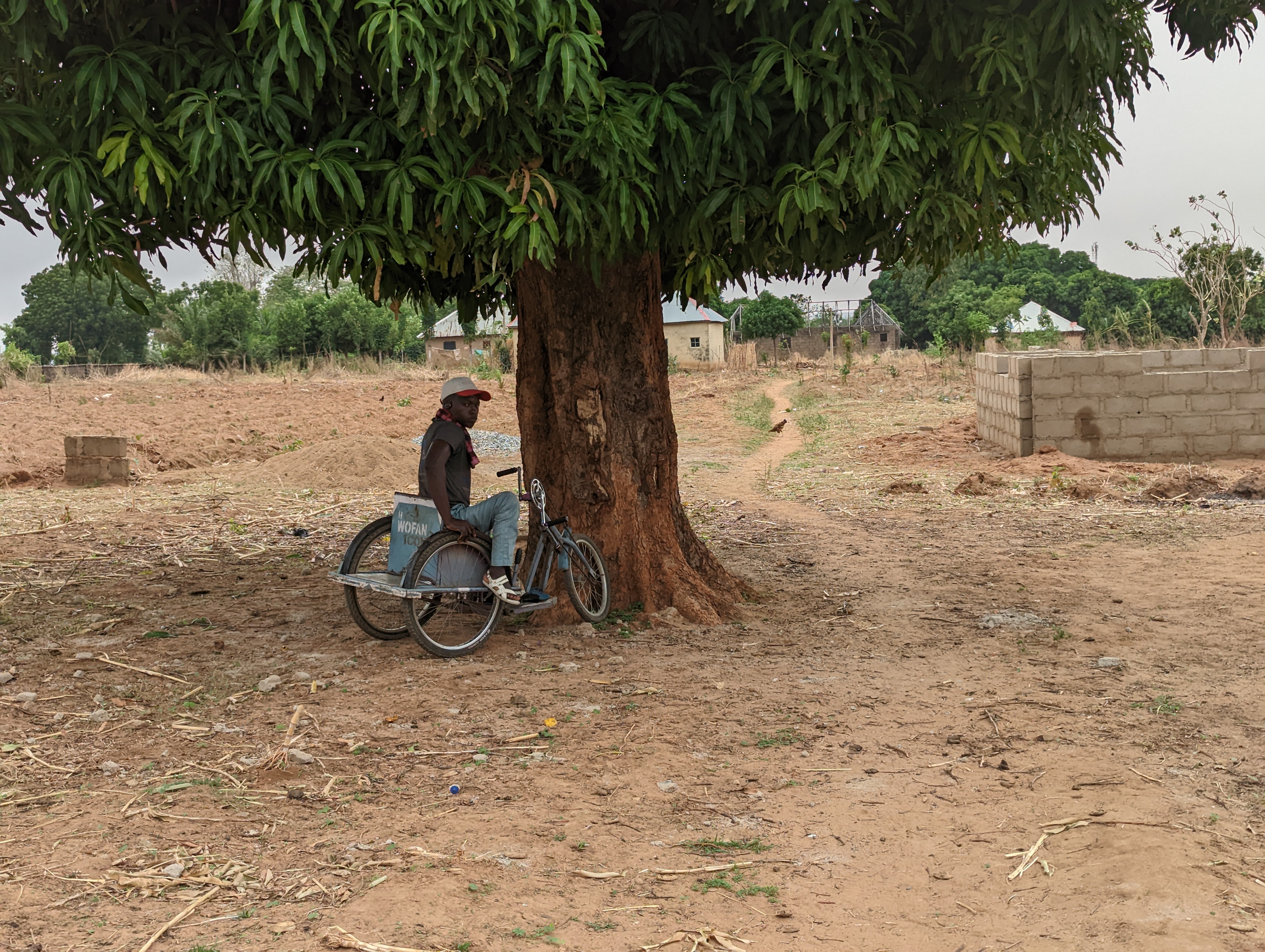
As Nigeria’s growing insecurity crisis spreads, disabled people face barriers that can make escaping violence far more difficult. Across the country, they describe inaccessible emergency warnings, challenges reaching safety, disrupted livelihoods, and limited access to assistance during times of crisis. Their stories reveal how conflict is experienced differently when mobility, communication, and support cannot be taken for granted and how disability is too often overlooked in emergency planning and response.

The Cost of Surviving
After years of failed treatments for complex PTSD, Marian Siljeholm followed an unlikely lead into the underground world of MDMA-assisted therapy. What began as a search for healing became a journey through the science of trauma, the politics of prohibition, and the hidden global network of people risking their freedom to help others reclaim their lives. Their stories would change her own. As Marian writes, “The next morning, I woke with a thought as real as the bed: This is the first day of my life.”